Measured Biology
The Measured Biology of Hemp Root
Cannabis sativa (root)
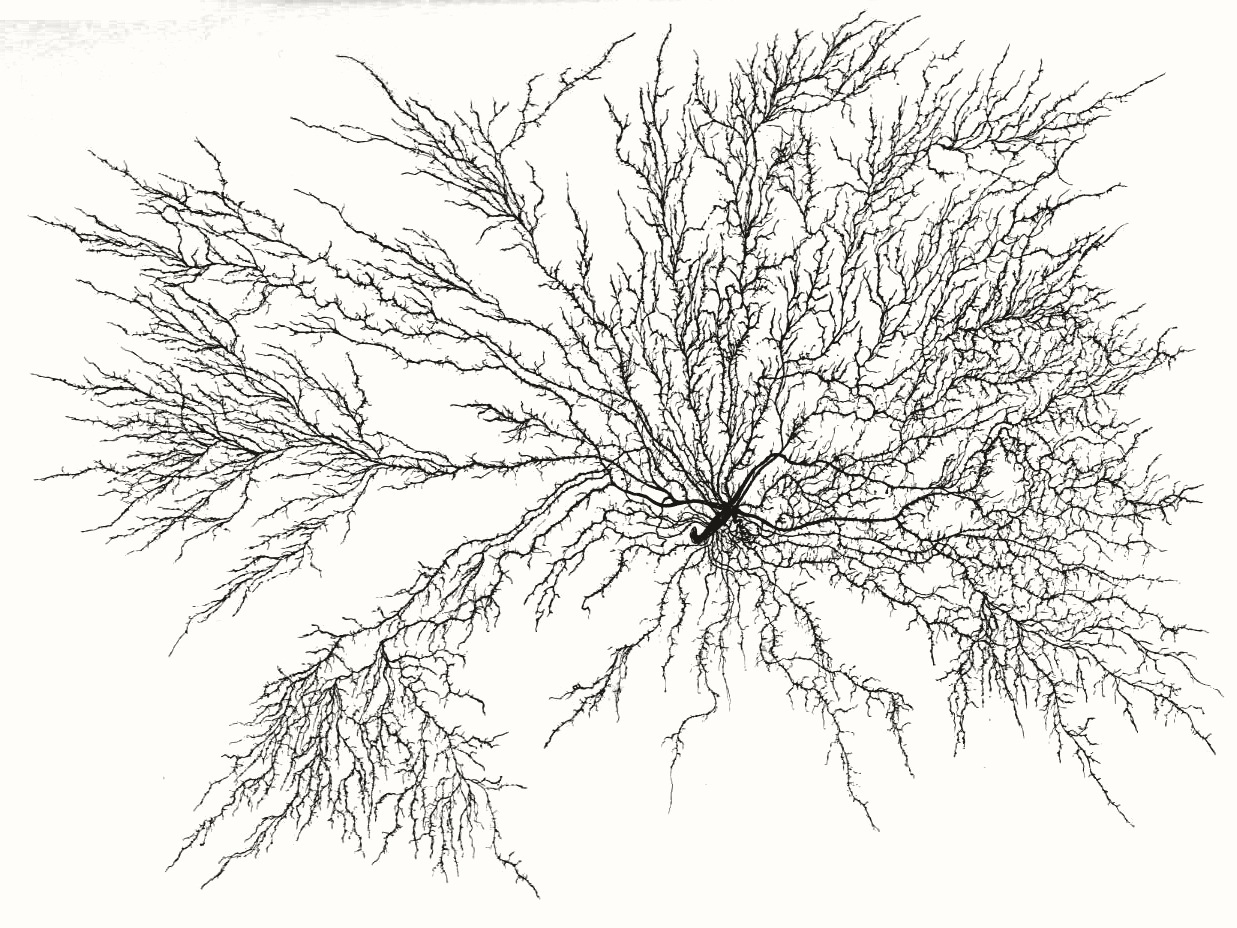
Hemp Root is the buried, structural half of Cannabis sativa — the anchoring taproot of the plant, farm-grown in the United States and prepared by GGG NATURAL as a finely milled, earthy whole-root powder. It is a study in distinction: where the flowering aerial parts of the plant carry the cannabinoids the world knows, the root carries none of them. What lives below the soil is an entirely different botanical character — a triterpene-rich, alkaloid-bearing tonic essentially free of THC and CBD, grounded and restorative rather than expressive. This is the part of the plant the modern era forgot and the old herbals never did, now drawing renewed scientific interest as its true constituent profile — pentacyclic triterpenes such as friedelin, epifriedelinol, and beta-amyrin — comes back into focus. In the GGG NATURAL apothecary, Hemp Root takes its place among the grounding restoratives: a root tonic for daily vitality and recovery, valued for the deep, steady, earthward quality that roots carry throughout the herbal tradition. It is the rare botanical that serves all three GGG kingdoms from one lineage — a daily tonic for People, a body-weight-scaled tonic for Pets, and a field-proven dilute drench for Plants — yet its identity is singular: the quiet, mineral-deep anchor of one of humanity's oldest cultivated plants, restored to its rightful station as nourishment rather than novelty.

In the body
Hemp Root engages the body as a grounding restorative, with its strongest traditional affinity for the digestive terrain and the body's own regulatory rhythms of recovery and resilience. Its defining chemistry is its pentacyclic triterpene fraction — friedelin, epifriedelinol, and beta-amyrin — a class of lipophilic triterpenoid compounds that the body's tissues recognize and that, across the wider botanical world, are associated with supporting the body's healthy inflammatory response and the comfortable, balanced tone of the digestive tract. These are the same triterpene structures that lend other revered roots their restorative reputation; in Hemp Root they arrive without any cannabinoid load, so what the body receives is the steadying, settling character of the molecule and none of the psychoactive signature of the aerial plant. Alongside the triterpenes, the root carries a distinctive alkaloid and terpene profile that frames its use as a tonic for deep, daily vitality and for the body's natural capacity to recover and re-balance after exertion. In structure/function terms, this is nourishment for the body's grounding systems — supporting digestive comfort, supporting a balanced inflammatory response, and supporting the steady, replenishing vitality that the herbal tradition has always asked of root medicine. It works the way roots work: slowly, earthward, feeding the body's own intelligence rather than overriding it, which is why it is taken in light, steady daily doses as a finely milled whole-root powder.
The molecules, measured
The active compounds in Hemp Root, the proteins each is measured to engage, and — where a real, exact-match assay exists — the strength of that binding.
Friedelin
PubChem ↗Measured to act on
Nitric oxide synthase, inducible
An enzyme that makes nitric oxide as part of the body's immune and inflammatory signaling.
G-protein coupled bile acid receptor 1
A receptor that senses bile acids and helps govern metabolism and energy balance.
Solute carrier organic anion transporter family member 1B1
A liver transporter that moves compounds from the blood into liver cells for processing.
Solute carrier organic anion transporter family member 1B3
A liver transporter that carries compounds out of the blood for the liver to handle.
beta-Sitosterol
PubChem ↗Measured to act on
Cytochrome P450 3A4
A major liver enzyme that breaks down a wide range of compounds the body takes in.
Cytochrome P450 2D6
A liver enzyme that processes and clears many natural and dietary compounds.
DNA polymerase beta — IC50 26300 nM
An enzyme that helps repair small breaks and gaps in the body's DNA.
Tyrosinase — 14.3% inhibition
The enzyme that produces melanin, the pigment that colors skin and hair.
N-trans-Feruloyltyramine
PubChem ↗Measured to act on
Tyrosinase — 49.0% inhibition
The enzyme that produces melanin, the pigment that colors skin and hair.
Quinone oxidoreductase
A protective enzyme that helps neutralize reactive compounds inside cells.
N-trans-Coumaroyltyramine (N-p-coumaroyltyramine)
PubChem ↗Measured to act on
Tyrosinase
A mushroom form of the pigment-making enzyme, used in labs to study melanin formation.
The classical record
What tradition carried
The root of Cannabis sativa has one of the longest and most widely distributed records of any part of the plant, recorded in poultices and decoctions across many of the world's herbal lineages — the very forms in which restorative roots have always been carried into the body. In the classical East Asian materia medica it appears as má gēn (麻根), the root counted distinctly from the seed and the aerial plant. Western herbal writers of the old tradition likewise set the root apart from the flowering tops, reaching for it as a grounding, recovery-supporting application rather than for any of the qualities the upper plant is known for. After a long modern eclipse, this traditional use is drawing renewed scientific interest precisely because the root's constituent chemistry — its triterpenes and alkaloids — gives a measured basis to what the old herbals carried forward: that beneath the famous flower lies a quiet, restorative tonic with a lineage all its own.