Measured Biology
The Measured Biology of Bladderwrack
Fucus vesiculosus
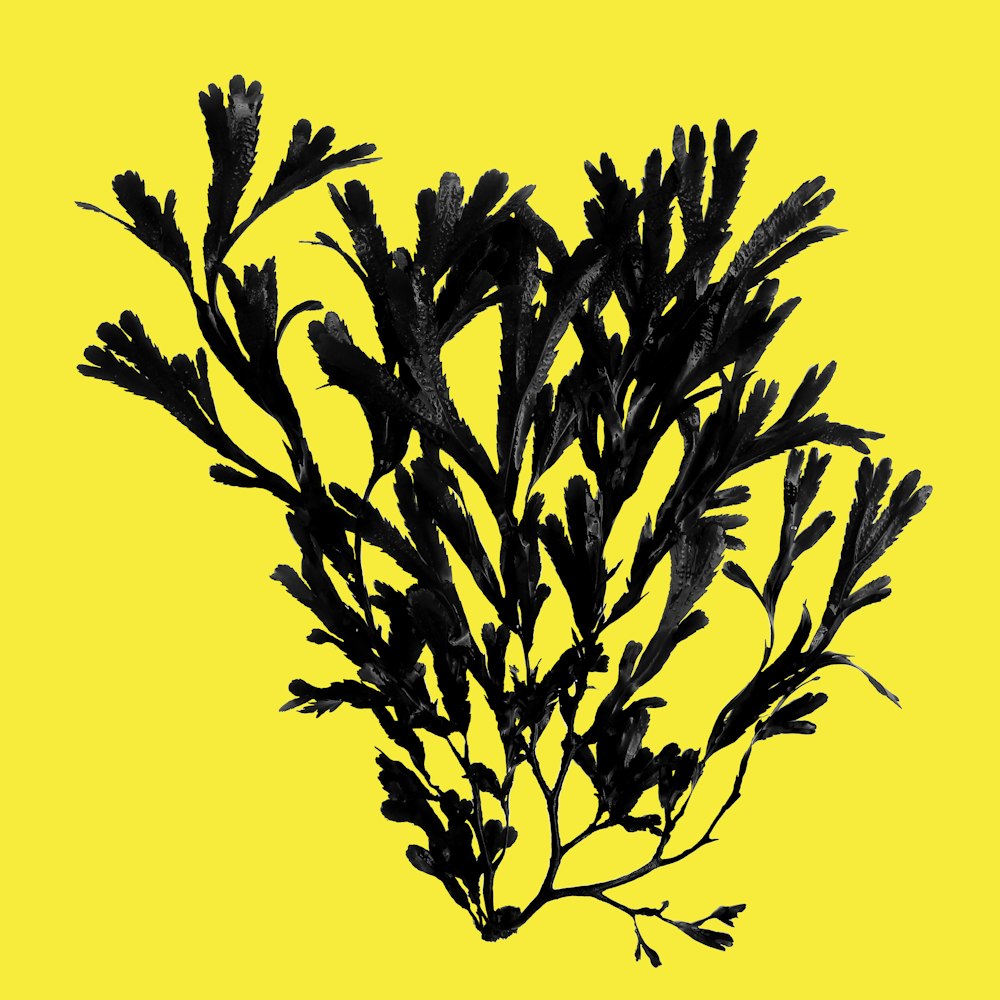
Bladderwrack (Fucus vesiculosus) is a brown seaweed of the cold North Atlantic — a sea vegetable rather than a land herb, wild-harvested from the intertidal zone where it anchors to rock and rides the surge on the paired air-bladders that give it its name. The whole thallus is taken: the entire leathery frond, ribbed and forked, that has spent its life filtering the mineral wealth of the ocean into its tissue. In the apothecary it stands as one of the great mineralizing foods — a concentrated marine matrix that carries the sea's full spectrum of trace elements in the form the body most readily recognizes: whole food, not isolate. It holds a particular place in the lineage as the original source of natural iodine, the seaweed from which iodine itself was first drawn in the early nineteenth century, and it remains the archetypal thyroid and metabolic tonic of the Western coastal herbal.
In the body
Bladderwrack speaks most directly to the endocrine and metabolic systems — above all the thyroid, the gland that governs the body's pace and warmth and its work of converting nourishment into vitality. Its signature contribution is iodine, an essential trace element the thyroid uses to build the very hormones through which it sets the body's metabolic tempo; bladderwrack supplies it in whole-food, organically bound form, supporting the gland's own native function rather than overriding it. Around that mineral core sits a remarkable breadth of marine trace minerals and electrolytes — the broad spectrum the sea offers — making it a daily mineral-density food that tones the body's structural and energetic reserves. Its established compound classes carry the rest of the work: fucoidans, the sulfated polysaccharides characteristic of brown seaweeds, which engage the body's own connective, circulatory, and immune systems as recognized nourishment; and alginic acid, a soluble marine fiber that supports the digestive tract's natural rhythm and the body's gentle, self-directed clearing. Together these polysaccharides and the mineral matrix nourish suppleness and resilience from within — the grounded, sustained vitality of a body well-supplied by the sea. This is structure and function: bladderwrack feeds the systems; the body does the rest.
The molecules, measured
The active compounds in Bladderwrack, the proteins each is measured to engage, and — where a real, exact-match assay exists — the strength of that binding.
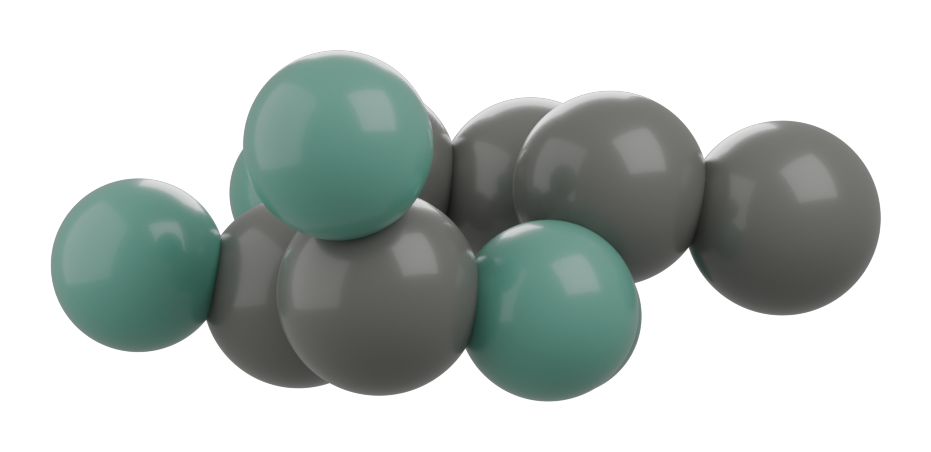
Phloroglucinol
PubChem ↗Measured to act on
Voltage-gated calcium channel
A gateway in the cell membrane that lets calcium in to trigger nerve and muscle activity.
Beta-secretase 1
An enzyme that cuts proteins at the cell surface, part of normal protein turnover.
The classical record
What tradition carried
In the Western herbal tradition, bladderwrack belongs to the coastal and island peoples of the North Atlantic — the seaweed gatherers of Ireland, Scotland, Scandinavia, and the Maritimes — who took it both as a winter food and as a mineral tonic against the leanness of the sea-margin diet. It enters the recorded materia medica through the European coastal herbals and the nineteenth-century pharmacopoeias, where it was esteemed as a metabolic and "reducing" tonic and prized as the very plant from which natural iodine was first isolated. Classical TCM has long carried its own kelps and brown seaweeds (the hai zao tradition) as cooling, softening sea vegetables that nourish and resolve. Across these lineages the constant is the same: a sea-vegetable taken as mineral-rich food to support the body's metabolic balance and steady vitality.