sea-vegetable
Bladderwrack
Fucus vesiculosus
Also known as
Suitable For
A brown seaweed rich in iodine, fucoidan, and alginic acid. Supports thyroid function, metabolism, and whole-body mineral nourishment.
What it nourishes in the body
The body systems this herb is traditionally understood to support — resolved through our knowledge graph, where the classical record and modern biology are read together. Structure and function, never a claim of treatment.
Raw, Unconcentrated Powder
Whole-plant. Small-batch. Potent.
How to take it
1 tsp in hot water, tea, or a smoothie, once daily.
Whole plant, never isolated
Concentrated extracts of the whole botanical — the way the body recognizes it.
Cited to measured biology
Every action we describe traces to the compound and its measured target.
Structure & function
We describe what an herb nourishes — never a claim to treat disease.
Secure checkout
Encrypted payment and human verification on every order.
The Sea Vegetable
Bladderwrack, in depth
Character
Bladderwrack (Fucus vesiculosus) is a brown seaweed of the cold North Atlantic — a sea vegetable rather than a land herb, wild-harvested from the intertidal zone where it anchors to rock and rides the surge on the paired air-bladders that give it its name. The whole thallus is taken: the entire leathery frond, ribbed and forked, that has spent its life filtering the mineral wealth of the ocean into its tissue. In the apothecary it stands as one of the great mineralizing foods — a concentrated marine matrix that carries the sea's full spectrum of trace elements in the form the body most readily recognizes: whole food, not isolate. It holds a particular place in the lineage as the original source of natural iodine, the seaweed from which iodine itself was first drawn in the early nineteenth century, and it remains the archetypal thyroid and metabolic tonic of the Western coastal herbal.
In the Body
Bladderwrack speaks most directly to the endocrine and metabolic systems — above all the thyroid, the gland that governs the body's pace and warmth and its work of converting nourishment into vitality. Its signature contribution is iodine, an essential trace element the thyroid uses to build the very hormones through which it sets the body's metabolic tempo; bladderwrack supplies it in whole-food, organically bound form, supporting the gland's own native function rather than overriding it. Around that mineral core sits a remarkable breadth of marine trace minerals and electrolytes — the broad spectrum the sea offers — making it a daily mineral-density food that tones the body's structural and energetic reserves. Its established compound classes carry the rest of the work: fucoidans, the sulfated polysaccharides characteristic of brown seaweeds, which engage the body's own connective, circulatory, and immune systems as recognized nourishment; and alginic acid, a soluble marine fiber that supports the digestive tract's natural rhythm and the body's gentle, self-directed clearing. Together these polysaccharides and the mineral matrix nourish suppleness and resilience from within — the grounded, sustained vitality of a body well-supplied by the sea. This is structure and function: bladderwrack feeds the systems; the body does the rest.
The Tradition
In the Western herbal tradition, bladderwrack belongs to the coastal and island peoples of the North Atlantic — the seaweed gatherers of Ireland, Scotland, Scandinavia, and the Maritimes — who took it both as a winter food and as a mineral tonic against the leanness of the sea-margin diet. It enters the recorded materia medica through the European coastal herbals and the nineteenth-century pharmacopoeias, where it was esteemed as a metabolic and "reducing" tonic and prized as the very plant from which natural iodine was first isolated. Classical TCM has long carried its own kelps and brown seaweeds (the hai zao tradition) as cooling, softening sea vegetables that nourish and resolve. Across these lineages the constant is the same: a sea-vegetable taken as mineral-rich food to support the body's metabolic balance and steady vitality.
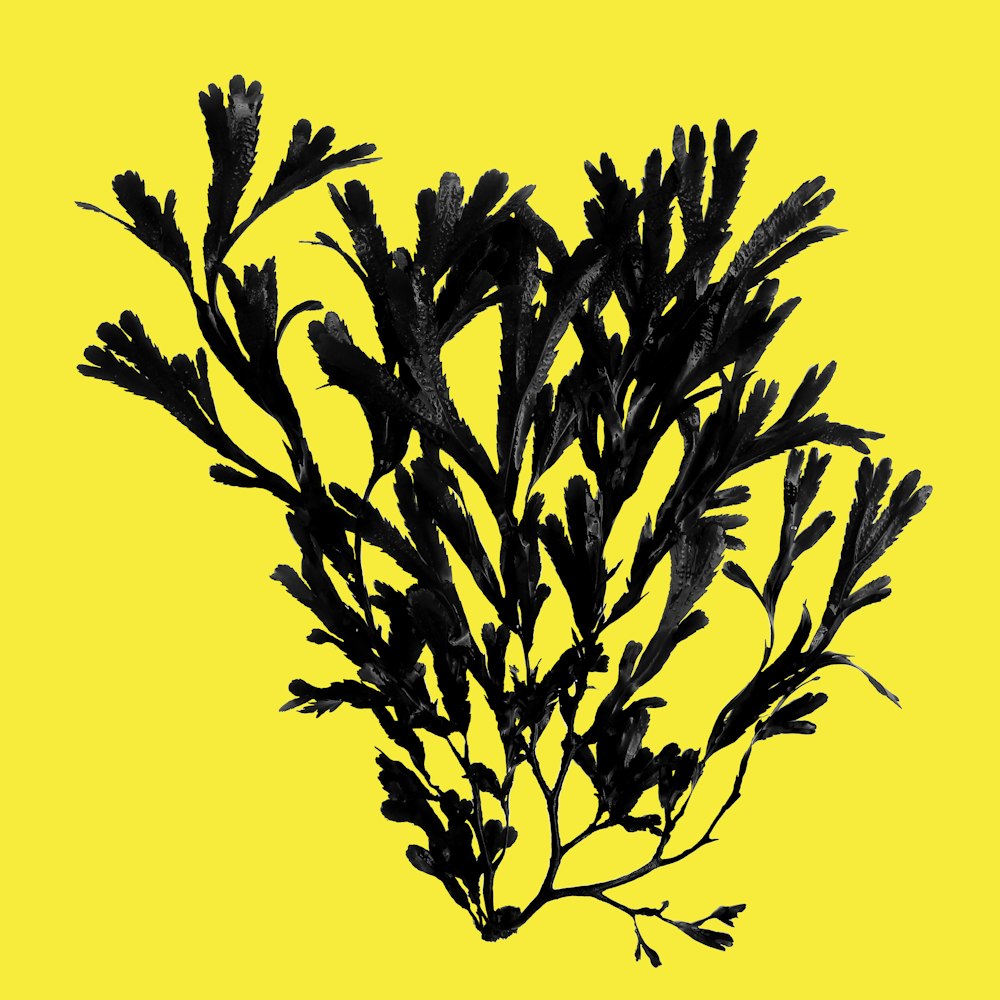
The whole thallus
Bladderwrack,
as it actually grows.
Bladderwrack is a brown alga native to North Atlantic and Baltic coastlines, recognized by its paired air bladders and dichotomously forked fronds rich in iodine, fucoidan, and alginic acid. It has been gathered as a sea vegetable and mineral-dense tonic herb in coastal European and Japanese traditions for centuries.
How to Use
Across the Three Kingdoms
One herb, prepared once, serving people, pets, and plants from a single botanical practice — each with its own measure and care.
People
Benefit
a whole-food source of trace minerals and daily mineral density
How to Use
1 tsp in hot water, tea, or a smoothie, once daily.
Pets
Dogs & companion animals
Benefit
A mineral-rich brown sea vegetable traditionally used to support normal thyroid and metabolic function and to supply natural iodine, trace minerals, and fucoidan-type polysaccharides.
How to Use
Offer a small pinch of the dilute powder or a few drops of the hot-water extract stirred into food, scaled to body weight (a little for a cat or small bird, proportionally more for a dog or horse). Start low, use intermittently rather than high daily doses, and keep total iodine intake modest.
By Animal
Cats
Food-grade, non-aromatic, non-phenolic seaweed; no ASPCA toxicity listing. Well tolerated as a dilute tonic at moderate use; keep iodine modest.
Dogs
Common ingredient in canine seaweed/kelp supplements; supports coat and metabolism. Well tolerated dilute at moderate use; watch total iodine load.
Horses
High iodine — keep amounts modest and intermittent; avoid extra iodine for pregnant mares.
Birds
Kelp/seaweed iodine supplements are routinely fed across avian species (budgie to macaw) for feather/molt/thyroid; non-aromatic, so no essential-oil risk. Avoid prolonged high daily dosing.
⚑ Sport horses: Iodine is a dietary mineral and is not on the FEI Equine Prohibited Substances List or the USEF banned/controlled lists, so bladderwrack itself is not a prohibited substance. However, its iodine load can affect thyroid status, so manage dosing and timing around competition and keep records of supplements fed.
Safety
Iodine is an essential mineral — the thyroid requires it to make its hormones, and this sea vegetable is a rich natural source (a benefit, not a hazard). All caveats here are conditional and do not change the per-species class for a healthy animal in moderate use. The dominant concern with any brown seaweed is iodine: content is high and highly variable by harvest (roughly 500-1000+ mcg per 100g, some kelps far higher), and chronic or high daily intake can disrupt thyroid function (both hyper- and hypothyroid states are documented). Avoid in animals with known thyroid disease and in any animal already on thyroid medication or other iodine sources without veterinary oversight. Use with particular care in pregnant or nursing animals: iodine crosses the placenta and concentrates in milk, and excess maternal iodine from seaweed has caused goitrous, hypothyroid foals in horses, so pregnant/lactating animals (all species) should not receive routine seaweed iodine without a vet. Fucoidans have mild antiplatelet/anticoagulant activity, so discontinue before elective surgery and use caution with anticoagulant or antiplatelet drugs. Wild seaweed can accumulate heavy metals (arsenic, cadmium, lead) and may interact with absorption of some oral medications, so source-tested material and dose separation from drugs are advised. Start low, monitor, and stop if appetite, weight, coat/feather, or energy changes appear. This is a wellness tonic, not a treatment for any disease.
Source: ASPCA Animal Poison Control plant database (no Fucus vesiculosus / bladderwrack toxicity listing); Kentucky Equine Research (Kelp for Horses; Microminerals in Equine Diets: Iodine; Iodine Deficiency and Goiter in Horses); dvm360 (Thyroid function and dysfunction in horses); IVC Journal (Seaweeds for animal health); avian iodine/kelp guidance (BirdSupplies, Morning Bird); EMA assessment report on Fucus vesiculosus L. thallus; FEI 2026 Equine Prohibited Substances List; USEF 2026 Guidelines & Rules for Drugs and Medications.
Plants
Garden, soil & foliage
Benefit
whole-cycle vigor, resilience, and a living root zone
How to Use
Dilute 1/8 to 1/4 teaspoon per gallon of water. Foliar feed at the lighter rate, or soil drench at the fuller rate, about once a month or every other feeding. Used the entire way, through both vegetative growth and bloom.
Best for
Whole cycle — growth & bloomSafety
A dilute extract in the GGG Plants line; always dilute and start light.
Source: GGG Plants line formulation
Structure-and-function guidance for nutrition and vitality. Not intended to diagnose, treat, cure, or prevent any disease. Introduce one botanical at a time and notice how the body responds. Some plants interact with medication; if you are pregnant, nursing, or on a prescription, know the interaction before you begin.
What's inside
Bladderwrack,
down to the molecule.
The signature compound of Bladderwrack, rendered from its real structure in bronze and glass — the precise thing the plant carries, given the dignity it has earned.
The evidence chain
From the plant to the molecule to the body — traced.
Not a claim — a chain. Every link below traces to a primary record. This is what Bladderwrack is, measured.
The plant
Bladderwrack
which governs
A gateway in the cell membrane that lets calcium in to trigger nerve and muscle activity.
serving the system
Endocrine · Digestive
and the tradition independently agrees
Named for these systems in the recorded herbal lineage (Culpeper 1653, TCM, and cross-cultural materia medica) — tradition and the molecule, arrived at separately, converge.
Structure and function only. The chain describes the plant’s characterized chemistry and traditional use — not a claim to treat, cure, or prevent any disease.
How it works
How Bladderwrack works in the body
A herb is never one thing — it is a community of compounds, each meeting the body in its own way. These are the active molecules in Bladderwrack and the proteins each one is measured to engage: the precise points where the plant meets your biology. So you see not just that it works, but how.
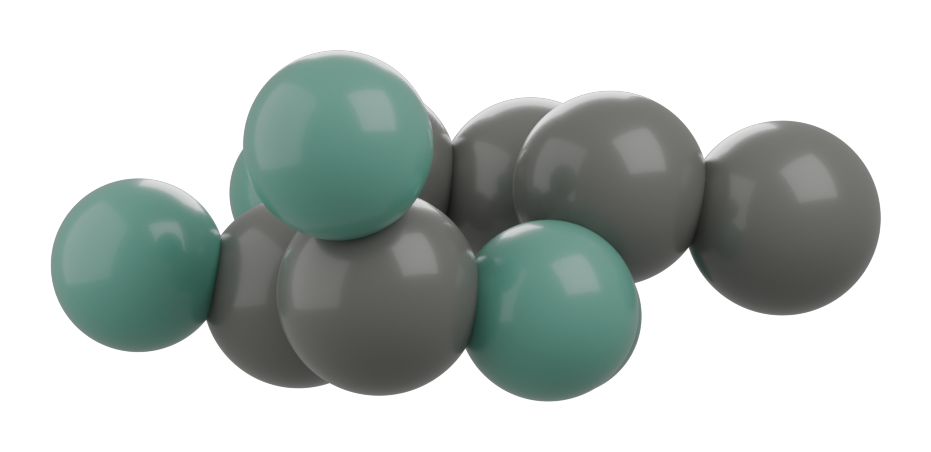
Phloroglucinol
PubChem ↗Measured to act on
A gateway in the cell membrane that lets calcium in to trigger nerve and muscle activity.
Concentrated in intestinestructure resolved ↗
An enzyme that cuts proteins at the cell surface, part of normal protein turnover.
Concentrated in pancreas, brainstructure resolved ↗
Cited science · not claims
Everything we publish about these plants traces to a primary source — the compounds to PubChem, ChEMBL, and BindingDB, the traditional uses to named, dated herbals. We describe what a plant is and what it is understood to nourish — the body’s own systems, structure and function only. We do not claim it treats, cures, or prevents any disease, and nothing here is a substitute for professional care. See our method & sources →
These statements have not been evaluated by the Food and Drug Administration. Not intended to diagnose, treat, cure, or prevent any disease.
Works alongside
Other herbs that share Bladderwrack's terrain
Different plants reaching the same systems of the body — the convergence our genome engine maps. These nourish the terrain Bladderwrack supports: