mushroom
Agaricus Blazei
Agaricus blazei Murill
Also known as
Suitable For
A Brazilian native exceptionally rich in beta-glucans — among the most immune-active polysaccharides in the fungal kingdom. Studied for its support of natural immune function and cellular health.
What it nourishes in the body
The body systems this herb is traditionally understood to support — resolved through our knowledge graph, where the classical record and modern biology are read together. Structure and function, never a claim of treatment.
Where measure and tradition agree
Agaricus Blazei is measured to engage this system in human binding data — and the recorded tradition named it for it independently. Two evidence systems arriving at the same place, separately, is our highest standard. See the research →
Engages the body’s own cannabinoid system
Agaricus Blazei is measured to engage the endocannabinoid system — the master regulator the body runs on its own cannabinoids. Characterization, not a clinical claim. The endocannabinoid bridge →
10:1 Concentrated Extract
Whole-plant. Small-batch. Potent.
How to take it
1/4 tsp (up to 1 tsp) in hot water, tea, coffee, a smoothie, or food, once daily — begin with light doses; our extracts are very potent.
Whole plant, never isolated
Concentrated extracts of the whole botanical — the way the body recognizes it.
Cited to measured biology
Every action we describe traces to the compound and its measured target.
Structure & function
We describe what an herb nourishes — never a claim to treat disease.
Secure checkout
Encrypted payment and human verification on every order.
The Fungus
Agaricus Blazei, in depth
Character
Agaricus blazei Murill is a sun-loving mushroom of Brazilian origin, native to the warm coastal highlands where it was first noted thriving in rich, mineral soils. Known across the world's herbal markets as the almond mushroom for its faintly sweet, nutty aroma, it is a true culinary species — food-grade, cultivated, and gentle — yet it carries one of the most concentrated reserves of immune-supporting polysaccharides found anywhere in the fungal kingdom. At GGG NATURAL we offer it as a 10:1 fruiting-body extract: the whole, mature fruiting body reduced to its dense, water-soluble core, the form in which its character is most complete and most potent. In our apothecary it stands in the company of the great fungal allies — chaga, turkey tail, the polypores of the temperate forest — but Agaricus holds a place of its own as a warm-climate mushroom built for daily, sustaining use rather than ceremony. It is a quiet workhorse of vitality: not dramatic, but deep, the kind of botanical you take steadily across seasons to keep the body's own resilience well-supplied.
In the Body
Agaricus blazei is, above all, a mushroom of the immune system — the body's standing network of surveillance, recognition, and self-regulation — which it engages not by force but by familiarity. Its defining constituents are its polysaccharides, and chiefly the beta-glucans: long, branched chains of glucose woven into the fungal cell wall in a molecular architecture the mammalian body has been reading for as long as it has eaten and lived among fungi. The body's innate immune cells carry receptors shaped to recognize precisely these beta-glucan patterns; when they meet them, the immune system's own machinery of recognition is engaged and toned, the way a well-kept instrument responds to a familiar hand. This is structure speaking to structure — the plant nourishing the body's native intelligence rather than overriding it. Alongside the beta-glucans sit a broader family of water-soluble polysaccharides and proteoglycan fractions that make the hot-water extract its proper form: these are the constituents that lift cleanly into a tea or a warm infusion, which is why Agaricus is prepared in water rather than spirit. Through this same polysaccharide chemistry it lends quiet support to the gut barrier — the membrane interface where so much of immune education happens — and to the steady, daily vitality that GGG NATURAL frames as its target system: not a spike of stimulation but a grounded reserve of energy and resilience that the body draws on at its own pace. It carries no aromatic oil, no phenolic or saponin load, no sharp principle — only the clean, well-tolerated polysaccharide fraction, which is why it sits so comfortably in long, steady use across people, and as a dilute tonic for plants and animals alike.
The Tradition
Agaricus blazei is a relative newcomer to the recorded herbal canon compared with the millennia-old polypores, and its lineage is honest about that: it entered wide cultivation and study only after its identification in the Brazilian highlands, where it was a prized local food mushroom long before it traveled. From Brazil it was carried into the great mushroom-cultivating traditions of East Asia, where it took the name himematsutake and was folded into the long lineage of East Asian functional-mushroom practice that prizes the fungal fruiting body as a tonic for daily vitality and constitutional strength. It thus belongs to two streams at once — the indigenous food-and-vigor wisdom of its native ground, and the classical Asian tonic tradition that recognized in every potent mushroom a means of supporting the body's deep, sustaining energies. At GGG NATURAL we carry it in that second framing: a culinary mushroom honored as a vitality tonic, taken steadily and gently in the manner the tradition prescribes.
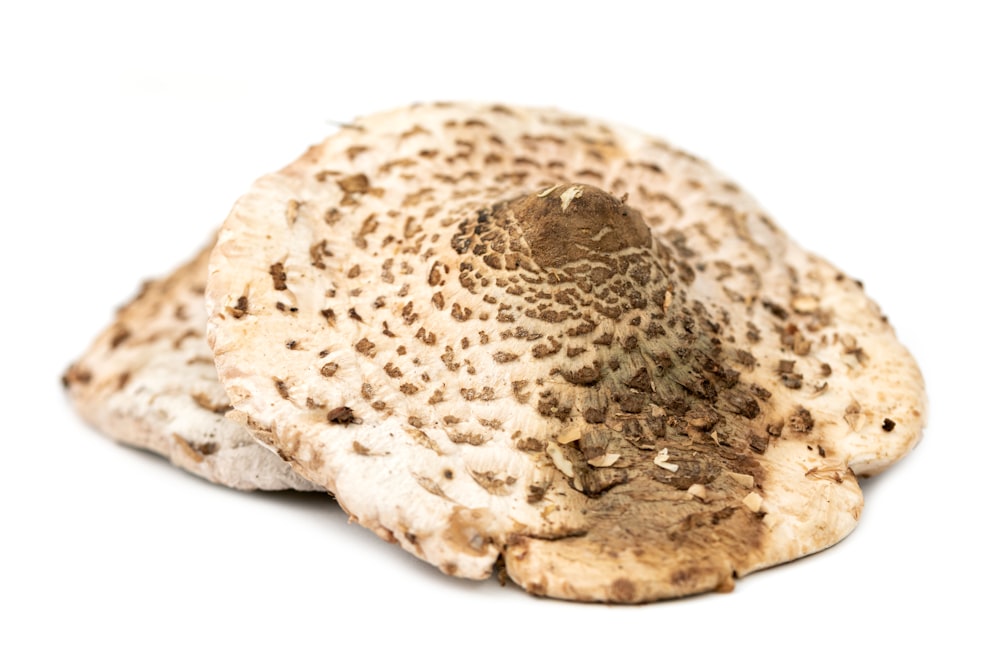
The mushroom cap
Agaricus Blazei,
as it actually grows.
Agaricus blazei, the almond mushroom, is native to the grasslands of São Paulo, Brazil, where it fruits in dense rings after summer rains and carries a faint, pleasant scent of almonds or anise. Long prized in Brazilian and Japanese culinary traditions, it is enjoyed sautéed, dried, and steeped as a warming tea.
How to Use
Across the Three Kingdoms
One herb, prepared once, serving people, pets, and plants from a single botanical practice — each with its own measure and care.
People
Benefit
immune resilience and deep, daily vitality — plus immune support
How to Use
1/4 tsp (up to 1 tsp) in hot water, tea, coffee, a smoothie, or food, once daily — begin with light doses; our extracts are very potent.
Pets
Dogs & companion animals
Benefit
Beta-glucan-rich culinary mushroom that supports normal immune and gut-barrier function.
How to Use
Offer a small amount of the dilute hot-water extract/powder mixed into food, scaled to body weight (a pinch for cats/small dogs/birds, more for large dogs/horses); start low and give a few times weekly.
By Animal
Cats
Non-toxic mushroom; dilute water extract is beta-glucan, no phenols/essential oils to burden feline glucuronidation. Avoid alcohol tinctures.
Dogs
Well tolerated; beta-glucan immune tonic used in canine supplements. Start low to avoid transient GI upset.
Horses
Food-grade polysaccharide tonic; no iodine/glycyrrhizin/saponin load. Hindgut-friendly in moderate amounts.
Birds
No aromatic/essential-oil fraction (the usual avian hazard); beta-glucan is used as an immune feed additive in poultry.
⚑ Sport horses: none — beta-glucan is a nutritional polysaccharide, not on the FEI Equine Prohibited Substances List or USEF controlled-medication list; however USEF/FEI caution that any tonic/powder could carry trace contaminants, so use a batch-tested product before competition.
Safety
Agaricus blazei (Agaricus blazei Murill) is a food-grade, non-toxic cultivated mushroom — it does not appear on the ASPCA toxic-plant list, and the ASPCA's mushroom toxicity warnings target wild poisonous fungi (Amanita, Inocybe, etc.), not this cultivated species. As a dilute hot-water extract the active fraction is beta-glucan polysaccharide, which is well tolerated across mammals and is even used as an immune-training feed additive in poultry; there is no aromatic, phenolic, essential-oil, iodine, glycyrrhizin, or saponin load, so the usual cat-glucuronidation, equine-iodine, and avian-aromatic concerns do not apply. Conditional caveats (do not class-downgrade a healthy animal for these): mushroom-allergic animals should avoid it; because beta-glucans are immunomodulatory, use caution in animals on immunosuppressive therapy or with autoimmune disease; avoid in pregnancy/lactation absent veterinary guidance; introduce slowly since high doses may cause transient GI upset (loose stool, nausea); never use alcohol-based tinctures in cats; use only pet-/food-grade extracts (not raw wild mushrooms); and consult your veterinarian on dosing for animals with significant kidney or liver disease or those on multiple medications.
Source: ASPCA Animal Poison Control toxic/non-toxic plant + mushroom database (aspca.org/pet-care/animal-poison-control/toxic-and-non-toxic-plants); peer-reviewed immunology (Hetland et al., PMC3168293; PMC2688003); beta-glucan poultry immune-training study (PMC9868956); FEI Equine Prohibited Substances List (inside.fei.org/fei/cleansport/ad-h/prohibited-list); 2026 USEF Guidelines & Rules for Drugs and Medications (usef.org).
Plants
Garden, soil & foliage
Benefit
whole-cycle vigor, resilience, and a living root zone
How to Use
Dilute 1/8 to 1/4 teaspoon per gallon of water. Foliar feed at the lighter rate, or soil drench at the fuller rate, about once a month or every other feeding. Used the entire way, through both vegetative growth and bloom.
Best for
Whole cycle — growth & bloomSafety
A dilute extract in the GGG Plants line; always dilute and start light.
Source: GGG Plants line formulation
Structure-and-function guidance for nutrition and vitality. Not intended to diagnose, treat, cure, or prevent any disease. Introduce one botanical at a time and notice how the body responds. Some plants interact with medication; if you are pregnant, nursing, or on a prescription, know the interaction before you begin.
What's inside
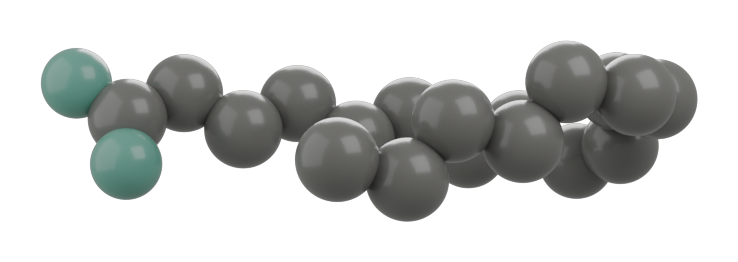
Agaricus Blazei,
down to the molecule.
The signature compound of Agaricus Blazei, rendered from its real structure in bronze and glass — the precise thing the plant carries, given the dignity it has earned.
The evidence chain
From the plant to the molecule to the body — traced.
Not a claim — a chain. Every link below traces to a primary record. This is what Agaricus Blazei is, measured.
The plant
Agaricus Blazei
which governs
A receptor (PPAR-alpha) that governs fat burning and energy metabolism.
serving the system
Immune · Liver
and the tradition independently agrees — measured binding
The recorded herbal lineage names Agaricus Blazei a immune herb. Independently, its compounds are measured to bind proteins of that system. Tradition and molecule, arrived at separately, converge — the strongest evidence we hold.
Structure and function only. The chain describes the plant’s characterized chemistry and traditional use — not a claim to treat, cure, or prevent any disease.
How it works
How Agaricus Blazei works in the body
A herb is never one thing — it is a community of compounds, each meeting the body in its own way. These are the active molecules in Agaricus Blazei and the proteins each one is measured to engage: the precise points where the plant meets your biology. So you see not just that it works, but how.
Ergosterol
PubChem ↗Measured to act on
An enzyme immune cells switch on to make nitric oxide, a signaling molecule of the inflammatory response.
A liver enzyme that tags compounds with sugar so the body can clear them.
Concentrated in liver, intestinestructure resolved ↗
A liver transporter that pulls compounds from the blood into liver cells for processing.
Concentrated in liverstructure resolved ↗
A liver transporter that ferries compounds from the bloodstream into liver cells for processing.
Concentrated in liverstructure resolved ↗
Ergosterol peroxide (5,8-epidioxy-ergosta-6,22-dien-3-ol)
PubChem ↗Measured to act on
An enzyme immune cells switch on to make nitric oxide, a signaling molecule of the inflammatory response.
An enzyme that converts excess glucose into sorbitol, part of how cells handle sugar.
Concentrated in adrenal glandstructure resolved ↗
A sensor that reads bile acid levels and helps govern fat and cholesterol balance.
Concentrated in liver, intestinestructure resolved ↗
Linoleic acid
PubChem ↗Measured to act on
The everyday enzyme making prostaglandins that protect the stomach lining and support normal blood flow.
Concentrated in urinary bladder, skin 1, intestinestructure resolved ↗
The enzyme that drives the body's inflammatory response when tissue is stressed.
Concentrated in urinary bladder, seminal vesicle, bone marrowstructure resolved ↗
A master switch that governs how fat cells store energy and respond to nutrients.
Concentrated in adipose tissue, breaststructure resolved ↗
A nuclear sensor that helps the liver burn fats for energy.
Concentrated in tonguestructure resolved ↗
A sensor in muscle that helps cells use fat as fuel.
A receptor that senses dietary fats and helps regulate insulin release.
Concentrated in bone marrow, ovary, pancreas, brainstructure resolved ↗
A receptor that detects omega fatty acids and is involved in calming inflammatory signaling.
Concentrated in intestine, pituitary gland, adipose tissue, lungstructure resolved ↗
An enzyme that converts fatty acids into signaling molecules that help resolve inflammation.
Concentrated in adipose tissue, fallopian tubestructure resolved ↗
The enzyme that converts androgens into estrogen, balancing the body's sex hormones.
Concentrated in placentastructure resolved ↗
An enzyme involved in shaping active steroid hormones from their precursors.
Concentrated in intestinestructure resolved ↗
The receptor through which testosterone and related hormones signal to cells.
Concentrated in liverstructure resolved ↗
The receptor through which estrogen signals, governing many reproductive and tissue functions.
Concentrated in endometrium 1, cervix, fallopian tubestructure resolved ↗
An enzyme that packages cholesterol into a storable form inside cells.
Concentrated in adrenal glandstructure resolved ↗
A shuttle protein that carries fatty acids around inside fat cells.
Concentrated in adipose tissue, breaststructure resolved ↗
A shuttle protein that moves fatty acids to fuel the heart and muscle.
Concentrated in heart muscle, tongue, skeletal musclestructure resolved ↗
Measured in the lab
Real measurements from binding studies. A tighter fit means the compound meets its target more readily — the figure in grey is the actual measured value.
Binds very tightly to Peroxisome proliferator-activated receptor alpha · Kd 4.8 nM
Binds tightly to Free fatty acid receptor 4 · EC50 316 nM
Binds tightly to Free fatty acid receptor 1 · EC50 540 nM
Binds tightly to Aldo-keto reductase family 1 member C3 · IC50 690 nM
Binds tightly to Fatty acid-binding protein, adipocyte · IC50 1 µM
Binds tightly to Fatty acid-binding protein, heart · IC50 1 µM
— and 6 more measured targets, each traced to its source.
Cited science · not claims
Everything we publish about these plants traces to a primary source — the compounds to PubChem, ChEMBL, and BindingDB, the traditional uses to named, dated herbals. We describe what a plant is and what it is understood to nourish — the body’s own systems, structure and function only. We do not claim it treats, cures, or prevents any disease, and nothing here is a substitute for professional care. See our method & sources →
These statements have not been evaluated by the Food and Drug Administration. Not intended to diagnose, treat, cure, or prevent any disease.
Works alongside
Other herbs that share Agaricus Blazei's terrain
Different plants reaching the same systems of the body — the convergence our genome engine maps. These nourish the terrain Agaricus Blazei supports: