berry
Schizandra
Schisandra chinensis
Also known as
Suitable For
Schisandra chinensis — the rare 'five-flavor berry,' rich in lignans that support liver function, mental performance, and stress resilience. One of the few botanicals to engage all five taste profiles at once.
What it nourishes in the body
The body systems this herb is traditionally understood to support — resolved through our knowledge graph, where the classical record and modern biology are read together. Structure and function, never a claim of treatment.
Where measure and tradition agree
Schizandra is measured to engage this system in human binding data — and the recorded tradition named it for it independently. Two evidence systems arriving at the same place, separately, is our highest standard. See the research →
10:1 Concentrated Extract
Whole-plant. Small-batch. Potent.
How to take it
1/4 tsp (up to 1 tsp) in hot water, tea, coffee, a smoothie, or food, once daily — begin with light doses; our extracts are very potent.
Whole plant, never isolated
Concentrated extracts of the whole botanical — the way the body recognizes it.
Cited to measured biology
Every action we describe traces to the compound and its measured target.
Structure & function
We describe what an herb nourishes — never a claim to treat disease.
Secure checkout
Encrypted payment and human verification on every order.
The Botanical
Schizandra, in depth
Character
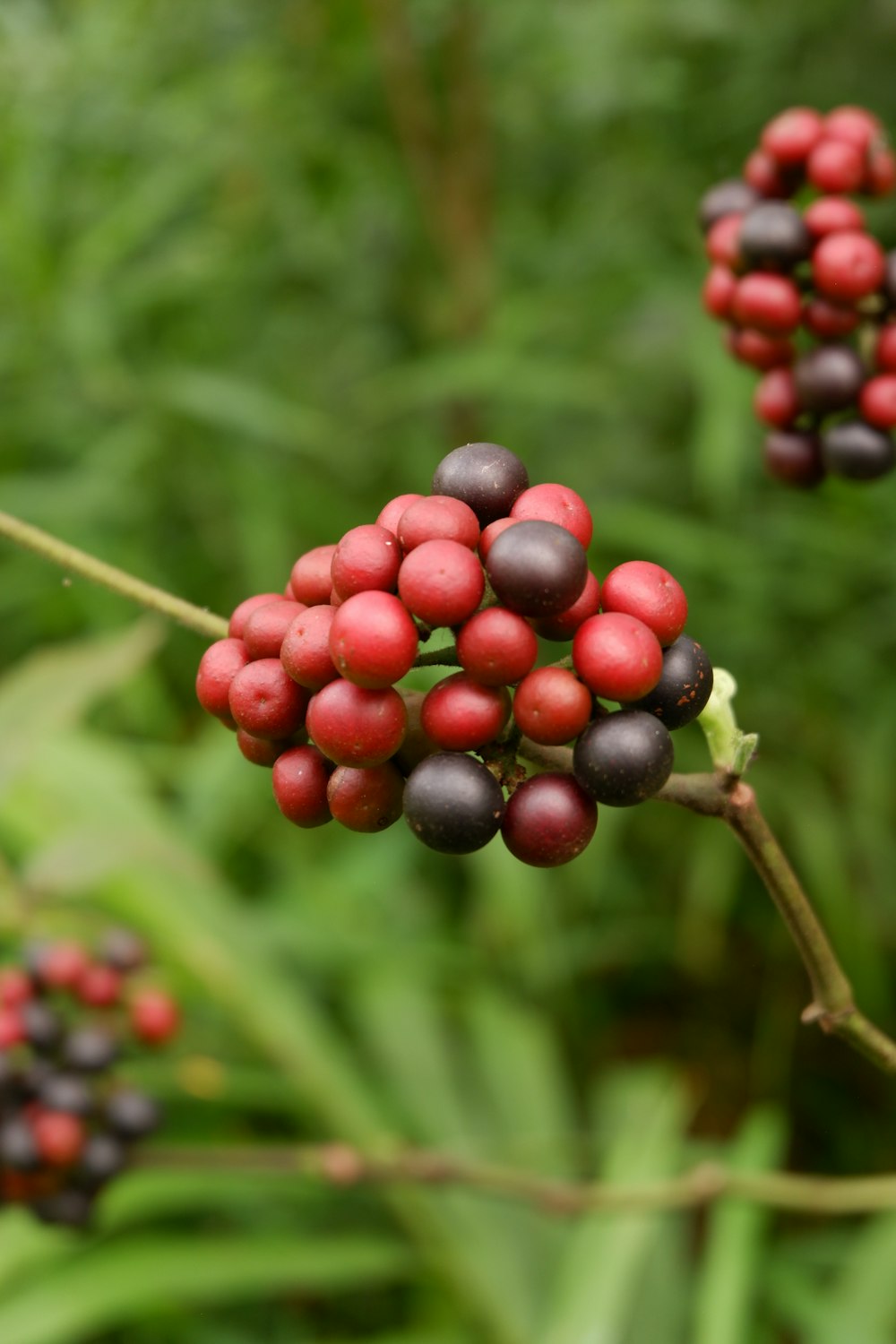
Schizandra (Schisandra chinensis) is the celebrated wu wei zi — the "five-flavor berry" — a small, glossy crimson fruit borne on a woody climbing vine native to the cold northern forests of China and the Russian Far East. Its name is its signature: alone among botanicals, a single berry carries all five classical flavors at once — sour and sweet in the flesh, pungent and bitter in the seed, salty in the whole — and it is this rare completeness that earned it a place at the very top of the herbal hierarchy. In the lineage we carry, Schizandra is not a casual tonic but a superior, daily-use botanical: the kind of plant traditionally reserved for sustained vitality rather than fleeting effect, taken to build a deep, steady reserve of energy over time. As an adaptogen berry, it is prized for nourishing the body's own capacity to meet demand with poise — to draw on stamina without burning hot, to stay clear and grounded under load.
Our Schizandra is a potent 10:1 fruit extract, concentrated from the whole berry so that the full five-flavor spectrum and the lignan-rich character of the seed are carried into a few quiet grains of powder. It belongs to the rare class of plants the tradition trusts for the long arc — a botanical you live alongside, building resilience season after season, rather than reaching for in a moment of crisis.
In the Body
Schizandra is most closely associated with the liver — the body's great filtering and metabolic seat — and with the systems of energy, stamina, and stress resilience that radiate from a well-toned internal economy. Its defining constituents are the dibenzocyclooctadiene lignans (the schisandrins and gomisins), a structurally distinctive class of compounds concentrated in the seed, which the tradition has long understood as the source of the berry's tonifying character. These lignans speak to the liver's own filtering and clearing systems — the body's innate capacity to recognize, transform, and carry off what it no longer needs — supporting the organ's natural housekeeping rhythm and its capacity to tone and renew its own tissue. This is structure and function in the truest sense: not an intervention against the liver, but nourishment of the work the liver already knows how to do.
Beyond the lignans, the berry carries organic fruit acids (its pronounced sourness), aromatic mono- and sesquiterpenes from the volatile oils, and fruit polysaccharides — a whole-spectrum matrix that supports the body's antioxidant defenses and its healthy response to oxidative and metabolic load. As an adaptogen, Schizandra's gift is to the body's stress-response architecture: it supports the steady, even functioning of the systems that govern endurance, mental clarity, and recovery, helping the body meet exertion with stamina and return to calm without the spike-and-crash of a stimulant. The five flavors are not folklore but a map of breadth — sour to gather and tone, sweet to nourish, pungent and bitter to move and clear, salty to ground — a single fruit engaging multiple systems at once. The result is a botanical that supports vitality, focus, and a resilient, grounded baseline of energy.
The Tradition
Schizandra holds an exalted place in classical East Asian herbalism, where it is recorded as wu wei zi, the "five-flavor seed," and counted among the superior tonic botanicals — those traditionally taken over long stretches to build reserve and sustain vitality rather than to address a passing complaint. The herbals describe it as astringing and gathering, a fruit used to consolidate the body's energy, to steady the spirit and the senses, and to support the liver and the body's natural cleansing rhythm. Its five-flavor completeness was understood to let a single berry reach the body's several internal systems at once, which is why it was so prized by scholars and laborers alike for endurance, clarity, and steadiness under sustained demand. GGG NATURAL carries Schizandra in this lineage — a research-grade extract of a fruit that thousands of years of recorded human practice have placed among the most trusted tonics of the herbal tradition.
The berry
Schizandra,
as it actually grows.
Schisandra chinensis earns its Chinese name wu wei zi — "five-flavor fruit" — because a single berry simultaneously delivers sweet, sour, salty, bitter, and pungent notes on the palate. The dried berries have been steeped as a restorative tonic tea across Northeast Asian traditions for centuries, prized as much for their complexity of flavor as for their place in daily ritual.
How to Use
Across the Three Kingdoms
One herb, prepared once, serving people, pets, and plants from a single botanical practice — each with its own measure and care.
People
Benefit
natural energy, stamina, and endurance — plus gentle liver and cleansing support
How to Use
1/4 tsp (up to 1 tsp) in hot water, tea, coffee, a smoothie, or food, once daily — begin with light doses; our extracts are very potent.
Pets
Dogs & companion animals
Benefit
Adaptogen berry traditionally used to support a healthy stress response, liver/antioxidant function, and steady energy.
How to Use
Dilute hot-water extract or powder; give a small pinch stirred into food, scaled to body weight (start with a fraction of the human-equivalent amount for a small pet and build up slowly). Tonic use a few days per week, not a continuous high dose.
By Animal
Cats
EFSA: safe in feed ≤47 mg/kg, but Schisandra lignans actively inhibit UGT/CYP — the glucuronidation pathway cats already lack — and the fruit carries volatile mono/sesquiterpenes; keep the dose minimal and infrequent.
Dogs
EFSA FEEDAP concluded the fruit tincture safe in dog feed up to 56 mg/kg; well tolerated as a dilute tonic for a healthy dog.
Horses
EFSA concluded safe in horse feed up to 47 mg/kg; hindgut-friendly as a dilute tonic. (Competition restriction is regulatory, see competition field.)
Birds
EFSA explicitly assessed poultry and concluded the tincture safe (~12–18 mg/kg feed); dilute tonic doses are well within range. Lower per-kg level reflects feed-intake math, not a toxicity signal.
⚑ Sport horses: FEI/USEF: Schisandra is a calming/energizing adaptogen, and the FEI expressly forbids any herbal product used to alter a horse's demeanor (calming or stimulant) plus warns against tonics of unknown composition. Treat as a prohibited/controlled-substance risk under FEI EADCM and USEF GR4 — do not give to a horse in or near competition without clearance.
Safety
EFSA's FEEDAP panel (2024) assessed an omicha tincture from S. chinensis fruit and concluded it is SAFE as a feed additive for dogs (≤56 mg/kg feed), cats and horses (≤47 mg/kg feed), and poultry (~12–18 mg/kg feed) — so a dilute tonic in moderate use is well within safe bounds for healthy animals. Start low and scale to body weight. Conditional caveats (do NOT apply to a healthy animal in normal use): Schisandra lignans inhibit CYP450 and UGT (glucuronosyltransferase) enzymes, so it can raise blood levels of co-administered drugs — use caution and consult a vet for any animal on medication, especially narrow-therapeutic-index drugs. Its mild liver-stimulating action means caution with pre-existing liver or gallbladder disease. Avoid in pregnancy/lactation (traditionally uterine-stimulating; not studied in pregnant animals). As an adaptogen it may have subtle CNS/energy effects, so discontinue before sedation/surgery and consult a vet. EFSA flags the raw tincture as a skin/eye irritant and dermal/respiratory sensitizer for HANDLERS (not a consumed-product risk) — handle concentrated powder with care. Source any product from a reputable supplier with verified species identity and no contaminants.
Source: EFSA FEEDAP Scientific Opinion on omicha tincture from Schisandra chinensis for poultry, horses, dogs and cats, EFSA Journal 2024 (doi:10.2903/j.efsa.2024.8731; PMC11004902); Schisandra lignan CYP450/UGT inhibition (PMC8000448); ASPCA Animal Poison Control (no S. chinensis toxicity entry); FEI Clean Sport Prohibited List (inside.fei.org); USEF GR4 Drugs & Medications.
Plants
Garden, soil & foliage
Benefit
flowering, fruiting, and finish as a dilute bloom-stage tonic
How to Use
Dilute 1/8 to 1/4 teaspoon per gallon of water. Foliar feed at the lighter rate, or soil drench at the fuller rate, about once a month or every other feeding. Best worked in from pre-flower through bloom, as the plant sets and fills flower and fruit.
Best for
Flower & bloomSafety
A dilute extract in the GGG Plants line; always dilute and start light.
Source: GGG Plants line formulation
Structure-and-function guidance for nutrition and vitality. Not intended to diagnose, treat, cure, or prevent any disease. Introduce one botanical at a time and notice how the body responds. Some plants interact with medication; if you are pregnant, nursing, or on a prescription, know the interaction before you begin.
What's inside
Schizandra,
down to the molecule.
The signature compound of Schizandra, rendered from its real structure in bronze and glass — the precise thing the plant carries, given the dignity it has earned.
The evidence chain
From the plant to the molecule to the body — traced.
Not a claim — a chain. Every link below traces to a primary record. This is what Schizandra is, measured.
The plant
Schizandra
which governs
A cellular pump that moves compounds out of cells.
serving the system
Liver · Digestive
and the tradition independently agrees — measured binding
The recorded herbal lineage names Schizandra a liver & detox herb. Independently, its compounds are measured to bind proteins of that system. Tradition and molecule, arrived at separately, converge — the strongest evidence we hold.
Structure and function only. The chain describes the plant’s characterized chemistry and traditional use — not a claim to treat, cure, or prevent any disease.
How it works
How Schizandra works in the body
A herb is never one thing — it is a community of compounds, each meeting the body in its own way. These are the active molecules in Schizandra and the proteins each one is measured to engage: the precise points where the plant meets your biology. So you see not just that it works, but how.
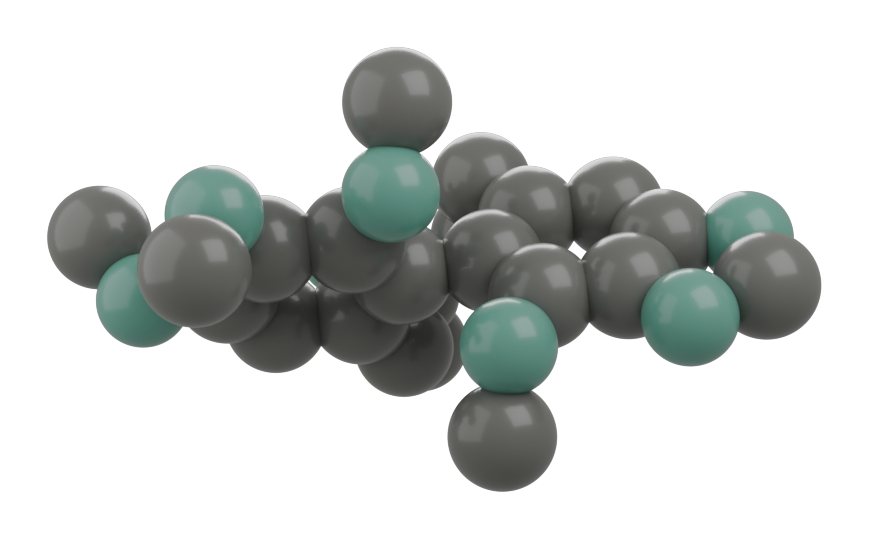
Schisandrin B (Wuweizisu B)
PubChem ↗Measured to act on
A guardian enzyme that senses DNA stress and helps coordinate repair.
A sentinel enzyme that detects DNA breaks and signals the cell to mend them.
An enzyme that helps stitch broken DNA strands back together.
A cellular pump that ushers waste and foreign compounds out of cells.
A protein partnership that helps switch genes on by marking the DNA's packaging.
Measured in the lab
Real measurements from binding studies. A tighter fit means the compound meets its target more readily — the figure in grey is the actual measured value.
Binds very tightly to Multidrug resistance-associated protein 1 · IC50 1.25 nM
Binds to Serine/threonine-protein kinase ATR · IC50 7.2 µM
Schisandrin C (= Wuweizisu C)
PubChem ↗Measured to act on
The enzyme that drives the body's inflammatory response.
The liver's busiest enzyme for breaking down compounds the body takes in.
Concentrated in liverstructure resolved ↗
A liver enzyme that helps metabolize and clear many compounds from the body.
Concentrated in liver, intestinestructure resolved ↗
Schisandrin A (= Deoxyschizandrin / Wuweizisu A)
PubChem ↗Measured to act on
The enzyme that drives the body's inflammatory response.
A cellular pump that ushers waste and foreign compounds out of cells.
An enzyme tied to cellular energy, repair, and the body's response to fasting.
The enzyme that clears acetylcholine, a key messenger for nerves and muscles.
Concentrated in skeletal muscle, brain, tonguestructure resolved ↗
A receptor involved in blood-sugar balance and the feeling of fullness after eating.
Concentrated in pancreas, heart musclestructure resolved ↗
A sentinel enzyme that detects DNA breaks and signals the cell to repair them.
The liver's busiest enzyme for breaking down compounds the body takes in.
Concentrated in liverstructure resolved ↗
A liver enzyme that helps metabolize and clear many compounds from the body.
Concentrated in liver, intestinestructure resolved ↗
A repair enzyme that helps untangle and fix damaged DNA strands.
Gomisin A (Schisandrol B-related / wuweizichun A)
PubChem ↗Measured to act on
The enzyme that drives the body's inflammatory response.
The enzyme that drives the body's inflammatory response.
Concentrated in urinary bladder, seminal vesicle, bone marrowstructure resolved ↗
An enzyme making prostaglandins that protect the stomach lining and aid clotting.
Concentrated in urinary bladder, skin 1, intestinestructure resolved ↗
An enzyme that turns fatty acids into messengers of the inflammatory response.
Concentrated in lymphoid tissue, lungstructure resolved ↗
A cellular pump that ushers waste and foreign compounds out of cells.
Measured in the lab
Real measurements from binding studies. A tighter fit means the compound meets its target more readily — the figure in grey is the actual measured value.
Binds very tightly to Multidrug resistance-associated protein 1 · IC50 0.96 nM
Schisantherin A (Gomisin C / Schizantherin A, benzoyloxy lignan)
PubChem ↗Measured to act on
A cellular pump that ushers waste and foreign compounds out of cells.
The enzyme that clears acetylcholine, a key messenger for nerves and muscles.
Concentrated in skeletal muscle, brain, tonguestructure resolved ↗
A regulatory protein that helps decide when cells grow versus mature.
Measured in the lab
Real measurements from binding studies. A tighter fit means the compound meets its target more readily — the figure in grey is the actual measured value.
Binds tightly to Cytochrome P450 3A4 · Ki 399 nM
Schisanhenol (Gomisin K3, demethyl lignan)
PubChem ↗Measured to act on
A repair enzyme that helps untangle and fix damaged DNA strands.
A sentinel enzyme that detects DNA breaks and signals the cell to repair them.
An enzyme that loosens DNA's packaging to help switch genes on.
A receptor involved in blood-sugar balance and the feeling of fullness after eating.
Concentrated in pancreas, heart musclestructure resolved ↗
A relay protein that passes signals from cell-surface receptors to the inside.
A protein involved in handling RNA and regulating cellular stress responses.
Cited science · not claims
Everything we publish about these plants traces to a primary source — the compounds to PubChem, ChEMBL, and BindingDB, the traditional uses to named, dated herbals. We describe what a plant is and what it is understood to nourish — the body’s own systems, structure and function only. We do not claim it treats, cures, or prevents any disease, and nothing here is a substitute for professional care. See our method & sources →
These statements have not been evaluated by the Food and Drug Administration. Not intended to diagnose, treat, cure, or prevent any disease.
Works alongside
Other herbs that share Schizandra's terrain
Different plants reaching the same systems of the body — the convergence our genome engine maps. These nourish the terrain Schizandra supports: