mushroom
Lion's Mane
Hericium erinaceus
Also known as
Suitable For
Hericium erinaceus — distinguished by its hericenones and erinacines, compounds studied for their support of nerve growth factor (NGF). The definitive botanical for mental clarity, memory, and sustained focus.
What it nourishes in the body
The body systems this herb is traditionally understood to support — resolved through our knowledge graph, where the classical record and modern biology are read together. Structure and function, never a claim of treatment.
10:1 Concentrated Extract
Whole-plant. Small-batch. Potent.
How to take it
1/4 tsp (up to 1 tsp) in hot water, tea, coffee, a smoothie, or food, once daily — begin with light doses; our extracts are very potent.
Whole plant, never isolated
Concentrated extracts of the whole botanical — the way the body recognizes it.
Cited to measured biology
Every action we describe traces to the compound and its measured target.
Structure & function
We describe what an herb nourishes — never a claim to treat disease.
Secure checkout
Encrypted payment and human verification on every order.
The Fungus
Lion's Mane, in depth
Character
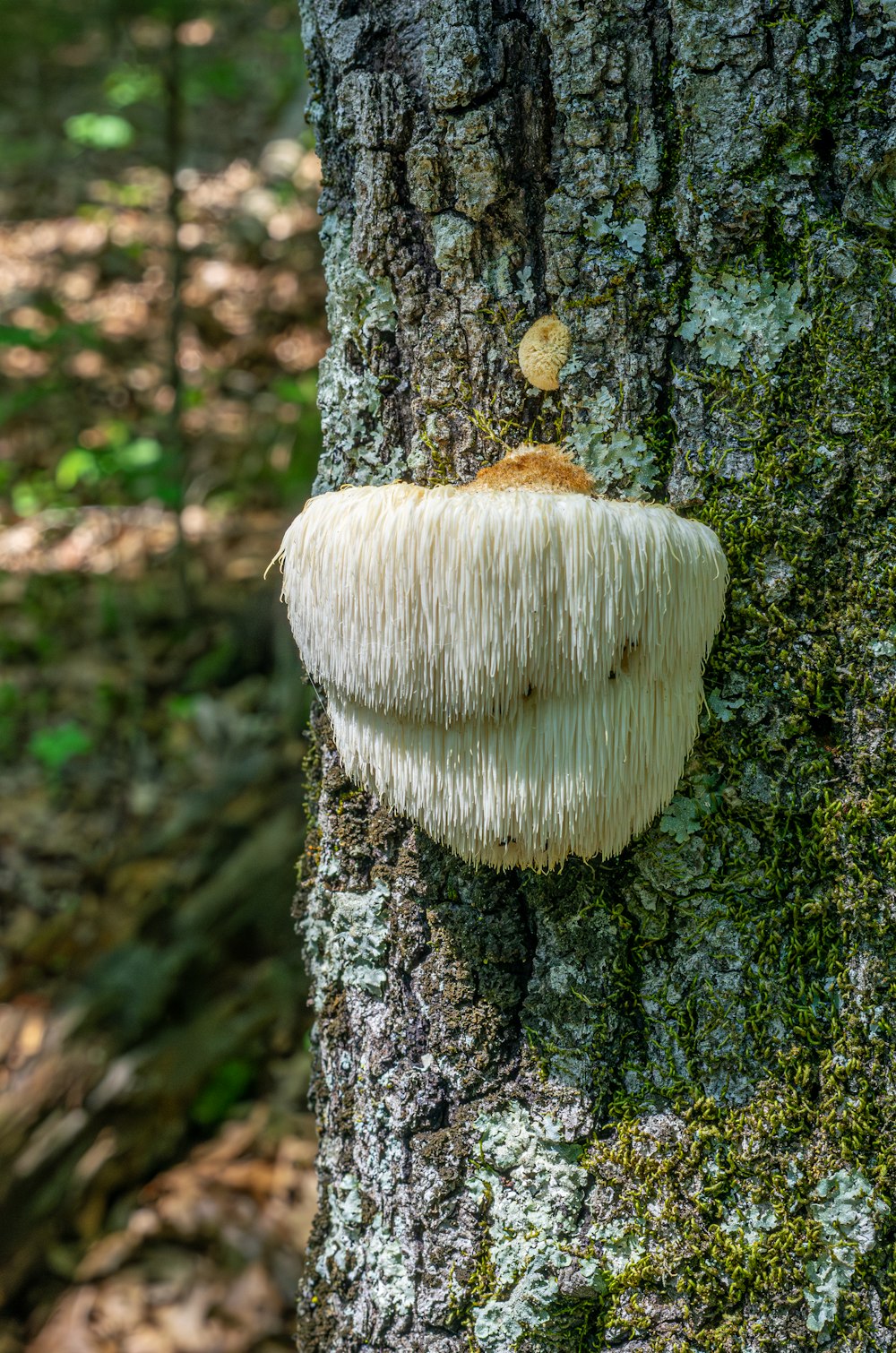
Lion's Mane (Hericium erinaceus) is a striking edible fungus that grows not as a capped mushroom but as a cascade of soft, ivory-white spines, draping from hardwood like a frozen waterfall or the mane of its namesake. Native to the old-growth forests of North America, Europe, and Asia, it has long held a dual standing as both a delicacy and a botanical of distinction — prized as much for its character as for the refined compounds it carries. In the GGG NATURAL formulary it is the definitive botanical of clarity: where other herbs ground the body or quicken the blood, Lion's Mane belongs to the realm of mind, attention, and the quiet, sustained luminosity of a settled intellect.
It is the fruiting body that we honor, concentrated as a 10:1 extract, because it is here that the fungus assembles its most singular molecular signature. Lion's Mane is a botanical of refinement rather than force — savory, lucid, and exact. It does not stimulate the way coffee stimulates; its character is one of steady, unhurried coherence. To work with it is to nourish the body's own capacity for focus and recollection — a research-grade botanical whose reputation rests not on mystique but on a genuinely distinctive chemistry that the modern laboratory has only deepened our respect for.
In the Body
Lion's Mane engages the body's nervous system above all — the substrate of thought, memory, mood, and the relay between brain and gut. Its distinction lies in two families of compounds found almost nowhere else in the botanical world: the hericenones, concentrated in the fruiting body, and the erinacines, drawn chiefly from the mycelium. These small, lipid-soluble molecules are notable for their affinity with nerve growth factor (NGF), one of the body's own neurotrophic signals — the proteins through which the nervous system maintains, organizes, and renews its architecture. Rather than acting upon the mind from outside, these compounds appear to engage the body's own NGF-mediated signaling, nourishing the terrain on which clarity, memory, and sustained focus are built.
Alongside these neuroactive terpenoids, Lion's Mane carries a robust complement of beta-glucans and other polysaccharides — the structural sugars that define the great tonic fungi. In the truest structure/function sense, these engage the body's innate immune signaling to support the immune system's own balanced, well-regulated function rather than overriding it. The same beta-glucan fraction extends Lion's Mane's affinity toward the digestive tract, where the gut and the nervous system are in constant conversation, making it a botanical that tones the whole brain-gut axis. The result is a fungus that nourishes three of the body's most interconnected systems at once — cognitive, nervous, and digestive — through compound classes that the body recognizes and puts to its own use.
The Tradition
In the classical East Asian materia medica it is known as hóu tóu gū (猴头菇), the "monkey-head mushroom," a name drawn from its shaggy form, and it has been carried for centuries as both a prized table delicacy and a tonic associated with the digestive organs and a long, vigorous constitution. Across the temperate forests of Asia, Europe, and North America it was gathered where it grew on aging hardwoods, valued in folk practice as a strengthening food rather than a remedy for any single complaint — the older herbal cultures understanding it, as we do, as nourishment for the body's own systems. It is a relative newcomer to the Western apothecary compared with the classical European herbs, but it enters the GGG NATURAL lineage on the strength of that long East Asian record of culinary and tonic use, refined here into a concentrated extract for clarity, memory, and sustained focus.
The mushroom
Lion's Mane,
as it actually grows.
Hericium erinaceus is a tooth fungus native to North American and Asian hardwood forests, distinguished by its dense cascade of ivory spines hanging from a single compact mass on the host tree. Long prized in East Asian culinary traditions, the fresh fruiting body has a mild, seafood-like flavor and is used whole or as a dried powder in broths, teas, and tinctures.
How to Use
Across the Three Kingdoms
One herb, prepared once, serving people, pets, and plants from a single botanical practice — each with its own measure and care.
People
Benefit
clear focus and a calm, settled mind
How to Use
1/4 tsp (up to 1 tsp) in hot water, tea, coffee, a smoothie, or food, once daily — begin with light doses; our extracts are very potent.
Pets
Dogs & companion animals
Benefit
supports cognitive, nervous-system, and digestive wellness via beta-glucans and hericenones/erinacines
How to Use
Offer a small amount of the dilute extract/powder mixed into food, scaled to body weight; give during or after a meal to minimize GI upset. Start low and increase gradually.
By Animal
Cats
Well-tolerated hot-water glucan tonic; no essential-oil/phenol component, so feline glucuronidation concern does not apply. Dose to small body weight.
Dogs
Low-toxicity, non-genotoxic; beta-glucan extract showed no adverse effects. Commonly used canine nervous-system/GI tonic.
Horses
Used in equine neuro/GI supplements; no iodine, glycyrrhizin, or saponin load. No hindgut hazard at tonic doses.
Birds
No aromatic/volatile-oil component (the usual avian hazard) in a dilute glucan extract; no toxic listing. Avian-specific dosing data limited — keep dose small.
⚑ Sport horses: No specific FEI/USEF prohibited substance; Lion's Mane is marketed as show-safe with no banned substances. Hericenones/erinacines are not controlled medications. As always, verify the finished product is free of contaminant adulterants and confirm against the current FEI Prohibited List / USEF rules before competition.
Safety
Conditional caveats only — none of these downgrade a healthy animal in moderate use. Lion's Mane beta-glucans are immunomodulating, so use caution in animals on immunosuppressants or with autoimmune disease, and consult a vet before use in animals with significant kidney or liver disease. Some sources note possible mild blood-sugar lowering and theoretical antiplatelet/bleeding effects, so coordinate with a veterinarian for diabetic animals, those on anticoagulants/antiplatelet drugs, or before scheduled surgery. Safe use in pregnant, lactating, or breeding animals has not been established — avoid in those cases absent veterinary guidance. As with any new food, introduce gradually and watch for GI upset or rare allergic reaction; discontinue if signs appear. Source the product from culinary Hericium erinaceus only (never wild-foraged unidentified fungi). Start low, give with food, and confirm dosing with your veterinarian, especially for cats (small body size) and birds (limited species-specific dosing data).
Source: Frontiers in Toxicology 2025 (acute + 90-day oral toxicity, non-genotoxic, no adverse effects — PMC12603391); FDA GRAS Notice 1124 (Lion's Mane beta-glucan); NCBI LiverTox NBK599740 (no liver injury signal); ASPCA toxic/non-toxic plant database (not listed — culinary/medicinal mushroom, not a toxic plant); FEI Clean Sport Prohibited List; USEF 2026 Drugs & Medications guidelines; Mad Barn equine ingredient database (Hericium erinaceus)
Plants
Garden, soil & foliage
Benefit
whole-cycle vigor, resilience, and a living root zone
How to Use
Dilute 1/8 to 1/4 teaspoon per gallon of water. Foliar feed at the lighter rate, or soil drench at the fuller rate, about once a month or every other feeding. Used the entire way, through both vegetative growth and bloom.
Best for
Whole cycle — growth & bloomSafety
A dilute extract in the GGG Plants line; always dilute and start light.
Source: GGG Plants line formulation
Structure-and-function guidance for nutrition and vitality. Not intended to diagnose, treat, cure, or prevent any disease. Introduce one botanical at a time and notice how the body responds. Some plants interact with medication; if you are pregnant, nursing, or on a prescription, know the interaction before you begin.
What's inside
Lion's Mane,
down to the molecule.
The signature compound of Lion's Mane, rendered from its real structure in bronze and glass — the precise thing the plant carries, given the dignity it has earned.
The evidence chain
From the plant to the molecule to the body — traced.
Not a claim — a chain. Every link below traces to a primary record. This is what Lion's Mane is, measured.
The plant
Lion's Mane
which governs
An enzyme that edits proteins to manage cellular cleanup and the cell internal scaffolding.
serving the system
Nervous · Endocrine
and the tradition independently agrees
Named for these systems in the recorded herbal lineage (Culpeper 1653, TCM, and cross-cultural materia medica) — tradition and the molecule, arrived at separately, converge.
Structure and function only. The chain describes the plant’s characterized chemistry and traditional use — not a claim to treat, cure, or prevent any disease.
How it works
How Lion's Mane works in the body
A herb is never one thing — it is a community of compounds, each meeting the body in its own way. These are the active molecules in Lion's Mane and the proteins each one is measured to engage: the precise points where the plant meets your biology. So you see not just that it works, but how.
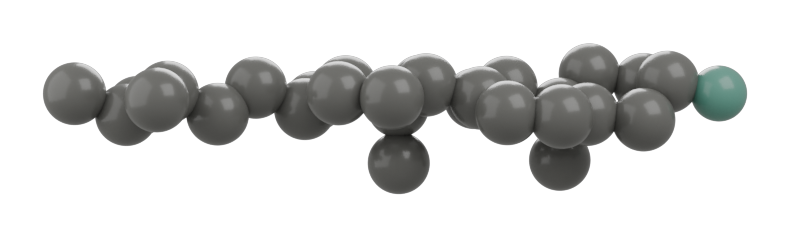
Ergosterol
PubChem ↗Measured to act on
An enzyme that adjusts protein activity and helps the cell clear damaged material.
A cellular pump that escorts foreign compounds out of cells.
Concentrated in adrenal gland, intestinestructure resolved ↗
An enzyme immune cells switch on to make nitric oxide, a signaling molecule of the inflammatory response.
Cited science · not claims
Everything we publish about these plants traces to a primary source — the compounds to PubChem, ChEMBL, and BindingDB, the traditional uses to named, dated herbals. We describe what a plant is and what it is understood to nourish — the body’s own systems, structure and function only. We do not claim it treats, cures, or prevents any disease, and nothing here is a substitute for professional care. See our method & sources →
These statements have not been evaluated by the Food and Drug Administration. Not intended to diagnose, treat, cure, or prevent any disease.
Works alongside
Other herbs that share Lion's Mane's terrain
Different plants reaching the same systems of the body — the convergence our genome engine maps. These nourish the terrain Lion's Mane supports: