green
Gynostemma
Gynostemma pentaphyllum
Also known as
Suitable For
A climbing adaptogenic vine rich in gypenosides — saponins structurally close to ginseng's. Supports metabolic health, steady energy, and the body's stress response.
What it nourishes in the body
The body systems this herb is traditionally understood to support — resolved through our knowledge graph, where the classical record and modern biology are read together. Structure and function, never a claim of treatment.
Where measure and tradition agree
Gynostemma is measured to engage this system in human binding data — and the recorded tradition named it for it independently. Two evidence systems arriving at the same place, separately, is our highest standard. See the research →
Raw, Unconcentrated Powder
Whole-plant. Small-batch. Potent.
How to take it
1 tsp in hot water, tea, or a smoothie, once daily.
Whole plant, never isolated
Concentrated extracts of the whole botanical — the way the body recognizes it.
Cited to measured biology
Every action we describe traces to the compound and its measured target.
Structure & function
We describe what an herb nourishes — never a claim to treat disease.
Secure checkout
Encrypted payment and human verification on every order.
The Botanical
Gynostemma, in depth
Character
Gynostemma pentaphyllum is a slender, five-leafleted climbing vine of the cucurbit family — the lineage of gourds and melons — that threads its way through the misty highlands of southern China and Japan. In its mountain homeland it carries the name jiaogulan, the "twisting vine herb," and a quieter epithet earned in folk reputation among the highland communities who drank it as a daily tea. It is, by nature, an adaptogen — a botanical that does not push the body in one fixed direction but meets it where it stands, lending steadiness rather than stimulation. What sets Gynostemma apart in the green canon is chemical kinship: its leaf is dense with gypenosides, a family of saponin compounds structurally close to the ginsenosides that make ginseng revered, and the vine carries an unusually broad complement of them. This is a tonic green that asks nothing dramatic of the body — no jolt, no crash — only a slow, cumulative cultivation of vitality. In the GGG green kingdom it stands as the quiet workhorse of steady energy: a bitter, cooling leaf taken as a daily tea, prized not for what it does in an hour but for what it builds across seasons.
In the Body
Gynostemma's character in the body is shaped first by its gypenosides — triterpenoid saponins that are the vine's signature compound class and the source of its kinship to ginseng. As adaptogenic constituents, gypenosides engage the body's own stress-response architecture, the network through which the adrenal and energy systems calibrate output to demand; rather than driving the system, they support its native capacity to find balance under load, which is why the leaf nourishes steady energy, stamina, and endurance without the spike-and-fall of a stimulant. The same saponin class supports the body's healthy circulatory function, working with the vasculature's own signaling to maintain supple, well-toned circulation — the foundation beneath sustained vitality and clear, grounded focus. Alongside the gypenosides, Gynostemma's leaf carries polysaccharides and a complement of flavonoids and other plant antioxidants; this antioxidant matrix supports the body's own oxidative-balance systems, the cellular housekeeping that keeps tissues resilient against everyday metabolic wear. Taken together, these compound classes make Gynostemma a green that speaks to the metabolic and energy systems as a whole — supporting the body's natural management of fuel and stamina, toning circulation, and reinforcing the innate stress-resilience that lets a body stay even-keeled through exertion. It is nutritional intelligence for endurance: the leaf supplies the building blocks; the body decides how to use them.
The Tradition
Gynostemma's recorded lineage runs through classical East Asian herbal practice, where it was first noted in the materia medica of the Ming dynasty as a famine-food green and a tea of the mountain villages — drunk daily in the highland counties of southern China long before it entered the formal tonic canon. Folk tradition prized it as a household tea, and over time it earned standing as an adaptogenic vitality tonic held in the same family of esteem as ginseng, though it grew freely where ginseng was rare and precious. In the broader herbal tradition it is classed among the cooling, bitter restorative greens — taken not to force an effect but to cultivate enduring strength, the way the long memory of plant practice has always favored the slow tonic over the fast remedy. GGG NATURAL carries it in exactly that spirit: a daily green in the Gate of Life lineage, honored for the tradition of steady, cumulative vitality it represents.
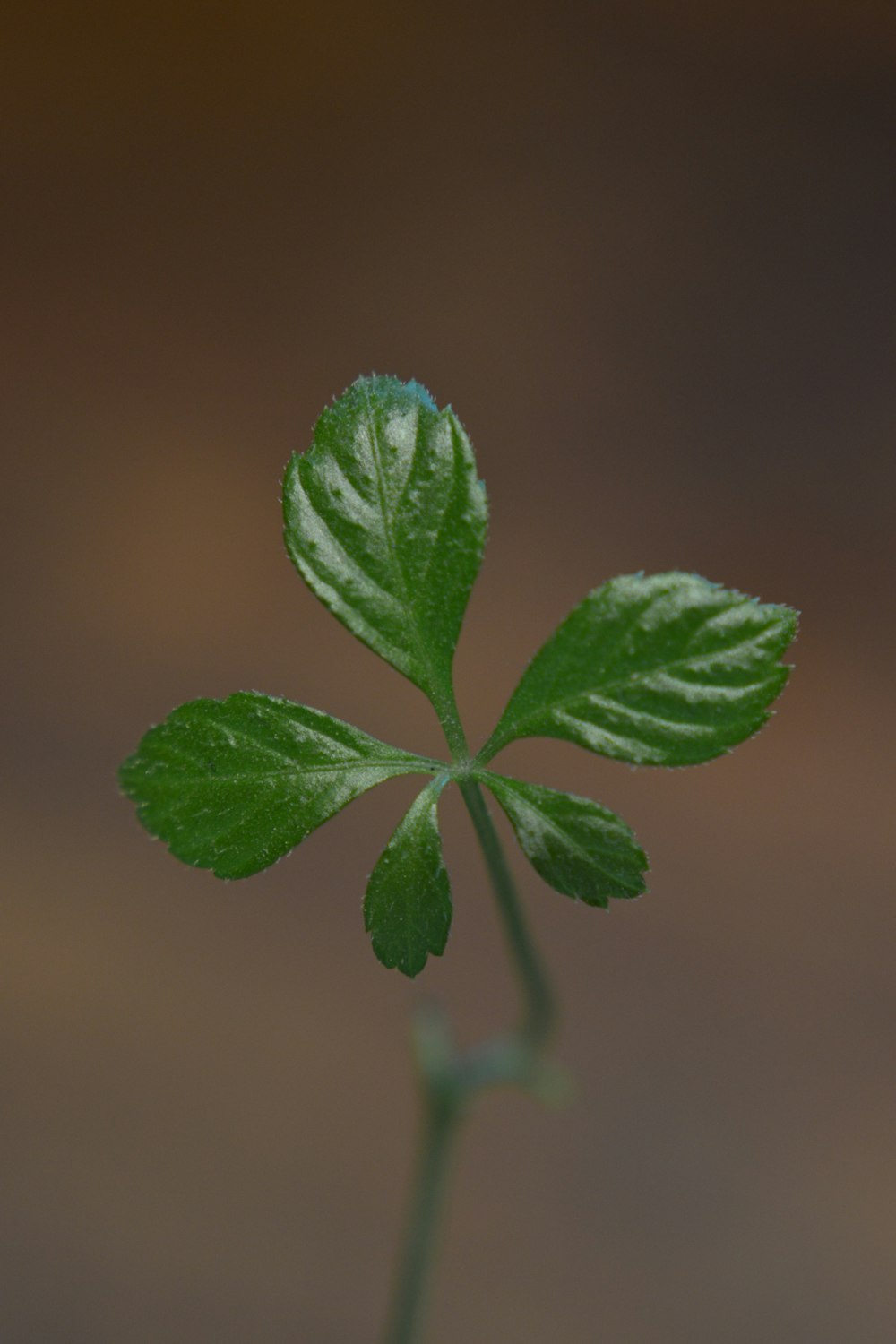
The leaf
Gynostemma,
as it actually grows.
Gynostemma pentaphyllum is a climbing vine native to mountainous regions of southern China, Korea, and Japan, distinguished by its characteristic five-leaflet compound leaves with finely toothed margins. Known in Chinese tradition as jiaogulan ("twisting blue plant"), the leaves are steeped as a mildly sweet herbal tea and have been consumed for centuries in the Guizhou highlands as part of everyday diet.
How to Use
Across the Three Kingdoms
One herb, prepared once, serving people, pets, and plants from a single botanical practice — each with its own measure and care.
People
Benefit
natural energy, stamina, and endurance
How to Use
1 tsp in hot water, tea, or a smoothie, once daily.
Pets
Dogs & companion animals
Benefit
Adaptogenic Cucurbit leaf tonic that supports healthy circulation, antioxidant balance, and stress resilience.
How to Use
Mix a small pinch of the powder or a splash of the brewed dilute extract into food, scaled to body weight; start low and build gradually.
By Animal
Cats
Not on ASPCA toxic list; non-aromatic food-grade tea, no essential-oil/phenol hazard to cats; well-tolerated dilute in moderate use.
Dogs
Not on ASPCA toxic list; gypenoside tonic well-tolerated orally in healthy dogs; mild GI upset only if overdosed.
Horses
Established equine circulation/vitality supplement (Mad Barn; Dr. Eleanor Kellon, DVM) at 2-7 g BID; well-tolerated in healthy horses.
Birds
Well tolerated as a dilute, body-weight-scaled tonic; introduce gradually, starting with a small amount.
⚑ Sport horses: FEI/USEF do not list Gynostemma by name, but its active nitric-oxide vasodilator mechanism mirrors isoxsuprine (an FEI Class 4 / USEF prohibited vasodilator); the circulatory/vasodilatory action can draw controlled-medication scrutiny. Discontinue well before competition and clear with your federation's prohibited-substances guidance.
Safety
Dilute hot-water Gynostemma (jiaogulan) extract is a food-grade adaptogen tea, not an essential oil or aromatic, so there is no phenol/eugenol or volatile-oil hazard for any species. Not listed in the ASPCA toxic-plant database for cats, dogs, or horses; rat chronic-toxicity studies (incl. a 6-month water-extract study) showed no significant toxic effects, and it is an established equine supplement (Mad Barn; Dr. Eleanor Kellon, DVM) at ~2-7 g twice daily. The gypenoside saponins can cause mild GI upset (loose stool, nausea) if overdosed, so keep the dose moderate and introduce slowly. The following are CONDITIONAL caveats, not reasons to downgrade a healthy animal: (1) it lowers blood glucose and may potentiate antidiabetic drugs/insulin — monitor diabetics; (2) it has antiplatelet/blood-thinning and vasodilatory (nitric-oxide) activity — stop 1-2 weeks before surgery and use caution with anticoagulants, antiplatelet agents, or other vasodilators (e.g., isoxsuprine, pimobendan, ACE inhibitors); (3) it may lower blood pressure — caution with antihypertensives; (4) it is immunomodulatory — caution alongside immunosuppressants; (5) avoid in pregnancy/lactation due to lack of reproductive-safety data; (6) start low and consult your vet if the animal has liver, kidney, cardiac, or bleeding disorders or is on chronic medication. Avian dosing data is sparse; use very small, well-diluted amounts and a vet's guidance for birds.
Source: ASPCA Toxic and Non-Toxic Plant Database (no Gynostemma/jiaogulan listing for cats, dogs, horses); Mad Barn jiaogulan-for-horses monograph; Dr. Eleanor Kellon, DVM (equine jiaogulan dosing); PubMed PMID 15351107 (6-month chronic toxicity, water extract, rat); FEI Equine Prohibited Substances List / USEF GR4 (isoxsuprine, vasodilators, Class 4).
Plants
Garden, soil & foliage
Benefit
vegetative vigor, strong rooting, and resilient new growth
How to Use
Dilute 1/8 to 1/4 teaspoon per gallon of water. Foliar feed at the lighter rate, or soil drench at the fuller rate, about once a month or every other feeding. Best worked in through vegetative growth, as the plant builds leaf, stem, and root.
Best for
Vegetative growthSafety
A dilute extract in the GGG Plants line; always dilute and start light.
Source: GGG Plants line formulation
Structure-and-function guidance for nutrition and vitality. Not intended to diagnose, treat, cure, or prevent any disease. Introduce one botanical at a time and notice how the body responds. Some plants interact with medication; if you are pregnant, nursing, or on a prescription, know the interaction before you begin.
What's inside
Gynostemma,
down to the molecule.
The signature compound of Gynostemma, rendered from its real structure in bronze and glass — the precise thing the plant carries, given the dignity it has earned.
The evidence chain
From the plant to the molecule to the body — traced.
Not a claim — a chain. Every link below traces to a primary record. This is what Gynostemma is, measured.
The plant
Gynostemma
which governs
An enzyme that converts excess glucose into sorbitol, part of normal sugar metabolism.
serving the system
Liver · Cardiovascular
and the tradition independently agrees — measured binding
The recorded herbal lineage names Gynostemma a metabolic herb. Independently, its compounds are measured to bind proteins of that system. Tradition and molecule, arrived at separately, converge — the strongest evidence we hold.
Structure and function only. The chain describes the plant’s characterized chemistry and traditional use — not a claim to treat, cure, or prevent any disease.
How it works
How Gynostemma works in the body
A herb is never one thing — it is a community of compounds, each meeting the body in its own way. These are the active molecules in Gynostemma and the proteins each one is measured to engage: the precise points where the plant meets your biology. So you see not just that it works, but how.
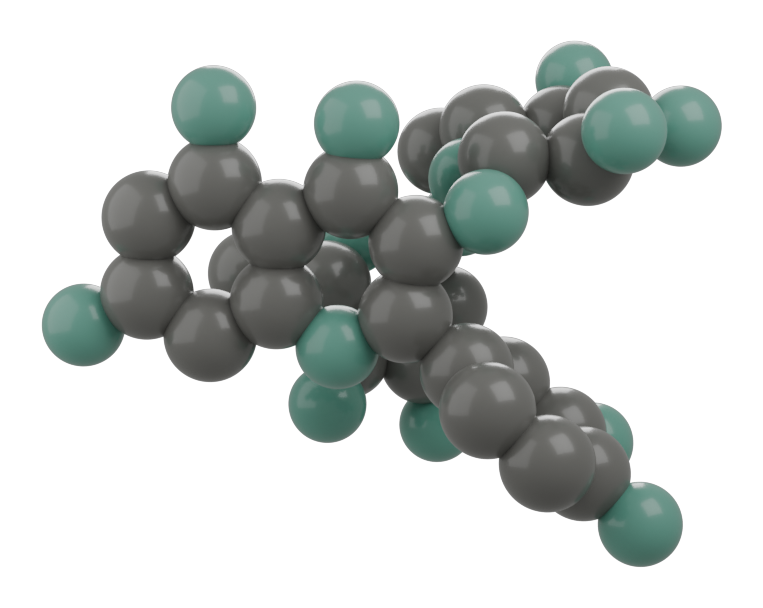
Ginsenoside Rb1
PubChem ↗Measured to act on
The cell's energy sensor, balancing fuel use when reserves run low.
Concentrated in heart muscle, skeletal muscle, tonguestructure resolved ↗
Ginsenoside Rd
PubChem ↗Measured to act on
The cell's energy sensor, balancing fuel use when reserves run low.
Concentrated in heart muscle, skeletal muscle, tonguestructure resolved ↗
Quercetin
PubChem ↗Measured to act on
An enzyme that converts glucose into sorbitol, part of how cells handle sugar.
Concentrated in adrenal glandstructure resolved ↗
A liver-type enzyme that processes hormones and environmental compounds.
A structural protein that stabilizes the internal scaffolding of nerve cells.
Concentrated in brain, skeletal musclestructure resolved ↗
A protein partnership that helps switch genes on by marking the DNA's packaging.
Measured in the lab
Real measurements from binding studies. A tighter fit means the compound meets its target more readily — the figure in grey is the actual measured value.
Binds very tightly to Amine oxidase [flavin-containing] A · IC50 10 nM
Binds very tightly to Aromatase · IC50 12 nM
Binds very tightly to Aldo-keto reductase family 1 member B1 · IC50 14.8 nM
Binds very tightly to Enoyl-acyl-carrier protein reductase · Ki 22 nM
Binds very tightly to Cytochrome P450 1B1 · Ki 23 nM
Binds very tightly to Serine/threonine-protein kinase pim-1 · Kd 25 nM
— and 108 more measured targets, each traced to its source.
Kaempferol
PubChem ↗Measured to act on
An enzyme that cleaves sialic acid sugars, involved in how cells and viruses interact at their surfaces.
A major liver enzyme that processes a wide range of compounds the body takes in.
Concentrated in liverstructure resolved ↗
A liver enzyme that breaks down many compounds the body takes in.
Concentrated in liverstructure resolved ↗
A liver enzyme that helps break down and clear many compounds from the body.
Concentrated in liverstructure resolved ↗
A liver enzyme involved in breaking down many naturally occurring and ingested compounds.
Concentrated in liverstructure resolved ↗
A guardian protein that watches over DNA and helps cells decide when to repair or stop dividing.
An enzyme that trims small signaling peptides involved in blood sugar regulation.
Concentrated in parathyroid gland, intestine, placenta, prostatestructure resolved ↗
Measured in the lab
Real measurements from binding studies. A tighter fit means the compound meets its target more readily — the figure in grey is the actual measured value.
Binds very tightly to Carbonic anhydrase 7 · Ki 25 nM
Binds very tightly to Aryl hydrocarbon receptor · IC50 28 nM
Binds very tightly to Cytochrome P450 1B1 · Ki 43 nM
Binds tightly to CDGSH iron-sulfur domain-containing protein 1 · Ki 132 nM
Binds tightly to Carbonic anhydrase 12 · Ki 146 nM
Binds tightly to Casein kinase II subunit alpha 3 · Ki 210 nM
— and 35 more measured targets, each traced to its source.
Rutin
PubChem ↗Measured to act on
An enzyme that cleaves sialic acid sugars, involved in how cells and viruses interact at their surfaces.
The enzyme that produces uric acid as the body breaks down purines.
Concentrated in liver, intestine, breaststructure resolved ↗
An enzyme that converts glucose into sorbitol, part of how cells handle sugar.
Concentrated in adrenal glandstructure resolved ↗
A receptor that helps the nervous system fine-tune the release of stress-signaling chemicals.
Concentrated in blood vessel, cervix, endometrium 1structure resolved ↗
A receptor involved in calming nerve signaling and regulating alertness and blood pressure tone.
Concentrated in adipose tissuestructure resolved ↗
Measured in the lab
Real measurements from binding studies. A tighter fit means the compound meets its target more readily — the figure in grey is the actual measured value.
Binds very tightly to Tyrosinase · IC50 0.856 nM
Binds very tightly to Beta-secretase 1 · IC50 3.8 nM
Binds very tightly to Acetylcholinesterase · IC50 12 nM
Binds very tightly to Muscarinic acetylcholine receptor M5 · Ki 35.13 nM
Binds to Neuromedin-U receptor 2 · EC50 1.2 µM
Binds to Genome polyprotein · IC50 2.1 µM
— and 5 more measured targets, each traced to its source.
Cited science · not claims
Everything we publish about these plants traces to a primary source — the compounds to PubChem, ChEMBL, and BindingDB, the traditional uses to named, dated herbals. We describe what a plant is and what it is understood to nourish — the body’s own systems, structure and function only. We do not claim it treats, cures, or prevents any disease, and nothing here is a substitute for professional care. See our method & sources →
These statements have not been evaluated by the Food and Drug Administration. Not intended to diagnose, treat, cure, or prevent any disease.
Works alongside
Other herbs that share Gynostemma's terrain
Different plants reaching the same systems of the body — the convergence our genome engine maps. These nourish the terrain Gynostemma supports:
Cardiovascular