root
Ginger
Zingiber officinale
Also known as
Suitable For
A warming rhizome rich in gingerols and shogaols. It stimulates circulation, settles the stomach, and supports digestion — one of the most universally relied-upon botanicals on earth.
What it nourishes in the body
The body systems this herb is traditionally understood to support — resolved through our knowledge graph, where the classical record and modern biology are read together. Structure and function, never a claim of treatment.
Where measure and tradition agree
Ginger is measured to engage this system in human binding data — and the recorded tradition named it for it independently. Two evidence systems arriving at the same place, separately, is our highest standard. See the research →
Engages the body’s own cannabinoid system
Ginger is measured to engage the endocannabinoid system — the master regulator the body runs on its own cannabinoids. Characterization, not a clinical claim. The endocannabinoid bridge →
10:1 Concentrated Extract
Whole-plant. Small-batch. Potent.
How to take it
1/4 tsp (up to 1 tsp) in hot water, tea, coffee, a smoothie, or food, once daily — begin with light doses; our extracts are very potent.
Whole plant, never isolated
Concentrated extracts of the whole botanical — the way the body recognizes it.
Cited to measured biology
Every action we describe traces to the compound and its measured target.
Structure & function
We describe what an herb nourishes — never a claim to treat disease.
Secure checkout
Encrypted payment and human verification on every order.
The Botanical
Ginger, in depth
Character
Ginger (Zingiber officinale) is the warming rhizome — the swollen, knotted underground stem of a tropical perennial native to the monsoon forests of Southeast Asia, cultivated by human hands for so long that no true wild form survives. It is among the most universally relied-upon botanicals on earth, carried along every trade route from the islands of the Indo-Pacific into the kitchens, apothecaries, and classical pharmacopoeias of China, India, the Arab world, and Europe. In the GGG NATURAL formulary it stands as a pillar of the warming, energizing kingdom: a culinary-grade, food-recognized root rather than a high-phenol aromatic, which is precisely why it is so widely trusted across People, Plants, and Pets alike. Its character is unmistakable — pungent, spicy, kindling — a botanical that announces itself as heat and movement the moment it meets the tongue. We offer it as a concentrated 10:1 extract; it is very potent, and the tradition is to begin with light doses and let the body meet it gently. Ginger is the archetype of the warming root: where the system feels cold, sluggish, or stalled, ginger is the lineage's first call to vitality and motion.
In the Body
Ginger's affinity is for the digestive and cardiovascular systems — the body's twin engines of nourishment and circulation. Its pungency comes from a well-characterized family of phenolic compounds: the gingerols of the fresh rhizome and the shogaols that form as the root is dried and concentrated, alongside the aromatic zingiberene and related sesquiterpenes that give ginger its warmth and scent. In the digestive sphere, these compounds engage the gut's own machinery — the body's natural gastric tone, the rhythmic motility that moves a meal through, and the settled, comfortable feeling of a stomach at ease. This is structure and function, not correction: ginger gives the digestive system the warming stimulus it recognizes and works with, supporting normal motility and digestive comfort rather than overriding any process. In the cardiovascular sphere, the same warming character supports healthy circulation and the body's natural peripheral blood flow — the sensation of heat reaching the hands, feet, and surface that the herbal tradition has always read as good movement. Across both systems, ginger's gingerol-shogaol profile is among the most thoroughly characterized of the phenolic compound classes, and the tradition turns to it as a support for the body's own healthy inflammatory and antioxidant responses — working with the body's intelligence rather than against any named target. The result is a root the whole organism recognizes as food: natural energy, stamina, and endurance built on a foundation of warmth, motion, and a settled core.
The Tradition
Ginger carries one of the longest and most cross-cultural lineages in all of herbalism. In classical TCM it is 生姜 (shēng jiāng), fresh ginger — a foundational warming, surface-dispersing root woven through countless formulas to harmonize the middle and settle the stomach, with its dried form (gān jiāng) reserved for deeper interior cold. It is equally central to the Ayurvedic tradition of India, where it is honored as the "universal medicine" and a kindler of digestive fire. Carried west along the ancient spice routes, it became a fixture of the Arab and European materia medica; Nicholas Culpeper (1653) placed it under Mars for its heating, quickening nature, describing a root that warms the stomach and quickens the spirits. The Old English Herbals and the Thomsonian system of warming botanicals likewise hold ginger as a first-rank stimulant root. This is the tradition GGG NATURAL carries — thousands of years of unbroken human practice, across every culture, naming the same warming rhizome as a cornerstone of digestive comfort, circulation, and vital heat.
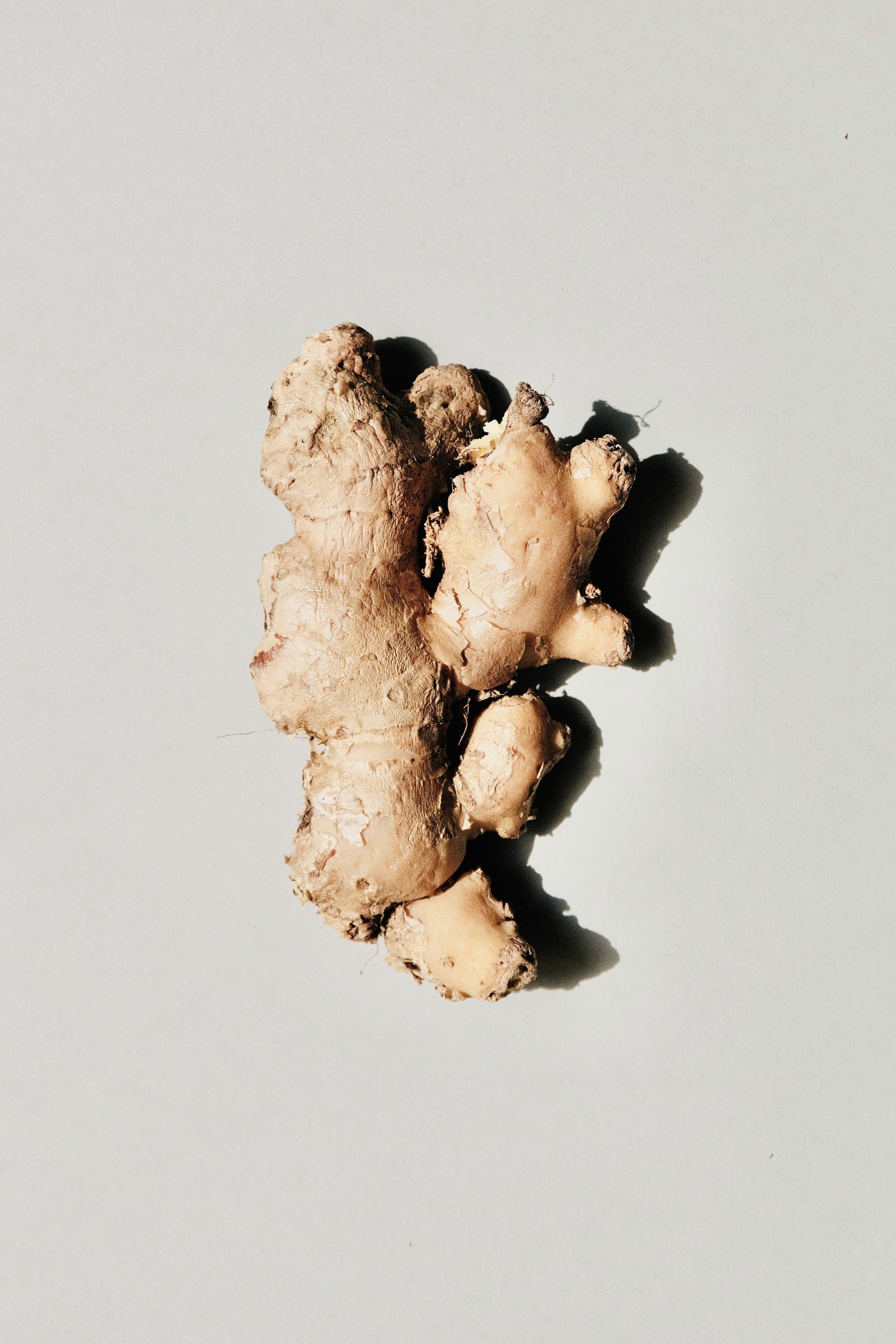
The root
Ginger,
as it actually grows.
Zingiber officinale — the warming rhizome, knuckled and gold, that has spiced and steadied kitchens and apothecaries from Asia outward for thousands of years.
How to Use
Across the Three Kingdoms
One herb, prepared once, serving people, pets, and plants from a single botanical practice — each with its own measure and care.
People
Benefit
natural energy, stamina, and endurance — plus digestive comfort
How to Use
1/4 tsp (up to 1 tsp) in hot water, tea, coffee, a smoothie, or food, once daily — begin with light doses; our extracts are very potent.
Pets
Dogs & companion animals
Benefit
Warming digestive and circulatory root traditionally used to support a settled stomach, normal motility, and comfortable movement.
How to Use
Offer a small amount of the dilute extract or powder stirred into food, scaled to body weight (a pinch for cats/birds, more for dogs/horses). Start low and use intermittently.
By Animal
Cats
Used clinically in cats as an anti-nausea/motion-sickness aid; ginger is food-grade, not an aromatic essential oil, so no phenol/glucuronidation concern at tonic doses (VCA).
Dogs
Well tolerated and commonly used in dogs for nausea, motion sickness, and osteoarthritis comfort in small amounts (VCA, AKC).
Horses
Zingiberaceae ginger is non-toxic to horses (ASPCA); dilute root tonic is well tolerated by the hindgut at moderate amounts. See competition note.
Birds
Well tolerated as a dilute, body-weight-scaled tonic; introduce gradually, starting with a small amount.
⚑ Sport horses: FEI/USEF: ginger as a substance is not on the Equine Prohibited Substances List, but two competition cautions apply — (1) the FEI bans any herbal tonic used to alter performance (calming/energizing), and unverified multi-ingredient products may contain hidden prohibited substances; (2) topical/oral "gingering" of the tail/anus to artificially elevate carriage is expressly prohibited under FEI welfare rules. A plain dilute oral wellness tonic at therapeutic levels is not itself a banned substance, but withdraw before competition and confirm with current USEF/FEI guidance.
Safety
Ginger is a non-irritating, food-grade culinary root that is well tolerated by healthy animals in moderate dilute use; it is not an essential oil or high-phenol aromatic, so it does not carry the eugenol/aromatic-oil concern that downgrades some herbs for cats and birds. The real caveats are all CONDITIONAL: ginger has mild antiplatelet/anticoagulant activity, so do NOT use in animals with bleeding disorders, on anticoagulants (warfarin) or NSAIDs (carprofen, meloxicam), or within ~1-2 weeks before surgery (VCA). It can mildly lower blood pressure and blood sugar, so consult a vet for diabetic, hypotensive, or cardiac patients. Avoid in pregnant or lactating animals and in those with gallbladder disease. Use the plain dilute tonic only — pickled/candied ginger (salt, sugar, vinegar, additives) is not appropriate. Start at a low dose and watch for GI upset; discontinue if vomiting, diarrhea, or any allergic reaction occurs.
Source: ASPCA Toxic/Non-Toxic Plant Database (Zingiberaceae gingers — non-toxic to cats, dogs, horses); VCA Animal Hospitals — Ginger (Zingiber officinale) monograph (uses, contraindications: bleeding disorders, anticoagulants/NSAIDs, pregnancy, gallbladder disease); AKC/PetMD (canine use); FEI Equine Prohibited Substances List 2026 + FEI Clean Sport herbal-product/gingering guidance; USEF 2026 Guidelines & Rules for Drugs and Medications.
Plants
Garden, soil & foliage
Benefit
vegetative vigor, strong rooting, and resilient new growth
How to Use
Dilute 1/8 to 1/4 teaspoon per gallon of water. Foliar feed at the lighter rate, or soil drench at the fuller rate, about once a month or every other feeding. Best worked in through vegetative growth, as the plant builds leaf, stem, and root.
Best for
Vegetative growthSafety
A dilute extract in the GGG Plants line; always dilute and start light.
Source: GGG Plants line formulation
Structure-and-function guidance for nutrition and vitality. Not intended to diagnose, treat, cure, or prevent any disease. Introduce one botanical at a time and notice how the body responds. Some plants interact with medication; if you are pregnant, nursing, or on a prescription, know the interaction before you begin.
What's inside
Ginger,
down to the molecule.
The signature compound of Ginger, rendered from its real structure in bronze and glass — the precise thing the plant carries, given the dignity it has earned.
The evidence chain
From the plant to the molecule to the body — traced.
Not a claim — a chain. Every link below traces to a primary record. This is what Ginger is, measured.
The plant
Ginger
which governs
A major liver enzyme that processes a wide range of compounds the body takes in.
serving the system
Cardiovascular · Digestive
and the tradition independently agrees — measured binding
The recorded herbal lineage names Ginger a respiratory herb. Independently, its compounds are measured to bind proteins of that system. Tradition and molecule, arrived at separately, converge — the strongest evidence we hold.
Structure and function only. The chain describes the plant’s characterized chemistry and traditional use — not a claim to treat, cure, or prevent any disease.
How it works
How Ginger works in the body
A herb is never one thing — it is a community of compounds, each meeting the body in its own way. These are the active molecules in Ginger and the proteins each one is measured to engage: the precise points where the plant meets your biology. So you see not just that it works, but how.
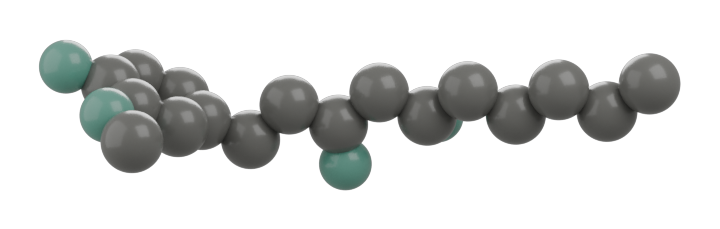
6-Gingerol
PubChem ↗Measured to act on
A major liver enzyme that processes a wide range of compounds the body takes in.
Concentrated in liverstructure resolved ↗
A repair enzyme that resolves certain DNA damage so the strand can be restored.
A liver enzyme that helps break down and process many compounds and natural substances.
Concentrated in liverstructure resolved ↗
A liver enzyme involved in processing a variety of compounds the body encounters.
Concentrated in liverstructure resolved ↗
An enzyme that makes prostaglandins for everyday housekeeping like stomach lining and blood flow.
Concentrated in urinary bladder, skin 1, intestinestructure resolved ↗
The enzyme that drives the body's inflammatory response by producing prostaglandins.
Concentrated in urinary bladder, seminal vesicle, bone marrowstructure resolved ↗
An enzyme that converts fatty acids into leukotrienes, messengers in the inflammatory cascade.
Concentrated in lymphoid tissue, lungstructure resolved ↗
A serotonin receptor involved in mood, calm, and nervous-system signaling.
Concentrated in brainstructure resolved ↗
A regulatory protein that fine-tunes how quickly cell-surface receptor signals switch off.
Concentrated in brainstructure resolved ↗
A liver enzyme that processes caffeine and many other compounds the body takes in.
Concentrated in liverstructure resolved ↗
A liver enzyme that helps break down and process various compounds.
Concentrated in liverstructure resolved ↗
A liver enzyme involved in processing a range of compounds and fatty substances.
Concentrated in liverstructure resolved ↗
An enzyme that converts glucose into sorbitol as part of cellular sugar handling.
Concentrated in adrenal glandstructure resolved ↗
Measured in the lab
Real measurements from binding studies. A tighter fit means the compound meets its target more readily — the figure in grey is the actual measured value.
Binds to Transient receptor potential cation channel subfamily V member 1 · EC50 3.3 µM
6-Shogaol
PubChem ↗Measured to act on
A major liver enzyme that processes a wide range of compounds the body takes in.
Concentrated in liverstructure resolved ↗
A liver enzyme that processes many compounds, including some the body forms naturally.
Concentrated in liverstructure resolved ↗
A nerve-ending sensor that responds to heat and to the pungency of chili pepper compounds.
Concentrated in liverstructure resolved ↗
A nerve-ending sensor that responds to cold and to sharp, pungent plant compounds like mustard and cinnamon.
An enzyme that produces leukotriene B4, a signaling molecule in the inflammatory response.
A liver enzyme that processes caffeine and many other compounds the body takes in.
Concentrated in liverstructure resolved ↗
A liver enzyme that helps break down and process many compounds and natural substances.
Concentrated in liverstructure resolved ↗
A liver enzyme that processes small molecules including alcohol and other compounds.
Concentrated in liverstructure resolved ↗
An enzyme that makes prostaglandins for everyday housekeeping like stomach lining and blood flow.
Concentrated in urinary bladder, skin 1, intestinestructure resolved ↗
The enzyme that drives the body's inflammatory response by producing prostaglandins.
Concentrated in urinary bladder, seminal vesicle, bone marrowstructure resolved ↗
An enzyme that converts fatty acids into leukotrienes, messengers in the inflammatory cascade.
Concentrated in lymphoid tissue, lungstructure resolved ↗
A serotonin receptor involved in mood, calm, and nervous-system signaling.
Concentrated in brainstructure resolved ↗
A liver enzyme that helps break down and process various compounds.
Concentrated in liverstructure resolved ↗
A liver enzyme involved in processing a range of compounds and fatty substances.
Concentrated in liverstructure resolved ↗
A liver enzyme that helps break down certain compounds the body takes in.
Concentrated in liverstructure resolved ↗
A liver enzyme involved in processing a variety of compounds the body encounters.
Concentrated in liverstructure resolved ↗
Measured in the lab
Real measurements from binding studies. A tighter fit means the compound meets its target more readily — the figure in grey is the actual measured value.
Binds to Cytochrome P450 1A2 · IC50 2.5 µM
Binds to Cytochrome P450 2C8 · IC50 2.9 µM
Binds to Cytochrome P450 2C9 · IC50 3.3 µM
Binds to Cytochrome P450 3A4 · IC50 4 µM
Binds to Cytochrome P450 2B6 · IC50 5.8 µM
Zingerone
PubChem ↗Measured to act on
A receptor that responds to testosterone and related hormones, guiding their effects in tissues.
Concentrated in liverstructure resolved ↗
The copper enzyme that makes melanin, the pigment that colors skin and hair.
A gateway that lets calcium into heart and muscle cells to trigger their contraction.
Concentrated in intestinestructure resolved ↗
6-Paradol
PubChem ↗Measured to act on
A major liver enzyme that processes a wide range of compounds the body takes in.
Concentrated in liverstructure resolved ↗
A liver enzyme that processes caffeine and many other compounds the body takes in.
Concentrated in liverstructure resolved ↗
A liver enzyme that helps break down and process various compounds.
Concentrated in liverstructure resolved ↗
A liver enzyme involved in processing a range of compounds and fatty substances.
Concentrated in liverstructure resolved ↗
A liver enzyme that helps break down and process many compounds and natural substances.
Concentrated in liverstructure resolved ↗
A liver enzyme involved in processing a variety of compounds the body encounters.
Concentrated in liverstructure resolved ↗
A liver enzyme that helps break down certain compounds the body takes in.
Concentrated in liverstructure resolved ↗
A liver enzyme that processes many compounds, including some the body forms naturally.
Concentrated in liverstructure resolved ↗
Measured in the lab
Real measurements from binding studies. A tighter fit means the compound meets its target more readily — the figure in grey is the actual measured value.
Binds to Cytochrome P450 2C19 · IC50 3.6 µM
Binds to Cytochrome P450 2C8 · IC50 3.8 µM
Binds to Cytochrome P450 2B6 · IC50 6.2 µM
Binds to Cytochrome P450 1A2 · IC50 7.1 µM
Binds to Cytochrome P450 2C9 · IC50 9.9 µM
Cited science · not claims
Everything we publish about these plants traces to a primary source — the compounds to PubChem, ChEMBL, and BindingDB, the traditional uses to named, dated herbals. We describe what a plant is and what it is understood to nourish — the body’s own systems, structure and function only. We do not claim it treats, cures, or prevents any disease, and nothing here is a substitute for professional care. See our method & sources →
These statements have not been evaluated by the Food and Drug Administration. Not intended to diagnose, treat, cure, or prevent any disease.
Works alongside
Other herbs that share Ginger's terrain
Different plants reaching the same systems of the body — the convergence our genome engine maps. These nourish the terrain Ginger supports:
Cardiovascular