fruit
Longan Berry
Dimocarpus longan
Also known as
Suitable For
A sweet, warming fruit that nourishes the heart and settles the mind. Valued for its support of restful sleep, memory, and emotional steadiness.
What it nourishes in the body
The body systems this herb is traditionally understood to support — resolved through our knowledge graph, where the classical record and modern biology are read together. Structure and function, never a claim of treatment.
Where measure and tradition agree
Longan Berry is measured to engage these systems in human binding data — and the recorded tradition named it for them independently. Two evidence systems arriving at the same place, separately, is our highest standard. See the research →
10:1 Concentrated Extract
Whole-plant. Small-batch. Potent.
How to take it
1/4 tsp (up to 1 tsp) in hot water, tea, coffee, a smoothie, or food, once daily — begin with light doses; our extracts are very potent.
Whole plant, never isolated
Concentrated extracts of the whole botanical — the way the body recognizes it.
Cited to measured biology
Every action we describe traces to the compound and its measured target.
Structure & function
We describe what an herb nourishes — never a claim to treat disease.
Secure checkout
Encrypted payment and human verification on every order.
The Botanical
Longan Berry, in depth
Character
Longan (Dimocarpus longan) is the translucent, honey-sweet aril that sheaths the single dark seed of a subtropical evergreen in the soapberry family — the same lineage as lychee, to which it is the quieter, warmer cousin. Native to the foothills of southern China and across Southeast Asia, it has been carried for centuries as 龙眼肉, "dragon-eye flesh," named for the way the dark seed gazes out from the pearl-clear pulp. In the apothecary we work only with that flesh: a 10:1 hot-water extract of the aril alone, never the seed or shell, where the fruit's nourishment is concentrated and its tonic character deepened well beyond that of the fresh fruit. This is a tonic fruit in the truest sense — sweet, gentle, warming, and deeply nourishing rather than stimulating. It belongs to the small, prized class of botanicals the tradition reaches for not to provoke the body but to feed it, to restore what long effort has drawn down. Where bitter herbs move and clear, longan settles and replenishes; it is the warmth at the center of a formula, the note of steadiness.
In the Body
Longan is associated above all with the cardiovascular system — the heart and the blood it governs — and through that center, with the mind it is held to house. Its sweet, warming character makes it a building, replenishing food: the aril is naturally rich in simple sugars that deliver readily available energy, alongside the polysaccharides and the polyphenol class (flavonoids and related plant pigments) that distinguish longan as a nutrient- and antioxidant-dense fruit rather than a mere sweet. These polyphenols are part of the body's broad encounter with dietary antioxidants — compounds that support the body's own systems for managing everyday oxidative load, the natural counter-balance that keeps tissue resilient and supple. In the apothecary's reading, longan nourishes the heart-blood and in doing so supports a calm, settled mind: the experience it offers is clear focus paired with grounded steadiness, the quiet stamina of a system that is fed rather than driven. It tones the cardiovascular center, supports restful calm and emotional evenness, and lends its warmth and sweetness as a base that carries and harmonizes the more active herbs around it. Structure and function throughout — it feeds the body's own intelligence; it does not push against it.
The Tradition
In classical East Asian herbalism longan flesh (龙眼肉, long yan rou) is one of the enduring tonic foods, recorded for generations as a sweet, warm botanical that nourishes the heart and the blood and settles the spirit — reached for in the building, restorative formulas favored by those worn down by long labor, broken rest, or overthinking. It travels as a cherished tonic food across southern China and Southeast Asia, eaten fresh in season and dried for the year-round apothecary, and it has long appeared in the steeped tonic soups and the famous heart-and-spleen restorative blends of the tradition. We carry it in that lineage: the dragon-eye fruit as a nourishing tonic of warmth, sweetness, and quiet steadiness, prepared as the dilute flesh extract our forebears would recognize.
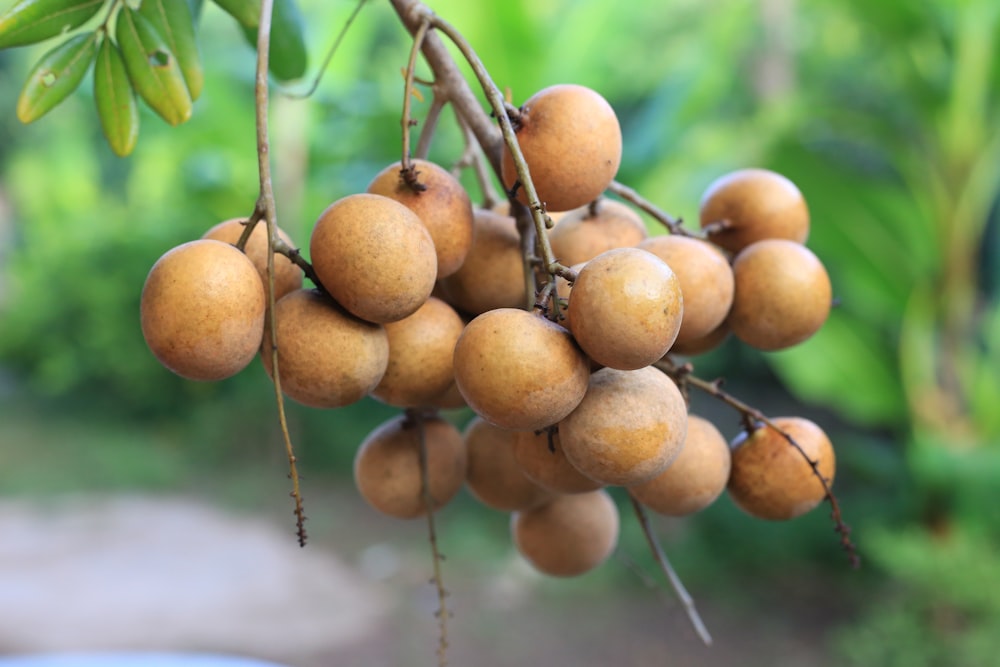
The fruit
Longan Berry,
as it actually grows.
Longan (Dimocarpus longan) is a tropical Sapindaceae fruit native to South and Southeast Asia, prized for its translucent, honey-sweet aril surrounding a single dark seed — the "dragon's eye" of Chinese culinary tradition. Dried longan flesh has been steeped in teas and broths across Cantonese and Vietnamese kitchens for centuries, valued as a warming, nourishing ingredient in everyday cooking.
How to Use
Across the Three Kingdoms
One herb, prepared once, serving people, pets, and plants from a single botanical practice — each with its own measure and care.
People
Benefit
clear focus and a calm, settled mind — plus restful calm
How to Use
1/4 tsp (up to 1 tsp) in hot water, tea, coffee, a smoothie, or food, once daily — begin with light doses; our extracts are very potent.
Pets
Dogs & companion animals
Benefit
A sweet, nutrient- and polyphenol-rich fruit traditionally used as a gentle nourishing, restorative tonic to support vitality and calm.
How to Use
Offer a small amount of the dilute extract or powder stirred into food, scaled to body weight (a pinch for cats/small birds and small dogs; a teaspoon-scale amount for large dogs/horses). Start low and use a few times a week, not a daily large dose.
By Animal
Cats
Flesh extract non-toxic to cats (not ASPCA-listed); no phenols/essential oils. Hazard is seed/shell only, absent here.
Dogs
Flesh non-toxic to dogs (not ASPCA-listed); vet sources confirm flesh is fine. Risk is seed saponins + shell choking, absent in extract.
Horses
Not ASPCA-listed; no iodine/glycyrrhizin/aromatic concern. Dilute flesh extract well-tolerated; only watch sugar in metabolic horses.
Birds
Longan flesh is a recognized safe sweet treat for parrots/birds in moderation; no aromatic/essential-oil risk. Only the seed is excluded.
⚑ Sport horses: none — longan flesh contains no FEI/USEF-controlled substance (no caffeine, theobromine, glycyrrhizin, or aromatic alkaloid). Standard NOPS contamination hygiene still applies to any supplement fed to sport horses.
Safety
GGG's product is the dilute hot-water flesh extract/powder only — it contains none of the longan SEED or SHELL, which is where the real hazards live (seed saponins causing vomiting/diarrhea/lethargy, and shell/pit choking or GI obstruction). Never give whole fruit, seeds, or shells to any animal. The main inherent property of the flesh is high natural sugar, so use sparingly or avoid in diabetic, overweight, or insulin-dysregulated/EMS-IR animals; for horses with metabolic syndrome or laminitis history, keep the sugar load trivial. As a conditional precaution (these do NOT change the per-species rating for a healthy animal): longan polyphenols may add mild additive effects with antidiabetic/insulin therapy and with anticoagulant/antiplatelet drugs, so pause before surgery and use caution alongside blood thinners; introduce cautiously in pregnancy/lactation and in animals with significant kidney or liver disease, and start low to confirm individual GI tolerance. Discontinue and consult a veterinarian if GI upset occurs.
Source: ASPCA Toxic and Non-Toxic Plants database (Dimocarpus longan not listed as toxic to cats/dogs/horses); Dogster vet-verified and Hepper vet-approved longan guides (flesh non-toxic; hazards are seed saponins + shell choking); Parrot Website (longan flesh safe for parrots, remove seed); FEI Equine Prohibited Substances List / Clean Sport (no longan entry).
Plants
Garden, soil & foliage
Benefit
flowering, fruiting, and finish as a dilute bloom-stage tonic
How to Use
Dilute 1/8 to 1/4 teaspoon per gallon of water. Foliar feed at the lighter rate, or soil drench at the fuller rate, about once a month or every other feeding. Best worked in from pre-flower through bloom, as the plant sets and fills flower and fruit.
Best for
Flower & bloomSafety
A dilute extract in the GGG Plants line; always dilute and start light.
Source: GGG Plants line formulation
Structure-and-function guidance for nutrition and vitality. Not intended to diagnose, treat, cure, or prevent any disease. Introduce one botanical at a time and notice how the body responds. Some plants interact with medication; if you are pregnant, nursing, or on a prescription, know the interaction before you begin.
What's inside
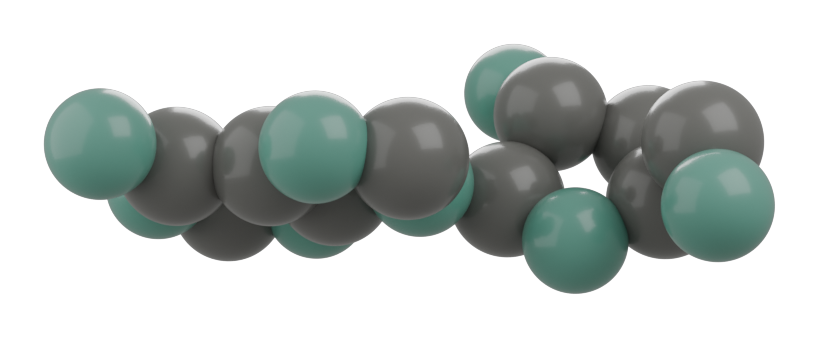
Longan Berry,
down to the molecule.
The signature compound of Longan Berry, rendered from its real structure in bronze and glass — the precise thing the plant carries, given the dignity it has earned.
The evidence chain
From the plant to the molecule to the body — traced.
Not a claim — a chain. Every link below traces to a primary record. This is what Longan Berry is, measured.
The plant
Longan Berry
which governs
An enzyme that adds sugar tags involved in immune-cell trafficking.
serving the system
Cardiovascular · Immune
and the tradition independently agrees — measured binding
The recorded herbal lineage names Longan Berry a cardiovascular and nervous herb. Independently, its compounds are measured to bind proteins of those systems. Tradition and molecule, arrived at separately, converge — the strongest evidence we hold.
Structure and function only. The chain describes the plant’s characterized chemistry and traditional use — not a claim to treat, cure, or prevent any disease.
How it works
How Longan Berry works in the body
A herb is never one thing — it is a community of compounds, each meeting the body in its own way. These are the active molecules in Longan Berry and the proteins each one is measured to engage: the precise points where the plant meets your biology. So you see not just that it works, but how.
Gallic acid
PubChem ↗Measured to act on
A mitochondrial enzyme involved in breaking down fatty acids and balancing steroid hormones.
An enzyme that adds sugar tags to cells, helping immune cells find their way through tissue.
Concentrated in lymphoid tissue, bone marrowstructure resolved ↗
An enzyme that edits chemical tags on DNA-packaging proteins to regulate genes.
A repair enzyme that clears certain damage points so DNA can be mended.
Measured in the lab
Real measurements from binding studies. A tighter fit means the compound meets its target more readily — the figure in grey is the actual measured value.
Binds very tightly to Amyloid-beta precursor protein · EC50 1.7 nM
Binds very tightly to Alpha-(1,3)-fucosyltransferase 7 · IC50 60 nM
Binds tightly to Polypeptide N-acetylgalactosaminyltransferase 2 · Kd 924 nM
Binds to Polyphenol oxidase 4 · IC50 1.06 µM
Binds to Carbonic anhydrase 2 · Ki 2.25 µM
Binds to Carbonic anhydrase 1 · Ki 3.2 µM
— and 15 more measured targets, each traced to its source.
Ellagic acid
PubChem ↗Measured to act on
A protein that repairs damaged DNA and helps balance the cell's oxidative state.
A constantly active signaling enzyme involved in cell growth and stress responses.
An enzyme in the liver and red blood cells that helps turn sugar into usable energy.
Concentrated in liver, kidney, bone marrowstructure resolved ↗
A repair enzyme that clears certain damage points so DNA can be mended.
A cell-surface receptor active in the gut and immune tissue that helps relay signals inward.
Concentrated in intestinestructure resolved ↗
Measured in the lab
Real measurements from binding studies. A tighter fit means the compound meets its target more readily — the figure in grey is the actual measured value.
Binds very tightly to Amyloid-beta precursor protein · EC50 1.7 nM
Binds very tightly to Casein kinase II subunit alpha · Ki 20 nM
Binds very tightly to Pyruvate kinase PKLR · IC50 32 nM
Binds very tightly to 5'-nucleotidase · IC50 40 nM
Binds very tightly to DNA polymerase eta · IC50 62 nM
Binds very tightly to DNA polymerase iota · IC50 62 nM
— and 58 more measured targets, each traced to its source.
Quercetin
PubChem ↗Measured to act on
The enzyme that converts androgens into estrogen, the body main estrogen source.
Concentrated in placentastructure resolved ↗
An enzyme that converts glucose into sorbitol, part of how cells handle sugar.
Concentrated in adrenal glandstructure resolved ↗
A liver-type enzyme that processes hormones and environmental compounds.
A signaling enzyme involved in cell growth and survival.
Concentrated in bone marrowstructure resolved ↗
A mitochondrial enzyme involved in breaking down fatty acids and balancing steroid hormones.
Measured in the lab
Real measurements from binding studies. A tighter fit means the compound meets its target more readily — the figure in grey is the actual measured value.
Binds very tightly to Amine oxidase [flavin-containing] A · IC50 10 nM
Binds very tightly to Aromatase · IC50 12 nM
Binds very tightly to Aldo-keto reductase family 1 member B1 · IC50 14.8 nM
Binds very tightly to Enoyl-acyl-carrier protein reductase · Ki 22 nM
Binds very tightly to Cytochrome P450 1B1 · Ki 23 nM
Binds very tightly to Serine/threonine-protein kinase pim-1 · Kd 25 nM
— and 108 more measured targets, each traced to its source.
Epicatechin
PubChem ↗Measured to act on
A master switch that turns on many genes of the immune and inflammatory response.
An enzyme central to building and mineralizing healthy bone and teeth.
Concentrated in adrenal glandstructure resolved ↗
Measured in the lab
Real measurements from binding studies. A tighter fit means the compound meets its target more readily — the figure in grey is the actual measured value.
Binds very tightly to Nitric oxide synthase, endothelial · EC50 2 nM
Binds tightly to Arginase · Ki 200 nM
Binds tightly to Alkaline phosphatase, tissue-nonspecific isozyme · IC50 407 nM
Binds tightly to Alpha-synuclein · IC50 800 nM
Binds to Carbonic anhydrase 2 · Ki 1.24 µM
Binds to Pyruvate kinase PKM · IC50 1.33 µM
— and 9 more measured targets, each traced to its source.
Adenosine
PubChem ↗Measured to act on
A receptor for adenosine, a molecule the body uses to dial cellular activity up or down.
Concentrated in brain, testisstructure resolved ↗
Measured in the lab
Real measurements from binding studies. A tighter fit means the compound meets its target more readily — the figure in grey is the actual measured value.
Binds very tightly to Adenosine receptor A3 · IC50 1.1 nM
Binds very tightly to Adenosine receptor A1 · IC50 2.3 nM
Binds very tightly to Adenosine receptor A2a/A2b · Ki 5 nM
Binds very tightly to Adenosine receptor A2a · Kd 17 nM
Binds very tightly to Adenosine receptor A2b · EC50 52 nM
Binds to Sodium/nucleoside cotransporter 1 · Ki 1.8 µM
— and 4 more measured targets, each traced to its source.
Cited science · not claims
Everything we publish about these plants traces to a primary source — the compounds to PubChem, ChEMBL, and BindingDB, the traditional uses to named, dated herbals. We describe what a plant is and what it is understood to nourish — the body’s own systems, structure and function only. We do not claim it treats, cures, or prevents any disease, and nothing here is a substitute for professional care. See our method & sources →
These statements have not been evaluated by the Food and Drug Administration. Not intended to diagnose, treat, cure, or prevent any disease.
Works alongside
Other herbs that share Longan Berry's terrain
Different plants reaching the same systems of the body — the convergence our genome engine maps. These nourish the terrain Longan Berry supports:
Cardiovascular