Measured Biology
The Measured Biology of Dandelion
Taraxacum officinale
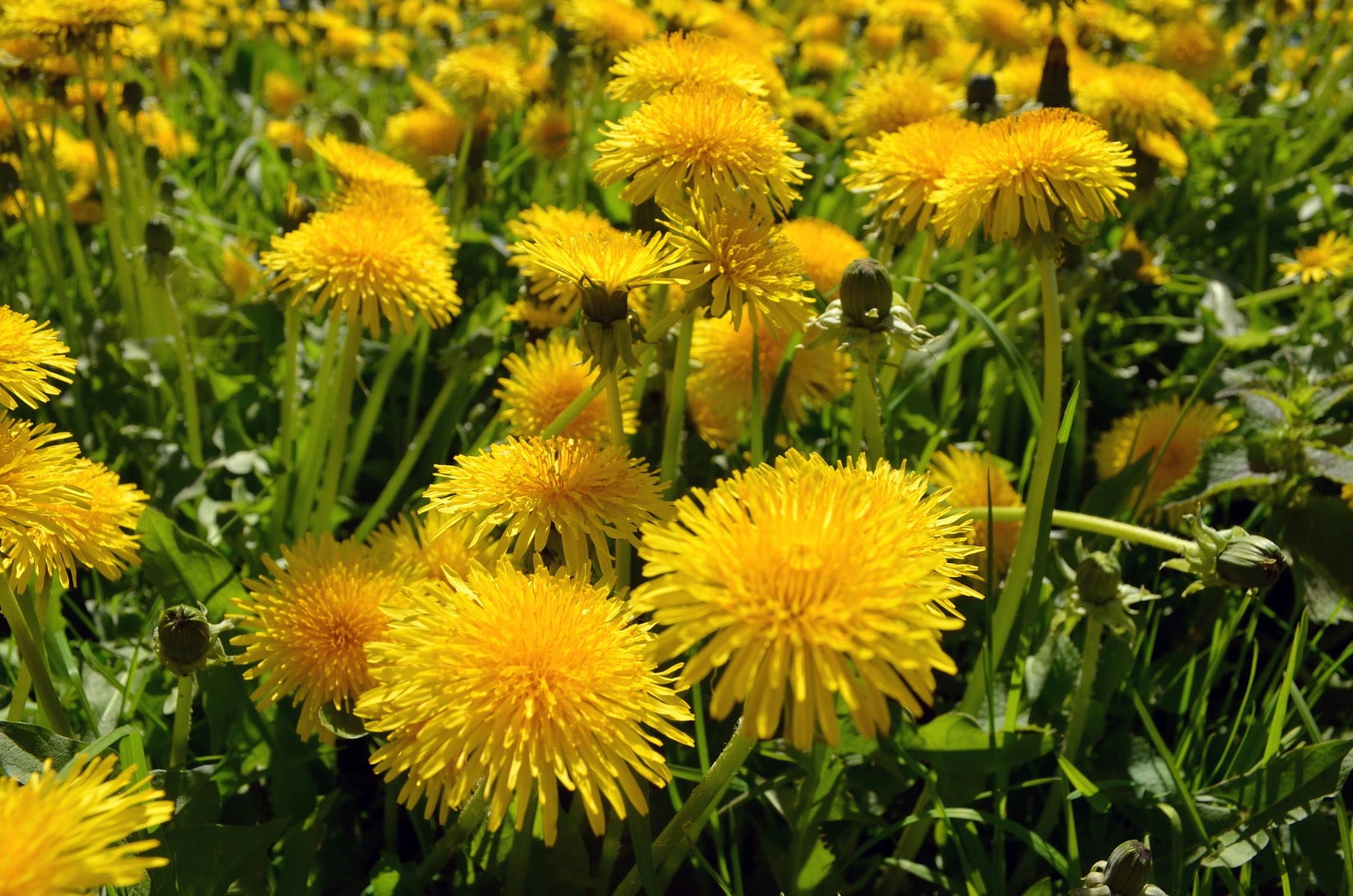
Dandelion (Taraxacum officinale, 蒲公英) is the deep bitter taproot — a botanical that grows on every inhabited continent yet remains, in the herbal lineage, anything but common. What looks like a roadside weed is in fact one of the most thoroughly documented bitter tonics in the human record, valued in the same breath across Culpeper's English herbalism and classical East Asian practice. GGG NATURAL works the root specifically: the taproot drives deep, drawing minerals up from the soil and concentrating them, and it is this downward-reaching, earth-mining character that gives dandelion its grounded, clearing nature. Prepared as a potent 10:1 extract, the bitterness is not a flaw to be masked but the active signature itself — the bitter principle is the heart of the root, the taste that wakes the body's own digestive intelligence the moment it touches the tongue. In the GGG formulary dandelion sits among the bitter, grounding roots — a botanical of flow and clearing rather than stimulation. Its place is foundational: where many herbs lift or soothe, dandelion opens and moves, the quiet workhorse that keeps the body's channels of digestion and elimination supple and unobstructed. It is the root you reach for when the system feels heavy, sluggish, congested — not to force, but to support the body's own rhythm of taking in and letting go.
In the body
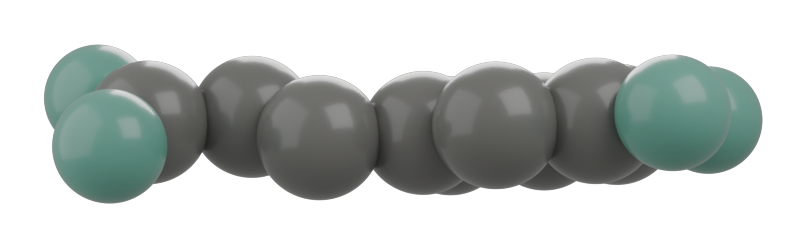
Dandelion root engages two systems above all: the digestive tract and the liver, the body's central organs of breakdown, sorting, and clearing. The character begins with its bitter compounds — chiefly the sesquiterpene lactones that give the root its characteristic edge. When bitterness meets the tongue and gut, it tones the body's own digestive cascade: the natural secretion of bile and digestive juices, the readiness of the stomach and intestines to do their work. This is structure and function in its purest form — dandelion does not act on digestion from outside; it cues the body's existing machinery to engage. The root also nourishes the liver's natural function as the body's filter and processor, supporting its innate work of sorting and clearing, which is why the tradition reaches for it whenever flow feels stagnant. Beneath the bitters lies the root's nutritive architecture. Dandelion taproot is rich in inulin, a prebiotic fructan polysaccharide that the body's own gut flora recognize and feed upon — fiber as nourishment for the microbial ecosystem that underwrites healthy digestion. It carries triterpenes (taraxasterol among the established sterols) and a notable mineral load, potassium foremost, drawn up by that deep taproot. The leaf supports the body's normal fluid balance and the kidneys' natural clearing rhythm; the root leans toward bile flow and digestive tone. Together these compound classes — bitter sesquiterpene lactones, prebiotic inulin, triterpenes, and concentrated minerals — make dandelion a botanical of clearing and flow, supporting the body's own systems of digestion, liver function, and elimination, and through that supple internal housekeeping, the natural energy, stamina, and endurance that come when the body is unburdened.
The molecules, measured
The active compounds in Dandelion, the proteins each is measured to engage, and — where a real, exact-match assay exists — the strength of that binding.
Luteolin
PubChem ↗Measured to act on
Nuclear receptor ROR-gamma
A receptor that helps guide immune cell development and daily metabolic rhythms.
Cytochrome P450 3A4
A major liver enzyme that processes and clears a large share of dietary and plant compounds.
Xanthine dehydrogenase/oxidase
An enzyme that breaks down purines, producing uric acid as a byproduct.
Neuraminidase
An enzyme the influenza virus uses to release newly made copies from a host cell.
Apigenin
PubChem ↗Measured to act on
Cytochrome P450 3A4
A major liver enzyme that processes and clears a large share of dietary and plant compounds.
Aromatase
The enzyme that converts androgens into estrogens, balancing the body's hormones.
Amine oxidase [flavin-containing] A
An enzyme that breaks down serotonin and other mood-related brain messengers.
Neuraminidase
An enzyme the influenza virus uses to release newly made copies from a host cell.
Caffeic acid
PubChem ↗Measured to act on
Polyunsaturated fatty acid 5-lipoxygenase
The enzyme that converts fatty acids into leukotrienes, messengers in the inflammatory response.
Human immunodeficiency virus type 1 integrase
A viral enzyme that splices the virus's genetic code into a host cell's DNA.
Chlorogenic acid
PubChem ↗Measured to act on
Human immunodeficiency virus type 1 integrase
A viral enzyme that splices the virus's genetic code into a host cell's DNA.
Aldo-keto reductase family 1 member B1
The enzyme that converts glucose into sorbitol, the first step in sugar metabolism.
Tyrosine-protein phosphatase non-receptor type 1
An enzyme that helps regulate insulin and leptin signaling inside cells.
Chicoric acid (cichoric acid)
PubChem ↗Measured to act on
Human immunodeficiency virus type 1 integrase
A viral enzyme that splices the virus's genetic code into a host cell's DNA.
The classical record
What tradition carried
Dandelion is one of the bedrock bitters of the herbal record, named across the great Western and Eastern traditions alike. Nicholas Culpeper documented it in his 1653 English Physician as a cleansing, opening herb governed by its bitter, earthward nature; it carries through the Old English Herbals and the Thomsonian botanical system as a classic liver and digestive tonic. In classical East Asian herbalism it is known as pú gōng yīng (蒲公英), a clearing, cooling botanical long worked into the materia medica. Across all of these lineages the use is consistent and unbroken: the bitter root taken in small, daily measures to keep digestion, the liver, and the body's channels of elimination moving freely — a tradition of gentle clearing and flow carried forward for centuries before any chemistry described its character.