root
Dandelion
Taraxacum officinale
Also known as
Suitable For
A deep bitter taproot rich in inulin and bitter compounds that stimulate digestion and support the liver and kidneys. One of the most reliable botanicals for gentle clearing and flow.
What it nourishes in the body
The body systems this herb is traditionally understood to support — resolved through our knowledge graph, where the classical record and modern biology are read together. Structure and function, never a claim of treatment.
Where measure and tradition agree
Dandelion is measured to engage this system in human binding data — and the recorded tradition named it for it independently. Two evidence systems arriving at the same place, separately, is our highest standard. See the research →
10:1 Concentrated Extract
Whole-plant. Small-batch. Potent.
How to take it
1/4 tsp (up to 1 tsp) in hot water, tea, coffee, a smoothie, or food, once daily — begin with light doses; our extracts are very potent.
Whole plant, never isolated
Concentrated extracts of the whole botanical — the way the body recognizes it.
Cited to measured biology
Every action we describe traces to the compound and its measured target.
Structure & function
We describe what an herb nourishes — never a claim to treat disease.
Secure checkout
Encrypted payment and human verification on every order.
The Botanical
Dandelion, in depth
Character
Dandelion (Taraxacum officinale, 蒲公英) is the deep bitter taproot — a botanical that grows on every inhabited continent yet remains, in the herbal lineage, anything but common. What looks like a roadside weed is in fact one of the most thoroughly documented bitter tonics in the human record, valued in the same breath across Culpeper's English herbalism and classical East Asian practice. GGG NATURAL works the root specifically: the taproot drives deep, drawing minerals up from the soil and concentrating them, and it is this downward-reaching, earth-mining character that gives dandelion its grounded, clearing nature. Prepared as a potent 10:1 extract, the bitterness is not a flaw to be masked but the active signature itself — the bitter principle is the heart of the root, the taste that wakes the body's own digestive intelligence the moment it touches the tongue.
In the GGG formulary dandelion sits among the bitter, grounding roots — a botanical of flow and clearing rather than stimulation. Its place is foundational: where many herbs lift or soothe, dandelion opens and moves, the quiet workhorse that keeps the body's channels of digestion and elimination supple and unobstructed. It is the root you reach for when the system feels heavy, sluggish, congested — not to force, but to support the body's own rhythm of taking in and letting go.
In the Body
Dandelion root engages two systems above all: the digestive tract and the liver, the body's central organs of breakdown, sorting, and clearing. The character begins with its bitter compounds — chiefly the sesquiterpene lactones that give the root its characteristic edge. When bitterness meets the tongue and gut, it tones the body's own digestive cascade: the natural secretion of bile and digestive juices, the readiness of the stomach and intestines to do their work. This is structure and function in its purest form — dandelion does not act on digestion from outside; it cues the body's existing machinery to engage. The root also nourishes the liver's natural function as the body's filter and processor, supporting its innate work of sorting and clearing, which is why the tradition reaches for it whenever flow feels stagnant.
Beneath the bitters lies the root's nutritive architecture. Dandelion taproot is rich in inulin, a prebiotic fructan polysaccharide that the body's own gut flora recognize and feed upon — fiber as nourishment for the microbial ecosystem that underwrites healthy digestion. It carries triterpenes (taraxasterol among the established sterols) and a notable mineral load, potassium foremost, drawn up by that deep taproot. The leaf supports the body's normal fluid balance and the kidneys' natural clearing rhythm; the root leans toward bile flow and digestive tone. Together these compound classes — bitter sesquiterpene lactones, prebiotic inulin, triterpenes, and concentrated minerals — make dandelion a botanical of clearing and flow, supporting the body's own systems of digestion, liver function, and elimination, and through that supple internal housekeeping, the natural energy, stamina, and endurance that come when the body is unburdened.
The Tradition
Dandelion is one of the bedrock bitters of the herbal record, named across the great Western and Eastern traditions alike. Nicholas Culpeper documented it in his 1653 English Physician as a cleansing, opening herb governed by its bitter, earthward nature; it carries through the Old English Herbals and the Thomsonian botanical system as a classic liver and digestive tonic. In classical East Asian herbalism it is known as pú gōng yīng (蒲公英), a clearing, cooling botanical long worked into the materia medica. Across all of these lineages the use is consistent and unbroken: the bitter root taken in small, daily measures to keep digestion, the liver, and the body's channels of elimination moving freely — a tradition of gentle clearing and flow carried forward for centuries before any chemistry described its character.
The whole plant
Dandelion,
as it actually grows.
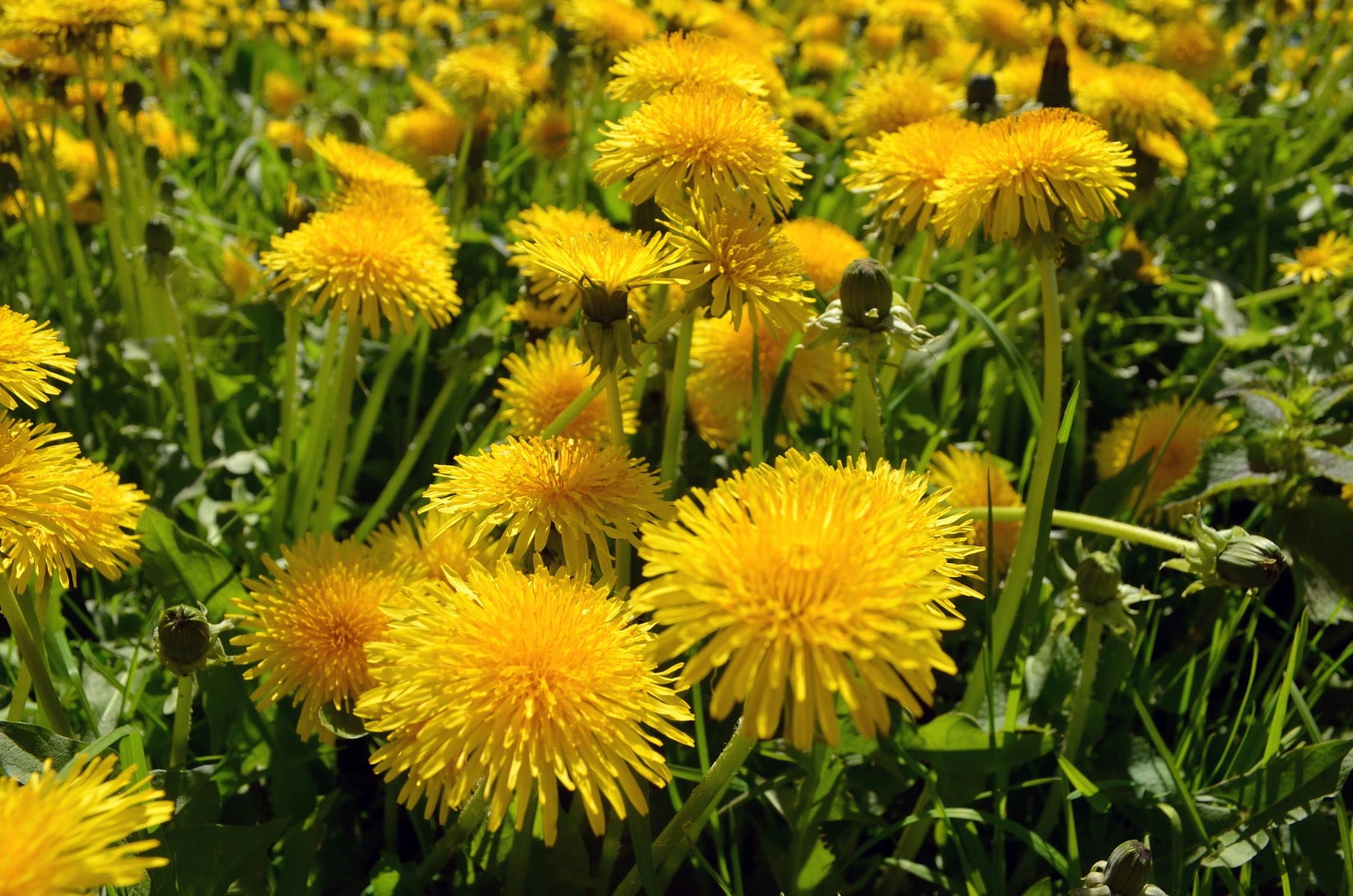
Taraxacum officinale — the roadside plant that is no weed at all. A bitter the old herbals prized for the liver and the waters of the body, root to golden flower.
How to Use
Across the Three Kingdoms
One herb, prepared once, serving people, pets, and plants from a single botanical practice — each with its own measure and care.
People
Benefit
natural energy, stamina, and endurance — plus gentle liver and cleansing support, digestive comfort
How to Use
1/4 tsp (up to 1 tsp) in hot water, tea, coffee, a smoothie, or food, once daily — begin with light doses; our extracts are very potent.
Pets
Dogs & companion animals
Benefit
Bitter root tonic that supports healthy liver, digestion, and normal fluid balance.
How to Use
Stir a small amount of the dilute extract/powder into food once daily, scaled to body weight; start at the low end and build up.
By Animal
Cats
ASPCA-listed non-toxic; bitter root tonic, well-tolerated in small amounts.
Dogs
Non-toxic; common holistic liver/kidney/digestive tonic for dogs.
Horses
Whole plant non-toxic to horses (true dandelion, not catsear); classic liver/diuretic forage tonic.
Birds
Safe edible forage for parrots/chickens; un-sprayed only.
⚑ Sport horses: Dandelion is not specifically named on the FEI/USEF prohibited lists, but it is a mild diuretic — diuretics can mask other substances and the diuretic action plus any "calming/energising" intent is regulated. For FEI/USEF competition horses, withhold before competition and confirm with the testing body; herbal products of unknown full composition carry contamination risk.
Safety
Dandelion (true Taraxacum officinale) is non-toxic to cats, dogs, horses, and birds per the ASPCA database and VCA/vet-herbal sources; the dilute hot-water extract is well-tolerated for a healthy animal in moderate use. Conditional caveats only: the leaf is a genuine diuretic, so use cautiously alongside prescription diuretics or in animals with active kidney disease, and watch for electrolyte loss with heavy/prolonged dosing. Avoid or vet-supervise in animals with gallbladder/bile-duct obstruction or gallstones (it stimulates bile flow), and in significant liver disease. Dandelion may potentiate diuretics, lithium, and some diabetes/antihypertensive drugs (theoretical), and the bitter/diuretic action can loosen stool — start low. Pregnant/lactating or debilitated animals should be vet-supervised. Source only un-sprayed, pesticide/herbicide-free material. NOTE for horses: do not confuse true dandelion with "false dandelion"/catsear (Hypochaeris radicata), which is linked to stringhalt — GGG's product is true Taraxacum officinale, not catsear.
Source: ASPCA Toxic and Non-Toxic Plants database (Taraxacum officinale non-toxic; catsear/Hypochaeris listed separately); VCA / Thorne Vet / Kentucky Equine Research dandelion monographs; FEI Clean Sport Prohibited Substances List (inside.fei.org).
Plants
Garden, soil & foliage
Benefit
vegetative vigor, strong rooting, and resilient new growth
How to Use
Dilute 1/8 to 1/4 teaspoon per gallon of water. Foliar feed at the lighter rate, or soil drench at the fuller rate, about once a month or every other feeding. Best worked in through vegetative growth, as the plant builds leaf, stem, and root.
Best for
Vegetative growthSafety
A dilute extract in the GGG Plants line; always dilute and start light.
Source: GGG Plants line formulation
Structure-and-function guidance for nutrition and vitality. Not intended to diagnose, treat, cure, or prevent any disease. Introduce one botanical at a time and notice how the body responds. Some plants interact with medication; if you are pregnant, nursing, or on a prescription, know the interaction before you begin.
What's inside
Dandelion,
down to the molecule.
The signature compound of Dandelion, rendered from its real structure in bronze and glass — the precise thing the plant carries, given the dignity it has earned.
The evidence chain
From the plant to the molecule to the body — traced.
Not a claim — a chain. Every link below traces to a primary record. This is what Dandelion is, measured.
The plant
Dandelion
which governs
An enzyme that converts fatty acids into messengers of the inflammatory response.
serving the system
Digestive · Liver
and the tradition independently agrees — measured binding
The recorded herbal lineage names Dandelion a liver & detox herb. Independently, its compounds are measured to bind proteins of that system. Tradition and molecule, arrived at separately, converge — the strongest evidence we hold.
Structure and function only. The chain describes the plant’s characterized chemistry and traditional use — not a claim to treat, cure, or prevent any disease.
How it works
How Dandelion works in the body
A herb is never one thing — it is a community of compounds, each meeting the body in its own way. These are the active molecules in Dandelion and the proteins each one is measured to engage: the precise points where the plant meets your biology. So you see not just that it works, but how.
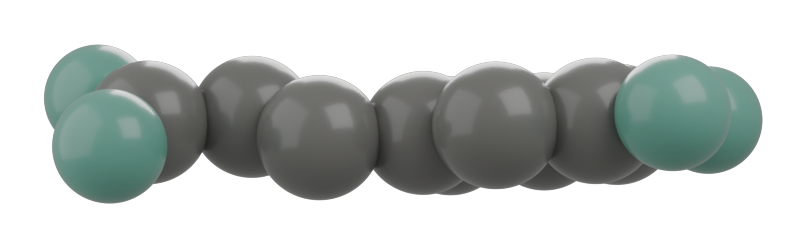
Luteolin
PubChem ↗Measured to act on
A receptor that helps guide immune cell development and daily metabolic rhythms.
A major liver enzyme that processes and clears a large share of dietary and plant compounds.
Concentrated in liverstructure resolved ↗
An enzyme that breaks down purines, producing uric acid as a byproduct.
Concentrated in liver, intestine, breaststructure resolved ↗
An enzyme the influenza virus uses to release newly made copies from a host cell.
Apigenin
PubChem ↗Measured to act on
A major liver enzyme that processes and clears a large share of dietary and plant compounds.
Concentrated in liverstructure resolved ↗
The enzyme that converts androgens into estrogens, balancing the body's hormones.
Concentrated in placentastructure resolved ↗
An enzyme that breaks down serotonin and other mood-related brain messengers.
Concentrated in intestinestructure resolved ↗
An enzyme the influenza virus uses to release newly made copies from a host cell.
Caffeic acid
PubChem ↗Measured to act on
The enzyme that converts fatty acids into leukotrienes, messengers in the inflammatory response.
Concentrated in lymphoid tissue, lungstructure resolved ↗
A viral enzyme that splices the virus's genetic code into a host cell's DNA.
Measured in the lab
Real measurements from binding studies. A tighter fit means the compound meets its target more readily — the figure in grey is the actual measured value.
Binds very tightly to Matrix metalloproteinase-9 · IC50 10 nM
Binds very tightly to 72 kDa type IV collagenase · IC50 24 nM
Binds very tightly to Catechol O-methyltransferase · IC50 93 nM
Binds very tightly to Glutamate carboxypeptidase 2 · IC50 100 nM
Binds tightly to Type-1 angiotensin II receptor · IC50 125 nM
Binds tightly to Interstitial collagenase · IC50 239 nM
— and 20 more measured targets, each traced to its source.
Chlorogenic acid
PubChem ↗Measured to act on
A viral enzyme that splices the virus's genetic code into a host cell's DNA.
The enzyme that converts glucose into sorbitol, the first step in sugar metabolism.
Concentrated in adrenal glandstructure resolved ↗
An enzyme that helps regulate insulin and leptin signaling inside cells.
Measured in the lab
Real measurements from binding studies. A tighter fit means the compound meets its target more readily — the figure in grey is the actual measured value.
Binds very tightly to Tyrosine-protein phosphatase non-receptor type 1 · IC50 100 nM
Binds tightly to Histone deacetylase · Ki 135 nM
Binds tightly to Aldo-keto reductase family 1 member B1 · IC50 300 nM
Binds to Aldo-keto reductase family 1 member B10 · IC50 7.9 µM
Chicoric acid (cichoric acid)
PubChem ↗Measured to act on
A viral enzyme that splices the virus's genetic code into a host cell's DNA.
Measured in the lab
Real measurements from binding studies. A tighter fit means the compound meets its target more readily — the figure in grey is the actual measured value.
Binds very tightly to Integrase · IC50 34 nM
Cited science · not claims
Everything we publish about these plants traces to a primary source — the compounds to PubChem, ChEMBL, and BindingDB, the traditional uses to named, dated herbals. We describe what a plant is and what it is understood to nourish — the body’s own systems, structure and function only. We do not claim it treats, cures, or prevents any disease, and nothing here is a substitute for professional care. See our method & sources →
These statements have not been evaluated by the Food and Drug Administration. Not intended to diagnose, treat, cure, or prevent any disease.
Works alongside
Other herbs that share Dandelion's terrain
Different plants reaching the same systems of the body — the convergence our genome engine maps. These nourish the terrain Dandelion supports:
Respiratory