Measured Biology
The Measured Biology of Gynostemma
Gynostemma pentaphyllum
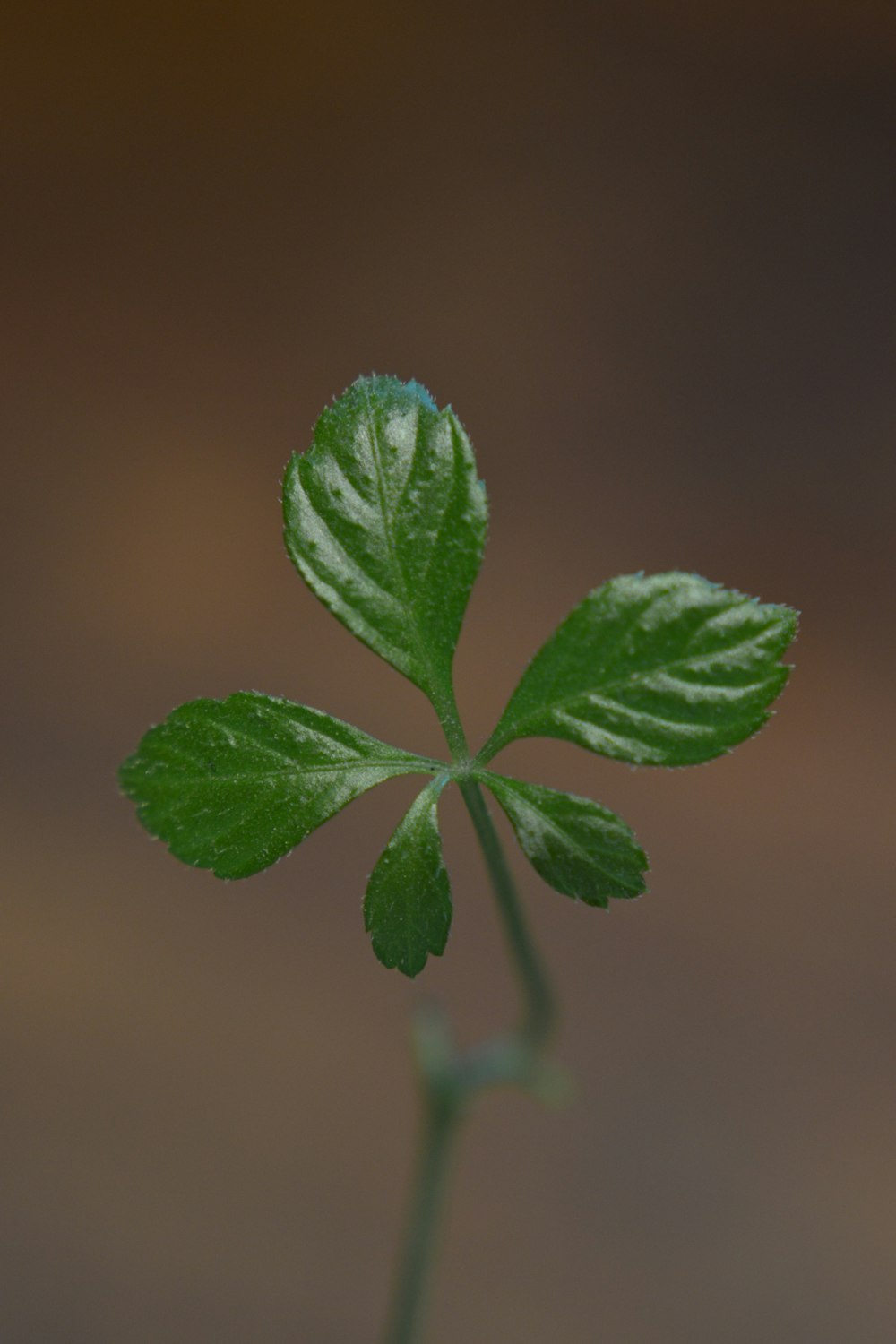
Gynostemma pentaphyllum is a slender, five-leafleted climbing vine of the cucurbit family — the lineage of gourds and melons — that threads its way through the misty highlands of southern China and Japan. In its mountain homeland it carries the name jiaogulan, the "twisting vine herb," and a quieter epithet earned in folk reputation among the highland communities who drank it as a daily tea. It is, by nature, an adaptogen — a botanical that does not push the body in one fixed direction but meets it where it stands, lending steadiness rather than stimulation. What sets Gynostemma apart in the green canon is chemical kinship: its leaf is dense with gypenosides, a family of saponin compounds structurally close to the ginsenosides that make ginseng revered, and the vine carries an unusually broad complement of them. This is a tonic green that asks nothing dramatic of the body — no jolt, no crash — only a slow, cumulative cultivation of vitality. In the GGG green kingdom it stands as the quiet workhorse of steady energy: a bitter, cooling leaf taken as a daily tea, prized not for what it does in an hour but for what it builds across seasons.
In the body
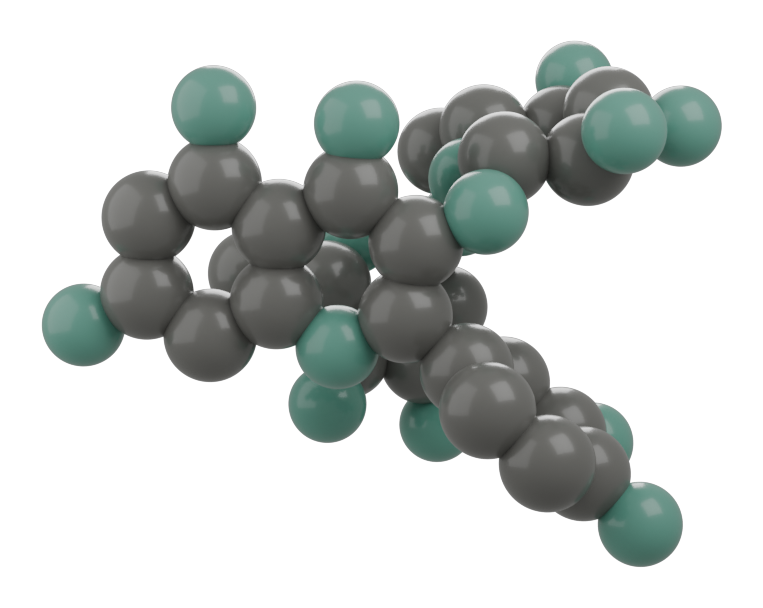
Gynostemma's character in the body is shaped first by its gypenosides — triterpenoid saponins that are the vine's signature compound class and the source of its kinship to ginseng. As adaptogenic constituents, gypenosides engage the body's own stress-response architecture, the network through which the adrenal and energy systems calibrate output to demand; rather than driving the system, they support its native capacity to find balance under load, which is why the leaf nourishes steady energy, stamina, and endurance without the spike-and-fall of a stimulant. The same saponin class supports the body's healthy circulatory function, working with the vasculature's own signaling to maintain supple, well-toned circulation — the foundation beneath sustained vitality and clear, grounded focus. Alongside the gypenosides, Gynostemma's leaf carries polysaccharides and a complement of flavonoids and other plant antioxidants; this antioxidant matrix supports the body's own oxidative-balance systems, the cellular housekeeping that keeps tissues resilient against everyday metabolic wear. Taken together, these compound classes make Gynostemma a green that speaks to the metabolic and energy systems as a whole — supporting the body's natural management of fuel and stamina, toning circulation, and reinforcing the innate stress-resilience that lets a body stay even-keeled through exertion. It is nutritional intelligence for endurance: the leaf supplies the building blocks; the body decides how to use them.
The molecules, measured
The active compounds in Gynostemma, the proteins each is measured to engage, and — where a real, exact-match assay exists — the strength of that binding.
Ginsenoside Rb1
PubChem ↗Measured to act on
AMPK alpha2/beta1/gamma1
The cell's energy sensor, balancing fuel use when reserves run low.
Ginsenoside Rd
PubChem ↗Measured to act on
AMPK alpha2/beta1/gamma1
The cell's energy sensor, balancing fuel use when reserves run low.
Quercetin
PubChem ↗Measured to act on
Aldo-keto reductase family 1 member B1
An enzyme that converts glucose into sorbitol, part of how cells handle sugar.
Cytochrome P450 1B1
A liver-type enzyme that processes hormones and environmental compounds.
Microtubule-associated protein tau
A structural protein that stabilizes the internal scaffolding of nerve cells.
Menin/Histone-lysine N-methyltransferase MLL complex
A protein partnership that helps switch genes on by marking the DNA's packaging.
Kaempferol
PubChem ↗Measured to act on
Neuraminidase
An enzyme that cleaves sialic acid sugars, involved in how cells and viruses interact at their surfaces.
Cytochrome P450 3A4
A major liver enzyme that processes a wide range of compounds the body takes in.
Cytochrome P450 2C9
A liver enzyme that breaks down many compounds the body takes in.
Cytochrome P450 2C19
A liver enzyme that helps break down and clear many compounds from the body.
Cytochrome P450 2D6
A liver enzyme involved in breaking down many naturally occurring and ingested compounds.
Cellular tumor antigen p53
A guardian protein that watches over DNA and helps cells decide when to repair or stop dividing.
Dipeptidyl peptidase 4
An enzyme that trims small signaling peptides involved in blood sugar regulation.
Rutin
PubChem ↗Measured to act on
Neuraminidase
An enzyme that cleaves sialic acid sugars, involved in how cells and viruses interact at their surfaces.
Xanthine dehydrogenase/oxidase
The enzyme that produces uric acid as the body breaks down purines.
Aldo-keto reductase family 1 member B1
An enzyme that converts glucose into sorbitol, part of how cells handle sugar.
Alpha-2C adrenergic receptor
A receptor that helps the nervous system fine-tune the release of stress-signaling chemicals.
Alpha-2A adrenergic receptor
A receptor involved in calming nerve signaling and regulating alertness and blood pressure tone.
The classical record
What tradition carried
Gynostemma's recorded lineage runs through classical East Asian herbal practice, where it was first noted in the materia medica of the Ming dynasty as a famine-food green and a tea of the mountain villages — drunk daily in the highland counties of southern China long before it entered the formal tonic canon. Folk tradition prized it as a household tea, and over time it earned standing as an adaptogenic vitality tonic held in the same family of esteem as ginseng, though it grew freely where ginseng was rare and precious. In the broader herbal tradition it is classed among the cooling, bitter restorative greens — taken not to force an effect but to cultivate enduring strength, the way the long memory of plant practice has always favored the slow tonic over the fast remedy. GGG NATURAL carries it in exactly that spirit: a daily green in the Gate of Life lineage, honored for the tradition of steady, cumulative vitality it represents.