Measured Biology
The Measured Biology of Rehmannia
Rehmannia glutinosa
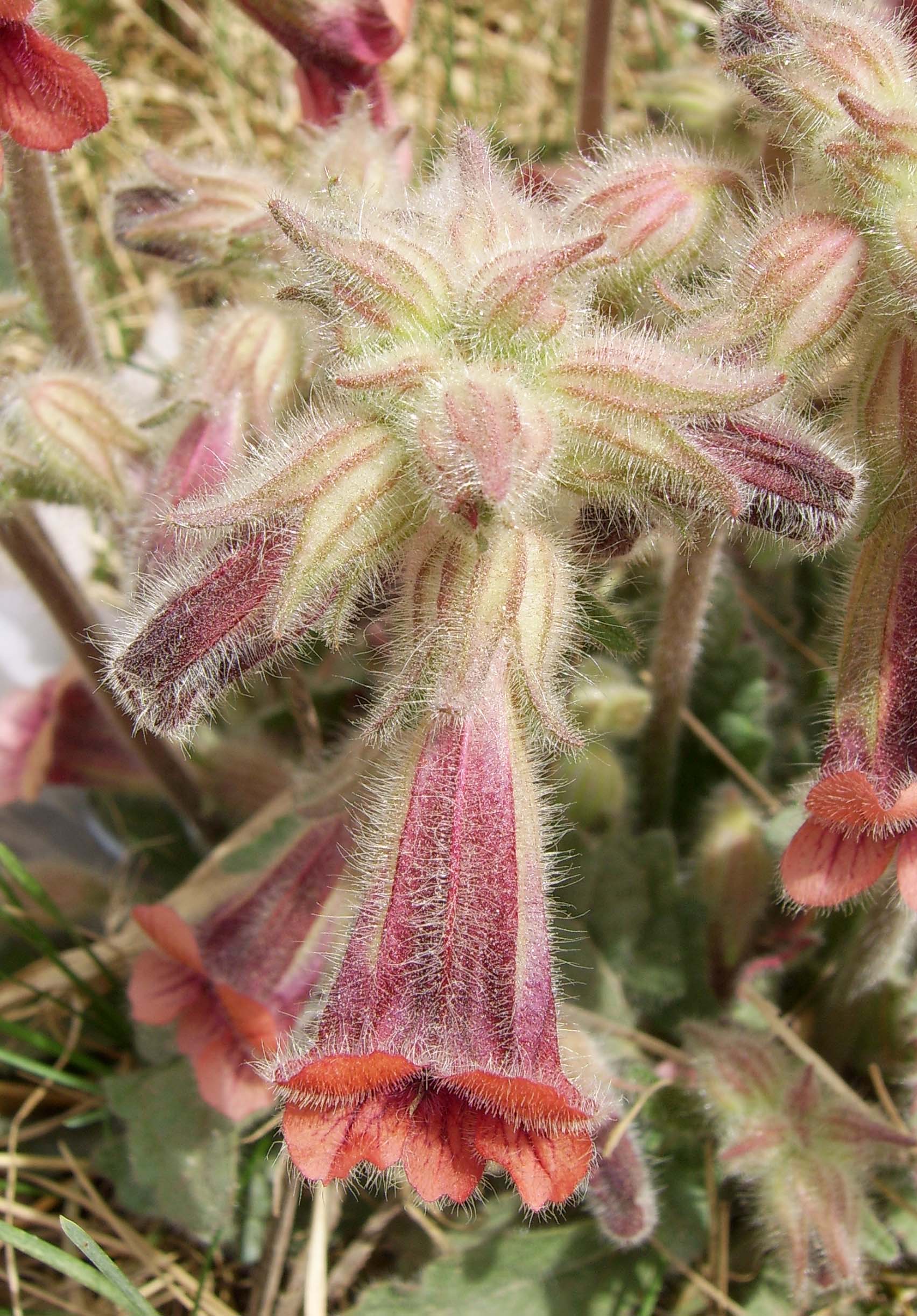
Rehmannia glutinosa is the great blood-nourishing root of the classical East Asian materia medica — a thick, dark, glutinous rhizome that the tradition regards as one of its deepest "building" tonics. What reaches our apothecary is not the raw root but the prepared form, shu di huang (熟地黄): cultivated root that has been steamed and sun-dried again and again, a slow ritual of repeated cooking refined over roughly a thousand years. Each cycle darkens the root from pale amber to a near-black, honeyed mass and deepens its character from cooling and fluid to warming, sweet, and profoundly nourishing — a transformation by craft, not by extraction. We carry it as a potent 10:1 extract from China, sweet on the flavor profile, the kind of foundational root an herbalist reaches for when the work is not stimulation but replenishment. In the architecture of the tradition, Rehmannia is a cornerstone — the chief herb of the most famous tonic formulas in East Asian herbalism, the root other herbs are built around rather than added to. It belongs to the Kidney/adrenal and "deep reserve" branch of our collection alongside roots like eucommia: not a quick, bright botanical but a grounding, generational one, prized for the slow, daily replenishment of the body's foundational stores. It is sweet, dense, moistening, and unhurried by nature — a tonic of substance rather than spark, carried here as the living expression of a 17-year lineage that values what builds the body's reserves over time.
In the body
Rehmannia is, in our organ map, a root of the Blood/Circulatory, Endocrine, and Kidney systems — the body's three great architectures of supply, signaling, and reserve. Its traditional standing as a "blood tonic" places it with the systems that build and circulate the body's nourishing substance, and as a Kidney-and-adrenal root it nourishes the deep, foundational reserve the tradition treats as the source of vitality, stamina, and graceful, resilient aging. We position it for daily, building support of foundational energy, hormonal balance, and fluid balance — structure and function, the slow toning of the systems that carry the body through demand rather than any single push against it. Its molecular signature is well characterized and worth naming plainly. Rehmannia is rich in iridoid glycosides — catalpol foremost among them — a compound class that gives the root much of its recognized identity. Alongside these sit phenethyl alcohol glycosides such as acteoside (verbascoside), and a substantial fraction of polysaccharides, the building-block sugars common to the deep tonic roots. These classes are how the prepared root engages the body's own systems: the glycosides as the signaling-active fraction the endocrine and circulatory tissues encounter, the polysaccharides as nourishing substance that supports the body's resilience and its own natural regulatory rhythms. This is a root that works by feeding the systems' intelligence — supporting healthy circulation, endocrine balance, and the kidney-adrenal reserve — not by overriding it. Worth knowing in use: Rehmannia is moistening and building by nature, which is precisely its virtue and also why the tradition reserves it for replenishment rather than for cold, weak, or loose digestion.
The molecules, measured
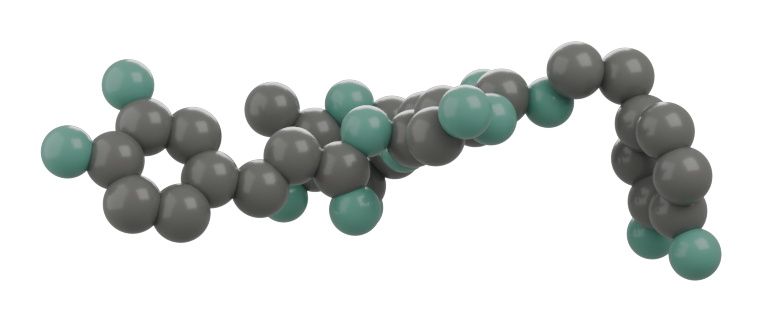
The active compounds in Rehmannia, the proteins each is measured to engage, and — where a real, exact-match assay exists — the strength of that binding.
Acteoside (Verbascoside)
PubChem ↗Measured to act on
Protein kinase C
A family of signaling enzymes that relay messages controlling cell growth and activity.
Aucubin
PubChem ↗Measured to act on
Prostaglandin G/H synthase 1
An enzyme that makes prostaglandins for everyday housekeeping like stomach lining and blood flow.
Prostaglandin G/H synthase 2
The enzyme that drives the body's inflammatory response by producing prostaglandins.
Estrogen receptor
The receptor through which estrogen signals, governing many reproductive and tissue functions.
Acetylcholinesterase
The enzyme that clears acetylcholine, the messenger that carries nerve signals to muscles.
Cholinesterase
A companion enzyme that helps break down acetylcholine and related signaling molecules.
The classical record
What tradition carried
In classical East Asian herbalism Rehmannia is di huang, and in its prepared form shu di huang it is among the most esteemed tonic roots in the entire materia medica — the chief herb of Liu Wei Di Huang Wan, the "Six-Flavor Rehmannia" formula, and of its warming companion Ba Wei Di Huang Wan (Rehmannia Eight). For centuries it has been entered into the Kidney, Liver, and Heart channels as a builder of blood and of the body's deep reserve, the foundation herb other tonics are arranged around. The thousand-year practice of repeated steaming and drying to produce the cooked root is itself part of the recorded tradition — a transformation of preparation, documented and unbroken, that the lineage carries forward. We present it as the tradition recorded it: a foundational, replenishing root, prepared by craft, sweet and substantial, carried in the lineage of the great tonic formulas.