Measured Biology
The Measured Biology of Schizandra
Schisandra chinensis
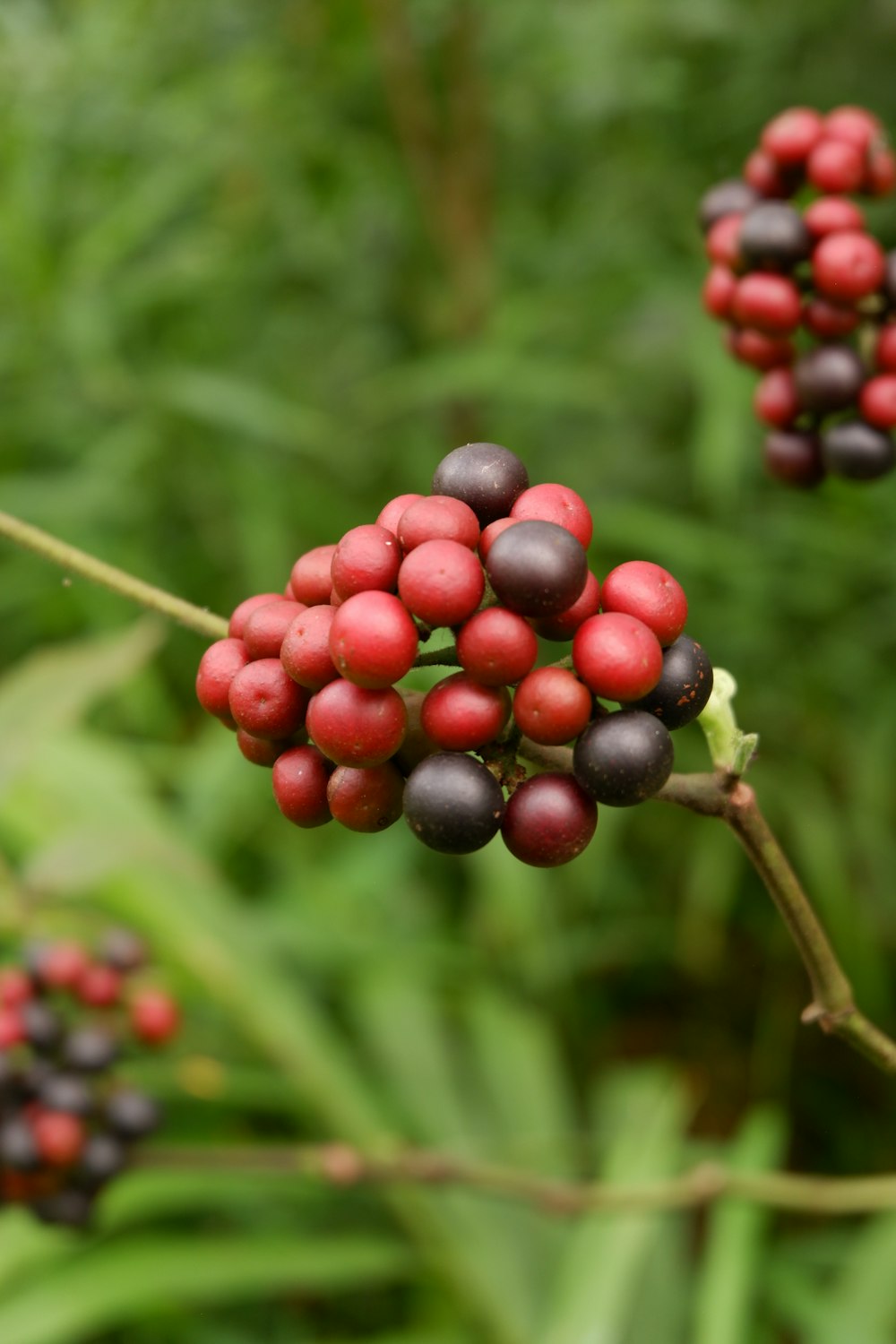
Schizandra (Schisandra chinensis) is the celebrated wu wei zi — the "five-flavor berry" — a small, glossy crimson fruit borne on a woody climbing vine native to the cold northern forests of China and the Russian Far East. Its name is its signature: alone among botanicals, a single berry carries all five classical flavors at once — sour and sweet in the flesh, pungent and bitter in the seed, salty in the whole — and it is this rare completeness that earned it a place at the very top of the herbal hierarchy. In the lineage we carry, Schizandra is not a casual tonic but a superior, daily-use botanical: the kind of plant traditionally reserved for sustained vitality rather than fleeting effect, taken to build a deep, steady reserve of energy over time. As an adaptogen berry, it is prized for nourishing the body's own capacity to meet demand with poise — to draw on stamina without burning hot, to stay clear and grounded under load. Our Schizandra is a potent 10:1 fruit extract, concentrated from the whole berry so that the full five-flavor spectrum and the lignan-rich character of the seed are carried into a few quiet grains of powder. It belongs to the rare class of plants the tradition trusts for the long arc — a botanical you live alongside, building resilience season after season, rather than reaching for in a moment of crisis.
In the body
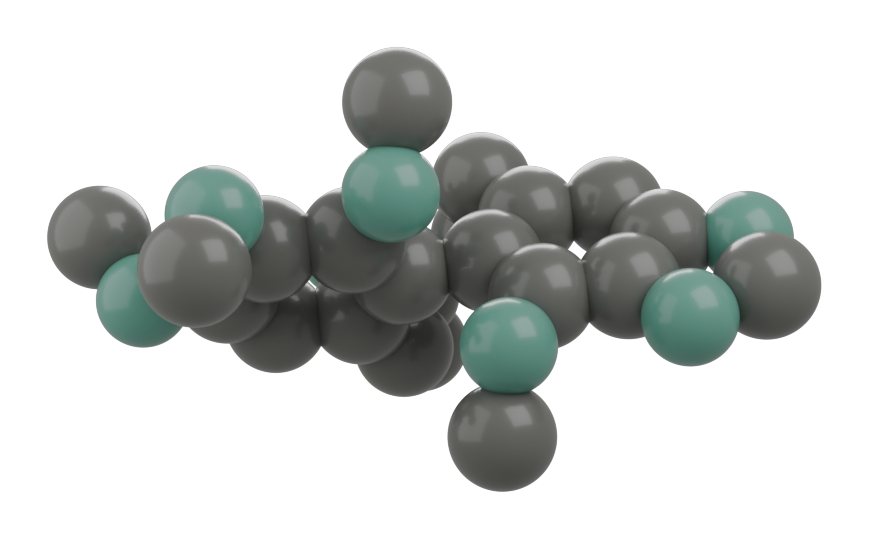
Schizandra is most closely associated with the liver — the body's great filtering and metabolic seat — and with the systems of energy, stamina, and stress resilience that radiate from a well-toned internal economy. Its defining constituents are the dibenzocyclooctadiene lignans (the schisandrins and gomisins), a structurally distinctive class of compounds concentrated in the seed, which the tradition has long understood as the source of the berry's tonifying character. These lignans speak to the liver's own filtering and clearing systems — the body's innate capacity to recognize, transform, and carry off what it no longer needs — supporting the organ's natural housekeeping rhythm and its capacity to tone and renew its own tissue. This is structure and function in the truest sense: not an intervention against the liver, but nourishment of the work the liver already knows how to do. Beyond the lignans, the berry carries organic fruit acids (its pronounced sourness), aromatic mono- and sesquiterpenes from the volatile oils, and fruit polysaccharides — a whole-spectrum matrix that supports the body's antioxidant defenses and its healthy response to oxidative and metabolic load. As an adaptogen, Schizandra's gift is to the body's stress-response architecture: it supports the steady, even functioning of the systems that govern endurance, mental clarity, and recovery, helping the body meet exertion with stamina and return to calm without the spike-and-crash of a stimulant. The five flavors are not folklore but a map of breadth — sour to gather and tone, sweet to nourish, pungent and bitter to move and clear, salty to ground — a single fruit engaging multiple systems at once. The result is a botanical that supports vitality, focus, and a resilient, grounded baseline of energy.
The molecules, measured
The active compounds in Schizandra, the proteins each is measured to engage, and — where a real, exact-match assay exists — the strength of that binding.
Schisandrin B (Wuweizisu B)
PubChem ↗Measured to act on
Serine/threonine-protein kinase ATR
A guardian enzyme that senses DNA stress and helps coordinate repair.
Serine-protein kinase ATM
A sentinel enzyme that detects DNA breaks and signals the cell to mend them.
DNA-dependent protein kinase catalytic subunit
An enzyme that helps stitch broken DNA strands back together.
Multidrug resistance-associated protein 1
A cellular pump that ushers waste and foreign compounds out of cells.
Menin/Histone-lysine N-methyltransferase MLL complex
A protein partnership that helps switch genes on by marking the DNA's packaging.
Schisandrin C (= Wuweizisu C)
PubChem ↗Measured to act on
Prostaglandin G/H synthase 2
The enzyme that drives the body's inflammatory response.
Cytochrome P450 3A4
The liver's busiest enzyme for breaking down compounds the body takes in.
Cytochrome P450 3A5
A liver enzyme that helps metabolize and clear many compounds from the body.
Schisandrin A (= Deoxyschizandrin / Wuweizisu A)
PubChem ↗Measured to act on
Prostaglandin G/H synthase 2
The enzyme that drives the body's inflammatory response.
Multidrug resistance-associated protein 1
A cellular pump that ushers waste and foreign compounds out of cells.
NAD-dependent protein deacetylase sirtuin-1
An enzyme tied to cellular energy, repair, and the body's response to fasting.
Acetylcholinesterase
The enzyme that clears acetylcholine, a key messenger for nerves and muscles.
Glucagon-like peptide 1 receptor
A receptor involved in blood-sugar balance and the feeling of fullness after eating.
Serine-protein kinase ATM
A sentinel enzyme that detects DNA breaks and signals the cell to repair them.
Cytochrome P450 3A4
The liver's busiest enzyme for breaking down compounds the body takes in.
Cytochrome P450 3A5
A liver enzyme that helps metabolize and clear many compounds from the body.
Tyrosyl-DNA phosphodiesterase 1
A repair enzyme that helps untangle and fix damaged DNA strands.
Gomisin A (Schisandrol B-related / wuweizichun A)
PubChem ↗Measured to act on
Prostaglandin G/H synthase 2
The enzyme that drives the body's inflammatory response.
Prostaglandin G/H synthase 2
The enzyme that drives the body's inflammatory response.
Prostaglandin G/H synthase 1
An enzyme making prostaglandins that protect the stomach lining and aid clotting.
Polyunsaturated fatty acid 5-lipoxygenase
An enzyme that turns fatty acids into messengers of the inflammatory response.
Multidrug resistance-associated protein 1
A cellular pump that ushers waste and foreign compounds out of cells.
Schisantherin A (Gomisin C / Schizantherin A, benzoyloxy lignan)
PubChem ↗Measured to act on
Multidrug resistance-associated protein 1
A cellular pump that ushers waste and foreign compounds out of cells.
Acetylcholinesterase
The enzyme that clears acetylcholine, a key messenger for nerves and muscles.
DNA-binding protein inhibitor ID-1
A regulatory protein that helps decide when cells grow versus mature.
Schisanhenol (Gomisin K3, demethyl lignan)
PubChem ↗Measured to act on
Tyrosyl-DNA phosphodiesterase 1
A repair enzyme that helps untangle and fix damaged DNA strands.
Serine-protein kinase ATM
A sentinel enzyme that detects DNA breaks and signals the cell to repair them.
Histone acetyltransferase KAT2A
An enzyme that loosens DNA's packaging to help switch genes on.
Glucagon-like peptide 1 receptor
A receptor involved in blood-sugar balance and the feeling of fullness after eating.
Guanine nucleotide-binding protein G(s) subunit alpha
A relay protein that passes signals from cell-surface receptors to the inside.
Ataxin-2
A protein involved in handling RNA and regulating cellular stress responses.
The classical record
What tradition carried
Schizandra holds an exalted place in classical East Asian herbalism, where it is recorded as wu wei zi, the "five-flavor seed," and counted among the superior tonic botanicals — those traditionally taken over long stretches to build reserve and sustain vitality rather than to address a passing complaint. The herbals describe it as astringing and gathering, a fruit used to consolidate the body's energy, to steady the spirit and the senses, and to support the liver and the body's natural cleansing rhythm. Its five-flavor completeness was understood to let a single berry reach the body's several internal systems at once, which is why it was so prized by scholars and laborers alike for endurance, clarity, and steadiness under sustained demand. GGG NATURAL carries Schizandra in this lineage — a research-grade extract of a fruit that thousands of years of recorded human practice have placed among the most trusted tonics of the herbal tradition.