
For Pets
Seasonal
Clear, open, easy breathing — through every season of the year.
Breeze is for the animal whose breath could be easier — the dog who wheezes after a romp through pollen, the cat who gets stuffy when the dry furnace season sets in, the horse whose airways feel the dust of the barn and the bloom of spring. It is built around one outcome: a clear, open, comfortable airway and an even, unbothered response to the seasonal and airborne irritants that pass through any animal's nose and lungs over a year.
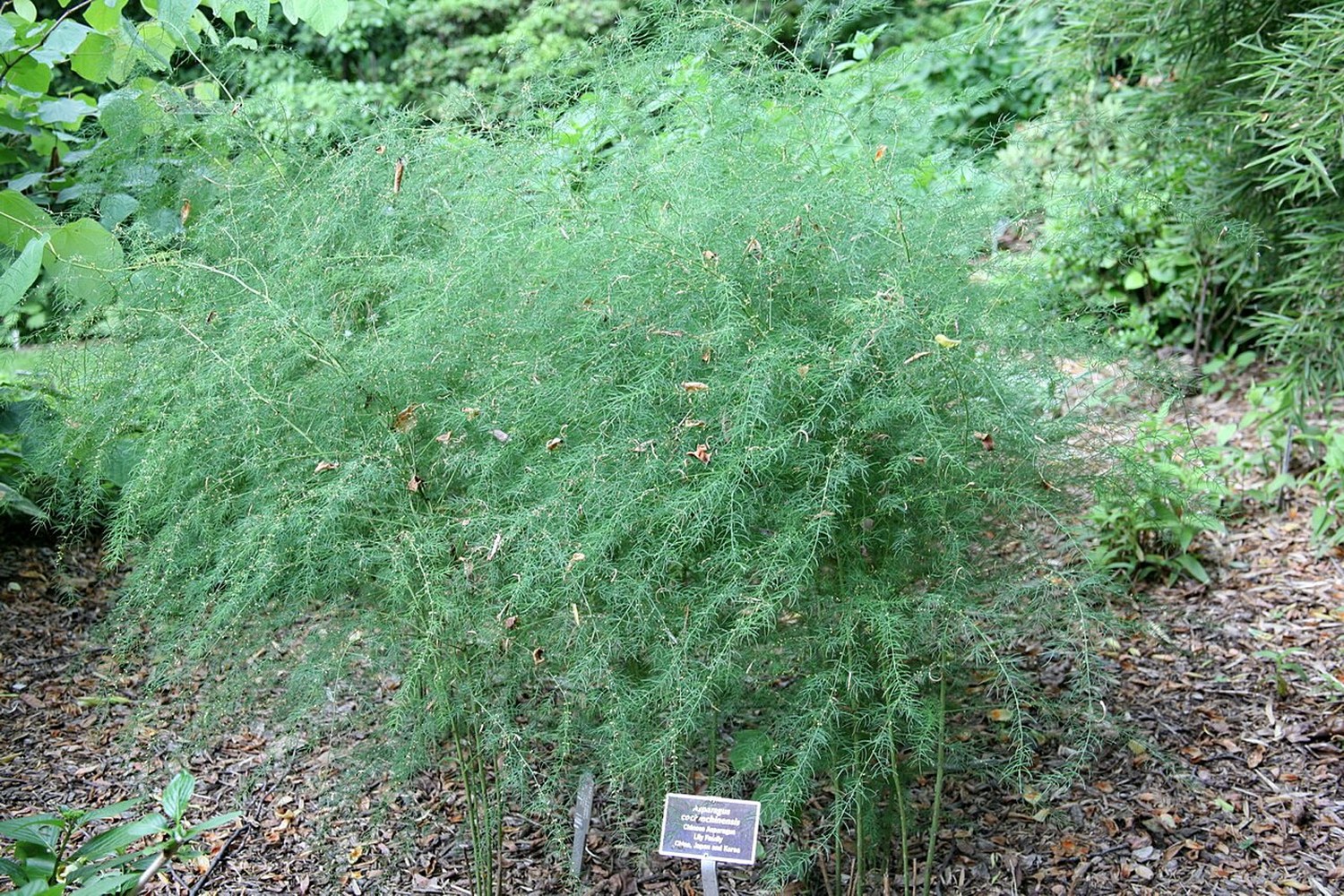
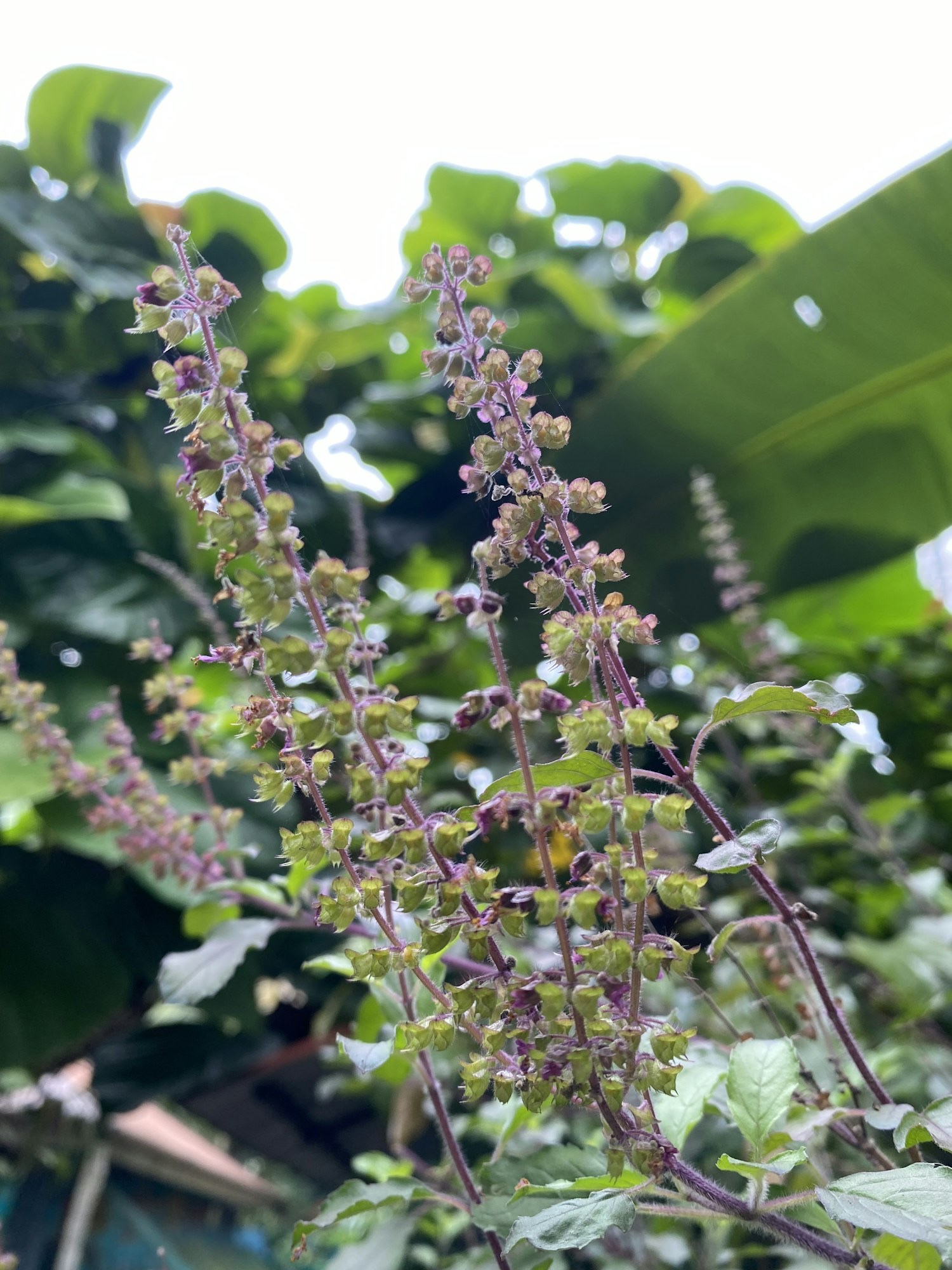
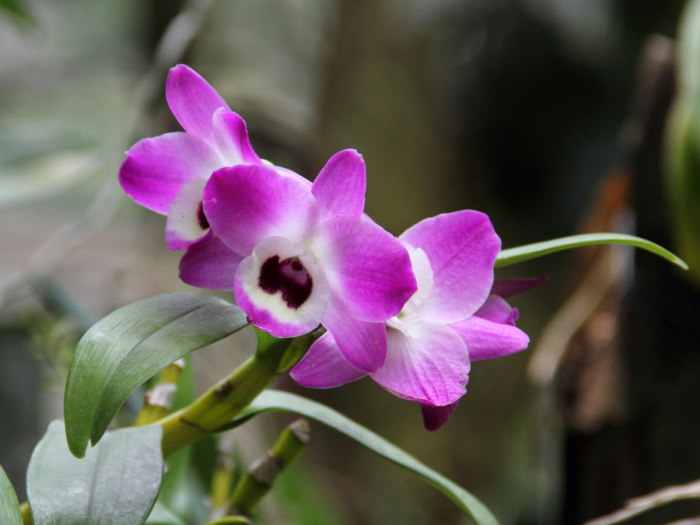
Breeze gathers the aromatic, moistening botanicals the great herbal lineages independently kept for the animal at rest and in motion — asparagus root, dendrobium, and tulsi, each rich in the moistening polysaccharides and aromatic constituents our profiling reads. The botanicals here are a convergent set: each was chosen because the traditions turned to it for the same purpose, and because its modern chemistry points the same direction.
Use it when the seasons turn and the air changes — the first cut of hay, the spring bloom, the closed-up winter house, the smoke-tinged late summer. Use it for the older animal whose breath has grown shallow and whose stamina has thinned. It is gentle enough to give steadily as everyday respiratory nourishment, and grounded enough to lean on when the air is working against the animal in front of you.
Breeze does not sedate or force anything. These plants are the moistening, aromatic botanicals the tradition kept for the animal at rest and in motion — the constituents our profiling reads, offered at the daily bowl.
The characterized botanicals inside
Whole botanicals with compounds characterized in the scientific literature, used across centuries of traditional practice. We share the chemistry and the tradition — food and lineage, never a claim to treat any condition.
For Pets
Small-batch. Dual-extracted where it matters. Made by hand.
How to take it
A small amount of the dilute hot-water extract or powder stirred into food, scaled to body weight. Start low and build gradually over days.
Whole plant, never isolated
Concentrated extracts of the whole botanical — the way the body recognizes it.
Cited to measured biology
Every action we describe traces to the compound and its measured target.
Structure & function
We describe what an herb nourishes — never a claim to treat disease.
Secure checkout
Encrypted payment and human verification on every order.
- Free shipping over $150USPS Priority, tracked. $15 standard; ships in 1–3 business days.
- 30-day returnsIn original packaging and resalable condition. Refunded to your original payment method.
What you get
What this formula gives you
Supports clear, open, comfortable breathing as the animal's everyday baseline
Steadies a balanced response to seasonal and airborne irritants — pollen, dust, hay, dry indoor air
Helps keep the airway lining moist, supple, and naturally self-clearing
Supports stamina and an even recovery of wind after exertion or excitement
Reinforces the body's protective surface against the changing air of every season
Gentle enough for daily respiratory nourishment, scaled to the animal in front of you
How it works
The science of Seasonal
Not buzzwords — the actual chemistry of the plants in this formula: their characterized compounds and the proteins those compounds are measured to engage, every one cited.
The respiratory tradition across every culture converges on a single idea: a healthy airway is a moist, supple, well-defended one. In the East Asian lineage this is the Lung's love of moisture and its dislike of dryness; asparagus root (tian men dong) and dendrobium (shi hu) are the classic yin-moistening, fluid-restoring herbs given precisely when the airway has gone dry, tight, or depleted. Dendrobium is rich in mucilaginous polysaccharides — the same moistening, demulcent class that Western herbalists from Culpeper onward reached for to soothe and coat irritated breathing passages. The shared mechanism is structural: tissue that stays hydrated and pliable clears itself and stays comfortable.
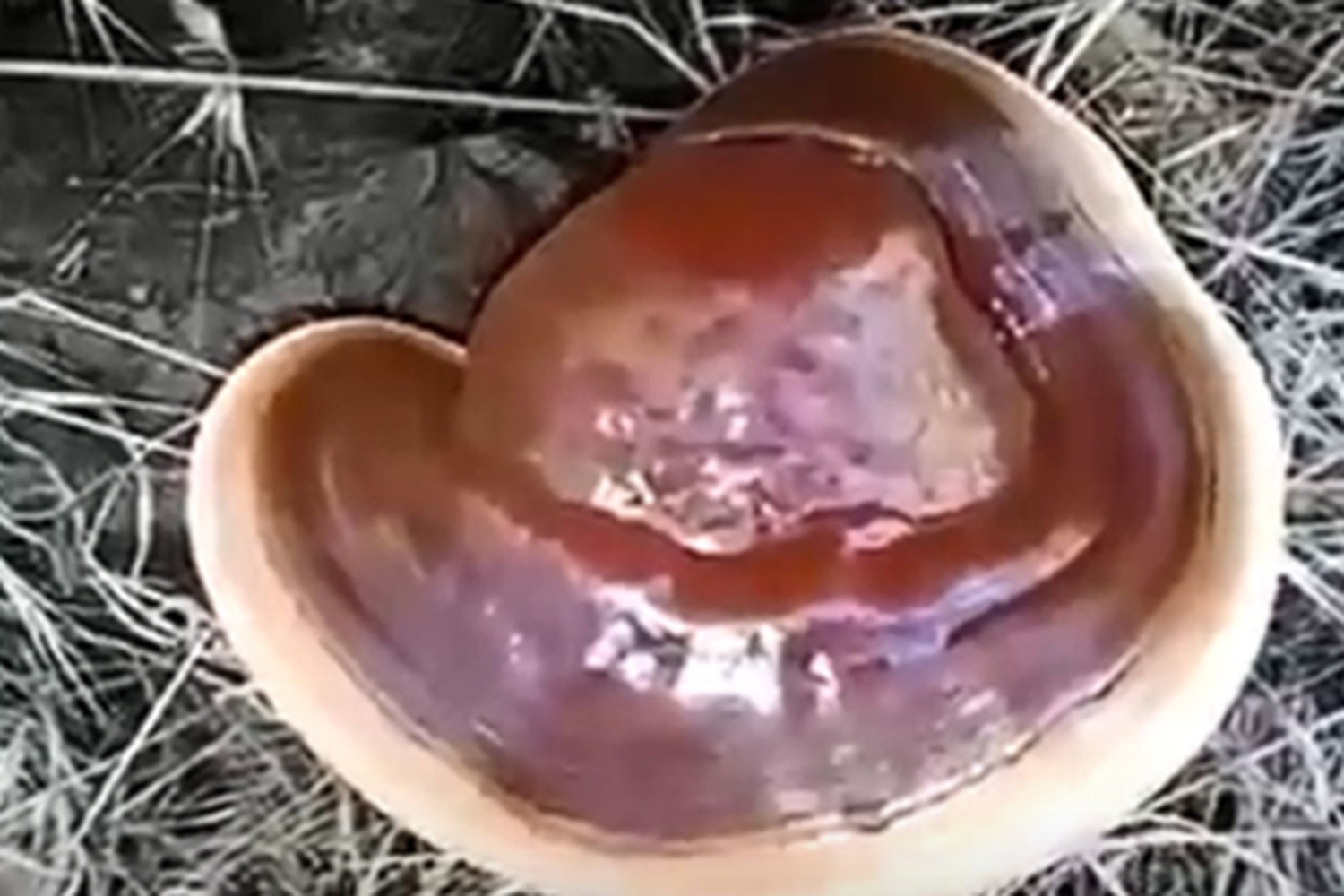
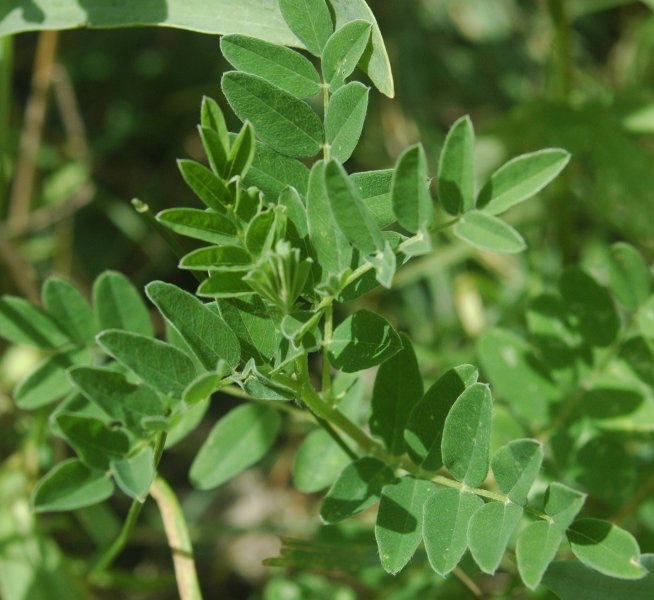
The second pillar is a steady, measured immune response — the difference between an airway that notices an airborne particle and one that overreacts to it. Reishi (ling zhi), revered for two millennia as the herb of long, quiet breath, carries ganoderic acids whose molecular targets are measured against human inflammatory signaling proteins (TNF, STAT3 in the ChEMBL bioactivity record). Astragalus (huang qi) contributes astragaloside IV, cycloastragenol, and formononetin — a well-characterized set of constituents long used across the East Asian and now Western traditions to fortify the body's protective layer, the wei qi that the old texts placed at the surface and the lungs. Tulsi (holy basil), sacred in the Ayurvedic lineage and grown at every doorstep in India as the breath-clearing plant, carries eugenol and apigenin, both with measured biological activity, and a long household record as an airway-opening aromatic.
Read together, the formula is structure-and-function in the truest sense: moisten and protect the airway lining (asparagus, dendrobium), steady the immune response that meets airborne stress (reishi, astragalus), and keep the aromatic passages open and at ease (tulsi). This nourishes the systems the body uses to breathe well on its own. The lineages did not have ChEMBL identifiers; they had centuries of careful observation across China, India, Greece, and the herbal West, all arriving at the same five-plant logic of an open, moist, well-guarded breath — which modern phytochemistry now confirms.
The molecules, measured
A formula is a community of compounds. Below are active molecules from the herbs in this blend and the proteins each is measured to engage — the precise points where the plants meet biology. So you see not just that it works, but how.
Asparagus cochinchinensis
Diosgenin (steroidal sapogenin aglycone of A. cochinchinensis saponins)
PubChem ↗Measured to act on
A protein that shuttles cholesterol and lipids between compartments inside the cell.
Sarsasapogenin (steroidal sapogenin)
PubChem ↗Measured in the lab: binds tightly to Solute carrier organic anion transporter family member 1B3 · IC50 105 nM
Measured to act on
A liver transporter that draws compounds from the blood into liver cells.
A liver transporter that helps usher substances into the liver for processing.
A membrane protein in brain cells whose fragments play a role in neural signaling and structure.
Ocimum sanctum
apigenin
PubChem ↗Measured in the lab: binds very tightly to Acetylcholinesterase · IC50 12 nM
Measured to act on
A liver-family enzyme that processes hormones and foreign compounds the body needs to clear.
A carrier protein that ferries thyroid hormone and vitamin A through the bloodstream.
A detoxifying enzyme that breaks down environmental compounds the body absorbs.
luteolin
PubChem ↗Measured in the lab: binds very tightly to Tyrosinase · IC50 0.613 nM
Measured to act on
A liver-family enzyme that processes hormones and foreign compounds the body needs to clear.
An enzyme immune cells use to remodel and break down connective tissue.
A receptor on blood-forming cells that signals them to grow and divide.
Ganoderma lucidum
Ganoderic acid A
PubChem ↗Measured to act on
An enzyme that locally regenerates active cortisol, shaping how tissues respond to the body's stress hormone.
An enzyme that quiets cortisol inside kidney and salt-handling tissues, helping govern fluid and mineral balance.
An enzyme that converts glucose into sorbitol, part of how cells handle sugar.
Ganoderic acid B
PubChem ↗Measured to act on
The enzyme that breaks down acetylcholine, resetting nerve and muscle signals between pulses.
A blood enzyme that breaks down acetylcholine and helps clear certain compounds from circulation.
An enzyme that converts glucose into sorbitol, part of how cells handle sugar.
Astragalus membranaceus
Formononetin
PubChem ↗Measured in the lab: binds very tightly to Apoptosis regulator Bcl-2 · Ki 10 nM
Measured to act on
A liver enzyme that breaks down many compounds the body takes in.
An enzyme that edits proteins to manage cellular cleanup and the cell internal scaffolding.
Calycosin
PubChem ↗Measured to act on
A protein that helps organize DNA and acts as an alarm signal during tissue stress.
Dendrobium nobile
Moscatilin
PubChem ↗Measured to act on
A versatile signaling enzyme involved in energy storage, cell structure, and growth.
A versatile signaling enzyme involved in energy storage, cell structure, and growth.
A signaling enzyme that helps cells respond to stress and coordinate their activity.
Gigantol
PubChem ↗Measured to act on
A small calcium-sensing protein that relays calcium signals throughout the cell.
A small calcium-sensing protein that relays calcium signals throughout the cell.
A central signaling enzyme governing cell growth, survival, and metabolism.
Cited science · not claims
Everything we publish about these plants traces to a primary source — the compounds to PubChem, ChEMBL, and BindingDB, the traditional uses to named, dated herbals. We describe what a plant is and what it is understood to nourish — the body’s own systems, structure and function only. We do not claim it treats, cures, or prevents any disease, and nothing here is a substitute for professional care. See our method & sources →
These statements have not been evaluated by the Food and Drug Administration. Not intended to diagnose, treat, cure, or prevent any disease.
Why these herbs together
The shared mechanism
More than one botanical in this blend is measured to engage the same molecular targets. We share the convergent chemistry — characterized and cited, never a claim.
Asparagus Root · Tulsi (Holy Basil) · Reishi · Astragalus · Dendrobium
Asparagus Root · Tulsi (Holy Basil) · Reishi
Asparagus Root · Tulsi (Holy Basil) · Dendrobium
Asparagus Root · Tulsi (Holy Basil)
Asparagus Root · Astragalus
Asparagus Root · Tulsi (Holy Basil)
Each convergence is a gene whose protein two or more of this formula’s herbs are measured to engage (PubChem BioAssay & ChEMBL). It describes characterized molecular activity and the protein’s normal role — structure and function only, never a claim to treat, cure, or prevent any disease.
In practice
Who it’s for, and how to use it
Who it’s for
For dogs, cats, and horses whose breathing could be easier — the animal that wheezes or gets stuffy when the seasons turn, the older companion whose breath has grown shallow and whose wind tires quickly, the barn or stall animal living with dust and bloom, and any healthy animal you simply want to keep breathing open and easy year-round. Always scaled to the species and the body in front of you; introduce it to a new animal gradually.
How to use it
Give a small amount of the dilute hot-water extract or the powder stirred into food, scaled to the animal's body weight. Start low — a pinch for a cat or small dog, building toward the fuller amount for a large dog or horse over several days — so the animal grows accustomed to the taste and the body eases into it. Steady, daily use suits the seasonal turns; you can lean toward the higher end of the range when the air is dustiest or the bloom is heaviest. Consistency matters more than a large dose: a little, every day, lets the breath settle into an open, easy baseline.
Measure · A small amount of the dilute hot-water extract or powder stirred into food, scaled to body weight. Start low and build gradually over days.
What’s inside
Inside Breeze: asparagus root and dendrobium to moisten and soothe the airway, reishi and astragalus to steady the body's response to airborne stress, and tulsi to keep the aromatic passages open and at ease. Drawn from the East Asian, Ayurvedic, and Western herbal lineages that each, on their own, reached for these same botanicals to keep the breath clear. The most pristine herbs on earth, prepared simply, in the trust that the body knows what to do with them.
Structure-and-function support for animal nutrition and vitality. Introduce gradually and watch how your companion responds. Not intended to diagnose, treat, cure, or prevent any disease. If your animal is pregnant, nursing, or on medication, consult your veterinarian first.
Pairs well with
Formulas that share Seasonal's botanicals
Built from overlapping herbs, these reinforce Seasonal along the same lines — the shared-botanical kinship our genome engine maps.