
For Pets
Ease
Settled bellies, easy digestion, and a calm gut your dog or cat can feel — stirred into the food bowl.
A happy animal starts in the gut. When digestion runs smoothly, everything downstream follows — steady appetite, comfortable bellies, firm and regular stools, and the easy, settled disposition of a companion who simply feels good in their own body. Ease is built for exactly that. It is the formula you reach for when your dog gulps their dinner too fast and grumbles afterward, when a sensitive cat's stomach turns at the slightest change, or when a rich treat, a new bag of food, or the ordinary stress of a vet visit or a thunderstorm leaves the gut unsettled. It is gentle enough to belong in the food bowl every single day, as quiet daily maintenance for an animal whose digestion you simply want to keep running well.
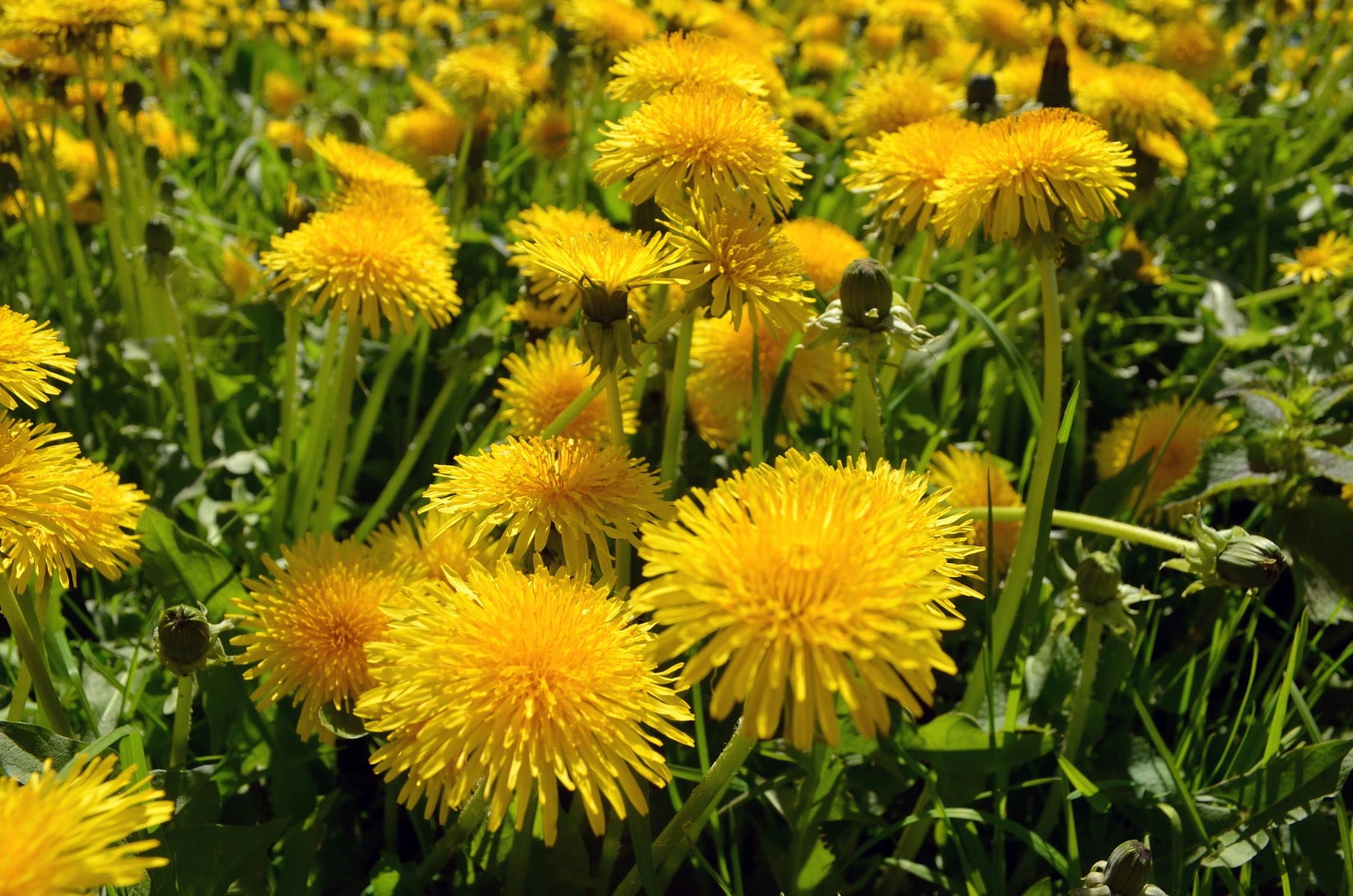
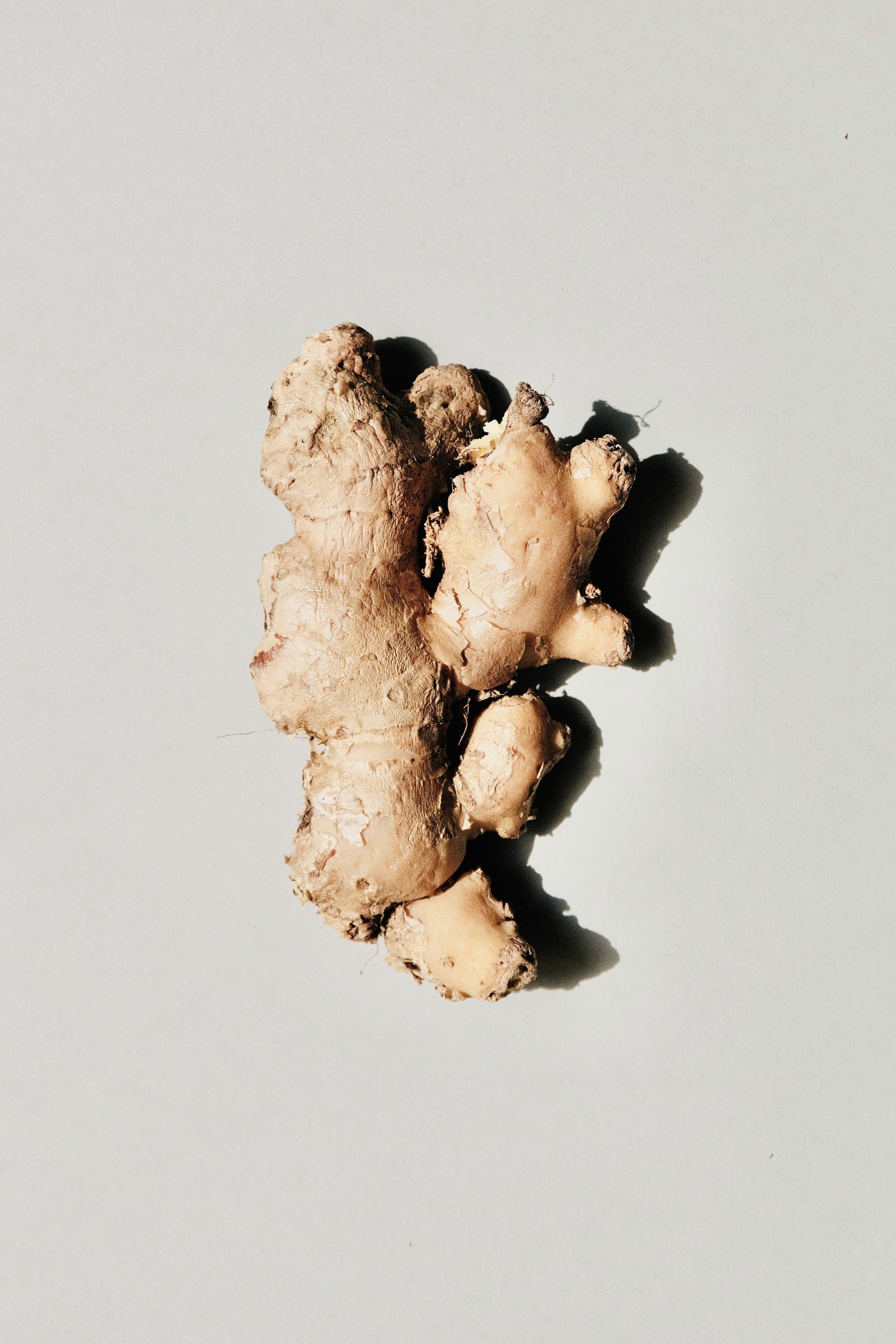
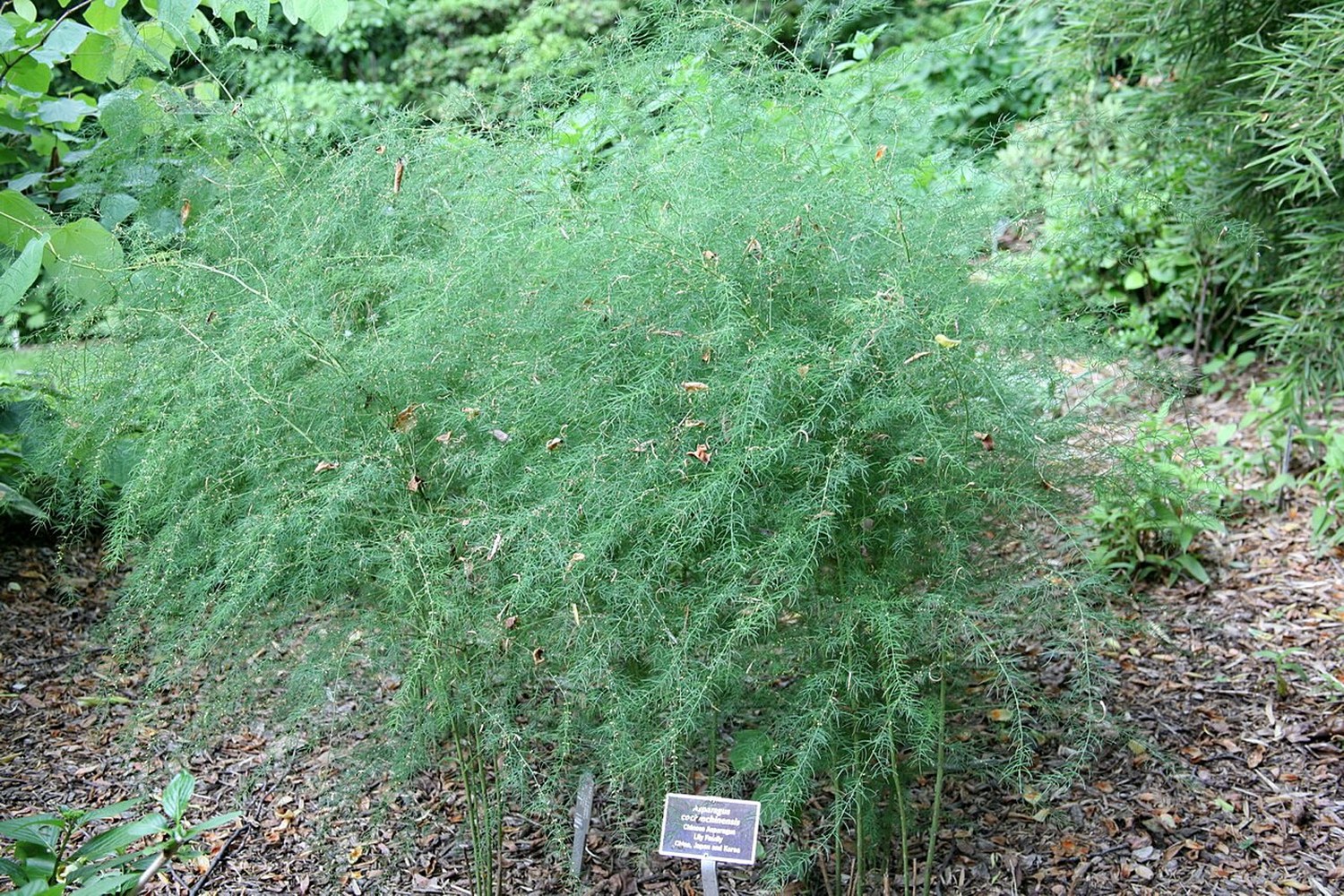
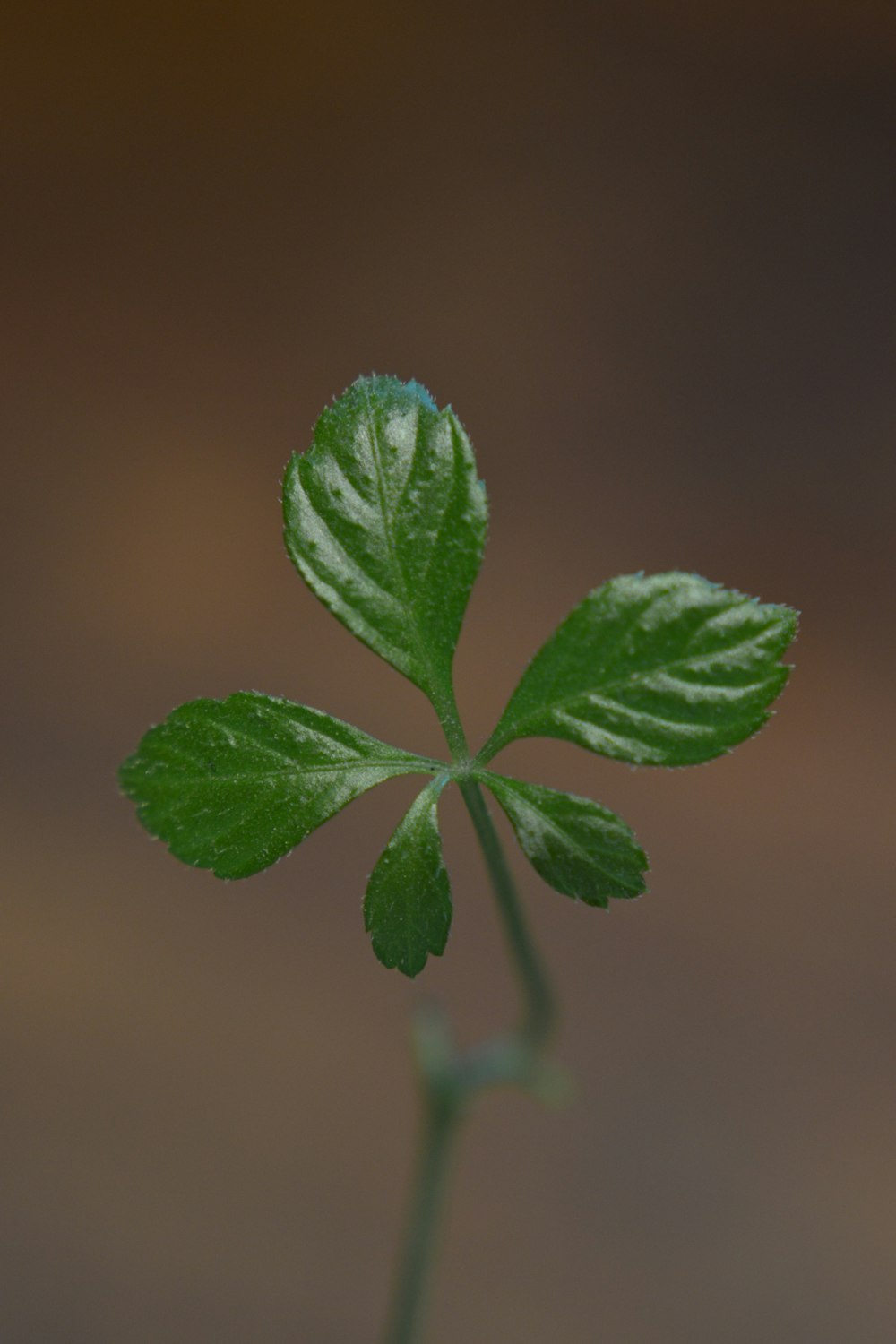
What you are giving is not a quick patch — it is whole-food nourishment stirred into the daily bowl. Food-grade botanicals work on different parts of the same picture at once: warming ginger that settles a too-fast meal, the moistening yin-tonic of asparagus root, the prebiotic inulin of dandelion that feeds the beneficial microbes, and the steadying, food-grade adaptogens gynostemma and reishi for the keyed-up animal. Companions carry their tension in their bellies much as we do, and the tradition always paired warming, settling roots with calming ones for exactly that reason. Ease brings those two herbal families together in one bowl.
Because it is whole-herb food rather than an isolated extract, it works the way the tradition always trusted food to work — by giving the body the materials it already knows how to use, never by forcing anything. You are simply setting a thoughtful bowl in front of your companion. Owners reach for Ease for the day-to-day: the post-meal settle, the sensitive eater, the older animal grown a little temperamental about dinner, the transition to a new bag of food, and the simple, ongoing comfort of a daily ritual that just feels right — quietly, every day.
The characterized botanicals inside
Whole botanicals with compounds characterized in the scientific literature, used across centuries of traditional practice. We share the chemistry and the tradition — food and lineage, never a claim to treat any condition.
For Pets
Small-batch. Dual-extracted where it matters. Made by hand.
How to take it
Wellness dose by body weight — begin with the minimum, adjust as needed: ~1/16 tsp at 5 lbs · ~1/8 tsp at 10 lbs · ~1/4 tsp at 20–30 lbs · ~1/2 tsp at 40–50 lbs, daily, mixed into food.
Whole plant, never isolated
Concentrated extracts of the whole botanical — the way the body recognizes it.
Cited to measured biology
Every action we describe traces to the compound and its measured target.
Structure & function
We describe what an herb nourishes — never a claim to treat disease.
Secure checkout
Encrypted payment and human verification on every order.
- Free shipping over $150USPS Priority, tracked. $15 standard; ships in 1–3 business days.
- 30-day returnsIn original packaging and resalable condition. Refunded to your original payment method.
What you get
What this formula gives you
Supports comfortable, settled digestion after meals — the post-dinner grumble and the gulped-too-fast belly
Carries the real prebiotic inulin of dandelion root — the food the tradition relied on to feed the beneficial microbes, not a buzzword
Pairs moistening asparagus root with bitter, inulin-rich dandelion — the gentle, food-grade botanicals the tradition kept together for the daily bowl
Helps steady the stress-and-stomach connection, so an anxious moment is less likely to become an upset gut
Encourages normal motility and orderly stomach emptying through ginger's warming, food-grade action
Gentle and food-grade enough for daily maintenance — supporting an animal whose digestion you simply want to keep running well
How it works
The science of Ease
Not buzzwords — the actual chemistry of the plants in this formula: their characterized compounds and the proteins those compounds are measured to engage, every one cited.
Ease works across four layers of the digestive system at once, and each layer traces to real compounds in these herbs. Start with the stomach itself. Ginger (Zingiber officinale) is built around the pungent gingerols and shogaols — 6-gingerol and 6-shogaol — and these molecules act directly on the sensory ion channels TRPV1 and TRPA1 that line the gut wall. Engaging those channels is the molecular signature of ginger's warming, motility-promoting, stomach-settling character: it encourages the stomach to empty in an orderly way and helps quiet the queasy, unsettled signaling that follows a too-fast or too-rich meal. The same gingerols touch the eicosanoid enzymes COX-1, COX-2, and 5-lipoxygenase, the body's own machinery for setting inflammatory and comfort tone in tissue — which is why ginger reads, across every herbal tradition that ever used it, as the root that makes a tense gut comfortable.
The second layer is the gut lining and the soothing, moistening axis. Asparagus root (Asparagus cochinchinensis) is the demulcent here: through its steroidal saponins, beta-sitosterol and rutin it lends a soothing, coating quality over the digestive mucosa and a moistening, yin-tonic counterpoint that softens any dryness or heat in the system. And dandelion (Taraxacum officinale) brings the bitter principle: a taproot rich in inulin and in luteolin, apigenin and chicoric and chlorogenic acids. The bitterness itself is functional — bitter compounds on the tongue and gut prime digestive secretion and bile flow — while the inulin is a true prebiotic fiber, the food that beneficial gut microbes ferment, which is the foundation of genuine microbiome balance rather than a marketing phrase.
The third and fourth layers are the stress-gut connection and the inflammatory tone of the whole terrain. Gynostemma (Gynostemma pentaphyllum) carries gypenosides and ginsenosides — saponins structurally close to ginseng's — and several of these are measured activators of AMPK, the master cellular energy and metabolic sensor; as a food-grade adaptogen it supports a steady stress response, and because the gut is wired straight to the nervous system, steadying the animal's response to stress directly steadies the gut. Reishi (Ganoderma lucidum) completes the formula with its ganoderic-acid triterpenes and beta-glucans, which support balanced inflammatory and immune signaling (engaging mediators such as STAT3) and help keep the gut's immune tone calm and even. Together these five are not five redundant digestive aids — they are one coordinated approach to the terrain: warm and move the stomach, soothe and coat the lining, feed the microbes, and calm the nervous and inflammatory signaling that ties the whole system together.
The molecules, measured
A formula is a community of compounds. Below are active molecules from the herbs in this blend and the proteins each is measured to engage — the precise points where the plants meet biology. So you see not just that it works, but how.
Taraxacum officinale
Luteolin
PubChem ↗Measured to act on
A receptor that helps guide immune cell development and daily metabolic rhythms.
A major liver enzyme that processes and clears a large share of dietary and plant compounds.
An enzyme that breaks down purines, producing uric acid as a byproduct.
Apigenin
PubChem ↗Measured to act on
A major liver enzyme that processes and clears a large share of dietary and plant compounds.
The enzyme that converts androgens into estrogens, balancing the body's hormones.
An enzyme that breaks down serotonin and other mood-related brain messengers.
Zingiber officinale
6-Gingerol
PubChem ↗Measured in the lab: binds to Transient receptor potential cation channel subfamily V member 1 · EC50 3.3 µM
Measured to act on
A major liver enzyme that processes a wide range of compounds the body takes in.
A repair enzyme that resolves certain DNA damage so the strand can be restored.
A liver enzyme that helps break down and process many compounds and natural substances.
6-Shogaol
PubChem ↗Measured in the lab: binds to Cytochrome P450 1A2 · IC50 2.5 µM
Measured to act on
A major liver enzyme that processes a wide range of compounds the body takes in.
A liver enzyme that processes many compounds, including some the body forms naturally.
A nerve-ending sensor that responds to heat and to the pungency of chili pepper compounds.
Asparagus cochinchinensis
Diosgenin (steroidal sapogenin aglycone of A. cochinchinensis saponins)
PubChem ↗Measured to act on
A protein that shuttles cholesterol and lipids between compartments inside the cell.
Sarsasapogenin (steroidal sapogenin)
PubChem ↗Measured in the lab: binds tightly to Solute carrier organic anion transporter family member 1B3 · IC50 105 nM
Measured to act on
A liver transporter that draws compounds from the blood into liver cells.
A liver transporter that helps usher substances into the liver for processing.
A membrane protein in brain cells whose fragments play a role in neural signaling and structure.
Gynostemma pentaphyllum
Ginsenoside Rb1
PubChem ↗Measured to act on
The cell's energy sensor, balancing fuel use when reserves run low.
Ginsenoside Rd
PubChem ↗Measured to act on
The cell's energy sensor, balancing fuel use when reserves run low.
Ganoderma lucidum
Ganoderic acid A
PubChem ↗Measured to act on
An enzyme that locally regenerates active cortisol, shaping how tissues respond to the body's stress hormone.
An enzyme that quiets cortisol inside kidney and salt-handling tissues, helping govern fluid and mineral balance.
An enzyme that converts glucose into sorbitol, part of how cells handle sugar.
Ganoderic acid B
PubChem ↗Measured to act on
The enzyme that breaks down acetylcholine, resetting nerve and muscle signals between pulses.
A blood enzyme that breaks down acetylcholine and helps clear certain compounds from circulation.
An enzyme that converts glucose into sorbitol, part of how cells handle sugar.
Cited science · not claims
Everything we publish about these plants traces to a primary source — the compounds to PubChem, ChEMBL, and BindingDB, the traditional uses to named, dated herbals. We describe what a plant is and what it is understood to nourish — the body’s own systems, structure and function only. We do not claim it treats, cures, or prevents any disease, and nothing here is a substitute for professional care. See our method & sources →
These statements have not been evaluated by the Food and Drug Administration. Not intended to diagnose, treat, cure, or prevent any disease.
Why these herbs together
The shared mechanism
More than one botanical in this blend is measured to engage the same molecular targets. We share the convergent chemistry — characterized and cited, never a claim.
Dandelion · Ginger · Asparagus Root · Gynostemma · Reishi
Dandelion · Ginger · Asparagus Root · Gynostemma
Dandelion · Ginger · Asparagus Root
Dandelion · Asparagus Root · Gynostemma
Ginger · Asparagus Root · Gynostemma
Ginger · Asparagus Root · Gynostemma
Each convergence is a gene whose protein two or more of this formula’s herbs are measured to engage (PubChem BioAssay & ChEMBL). It describes characterized molecular activity and the protein’s normal role — structure and function only, never a claim to treat, cure, or prevent any disease.
In practice
Who it’s for, and how to use it
Who it’s for
For dogs and cats whose digestion needs day-to-day support: the sensitive-stomach companion, the fast eater who grumbles after meals, the animal transitioning to new food, the older pet whose gut has grown temperamental, and the anxious one who carries tension in their belly. Reach for it as gentle daily maintenance for a gut you want to keep running smoothly, or during the ordinary stresses — travel, a vet visit, a storm, a diet change — that unsettle digestion. Begin at the minimum dose for your animal's weight and adjust as needed; if your animal is pregnant, on prescription medication, or under treatment for a specific condition, check with your veterinarian first.
How to use it
Stir the wellness dose into food once daily, scaled to body weight — about 1/16 tsp at 5 lbs, 1/8 tsp at 10 lbs, 1/4 tsp at 20-30 lbs, 1/2 tsp at 40-50 lbs. Begin at the minimum for your animal's size and adjust gradually as needed. The powder mixes cleanly into wet food or a little broth, and a calm, consistent daily routine serves the gut better than large occasional amounts.
Measure · Wellness dose by body weight — begin with the minimum, adjust as needed: ~1/16 tsp at 5 lbs · ~1/8 tsp at 10 lbs · ~1/4 tsp at 20–30 lbs · ~1/2 tsp at 40–50 lbs, daily, mixed into food.
What’s inside
Inside: dandelion root, ginger, asparagus root, gynostemma, and reishi. The combination is deliberate — ginger warms and settles the stomach, dandelion's bitterness and inulin support digestion and feed the microbiome, asparagus root moistens and soothes the lining, gynostemma steadies the stress response, and reishi keeps the gut's immune and inflammatory tone calm. Food-grade herbs, each covering a different part of one system, and gentle enough to belong in the daily bowl.
Structure-and-function support for animal nutrition and vitality. Introduce gradually and watch how your companion responds. Not intended to diagnose, treat, cure, or prevent any disease. If your animal is pregnant, nursing, or on medication, consult your veterinarian first.
Pairs well with
Formulas that share Ease's botanicals
Built from overlapping herbs, these reinforce Ease along the same lines — the shared-botanical kinship our genome engine maps.