
For Pets
Daily Herbs
For the animal whose breath could be fresher — a clean mouth supported from the inside out, gentle enough for the daily bowl.
Fresh breath in an animal rarely begins at the teeth alone — it begins in the gut and the body's clearing channels, and works its way out to the mouth. Meadow is built around that truth. It supports a clean, fresh-smelling mouth while quietly tending the digestion underneath, so the freshness has somewhere to come from.
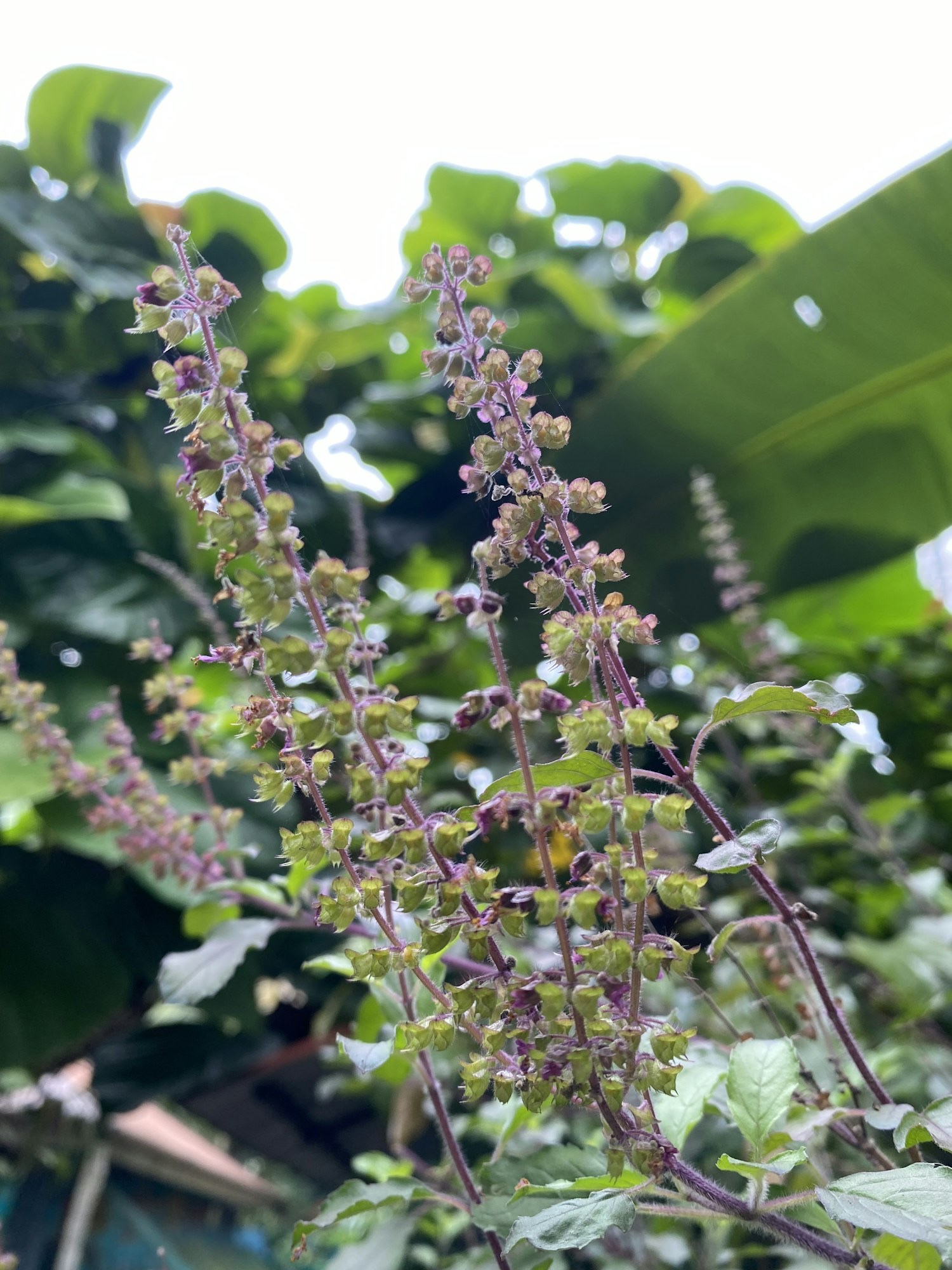
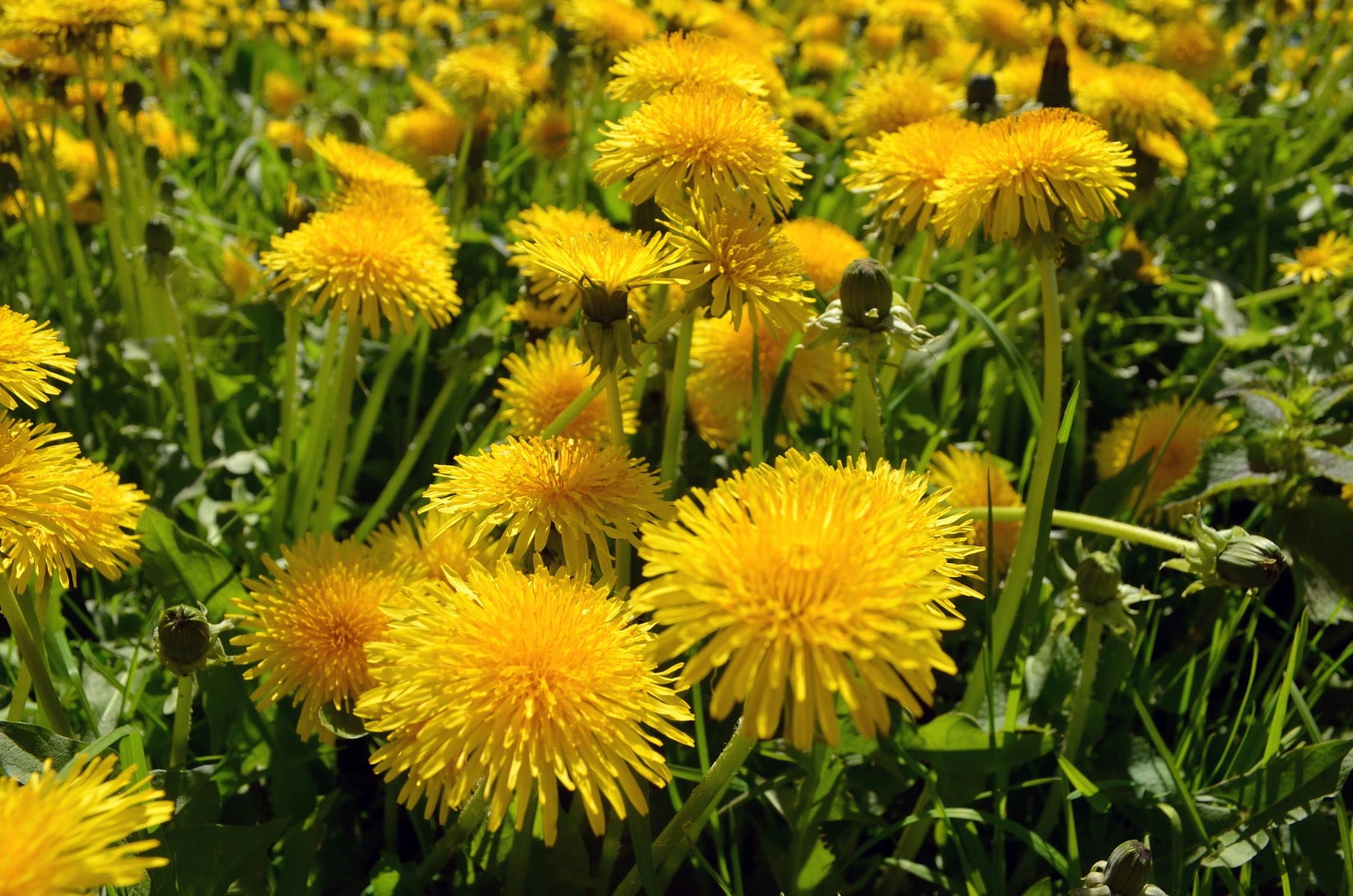
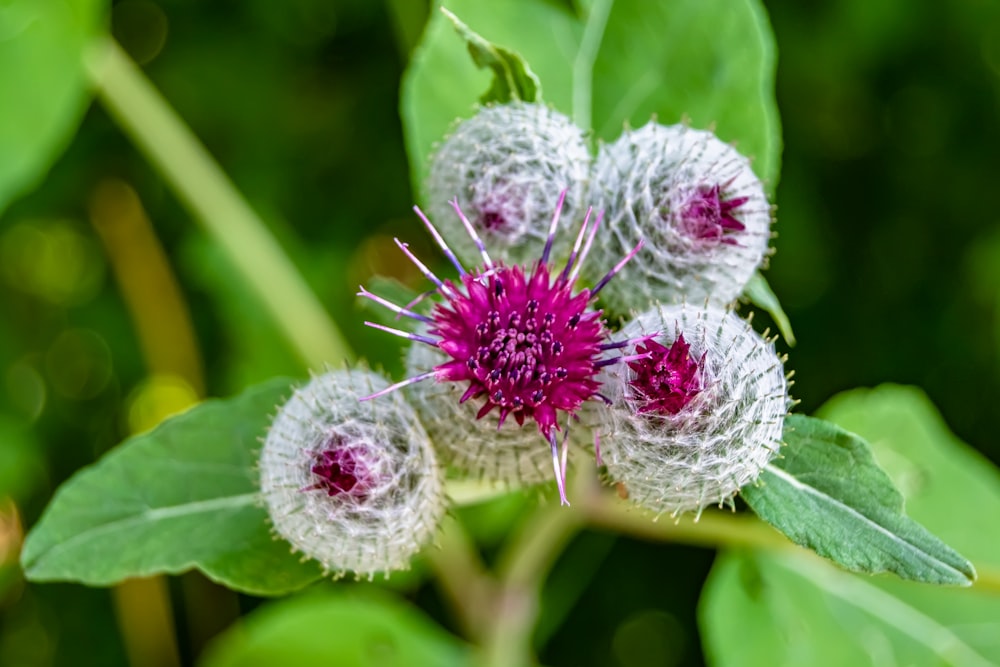
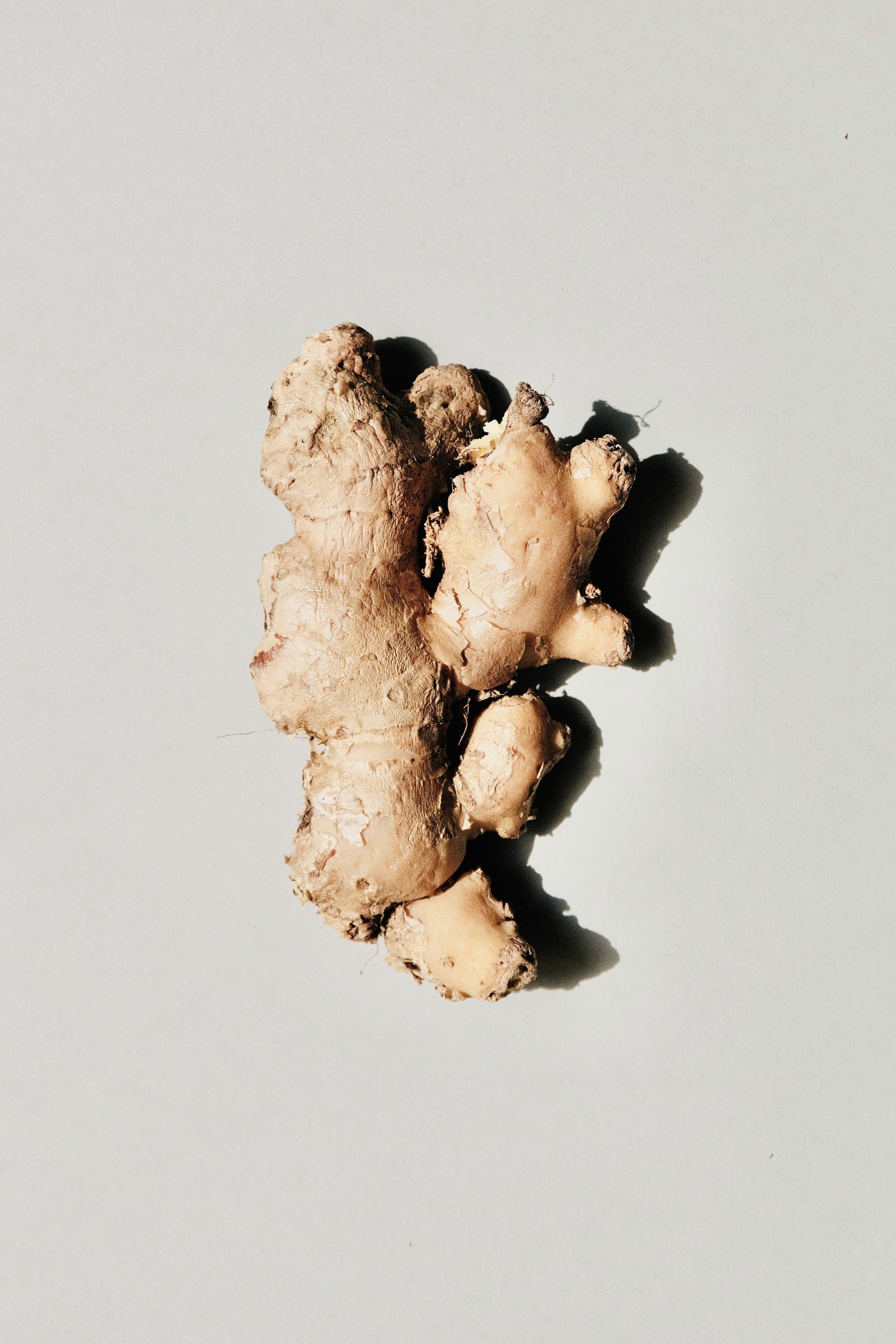
Aromatic holy basil and a warming touch of ginger bring the immediate freshening and help settle the stomach, while dandelion and burdock — the bitter clearing roots herbalists have always reached for — support digestion and the body's natural channels of renewal. Grounding reishi keeps the oral and digestive tissues calm and even.
Rendered food-grade and gentle, scaled for an animal's body and free of the heavy aromatic load that doesn't belong in a cat's bowl, it's made to live in the daily feeding rather than be fought over.
The characterized botanicals inside
Whole botanicals with compounds characterized in the scientific literature, used across centuries of traditional practice. We share the chemistry and the tradition — food and lineage, never a claim to treat any condition.
For Pets
Small-batch. Dual-extracted where it matters. Made by hand.
How to take it
Stir a small amount of the dilute extract powder into food once daily, scaled to your animal's body weight — start low (a pinch for cats and small dogs, building gradually) and let the bowl carry it.
Whole plant, never isolated
Concentrated extracts of the whole botanical — the way the body recognizes it.
Cited to measured biology
Every action we describe traces to the compound and its measured target.
Structure & function
We describe what an herb nourishes — never a claim to treat disease.
Secure checkout
Encrypted payment and human verification on every order.
- Free shipping over $150USPS Priority, tracked. $15 standard; ships in 1–3 business days.
- 30-day returnsIn original packaging and resalable condition. Refunded to your original payment method.
What you get
What this formula gives you
Supports a clean, fresh-smelling mouth
Tends the digestion where breath is often decided
Aromatic freshening from gentle, food-grade botanicals
Soothing and calming to the oral and gut tissues
Scaled and proportioned for companion-animal safety
How it works
The science of Daily Herbs
Not buzzwords — the actual chemistry of the plants in this formula: their characterized compounds and the proteins those compounds are measured to engage, every one cited.
These botanicals were chosen for the character each genuinely carries. Tulsi (holy basil) is one of the great aromatic herbs of the Ayurvedic tradition, long kept near the mouth and breath for its clean, fragrant volatile oils. Ginger, warming and carminative across both the Ayurvedic and East Asian materia medica, is the classic stomach-settling root that moves stagnation — and stale breath so often traces back to heavy, sluggish food. Dandelion and burdock are the great bitter clearing roots of Western herbalism, from Culpeper forward, the plants the tradition reached for to keep food moving and the body's channels fresh.
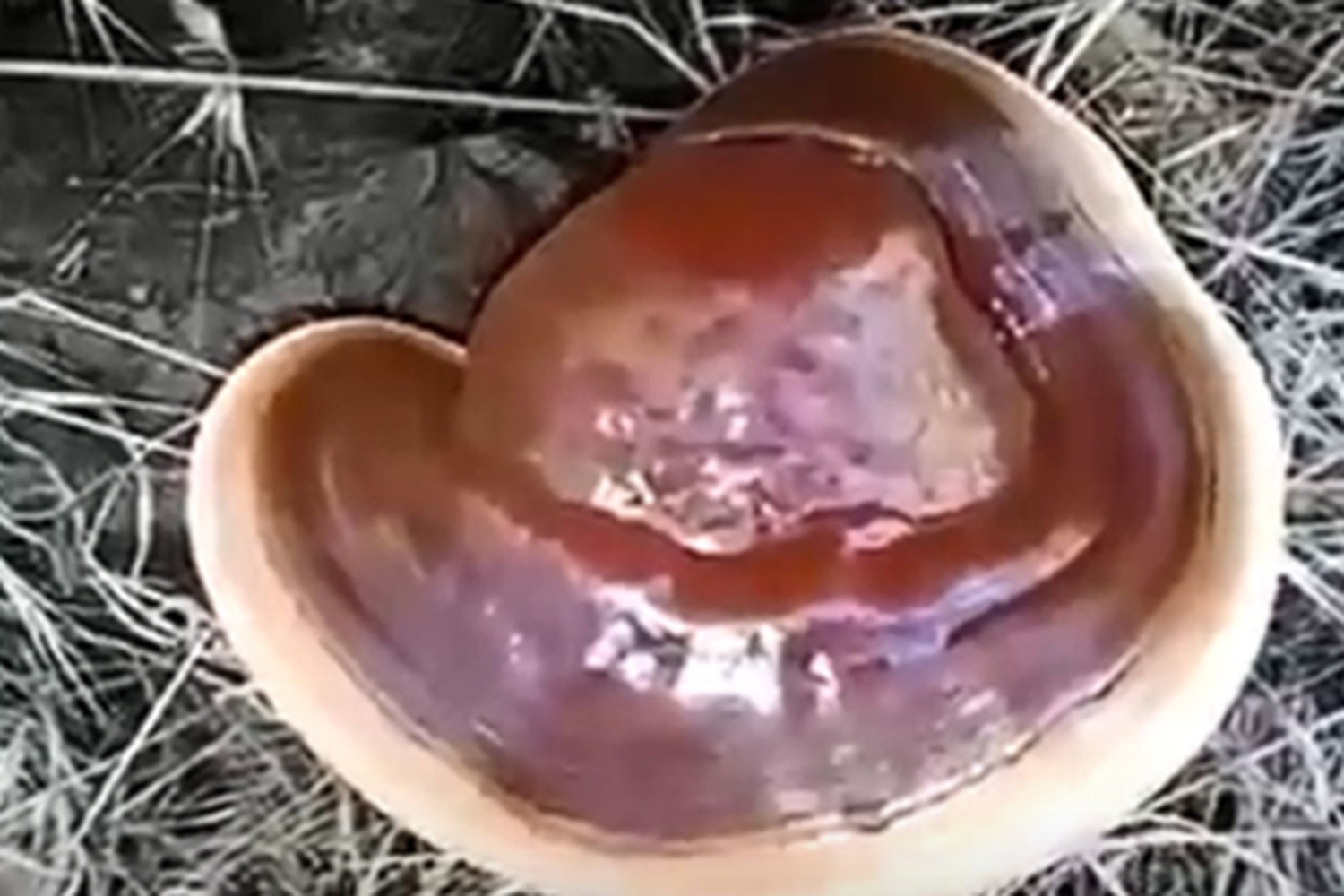
Reishi lends a calm, steadying tone to the mucous tissues of the mouth and gut, soothing and grounding the blend together. Each is held to a food-grade, companion-animal-safe measure — deliberately avoiding the harsh high-aromatic doses (heavy clove, heavy cinnamon) that don't belong in a small animal's bowl — so the work supports the mouth and the digestion beneath it without overwhelming the animal.
The molecules, measured
A formula is a community of compounds. Below are active molecules from the herbs in this blend and the proteins each is measured to engage — the precise points where the plants meet biology. So you see not just that it works, but how.
Ocimum sanctum
apigenin
PubChem ↗Measured in the lab: binds very tightly to Acetylcholinesterase · IC50 12 nM
Measured to act on
A liver-family enzyme that processes hormones and foreign compounds the body needs to clear.
A carrier protein that ferries thyroid hormone and vitamin A through the bloodstream.
A detoxifying enzyme that breaks down environmental compounds the body absorbs.
luteolin
PubChem ↗Measured in the lab: binds very tightly to Tyrosinase · IC50 0.613 nM
Measured to act on
A liver-family enzyme that processes hormones and foreign compounds the body needs to clear.
An enzyme immune cells use to remodel and break down connective tissue.
A receptor on blood-forming cells that signals them to grow and divide.
Taraxacum officinale
Luteolin
PubChem ↗Measured to act on
A receptor that helps guide immune cell development and daily metabolic rhythms.
A major liver enzyme that processes and clears a large share of dietary and plant compounds.
An enzyme that breaks down purines, producing uric acid as a byproduct.
Apigenin
PubChem ↗Measured to act on
A major liver enzyme that processes and clears a large share of dietary and plant compounds.
The enzyme that converts androgens into estrogens, balancing the body's hormones.
An enzyme that breaks down serotonin and other mood-related brain messengers.
Arctium lappa
Arctigenin
PubChem ↗Measured in the lab: binds very tightly to Dual specificity mitogen-activated protein kinase kinase 1 · IC50 1 nM
Measured to act on
A signaling enzyme that passes growth messages along a relay chain inside the cell.
A liver enzyme involved in processing a variety of compounds the body encounters.
A receptor that switches certain genes on, helping guide immune-cell development.
Chlorogenic acid
PubChem ↗Measured in the lab: binds very tightly to Tyrosine-protein phosphatase non-receptor type 1 · IC50 100 nM
Measured to act on
An enzyme that removes phosphate tags from proteins, helping regulate insulin and metabolic signaling.
An enzyme that converts excess glucose into sorbitol, part of normal sugar metabolism.
Zingiber officinale
6-Gingerol
PubChem ↗Measured in the lab: binds to Transient receptor potential cation channel subfamily V member 1 · EC50 3.3 µM
Measured to act on
A major liver enzyme that processes a wide range of compounds the body takes in.
A repair enzyme that resolves certain DNA damage so the strand can be restored.
A liver enzyme that helps break down and process many compounds and natural substances.
6-Shogaol
PubChem ↗Measured in the lab: binds to Cytochrome P450 1A2 · IC50 2.5 µM
Measured to act on
A major liver enzyme that processes a wide range of compounds the body takes in.
A liver enzyme that processes many compounds, including some the body forms naturally.
A nerve-ending sensor that responds to heat and to the pungency of chili pepper compounds.
Ganoderma lucidum
Ganoderic acid A
PubChem ↗Measured to act on
An enzyme that locally regenerates active cortisol, shaping how tissues respond to the body's stress hormone.
An enzyme that quiets cortisol inside kidney and salt-handling tissues, helping govern fluid and mineral balance.
An enzyme that converts glucose into sorbitol, part of how cells handle sugar.
Ganoderic acid B
PubChem ↗Measured to act on
The enzyme that breaks down acetylcholine, resetting nerve and muscle signals between pulses.
A blood enzyme that breaks down acetylcholine and helps clear certain compounds from circulation.
An enzyme that converts glucose into sorbitol, part of how cells handle sugar.
Cited science · not claims
Everything we publish about these plants traces to a primary source — the compounds to PubChem, ChEMBL, and BindingDB, the traditional uses to named, dated herbals. We describe what a plant is and what it is understood to nourish — the body’s own systems, structure and function only. We do not claim it treats, cures, or prevents any disease, and nothing here is a substitute for professional care. See our method & sources →
These statements have not been evaluated by the Food and Drug Administration. Not intended to diagnose, treat, cure, or prevent any disease.
Why these herbs together
The shared mechanism
More than one botanical in this blend is measured to engage the same molecular targets. We share the convergent chemistry — characterized and cited, never a claim.
Tulsi (Holy Basil) · Dandelion · Burdock · Ginger · Reishi
Tulsi (Holy Basil) · Dandelion · Ginger
Tulsi (Holy Basil) · Dandelion · Burdock
Tulsi (Holy Basil) · Dandelion · Burdock
Tulsi (Holy Basil) · Reishi
Tulsi (Holy Basil) · Ginger
Each convergence is a gene whose protein two or more of this formula’s herbs are measured to engage (PubChem BioAssay & ChEMBL). It describes characterized molecular activity and the protein’s normal role — structure and function only, never a claim to treat, cure, or prevent any disease.
In practice
Who it’s for, and how to use it
Who it’s for
For the dog or cat whose breath could be fresher and whose owner wants to support a clean mouth gently, from the inside out. A daily, food-grade measure for any companion animal, scaled to body weight — and deliberately kept gentle enough for cats.
How to use it
Stir a small, body-weight-scaled amount of the powder into your animal's food once a day, starting low and building gradually so they accept it with the meal. Consistency in the daily bowl matters more than amount.
Measure · Stir a small amount of the dilute extract powder into food once daily, scaled to your animal's body weight — start low (a pinch for cats and small dogs, building gradually) and let the bowl carry it.
What’s inside
Inside Meadow: tulsi (holy basil), dandelion root, burdock root, ginger, and reishi — aromatic, bitter, and soothing botanicals chosen so that each tends a different part of one system, the mouth and the digestion beneath it. They were proportioned for companion-animal safety, kept food-grade and gentle, and drawn from human herbal lineages — the Ayurvedic, Western, and East Asian traditions alike — that have always reached for fragrant and clearing plants to keep the breath fresh. With gratitude to the plants.
Structure-and-function support for animal nutrition and vitality. Introduce gradually and watch how your companion responds. Not intended to diagnose, treat, cure, or prevent any disease. If your animal is pregnant, nursing, or on medication, consult your veterinarian first.
Pairs well with
Formulas that share Daily Herbs's botanicals
Built from overlapping herbs, these reinforce Daily Herbs along the same lines — the shared-botanical kinship our genome engine maps.