
For Pets
Comfort
A calm, settled stomach — through travel, upset, and the days that don't sit right.
Comfort is for the unsettled middle. When your animal's stomach turns — in the car, after a change of food, on a restless day, or through one of those off stretches where they go quiet and pick at their bowl — this is the blend you reach for to help them feel settled and at ease again.
It works the way good food works. Gentle botanicals, taken together as a warm-water extract or a pinch of powder stirred into the meal, give the digestive tract what it has always recognized: warmth that eases queasiness, a soothing coat for an irritated lining, and steady support for the slow, rhythmic work of digestion. The aim is comfort and a return to normal appetite — an animal who relaxes, eats, and gets on with their day.
Reach for it before a long drive or a known trigger, or at the first sign that something isn't sitting right. It is built to be kind to the system — a quiet nudge back toward ease rather than a heavy hand. Start with a small amount scaled to body weight and build gradually, so you can read your animal and meet them exactly where they are.
The characterized botanicals inside
Whole botanicals with compounds characterized in the scientific literature, used across centuries of traditional practice. We share the chemistry and the tradition — food and lineage, never a claim to treat any condition.
For Pets
Small-batch. Dual-extracted where it matters. Made by hand.
How to take it
A small amount of the dilute hot-water extract or powder stirred into food, scaled to body weight. Start low and build gradually over days.
Whole plant, never isolated
Concentrated extracts of the whole botanical — the way the body recognizes it.
Cited to measured biology
Every action we describe traces to the compound and its measured target.
Structure & function
We describe what an herb nourishes — never a claim to treat disease.
Secure checkout
Encrypted payment and human verification on every order.
- Free shipping over $150USPS Priority, tracked. $15 standard; ships in 1–3 business days.
- 30-day returnsIn original packaging and resalable condition. Refunded to your original payment method.
What you get
What this formula gives you
Supports a calm, settled stomach through travel, motion, and the unsettled middle of a hard day
Helps soothe an irritated digestive lining so your animal feels at ease again
Encourages a steady return to normal appetite and the comfortable handling of a meal
Gentle, warming support for the natural rhythm of digestion — not a heavy intervention
Food-grade and convergent: well-known botanicals that have settled stomachs across every culture
Species-safe and scalable, so you can meet a small cat and a large dog at the right dose
How it works
The science of Comfort
Not buzzwords — the actual chemistry of the plants in this formula: their characterized compounds and the proteins those compounds are measured to engage, every one cited.
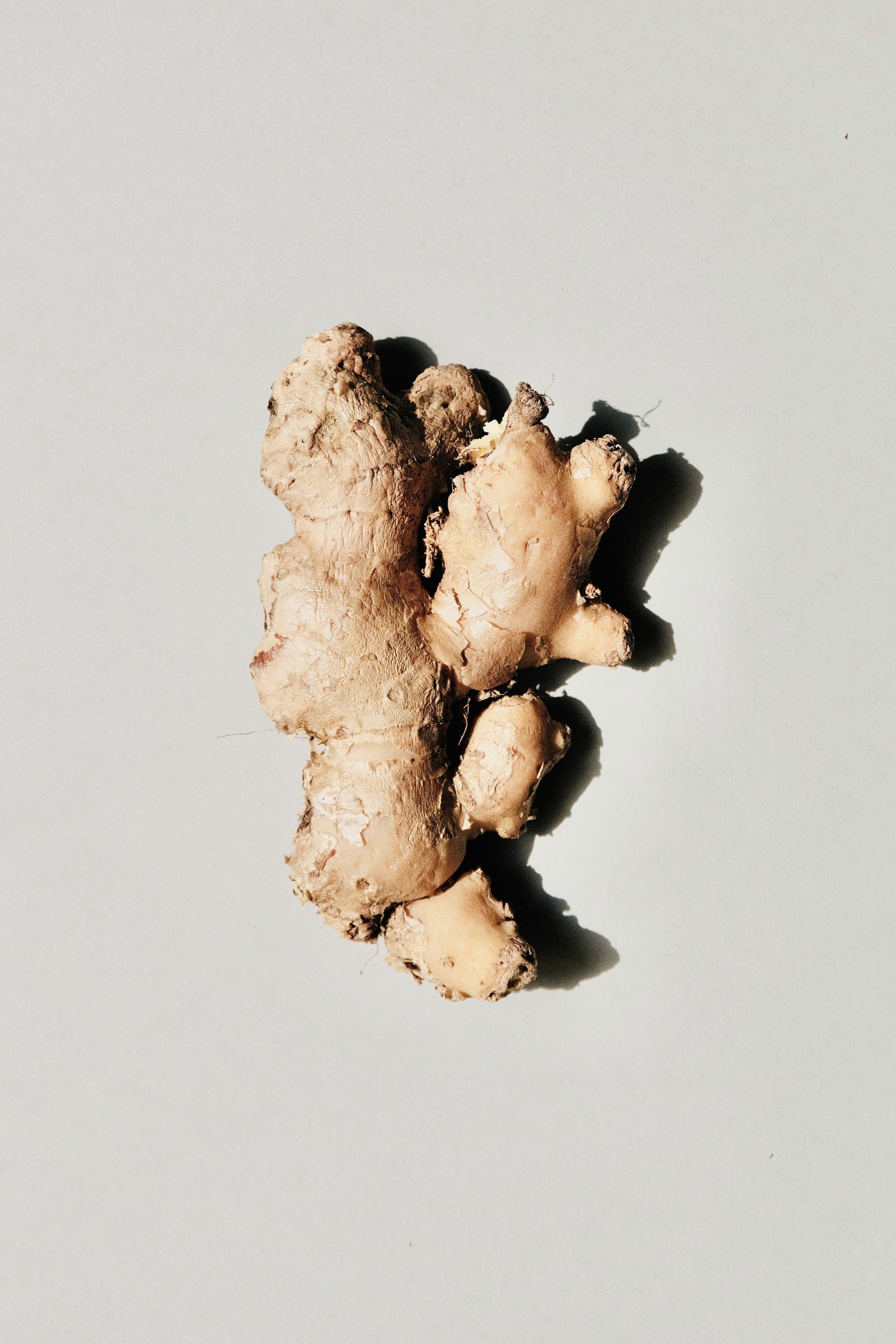
The settling reputation of Comfort begins with ginger, one of the most studied culinary plants on earth and a fixture of every botanical tradition that ever wrote anything down — Greek-Galenic physicians prized it as a warming carminative, Ayurveda calls it vishwabhesaj, 'the universal remedy,' and classical East Asian practice has used sheng jiang at the table for two thousand years. Modern molecular work shows why the tradition kept it close: ginger's signature compound, 6-gingerol, is characterized in our data with documented activity at the prostaglandin (COX) enzymes and across the serotonin (5-HT) receptor family. That is food and tradition, named at the level of the molecule — the warming carminative the lineages chose, stirred into the daily bowl.
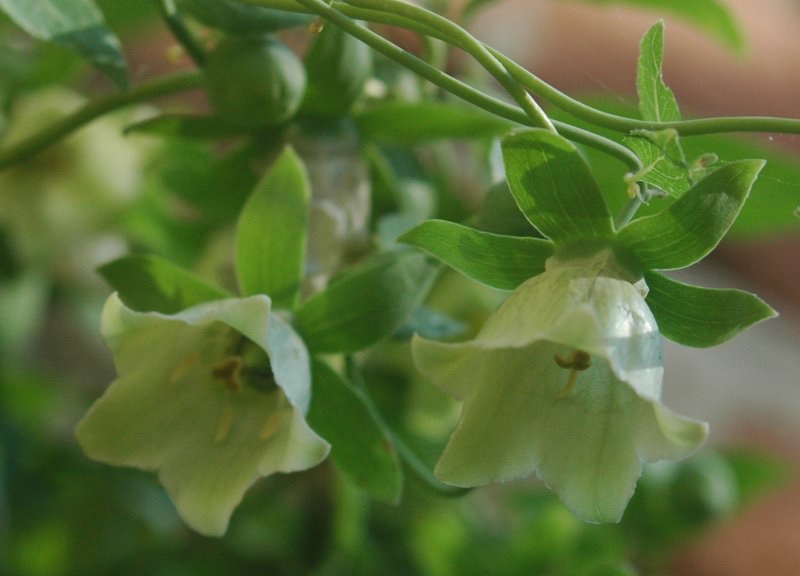
Around the ginger sit the soothers and the tonics. Dendrobium (shi hu) is a moistening, yin-restoring botanical traditionally given for a dry, irritated digestive tract — its mucilage and bibenzyl constituents help coat and calm an irritated stomach lining, bringing ease to tissue that has been worked over by upset.
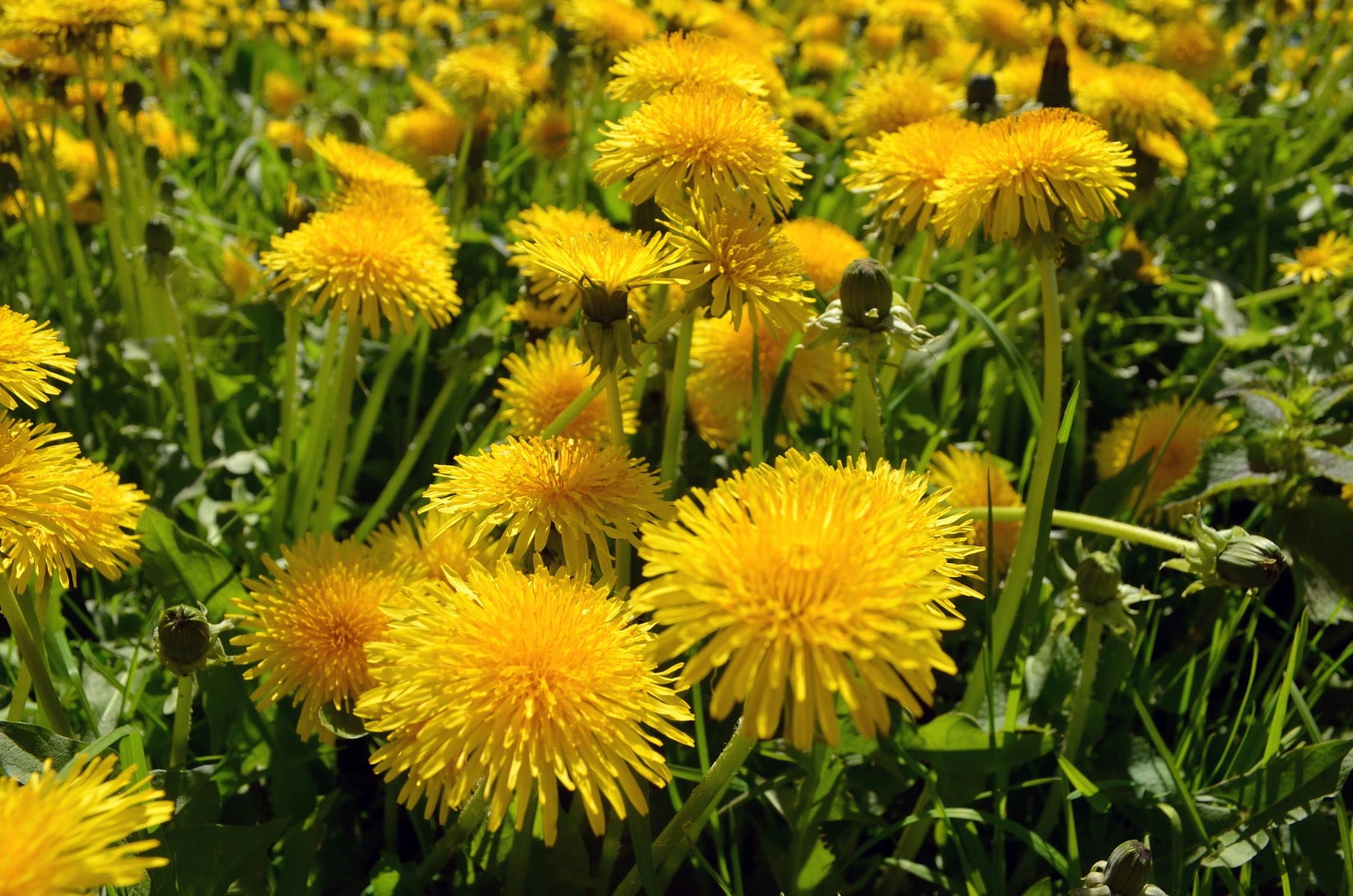
The tonic side keeps the work gentle and steady. Codonopsis (dang shen) is a mild spleen-and-stomach qi tonic — in the older language, it strengthens the digestive 'fire' that turns food into vitality — and it is the kind, food-grade companion to stronger tonics. Dandelion root, beloved of Culpeper and the Old English herbals as a bitter that 'openeth the passages,' supports healthy bile flow and the orderly handling of a meal. Together these botanicals form one convergent idea that every lineage arrived at independently: warm the center, soothe the lining, support the rhythm, and the body settles itself.
The molecules, measured
A formula is a community of compounds. Below are active molecules from the herbs in this blend and the proteins each is measured to engage — the precise points where the plants meet biology. So you see not just that it works, but how.
Zingiber officinale
6-Gingerol
PubChem ↗Measured in the lab: binds to Transient receptor potential cation channel subfamily V member 1 · EC50 3.3 µM
Measured to act on
A major liver enzyme that processes a wide range of compounds the body takes in.
A repair enzyme that resolves certain DNA damage so the strand can be restored.
A liver enzyme that helps break down and process many compounds and natural substances.
6-Shogaol
PubChem ↗Measured in the lab: binds to Cytochrome P450 1A2 · IC50 2.5 µM
Measured to act on
A major liver enzyme that processes a wide range of compounds the body takes in.
A liver enzyme that processes many compounds, including some the body forms naturally.
A nerve-ending sensor that responds to heat and to the pungency of chili pepper compounds.
Taraxacum officinale
Luteolin
PubChem ↗Measured to act on
A receptor that helps guide immune cell development and daily metabolic rhythms.
A major liver enzyme that processes and clears a large share of dietary and plant compounds.
An enzyme that breaks down purines, producing uric acid as a byproduct.
Apigenin
PubChem ↗Measured to act on
A major liver enzyme that processes and clears a large share of dietary and plant compounds.
The enzyme that converts androgens into estrogens, balancing the body's hormones.
An enzyme that breaks down serotonin and other mood-related brain messengers.
Codonopsis pilosula
Syringin
PubChem ↗Measured to act on
An enzyme that makes prostaglandins for everyday housekeeping like stomach lining and blood flow.
An enzyme that breaks down fatty-acid signals involved in blood vessel and inflammation balance.
Atractylenolide I
PubChem ↗Measured to act on
An enzyme that converts fatty acids into messengers of the inflammatory response.
An enzyme that makes prostaglandins for everyday housekeeping like stomach lining and blood flow.
Dendrobium nobile
Moscatilin
PubChem ↗Measured to act on
A versatile signaling enzyme involved in energy storage, cell structure, and growth.
A versatile signaling enzyme involved in energy storage, cell structure, and growth.
A signaling enzyme that helps cells respond to stress and coordinate their activity.
Gigantol
PubChem ↗Measured to act on
A small calcium-sensing protein that relays calcium signals throughout the cell.
A small calcium-sensing protein that relays calcium signals throughout the cell.
A central signaling enzyme governing cell growth, survival, and metabolism.
Cited science · not claims
Everything we publish about these plants traces to a primary source — the compounds to PubChem, ChEMBL, and BindingDB, the traditional uses to named, dated herbals. We describe what a plant is and what it is understood to nourish — the body’s own systems, structure and function only. We do not claim it treats, cures, or prevents any disease, and nothing here is a substitute for professional care. See our method & sources →
These statements have not been evaluated by the Food and Drug Administration. Not intended to diagnose, treat, cure, or prevent any disease.
Why these herbs together
The shared mechanism
More than one botanical in this blend is measured to engage the same molecular targets. We share the convergent chemistry — characterized and cited, never a claim.
Ginger · Dandelion · Codonopsis · Dendrobium
Ginger · Dandelion · Codonopsis
Ginger · Dandelion
Dandelion · Dendrobium
Dandelion · Codonopsis
Ginger · Codonopsis
Each convergence is a gene whose protein two or more of this formula’s herbs are measured to engage (PubChem BioAssay & ChEMBL). It describes characterized molecular activity and the protein’s normal role — structure and function only, never a claim to treat, cure, or prevent any disease.
In practice
Who it’s for, and how to use it
Who it’s for
For the animal with a sensitive or easily-upset stomach — the one who struggles in the car, reacts to a change of food or routine, or goes quiet and off their bowl on a rough day. For cats, dogs, and other companions whose comfort you want to support gently, before and through the moments you know will test them. As with any change to a sensitive animal's routine, ease in slowly and watch how they respond.
How to use it
Prepare a dilute hot-water extract, or stir a small pinch of the powder into food, scaled to your animal's body weight. Start low — a fraction of the meal — and build gradually over several days as you read how they settle. For a known trigger like travel, offer it with the meal beforehand and again as needed. Keep it consistent and unhurried; this is a gentle, food-like support meant to be woven into ordinary feeding.
Measure · A small amount of the dilute hot-water extract or powder stirred into food, scaled to body weight. Start low and build gradually over days.
What’s inside
Inside: ginger, dandelion root, codonopsis, and dendrobium — botanicals. Each is a food-grade herb with a long record across the world's botanical traditions, chosen because they converge on a single quiet purpose: a comfortable, settled stomach. The most pristine herbs on earth, prepared with care and scaled to the animal in front of you.

Structure-and-function support for animal nutrition and vitality. Introduce gradually and watch how your companion responds. Not intended to diagnose, treat, cure, or prevent any disease. If your animal is pregnant, nursing, or on medication, consult your veterinarian first.
Pairs well with
Formulas that share Comfort's botanicals
Built from overlapping herbs, these reinforce Comfort along the same lines — the shared-botanical kinship our genome engine maps.