
For Pets
Heart
A nourishing, food-grade daily botanical tonic for dogs, cats, and horses.
This formula supports the everyday work of a well-circulated body: a heart that holds a calm, steady tone, blood that is richly nourished, and warmth that reaches all the way to the paws, ears, and tail. It is built for the long arc of an animal's life — the older companion slowing at the edges, the working dog or horse asking a lot of its engine, the cat you want to keep warm and well-supplied.
Where many circulatory ideas reach for harsh, high-aromatic spices, this one leans on nourishing tonic berries and roots first, with only a soft warming note to encourage movement to the extremities. That makes it gentle enough for cats and small animals, scaled to body weight, while still doing the real work of feeding the blood and supporting the warmth that moves it.
Taken steadily, it becomes a quiet daily companion — warming, nourishing food for stamina and a settled, even rhythm rather than chasing a single moment of need.
The characterized botanicals inside
Whole botanicals with compounds characterized in the scientific literature, used across centuries of traditional practice. We share the chemistry and the tradition — food and lineage, never a claim to treat any condition.
For Pets
Small-batch. Dual-extracted where it matters. Made by hand.
How to take it
A small amount of the dilute extract or powder stirred into food, scaled to body weight — start low and build gradually as your animal settles into it.
Whole plant, never isolated
Concentrated extracts of the whole botanical — the way the body recognizes it.
Cited to measured biology
Every action we describe traces to the compound and its measured target.
Structure & function
We describe what an herb nourishes — never a claim to treat disease.
Secure checkout
Encrypted payment and human verification on every order.
- Free shipping over $150USPS Priority, tracked. $15 standard; ships in 1–3 business days.
- 30-day returnsIn original packaging and resalable condition. Refunded to your original payment method.
What you get
What this formula gives you
A nourishing daily tonic, easy to scale to your animal’s size
A warming, nourishing blend for everyday companionship
Nourishes the blood with gentle tonic berries and roots
A gentle daily tonic for active and aging companions
Gentle and food-grade — suitable for cats, dogs, and horses when scaled to body weight
How it works
The science of Heart
Not buzzwords — the actual chemistry of the plants in this formula: their characterized compounds and the proteins those compounds are measured to engage, every one cited.
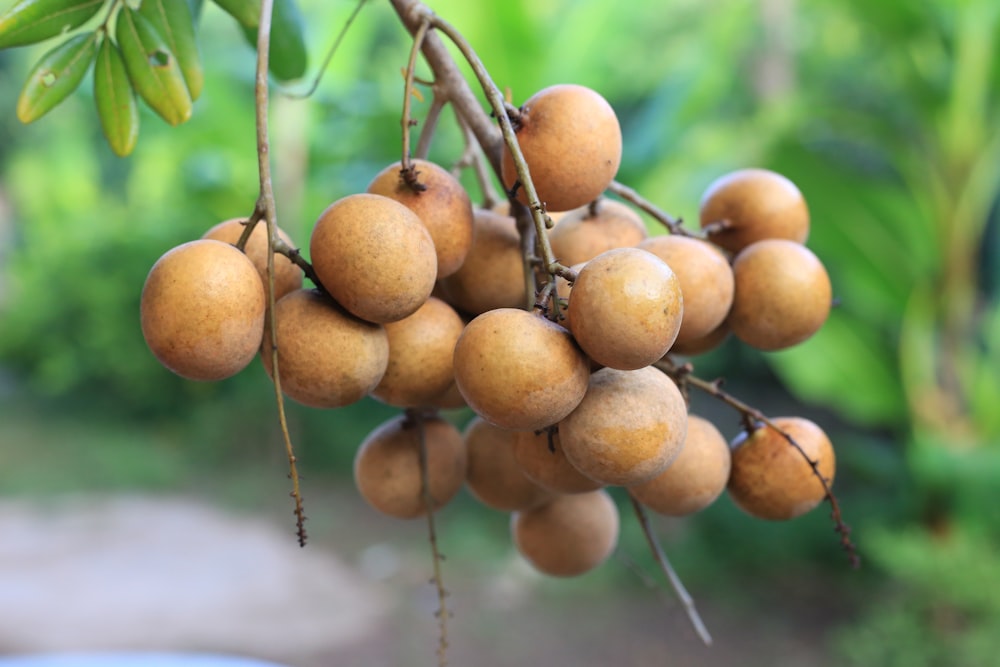
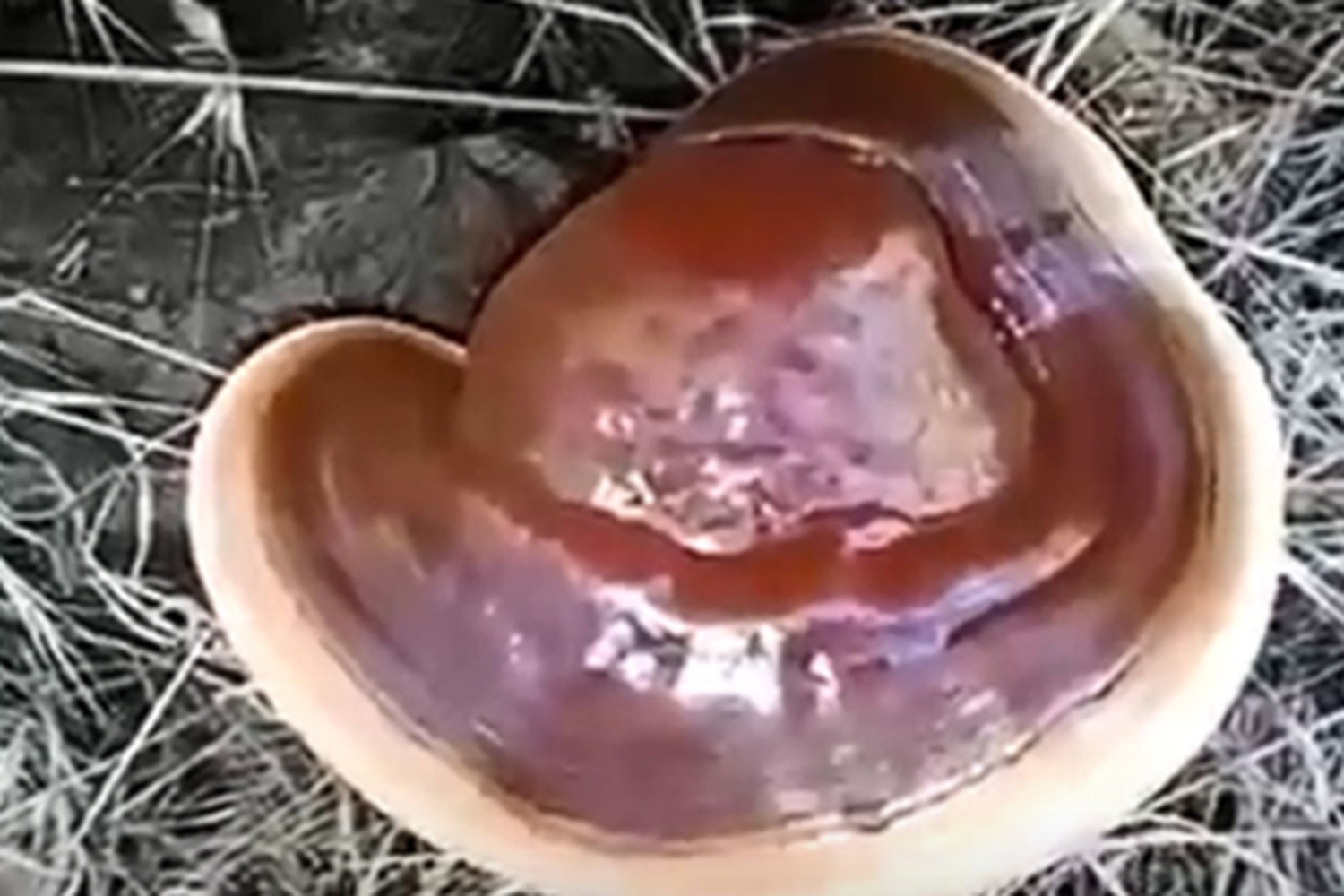
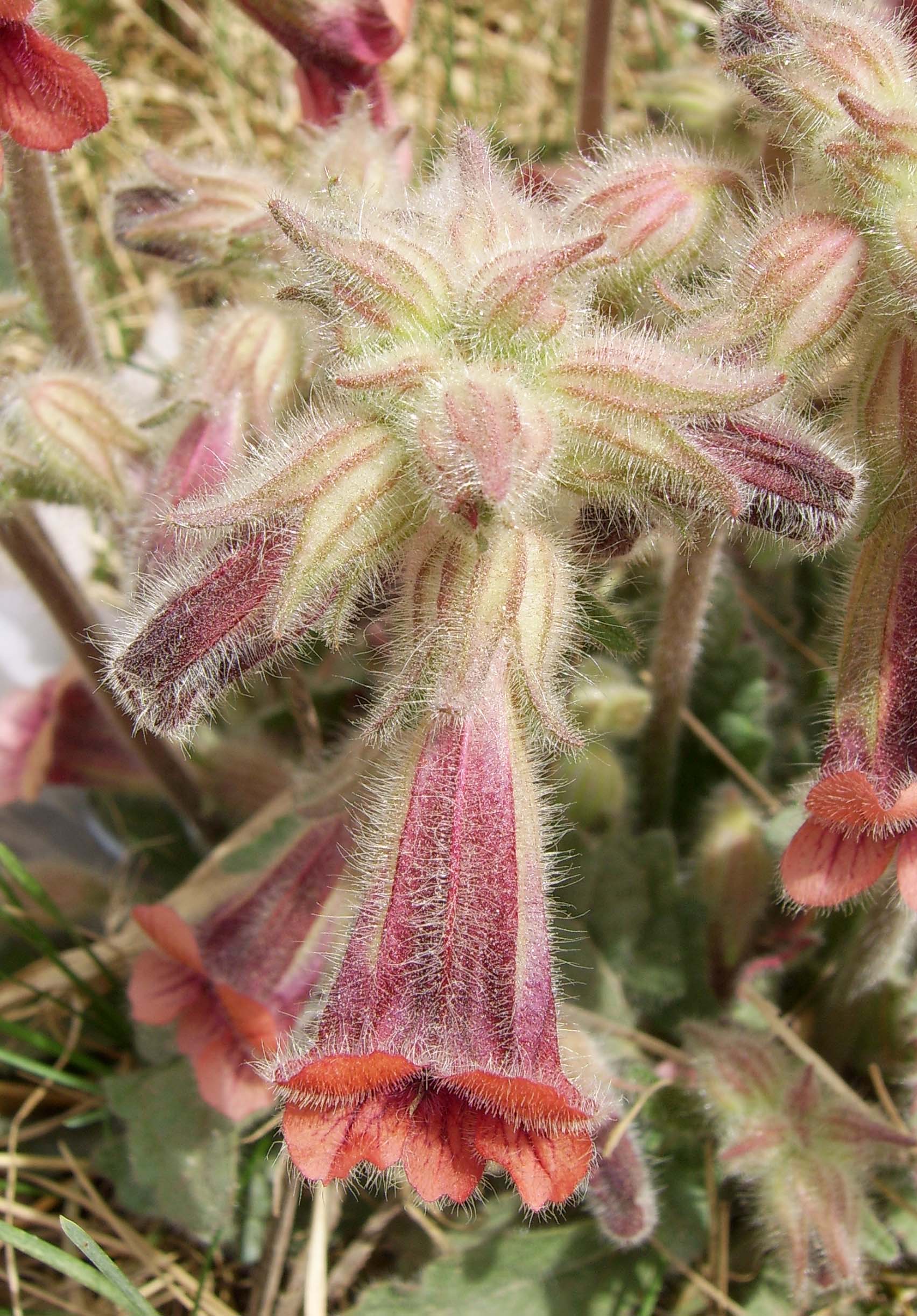
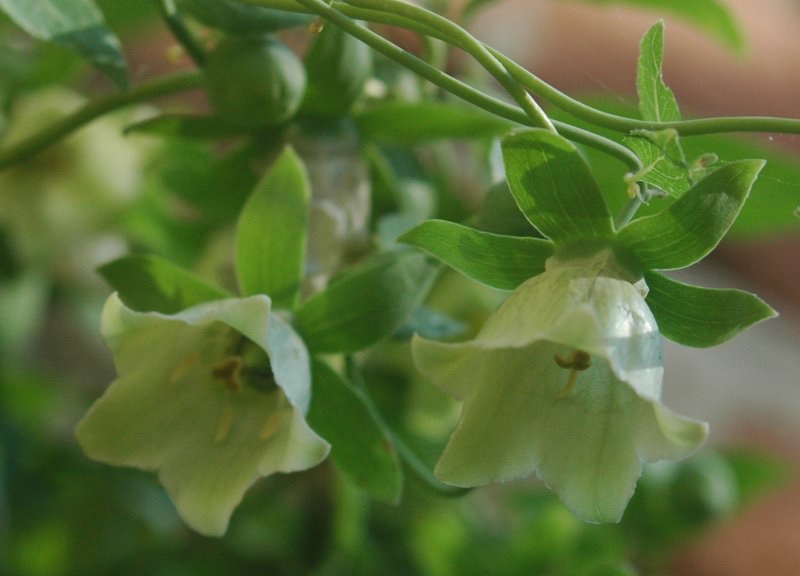
The blend draws on botanicals long honored in the East Asian tonic tradition for warmth and richness. Longan is a classic nourishing fruit prized for its sweet, blood-building character; Reishi is the grounding tonic mushroom, valued for triterpenes and a calm, settled center; and Rehmannia is one of the great tonic roots, the foundation many warming tonics are built upon. Together they supply the rich, nourishing base the tradition prized.
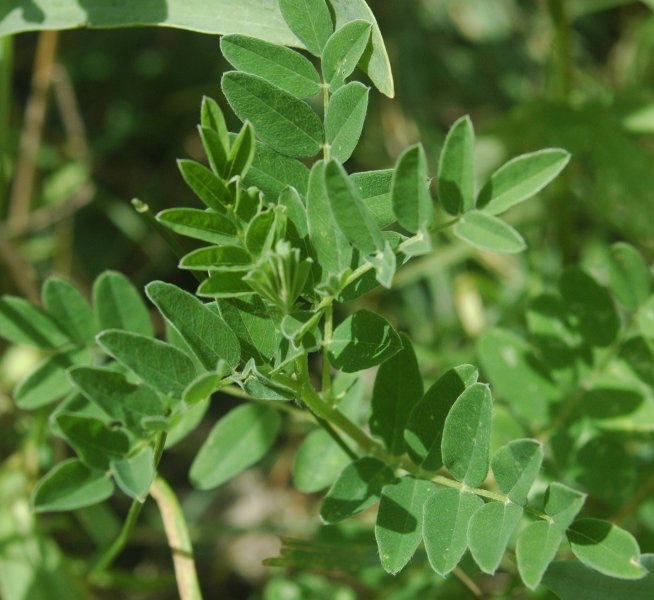
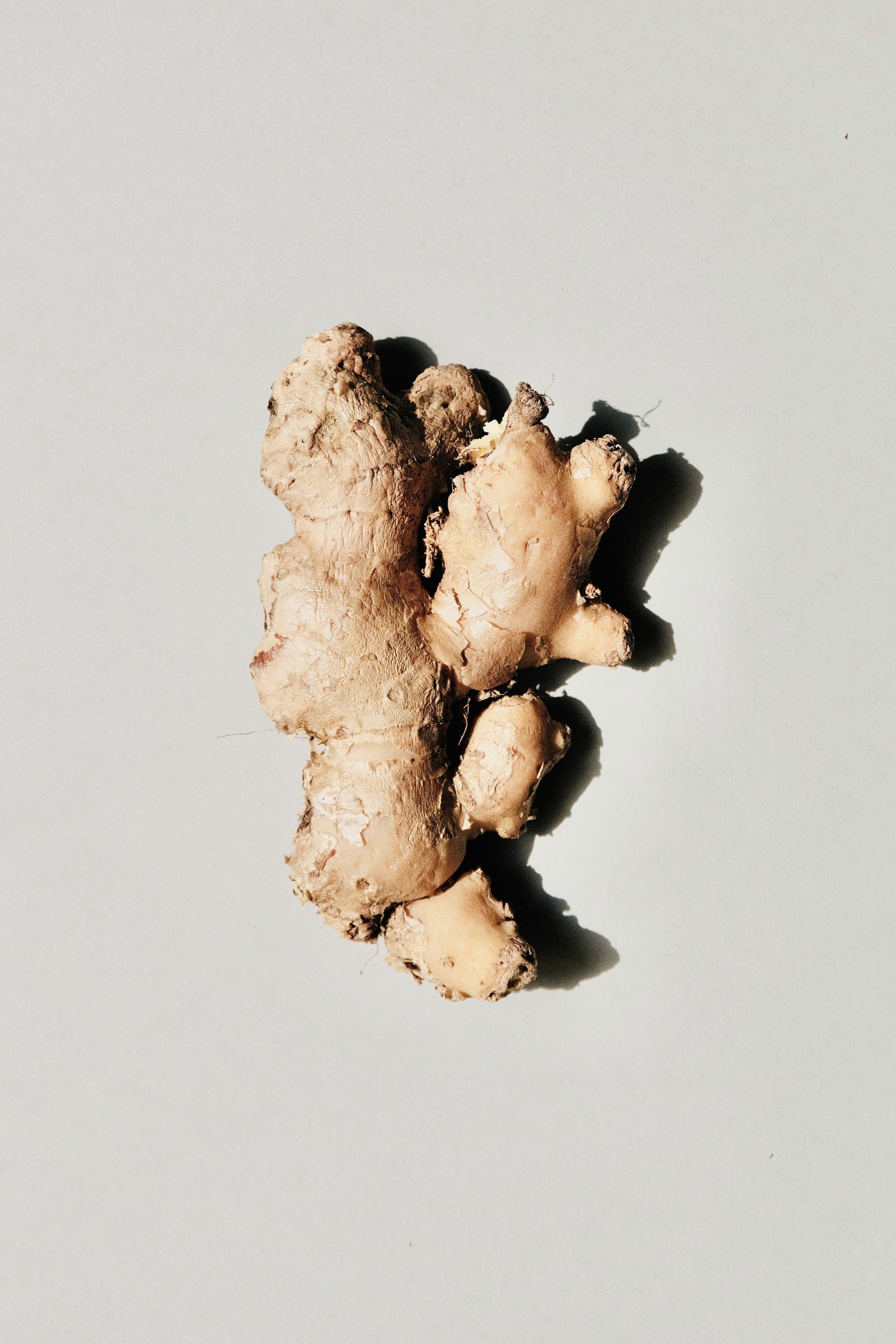
Around that base, Astragalus and Codonopsis lend gentle vitality and tone — the kind of steady, energizing character the tradition reached for to hold stamina without overstimulation — while a small measure of Ginger adds a soft warming note, its gingerols long carried in the herbal kitchen to bring warmth out to the limbs and extremities. Each is food-grade and gently dosed, a warming, nourishing food rather than anything forced.
The molecules, measured
A formula is a community of compounds. Below are active molecules from the herbs in this blend and the proteins each is measured to engage — the precise points where the plants meet biology. So you see not just that it works, but how.
Dimocarpus longan
Gallic acid
PubChem ↗Measured in the lab: binds very tightly to Amyloid-beta precursor protein · EC50 1.7 nM
Measured to act on
A mitochondrial enzyme involved in breaking down fatty acids and balancing steroid hormones.
An enzyme that adds sugar tags to cells, helping immune cells find their way through tissue.
An enzyme that edits chemical tags on DNA-packaging proteins to regulate genes.
Ellagic acid
PubChem ↗Measured in the lab: binds very tightly to Amyloid-beta precursor protein · EC50 1.7 nM
Measured to act on
A protein that repairs damaged DNA and helps balance the cell's oxidative state.
A constantly active signaling enzyme involved in cell growth and stress responses.
An enzyme in the liver and red blood cells that helps turn sugar into usable energy.
Ganoderma lucidum
Ganoderic acid A
PubChem ↗Measured to act on
An enzyme that locally regenerates active cortisol, shaping how tissues respond to the body's stress hormone.
An enzyme that quiets cortisol inside kidney and salt-handling tissues, helping govern fluid and mineral balance.
An enzyme that converts glucose into sorbitol, part of how cells handle sugar.
Ganoderic acid B
PubChem ↗Measured to act on
The enzyme that breaks down acetylcholine, resetting nerve and muscle signals between pulses.
A blood enzyme that breaks down acetylcholine and helps clear certain compounds from circulation.
An enzyme that converts glucose into sorbitol, part of how cells handle sugar.
Astragalus membranaceus
Formononetin
PubChem ↗Measured in the lab: binds very tightly to Apoptosis regulator Bcl-2 · Ki 10 nM
Measured to act on
A liver enzyme that breaks down many compounds the body takes in.
An enzyme that edits proteins to manage cellular cleanup and the cell internal scaffolding.
Calycosin
PubChem ↗Measured to act on
A protein that helps organize DNA and acts as an alarm signal during tissue stress.
Rehmannia glutinosa
Acteoside (Verbascoside)
PubChem ↗Measured in the lab: binds very tightly to Beta-secretase 1 · IC50 6.3 nM
Measured to act on
A family of signaling enzymes that relay messages controlling cell growth and activity.
Aucubin
PubChem ↗Measured to act on
An enzyme that makes prostaglandins for everyday housekeeping like stomach lining and blood flow.
The enzyme that drives the body's inflammatory response by producing prostaglandins.
The receptor through which estrogen signals, governing many reproductive and tissue functions.
Codonopsis pilosula
Syringin
PubChem ↗Measured to act on
An enzyme that makes prostaglandins for everyday housekeeping like stomach lining and blood flow.
An enzyme that breaks down fatty-acid signals involved in blood vessel and inflammation balance.
Atractylenolide I
PubChem ↗Measured to act on
An enzyme that converts fatty acids into messengers of the inflammatory response.
An enzyme that makes prostaglandins for everyday housekeeping like stomach lining and blood flow.
Zingiber officinale
6-Gingerol
PubChem ↗Measured in the lab: binds to Transient receptor potential cation channel subfamily V member 1 · EC50 3.3 µM
Measured to act on
A major liver enzyme that processes a wide range of compounds the body takes in.
A repair enzyme that resolves certain DNA damage so the strand can be restored.
A liver enzyme that helps break down and process many compounds and natural substances.
6-Shogaol
PubChem ↗Measured in the lab: binds to Cytochrome P450 1A2 · IC50 2.5 µM
Measured to act on
A major liver enzyme that processes a wide range of compounds the body takes in.
A liver enzyme that processes many compounds, including some the body forms naturally.
A nerve-ending sensor that responds to heat and to the pungency of chili pepper compounds.
Cited science · not claims
Everything we publish about these plants traces to a primary source — the compounds to PubChem, ChEMBL, and BindingDB, the traditional uses to named, dated herbals. We describe what a plant is and what it is understood to nourish — the body’s own systems, structure and function only. We do not claim it treats, cures, or prevents any disease, and nothing here is a substitute for professional care. See our method & sources →
These statements have not been evaluated by the Food and Drug Administration. Not intended to diagnose, treat, cure, or prevent any disease.
Why these herbs together
The shared mechanism
More than one botanical in this blend is measured to engage the same molecular targets. We share the convergent chemistry — characterized and cited, never a claim.
Longan Berry · Reishi · Astragalus · Codonopsis · Ginger
Rehmannia · Codonopsis · Ginger
Longan Berry · Astragalus
Longan Berry · Astragalus
Longan Berry · Reishi
Reishi · Astragalus
Each convergence is a gene whose protein two or more of this formula’s herbs are measured to engage (PubChem BioAssay & ChEMBL). It describes characterized molecular activity and the protein’s normal role — structure and function only, never a claim to treat, cure, or prevent any disease.
In practice
Who it’s for, and how to use it
Who it’s for
For the animal companions you stir a warming, nourishing tonic into the bowl for — the aging dog or cat slowing at the edges, the working dog or horse with a hard-asked engine, and animals who tend to run cool in their paws and ears. Gentle enough for daily, long-term use across cats, dogs, and horses.
How to use it
Stir a small amount of the dilute extract or powder into your animal's food, scaled to body weight, starting low and building gradually. Best given consistently as daily support rather than for a single moment.
Measure · A small amount of the dilute extract or powder stirred into food, scaled to body weight — start low and build gradually as your animal settles into it.
What’s inside
Inside: nourishing Longan berry and slow-grounding Reishi at the heart of it, with blood-feeding Rehmannia, the gentle vitality roots Astragalus and Codonopsis, and a soft warming note of Ginger to carry circulation outward. We chose this circle because a well-circulated body asks for two things at once — a richly nourished blood and the steady warmth that moves it — and these botanicals, drawn from the East Asian tonic lineage, hold both gently enough for the animals we love.
Structure-and-function support for animal nutrition and vitality. Introduce gradually and watch how your companion responds. Not intended to diagnose, treat, cure, or prevent any disease. If your animal is pregnant, nursing, or on medication, consult your veterinarian first.
Pairs well with
Formulas that share Heart's botanicals
Built from overlapping herbs, these reinforce Heart along the same lines — the shared-botanical kinship our genome engine maps.