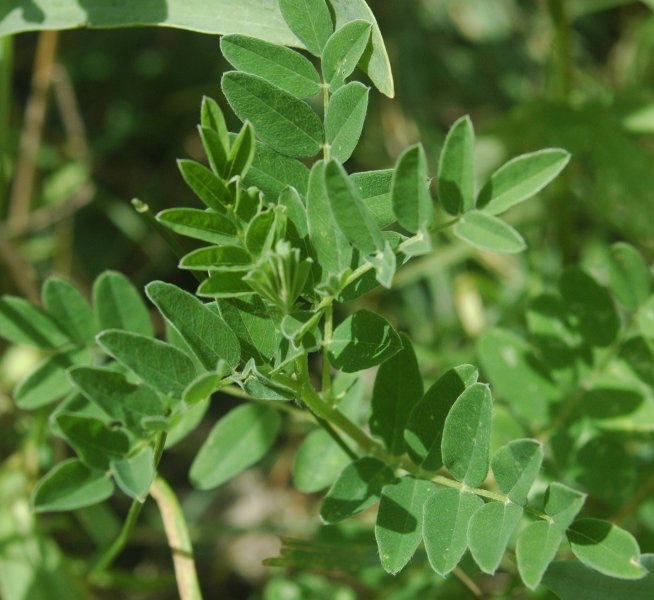
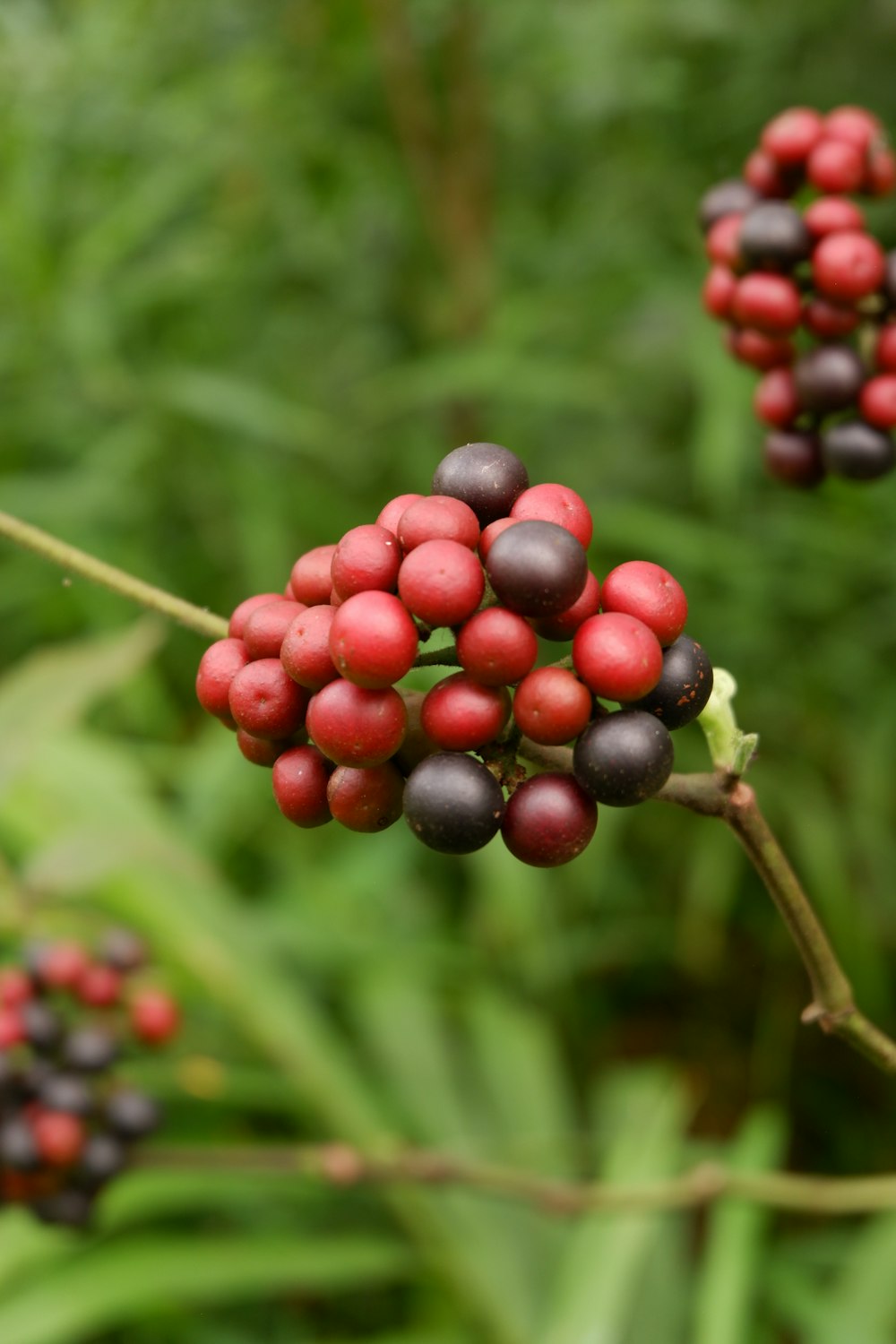
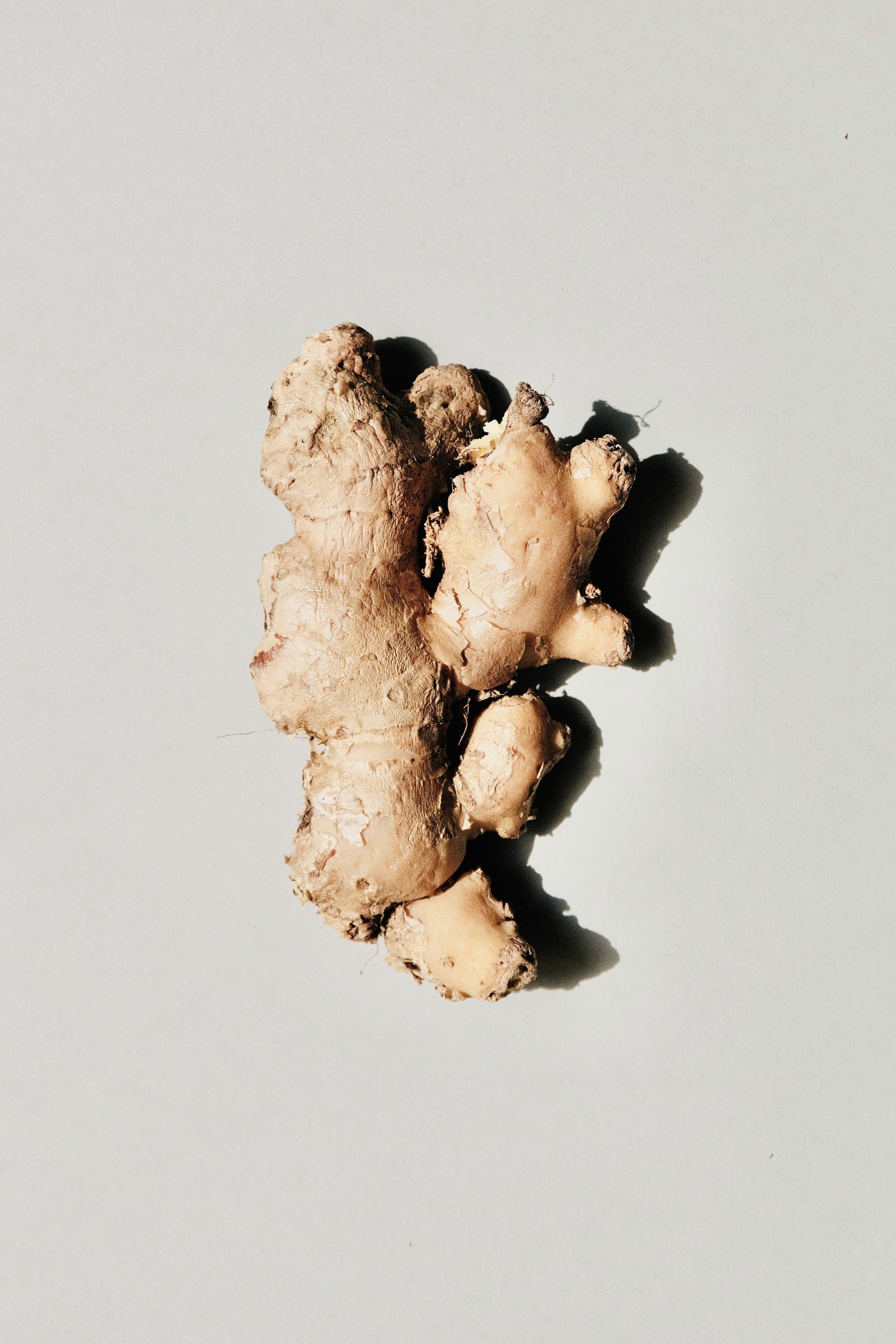
For Pets
Longevity
Help an older dog or cat keep moving comfortably, stay warm in the circulation, and carry their years with grace.
There comes a season in every companion animal's life when the body that once sprang up the stairs begins to take them more carefully. The stiffness on a cold morning, the slower rise from the bed, the hesitation before the jump they used to make without thinking — these are the quiet signs of an aging frame, and they are exactly what this formula was built to meet. Longevity is a structural and warming blend for senior dogs and cats: a gentle, daily-use composition of the deep roots and dense barks — Eucommia, Cistanche, Rehmannia, and warming Ginger among them — that the herbal tradition has always kept for the older companion, stirred into the daily bowl as nourishing, food-grade fare.
Reach for it when the conversation has shifted from puppy energy to graceful aging — the deep roots and barks the herbal tradition has long kept for the senior companion's frame, and the healthy blood flow that keeps stiff, cooler, older bodies nourished from the inside. This is not a stimulant and not a quick fix. It is a constitutional tonic in the oldest sense of the word: something fed daily, in small amounts, mixed into food, that works by accumulation rather than by a single dramatic effect. The herbs here are the longevity roots and structural barks of the tradition — the plants an herbalist has always reached for when the aim is endurance, replenishment, and a well-supported frame over seasons rather than a momentary lift.
The formula is led by Eucommia bark — the tradition's great structural tonic, the herb of the lower back, the bones, the tendons, and the connective tissue — and built up with Cistanche and Rehmannia, the deep, nourishing longevity roots; Morinda and Astragalus for foundational vitality and resilience; a measure of Schizandra to support the body's antioxidant and liver tone; and warming Ginger to move the circulation and carry the whole blend through the body. Together they form a balanced, gentle composition meant for the long arc of an animal's later years.
Because it is gentle and food-grade in character, it is made for everyday use — a small scoop in the bowl, scaled to body weight, that becomes part of an older companion's daily rhythm. You are not treating anything. You are nourishing the systems that an aging body leans on most, so your dog or cat can keep doing the ordinary things — rising, walking, settling comfortably — with a little more ease.
The characterized botanicals inside
Whole botanicals with compounds characterized in the scientific literature, used across centuries of traditional practice. We share the chemistry and the tradition — food and lineage, never a claim to treat any condition.
For Pets
Small-batch. Dual-extracted where it matters. Made by hand.
How to take it
Wellness dose by body weight — begin with the minimum, adjust as needed: ~1/16 tsp at 5 lbs · ~1/8 tsp at 10 lbs · ~1/4 tsp at 20–30 lbs · ~1/2 tsp at 40–50 lbs, daily, mixed into food.
Whole plant, never isolated
Concentrated extracts of the whole botanical — the way the body recognizes it.
Cited to measured biology
Every action we describe traces to the compound and its measured target.
Structure & function
We describe what an herb nourishes — never a claim to treat disease.
Secure checkout
Encrypted payment and human verification on every order.
- Free shipping over $150USPS Priority, tracked. $15 standard; ships in 1–3 business days.
- 30-day returnsIn original packaging and resalable condition. Refunded to your original payment method.
What you get
What this formula gives you
Dense structural barks and roots — Eucommia, Cistanche, Rehmannia — the deep botanicals the tradition kept for the aging companion's frame
Warming roots and barks — Ginger and Eucommia among them — the food-grade botanicals the tradition reached for in cooler, older bodies
Supports the deep constitutional reserves — kidney, blood, and vitality systems — that a body draws down over the years
Supplies the antioxidant and bitter-root constituents the tradition kept to help the body meet the wear of daily life
Backs immune resilience and steady, grounded energy without stimulating or overheating the system
Gentle and food-grade in character — built for daily, accumulating use as part of an older companion's routine
How it works
The science of Longevity
Not buzzwords — the actual chemistry of the plants in this formula: their characterized compounds and the proteins those compounds are measured to engage, every one cited.
The structural heart of this formula is Eucommia ulmoides bark, and its character is written into the plant itself: tear the bark and fine silver threads of natural latex stretch between the broken edges — resilient, elastic structure made visible. That signature carries through to its chemistry. Eucommia delivers chlorogenic acid, the flavonoids quercetin and rutin, and a family of iridoid and lignan glycosides (aucubin, geniposide, geniposidic acid, pinoresinol diglucoside). In our own molecular data, chlorogenic acid registers measured activity at aldose reductase (AKR1B1) and PTP1B — enzymes tied to how tissue handles glucose and metabolic stress — while quercetin and rutin are well-characterized antioxidant and xanthine-oxidase-active polyphenols. This is why the tradition placed Eucommia at the center of the body's framework: it is a bark, dense and architectural, oriented toward the connective fabric — back, bone, tendon — that an aging animal depends on to keep moving.
Around that structural core sit the longevity roots, and their job is circulatory and constitutional. Cistanche and Rehmannia both carry acteoside (verbascoside), a phenylethanoid glycoside that in our data shows measured engagement with COX-2 and protein kinase C — pathways central to how tissue manages inflammatory tone. Rehmannia, the tradition's great blood-nourishing root, adds the iridoids catalpol and aucubin (aucubin showing measured COX-1/COX-2 activity), and its organ-system map reaches across the blood and circulatory, endocrine, and kidney systems — precisely the deep, replenishing axis an older body draws down over years. Cistanche, the 'ginseng of the desert,' contributes echinacoside alongside acteoside; it is a plant built to store reserves against scarcity and release them slowly, which is exactly the unhurried, foundational support a senior animal benefits from. Morinda rounds out this group with its iridoid and polyphenol constituents — asperuloside, scopoletin, quercetin and rutin — carried by the root the East Asian tradition calls ba ji tian and ties to the deep 'jing' reserve and the strength of the frame.
The formula then closes the loop on resilience and warmth. Astragalus — huang qi, the 'yellow leader' — brings astragaloside IV, cycloastragenol, and the isoflavones formononetin and calycosin, a foundational adaptogenic root the tradition has always carried for the aging animal. Schizandra, the five-flavor berry, contributes the dibenzocyclooctadiene lignans (schisandrin, schisandrin B) the tradition reaches for as a steadying, grounded daily tonic. And Ginger is the mover: its pungent principles 6-gingerol and 6-shogaol show measured activity across COX-1, COX-2, 5-lipoxygenase, the warmth-and-sensation channels TRPV1 and TRPA1, and aldose reductase — a warming root the tradition uses to carry the deeper tonic herbs through the bowl. Read together, these are not isolated effects but one coherent design: the dense bark (Eucommia), the deep roots (Cistanche, Rehmannia, Morinda), the resilient berries and roots (Astragalus, Schizandra), and warming Ginger — the architecture of graceful aging the tradition kept for the senior companion, characterized in our molecular data.
The molecules, measured
A formula is a community of compounds. Below are active molecules from the herbs in this blend and the proteins each is measured to engage — the precise points where the plants meet biology. So you see not just that it works, but how.
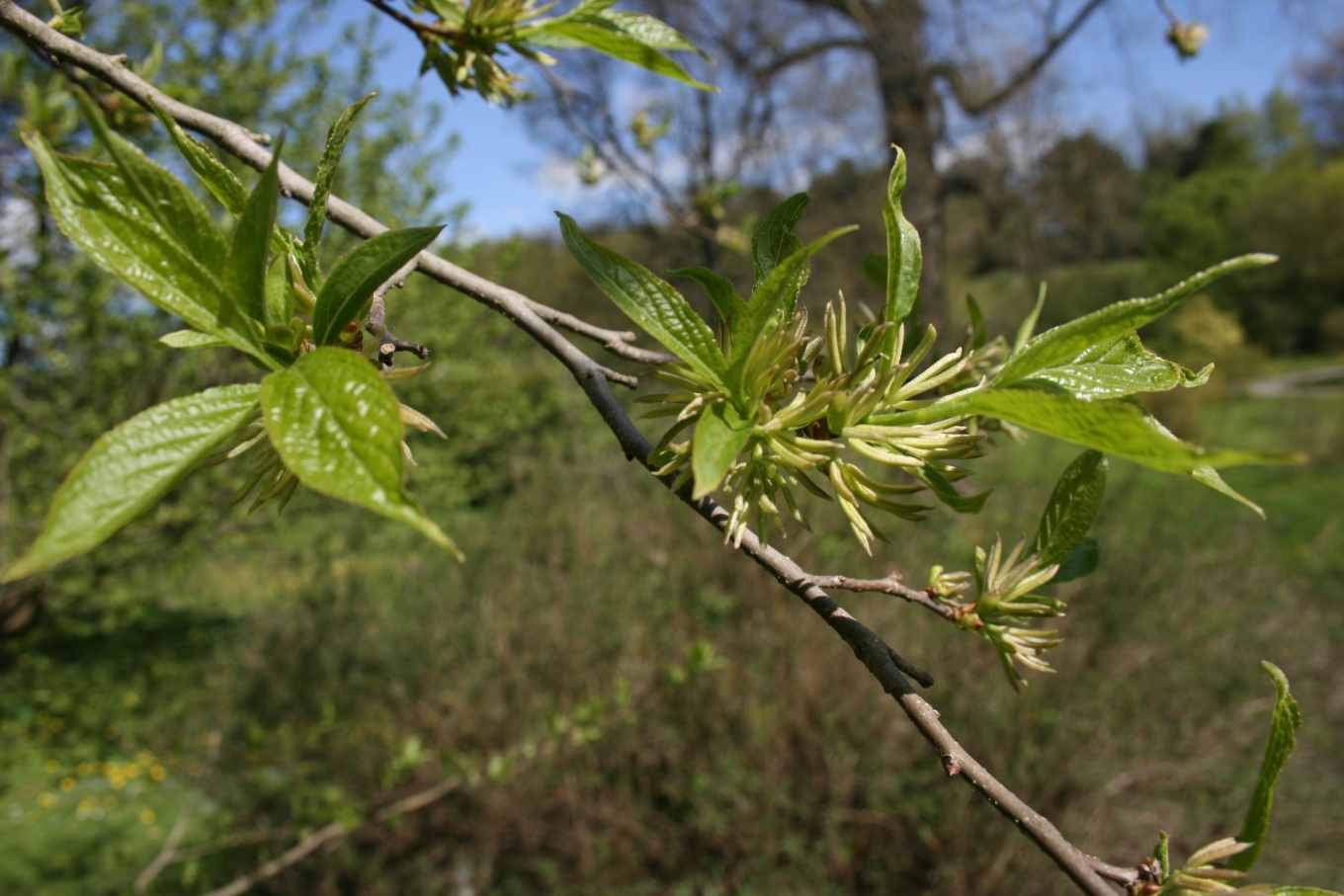
Eucommia ulmoides
Chlorogenic acid
PubChem ↗Measured in the lab: binds very tightly to Tyrosine-protein phosphatase non-receptor type 1 · IC50 100 nM
Measured to act on
A viral enzyme HIV uses to insert its genetic material into a host cell's DNA.
An enzyme that dials down insulin and growth signaling by removing phosphate tags.
An enzyme that converts glucose into sorbitol as part of cellular sugar handling.
Quercetin
PubChem ↗Measured in the lab: binds very tightly to Amine oxidase [flavin-containing] A · IC50 10 nM
Measured to act on
A structural protein that stabilizes the internal scaffolding of nerve cells.
An enzyme that converts excess glucose into sorbitol, part of how cells handle sugar.
A liver-type enzyme that processes hormones and environmental compounds.
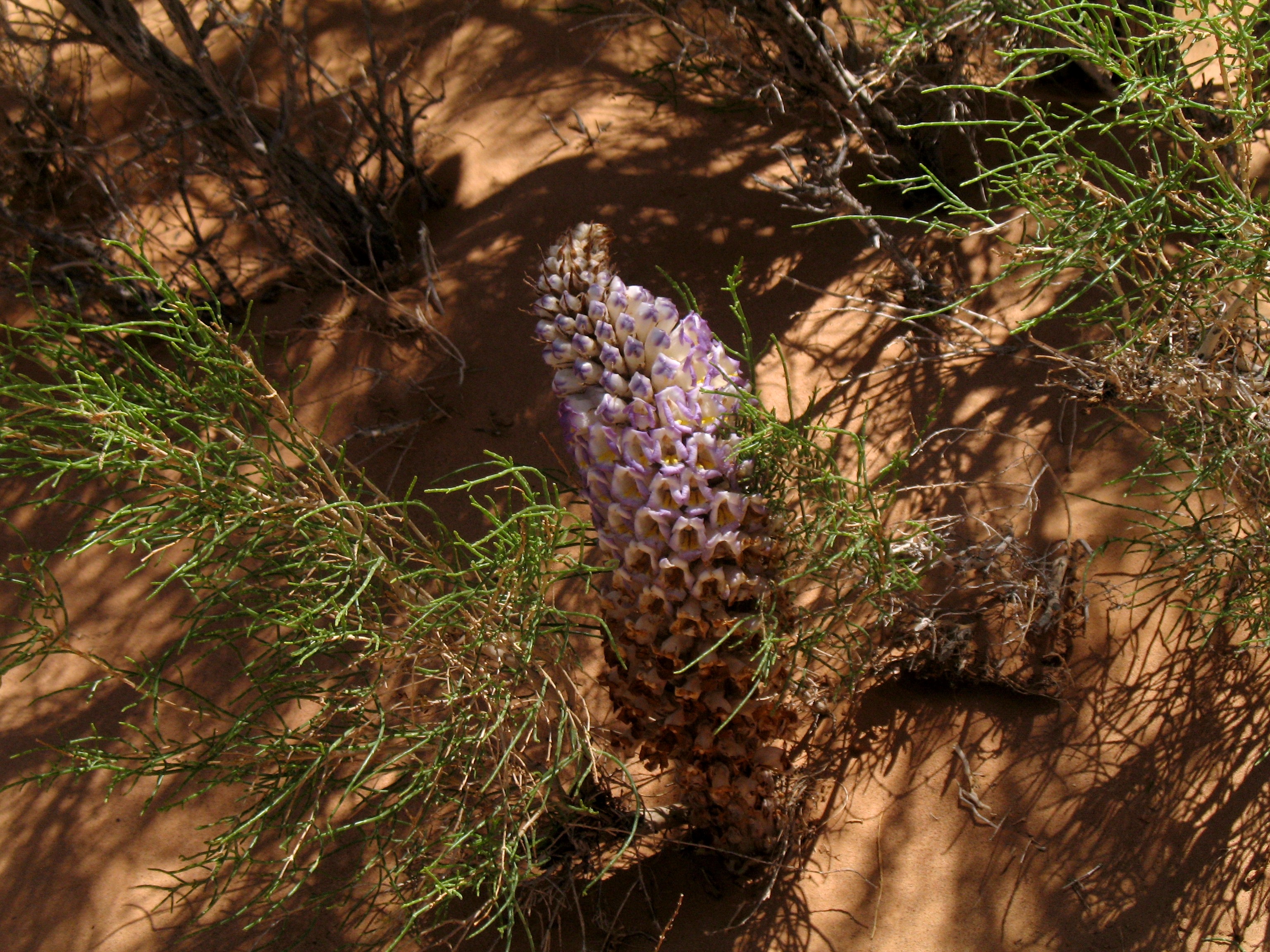
Cistanche deserticola
Echinacoside
PubChem ↗Measured to act on
The enzyme that makes melanin, the pigment that gives skin and hair their color.
Acteoside / Verbascoside
PubChem ↗Measured to act on
An enzyme in brain cells that cuts certain membrane proteins as part of normal cellular processing.
An enzyme that processes the amino acid arginine, governing nitrogen handling within cells.
A signaling enzyme that relays messages inside cells, influencing growth and communication.
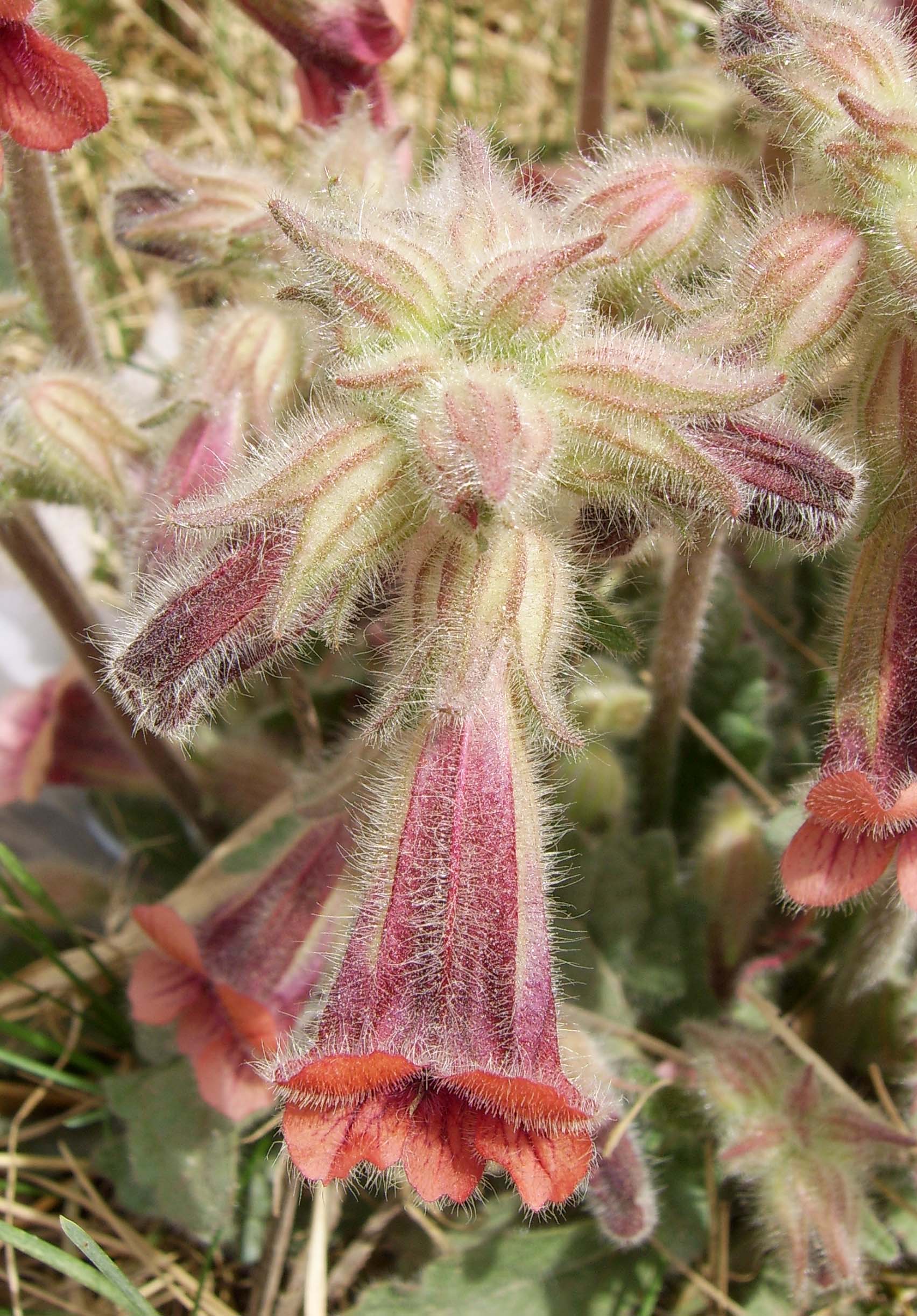
Rehmannia glutinosa
Acteoside (Verbascoside)
PubChem ↗Measured in the lab: binds very tightly to Beta-secretase 1 · IC50 6.3 nM
Measured to act on
A family of signaling enzymes that relay messages controlling cell growth and activity.
Aucubin
PubChem ↗Measured to act on
An enzyme that makes prostaglandins for everyday housekeeping like stomach lining and blood flow.
The enzyme that drives the body's inflammatory response by producing prostaglandins.
The receptor through which estrogen signals, governing many reproductive and tissue functions.
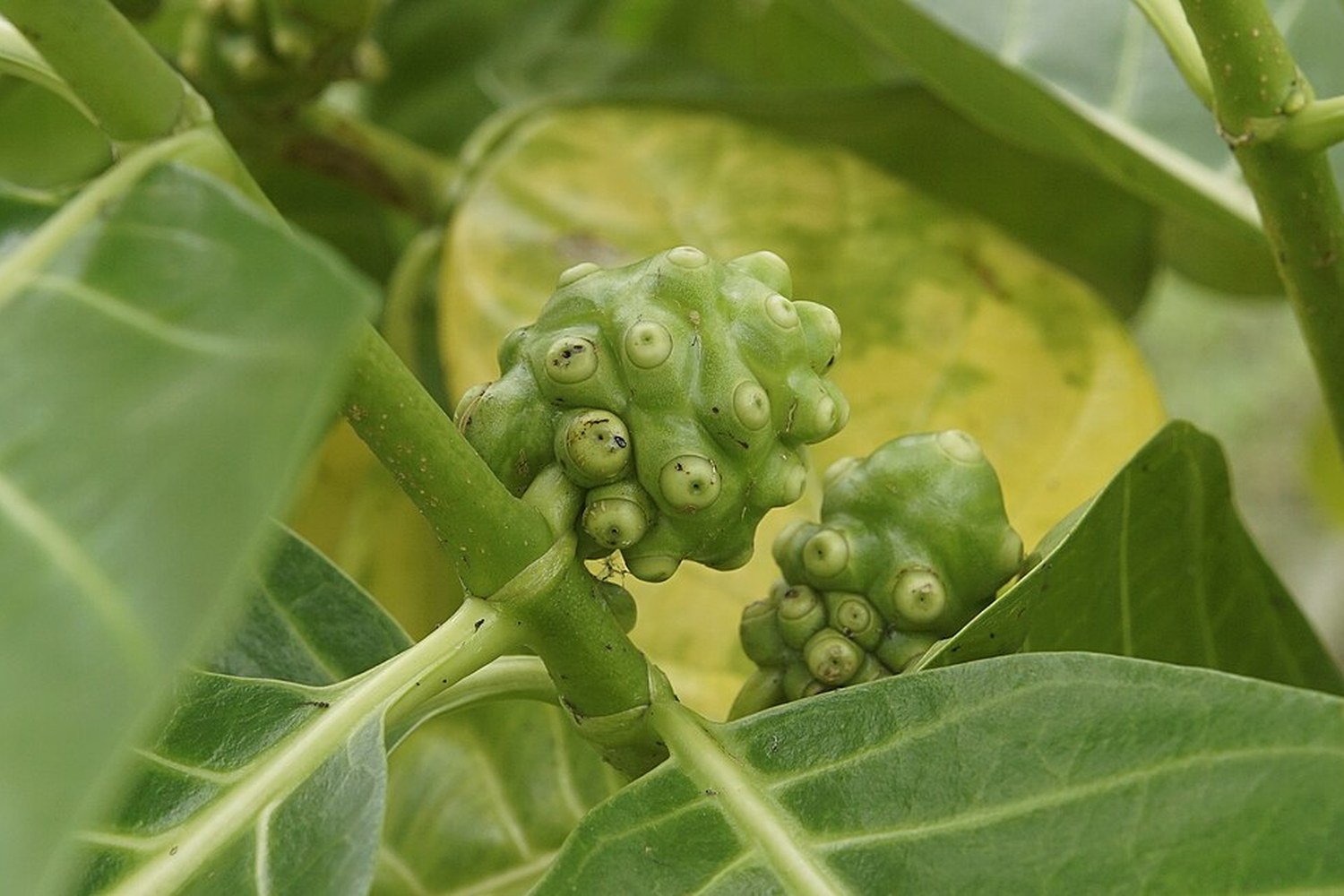
Morinda citrifolia
Scopoletin
PubChem ↗Measured in the lab: binds tightly to Carbonic anhydrase 9 · Ki 960 nM
Measured to act on
An enzyme that helps cells balance acidity by managing carbon dioxide.
Quercetin
PubChem ↗Measured in the lab: binds very tightly to Amine oxidase [flavin-containing] A · IC50 10 nM
Measured to act on
An enzyme that breaks down messenger chemicals like serotonin in the nervous system.
The enzyme that converts androgens into estrogen, the body main estrogen source.
An enzyme that converts glucose into sorbitol as part of cellular sugar handling.
Astragalus membranaceus
Formononetin
PubChem ↗Measured in the lab: binds very tightly to Apoptosis regulator Bcl-2 · Ki 10 nM
Measured to act on
A liver enzyme that breaks down many compounds the body takes in.
A protein that helps decide whether a cell continues living or undergoes natural turnover.
An enzyme that edits proteins to manage cellular cleanup and the cell internal scaffolding.
Calycosin
PubChem ↗Measured to act on
A protein that helps organize DNA and acts as an alarm signal during tissue stress.
Schisandra chinensis
Schisandrin B (Wuweizisu B)
PubChem ↗Measured in the lab: binds very tightly to Multidrug resistance-associated protein 1 · IC50 1.25 nM
Measured to act on
A guardian enzyme that senses DNA stress and helps coordinate repair.
A sentinel enzyme that detects DNA breaks and signals the cell to mend them.
An enzyme that helps stitch broken DNA strands back together.
Schisandrin C (= Wuweizisu C)
PubChem ↗Measured to act on
The enzyme that drives the body's inflammatory response.
The liver's busiest enzyme for breaking down compounds the body takes in.
A liver enzyme that helps metabolize and clear many compounds from the body.
Zingiber officinale
6-Gingerol
PubChem ↗Measured in the lab: binds to Transient receptor potential cation channel subfamily V member 1 · EC50 3.3 µM
Measured to act on
A major liver enzyme that processes a wide range of compounds the body takes in.
A repair enzyme that resolves certain DNA damage so the strand can be restored.
A liver enzyme that helps break down and process many compounds and natural substances.
6-Shogaol
PubChem ↗Measured in the lab: binds to Cytochrome P450 1A2 · IC50 2.5 µM
Measured to act on
A major liver enzyme that processes a wide range of compounds the body takes in.
A liver enzyme that processes many compounds, including some the body forms naturally.
A nerve-ending sensor that responds to heat and to the pungency of chili pepper compounds.
Cited science · not claims
Everything we publish about these plants traces to a primary source — the compounds to PubChem, ChEMBL, and BindingDB, the traditional uses to named, dated herbals. We describe what a plant is and what it is understood to nourish — the body’s own systems, structure and function only. We do not claim it treats, cures, or prevents any disease, and nothing here is a substitute for professional care. See our method & sources →
These statements have not been evaluated by the Food and Drug Administration. Not intended to diagnose, treat, cure, or prevent any disease.
Why these herbs together
The shared mechanism
More than one botanical in this blend is measured to engage the same molecular targets. We share the convergent chemistry — characterized and cited, never a claim.
Eucommia · Morinda · Astragalus
Morinda · Astragalus · Ginger
Morinda · Schizandra · Ginger
Eucommia · Morinda
Morinda · Astragalus
Astragalus · Ginger
Each convergence is a gene whose protein two or more of this formula’s herbs are measured to engage (PubChem BioAssay & ChEMBL). It describes characterized molecular activity and the protein’s normal role — structure and function only, never a claim to treat, cure, or prevent any disease.
In practice
Who it’s for, and how to use it
Who it’s for
For senior and aging dogs and cats — the companion who has slowed on the stairs, takes the cold morning more stiffly, or rises more carefully than they once did, and for the guardian who wants to carry the deep roots and warming barks of the tradition into the daily bowl as a gentle, graceful-aging practice rather than wait for trouble. It is a gentle, food-grade wellness tonic for healthy older animals, not a remedy for illness. Introduce one new botanical at a time, start at the low end of the dose, and for any pregnant, nursing, or medicated animal — or one with existing kidney, liver, or cardiovascular concerns — work with your veterinarian before beginning.
How to use it
Give as a daily wellness dose scaled to body weight, mixed into food: begin with the minimum and adjust as needed — about 1/16 tsp at 5 lbs, 1/8 tsp at 10 lbs, 1/4 tsp at 20-30 lbs, and 1/2 tsp at 40-50 lbs, once daily. Start low and build gradually so the body can settle into it; this is a cumulative tonic, best given consistently over time rather than in large or occasional doses. Net 1 oz / 12 g.
Measure · Wellness dose by body weight — begin with the minimum, adjust as needed: ~1/16 tsp at 5 lbs · ~1/8 tsp at 10 lbs · ~1/4 tsp at 20–30 lbs · ~1/2 tsp at 40–50 lbs, daily, mixed into food.
What’s inside
Inside: Eucommia bark leads — the tradition's structural tonic for back, bone, and tendon — built up with the deep longevity roots Cistanche, Rehmannia, and Morinda, fortified by Astragalus and Schizandra for resilience and antioxidant tone, and finished with warming Ginger to move the circulation and carry the blend through. Botanicals from one human herbal lineage, chosen and proportioned for the long, graceful arc of an animal's later years.
Structure-and-function support for animal nutrition and vitality. Introduce gradually and watch how your companion responds. Not intended to diagnose, treat, cure, or prevent any disease. If your animal is pregnant, nursing, or on medication, consult your veterinarian first.
Pairs well with
Formulas that share Longevity's botanicals
Built from overlapping herbs, these reinforce Longevity along the same lines — the shared-botanical kinship our genome engine maps.