
For Pets
Reserve
For the steady, clean flow that keeps an animal feeling like itself.
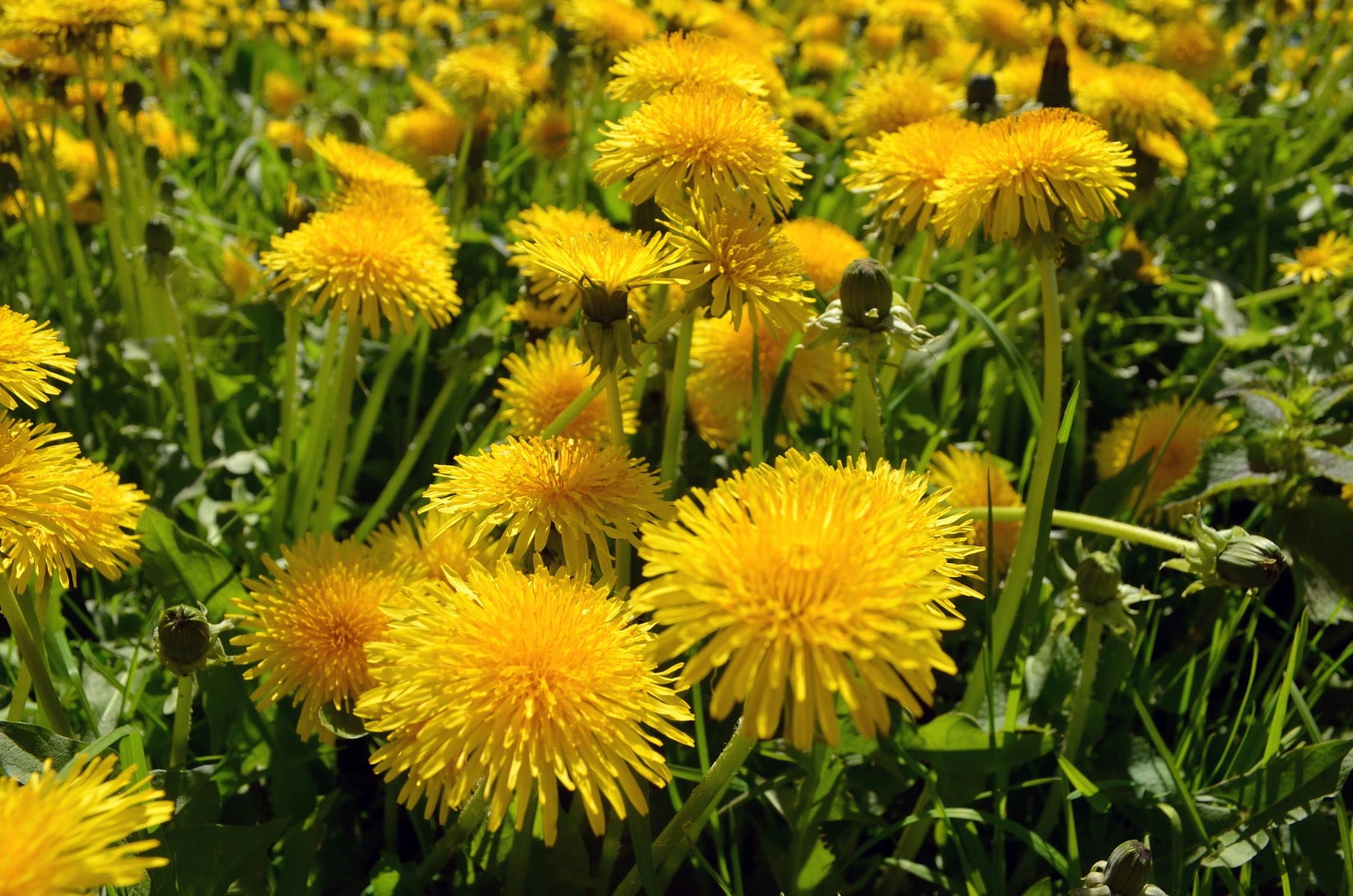
Wellspring is built around the deep-reserve root tradition of East Asian herbalism. The blend leans on rehmannia and cistanche, the roots the lineage reserved for the body's deepest reserves, paired with the gentle, water-moving character of dandelion. Together they encourage the body's natural rhythm of taking in, balancing, and letting go.
Day to day, that shows up as steady hydration and a body that handles its own fluid balance without strain. Eleuthero adds adaptogenic resilience so an older or harder-working animal holds its vigor, while goji — a sweet tonic berry in classical tradition — rounds the formula into something soft, palatable, and kind to a sensitive system.
Because it carries none of the heavy aromatic oils that overwhelm cats and small animals, Wellspring is made to be welcomed at the bowl rather than refused — a daily, food-grade companion at the bowl, soft and well-watered.
The characterized botanicals inside
Whole botanicals with compounds characterized in the scientific literature, used across centuries of traditional practice. We share the chemistry and the tradition — food and lineage, never a claim to treat any condition.
For Pets
Small-batch. Dual-extracted where it matters. Made by hand.
How to take it
Stir a small amount of the dilute extract or powder into food, scaled to your animal's body weight. Start low and build gradually.
Whole plant, never isolated
Concentrated extracts of the whole botanical — the way the body recognizes it.
Cited to measured biology
Every action we describe traces to the compound and its measured target.
Structure & function
We describe what an herb nourishes — never a claim to treat disease.
Secure checkout
Encrypted payment and human verification on every order.
- Free shipping over $150USPS Priority, tracked. $15 standard; ships in 1–3 business days.
- 30-day returnsIn original packaging and resalable condition. Refunded to your original payment method.
What you get
What this formula gives you
Built around rehmannia and cistanche, the deep tonic roots of tradition
Encourages healthy, steady fluid balance and hydration
Adaptogenic support for resilience in older or active animals
Gentle and palatable — kind to sensitive cats and small pets
Food-grade and body-weight-scaled for everyday use
How it works
The science of Reserve
Not buzzwords — the actual chemistry of the plants in this formula: their characterized compounds and the proteins those compounds are measured to engage, every one cited.
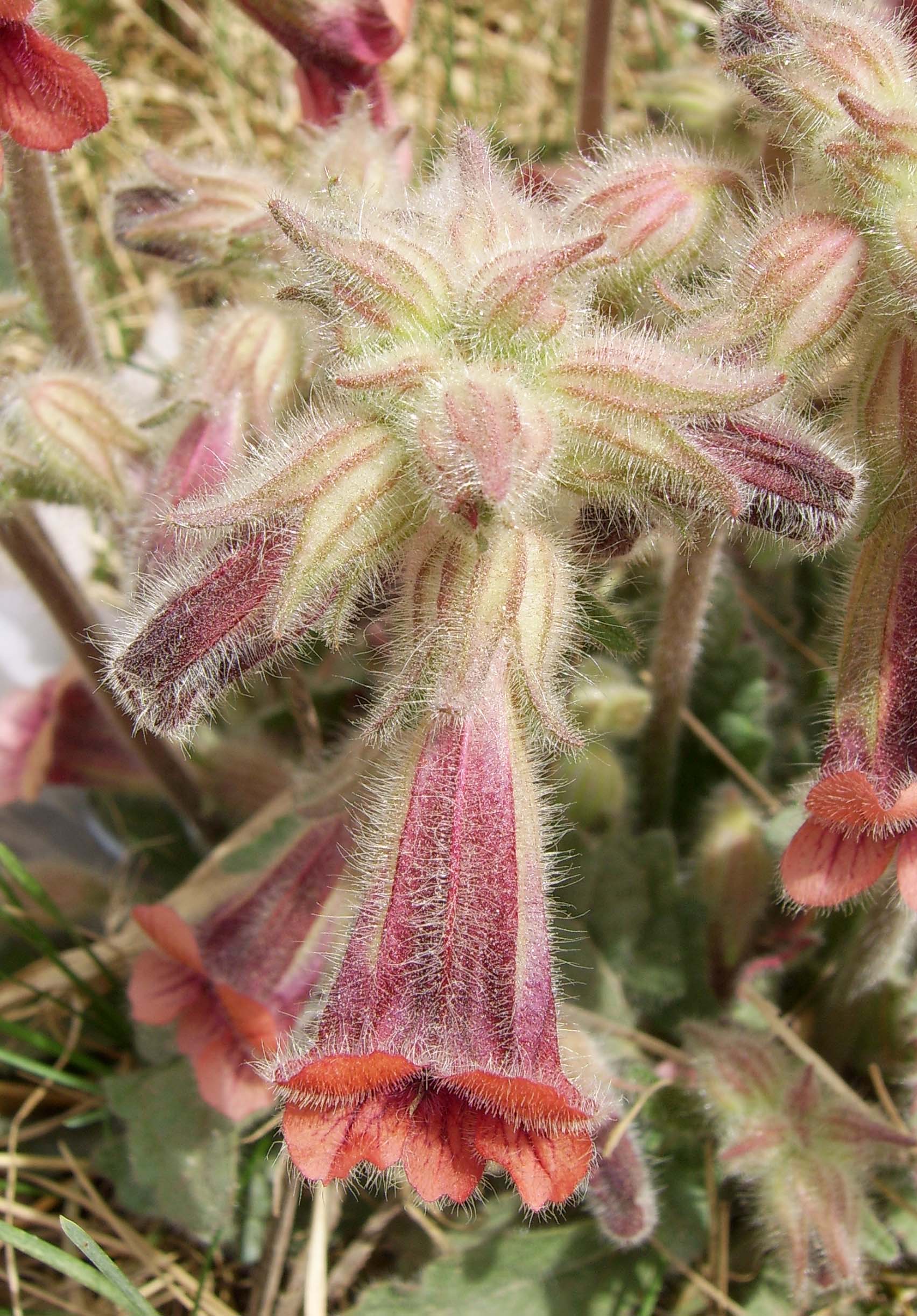
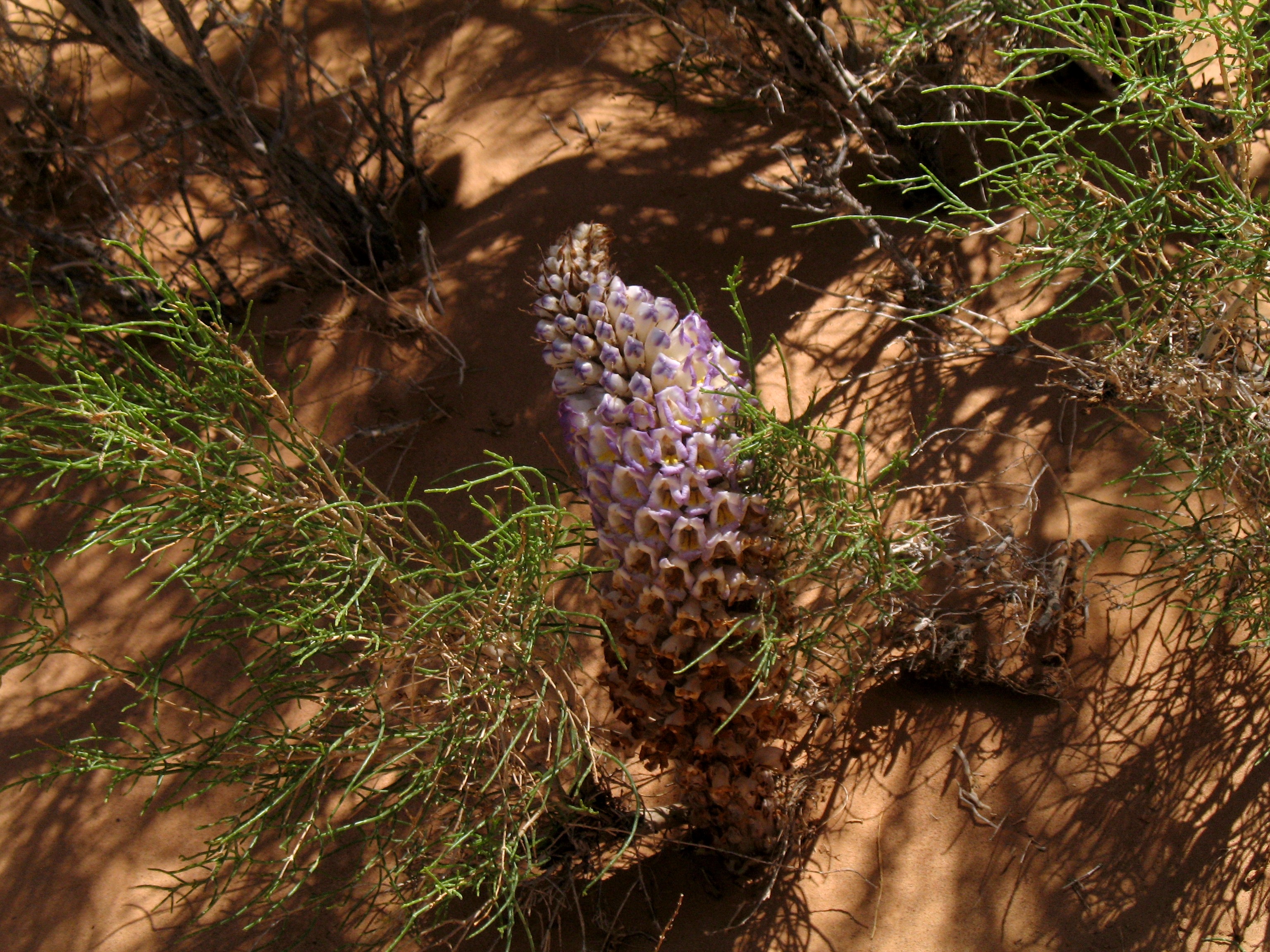
The formula's backbone is the deep-reserve root tradition of East Asian herbalism. Rehmannia is the classical root the tradition kept for nourishing the body's deep reserves, rich in the iridoid glycosides catalpol and the rehmanniosides characterized in our molecular data; cistanche is its warming counterpart, long valued for steady, deep-rooted vitality, carrying phenylethanoid glycosides like echinacoside and acteoside. Dandelion root, drawn from Western kitchen-and-field herbalism, is one of the oldest gentle waterway botanicals, traditionally valued for the easy passage of fluid, and bears the bitter sesquiterpene lactones and inulin our profiling reads.
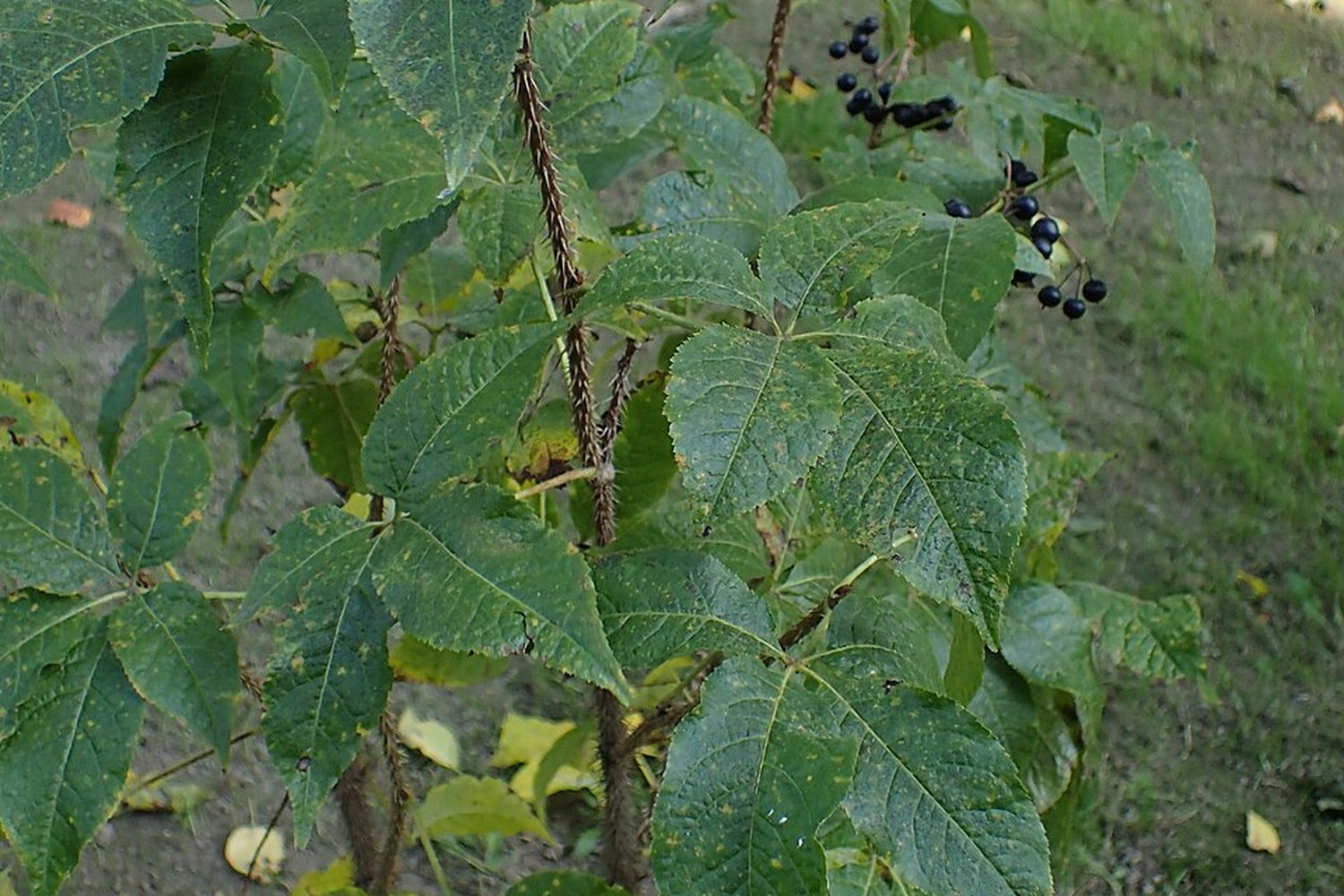
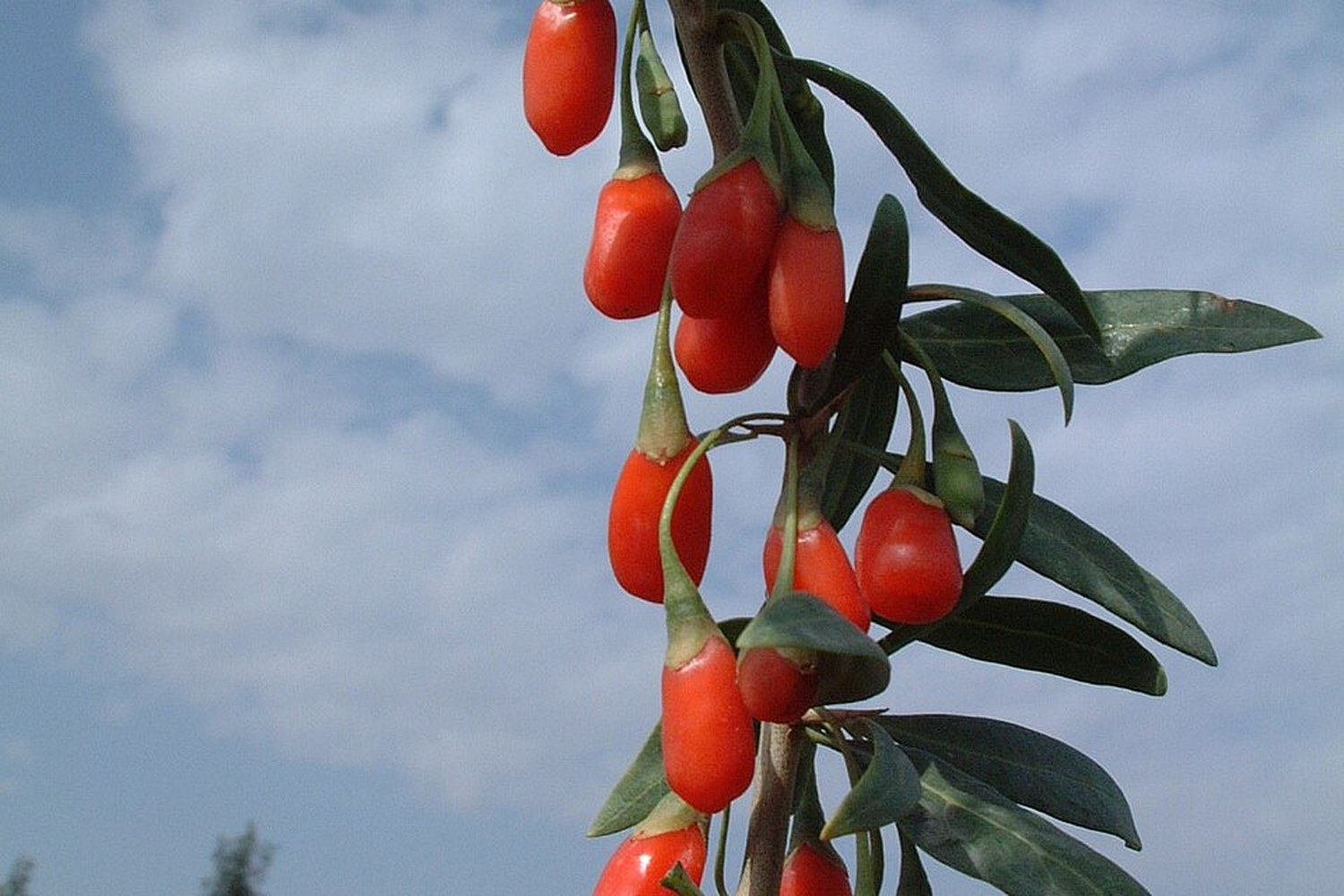
Around that core, eleuthero contributes adaptogenic balance — helping an animal's system hold steady under the ordinary wear of age and activity — through eleutherosides our data characterizes, while goji brings softness and palatability — a sweet tonic berry that helps the blend sit gently in the bowl. The result is a food-grade daily companion built from the real molecular character of each botanical rather than any disease claim.
The molecules, measured
A formula is a community of compounds. Below are active molecules from the herbs in this blend and the proteins each is measured to engage — the precise points where the plants meet biology. So you see not just that it works, but how.
Rehmannia glutinosa
Acteoside (Verbascoside)
PubChem ↗Measured in the lab: binds very tightly to Beta-secretase 1 · IC50 6.3 nM
Measured to act on
A family of signaling enzymes that relay messages controlling cell growth and activity.
Aucubin
PubChem ↗Measured to act on
An enzyme that makes prostaglandins for everyday housekeeping like stomach lining and blood flow.
The enzyme that drives the body's inflammatory response by producing prostaglandins.
The receptor through which estrogen signals, governing many reproductive and tissue functions.
Cistanche deserticola
Echinacoside
PubChem ↗Measured to act on
The enzyme that makes melanin, the pigment that gives skin and hair their color.
Acteoside / Verbascoside
PubChem ↗Measured to act on
An enzyme in brain cells that cuts certain membrane proteins as part of normal cellular processing.
An enzyme that processes the amino acid arginine, governing nitrogen handling within cells.
A signaling enzyme that relays messages inside cells, influencing growth and communication.
Taraxacum officinale
Luteolin
PubChem ↗Measured to act on
A receptor that helps guide immune cell development and daily metabolic rhythms.
A major liver enzyme that processes and clears a large share of dietary and plant compounds.
An enzyme that breaks down purines, producing uric acid as a byproduct.
Apigenin
PubChem ↗Measured to act on
A major liver enzyme that processes and clears a large share of dietary and plant compounds.
The enzyme that converts androgens into estrogens, balancing the body's hormones.
An enzyme that breaks down serotonin and other mood-related brain messengers.
Eleutherococcus senticosus
Eleutheroside B (Syringin)
PubChem ↗Measured to act on
An enzyme that makes prostaglandins, messengers that protect the stomach lining and aid clotting.
An enzyme that breaks down fatty-acid signals involved in blood vessel tone and inflammation.
Sesamin
PubChem ↗Measured to act on
The sensory channel that detects cold and the cooling feel of menthol.
The receptor through which vitamin D guides calcium balance and gene activity.
A signaling enzyme that helps coordinate cell division.
Lycium barbarum
Betaine
PubChem ↗Measured to act on
An enzyme that recycles the amino acid homocysteine back into methionine using betaine.
Scopoletin
PubChem ↗Measured in the lab: binds tightly to Carbonic anhydrase 9 · Ki 960 nM
Measured to act on
An enzyme that helps cells balance acidity by managing carbon dioxide.
Cited science · not claims
Everything we publish about these plants traces to a primary source — the compounds to PubChem, ChEMBL, and BindingDB, the traditional uses to named, dated herbals. We describe what a plant is and what it is understood to nourish — the body’s own systems, structure and function only. We do not claim it treats, cures, or prevents any disease, and nothing here is a substitute for professional care. See our method & sources →
These statements have not been evaluated by the Food and Drug Administration. Not intended to diagnose, treat, cure, or prevent any disease.
Why these herbs together
The shared mechanism
More than one botanical in this blend is measured to engage the same molecular targets. We share the convergent chemistry — characterized and cited, never a claim.
Rehmannia · Cistanche · Goji Berry
Dandelion · Eleuthero · Goji Berry
Dandelion · Eleuthero · Goji Berry
Rehmannia · Cistanche · Eleuthero
Rehmannia · Cistanche · Eleuthero
Rehmannia · Cistanche
Each convergence is a gene whose protein two or more of this formula’s herbs are measured to engage (PubChem BioAssay & ChEMBL). It describes characterized molecular activity and the protein’s normal role — structure and function only, never a claim to treat, cure, or prevent any disease.
In practice
Who it’s for, and how to use it
Who it’s for
For dogs, cats, and other companion animals whose people want a gentle, daily, food-grade botanical stirred into the bowl. A good fit for seniors and hard-working animals who do well on steady, water-moving tonic roots drawn from East Asian and Western tradition.
How to use it
Stir a small amount of the dilute extract or powder into your animal's food once daily, scaled to body weight. Begin with a low amount and increase gradually as it settles into the routine.
Measure · Stir a small amount of the dilute extract or powder into food, scaled to your animal's body weight. Start low and build gradually.
What’s inside
Inside you'll find rehmannia and cistanche, the deep reserve-tonic roots of East Asian tradition, alongside dandelion's gentle water-moving character, and the steadying lift of eleuthero, with goji to round it soft and palatable at the bowl.
Structure-and-function support for animal nutrition and vitality. Introduce gradually and watch how your companion responds. Not intended to diagnose, treat, cure, or prevent any disease. If your animal is pregnant, nursing, or on medication, consult your veterinarian first.
Pairs well with
Formulas that share Reserve's botanicals
Built from overlapping herbs, these reinforce Reserve along the same lines — the shared-botanical kinship our genome engine maps.