For Pets
Shine
For the coat that turns heads — deep nourishment for lustrous fur and calm, healthy skin, fed from the inside out.
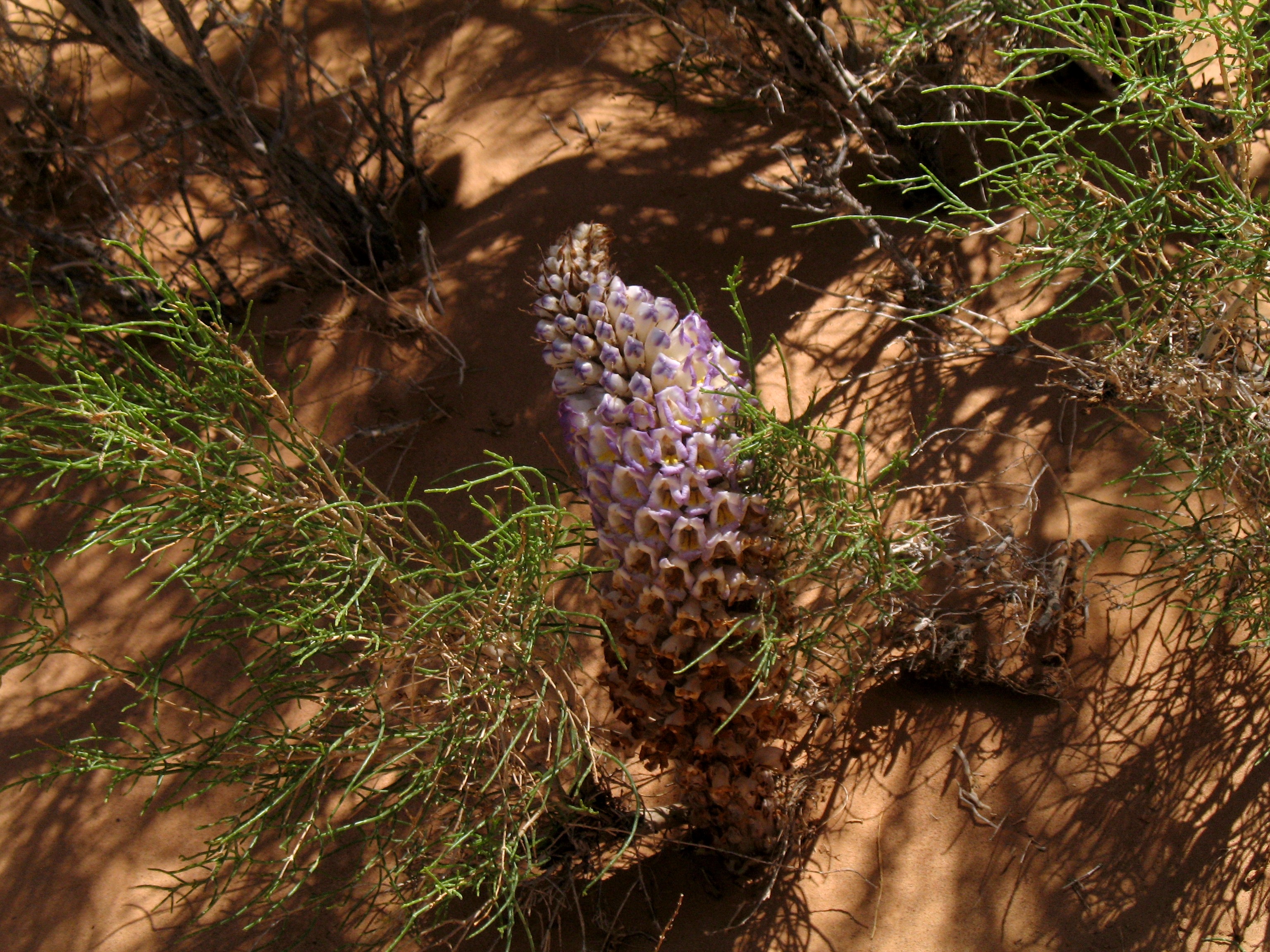
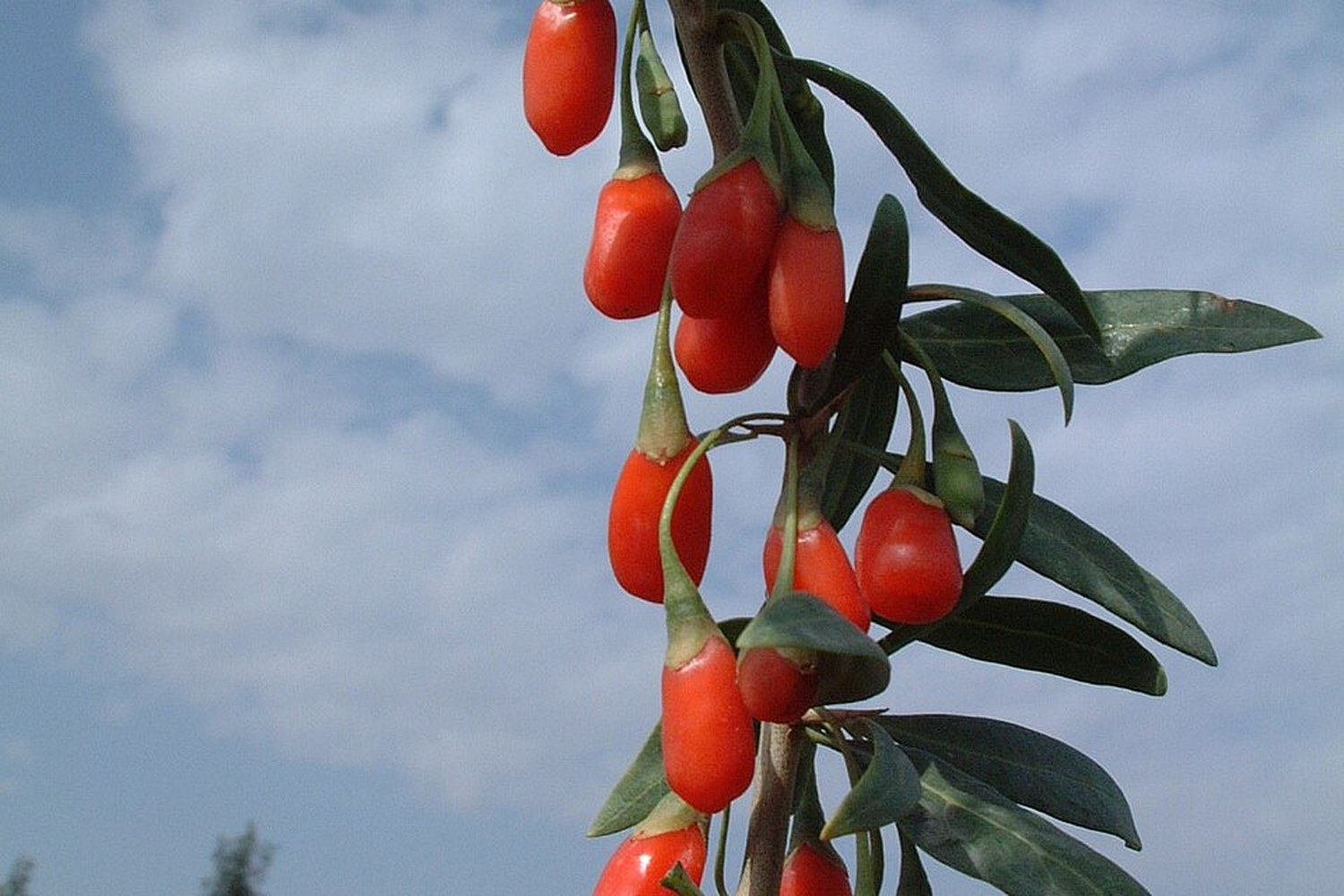
A glossy coat is not a cosmetic — it is a readout. When a dog or cat is truly thriving, it shows up first at the surface: the fur lies sleek and reflects light, the surface underneath is supple and settled, shedding is even and seasonal rather than constant, and there is none of the dull, flaky, dander-heavy coarseness that tells you the animal's reserves are running thin. Shine is built to feed that whole picture from the inside — carotenoid-rich goji, the deep desert root cistanche, and the connective-tissue bark eucommia, the botanicals the tradition kept for the look and fullness of an animal's coat, characterized in our molecular data.
Skin and coat are some of the most metabolically demanding tissue an animal carries. Hair is almost pure structural protein, grown continuously, and the skin is a living barrier that has to renew itself constantly while standing up to weather, friction, and oxidative wear. That makes the coat exquisitely sensitive to whatever is happening deeper in — nutrient delivery, antioxidant defense, the liver's clearing work, and the steady supply of building blocks for structural protein. Shine pairs deep nourishing tonics with antioxidant-rich, skin-traditional botanicals to support all of those upstream systems at once, rather than just coating the fur from the outside.
This is a formula you reach for when you want the long game: not a quick gloss, but the kind of coat condition that comes from an animal whose body is well-supplied and well-defended. It is gentle enough for daily use, mixes cleanly into food, and is built on food-grade tonic herbs chosen with companion-animal safety in mind. Over weeks of steady feeding, the goal is simple and visible — a coat with real depth and shine, skin that looks calm and comfortable, and an animal that carries the unmistakable look of being well.
The characterized botanicals inside
Whole botanicals with compounds characterized in the scientific literature, used across centuries of traditional practice. We share the chemistry and the tradition — food and lineage, never a claim to treat any condition.
For Pets
Small-batch. Dual-extracted where it matters. Made by hand.
How to take it
Wellness dose by body weight — begin with the minimum, adjust as needed: ~1/16 tsp at 5 lbs · ~1/8 tsp at 10 lbs · ~1/4 tsp at 20–30 lbs · ~1/2 tsp at 40–50 lbs, daily, mixed into food.
Whole plant, never isolated
Concentrated extracts of the whole botanical — the way the body recognizes it.
Cited to measured biology
Every action we describe traces to the compound and its measured target.
Structure & function
We describe what an herb nourishes — never a claim to treat disease.
Secure checkout
Encrypted payment and human verification on every order.
- Free shipping over $150USPS Priority, tracked. $15 standard; ships in 1–3 business days.
- 30-day returnsIn original packaging and resalable condition. Refunded to your original payment method.
What you get
What this formula gives you
A lustrous, light-catching coat and full, healthy fur, built over weeks of steady feeding
Carotenoid- and polyphenol-rich botanicals the tradition kept for a calm, supple, well-set coat
Delivers carotenoid and polyphenol antioxidant constituents — the molecules measured in goji and cistanche
Supports the structural-protein and connective-tissue foundation a good coat grows from
Backs the body's natural clearing, elimination, and clean nutrient-delivery pathways
Gentle, food-grade, and built for daily use in both dogs and cats
How it works
The science of Shine
Not buzzwords — the actual chemistry of the plants in this formula: their characterized compounds and the proteins those compounds are measured to engage, every one cited.
A healthy coat begins below the surface, with four things the skin needs in steady supply: antioxidant protection for hard-working tissue, structural raw material for the proteins of skin and hair, clean nutrient delivery, and a resilient barrier. Shine is composed around the herbs that, by their measured chemistry, support exactly those pillars. Goji (Lycium barbarum) and cistanche (Cistanche deserticola) anchor the antioxidant layer. Goji carries carotenoids — zeaxanthin, zeaxanthin dipalmitate, and beta-carotene — alongside the flavonoid quercetin and chlorogenic acid; these are the pigments and polyphenols the tradition prized for a vivid coat, part of the body's balance against the reactive oxygen produced by sun, metabolism, and everyday wear. Cistanche contributes its signature phenylethanoid glycosides — echinacoside and acteoside — polyphenols the body recognizes as redox-active, and it is the classical 'desert ginseng' of the East Asian tradition, the reserve-building root valued for generations for the fullness that shows in a coat.
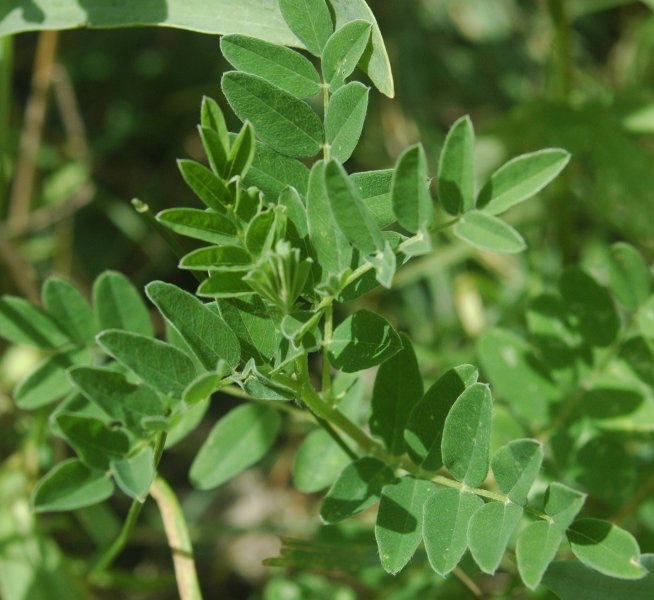
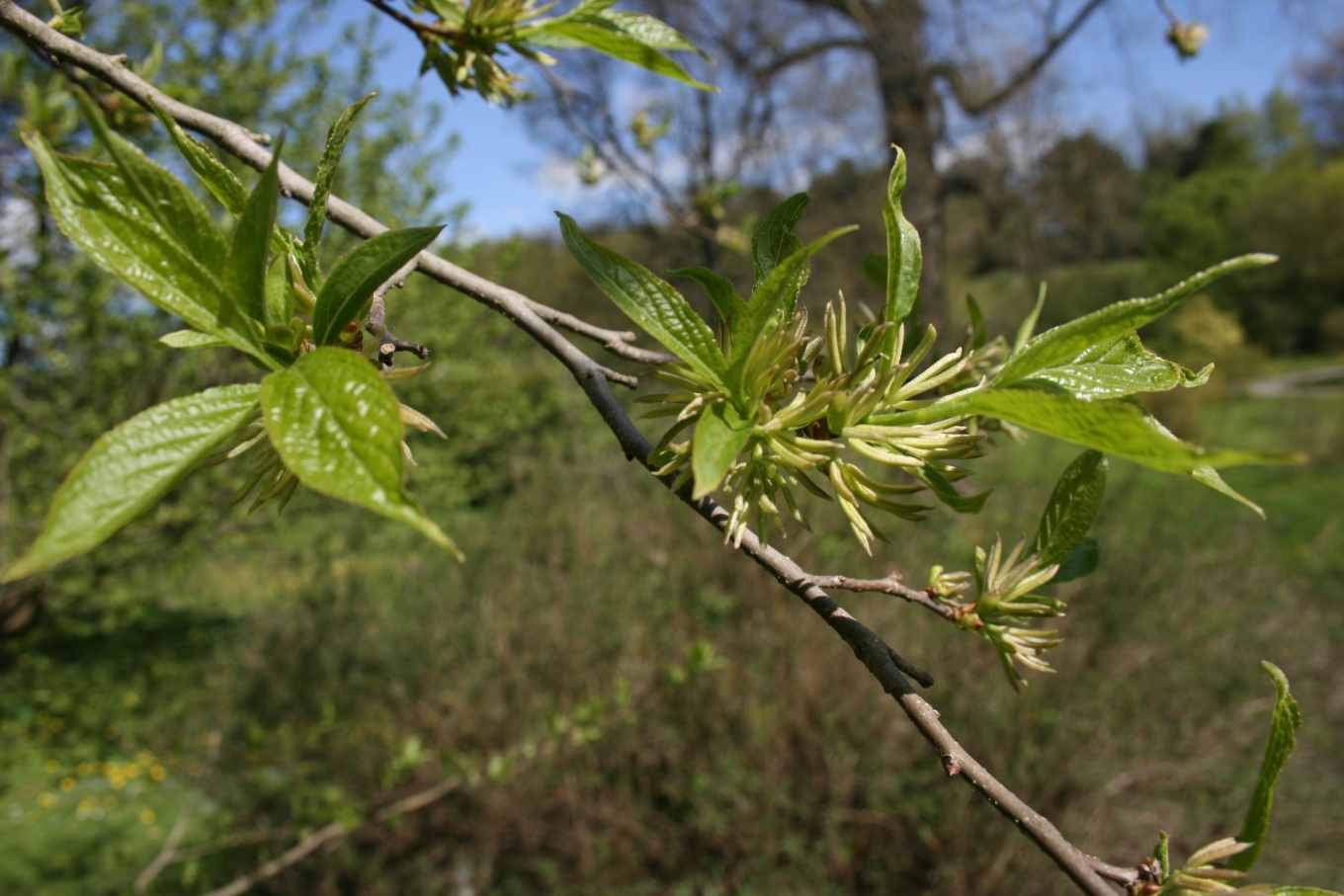
The second pillar is structure and barrier. A coat is keratin laid down continuously over a collagen scaffold, so its quality tracks the animal's reserves of structural protein. Eucommia (Eucommia ulmoides) is the connective-tissue bark of the blend: rich in chlorogenic acid and iridoid glycosides (aucubin, geniposide, geniposidic acid) plus the lignan pinoresinol diglucoside, it has been kept across traditions for bone, tendon, and connective-tissue framing — the same collagen-bearing matrix the herbalist linked to a deep, well-set coat. Astragalus (Astragalus membranaceus) is the tradition's 'yellow leader': its polysaccharides and saponins (astragalosides), with antioxidant flavonoids kaempferol, calycosin, and quercetin, are the food-grade tonic compounds the lineage reached for to keep a well-defended surface. Across goji, astragalus, burdock, and eucommia, a shared flavonoid — quercetin — repeatedly engages aldose reductase (AKR1B1) and detoxifying cytochrome enzymes, a measured signature of the antioxidant and metabolic-balancing tone these plants share.
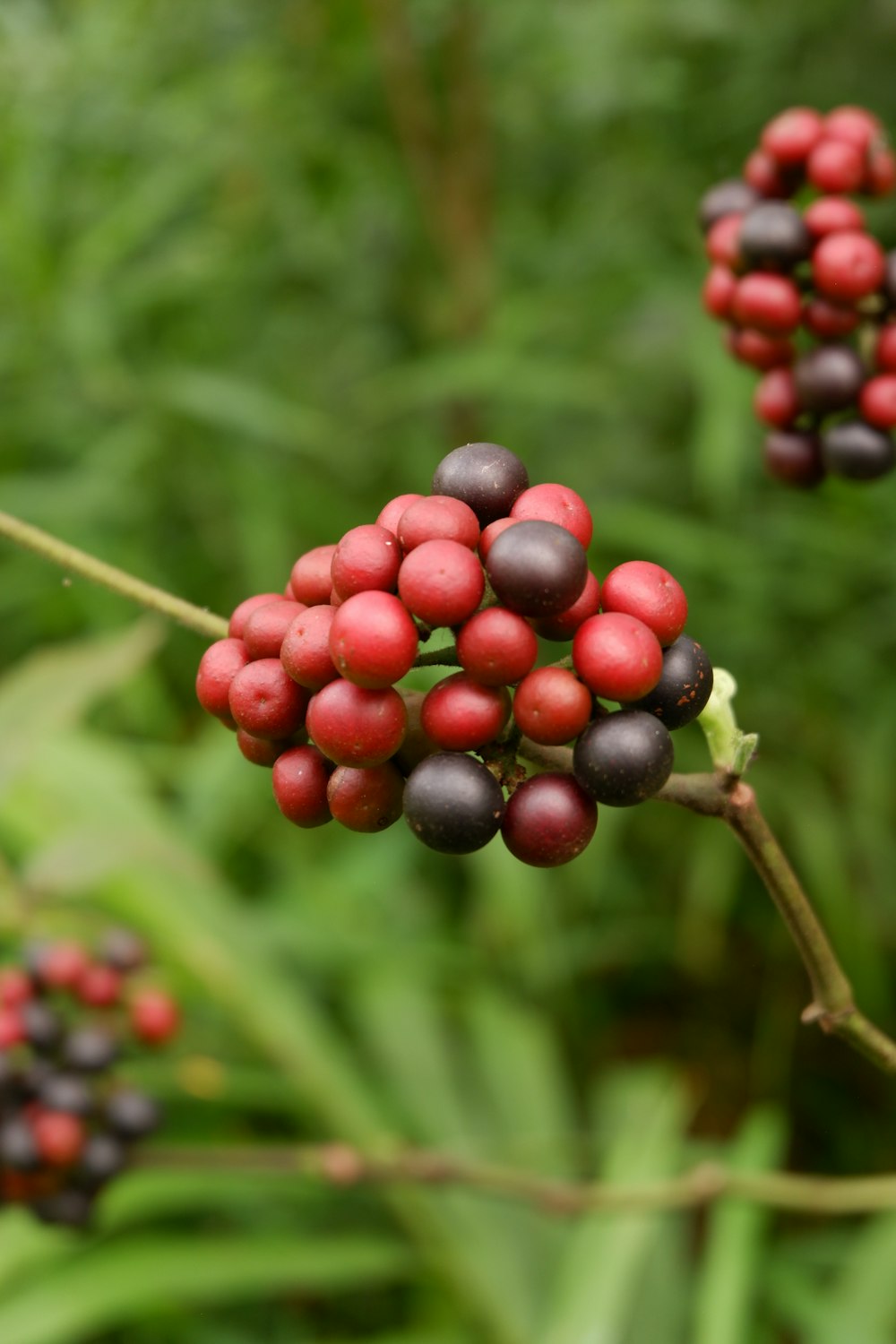
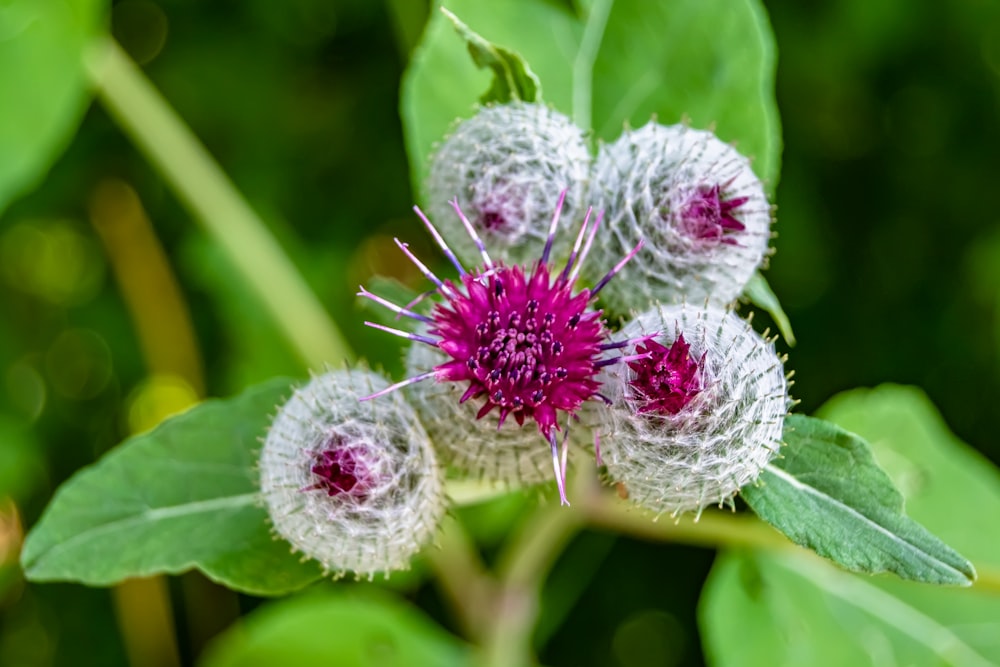
The third pillar is clearance and delivery — the quiet plumbing of a good coat. Burdock (Arctium lappa) is the Western and Eastern tradition's premier skin-and-blood alterative, a bitter taproot rich in the prebiotic fiber inulin plus polyphenols (caffeic acid, luteolin, arctigenin, chlorogenic acid). The inulin is a fermentable fiber the gut microbiome reads as food, while its polyphenols are the constituents the herbalist tied to clean elimination — in the organ map it touches Blood/Circulatory, Lymphatic, and Skin together, exactly the route by which 'inside vitality' becomes 'outside shine.' Schizandra (Schisandra chinensis), the five-flavor berry, completes the picture with its lignans (schisandrins, gomisins); among its measured molecular targets is COX-2, consistent with its long traditional use for calm, well-set tissue. Together these herbs form a coherent system — antioxidant tone (goji, cistanche), structural and connective framing (eucommia, astragalus), and clearance and delivery (burdock, schizandra) — the same full-spectrum lineage the apothecary has always kept for a coat with real luster. This is food framing: nourishment stirred into the daily bowl, characterized in our molecular data, not treatment of any condition.
The molecules, measured
A formula is a community of compounds. Below are active molecules from the herbs in this blend and the proteins each is measured to engage — the precise points where the plants meet biology. So you see not just that it works, but how.
Cistanche deserticola
Echinacoside
PubChem ↗Measured to act on
The enzyme that makes melanin, the pigment that gives skin and hair their color.
Acteoside / Verbascoside
PubChem ↗Measured to act on
An enzyme in brain cells that cuts certain membrane proteins as part of normal cellular processing.
An enzyme that processes the amino acid arginine, governing nitrogen handling within cells.
A signaling enzyme that relays messages inside cells, influencing growth and communication.
Lycium barbarum
Betaine
PubChem ↗Measured to act on
An enzyme that recycles the amino acid homocysteine back into methionine using betaine.
Scopoletin
PubChem ↗Measured in the lab: binds tightly to Carbonic anhydrase 9 · Ki 960 nM
Measured to act on
An enzyme that helps cells balance acidity by managing carbon dioxide.
Schisandra chinensis
Schisandrin B (Wuweizisu B)
PubChem ↗Measured in the lab: binds very tightly to Multidrug resistance-associated protein 1 · IC50 1.25 nM
Measured to act on
A guardian enzyme that senses DNA stress and helps coordinate repair.
A sentinel enzyme that detects DNA breaks and signals the cell to mend them.
An enzyme that helps stitch broken DNA strands back together.
Schisandrin C (= Wuweizisu C)
PubChem ↗Measured to act on
The enzyme that drives the body's inflammatory response.
The liver's busiest enzyme for breaking down compounds the body takes in.
A liver enzyme that helps metabolize and clear many compounds from the body.
Astragalus membranaceus
Formononetin
PubChem ↗Measured in the lab: binds very tightly to Apoptosis regulator Bcl-2 · Ki 10 nM
Measured to act on
A liver enzyme that breaks down many compounds the body takes in.
A protein that helps decide whether a cell continues living or undergoes natural turnover.
An enzyme that edits proteins to manage cellular cleanup and the cell internal scaffolding.
Calycosin
PubChem ↗Measured to act on
A protein that helps organize DNA and acts as an alarm signal during tissue stress.
Arctium lappa
Arctigenin
PubChem ↗Measured in the lab: binds very tightly to Dual specificity mitogen-activated protein kinase kinase 1 · IC50 1 nM
Measured to act on
A signaling enzyme that passes growth messages along a relay chain inside the cell.
A liver enzyme involved in processing a variety of compounds the body encounters.
A receptor that switches certain genes on, helping guide immune-cell development.
Chlorogenic acid
PubChem ↗Measured in the lab: binds very tightly to Tyrosine-protein phosphatase non-receptor type 1 · IC50 100 nM
Measured to act on
An enzyme that removes phosphate tags from proteins, helping regulate insulin and metabolic signaling.
An enzyme that converts excess glucose into sorbitol, part of normal sugar metabolism.
Eucommia ulmoides
Chlorogenic acid
PubChem ↗Measured in the lab: binds very tightly to Tyrosine-protein phosphatase non-receptor type 1 · IC50 100 nM
Measured to act on
A viral enzyme HIV uses to insert its genetic material into a host cell's DNA.
An enzyme that dials down insulin and growth signaling by removing phosphate tags.
An enzyme that converts glucose into sorbitol as part of cellular sugar handling.
Quercetin
PubChem ↗Measured in the lab: binds very tightly to Amine oxidase [flavin-containing] A · IC50 10 nM
Measured to act on
A structural protein that stabilizes the internal scaffolding of nerve cells.
An enzyme that converts excess glucose into sorbitol, part of how cells handle sugar.
A liver-type enzyme that processes hormones and environmental compounds.
Cited science · not claims
Everything we publish about these plants traces to a primary source — the compounds to PubChem, ChEMBL, and BindingDB, the traditional uses to named, dated herbals. We describe what a plant is and what it is understood to nourish — the body’s own systems, structure and function only. We do not claim it treats, cures, or prevents any disease, and nothing here is a substitute for professional care. See our method & sources →
These statements have not been evaluated by the Food and Drug Administration. Not intended to diagnose, treat, cure, or prevent any disease.
Why these herbs together
The shared mechanism
More than one botanical in this blend is measured to engage the same molecular targets. We share the convergent chemistry — characterized and cited, never a claim.
Goji Berry · Astragalus · Burdock · Eucommia
Goji Berry · Astragalus · Burdock
Goji Berry · Eucommia
Astragalus · Burdock
Goji Berry · Astragalus
Each convergence is a gene whose protein two or more of this formula’s herbs are measured to engage (PubChem BioAssay & ChEMBL). It describes characterized molecular activity and the protein’s normal role — structure and function only, never a claim to treat, cure, or prevent any disease.
In practice
Who it’s for, and how to use it
Who it’s for
For dogs and cats whose coats look dull, dry, coarse, or flat, who shed heavily, or who carry a lot of dander — and for any companion whose person simply wants the carotenoid-rich, antioxidant botanicals the tradition kept for a sleek, well-set coat as part of the everyday bowl. Especially worth reaching for through seasonal coat changes, dry months, or any stretch where an animal's surface condition reflects that its reserves could use replenishing. As with any new botanical, introduce gradually, start at the low end of the dose, and consult your veterinarian for pregnant, nursing, or medicated animals or those with existing liver or kidney concerns.
How to use it
Wellness dose by body weight — begin with the minimum and adjust as needed: about 1/16 tsp at 5 lbs, 1/8 tsp at 10 lbs, 1/4 tsp at 20-30 lbs, and 1/2 tsp at 40-50 lbs, once daily, mixed thoroughly into food. Start low, build over several days, and give consistently — coat changes are gradual, and the shine you are after shows over weeks of steady feeding.
Measure · Wellness dose by body weight — begin with the minimum, adjust as needed: ~1/16 tsp at 5 lbs · ~1/8 tsp at 10 lbs · ~1/4 tsp at 20–30 lbs · ~1/2 tsp at 40–50 lbs, daily, mixed into food.
What’s inside
Inside: goji and cistanche lead as the antioxidant and traditional coat-vitality pair, with eucommia and astragalus for structural and connective constituents, and burdock and schizandra rounding it out for the body's natural clearing and the antioxidant tone the tradition kept. Food-grade tonic herbs from one human herbal lineage, chosen and proportioned for the animal in front of you.
Structure-and-function support for animal nutrition and vitality. Introduce gradually and watch how your companion responds. Not intended to diagnose, treat, cure, or prevent any disease. If your animal is pregnant, nursing, or on medication, consult your veterinarian first.
Pairs well with
Formulas that share Shine's botanicals
Built from overlapping herbs, these reinforce Shine along the same lines — the shared-botanical kinship our genome engine maps.