
For Pets
Eyes
Clear eyes, sharp senses, and a mind that stays curious — for the companion who is growing wiser, not slower.
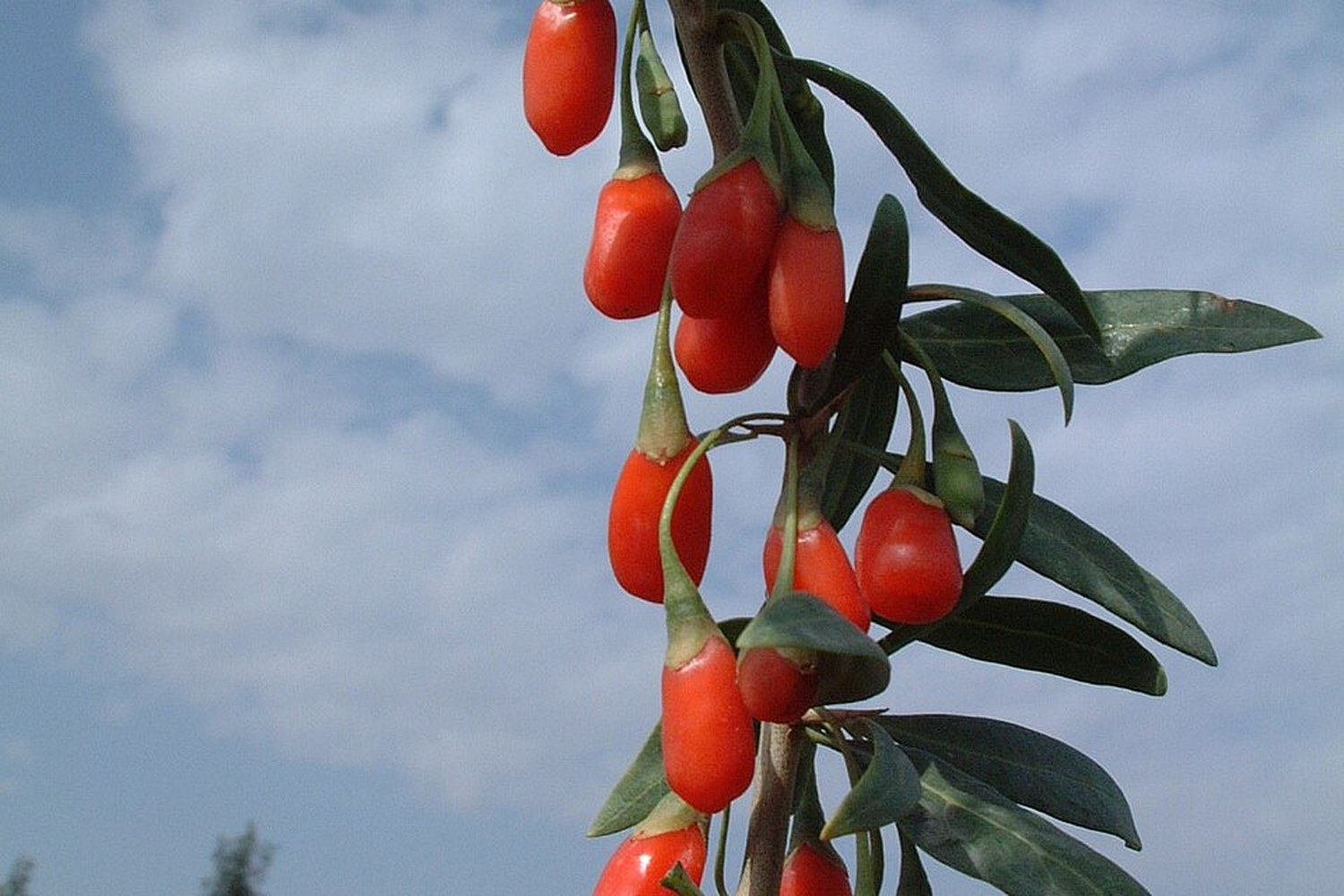
Bright is built for the maturing animal — the dog who used to track every squirrel and now sometimes stares past it, the cat whose evening eyes have softened, the horse who hesitates a half-beat longer at a familiar gate. It is a daily food for the senses: a hot-water extract of goji and its carotenoids zeaxanthin and beta-carotene — the bright-berry botanicals the East Asian tradition kept for the senior companion, characterized in our molecular data — stirred into the daily bowl as the years draw on.
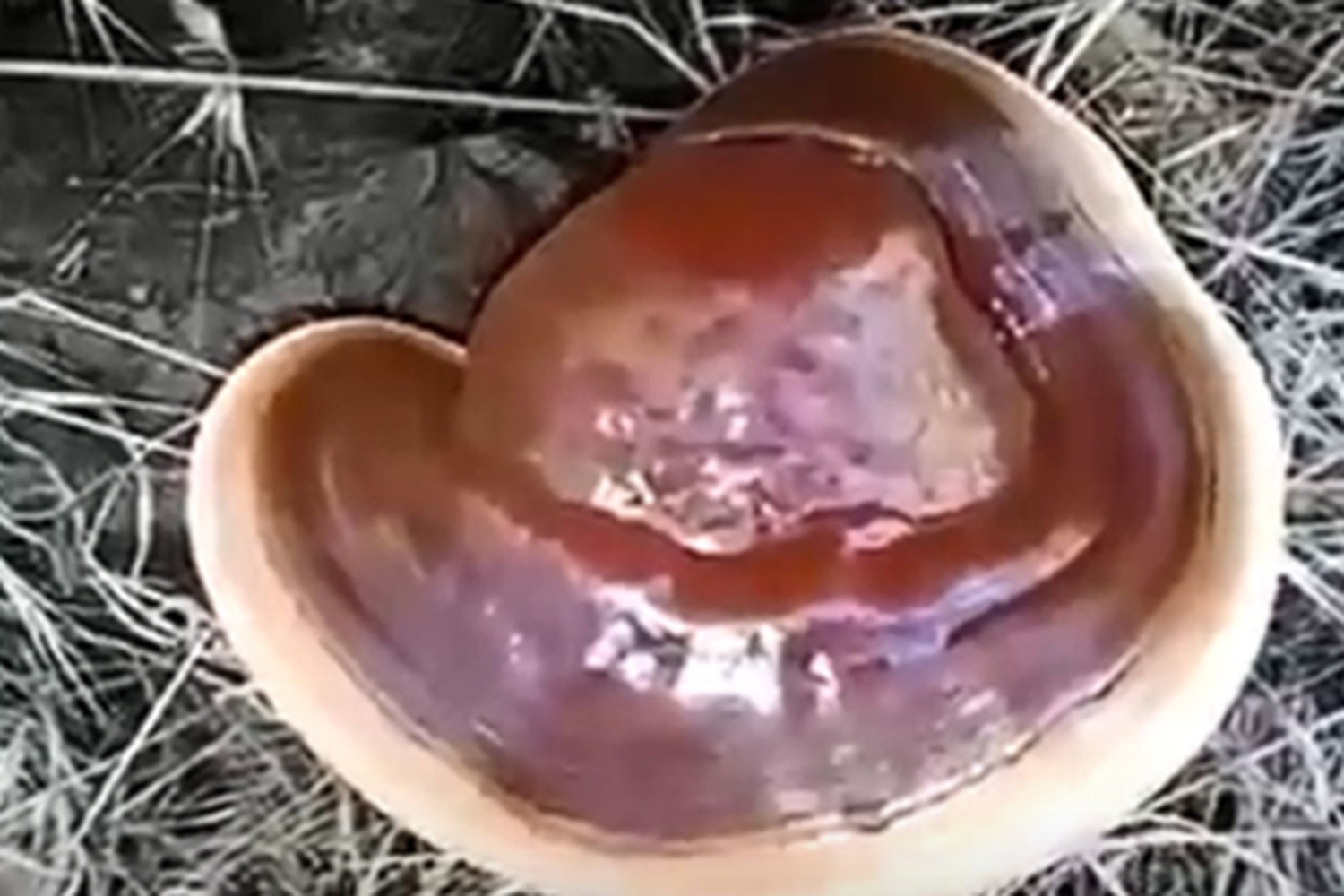
The aim is engagement. A bright animal notices things — turns toward a name, finds the toy, watches the door, meets your eyes. Bright leans on a convergent set of tonic botanicals: goji, the carotenoid-rich "brightening" berry of the East Asian materia medica, set alongside gynostemma, astragalus, and reishi, the great qi-and-vitality tonics the lineage reached for in the elder years. Together they are food, stirred steadily into the daily bowl — quiet, cumulative nourishment in the herbal tradition rather than a stimulant.
This is structure-and-function nourishment. Bright gives the body of a healthy maturing animal the kind of grounded botanical material that vision and alertness are built from, so the senses stay sharp and the mind stays present through the years when both naturally begin to ask for more support. It supports a well animal and sits alongside your veterinarian's care rather than replacing it.
Every herb in Bright is a gentle, well-fed tonic rather than a stimulant. Nothing here winds an animal up or pushes a system hard. It is meant to be stirred into food and taken steadily, the way good nourishment always works — quietly, cumulatively, in partnership with the animal's own vitality.
The characterized botanicals inside
Whole botanicals with compounds characterized in the scientific literature, used across centuries of traditional practice. We share the chemistry and the tradition — food and lineage, never a claim to treat any condition.
For Pets
Small-batch. Dual-extracted where it matters. Made by hand.
How to take it
A small amount of the dilute hot-water extract or powder stirred into food, scaled to body weight. Start low and build gradually over days.
Whole plant, never isolated
Concentrated extracts of the whole botanical — the way the body recognizes it.
Cited to measured biology
Every action we describe traces to the compound and its measured target.
Structure & function
We describe what an herb nourishes — never a claim to treat disease.
Secure checkout
Encrypted payment and human verification on every order.
- Free shipping over $150USPS Priority, tracked. $15 standard; ships in 1–3 business days.
- 30-day returnsIn original packaging and resalable condition. Refunded to your original payment method.
What you get
What this formula gives you
Goji's retinal carotenoids — zeaxanthin and beta-carotene, the bright-berry pigments characterized in our molecular data — are the very compounds the East Asian tradition reached for whenever sight was prized
Helps keep an aging companion alert, curious, and engaged with the world rather than drifting or withdrawing
Feeds steady cellular energy through gynostemma's AMPK-active saponins, so attention has the reserve to last through the day
Builds a resilient daily baseline with astragalus and reishi, two of the most trusted tonic herbs in the entire herbal tradition
Keeps the maturing animal settled and present — longan's grounding, spirit-nourishing character favors calm engagement over restlessness
Gentle, food-based, and non-stimulating — a daily tonic that works cumulatively and partners with the animal's own vitality
How it works
The science of Eyes
Not buzzwords — the actual chemistry of the plants in this formula: their characterized compounds and the proteins those compounds are measured to engage, every one cited.
Bright is anchored on goji (Lycium), reached for across the East Asian, Greek-Galenic, and later Western traditions whenever the eyes and the spirit dim together — the classic "brightening the eyes" herb. The modern reason is visible in its chemistry: goji is unusually rich in the carotenoids zeaxanthin and beta-carotene. Zeaxanthin is one of the two pigments the retina actively concentrates into the macula — the body deliberately stockpiles it at the exact spot where fine sight happens. Supplying these carotenoids as food delivers the very pigments goji is unusually rich in. Goji also carries betaine, a methyl-donor nutrient that participates in the body's normal one-carbon housekeeping. This is carotenoid nourishment, characterized in our molecular data.
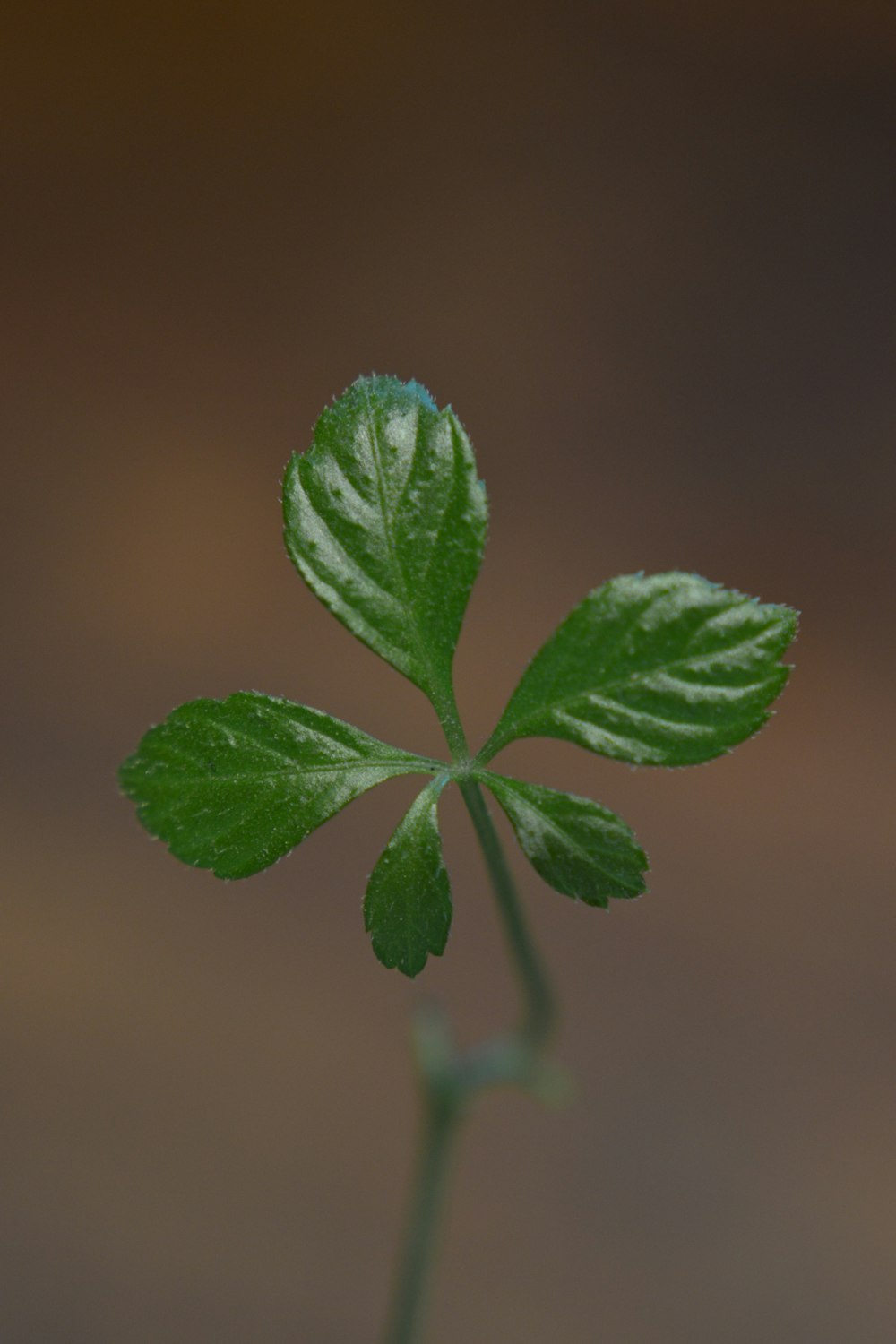
Sharp senses need a sharp mind behind them, and that is the work of the second layer. Gynostemma contributes the ginsenoside Rb1, whose measured action runs through AMPK — the cell's master energy-balance switch — supporting the steady cellular energy that an attentive, engaged brain runs on. Astragalus and reishi round out the foundation as two of the most respected tonics in the entire herbal canon: astragalus, the great qi-and-defense tonic of East Asian practice, carries astragaloside saponins and polysaccharides that support the body's resilient baseline, while reishi's triterpenes and beta-glucans have made it the "mushroom of steadiness" across East Asian practice. Together they feed general vitality, so an older animal has the underlying reserve to stay interested rather than withdraw.
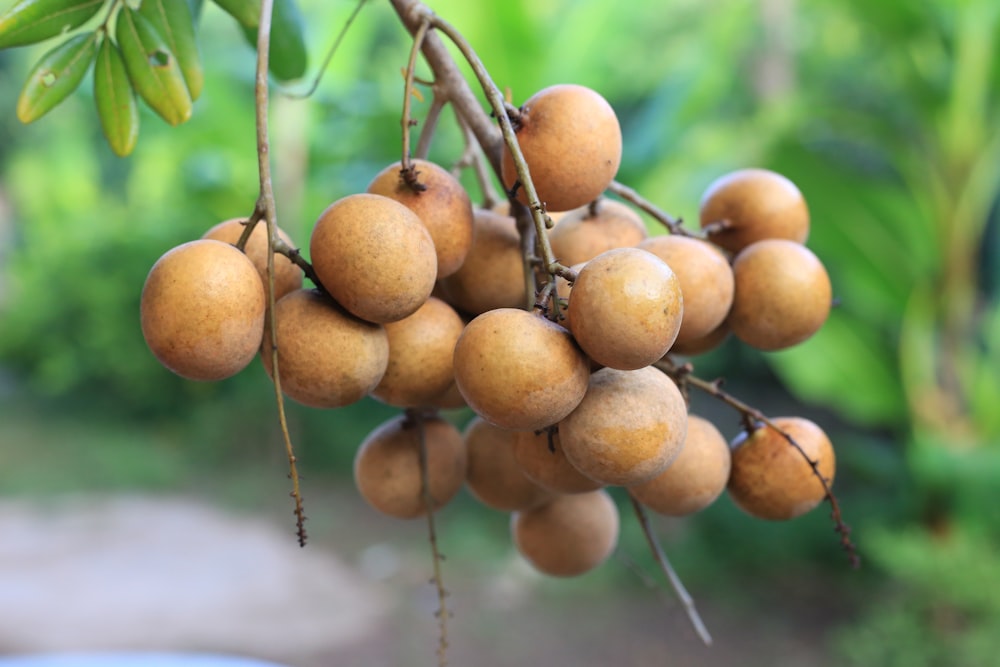
The fifth herb, longan, is the lineage's classic sweet "settle the spirit" fruit — a sweet blood-and-spirit tonic traditionally given to keep an aging body warm, composed, and present. In animal terms it rounds the formula toward calm engagement rather than restlessness. Together they are convergent by design: goji brings its carotenoid pigments and the brightening tradition, gynostemma and the two great tonics supply the cellular energy and resilient baseline that attention is built on, and longan keeps the whole thing grounded and settled. Each statement here describes how these botanicals nourish normal structure and function in a healthy animal.
The molecules, measured
A formula is a community of compounds. Below are active molecules from the herbs in this blend and the proteins each is measured to engage — the precise points where the plants meet biology. So you see not just that it works, but how.
Lycium barbarum
Betaine
PubChem ↗Measured to act on
An enzyme that recycles the amino acid homocysteine back into methionine using betaine.
Scopoletin
PubChem ↗Measured in the lab: binds tightly to Carbonic anhydrase 9 · Ki 960 nM
Measured to act on
An enzyme that helps cells balance acidity by managing carbon dioxide.
Ganoderma lucidum
Ganoderic acid A
PubChem ↗Measured to act on
An enzyme that locally regenerates active cortisol, shaping how tissues respond to the body's stress hormone.
An enzyme that quiets cortisol inside kidney and salt-handling tissues, helping govern fluid and mineral balance.
An enzyme that converts glucose into sorbitol, part of how cells handle sugar.
Ganoderic acid B
PubChem ↗Measured to act on
The enzyme that breaks down acetylcholine, resetting nerve and muscle signals between pulses.
A blood enzyme that breaks down acetylcholine and helps clear certain compounds from circulation.
An enzyme that converts glucose into sorbitol, part of how cells handle sugar.
Dimocarpus longan
Gallic acid
PubChem ↗Measured in the lab: binds very tightly to Amyloid-beta precursor protein · EC50 1.7 nM
Measured to act on
A mitochondrial enzyme involved in breaking down fatty acids and balancing steroid hormones.
An enzyme that adds sugar tags to cells, helping immune cells find their way through tissue.
An enzyme that edits chemical tags on DNA-packaging proteins to regulate genes.
Ellagic acid
PubChem ↗Measured in the lab: binds very tightly to Amyloid-beta precursor protein · EC50 1.7 nM
Measured to act on
A protein that repairs damaged DNA and helps balance the cell's oxidative state.
A constantly active signaling enzyme involved in cell growth and stress responses.
An enzyme in the liver and red blood cells that helps turn sugar into usable energy.
Gynostemma pentaphyllum
Ginsenoside Rb1
PubChem ↗Measured to act on
The cell's energy sensor, balancing fuel use when reserves run low.
Ginsenoside Rd
PubChem ↗Measured to act on
The cell's energy sensor, balancing fuel use when reserves run low.
Astragalus membranaceus
Formononetin
PubChem ↗Measured in the lab: binds very tightly to Apoptosis regulator Bcl-2 · Ki 10 nM
Measured to act on
A liver enzyme that breaks down many compounds the body takes in.
An enzyme that edits proteins to manage cellular cleanup and the cell internal scaffolding.
Calycosin
PubChem ↗Measured to act on
A protein that helps organize DNA and acts as an alarm signal during tissue stress.
Cited science · not claims
Everything we publish about these plants traces to a primary source — the compounds to PubChem, ChEMBL, and BindingDB, the traditional uses to named, dated herbals. We describe what a plant is and what it is understood to nourish — the body’s own systems, structure and function only. We do not claim it treats, cures, or prevents any disease, and nothing here is a substitute for professional care. See our method & sources →
These statements have not been evaluated by the Food and Drug Administration. Not intended to diagnose, treat, cure, or prevent any disease.
Why these herbs together
The shared mechanism
More than one botanical in this blend is measured to engage the same molecular targets. We share the convergent chemistry — characterized and cited, never a claim.
Goji Berry · Reishi · Longan Berry · Gynostemma · Astragalus
Goji Berry · Longan Berry · Gynostemma · Astragalus
Reishi · Longan Berry · Gynostemma
Goji Berry · Reishi
Goji Berry · Reishi
Goji Berry · Reishi
Each convergence is a gene whose protein two or more of this formula’s herbs are measured to engage (PubChem BioAssay & ChEMBL). It describes characterized molecular activity and the protein’s normal role — structure and function only, never a claim to treat, cure, or prevent any disease.
In practice
Who it’s for, and how to use it
Who it’s for
For the maturing or senior companion — dog, cat, or horse — whose owner wants to keep clear eyes, sharp senses, and an engaged, curious mind well-supported through the wiser years. It suits the steady, healthy animal who is simply asking for a little more help to stay connected to the world. It is daily nourishment: if your animal has a sudden change in vision, eye pain or discharge, or any diagnosed condition, that belongs with your veterinarian, and Bright sits alongside that care rather than replacing it.
How to use it
Bright is a hot-water extract or fine powder meant to be stirred into food. Start low and let the body adjust: begin with a small amount scaled to your animal's body weight, and build gradually over several days to a steady daily serving. As a rough starting frame, smaller cats and dogs need only a pinch, mid-size dogs a modest scoop, and large dogs or horses proportionally more — always start at the low end and increase slowly. Give it consistently, with food, as part of the daily routine; like all good nourishment it works by accumulation, not by a single dose. Keep fresh water available, watch how your animal responds, and scale to the companion in front of you.
Measure · A small amount of the dilute hot-water extract or powder stirred into food, scaled to body weight. Start low and build gradually over days.
What’s inside
Inside: goji (Lycium), reishi, longan, gynostemma (jiaogulan), and astragalus — convergent tonic botanicals, prepared as a gentle, species-safe hot-water extract. Each one was chosen for what it genuinely contributes to clear sight and an engaged mind. Net weight 1 oz / 12 g. The most pristine herbs on earth.
Structure-and-function support for animal nutrition and vitality. Introduce gradually and watch how your companion responds. Not intended to diagnose, treat, cure, or prevent any disease. If your animal is pregnant, nursing, or on medication, consult your veterinarian first.
Pairs well with
Formulas that share Eyes's botanicals
Built from overlapping herbs, these reinforce Eyes along the same lines — the shared-botanical kinship our genome engine maps.