
For Pets
Appetite
For the animal who has lost interest in the bowl — rekindle a hearty appetite and steady, comfortable digestion.
Some animals simply stop eating with gusto. A cat turns away from the dish, an older dog picks at dinner, a companion recovering from a hard stretch leaves food behind. Kindle is built for exactly that animal — to coax back the simple, vital pleasure of eating and to make digestion feel easy again. The name is the intention: to rekindle the warm spark at the center of the body that says yes to food.
This is a digestive-center formula. It works on the front end of nourishment — the appetite itself, the warmth of the gut, and the smooth, unhurried breakdown of a meal. Rather than push an animal to eat, Kindle restores the conditions that make eating feel natural: a settled stomach, a gentle bitter cue that wakes the digestive juices, and warming support that carries food downward without churn or grumble.
It pairs two old ideas that herbalists across the world have always paired. First, a tonic root that the East Asian tradition calls a Spleen-Qi builder — the deep, food-like support for the body's capacity to extract strength from a meal. Second, a bitter and a warming aromatic, the classic appetite-openers of the Western, Greek-Galenic, and Ayurvedic kitchens alike, the flavors that traditionally precede a meal to invite hunger. Together they address both halves of a poor appetite: the spark that's gone quiet and the digestion that has to feel comfortable for that spark to return.
Kindle is focused by design — convergent botanicals, nothing crowded in for show. Every herb here earns its place around the same theme: appetite and digestive ease, scaled gently to the animal in front of you.
The characterized botanicals inside
Whole botanicals with compounds characterized in the scientific literature, used across centuries of traditional practice. We share the chemistry and the tradition — food and lineage, never a claim to treat any condition.
For Pets
Small-batch. Dual-extracted where it matters. Made by hand.
How to take it
A small amount of the dilute hot-water extract or powder stirred into food, scaled to body weight. Start low and build gradually over days.
Whole plant, never isolated
Concentrated extracts of the whole botanical — the way the body recognizes it.
Cited to measured biology
Every action we describe traces to the compound and its measured target.
Structure & function
We describe what an herb nourishes — never a claim to treat disease.
Secure checkout
Encrypted payment and human verification on every order.
- Free shipping over $150USPS Priority, tracked. $15 standard; ships in 1–3 business days.
- 30-day returnsIn original packaging and resalable condition. Refunded to your original payment method.
What you get
What this formula gives you
Rekindles a hearty, willing appetite in picky or disinterested eaters
Supports strong, steady digestion so meals settle and move comfortably
Warms and calms the stomach to ease grumbling, churn, and reluctance at the bowl
Helps a recovering or run-down companion rebuild the vitality of eating well
Builds the body's digestive capacity with a food-like tonic root, not a stimulant
Convergent botanicals, gently harmonized and scaled to the animal in front of you
How it works
The science of Appetite
Not buzzwords — the actual chemistry of the plants in this formula: their characterized compounds and the proteins those compounds are measured to engage, every one cited.
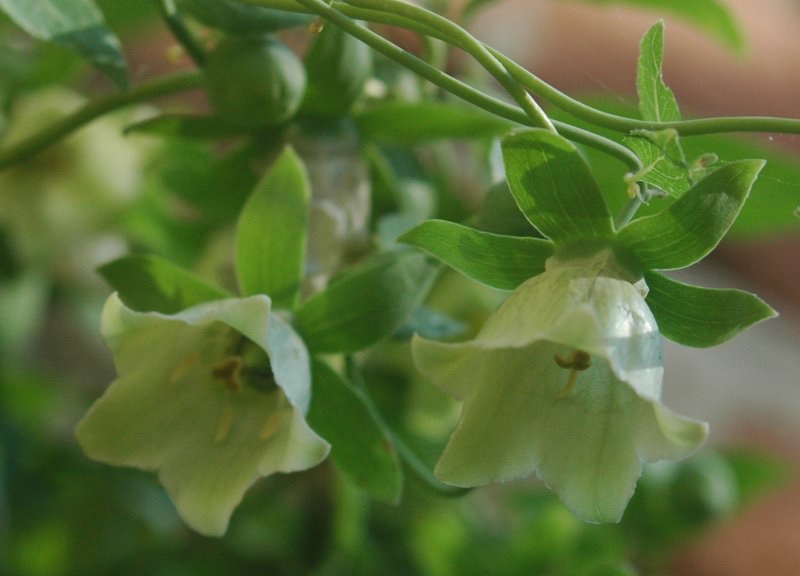
Each herb in Kindle carries a measured, named chemistry, and they converge on the same body system — the digestive center. Codonopsis, long honored as the gentle, food-grade kin of ginseng, supplies polyacetylenes such as lobetyolin and lobetyol along with tangshenoside I and syringin. In the herbal tradition it is the quintessential builder of digestive strength — the root you reach for when the body needs to be fed back to capacity rather than stimulated. It is the tonic foundation Kindle is built on.
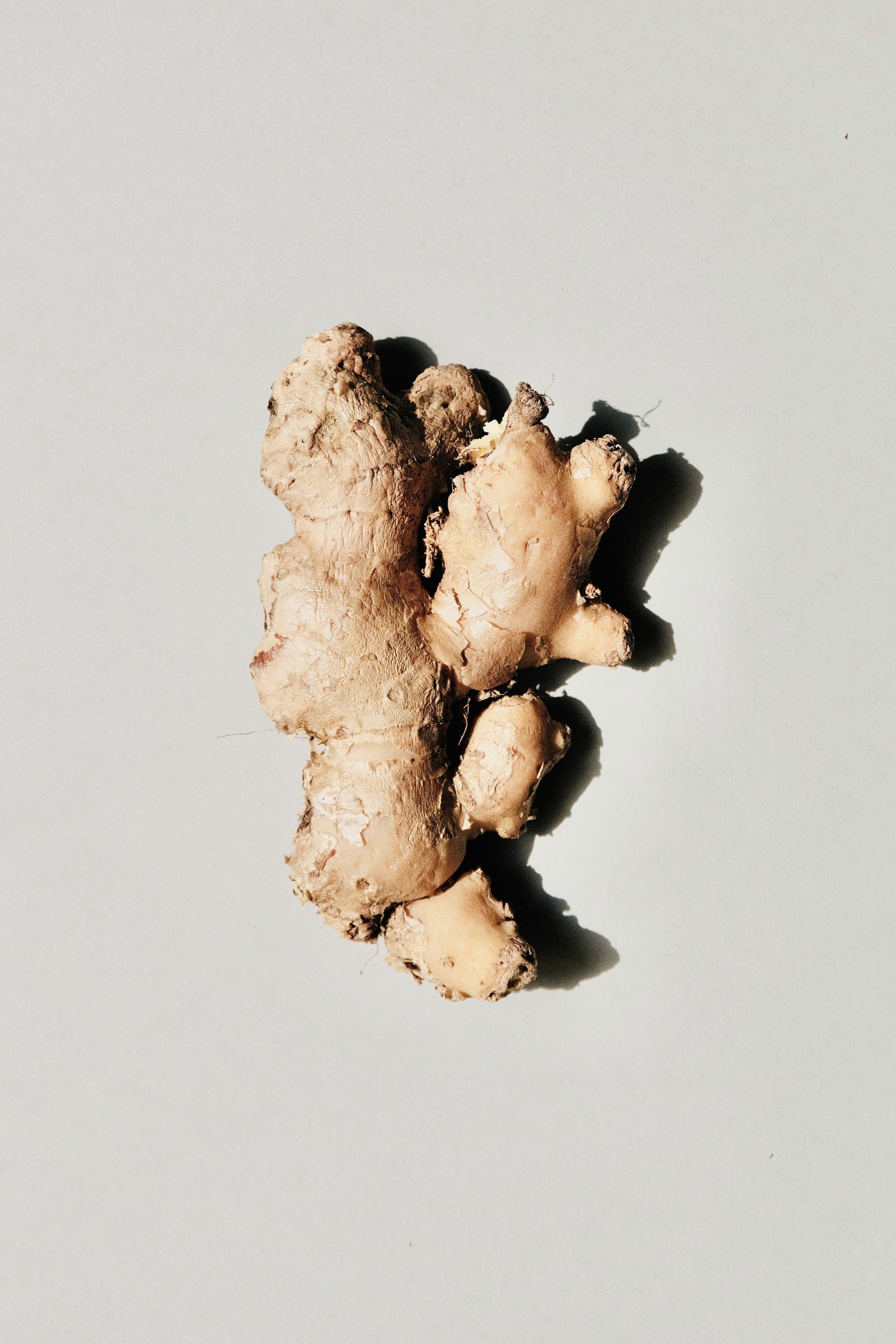
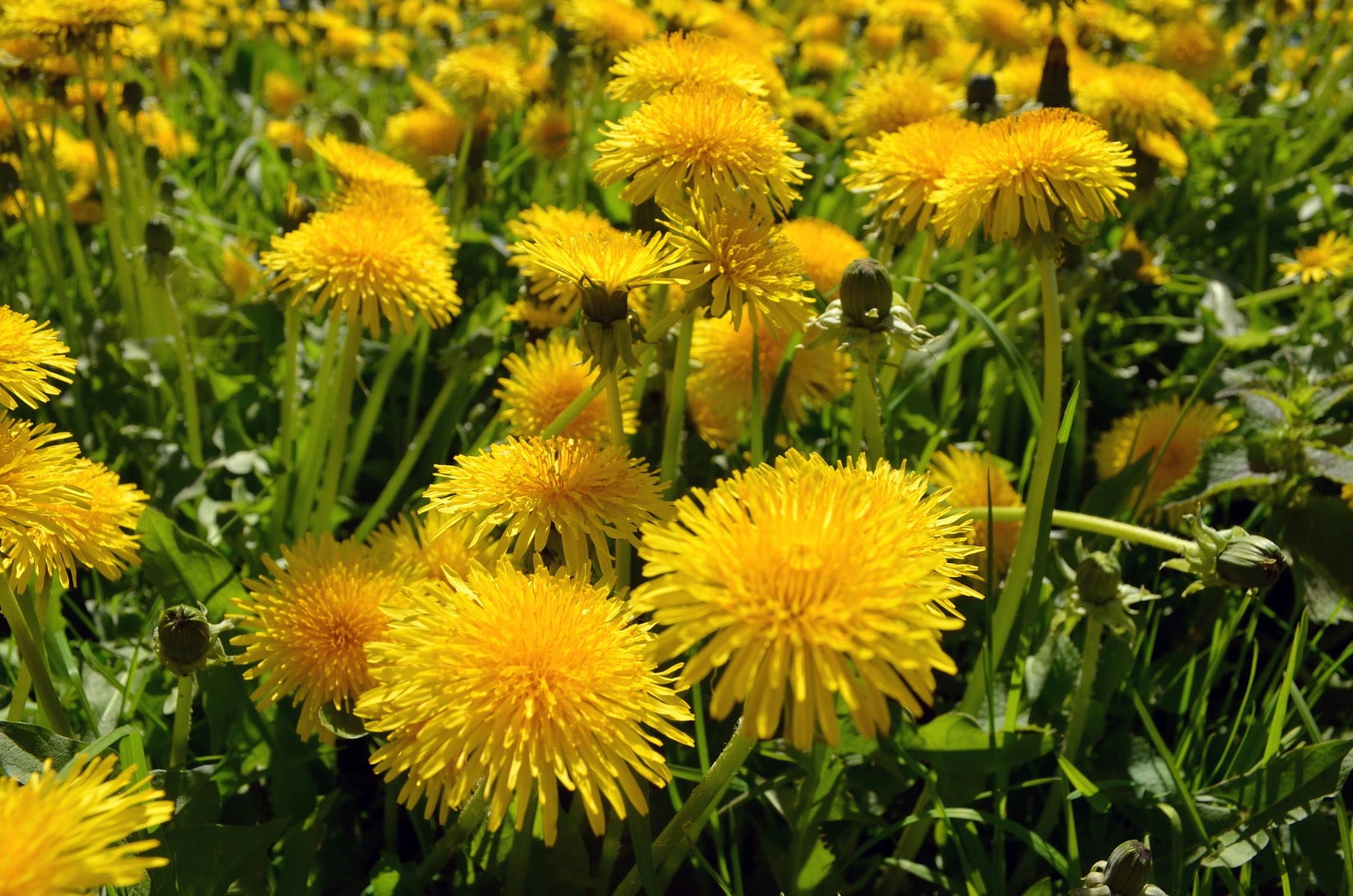
Ginger is the warming engine. Its signature pungent compounds — the gingerols, led by 6-gingerol — are the molecules behind its long reputation as a carminative that settles the stomach and keeps food moving downward in comfort. Dandelion is the bitter cue: its root carries taraxasterol and related triterpenes, and in the Western herbal kitchen a bitter taken near a meal has always been understood to wake the appetite and prime smooth digestion. Together these three food-grade roots — a tonic that builds, a warming carminative that moves, and a bitter that wakes — cover the upstream work of a good meal.
Read as a structure-and-function map, Kindle supports the appetite, the warmth and motility of the stomach, and the comfortable breakdown of a meal — the upstream functions of nourishment in a companion animal. It is animal-vitality support framed by species safety: food-grade botanical support, not a remedy for any condition.
The molecules, measured
A formula is a community of compounds. Below are active molecules from the herbs in this blend and the proteins each is measured to engage — the precise points where the plants meet biology. So you see not just that it works, but how.
Codonopsis pilosula
Syringin
PubChem ↗Measured to act on
An enzyme that makes prostaglandins for everyday housekeeping like stomach lining and blood flow.
An enzyme that breaks down fatty-acid signals involved in blood vessel and inflammation balance.
Atractylenolide I
PubChem ↗Measured to act on
An enzyme that converts fatty acids into messengers of the inflammatory response.
An enzyme that makes prostaglandins for everyday housekeeping like stomach lining and blood flow.
Zingiber officinale
6-Gingerol
PubChem ↗Measured in the lab: binds to Transient receptor potential cation channel subfamily V member 1 · EC50 3.3 µM
Measured to act on
A major liver enzyme that processes a wide range of compounds the body takes in.
A repair enzyme that resolves certain DNA damage so the strand can be restored.
A liver enzyme that helps break down and process many compounds and natural substances.
6-Shogaol
PubChem ↗Measured in the lab: binds to Cytochrome P450 1A2 · IC50 2.5 µM
Measured to act on
A major liver enzyme that processes a wide range of compounds the body takes in.
A liver enzyme that processes many compounds, including some the body forms naturally.
A nerve-ending sensor that responds to heat and to the pungency of chili pepper compounds.
Taraxacum officinale
Luteolin
PubChem ↗Measured to act on
A receptor that helps guide immune cell development and daily metabolic rhythms.
A major liver enzyme that processes and clears a large share of dietary and plant compounds.
An enzyme that breaks down purines, producing uric acid as a byproduct.
Apigenin
PubChem ↗Measured to act on
A major liver enzyme that processes and clears a large share of dietary and plant compounds.
The enzyme that converts androgens into estrogens, balancing the body's hormones.
An enzyme that breaks down serotonin and other mood-related brain messengers.
Cited science · not claims
Everything we publish about these plants traces to a primary source — the compounds to PubChem, ChEMBL, and BindingDB, the traditional uses to named, dated herbals. We describe what a plant is and what it is understood to nourish — the body’s own systems, structure and function only. We do not claim it treats, cures, or prevents any disease, and nothing here is a substitute for professional care. See our method & sources →
These statements have not been evaluated by the Food and Drug Administration. Not intended to diagnose, treat, cure, or prevent any disease.
Why these herbs together
The shared mechanism
More than one botanical in this blend is measured to engage the same molecular targets. We share the convergent chemistry — characterized and cited, never a claim.
Codonopsis · Ginger · Dandelion
Codonopsis · Ginger · Dandelion
Codonopsis · Dandelion
Ginger · Dandelion
Codonopsis · Ginger
Each convergence is a gene whose protein two or more of this formula’s herbs are measured to engage (PubChem BioAssay & ChEMBL). It describes characterized molecular activity and the protein’s normal role — structure and function only, never a claim to treat, cure, or prevent any disease.
In practice
Who it’s for, and how to use it
Who it’s for
For companion animals — cats, dogs, and other household companions — who have gone off their food or eat without enthusiasm: the picky eater, the older animal whose appetite has faded, or the companion rebuilding strength after a depleting stretch. A gentle daily support for the animal whose spark for the bowl needs rekindling. As always, scaled to the individual and offered alongside attentive care, not in place of it.
How to use it
Offer a small amount of the dilute hot-water extract or the powder stirred into food, scaled to your animal's body weight. Start low and build gradually over several days, giving the body time to recognize and welcome it. Mixing into a favorite food helps a reluctant eater accept it. Consistency over a few days matters more than quantity — let the appetite return at its own pace, and adjust to the animal in front of you.
Measure · A small amount of the dilute hot-water extract or powder stirred into food, scaled to body weight. Start low and build gradually over days.
What’s inside
Kindle began with the animals who break our hearts a little at dinnertime — the cat who sniffs and walks away, the loyal old dog picking at his bowl. We didn't want to force them to eat; we wanted to invite them back to it. So we kept this one small and warm: a food-grade tonic root the East Asian herbalists call the poor man's ginseng, a pinch of warming ginger, and a whisper of bitter dandelion to wake the appetite. One purpose — to rekindle the simple joy of a good meal. Thank you for tending so carefully to the creature in your care.
Structure-and-function support for animal nutrition and vitality. Introduce gradually and watch how your companion responds. Not intended to diagnose, treat, cure, or prevent any disease. If your animal is pregnant, nursing, or on medication, consult your veterinarian first.
Pairs well with
Formulas that share Appetite's botanicals
Built from overlapping herbs, these reinforce Appetite along the same lines — the shared-botanical kinship our genome engine maps.