For People
Daily Greens
Green Formula
A garden in a single scoop — chlorophyll-dense daily greens that nourish your energy, your digestion, and your body's own clearing rhythm, drinking like a creamy matcha.
You reach for Green when you want your foundation handled — not a stimulant, not a fix for a bad day, but the steady, food-grade nourishment that the rest of your vitality is built on. One warm scoop in the morning gives your body the dense matrix of plant minerals, amino acids, chlorophyll, and live plant pigments it draws on all day long to make its own energy, hold its own balance, and keep its channels open. It is the difference between propping yourself up and actually being fed.
This is greens that taste like something you'll keep doing. Stirred into hot water with a little nut milk and honey it drinks like a creamy matcha — earthy, grounding, faintly sweet — with the nutrient density of a whole garden behind every serving. There's no choking it down, no grassy penance. That matters, because the entire benefit of a greens foundation is consistency, and you only stay consistent with something you genuinely look forward to.
What you feel over time is the quiet kind of better: steadier daily energy that doesn't spike and crash, more comfortable and regular digestion, and the lightness that comes when the body's natural clearing and elimination pathways are well-supplied and moving freely. Green leans on bitter roots and chlorophyll-rich leaves precisely because those are the plants the lineage has always reached for to keep the terrain — blood, lymph, liver, gut — supple, fed, and at ease.
Crucially, this is not an extract. The plants are dried and milled whole at peak vitality, so the full nutritional profile arrives intact — fiber, enzymes, pigments, and minerals together, the way a green food is meant to be eaten. You're not taking a concentrated dose of one isolated thing; you're feeding your systems a complete, food-like green they recognize and put to use.
What it supports in the body
The body systems the herbs in this formula are traditionally understood to nourish — resolved through our knowledge graph, where the classical record and modern biology are read together. Structure and function, never a claim of treatment.
Where measure & tradition agree
Systems this blend’s herbs are measured to engage in human binding data — and traditionally named for, independently. The number is how many herbs in the blend converge there. Two evidence systems arriving at the same place, separately, is our highest standard. See the research →
For People
Small-batch. Dual-extracted where it matters. Made by hand.
How to take it
1 tsp in hot water with nut milk and honey as a tea, or blended into a smoothie, once daily.
Whole plant, never isolated
Concentrated extracts of the whole botanical — the way the body recognizes it.
Cited to measured biology
Every action we describe traces to the compound and its measured target.
Structure & function
We describe what an herb nourishes — never a claim to treat disease.
Secure checkout
Encrypted payment and human verification on every order.
- Free shipping over $150USPS Priority, tracked. $15 standard; ships in 1–3 business days.
- 30-day returnsIn original packaging and resalable condition. Refunded to your original payment method.
What you get
What this formula gives you
Steady, food-grade daily energy from a dense matrix of plant minerals, amino acids, and chlorophyll — the substrate your body uses to make its own stamina
Supports comfortable, regular digestion through prebiotic inulin from burdock and dandelion that feeds your gut's own flora
Backs your body's natural clearing and elimination pathways — bitter roots that cue digestive flow plus chlorophyll-rich greens for the blood, lymph, and liver terrain
Nourishes your body's own antioxidant and inflammatory balance with measured flavonoids and phenolic acids — quercetin, kaempferol, luteolin, chlorogenic acid
Supplies alkalizing minerals to support your body's natural acid-base balance and mineral reserves
Whole-plant, not an extract — fiber, enzymes, pigments, and minerals delivered together the way a green food is meant to be eaten
How it works
The science of Green
Not buzzwords — the actual biology of the plants in this formula: their compounds, the targets those compounds are measured to engage, and the systems they nourish.
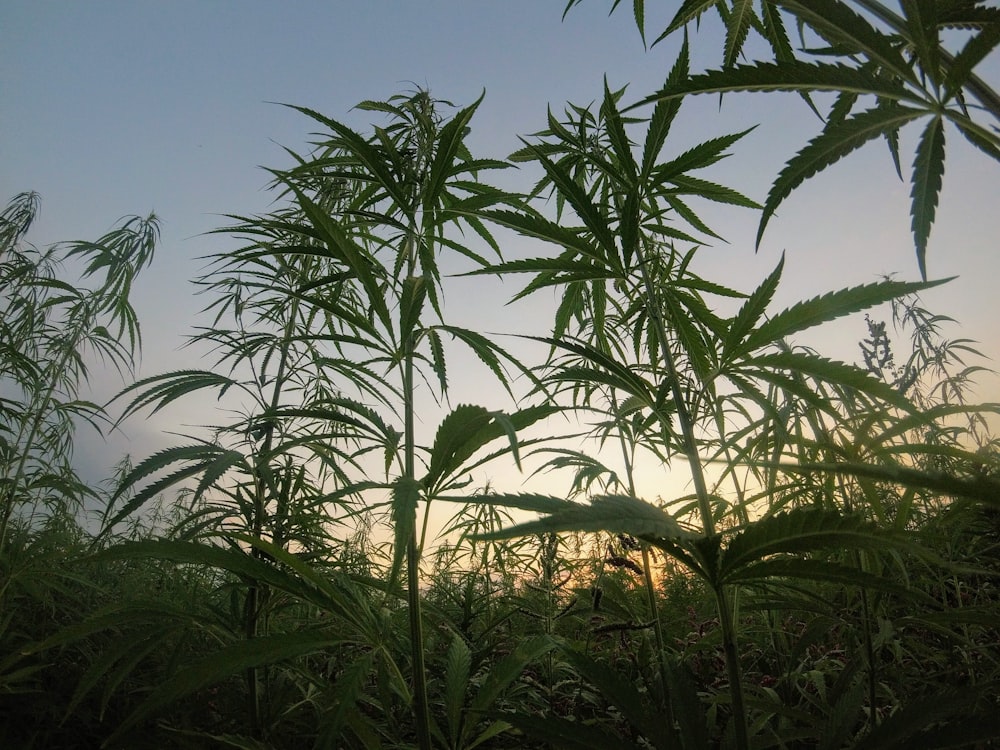
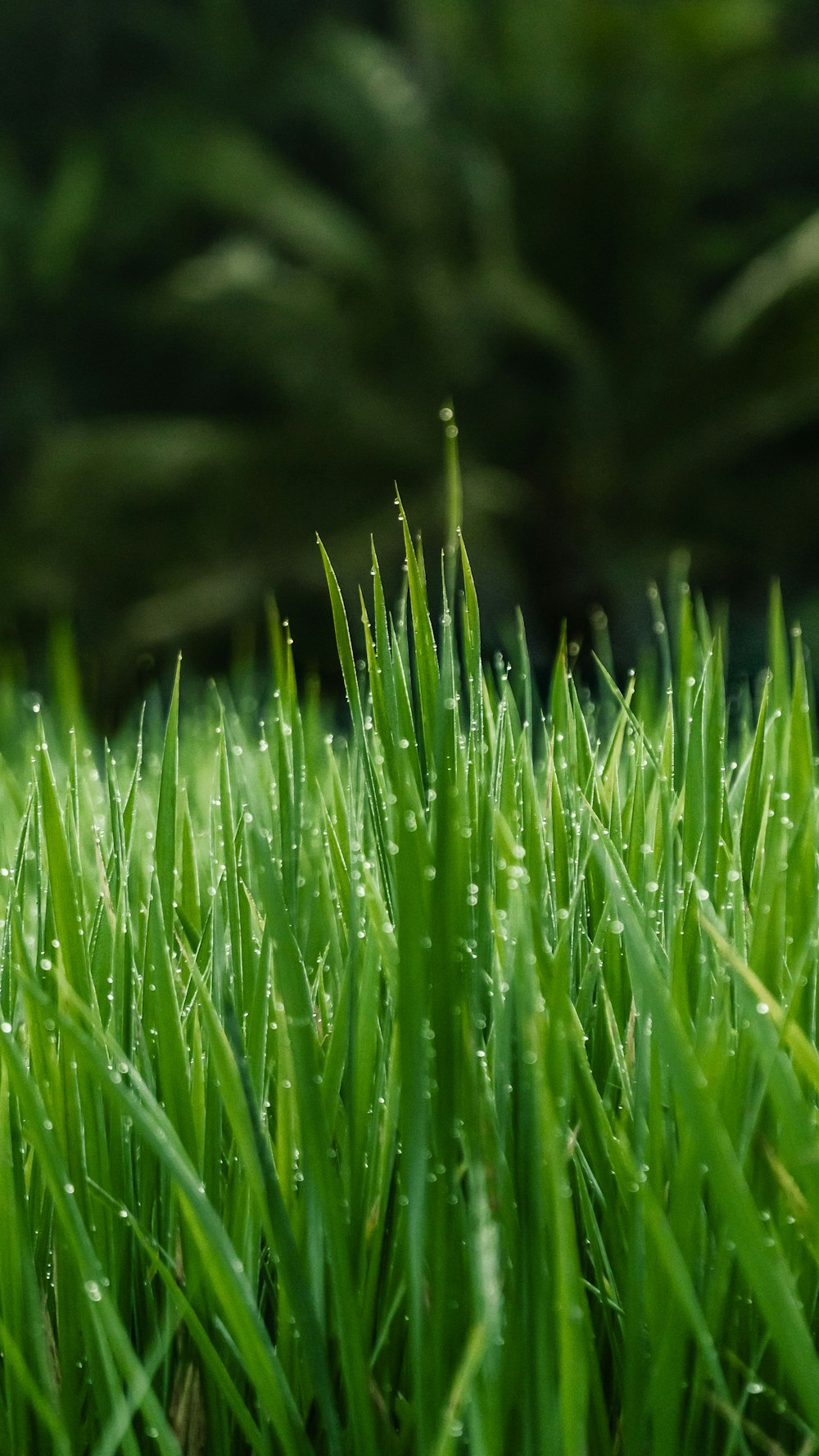
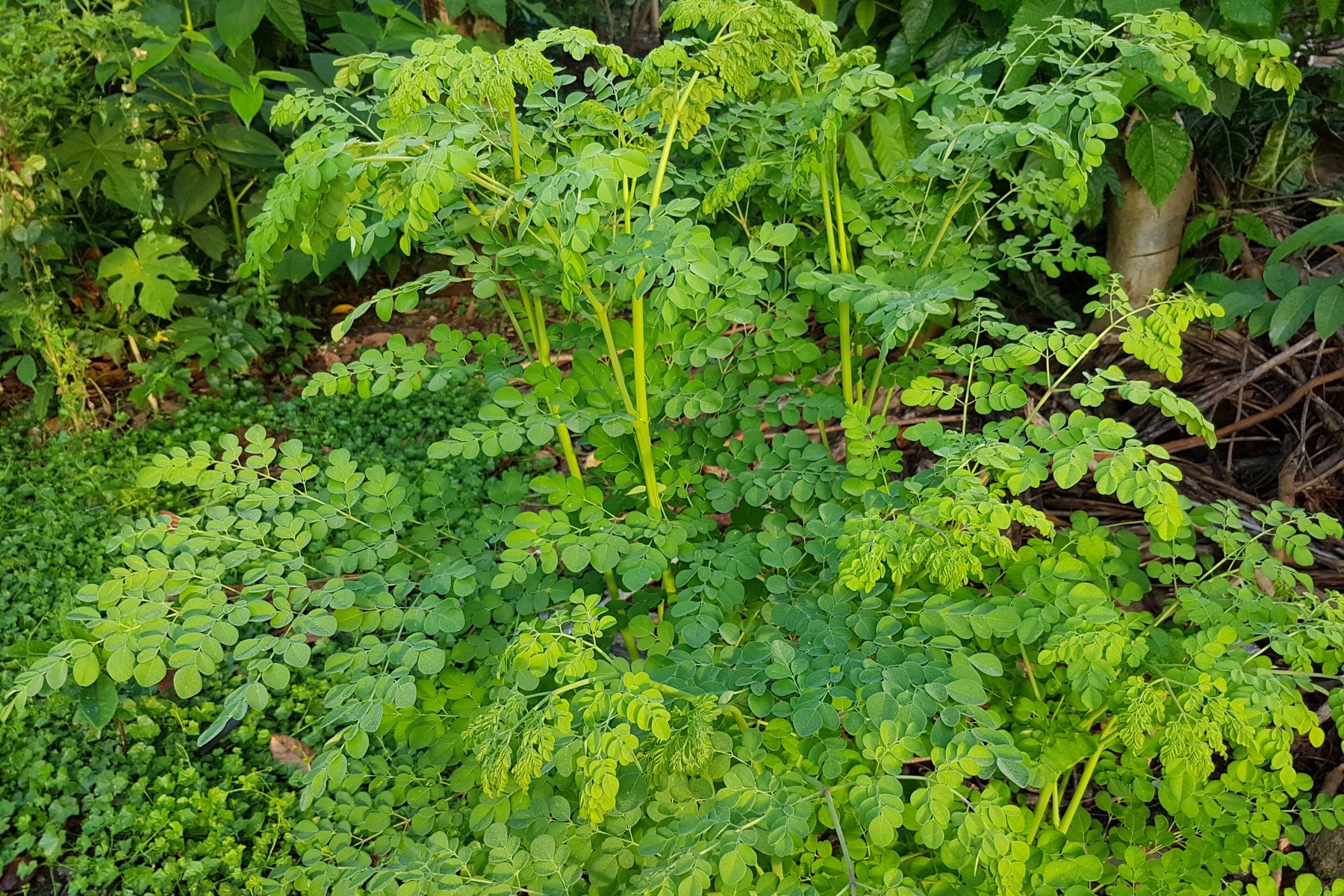
Green works the way food works — by supplying, not by acting upon. Its foundation is chlorophyll, the deep-green porphyrin pigment that fills the hemp fan-leaf, the wheat-grass blade, and the moringa leaf. Chlorophyll is structurally kin to the heme in your own blood, which is why the herbal tradition across every culture has prized chlorophyll-rich greens as nourishment for healthy, oxygen-carrying vitality. Riding alongside it is a dense, alkalizing mineral matrix — the potassium, magnesium, calcium, and trace minerals characteristic of vigorously growing green tissue — plus a near-complete spread of amino acids from the moringa and hemp leaf, the building blocks the body assembles into its own enzymes, messengers, and structural proteins. This is the substrate of stamina: you're feeding the metabolic machinery that generates energy rather than whipping it from the outside.
Layered over that nutritive bedrock is a well-characterized phytonutrient chemistry that touches the body's everyday balance at the molecular level. The leaves carry the flavonoids quercetin, kaempferol, apigenin, and luteolin, the wheat-grass-specific flavone glycosides saponarin and lutonarin, and a family of phenolic acids — chlorogenic, caffeic, ferulic, and p-coumaric acids. These are not vague 'antioxidants'; they are measured ligands. In our own molecular data they engage targets like aldose reductase (AKR1B1), xanthine oxidase (XDH), the lipoxygenase 5-LOX (ALOX5), and the NF-kappa-B subunit (NFKB1) — the enzymes and signaling nodes through which the body governs its own oxidative load and maintains a healthy inflammatory balance. The same flavonoids interact with metabolic checkpoints such as DPP4 and PTP1B, the reason these greens are framed as support for the body's normal glucose-handling and metabolic rhythm. Moringa adds its signature isothiocyanate, moringin, derived from glucomoringin, a distinct molecular class that further supports the body's native antioxidant defenses.
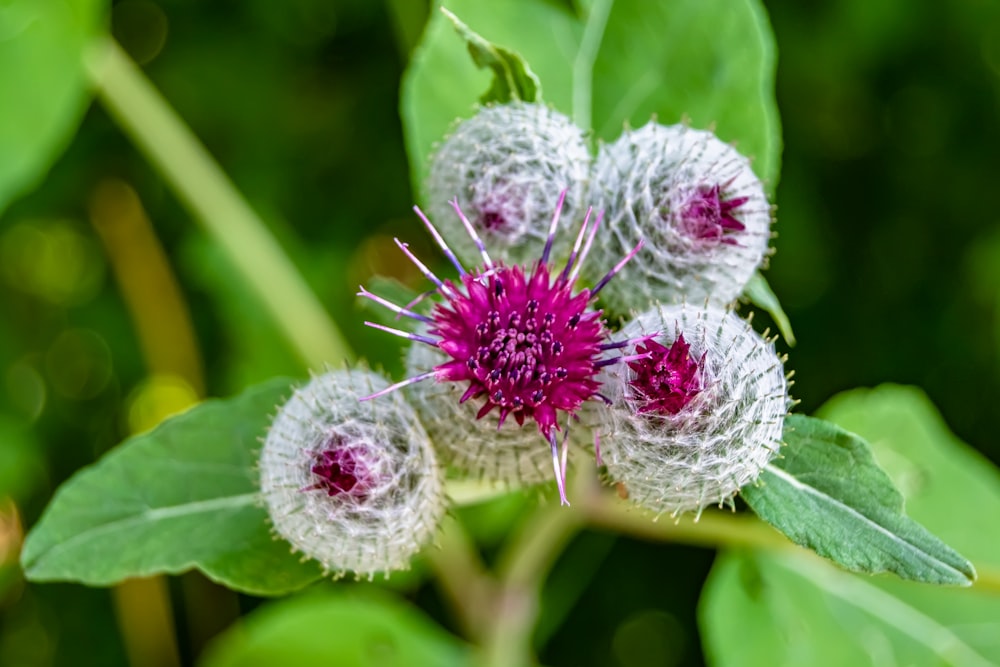
Where the leaves nourish, the two bitter taproots — burdock and dandelion — open and move. Both are built on inulin, a prebiotic fructan that your own body does not digest but your gut flora feed upon, nourishing the microbial terrain that underwrites comfortable digestion and regular elimination. Their bitterness is itself active: when the bitter principle (dandelion's sesquiterpene lactones, burdock's lignans like arctiin and arctigenin) meets the tongue and gut, it cues the body's own digestive cascade — the natural secretion of bile and digestive juices — to engage. Dandelion's affinity is the digestive tract and the liver, the body's filter and sorter; burdock's is the blood, lymph, and skin, the interconnected terrain through which the body carries, filters, and renews. Together with the chlorophyll and alkalizing minerals of the green leaves, they make Green a formula that both feeds the systems and keeps their channels flowing — nourishment and clearing in one cup, which is exactly what a daily green foundation is meant to do.
The molecules, measured
A formula is a community of compounds. Below are active molecules from the herbs in this blend and the proteins each is measured to engage — the precise points where the plants meet biology. So you see not just that it works, but how.
Cannabis sativa
Cannabidiol (CBD)
PubChem ↗Measured in the lab: binds very tightly to Transient receptor potential cation channel subfamily M member 8 · IC50 60 nM
Measured to act on
A receptor of the endocannabinoid system, concentrated in the brain and nervous tissue.
A receptor of the endocannabinoid system, concentrated in immune tissue.
A signaling receptor related to the endocannabinoid system, involved in cellular communication.
Tetrahydrocannabinol (THC / dronabinol)
PubChem ↗Measured in the lab: binds very tightly to Cannabinoid receptor 2 · EC50 1.5 nM
Measured to act on
A receptor of the endocannabinoid system, concentrated in the brain and nervous tissue.
A receptor of the endocannabinoid system, concentrated in immune tissue.
A nerve-ending sensor that responds to cold and to sharp, pungent plant compounds like mustard and cinnamon.
Triticum aestivum
Apigenin
PubChem ↗Measured to act on
An enzyme that tags other proteins to coordinate cell growth and routine cellular housekeeping.
A liver-type enzyme that processes hormones and environmental compounds.
A transport protein that carries thyroid hormone and vitamin A through the bloodstream.
Luteolin
PubChem ↗Measured to act on
A liver-type enzyme that processes hormones and environmental compounds.
A central signaling enzyme involved in energy storage, cell structure, and growth regulation.
The enzyme that produces uric acid as the body breaks down purines from cells and food.
Moringa oleifera
Quercetin
PubChem ↗Measured in the lab: binds very tightly to Amine oxidase [flavin-containing] A · IC50 10 nM
Measured to act on
The enzyme that converts androgens into estrogen, the body main estrogen source.
An enzyme that converts glucose into sorbitol, part of how cells handle sugar.
A liver-type enzyme that processes hormones and environmental compounds.
Kaempferol
PubChem ↗Measured in the lab: binds very tightly to Carbonic anhydrase 7 · Ki 25 nM
Measured to act on
A liver enzyme that breaks down many compounds the body takes in.
An enzyme that balances carbon dioxide and acidity, part of the body's pH chemistry.
A sensor protein that detects environmental compounds and adjusts the body's response.
Arctium lappa
Arctigenin
PubChem ↗Measured in the lab: binds very tightly to Dual specificity mitogen-activated protein kinase kinase 1 · IC50 1 nM
Measured to act on
A signaling enzyme that passes growth messages along a relay chain inside the cell.
A liver enzyme involved in processing a variety of compounds the body encounters.
A receptor that switches certain genes on, helping guide immune-cell development.
Chlorogenic acid
PubChem ↗Measured in the lab: binds very tightly to Tyrosine-protein phosphatase non-receptor type 1 · IC50 100 nM
Measured to act on
An enzyme that removes phosphate tags from proteins, helping regulate insulin and metabolic signaling.
An enzyme that converts excess glucose into sorbitol, part of normal sugar metabolism.
Taraxacum officinale
Luteolin
PubChem ↗Measured to act on
A receptor that helps guide immune cell development and daily metabolic rhythms.
A major liver enzyme that processes and clears a large share of dietary and plant compounds.
An enzyme that breaks down purines, producing uric acid as a byproduct.
Apigenin
PubChem ↗Measured to act on
A major liver enzyme that processes and clears a large share of dietary and plant compounds.
The enzyme that converts androgens into estrogens, balancing the body's hormones.
An enzyme that breaks down serotonin and other mood-related brain messengers.
Cited science · not claims
Everything we publish about these plants traces to a primary source — the compounds to PubChem, ChEMBL, and BindingDB, the traditional uses to named, dated herbals. We describe what a plant is and what it is understood to nourish — the body’s own systems, structure and function only. We do not claim it treats, cures, or prevents any disease, and nothing here is a substitute for professional care. See our method & sources →
These statements have not been evaluated by the Food and Drug Administration. Not intended to diagnose, treat, cure, or prevent any disease.
Why these herbs together
The shared mechanism
A formula is not a pile of herbs — it is herbs whose actions meet. Below are the molecular targets that more than one plant in this blend is measured to engage. Where they converge is the blend's reason to exist.
Wheat Grass · Moringa · Burdock · Dandelion
Wheat Grass · Moringa · Burdock · Dandelion
Wheat Grass · Moringa · Burdock
Hemp Leaf · Wheat Grass
Hemp Leaf · Dandelion
Moringa · Burdock
Moringa · Burdock
Each convergence is a gene whose protein two or more of this formula’s herbs are measured to engage (PubChem BioAssay & ChEMBL). It describes characterized molecular activity and the protein’s normal role — structure and function only, never a claim to treat, cure, or prevent any disease.
Whole plant vs. the isolated molecule
One molecule, one target is pharma's bet. Green is the whole garden, named gene by gene.
Pharma's instinct is to isolate one molecule and aim it at one target. Green moves the opposite way. Five whole plants — hemp fan-leaf, wheat grass, moringa, burdock, and dandelion — arrive characterized to the molecule: chlorophyll, the flavonoids quercetin, kaempferol, luteolin and apigenin, wheat-grass's saponarin and lutonarin, chlorogenic and caffeic acids, moringa's moringin, and the prebiotic inulin of the bitter taproots. In our own molecular data these constituents converge, together, on shared targets. Four of the five touch SYK, a relay that carries activating signals inside immune cells. Wheat grass, moringa, burdock and dandelion meet AKR1B1, an enzyme of normal sugar handling; three converge on DPP4 and on PPARG, a master regulator of metabolic balance. This is multi-target by nature, not single-point — the lineage's whole-plant logic, now named gene by gene. Food that nourishes the system, transparent and cited, the way a green food is meant to be eaten.
Every molecule and target named here is cited from our own genome data (PubChem BioAssay, BindingDB, ChEMBL). Structure and function only — a description of characterized chemistry and tradition, never a claim to treat, cure, or prevent any disease.
In practice
Who it’s for, and how to use it
Who it’s for
For anyone who wants a true daily greens foundation rather than a pick-me-up — people whose diet runs light on fresh greens, who want steady energy without stimulants, who feel heavy or sluggish and want to support their body's own clearing and digestive rhythm, and who will only stay consistent with greens that genuinely taste good. Reach for it as a morning ritual, woven into the rhythm of the day.
How to use it
1 tsp in hot water with a little nut milk and honey as a warm, creamy tea, or blended into a smoothie, once daily. Because it is a whole-plant raw powder rather than a concentrated extract, it is gentle and food-like — a full teaspoon is a serving, not a microdose.
Measure · 1 tsp in hot water with nut milk and honey as a tea, or blended into a smoothie, once daily.
What’s inside
Inside is a deliberate green kingdom: garden-grown hemp fan-leaf as the chlorophyll-rich base, lifted by wheat grass and moringa — two of the most nutritionally complete leaves on earth — and grounded by the bitter taproots burdock and dandelion. The leaves feed; the roots open and move. We chose these because together they do the two things a daily green should: nourish the systems and keep their channels flowing.
These statements have not been evaluated by the Food and Drug Administration. This product is not intended to diagnose, treat, cure, or prevent any disease. Introduce one formula at a time and notice how the body responds; if you are pregnant, nursing, or on a prescription, know the interaction before you begin.
Pairs well with
Formulas that share Green's botanicals
Built from overlapping herbs, these reinforce Green along the same lines — the shared-botanical kinship our genome engine maps.