green
Wheat Grass
Triticum aestivum
Also known as
Suitable For
Young wheat shoots harvested at peak chlorophyll density. A potent alkalizing green, dense in vitamins, minerals, and active enzymes.
What it nourishes in the body
The body systems this herb is traditionally understood to support — resolved through our knowledge graph, where the classical record and modern biology are read together. Structure and function, never a claim of treatment.
Where measure and tradition agree
Wheat Grass is measured to engage these systems in human binding data — and the recorded tradition named it for them independently. Two evidence systems arriving at the same place, separately, is our highest standard. See the research →
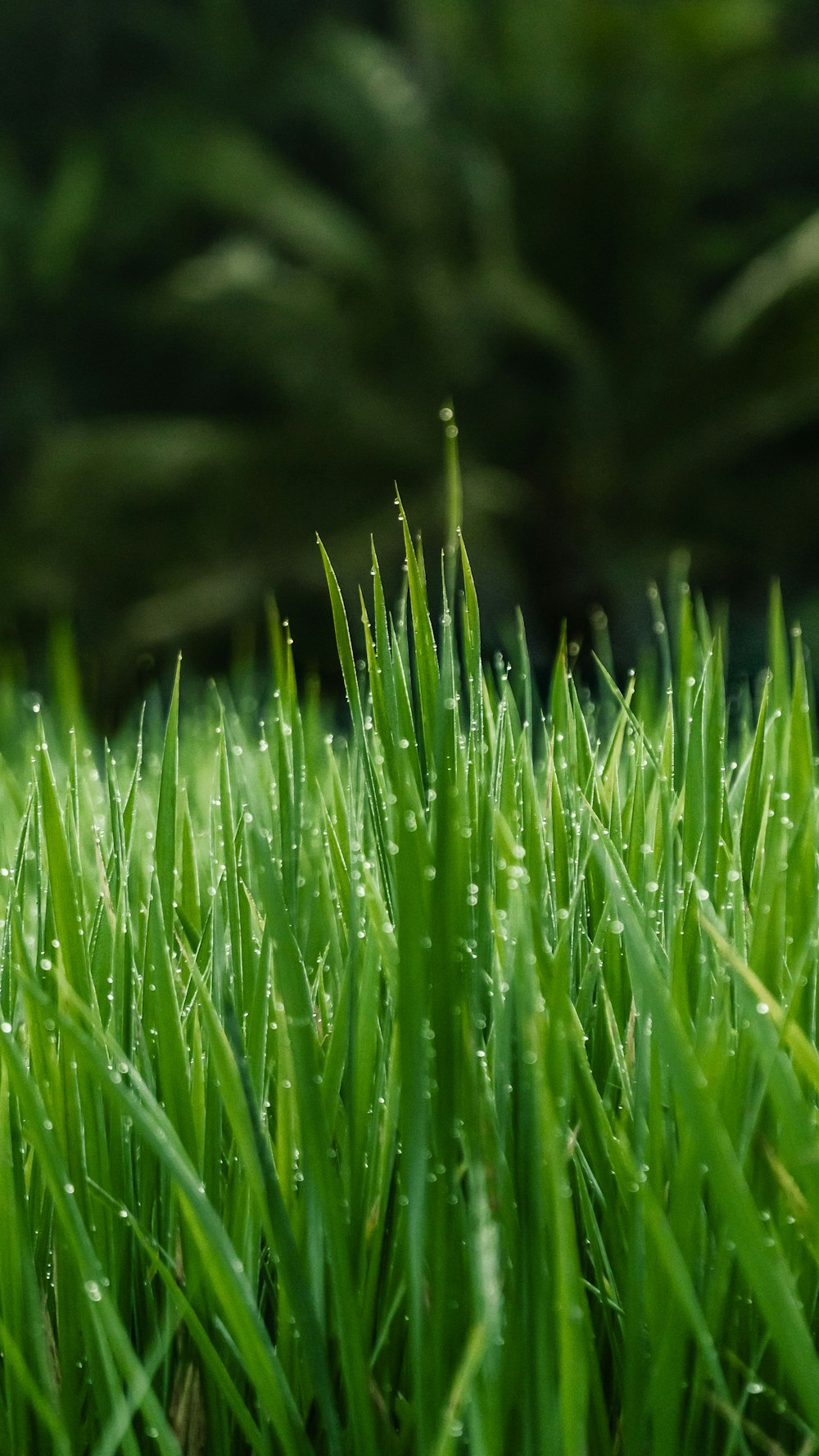
Raw, Unconcentrated Powder
Whole-plant. Small-batch. Potent.
How to take it
1 tsp in hot water, tea, or a smoothie, once daily.
Whole plant, never isolated
Concentrated extracts of the whole botanical — the way the body recognizes it.
Cited to measured biology
Every action we describe traces to the compound and its measured target.
Structure & function
We describe what an herb nourishes — never a claim to treat disease.
Secure checkout
Encrypted payment and human verification on every order.
The Botanical
Wheat Grass, in depth
Character
Within the GGG NATURAL apothecary, Wheat Grass sits at the foundation of the greens — the alkalizing, mineral-rich tonics we reach for first. Its character is plain and generous: an earthy, grassy green tonic of remarkable density, the kind of everyday botanical that asks for no ceremony and rewards consistency. Where the rarer tonic roots and fruiting bodies are specialists, wheatgrass is a generalist, a broad nutritional bedrock that nourishes the whole organism rather than courting any single system. It is, in the lineage of green medicine, the most democratic of plants — cultivated easily, given freely, and offered across all three of our kingdoms: People, Pets, and the soil itself.
In the Body
In the digestive sphere, the young blade contributes plant fiber and active enzymes that support digestive comfort and the gut's own work of breaking down and assimilating food. Its alkalizing mineral profile — the potassium, magnesium, and calcium salts characteristic of a deeply green forage — helps nourish the body's natural mineral balance. And the carotenoids and tocopherols that ride alongside the chlorophyll are antioxidant compound classes that support the body's own defenses against everyday oxidative stress, toning the tissues toward resilience and radiance. Throughout, wheatgrass works by supplying — feeding the systems already at work rather than acting upon any one of them.
The Tradition
Green grasses and chlorophyll-rich blades hold a long and honest place in the folk and traditional record as nourishing, restorative tonics — the simple, abundant greens taken to rebuild and sustain. In the broad herbal tradition that GGG NATURAL carries, wheatgrass belongs to this lineage of everyday vitality foods: cultivated grasses pressed and taken fresh to ground the body in the green of early growth. Its use is grounded less in any single classical text than in the universal practice of turning to the youngest, greenest shoots as the most generous nourishment a plant offers — a tradition of green medicine practiced across cultures wherever grass grew.
The young shoot
Wheat Grass,
as it actually grows.
Wheatgrass is the freshly sprouted first leaf of Triticum aestivum, harvested at roughly 7–10 days when chlorophyll and nutrient density peak. Traditionally cold-pressed into a concentrated green shot, it has been a cornerstone of raw-food and juice-bar culture since the mid-twentieth century.
How to Use
Across the Three Kingdoms
One herb, prepared once, serving people, pets, and plants from a single botanical practice — each with its own measure and care.
People
Benefit
natural energy, stamina, and endurance
How to Use
1 tsp in hot water, tea, or a smoothie, once daily.
Pets
Dogs & companion animals
Benefit
Nutrient-dense green tonic — chlorophyll, vitamins (A, C, E, B-complex) and minerals (zinc, manganese, iron) to support normal nutrition, digestive comfort, and everyday vitality.
How to Use
Stir a small pinch of the dilute powder/extract into food, scaled to body weight (a small fraction of a teaspoon for cats, small birds, and small dogs; a larger pinch up to ~1 tsp for big dogs and horses). Start low, offer a few times a week, and ensure the extract is fresh and mold-free.
By Animal
Cats
Food-grade grass, no phenols/essential-oil load — cats commonly nibble wheatgrass; well tolerated in moderation.
Dogs
Non-toxic green tonic; well tolerated by healthy dogs in small food-scaled amounts.
Horses
Young wheatgrass is a safe, nutrient-dense forage; no iodine/glycyrrhizin concern. Avoid mature heading wheat grain, not the grass.
Birds
Not an aromatic/essential-oil herb; commonly fed to parrots and budgies. Offer a small amount and keep mold-free.
⚑ Sport horses: none — wheatgrass is a forage feedstuff with no FEI/USEF banned or controlled substance; chlorophyll and its vitamins/minerals are not on the Equine Prohibited Substances List. Use a clean, contamination-tested product to avoid inadvertent NOPS exposure.
Safety
Wheatgrass is the young green shoot of common wheat (Triticum aestivum), harvested before the grain matures, and as a food-grade forage grass it is well tolerated across species with no inherent toxin. Start low and increase gradually: too much, too fast can cause loose stool, mild GI upset, or vomiting in any species (birds especially are prone to diarrhea on an abrupt large serving). The single most important quality caveat is MOLD — wheatgrass grown on damp mats readily grows mold and Fusarium/Aspergillus mycotoxins; only use clean, fresh, properly dried product, never musty or off-smelling material (mold spores also cause respiratory irritation). Source should be true young wheatGRASS, not mature wheat GRAIN — heading-out wheat in the milk/dough stage must be avoided for horses, and concentrated wheat-grain feeds are a starch/laminitis and choke risk. Gluten itself is in the grain, not the leaf blade, but animals with a documented wheat allergy should avoid it. Conditional caveats (do not lower the per-species rating for these — they belong here): introduce cautiously alongside any prescribed medication and consult a vet before combining with drug therapy; use only under veterinary guidance in pregnancy/lactation, in animals with kidney or liver disease, or in any animal scheduled for surgery; vitamin K (from chlorophyll-rich greens) can theoretically antagonize warfarin-type anticoagulants, so coordinate with the prescribing vet for animals on blood thinners. This is a wellness tonic, not a treatment for any disease.
Source: ASPCA Animal Poison Control toxic/non-toxic plant database (wheatgrass/Triticum aestivum not listed as toxic — it is a non-toxic forage grass); Mad Barn Equine Feed Database (wheatgrass powder / whole wheat plant ingredient analyses); Extension Horses (horses.extension.org) on grazing wheat; ParrotParrot and avian-care sources on wheatgrass for birds; FEI Equine Prohibited Substances List/Database (inside.fei.org) — no entry for wheatgrass/chlorophyll.
Plants
Garden, soil & foliage
Benefit
vegetative vigor, strong rooting, and resilient new growth
How to Use
Dilute 1/8 to 1/4 teaspoon per gallon of water. Foliar feed at the lighter rate, or soil drench at the fuller rate, about once a month or every other feeding. Best worked in through vegetative growth, as the plant builds leaf, stem, and root.
Best for
Vegetative growthSafety
A dilute extract in the GGG Plants line; always dilute and start light.
Source: GGG Plants line formulation
Structure-and-function guidance for nutrition and vitality. Not intended to diagnose, treat, cure, or prevent any disease. Introduce one botanical at a time and notice how the body responds. Some plants interact with medication; if you are pregnant, nursing, or on a prescription, know the interaction before you begin.
What's inside
Wheat Grass,
down to the molecule.
The signature compound of Wheat Grass, rendered from its real structure in bronze and glass — the precise thing the plant carries, given the dignity it has earned.
The evidence chain
From the plant to the molecule to the body — traced.
Not a claim — a chain. Every link below traces to a primary record. This is what Wheat Grass is, measured.
The plant
Wheat Grass
which governs
A small brain protein involved in how nerve cells package and release their signals.
serving the system
Digestive · Nervous
and the tradition independently agrees — measured binding
The recorded herbal lineage names Wheat Grass a antioxidant & longevity and liver & detox herb. Independently, its compounds are measured to bind proteins of those systems. Tradition and molecule, arrived at separately, converge — the strongest evidence we hold.
Structure and function only. The chain describes the plant’s characterized chemistry and traditional use — not a claim to treat, cure, or prevent any disease.
How it works
How Wheat Grass works in the body
A herb is never one thing — it is a community of compounds, each meeting the body in its own way. These are the active molecules in Wheat Grass and the proteins each one is measured to engage: the precise points where the plant meets your biology. So you see not just that it works, but how.
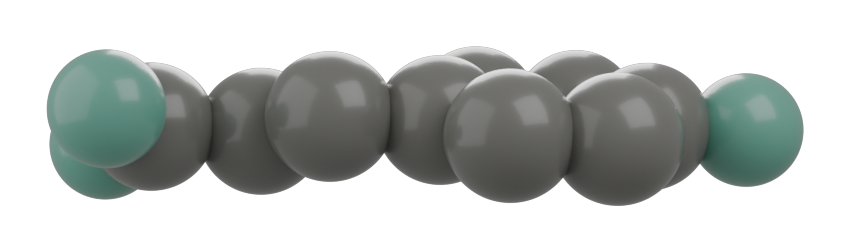
Apigenin
PubChem ↗Measured to act on
An enzyme that tags other proteins to coordinate cell growth and routine cellular housekeeping.
A liver-type enzyme that processes hormones and environmental compounds.
A transport protein that carries thyroid hormone and vitamin A through the bloodstream.
Concentrated in choroid plexusstructure resolved ↗
A key enzyme of sugar metabolism that helps cells release energy from glucose.
Concentrated in skeletal muscle, tonguestructure resolved ↗
The enzyme that produces uric acid as the body breaks down purines from cells and food.
Concentrated in liver, intestine, breaststructure resolved ↗
The enzyme that converts androgens into estrogen, the body main estrogen source.
Concentrated in placentastructure resolved ↗
A liver enzyme that processes environmental compounds and certain plant molecules.
Concentrated in liver, urinary bladderstructure resolved ↗
A receptor that senses estrogen and helps tune signaling in many of the body's tissues.
Concentrated in adrenal gland, ovary, testisstructure resolved ↗
Luteolin
PubChem ↗Measured to act on
A liver-type enzyme that processes hormones and environmental compounds.
A central signaling enzyme involved in energy storage, cell structure, and growth regulation.
The enzyme that produces uric acid as the body breaks down purines from cells and food.
Concentrated in liver, intestine, breaststructure resolved ↗
An enzyme that gently untangles DNA so cells can read and copy their genetic code.
An enzyme that produces reactive oxygen molecules used in cellular signaling.
Concentrated in kidney, blood vesselstructure resolved ↗
A liver enzyme that processes environmental compounds and certain plant molecules.
Concentrated in liver, urinary bladderstructure resolved ↗
An enzyme immune cells use to remodel and break down connective tissue.
Concentrated in lymphoid tissue, urinary bladder, intestinestructure resolved ↗
A receptor that relays growth signals guiding the development of blood-forming cells.
Concentrated in brain, lymphoid tissue, bone marrowstructure resolved ↗
An enzyme that converts glucose into sorbitol, part of how cells handle sugar.
Concentrated in adrenal glandstructure resolved ↗
A viral enzyme that splices viral genetic material into a host cell's DNA.
Ferulic acid
PubChem ↗Measured to act on
A widely active enzyme that adds phosphate tags to guide many cellular processes.
A small brain protein involved in how nerve cells package and release their signals.
Concentrated in brain, bone marrowstructure resolved ↗
Measured in the lab
Real measurements from binding studies. A tighter fit means the compound meets its target more readily — the figure in grey is the actual measured value.
Binds tightly to Siderophore-binding protein · Ki 360 nM
Binds tightly to Casein kinase II subunit alpha 3 · Ki 410 nM
Binds tightly to Alpha-synuclein · IC50 750 nM
Binds to Carbonic anhydrase 2 · Ki 2.4 µM
Binds to Carbonic anhydrase 1 · Ki 2.89 µM
Binds to Carbonic anhydrase 5A, mitochondrial · Ki 7.04 µM
— and 7 more measured targets, each traced to its source.
p-Coumaric acid
PubChem ↗Measured to act on
An enzyme that balances acid and carbon dioxide, helping regulate the body's pH.
Concentrated in stomach 1, choroid plexus, intestinestructure resolved ↗
An enzyme that converts glucose into sorbitol, part of how cells handle sugar.
Concentrated in adrenal glandstructure resolved ↗
Measured in the lab
Real measurements from binding studies. A tighter fit means the compound meets its target more readily — the figure in grey is the actual measured value.
Binds tightly to Aldo-keto reductase family 1 member B1 · IC50 140 nM
Binds tightly to Polyphenol oxidase 2 · IC50 296 nM
Binds tightly to Siderophore-binding protein · Ki 600 nM
Binds tightly to Carbonic anhydrase 2 · Ki 980 nM
Binds to Carbonic anhydrase 1 · Ki 1.07 µM
Binds to Tyrosinase · IC50 2 µM
— and 12 more measured targets, each traced to its source.
Cited science · not claims
Everything we publish about these plants traces to a primary source — the compounds to PubChem, ChEMBL, and BindingDB, the traditional uses to named, dated herbals. We describe what a plant is and what it is understood to nourish — the body’s own systems, structure and function only. We do not claim it treats, cures, or prevents any disease, and nothing here is a substitute for professional care. See our method & sources →
These statements have not been evaluated by the Food and Drug Administration. Not intended to diagnose, treat, cure, or prevent any disease.
Works alongside
Other herbs that share Wheat Grass's terrain
Different plants reaching the same systems of the body — the convergence our genome engine maps. These nourish the terrain Wheat Grass supports: