
For People
Liver
Liver Clearing
A phase-by-phase clearing arc — so the body's own renewal can run clean.
Renew is built around one quiet truth: the body is always cleaning house. Every day the liver sorts, transforms, and ushers out what it has finished with, the blood carries it, the lymph drains it, and the skin and channels of elimination move it on. When that arc runs smoothly, you feel light, clear, and steady. When it backs up, everything feels a little heavy — the skin dulls, mornings feel thick, the system runs sluggish. Renew is an arc designed to support that natural clearing and renewal at each stage, so the body's own housekeeping can do what it already knows how to do.
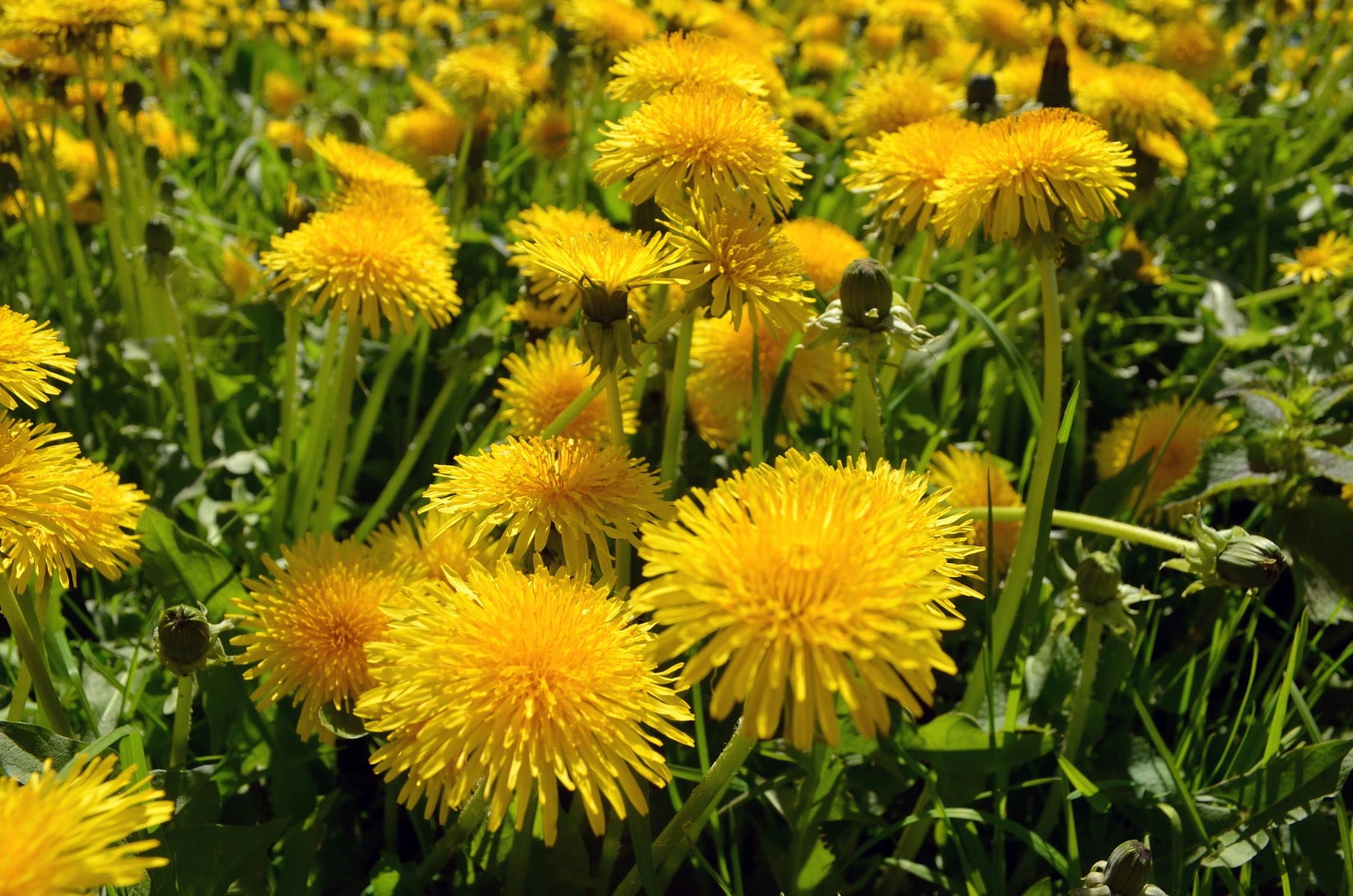
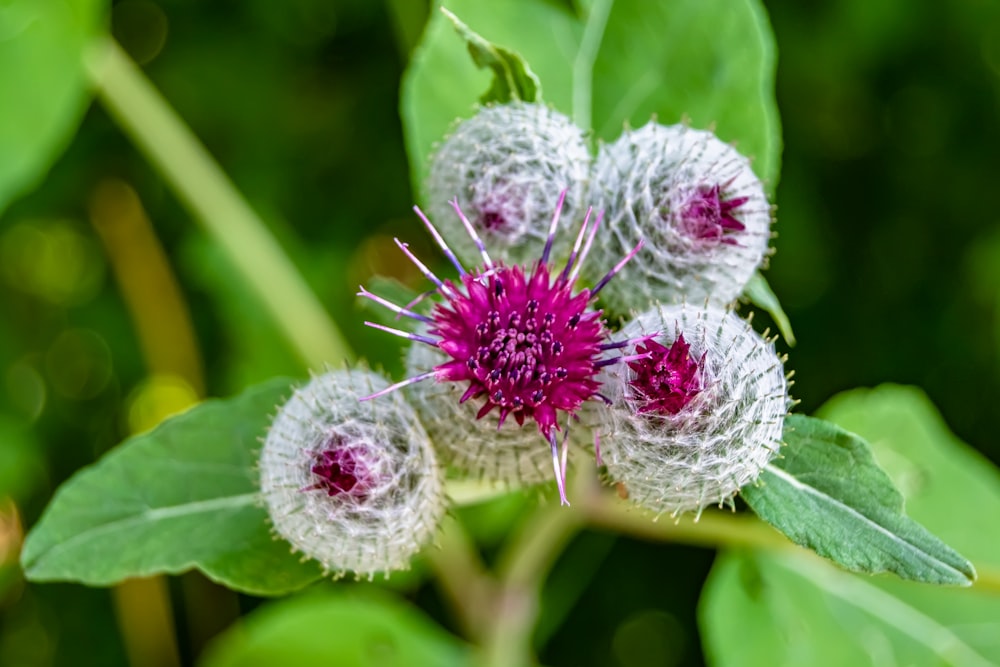
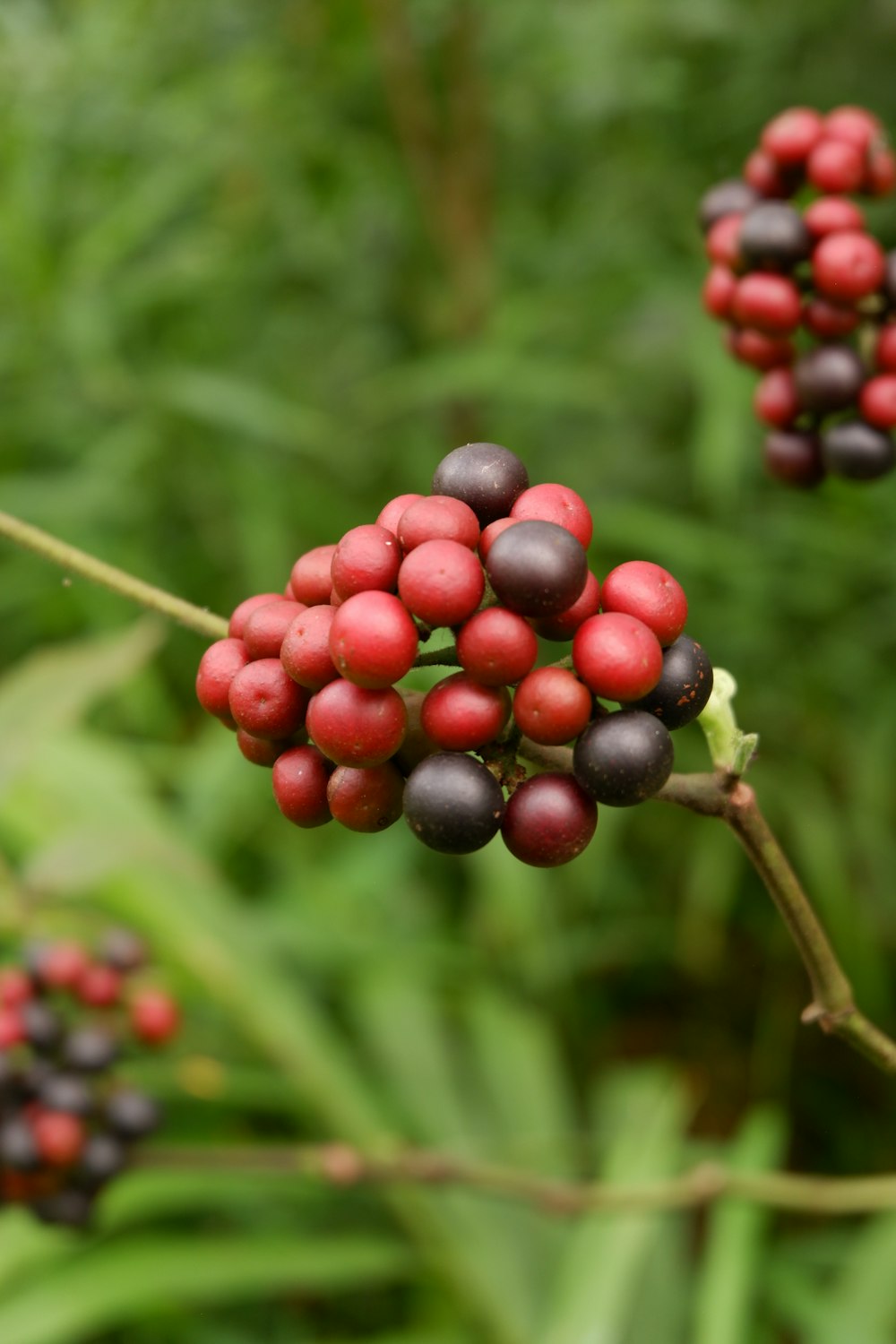
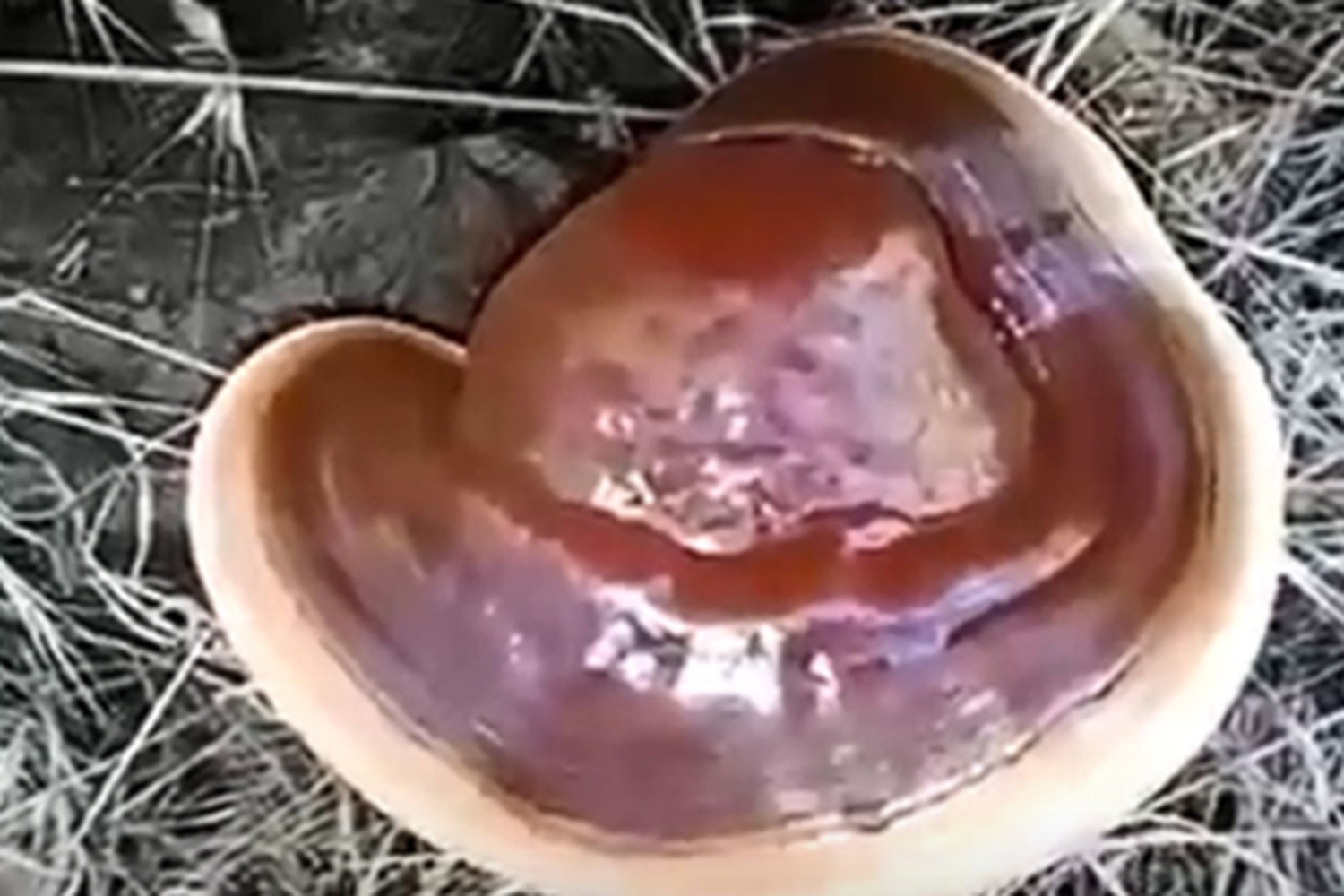
We call it an arc because that is how the herbs work — in sequence, not in isolation. Schizandra and dandelion support the liver's two phases of clearing and the steady flow of bile. Burdock works downstream, supporting the blood, the lymph, and the skin as the body moves what the liver has processed. Reishi sits underneath the whole thing, the grounding adaptogen that helps the system stay calm and resourced while it does the work. Together they read less like a stack of single herbs and more like a complete cycle, phase by phase.
Reach for Renew when you want to support a clean reset — after a heavy stretch, a rich season, a long winter indoors, or simply as a steady rhythm you return to. This is structure-and-function nourishment: it feeds the organs and systems that handle the body's natural renewal. It is not a punishing cleanse — it is the original kind of support, feeding the body so the body can keep itself clean. This product is not intended to diagnose, treat, cure, or prevent any disease.
A little goes a long way. These are very potent extracts, and Renew is meant to be lived with daily rather than taken in heroic doses. The aim is a quiet, consistent current of support — the kind you notice not as a jolt, but as a baseline that slowly feels clearer and lighter the longer you keep it.
What it supports in the body
The body systems the herbs in this formula are traditionally understood to nourish — resolved through our knowledge graph, where the classical record and modern biology are read together. Structure and function, never a claim of treatment.
Where measure & tradition agree
Systems this blend’s herbs are measured to engage in human binding data — and traditionally named for, independently. The number is how many herbs in the blend converge there. Two evidence systems arriving at the same place, separately, is our highest standard. See the research →
For People
Small-batch. Dual-extracted where it matters. Made by hand.
How to take it
1/4 tsp (up to 1 tsp) of extract powder in hot water, tea, coffee, a smoothie, or food, once daily. Begin with light doses — our extracts are very potent.
Whole plant, never isolated
Concentrated extracts of the whole botanical — the way the body recognizes it.
Cited to measured biology
Every action we describe traces to the compound and its measured target.
Structure & function
We describe what an herb nourishes — never a claim to treat disease.
Secure checkout
Encrypted payment and human verification on every order.
- Free shipping over $150USPS Priority, tracked. $15 standard; ships in 1–3 business days.
- 30-day returnsIn original packaging and resalable condition. Refunded to your original payment method.
What you get
What this formula gives you
Supports the liver's natural two-phase clearing and the steady flow of bile
Feeds the blood, lymph, and skin as the body moves what it has processed downstream
Encourages that clean, light, clear-headed feeling that comes when the system isn't backed up
Built as a complete arc — upstream clearing, downstream drainage, and grounded resilience underneath
A grounding adaptogenic base that keeps you steady and resourced through the work
Gentle prebiotic fiber that nourishes the gut terrain the liver depends on
How it works
The science of Liver
Not buzzwords — the actual biology of the plants in this formula: their compounds, the targets those compounds are measured to engage, and the systems they nourish.
The liver is the central organ of the body's natural clearing, and it does its work in stages — first transforming compounds, then conjugating them for elimination, then moving them out through bile. Renew is composed to support that whole arc. Schizandra has been a first-rank liver tonic in the East Asian materia medica for centuries, prized as a 'five-flavor' fruit; its lignans — the schisandrins and wuweizisu compounds measured in our molecular layer — are among the most-studied constituents in any liver-supporting plant. Dandelion, the bitter green that Culpeper and the Greek-Galenic tradition both leaned on for the liver and the flow of bile, contributes taraxasterol, the sesquiterpene bitters, and the flavone luteolin. Bitterness is not a flaw here — it is the mechanism. Bitter principles are the classical signal for digestive and biliary flow across Western, Ayurvedic, and East Asian practice alike.
Where schizandra and dandelion support the upstream clearing, burdock works the downstream half of the arc — what the blood and lymph carry away. Burdock root is the great 'blood-mover' and skin herb of nearly every herbal lineage on earth: the alterative of the Eclectic and Thomsonian Americans, the depurative of Galenic Europe, a clearing root in both African and East-Asian folk practice. Its arctiin and arctigenin lignans, along with chlorogenic and caffeic acids documented in our data, sit behind its long traditional use for the blood, the lymphatic channels, and the skin — the body's outer mirror of inner clearing. Inulin, burdock's gentle prebiotic fiber, also feeds the gut terrain that the liver depends on.
Beneath all of it is reishi — lingzhi, the 'mushroom of immortality' of the Daoist canon — the adaptogen that keeps the work grounded. Its ganoderic-acid triterpenes and beta-glucan polysaccharides are the measured constituents behind its reputation as a tonic for the body's resilience and immune balance. Clearing is metabolically demanding work; reishi's role in Renew is to help the system stay calm, resourced, and steady while it carries it out. One continuous cycle: transform, move, drain, and stay grounded — each phase supported by plants trusted for it across every culture, and described here only in terms of the systems they nourish.
The molecules, measured
A formula is a community of compounds. Below are active molecules from the herbs in this blend and the proteins each is measured to engage — the precise points where the plants meet biology. So you see not just that it works, but how.
Taraxacum officinale
Luteolin
PubChem ↗Measured to act on
A receptor that helps guide immune cell development and daily metabolic rhythms.
A major liver enzyme that processes and clears a large share of dietary and plant compounds.
An enzyme that breaks down purines, producing uric acid as a byproduct.
Apigenin
PubChem ↗Measured to act on
A major liver enzyme that processes and clears a large share of dietary and plant compounds.
The enzyme that converts androgens into estrogens, balancing the body's hormones.
An enzyme that breaks down serotonin and other mood-related brain messengers.
Arctium lappa
Arctigenin
PubChem ↗Measured in the lab: binds very tightly to Dual specificity mitogen-activated protein kinase kinase 1 · IC50 1 nM
Measured to act on
A signaling enzyme that passes growth messages along a relay chain inside the cell.
A liver enzyme involved in processing a variety of compounds the body encounters.
A receptor that switches certain genes on, helping guide immune-cell development.
Chlorogenic acid
PubChem ↗Measured in the lab: binds very tightly to Tyrosine-protein phosphatase non-receptor type 1 · IC50 100 nM
Measured to act on
An enzyme that removes phosphate tags from proteins, helping regulate insulin and metabolic signaling.
An enzyme that converts excess glucose into sorbitol, part of normal sugar metabolism.
Schisandra chinensis
Schisandrin B (Wuweizisu B)
PubChem ↗Measured in the lab: binds very tightly to Multidrug resistance-associated protein 1 · IC50 1.25 nM
Measured to act on
A guardian enzyme that senses DNA stress and helps coordinate repair.
A sentinel enzyme that detects DNA breaks and signals the cell to mend them.
An enzyme that helps stitch broken DNA strands back together.
Schisandrin C (= Wuweizisu C)
PubChem ↗Measured to act on
The enzyme that drives the body's inflammatory response.
The liver's busiest enzyme for breaking down compounds the body takes in.
A liver enzyme that helps metabolize and clear many compounds from the body.
Ganoderma lucidum
Ganoderic acid A
PubChem ↗Measured to act on
An enzyme that locally regenerates active cortisol, shaping how tissues respond to the body's stress hormone.
An enzyme that quiets cortisol inside kidney and salt-handling tissues, helping govern fluid and mineral balance.
An enzyme that converts glucose into sorbitol, part of how cells handle sugar.
Ganoderic acid B
PubChem ↗Measured to act on
The enzyme that breaks down acetylcholine, resetting nerve and muscle signals between pulses.
A blood enzyme that breaks down acetylcholine and helps clear certain compounds from circulation.
An enzyme that converts glucose into sorbitol, part of how cells handle sugar.
Inonotus obliquus
Betulinic acid
PubChem ↗Measured in the lab: binds tightly to Albumin · Kd 593 nM
Measured to act on
A receptor inside cells that helps direct immune cell development and daily body rhythms.
An enzyme that recycles the building blocks of DNA and cellular energy molecules.
An enzyme that helps repair and copy DNA to keep the genetic code intact.
Protocatechuic acid
PubChem ↗Measured in the lab: binds tightly to Carbonic anhydrase 2 · Ki 470 nM
Measured to act on
An enzyme that balances carbon dioxide and acidity throughout the body's fluids.
An enzyme that helps manage carbon dioxide and acid-base balance in the blood.
Gynostemma pentaphyllum
Ginsenoside Rb1
PubChem ↗Measured to act on
The cell's energy sensor, balancing fuel use when reserves run low.
Ginsenoside Rd
PubChem ↗Measured to act on
The cell's energy sensor, balancing fuel use when reserves run low.
Lycium barbarum
Betaine
PubChem ↗Measured to act on
An enzyme that recycles the amino acid homocysteine back into methionine using betaine.
Scopoletin
PubChem ↗Measured in the lab: binds tightly to Carbonic anhydrase 9 · Ki 960 nM
Measured to act on
An enzyme that helps cells balance acidity by managing carbon dioxide.
Trametes versicolor
Ergosterol
PubChem ↗Measured to act on
An enzyme that produces nitric oxide as part of the immune and inflammatory response.
A liver enzyme that attaches sugar groups to compounds so the body can clear them.
Ergosterol peroxide
PubChem ↗Measured in the lab: binds to Nitric oxide synthase, inducible · IC50 6.3 µM
Measured to act on
An enzyme that converts glucose into sorbitol, part of how cells handle sugar.
An enzyme that produces nitric oxide as part of the immune and inflammatory response.
A receptor that senses bile acids and helps govern fat, cholesterol, and bile balance.
Cited science · not claims
Everything we publish about these plants traces to a primary source — the compounds to PubChem, ChEMBL, and BindingDB, the traditional uses to named, dated herbals. We describe what a plant is and what it is understood to nourish — the body’s own systems, structure and function only. We do not claim it treats, cures, or prevents any disease, and nothing here is a substitute for professional care. See our method & sources →
These statements have not been evaluated by the Food and Drug Administration. Not intended to diagnose, treat, cure, or prevent any disease.
Why these herbs together
The shared mechanism
A formula is not a pile of herbs — it is herbs whose actions meet. Below are the molecular targets that more than one plant in this blend is measured to engage. Where they converge is the blend's reason to exist.
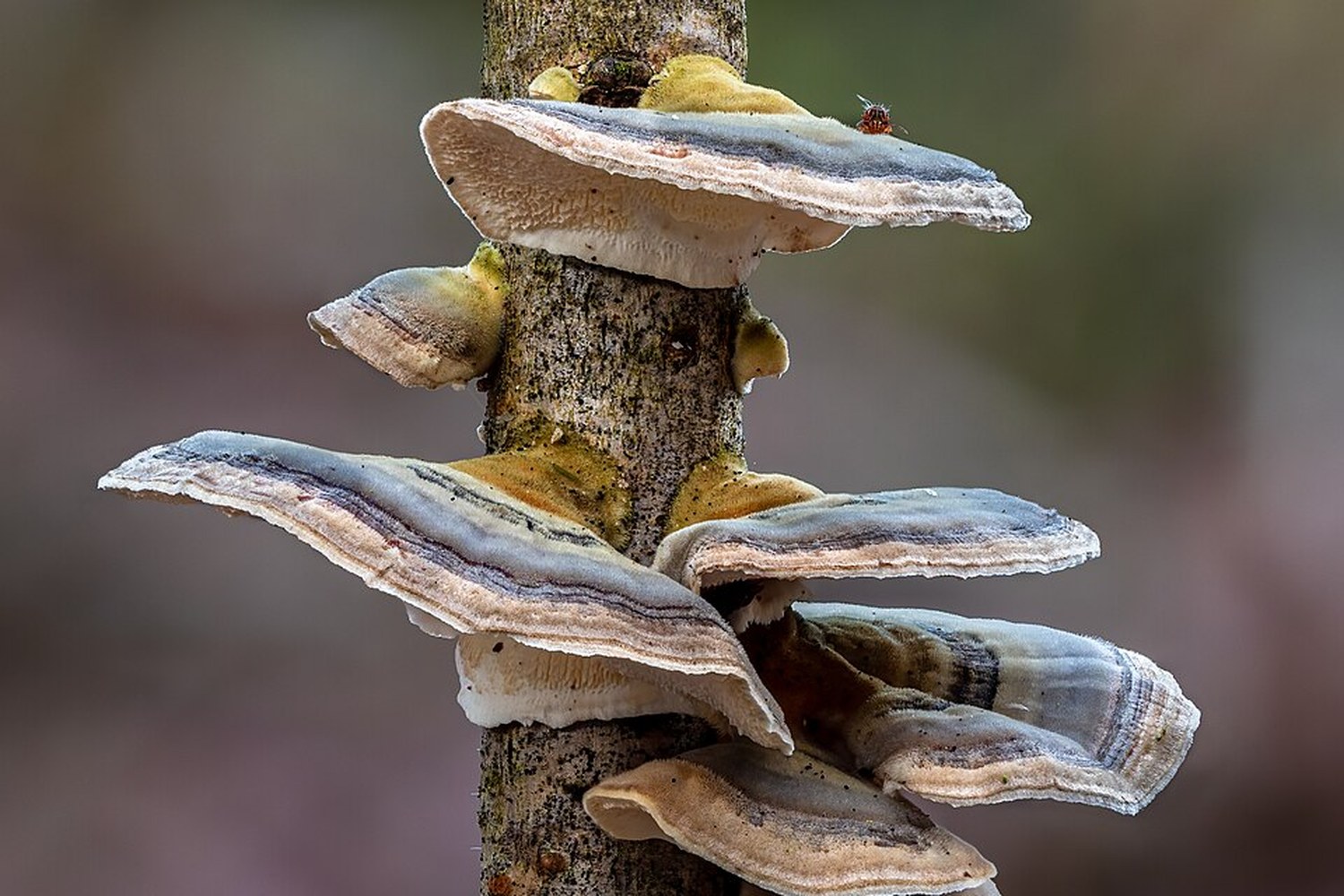
Dandelion · Burdock · Reishi · Gynostemma · Goji Berry · Turkey Tail
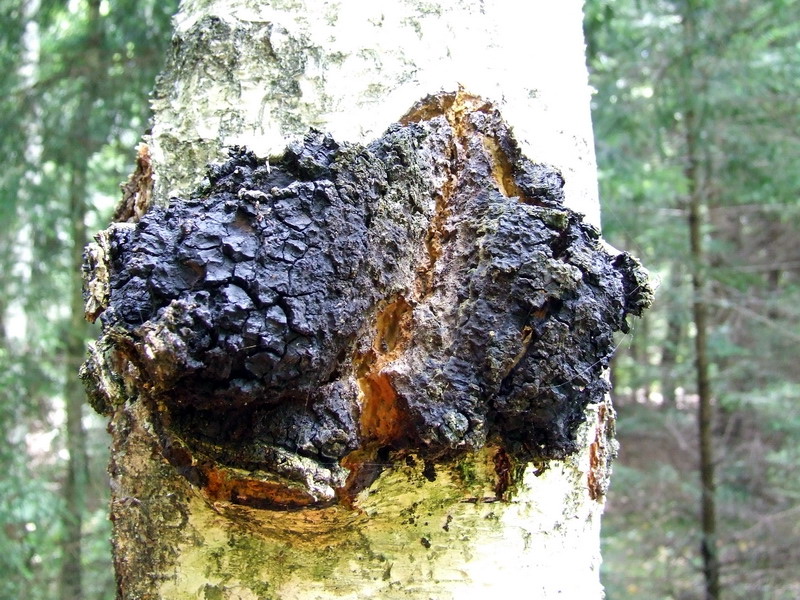
Dandelion · Burdock · Chaga · Goji Berry
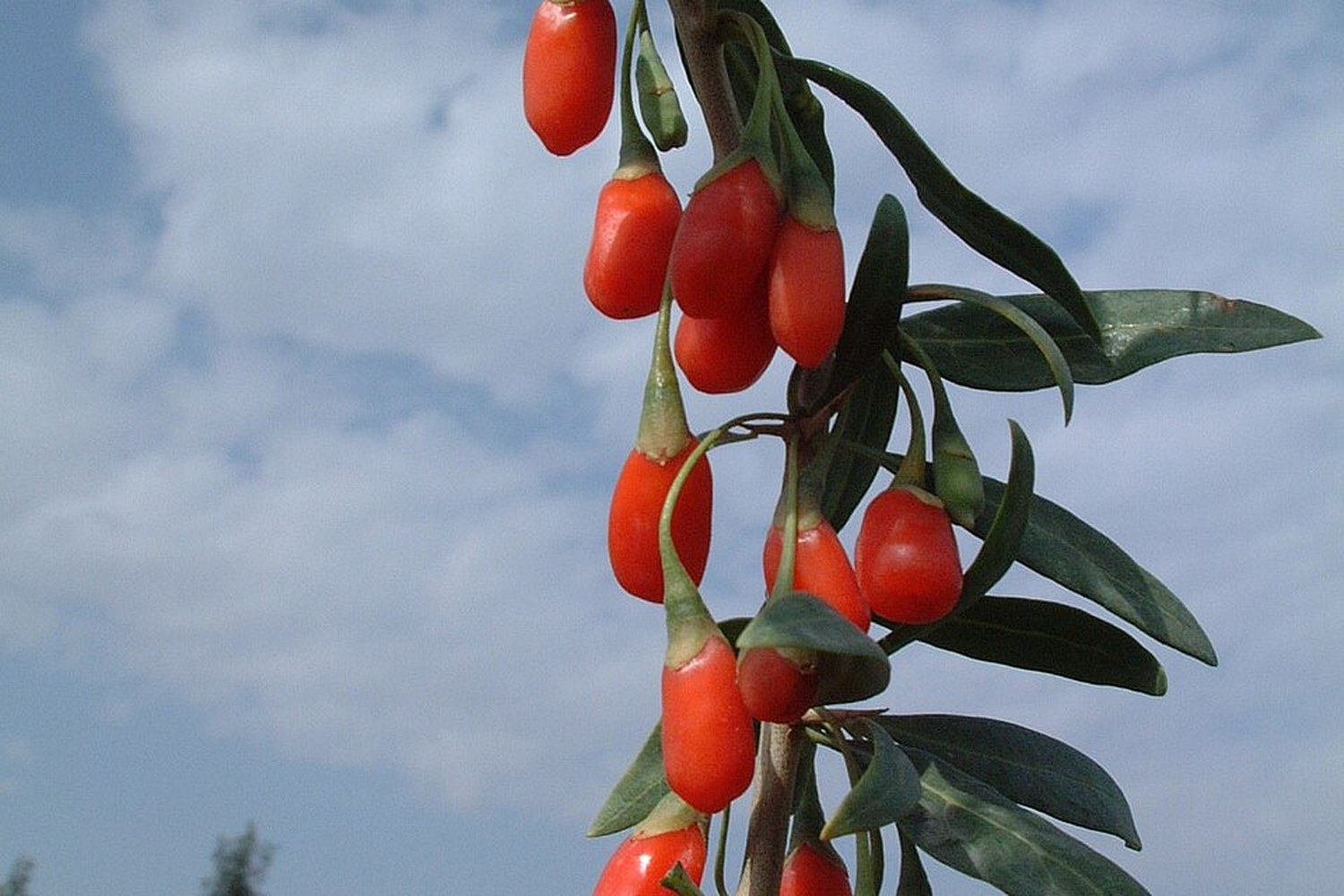
Dandelion · Schizandra · Goji Berry
Dandelion · Schizandra · Gynostemma
Dandelion · Gynostemma · Goji Berry
Burdock · Gynostemma · Goji Berry
Dandelion · Burdock
Each convergence is a gene whose protein two or more of this formula’s herbs are measured to engage (PubChem BioAssay & ChEMBL). It describes characterized molecular activity and the protein’s normal role — structure and function only, never a claim to treat, cure, or prevent any disease.
In practice
Who it’s for, and how to use it
Who it’s for
For anyone who wants to support their body's own renewal as a steady rhythm rather than a crash cleanse — useful after a heavy or rich stretch, at the turn of a season, or simply as a daily current of support for clear skin, light mornings, and a system that isn't running sluggish. Best for those who appreciate bitter, grounding, earthy tonics and prefer to be fed rather than flushed.
How to use it
Start with 1/4 teaspoon of the extract powder stirred into hot water, tea, coffee, a smoothie, or a little food, once daily. You can build up toward 1 teaspoon as you find your level, but begin light — these are very potent extracts and a small amount carries the full arc. Renew rewards consistency: a quiet daily dose over weeks does far more than a large occasional one. The taste is frankly bitter and earthy, which is the dandelion and burdock doing exactly what bitter herbs are meant to do — lean into it, or soften it with something warm.
Measure · 1/4 tsp (up to 1 tsp) of extract powder in hot water, tea, coffee, a smoothie, or food, once daily. Begin with light doses — our extracts are very potent.
What’s inside
Inside: schizandra berry, dandelion, reishi, and burdock root — A liver-and-clearing arc built from plants every major herbal tradition has trusted, prepared as concentrated full-spectrum extracts. The most pristine herbs on earth.
These statements have not been evaluated by the Food and Drug Administration. This product is not intended to diagnose, treat, cure, or prevent any disease. Introduce one formula at a time and notice how the body responds; if you are pregnant, nursing, or on a prescription, know the interaction before you begin.
Pairs well with
Formulas that share Liver's botanicals
Built from overlapping herbs, these reinforce Liver along the same lines — the shared-botanical kinship our genome engine maps.