
For People
Skin
Skin & Glow
Clear, resilient skin nourished from the blood out — radiance that begins beneath the surface.
Radiance is built on a simple truth that every botanical culture arrived at independently: the skin is not a surface to be scrubbed and coated — it is the outermost expression of what moves underneath it. The clarity, tone, and resilience you see in a face are the visible report of the blood, the liver, and the channels that carry nourishment outward and carry waste away. This formula works from that report inward, feeding the systems whose condition the skin reflects rather than chasing the reflection itself.
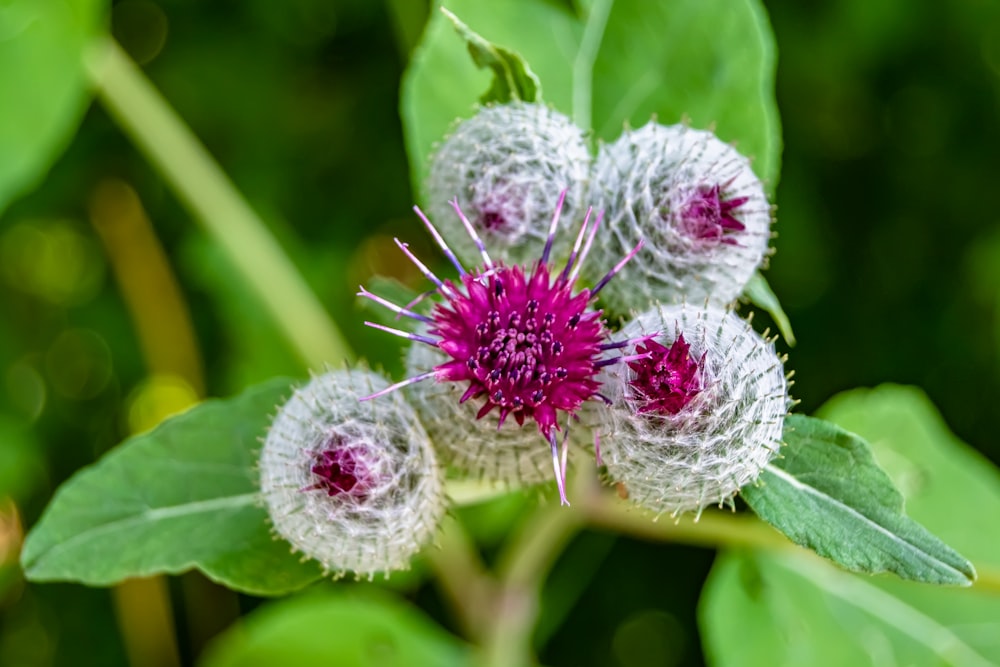
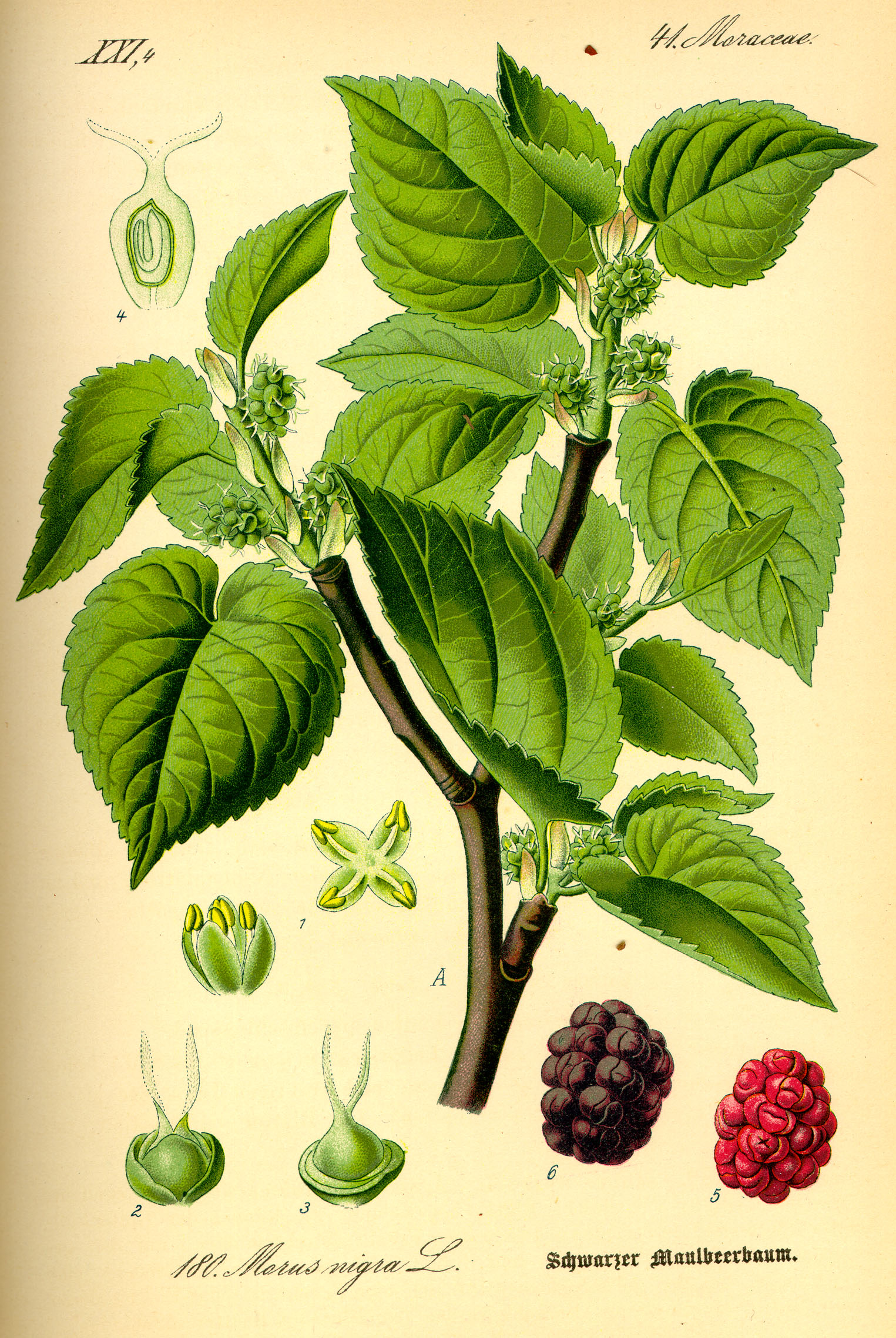
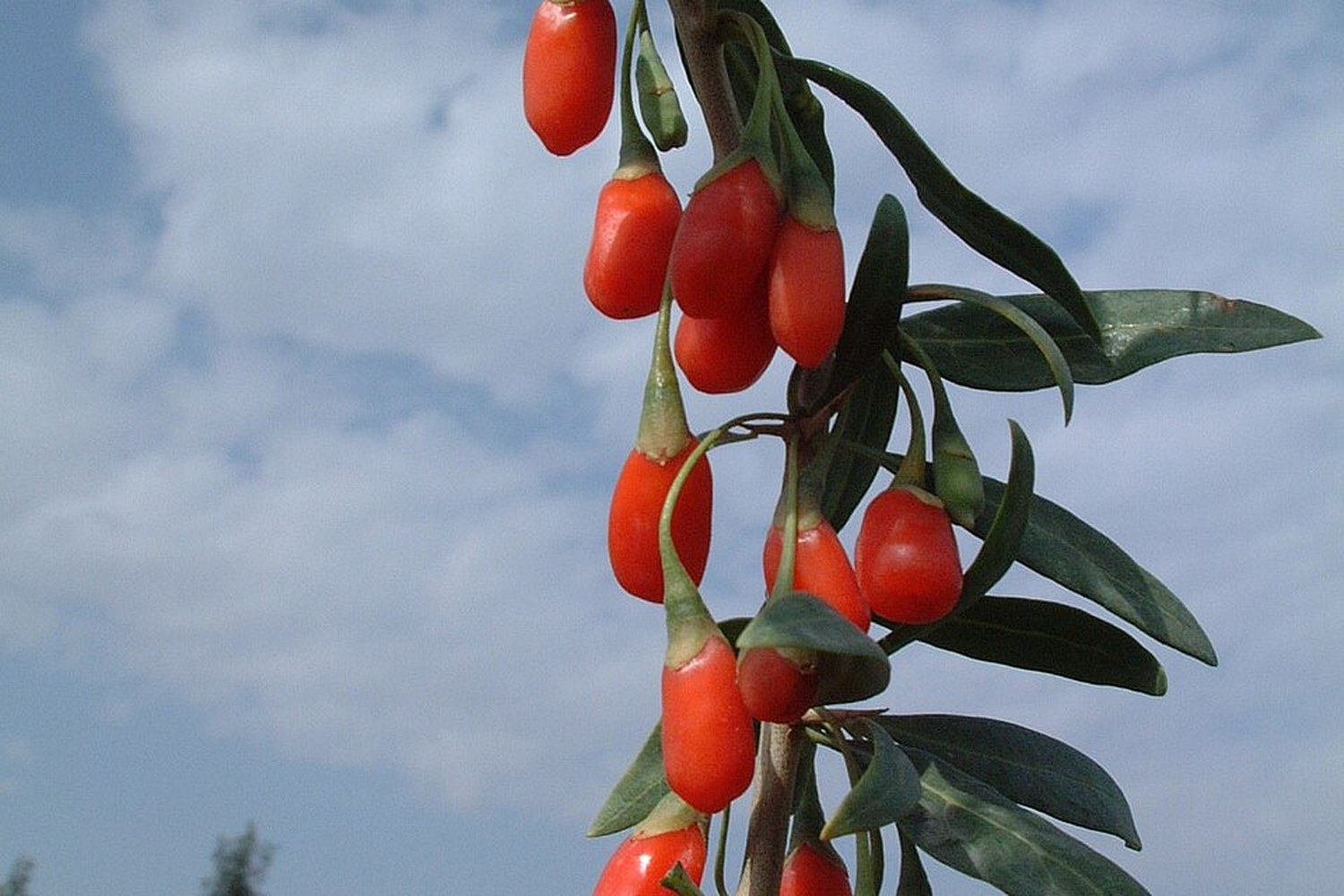
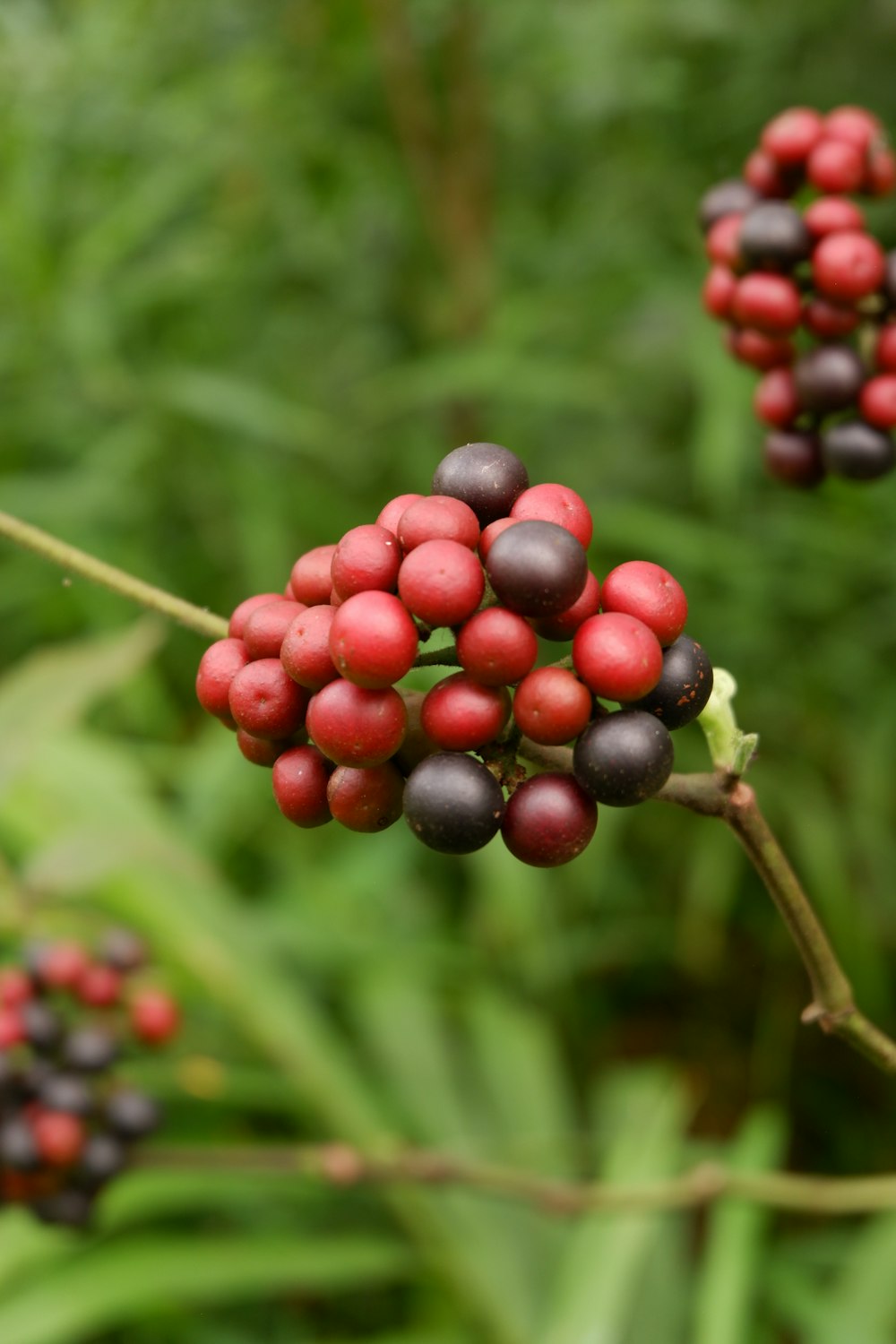
The botanicals do the work. Burdock root — the great blood-and-skin herb of the Western tradition, named by Culpeper and used the same way in East Asian practice — supports the body's own clearing channels, the liver and the lymph, so the skin isn't asked to carry a load that belongs elsewhere. Purple mulberry and goji bring the blood-nourishing, deeply pigmented side of the formula, the herbs traditionally reached for when complexion looked thin or tired. Schisandra tends the liver, the organ classical practice tied directly to clear, even skin. And he shou wu, the storied restorative root, anchors the formula in the kidney-and-essence layer that East Asian herbalism considers the deep reservoir behind a vital appearance.
Use it when you want your skin nourished as part of a whole — not patched from the outside, but supported from the blood and the clearing organs out. It is a daily, food-grade practice taken steadily. Radiance is something the body cultivates over weeks of being well-fed, and this formula is built to feed it.
Everything here is structure and function: we describe the body's own systems that these herbs nourish — blood, liver, skin, the clearing channels — and how they have been fed for centuries. This product is not intended to diagnose, treat, cure, or prevent any disease. This is original herbal practice, offered honestly.
What it supports in the body
The body systems the herbs in this formula are traditionally understood to nourish — resolved through our knowledge graph, where the classical record and modern biology are read together. Structure and function, never a claim of treatment.
Where measure & tradition agree
Systems this blend’s herbs are measured to engage in human binding data — and traditionally named for, independently. The number is how many herbs in the blend converge there. Two evidence systems arriving at the same place, separately, is our highest standard. See the research →
For People
Small-batch. Dual-extracted where it matters. Made by hand.
How to take it
1/4 tsp (up to 1 tsp) of extract powder in hot water, tea, coffee, a smoothie, or food, once daily. Begin with light doses — our extracts are very potent.
Whole plant, never isolated
Concentrated extracts of the whole botanical — the way the body recognizes it.
Cited to measured biology
Every action we describe traces to the compound and its measured target.
Structure & function
We describe what an herb nourishes — never a claim to treat disease.
Secure checkout
Encrypted payment and human verification on every order.
- Free shipping over $150USPS Priority, tracked. $15 standard; ships in 1–3 business days.
- 30-day returnsIn original packaging and resalable condition. Refunded to your original payment method.
What you get
What this formula gives you
Supports clear, resilient skin nourished from within rather than treated at the surface
Feeds the blood-and-circulatory layer tied to an even, well-fed complexion
Nourishes the liver and lymphatic clearing channels the skin relies on
Anchors a daily vitality practice in the kidney-and-essence reservoir of East Asian herbalism
Brings convergent botanicals — Western, East Asian, and Ayurvedic lineages — into one grounded formula
A food-grade daily ritual built for cultivation over weeks
How it works
The science of Skin
Not buzzwords — the actual biology of the plants in this formula: their compounds, the targets those compounds are measured to engage, and the systems they nourish.
The clearing side of Radiance is led by burdock. Its measured constituents include arctigenin and chlorogenic acid — well-characterized plant compounds with documented molecular activity — alongside the inulin and bitter principles that gave the root its long reputation as a blood and skin herb. In the structure/function frame, burdock supports the liver and lymphatic channels that the skin depends on; when those channels are well-nourished, the skin is not left to do their work. Western herbalists from Culpeper forward and East Asian practitioners both placed burdock squarely in the skin-and-blood category, an unusual cross-cultural agreement.
The blood-nourishing core comes from purple mulberry and goji, two deeply pigmented fruits whose color is itself a marker of the compounds within. Goji is rich in the carotenoids zeaxanthin and beta-carotene and the methyl-donor betaine — measured constituents that the body recognizes as building blocks rather than foreign chemistry. Purple mulberry carries the anthocyanin and stilbene pigments associated with a full, well-fed complexion. These herbs support the blood and circulatory layer that classical practice — Western, Ayurvedic, and East Asian alike — understood as the true source of a clear face: nourish the blood, and the skin it feeds follows.
Schisandra and he shou wu hold the deeper structural ground. Schisandra's lignans support the liver, the organ East Asian practice bound most tightly to even, luminous skin, while its astringent quality is why it earned the name 'five-flavor berry.' He shou wu contributes the measured stilbene glucoside THSG and supports the kidney-and-essence reservoir treated as the long reserve behind vitality and a resilient appearance. Together these herbs converge on one structure/function story — clearing, nourishing, and anchoring — which is why they belong in a single formula rather than separate jars.
The molecules, measured
A formula is a community of compounds. Below are active molecules from the herbs in this blend and the proteins each is measured to engage — the precise points where the plants meet biology. So you see not just that it works, but how.
Arctium lappa
Arctigenin
PubChem ↗Measured in the lab: binds very tightly to Dual specificity mitogen-activated protein kinase kinase 1 · IC50 1 nM
Measured to act on
A signaling enzyme that passes growth messages along a relay chain inside the cell.
A liver enzyme involved in processing a variety of compounds the body encounters.
A receptor that switches certain genes on, helping guide immune-cell development.
Chlorogenic acid
PubChem ↗Measured in the lab: binds very tightly to Tyrosine-protein phosphatase non-receptor type 1 · IC50 100 nM
Measured to act on
An enzyme that removes phosphate tags from proteins, helping regulate insulin and metabolic signaling.
An enzyme that converts excess glucose into sorbitol, part of normal sugar metabolism.
Morus nigra
Quercetin
PubChem ↗Measured in the lab: binds very tightly to Amine oxidase [flavin-containing] A · IC50 10 nM
Measured to act on
An enzyme that converts excess glucose into sorbitol as part of sugar metabolism.
An enzyme that converts fatty acids into messengers of the inflammatory response.
Rutin (quercetin-3-O-rutinoside)
PubChem ↗Measured to act on
The enzyme that produces uric acid as the body breaks down spent genetic building blocks.
Lycium barbarum
Betaine
PubChem ↗Measured to act on
An enzyme that recycles the amino acid homocysteine back into methionine using betaine.
Scopoletin
PubChem ↗Measured in the lab: binds tightly to Carbonic anhydrase 9 · Ki 960 nM
Measured to act on
An enzyme that helps cells balance acidity by managing carbon dioxide.
Schisandra chinensis
Schisandrin B (Wuweizisu B)
PubChem ↗Measured in the lab: binds very tightly to Multidrug resistance-associated protein 1 · IC50 1.25 nM
Measured to act on
A guardian enzyme that senses DNA stress and helps coordinate repair.
A sentinel enzyme that detects DNA breaks and signals the cell to mend them.
An enzyme that helps stitch broken DNA strands back together.
Schisandrin C (= Wuweizisu C)
PubChem ↗Measured to act on
The enzyme that drives the body's inflammatory response.
The liver's busiest enzyme for breaking down compounds the body takes in.
A liver enzyme that helps metabolize and clear many compounds from the body.
Polygonum multiflorum
Emodin
PubChem ↗Measured in the lab: binds tightly to Proteasome subunit beta type-1 · IC50 240 nM
Measured to act on
A constantly active signaling enzyme involved in cell growth and stress responses.
A regulatory enzyme that removes phosphate tags involved in cell signaling and movement.
An enzyme that converts glucose into sorbitol as part of cellular sugar handling.
Physcion (Parietin)
PubChem ↗Measured in the lab: binds to Neutrophil elastase · IC50 6.2 µM
Measured to act on
An enzyme released by immune cells that helps break down debris during the inflammatory response.
An enzyme that helps keep cells in antioxidant balance against oxidative stress.
An antioxidant enzyme that protects the cell's energy factories from oxidative stress.
Cited science · not claims
Everything we publish about these plants traces to a primary source — the compounds to PubChem, ChEMBL, and BindingDB, the traditional uses to named, dated herbals. We describe what a plant is and what it is understood to nourish — the body’s own systems, structure and function only. We do not claim it treats, cures, or prevents any disease, and nothing here is a substitute for professional care. See our method & sources →
These statements have not been evaluated by the Food and Drug Administration. Not intended to diagnose, treat, cure, or prevent any disease.
Why these herbs together
The shared mechanism
A formula is not a pile of herbs — it is herbs whose actions meet. Below are the molecular targets that more than one plant in this blend is measured to engage. Where they converge is the blend's reason to exist.
Burdock · Purple Mulberry · Goji Berry · He Shou Wu (Fo-Ti)
Burdock · Purple Mulberry · He Shou Wu (Fo-Ti)
Purple Mulberry · Goji Berry · Schizandra
Burdock · Goji Berry
Burdock · Goji Berry
Purple Mulberry · He Shou Wu (Fo-Ti)
Purple Mulberry · Goji Berry
Each convergence is a gene whose protein two or more of this formula’s herbs are measured to engage (PubChem BioAssay & ChEMBL). It describes characterized molecular activity and the protein’s normal role — structure and function only, never a claim to treat, cure, or prevent any disease.
Whole plant vs. the isolated molecule
Pharma locks one switch. Radiance feeds the whole clearing system — to the molecule.
Pharma isolates one molecule to seize one receptor. Radiance is the whole plant, named to the molecule. Burdock, goji, and he shou wu — three roots Culpeper and classical East Asian practice both filed under blood and skin — converge, in our measured genome, on the same liver-clearing enzymes: CYP1A2, CYP2C9, CYP2C19, and CYP3A4, the family that metabolizes dietary and plant compounds, plus NFE2L2, the cell's master antioxidant-response coordinator, and AKR1B1, an enzyme of ordinary sugar handling. Goji and he shou wu meet again at NR3C1, the cortisol receptor, and at the estrogen receptor ESR1; goji and schisandra share ABCC2, the transporter that carries processed compounds out of liver cells into bile. This is multi-target by nature, not a single locked switch. Goji's zeaxanthin and betaine, he shou wu's stilbene glucoside THSG, burdock's arctigenin and chlorogenic acid — food the body recognizes, cited and transparent, nourishing the blood and the clearing channels the skin reflects rather than coating the surface.
Every molecule and target named here is cited from our own genome data (PubChem BioAssay, BindingDB, ChEMBL). Structure and function only — a description of characterized chemistry and tradition, never a claim to treat, cure, or prevent any disease.
In practice
Who it’s for, and how to use it
Who it’s for
For anyone who wants their skin nourished as the outward expression of a well-tended body — fed from the blood, the liver, and the clearing channels rather than coated from the outside. It suits people drawn to a slow, daily, food-grade practice over fast cosmetic fixes, and those who appreciate that clear, resilient skin is something the body cultivates when it is well-nourished. A whole-body vitality ritual.
How to use it
Take 1/4 teaspoon (working up to 1 teaspoon) of the extract powder once daily, stirred into hot water, tea, coffee, a smoothie, or food. Begin with light doses — these extracts are very potent and a little goes a long way. Radiance rewards consistency: think of it as a standing part of a morning or evening ritual over weeks, the way the body builds anything worth keeping.
Measure · 1/4 tsp (up to 1 tsp) of extract powder in hot water, tea, coffee, a smoothie, or food, once daily. Begin with light doses — our extracts are very potent.
What’s inside
Inside: burdock root, purple mulberry, goji, schisandra, and he shou wu — botanicals chosen because every herbal culture, from Culpeper's England to classical East Asian practice, converged on the same insight that the skin reflects the blood and the clearing organs beneath it. We name them plainly and gratefully. The most pristine herbs on earth.
These statements have not been evaluated by the Food and Drug Administration. This product is not intended to diagnose, treat, cure, or prevent any disease. Introduce one formula at a time and notice how the body responds; if you are pregnant, nursing, or on a prescription, know the interaction before you begin.
Pairs well with
Formulas that share Skin's botanicals
Built from overlapping herbs, these reinforce Skin along the same lines — the shared-botanical kinship our genome engine maps.