
For People
Vision
Vision
Clear, well-fed eyes — the herbal lineage's vision tonic, built from the berries every culture reached for to keep sight bright.
Gaze is for the eyes you ask the most of — eyes that scan screens through long days, drive into low evening light, read fine print, or simply carry the wear of years. It is built around a single idea that runs through every herbal tradition on earth: the eyes are nourished tissue, and bright sight follows a well-fed body. Gaze brings the most revered vision-supporting botanicals into one grounded blend, so the eyes are fed from the inside rather than merely soothed at the surface.
Reach for it as daily nourishment. Where the Greek-Galenic physicians and Culpeper's English herbals tied clear sight to a cool, well-watered constitution and a calm liver, the classical East Asian materia medica drew the same map in its own language — the liver and the kidney-blood reserve govern the eyes, and berries that nourish that reserve keep vision sharp. Ayurvedic and African plant traditions arrive at the same place from another road: feed the blood, protect the moist tissues, and the senses stay keen. Gaze is that shared conclusion, distilled.
Day to day, this is the formula for the person who wants their eyes supported the way the rest of the body is supported — with food-grade botanical nourishment, taken steadily, that the body recognizes and puts to use. It is not a quick fix and does not pretend to be. It is a tonic in the oldest sense: something you take with patience because the lineage took it with patience, and the eyes are worth feeding well.
What it supports in the body
The body systems the herbs in this formula are traditionally understood to nourish — resolved through our knowledge graph, where the classical record and modern biology are read together. Structure and function, never a claim of treatment.
Where measure & tradition agree
Systems this blend’s herbs are measured to engage in human binding data — and traditionally named for, independently. The number is how many herbs in the blend converge there. Two evidence systems arriving at the same place, separately, is our highest standard. See the research →
For People
Small-batch. Dual-extracted where it matters. Made by hand.
How to take it
1/4 tsp (up to 1 tsp) of extract powder in hot water, tea, coffee, a smoothie, or food, once daily. Begin with light doses — our extracts are very potent.
Whole plant, never isolated
Concentrated extracts of the whole botanical — the way the body recognizes it.
Cited to measured biology
Every action we describe traces to the compound and its measured target.
Structure & function
We describe what an herb nourishes — never a claim to treat disease.
Secure checkout
Encrypted payment and human verification on every order.
- Free shipping over $150USPS Priority, tracked. $15 standard; ships in 1–3 business days.
- 30-day returnsIn original packaging and resalable condition. Refunded to your original payment method.
What you get
What this formula gives you
Supports the eye's natural antioxidant defense through goji's zeaxanthin and beta-carotene — the carotenoid pigments the eye itself concentrates
Nourishes healthy ocular tissue with a dense, food-grade botanical complex the body recognizes and uses
Supports the fine circulation that feeds the eyes, via mulberry's flavonoids and the blood-nourishing reserve of rehmannia
Backs visual clarity and comfort for eyes under daily demand — screens, low light, fine focus, and the wear of years
Steadies the liver-and-blood relationship that every herbal tradition ties to bright, well-fed sight
Delivers steady, tonic-style nourishment built for patient daily use, the way the lineage always took it
How it works
The science of Vision
Not buzzwords — the actual biology of the plants in this formula: their compounds, the targets those compounds are measured to engage, and the systems they nourish.
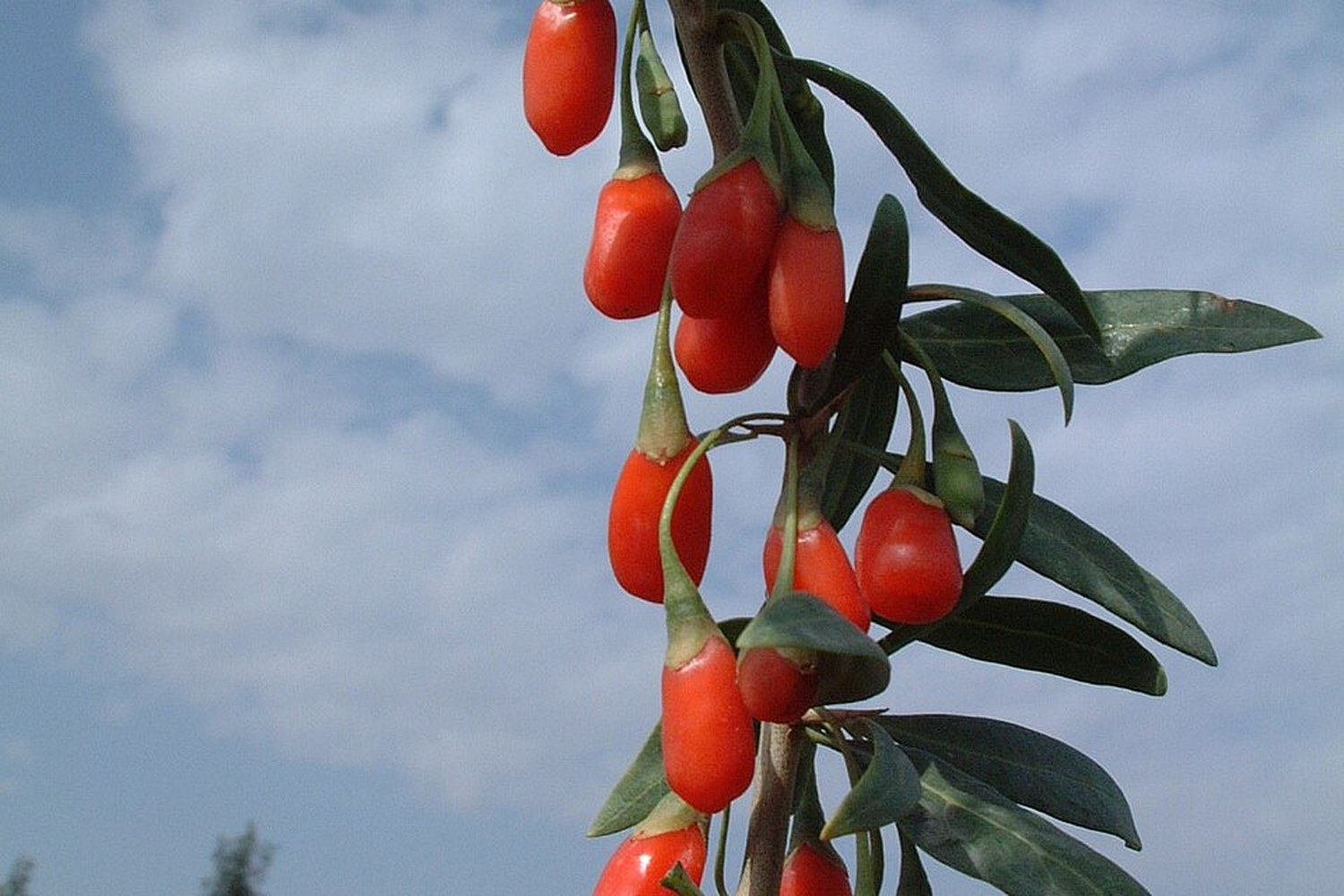
The grounding for Gaze sits in the actual chemistry of its botanicals. Goji berry is one of the richest dietary sources of zeaxanthin and beta-carotene — the same family of carotenoid pigments that the eye concentrates in its central tissue, where they help absorb high-energy light and steady the eye's own antioxidant defense. Goji also carries betaine and quercetin, broad-acting plant antioxidants. This is why the lineage prized goji for the eyes long before anyone could name the pigment: the body was reading the chemistry directly.
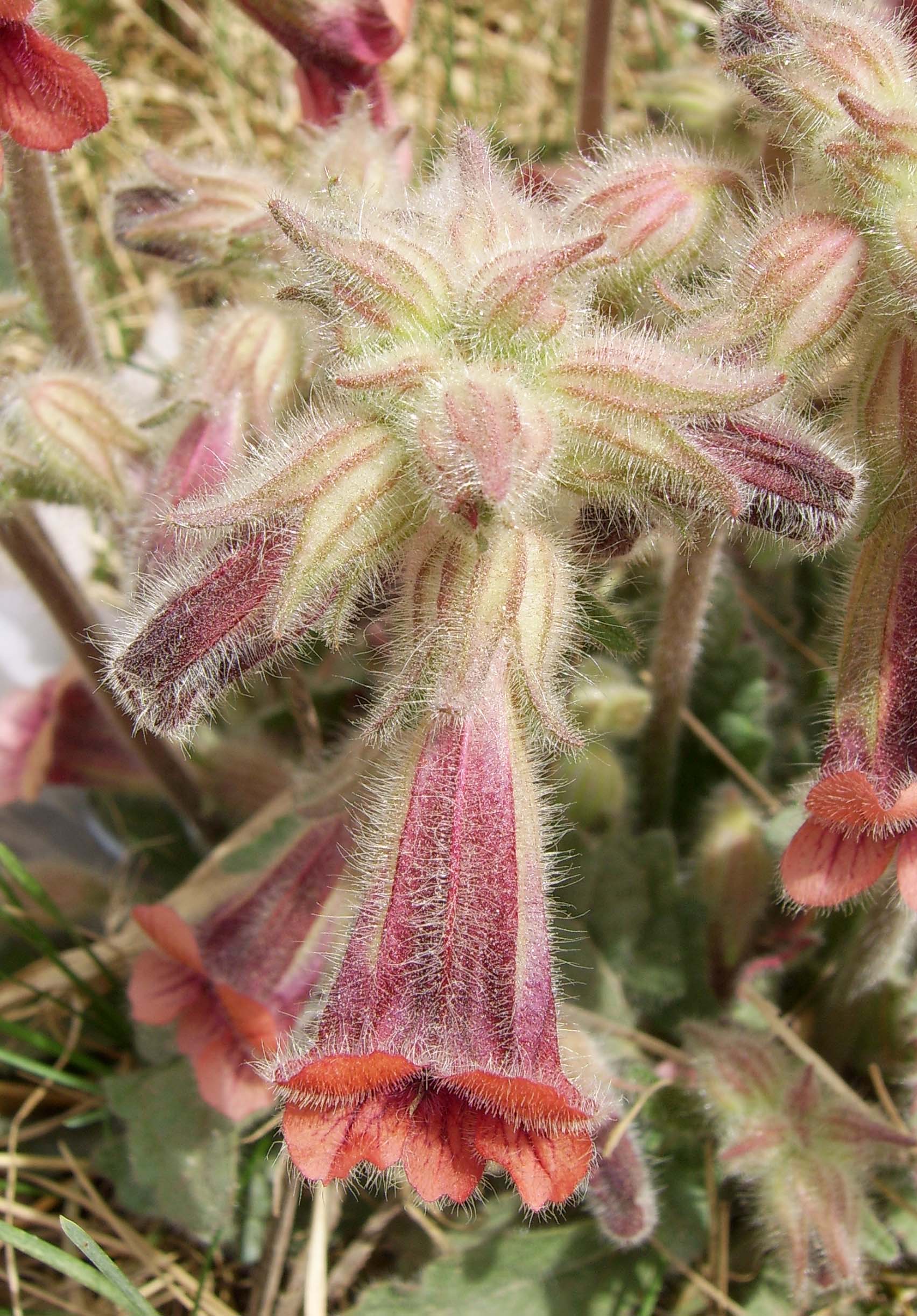
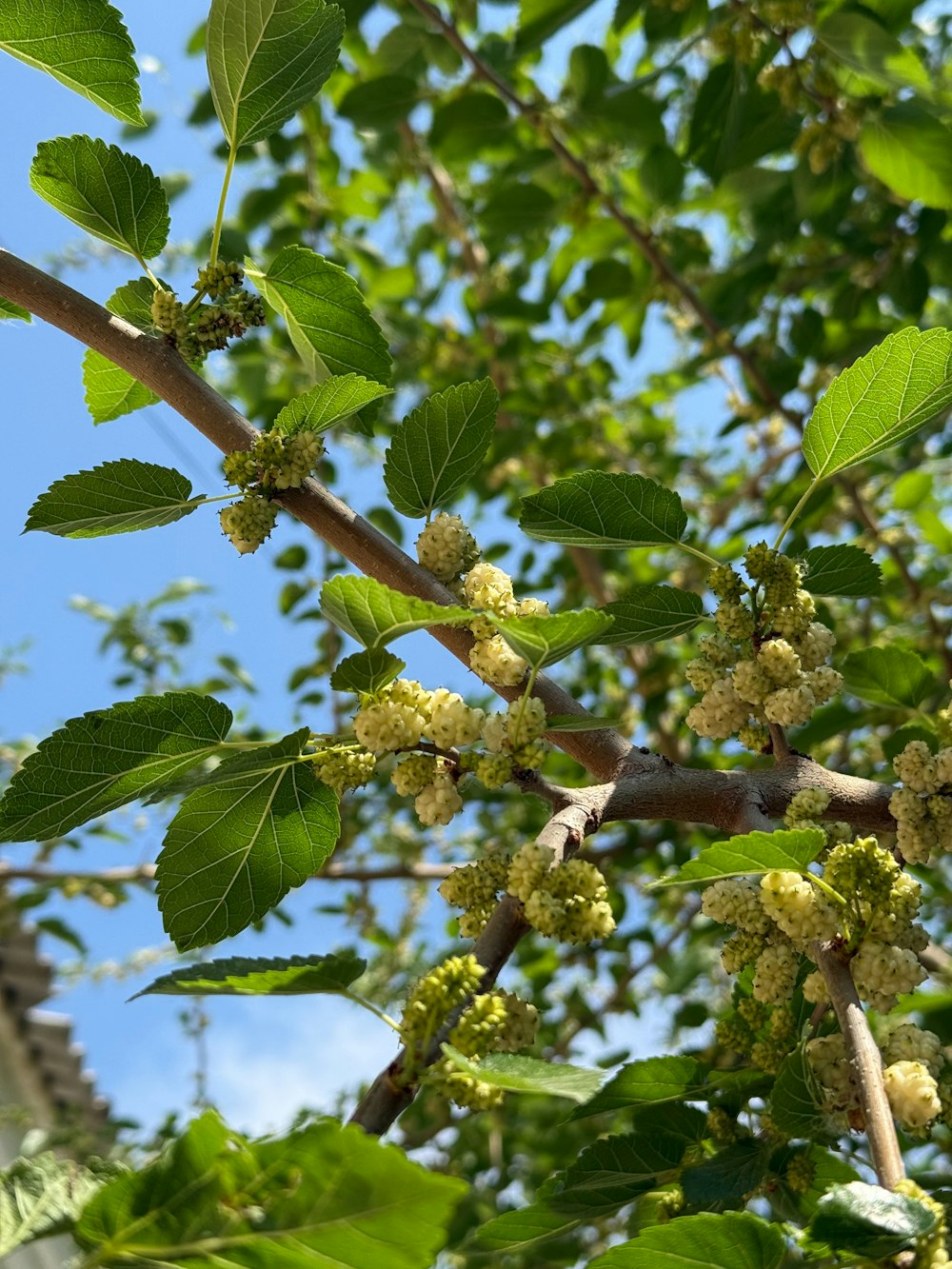
The other three berries surround that pigment-rich core with complementary support. Mulberry contributes rutin, chlorogenic acid, and oxyresveratrol — flavonoid and stilbene compounds that support healthy small blood vessels and circulation, and the eye is among the most capillary-dense tissues in the body, fed by the finest of vessels. Rehmannia is dense in iridoid glycosides such as catalpol and acteoside, the constituents behind its classical role as a deep blood-and-reserve nourisher. Schizandra rounds the blend with its signature lignans — the schisandrins — the five-flavor berry the tradition leaned on to support the liver, which that same tradition names as the organ that opens to the eyes.
Read together, the four describe one coherent structure-and-function picture: feed the eye's pigment and antioxidant defense (goji), support the fine vasculature that carries blood to ocular tissue (mulberry), replenish the deeper blood-and-fluid reserve that keeps tissue moist and nourished (rehmannia), and steady the liver-blood relationship the tradition ties to clear sight (schizandra). This is nourishment of the body's own systems — food-grade botanical support, never a remedy aimed at any condition.
The molecules, measured
A formula is a community of compounds. Below are active molecules from the herbs in this blend and the proteins each is measured to engage — the precise points where the plants meet biology. So you see not just that it works, but how.
Lycium barbarum
Betaine
PubChem ↗Measured to act on
An enzyme that recycles the amino acid homocysteine back into methionine using betaine.
Scopoletin
PubChem ↗Measured in the lab: binds tightly to Carbonic anhydrase 9 · Ki 960 nM
Measured to act on
An enzyme that helps cells balance acidity by managing carbon dioxide.
Rehmannia glutinosa
Acteoside (Verbascoside)
PubChem ↗Measured in the lab: binds very tightly to Beta-secretase 1 · IC50 6.3 nM
Measured to act on
A family of signaling enzymes that relay messages controlling cell growth and activity.
Aucubin
PubChem ↗Measured to act on
An enzyme that makes prostaglandins for everyday housekeeping like stomach lining and blood flow.
The enzyme that drives the body's inflammatory response by producing prostaglandins.
The receptor through which estrogen signals, governing many reproductive and tissue functions.
Morus alba
1-Deoxynojirimycin (DNJ)
PubChem ↗Measured to act on
An enzyme inside cells that breaks down stored glycogen into usable glucose.
An enzyme that trims sugar chains as proteins are properly folded and finished.
A gut enzyme that finishes digesting starch into glucose for absorption.
Oxyresveratrol
PubChem ↗Measured in the lab: binds very tightly to Tyrosinase · IC50 90 nM
Measured to act on
The enzyme that produces melanin, the pigment that colors skin and hair.
A carrier protein that transports thyroid hormone and vitamin A through the blood.
A liver-type enzyme that processes hormones and foreign compounds for clearance.
Polygonum multiflorum
Emodin
PubChem ↗Measured in the lab: binds tightly to Proteasome subunit beta type-1 · IC50 240 nM
Measured to act on
A constantly active signaling enzyme involved in cell growth and stress responses.
A regulatory enzyme that removes phosphate tags involved in cell signaling and movement.
An enzyme that converts glucose into sorbitol as part of cellular sugar handling.
Physcion (Parietin)
PubChem ↗Measured in the lab: binds to Neutrophil elastase · IC50 6.2 µM
Measured to act on
An enzyme released by immune cells that helps break down debris during the inflammatory response.
An enzyme that helps keep cells in antioxidant balance against oxidative stress.
An antioxidant enzyme that protects the cell's energy factories from oxidative stress.
Schisandra chinensis
Schisandrin B (Wuweizisu B)
PubChem ↗Measured in the lab: binds very tightly to Multidrug resistance-associated protein 1 · IC50 1.25 nM
Measured to act on
A guardian enzyme that senses DNA stress and helps coordinate repair.
A sentinel enzyme that detects DNA breaks and signals the cell to mend them.
An enzyme that helps stitch broken DNA strands back together.
Schisandrin C (= Wuweizisu C)
PubChem ↗Measured to act on
The enzyme that drives the body's inflammatory response.
The liver's busiest enzyme for breaking down compounds the body takes in.
A liver enzyme that helps metabolize and clear many compounds from the body.
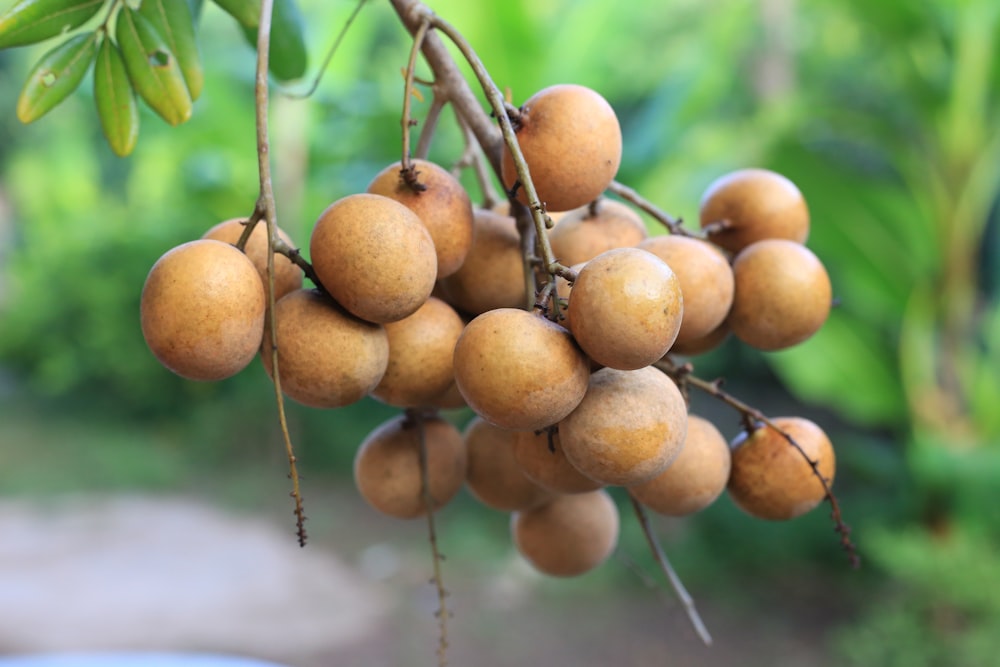
Dimocarpus longan
Gallic acid
PubChem ↗Measured in the lab: binds very tightly to Amyloid-beta precursor protein · EC50 1.7 nM
Measured to act on
A mitochondrial enzyme involved in breaking down fatty acids and balancing steroid hormones.
An enzyme that adds sugar tags to cells, helping immune cells find their way through tissue.
An enzyme that edits chemical tags on DNA-packaging proteins to regulate genes.
Ellagic acid
PubChem ↗Measured in the lab: binds very tightly to Amyloid-beta precursor protein · EC50 1.7 nM
Measured to act on
A protein that repairs damaged DNA and helps balance the cell's oxidative state.
A constantly active signaling enzyme involved in cell growth and stress responses.
An enzyme in the liver and red blood cells that helps turn sugar into usable energy.
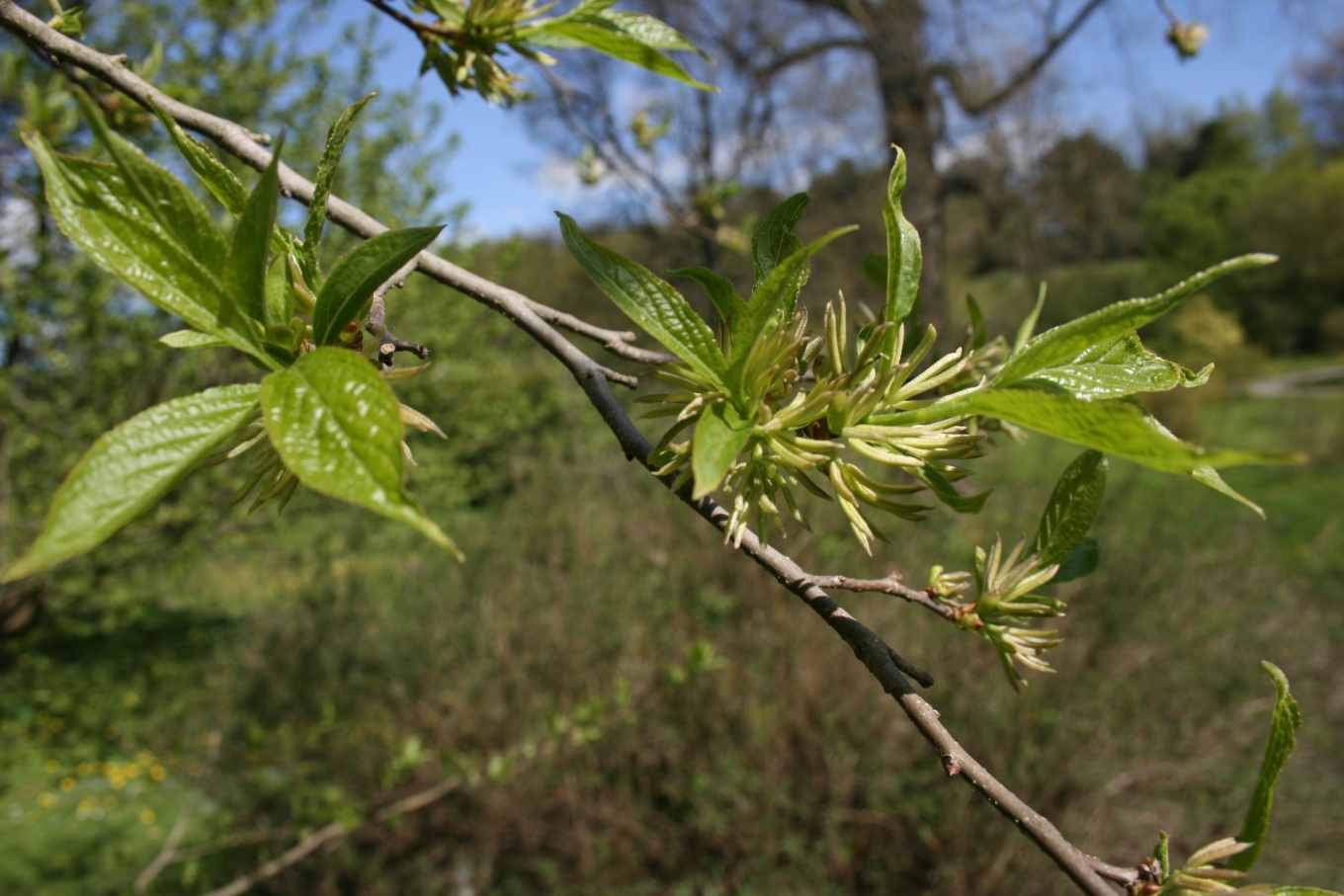
Eucommia ulmoides
Chlorogenic acid
PubChem ↗Measured in the lab: binds very tightly to Tyrosine-protein phosphatase non-receptor type 1 · IC50 100 nM
Measured to act on
An enzyme that dials down insulin and growth signaling by removing phosphate tags.
An enzyme that converts glucose into sorbitol as part of cellular sugar handling.
Quercetin
PubChem ↗Measured in the lab: binds very tightly to Amine oxidase [flavin-containing] A · IC50 10 nM
Measured to act on
A structural protein that stabilizes the internal scaffolding of nerve cells.
A liver-type enzyme that processes hormones and environmental compounds.
An enzyme that breaks down messenger chemicals like serotonin in the nervous system.
Cited science · not claims
Everything we publish about these plants traces to a primary source — the compounds to PubChem, ChEMBL, and BindingDB, the traditional uses to named, dated herbals. We describe what a plant is and what it is understood to nourish — the body’s own systems, structure and function only. We do not claim it treats, cures, or prevents any disease, and nothing here is a substitute for professional care. See our method & sources →
These statements have not been evaluated by the Food and Drug Administration. Not intended to diagnose, treat, cure, or prevent any disease.
Why these herbs together
The shared mechanism
A formula is not a pile of herbs — it is herbs whose actions meet. Below are the molecular targets that more than one plant in this blend is measured to engage. Where they converge is the blend's reason to exist.
Goji Berry · Mulberry · Longan Berry · Eucommia
Goji Berry · Mulberry · He Shou Wu (Fo-Ti) · Eucommia
Goji Berry · Mulberry · He Shou Wu (Fo-Ti)
Goji Berry · Mulberry · Longan Berry
Goji Berry · Mulberry · Schizandra
Goji Berry · Rehmannia · Mulberry
Goji Berry · Mulberry · Eucommia
Each convergence is a gene whose protein two or more of this formula’s herbs are measured to engage (PubChem BioAssay & ChEMBL). It describes characterized molecular activity and the protein’s normal role — structure and function only, never a claim to treat, cure, or prevent any disease.
In practice
Who it’s for, and how to use it
Who it’s for
For anyone who asks a great deal of their eyes and wants to feed them well — long-day screen workers, readers, drivers, night-light strugglers, and those who simply feel the years in their sight and want grounded daily nourishment. Best as a steady ritual, not an occasional rescue. Adults; if you are pregnant, nursing, or taking prescribed botanicals, speak with someone who knows your full picture before adding any new tonic.
How to use it
Stir 1/4 tsp of the extract powder (working up to 1 tsp as you like) into hot water, tea, coffee, a smoothie, or food, once daily. Begin with light doses — these extracts are very potent, and a little carries far. Taken steadily over weeks and months, the way a tonic is meant to be taken, rather than as a one-time dose.
Measure · 1/4 tsp (up to 1 tsp) of extract powder in hot water, tea, coffee, a smoothie, or food, once daily. Begin with light doses — our extracts are very potent.
What’s inside
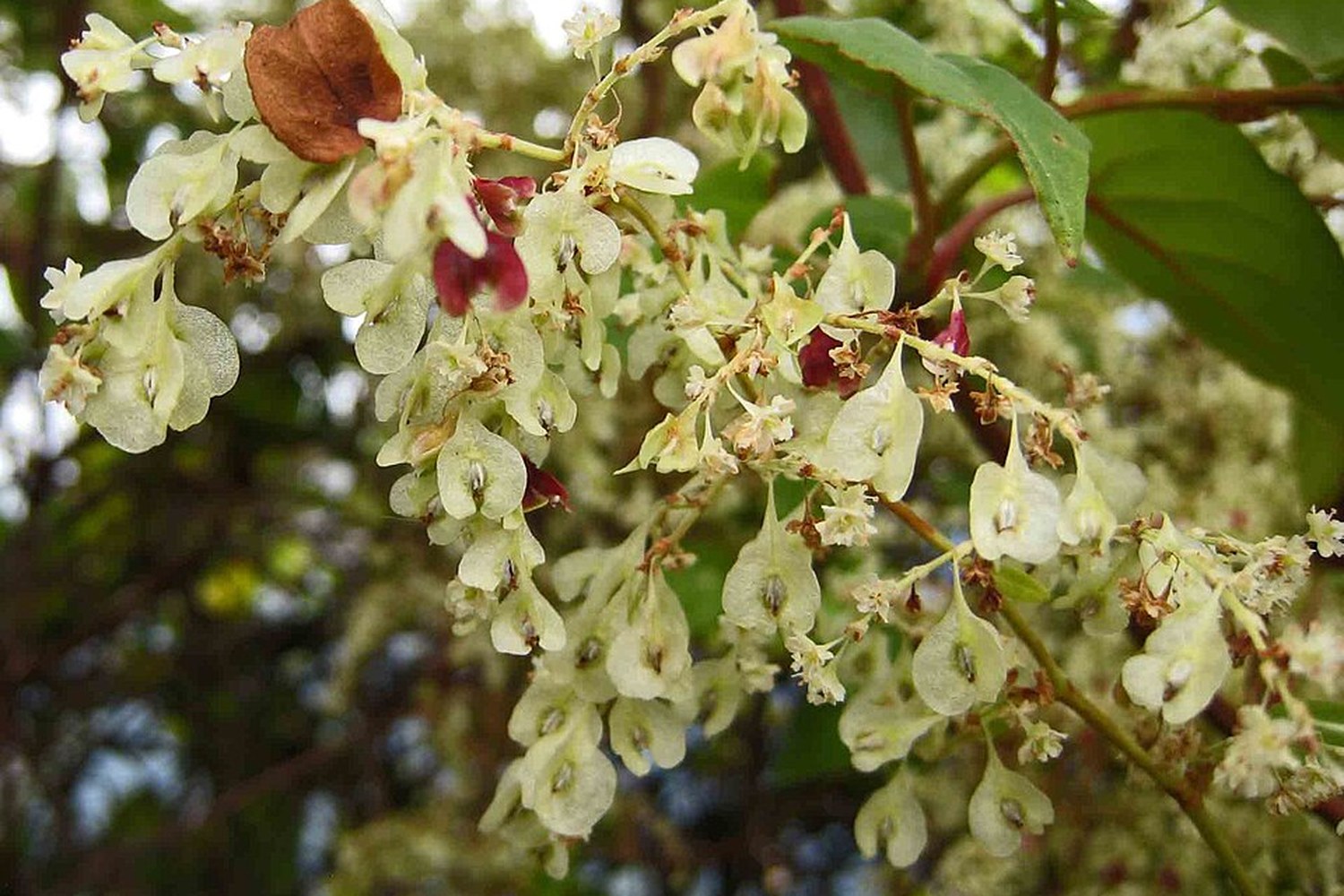
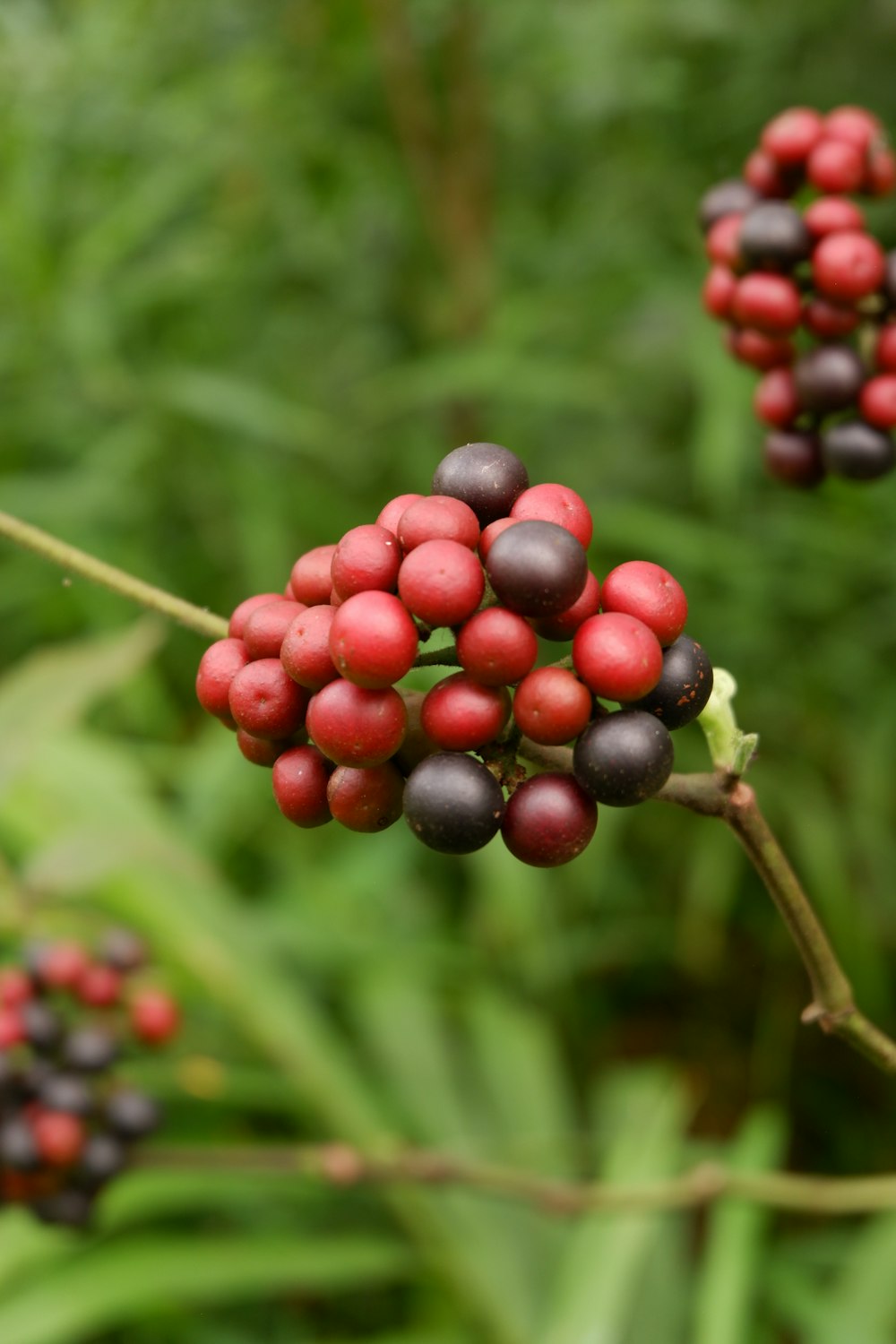
Inside: goji, mulberry, schizandra, and rehmannia, each a concentrated extract. Goji and mulberry are the bright fruits the eye reads as food; schizandra is the five-flavor liver berry; rehmannia is the deep, dark root of replenishment. We chose them because four traditions, across thousands of years and four continents, kept reaching for these same plants when sight mattered. We simply brought them together, kept them clean, and got out of their way. Thank you for letting this lineage feed your eyes.
These statements have not been evaluated by the Food and Drug Administration. This product is not intended to diagnose, treat, cure, or prevent any disease. Introduce one formula at a time and notice how the body responds; if you are pregnant, nursing, or on a prescription, know the interaction before you begin.
Pairs well with
Formulas that share Vision's botanicals
Built from overlapping herbs, these reinforce Vision along the same lines — the shared-botanical kinship our genome engine maps.