
For People
Joints
Joints & Bone
Deep roots and barks for the architecture you stand on — bone, tendon, and a frame built to last.
Frame is for the part of you that holds everything else up. Not the surface, not the show — the scaffolding. Bone. Tendon. The bands of sinew that bind muscle to joint. The deep structural integrity that lets a body bend without breaking and carry load year after year. This is a formula for that frame: the most grounded, mineral-rich roots and barks in the botanical world, drawn together to nourish the body's structural foundation.
Where lighter herbs work at the surface, these work at the root — literally. Eucommia bark, prepared rehmannia root, he shou wu, and cistanche are the deep-reserve tonics of the classical tradition: dense, slow, building herbs that the body recognizes as raw material. They don't push the body. They feed the systems that lay down and maintain structure — the connective tissue, the skeletal framework, the resilient bands that keep a joint stable through a lifetime of movement.
Use Frame when you want to invest in the long structure of the body rather than chase a quick lift. It is for the climber, the lifter, the gardener on their knees in spring soil, the person who simply intends to move well for decades. Steady, daily nourishment for the architecture you stand on — so the frame stays strong, supple, and ready for load.
This is structure-and-function nourishment in the truest sense: we feed the body's own building systems and let the body do the building. Frame supports a strong structural foundation. This product is not intended to diagnose, treat, cure, or prevent any disease — it is food for the framework that carries you.
What it supports in the body
The body systems the herbs in this formula are traditionally understood to nourish — resolved through our knowledge graph, where the classical record and modern biology are read together. Structure and function, never a claim of treatment.
Where measure & tradition agree
Systems this blend’s herbs are measured to engage in human binding data — and traditionally named for, independently. The number is how many herbs in the blend converge there. Two evidence systems arriving at the same place, separately, is our highest standard. See the research →
For People
Small-batch. Dual-extracted where it matters. Made by hand.
How to take it
1/4 tsp (up to 1 tsp) of extract powder in hot water, tea, coffee, a smoothie, or food, once daily. Begin with light doses — our extracts are very potent.
Whole plant, never isolated
Concentrated extracts of the whole botanical — the way the body recognizes it.
Cited to measured biology
Every action we describe traces to the compound and its measured target.
Structure & function
We describe what an herb nourishes — never a claim to treat disease.
Secure checkout
Encrypted payment and human verification on every order.
- Free shipping over $150USPS Priority, tracked. $15 standard; ships in 1–3 business days.
- 30-day returnsIn original packaging and resalable condition. Refunded to your original payment method.
What you get
What this formula gives you
Nourishes the body's structural foundation — bone, tendon, and the connective tissue that binds the frame together
Supports strong, supple sinew and the resilient bands that keep joints stable under load
Feeds the deep-reserve systems with dense, mineral-rich roots the body recognizes as raw material
Builds slowly and steadily — a long-game tonic for structural strength
Backed by convergent botanicals whose key compounds are identified, structure-verified, and traditionally trusted for the frame
Grounding and steadying — a warm, rooted addition to a daily ritual for anyone investing in how well they'll move for years to come
How it works
The science of Joints
Not buzzwords — the actual biology of the plants in this formula: their compounds, the targets those compounds are measured to engage, and the systems they nourish.
These herbs share a lineage. In the classical East Asian system they are the great tonics of the deep reserve — the Kidney and Jing herbs traditionally held to govern bone, marrow, and the sinews. Eucommia bark (Du Zhong) was the foremost herb for the back, the knees, and the binding of tendon to bone. Prepared rehmannia (Shu Di Huang) was the dense, blood-and-essence builder that supplied the raw substance. He shou wu and cistanche were the slow restorative roots of longevity practice. Frame is not a modern invention — it is one of the oldest structural ideas in herbalism, convergent roots reached for again and again when the frame itself needed feeding.
When we look at these herbs through a measured molecular lens, the picture is coherent. Eucommia bark is rich in chlorogenic acid and quercetin — polyphenols whose measured molecular interactions (catalogued against defined human targets in the ChEMBL bioactivity database) place them squarely among the antioxidant, connective-tissue-supportive compounds. Cistanche carries echinacoside and acteoside (verbascoside), among the most-studied phenylethanoid glycosides in the plant kingdom, with measured activity against specific defined targets. These are not vague 'actives' — they are identified molecules with verified structures and recorded interactions, which is why this lineage has been trusted for so long.
Across cultures the conclusion was the same one, reached independently. The Greco-Galenic tradition prized the warm, dense, grounding roots for what it called the body's solid parts. African and Western root practice turned to deep barks and rhizomes for endurance and the strength to carry weight. Tradition named it precisely — bone, sinew, marrow, the lower back and knees. One lineage, many tongues, all pointing at the same truth: the body's structure is built from rich, mineral-dense, deeply nourishing roots, taken slowly and consistently. Frame carries that whole inheritance in a single daily measure.
The molecules, measured
A formula is a community of compounds. Below are active molecules from the herbs in this blend and the proteins each is measured to engage — the precise points where the plants meet biology. So you see not just that it works, but how.
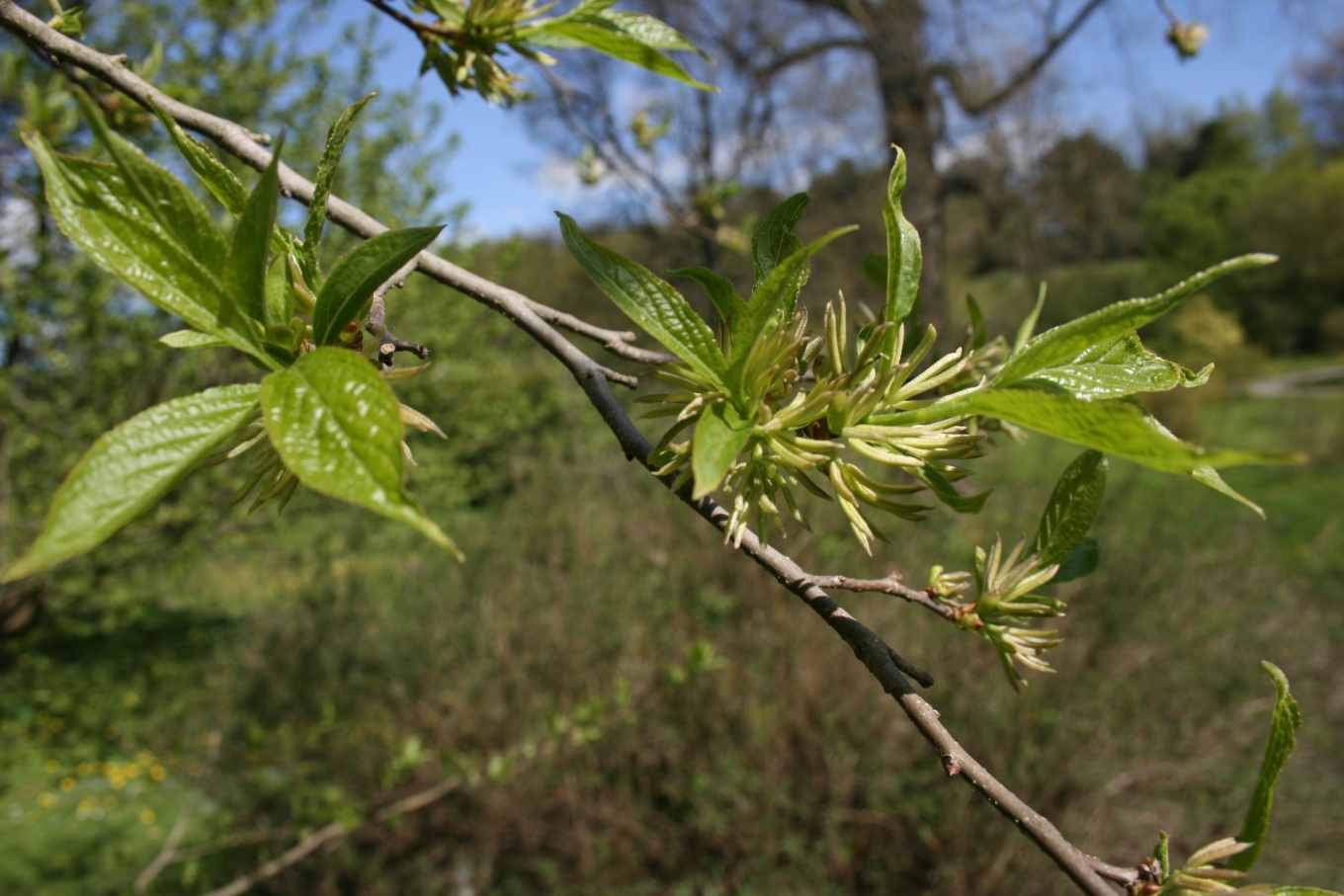
Eucommia ulmoides
Chlorogenic acid
PubChem ↗Measured in the lab: binds very tightly to Tyrosine-protein phosphatase non-receptor type 1 · IC50 100 nM
Measured to act on
An enzyme that dials down insulin and growth signaling by removing phosphate tags.
An enzyme that converts glucose into sorbitol as part of cellular sugar handling.
Quercetin
PubChem ↗Measured in the lab: binds very tightly to Amine oxidase [flavin-containing] A · IC50 10 nM
Measured to act on
A structural protein that stabilizes the internal scaffolding of nerve cells.
A liver-type enzyme that processes hormones and environmental compounds.
An enzyme that breaks down messenger chemicals like serotonin in the nervous system.
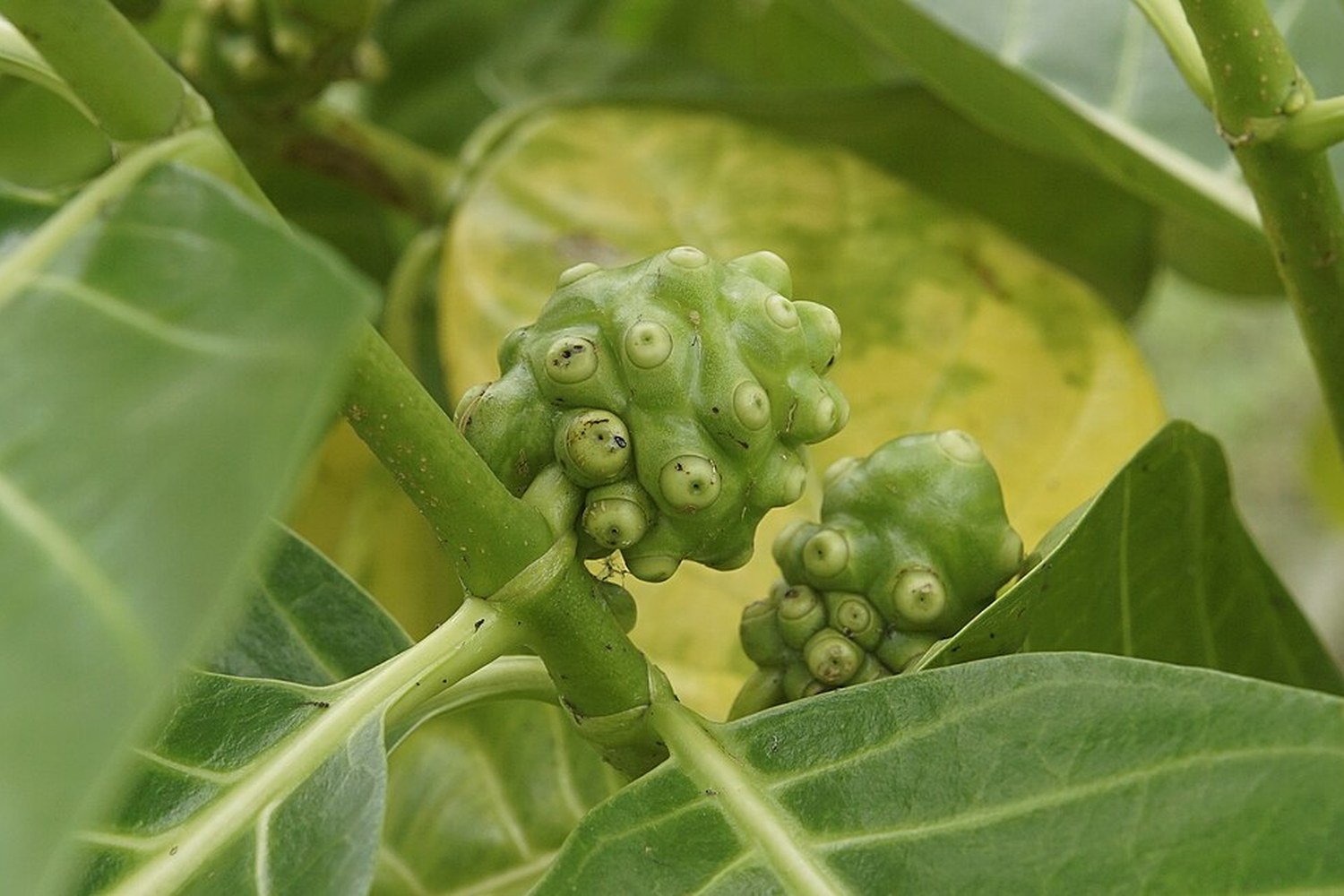
Morinda citrifolia
Scopoletin
PubChem ↗Measured in the lab: binds tightly to Carbonic anhydrase 9 · Ki 960 nM
Measured to act on
An enzyme that helps cells balance acidity by managing carbon dioxide.
Quercetin
PubChem ↗Measured in the lab: binds very tightly to Amine oxidase [flavin-containing] A · IC50 10 nM
Measured to act on
An enzyme that breaks down messenger chemicals like serotonin in the nervous system.
The enzyme that converts androgens into estrogen, the body main estrogen source.
An enzyme that converts glucose into sorbitol as part of cellular sugar handling.
Rehmannia glutinosa
Acteoside (Verbascoside)
PubChem ↗Measured in the lab: binds very tightly to Beta-secretase 1 · IC50 6.3 nM
Measured to act on
A family of signaling enzymes that relay messages controlling cell growth and activity.
Aucubin
PubChem ↗Measured to act on
An enzyme that makes prostaglandins for everyday housekeeping like stomach lining and blood flow.
The enzyme that drives the body's inflammatory response by producing prostaglandins.
The receptor through which estrogen signals, governing many reproductive and tissue functions.
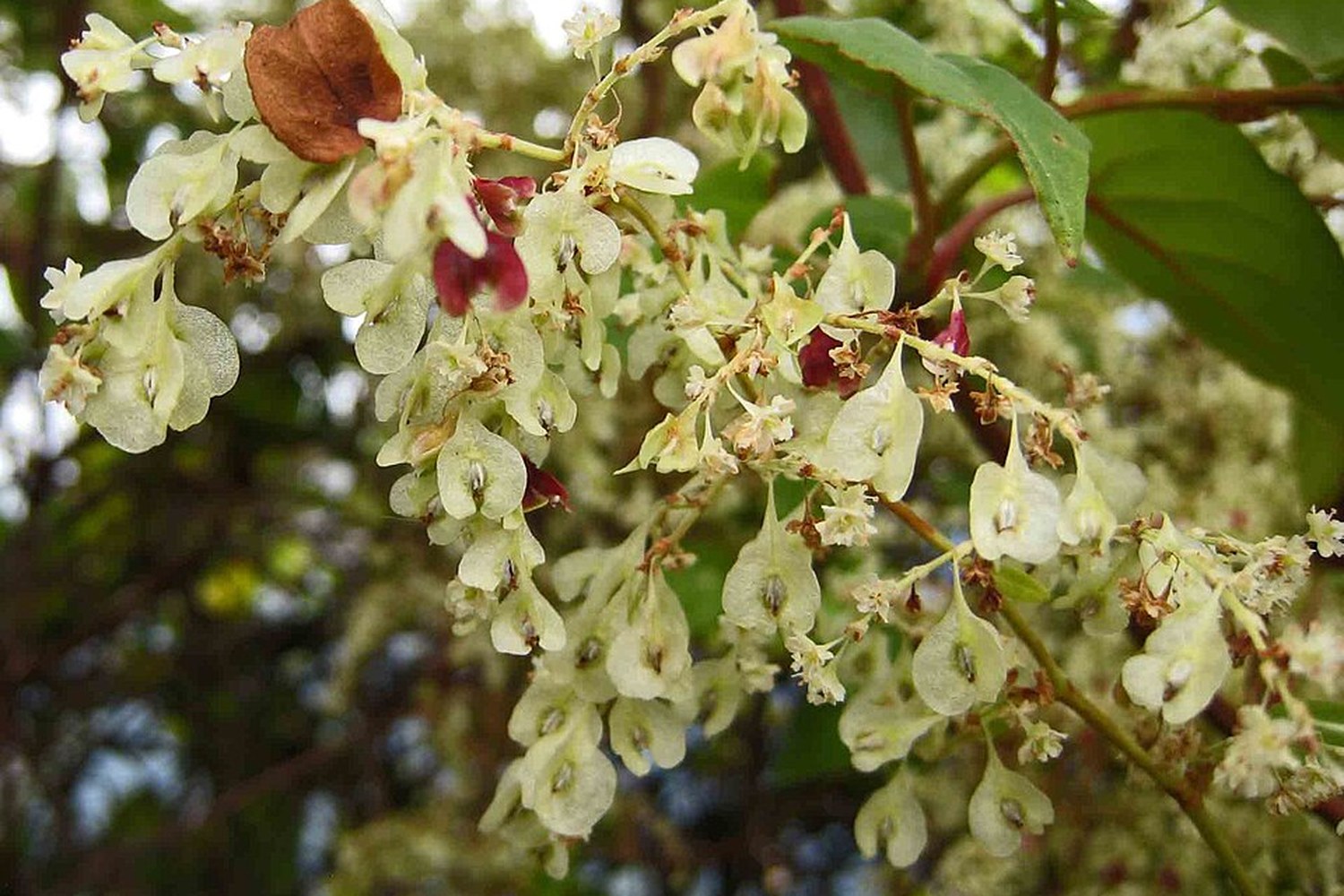
Polygonum multiflorum
Emodin
PubChem ↗Measured in the lab: binds tightly to Proteasome subunit beta type-1 · IC50 240 nM
Measured to act on
A constantly active signaling enzyme involved in cell growth and stress responses.
A regulatory enzyme that removes phosphate tags involved in cell signaling and movement.
An enzyme that converts glucose into sorbitol as part of cellular sugar handling.
Physcion (Parietin)
PubChem ↗Measured in the lab: binds to Neutrophil elastase · IC50 6.2 µM
Measured to act on
An enzyme released by immune cells that helps break down debris during the inflammatory response.
An enzyme that helps keep cells in antioxidant balance against oxidative stress.
An antioxidant enzyme that protects the cell's energy factories from oxidative stress.
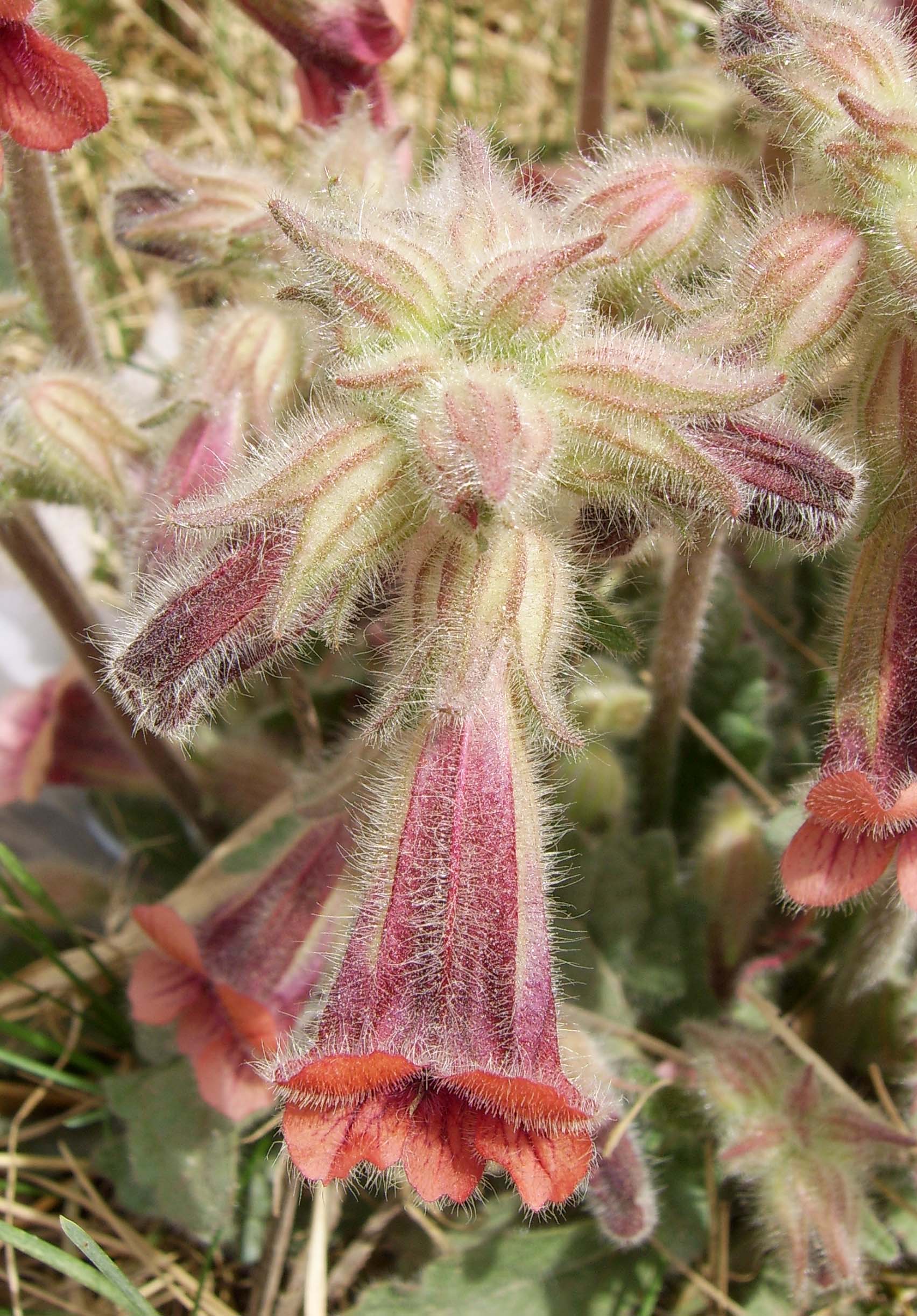
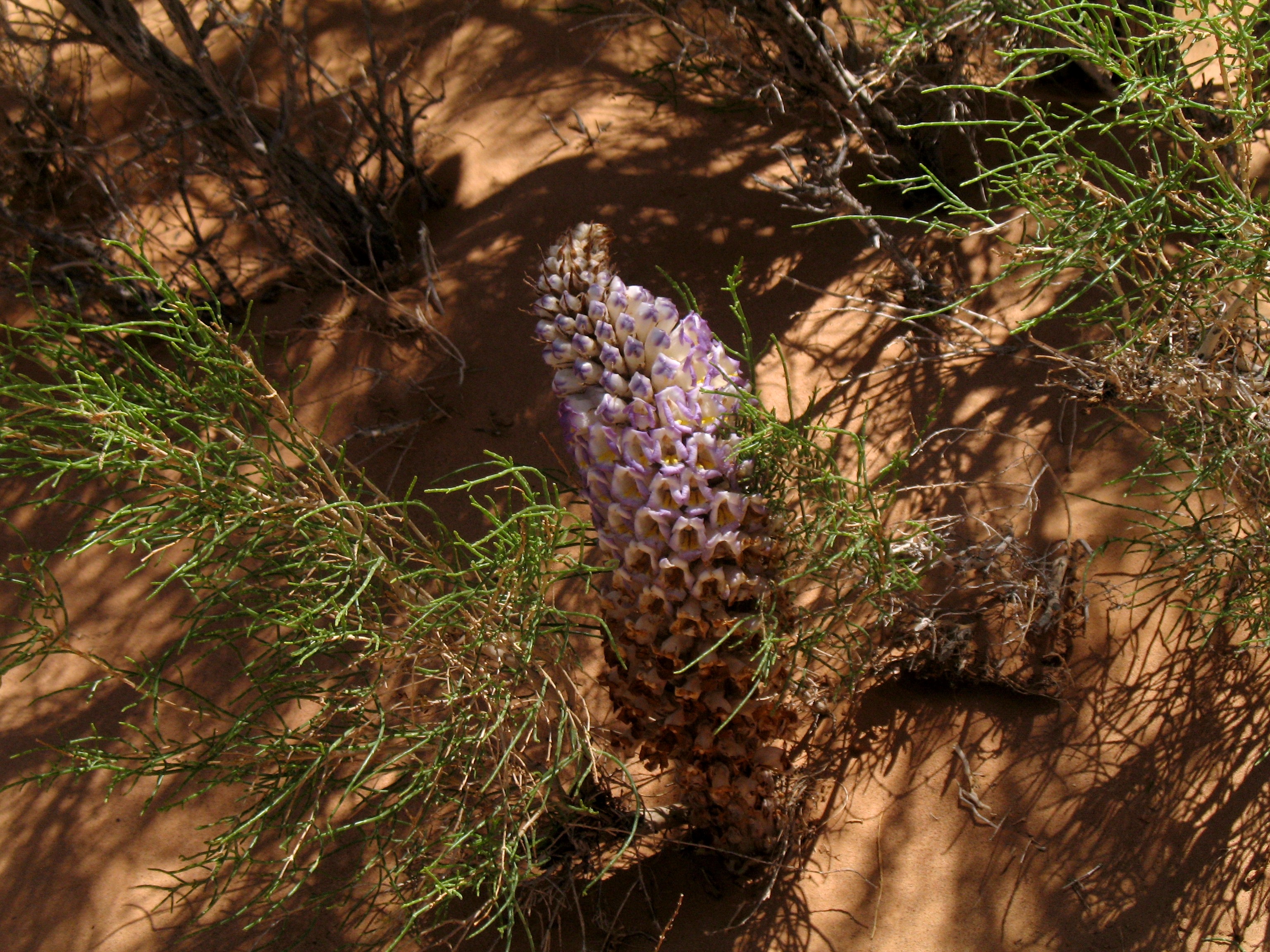
Cistanche deserticola
Echinacoside
PubChem ↗Measured to act on
The enzyme that makes melanin, the pigment that gives skin and hair their color.
Acteoside / Verbascoside
PubChem ↗Measured to act on
An enzyme in brain cells that cuts certain membrane proteins as part of normal cellular processing.
An enzyme that processes the amino acid arginine, governing nitrogen handling within cells.
A signaling enzyme that relays messages inside cells, influencing growth and communication.
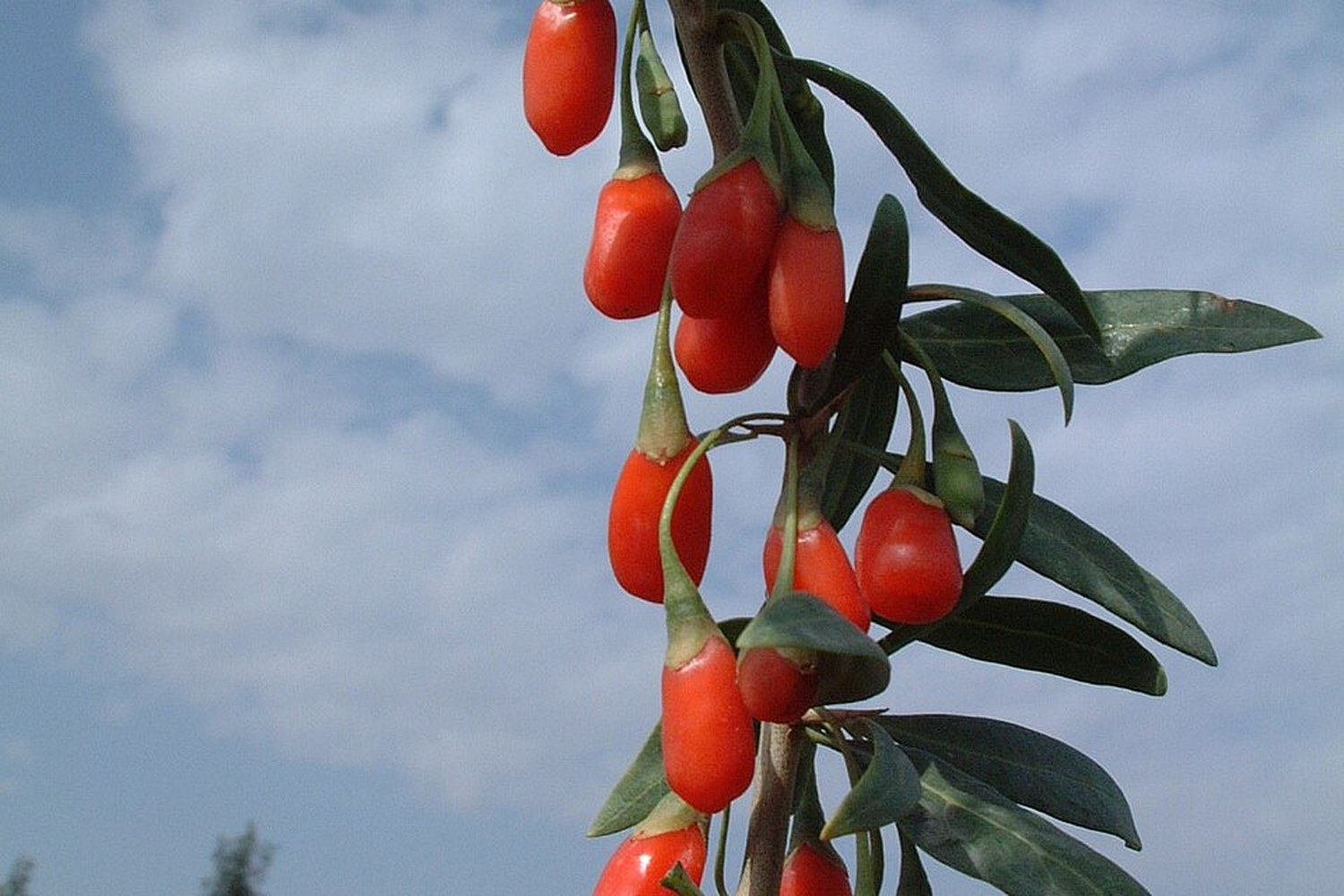
Lycium barbarum
Betaine
PubChem ↗Measured to act on
An enzyme that recycles the amino acid homocysteine back into methionine using betaine.
Scopoletin
PubChem ↗Measured in the lab: binds tightly to Carbonic anhydrase 9 · Ki 960 nM
Measured to act on
An enzyme that helps cells balance acidity by managing carbon dioxide.
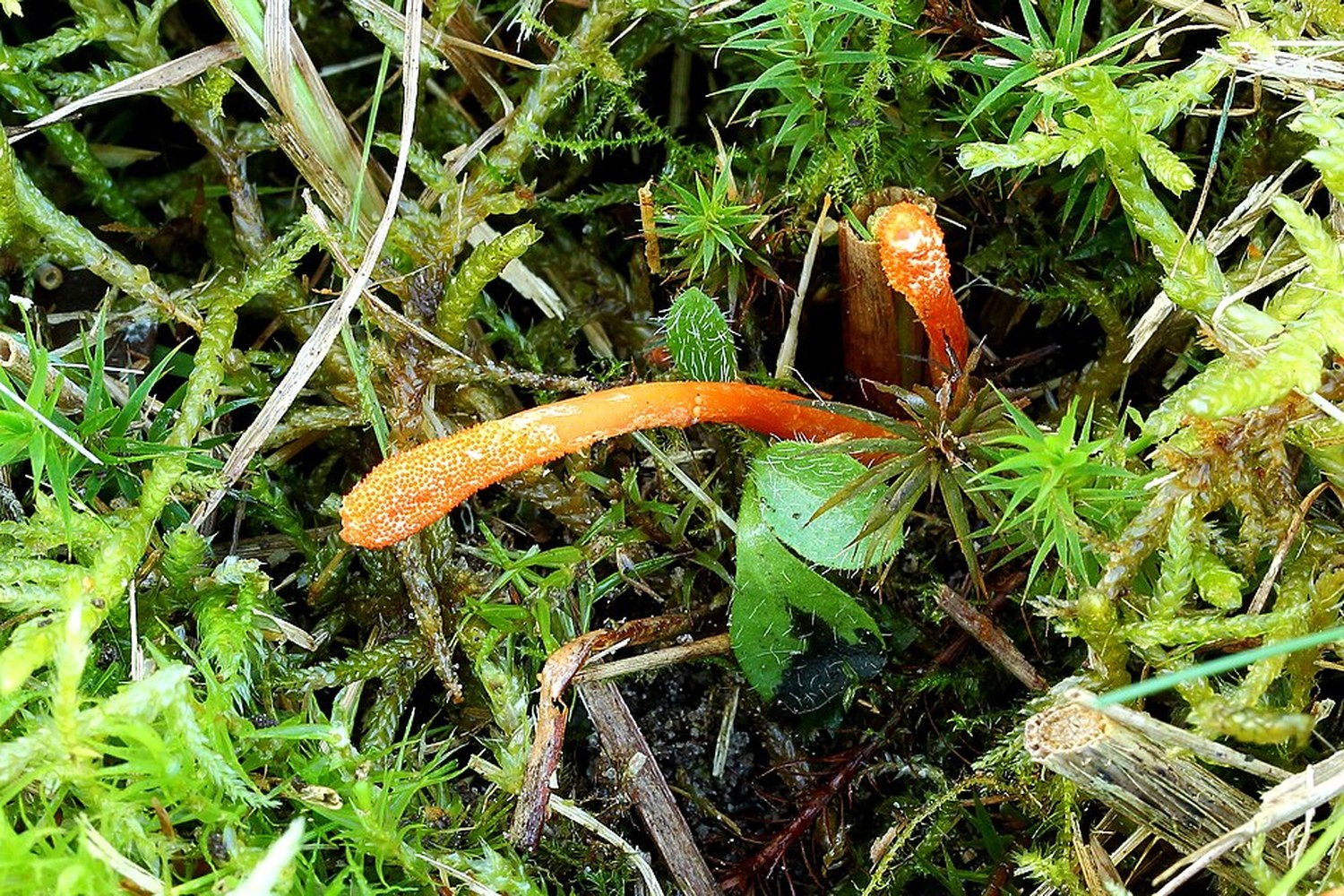
Cordyceps militaris
Cordycepin (3'-deoxyadenosine)
PubChem ↗Measured in the lab: binds to Adenosine receptor A1 · Ki 7.12 µM
Measured to act on
A receptor for adenosine that helps calm cellular activity and signaling.
A repair enzyme that clears certain damage points so DNA can be mended.
Pentostatin (2'-deoxycoformycin)
PubChem ↗Measured in the lab: binds very tightly to Adenosine deaminase · Ki 1 nM
Measured to act on
An enzyme that breaks down adenosine, part of how cells recycle their building blocks.
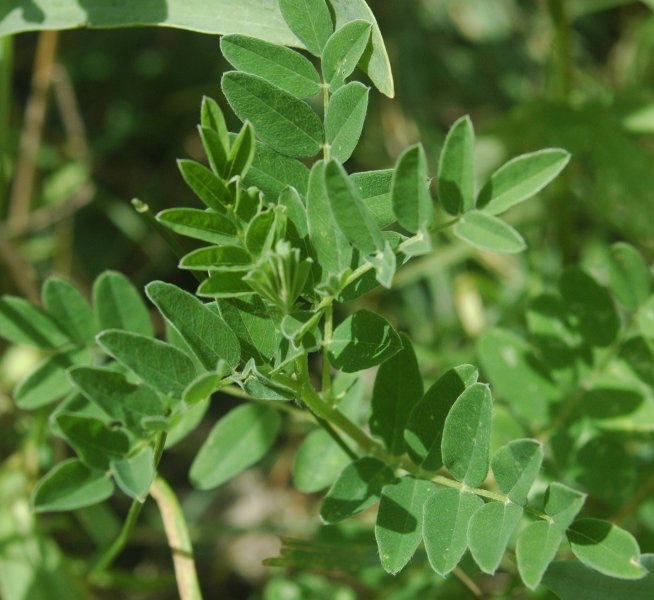
Astragalus membranaceus
Formononetin
PubChem ↗Measured in the lab: binds very tightly to Apoptosis regulator Bcl-2 · Ki 10 nM
Measured to act on
A liver enzyme that breaks down many compounds the body takes in.
An enzyme that edits proteins to manage cellular cleanup and the cell internal scaffolding.
Calycosin
PubChem ↗Measured to act on
A protein that helps organize DNA and acts as an alarm signal during tissue stress.
Cited science · not claims
Everything we publish about these plants traces to a primary source — the compounds to PubChem, ChEMBL, and BindingDB, the traditional uses to named, dated herbals. We describe what a plant is and what it is understood to nourish — the body’s own systems, structure and function only. We do not claim it treats, cures, or prevents any disease, and nothing here is a substitute for professional care. See our method & sources →
These statements have not been evaluated by the Food and Drug Administration. Not intended to diagnose, treat, cure, or prevent any disease.
Why these herbs together
The shared mechanism
A formula is not a pile of herbs — it is herbs whose actions meet. Below are the molecular targets that more than one plant in this blend is measured to engage. Where they converge is the blend's reason to exist.
Eucommia · Morinda · Goji Berry · Astragalus
Morinda · Rehmannia · Cistanche · Goji Berry
Eucommia · He Shou Wu (Fo-Ti) · Goji Berry
Eucommia · Morinda · Goji Berry
Morinda · He Shou Wu (Fo-Ti) · Goji Berry
Morinda · Goji Berry · Astragalus
Morinda · He Shou Wu (Fo-Ti) · Astragalus
Each convergence is a gene whose protein two or more of this formula’s herbs are measured to engage (PubChem BioAssay & ChEMBL). It describes characterized molecular activity and the protein’s normal role — structure and function only, never a claim to treat, cure, or prevent any disease.
In practice
Who it’s for, and how to use it
Who it’s for
Frame is for any body that asks a lot of its structure and intends to keep asking for years — the lifter, the climber, the runner, the gardener, the tradesperson on their feet all day, the person rebuilding strength patiently, and anyone who simply wants to move well into the long arc of their life. It is for those who would rather feed the foundation than chase the surface. As a deep, building tonic it suits steady daily use over time. If you are pregnant, nursing, or working alongside another regimen, bring Frame into the conversation thoughtfully — these are potent roots, and a little goes a long way.
How to use it
Start light — these extracts are very potent. Take 1/4 teaspoon (working up to 1 teaspoon as you settle in) of the extract powder once daily, stirred into hot water, tea, coffee, a smoothie, or simply mixed into food. Frame is a building tonic, so its gift is in the rhythm: taken consistently, day after day, it gives the body steady raw material to work with. A warm cup in the morning or with a meal makes an easy, grounding ritual. One 1 oz / 12 g jar is a generous daily supply.
Measure · 1/4 tsp (up to 1 tsp) of extract powder in hot water, tea, coffee, a smoothie, or food, once daily. Begin with light doses — our extracts are very potent.
What’s inside
Inside Frame: deep roots and barks — eucommia bark, prepared rehmannia root, he shou wu, and cistanche —. These are the structural tonics of the classical lineage, chosen for one purpose. The most pristine herbs on earth.
These statements have not been evaluated by the Food and Drug Administration. This product is not intended to diagnose, treat, cure, or prevent any disease. Introduce one formula at a time and notice how the body responds; if you are pregnant, nursing, or on a prescription, know the interaction before you begin.
Pairs well with
Formulas that share Joints's botanicals
Built from overlapping herbs, these reinforce Joints along the same lines — the shared-botanical kinship our genome engine maps.