For People
Kidney & Adrenal
Cleanse Formula
Rebuild the body's deep reserves — the constitutional baseline that energy, recovery, and lasting vitality are drawn from.
There is a difference between the energy you feel in the morning and the reserve you draw on when life asks more of you than usual. The first is surface; the second is constitution. Cleanse is built for the second. It is a deep-reserve root formulation — a blend of slow, earth-driven roots and bark that the body recognizes as foundational nourishment — and you reach for it not when you want a lift, but when you want a floor: a stronger baseline from which steadiness, recovery, and resilience are drawn. In the old herbal traditions this was called tending the deep tissue, the kidney-adrenal axis, the well. Cleanse is the formula for the well.
What it does for you is restore the ground beneath your stamina. The body's adrenal and kidney systems govern how you respond to stress, how you recover from exertion, how you hold up under sustained demand — the difference between being depleted by a hard stretch and being merely tired by it. The roots in this blend supply the raw botanical material those systems run on. Over weeks of steady use, the felt benefit is not a jolt but a settling: a sense that your reserves are full again, that you recover faster, that you are not running on the edge of empty. This is why it sits at the foundation of the People line. Everything else — clarity, drive, endurance — is downstream of a body whose deep reserves are intact.
Cleanse is also, true to its name, a formula of flow. Alongside the reserve-building roots, it carries the great clearing roots of the alterative tradition — botanicals that support the blood, the lymph, and the skin, the body's own channels of renewal and elimination. The intelligence of the formula is that it does both at once: it fills the reserves and keeps the channels open, so that what the body builds it can also circulate and refresh. You do not deplete one system to support another. You support the whole terrain.
This is a tonic, not a stimulant. It works through accumulation, not provocation — the way a well fills, not the way a spark catches. Taken once daily over time, it becomes part of the body's rhythm: the quiet, foundational support that makes the demanding stretches survivable and the long arc sustainable.
What it supports in the body
The body systems the herbs in this formula are traditionally understood to nourish — resolved through our knowledge graph, where the classical record and modern biology are read together. Structure and function, never a claim of treatment.
Where measure & tradition agree
Systems this blend’s herbs are measured to engage in human binding data — and traditionally named for, independently. The number is how many herbs in the blend converge there. Two evidence systems arriving at the same place, separately, is our highest standard. See the research →
For People
Small-batch. Dual-extracted where it matters. Made by hand.
How to take it
1/4 tsp (up to 1 tsp) of extract powder in hot water, tea, coffee, a smoothie, or food, once daily. Begin with light doses — our extracts are very potent.
Whole plant, never isolated
Concentrated extracts of the whole botanical — the way the body recognizes it.
Cited to measured biology
Every action we describe traces to the compound and its measured target.
Structure & function
We describe what an herb nourishes — never a claim to treat disease.
Secure checkout
Encrypted payment and human verification on every order.
- Free shipping over $150USPS Priority, tracked. $15 standard; ships in 1–3 business days.
- 30-day returnsIn original packaging and resalable condition. Refunded to your original payment method.
What you get
What this formula gives you
Supports the body's deep adrenal and kidney reserves — the constitutional baseline beneath stamina and resilience
Nourishes a steadier stress response, so demanding stretches deplete you less
Supports recovery and the body's capacity to refill its reserves after exertion
Keeps the channels of renewal open — supports the blood, lymph, and skin as the body's own elimination pathways
Supports structural vitality — bone, tendon, and the lower-back strength of the classical bark tonics
Builds a foundational floor for energy and longevity through steady accumulation, not stimulation
How it works
The science of Cleanse
Not buzzwords — the actual biology of the plants in this formula: their compounds, the targets those compounds are measured to engage, and the systems they nourish.
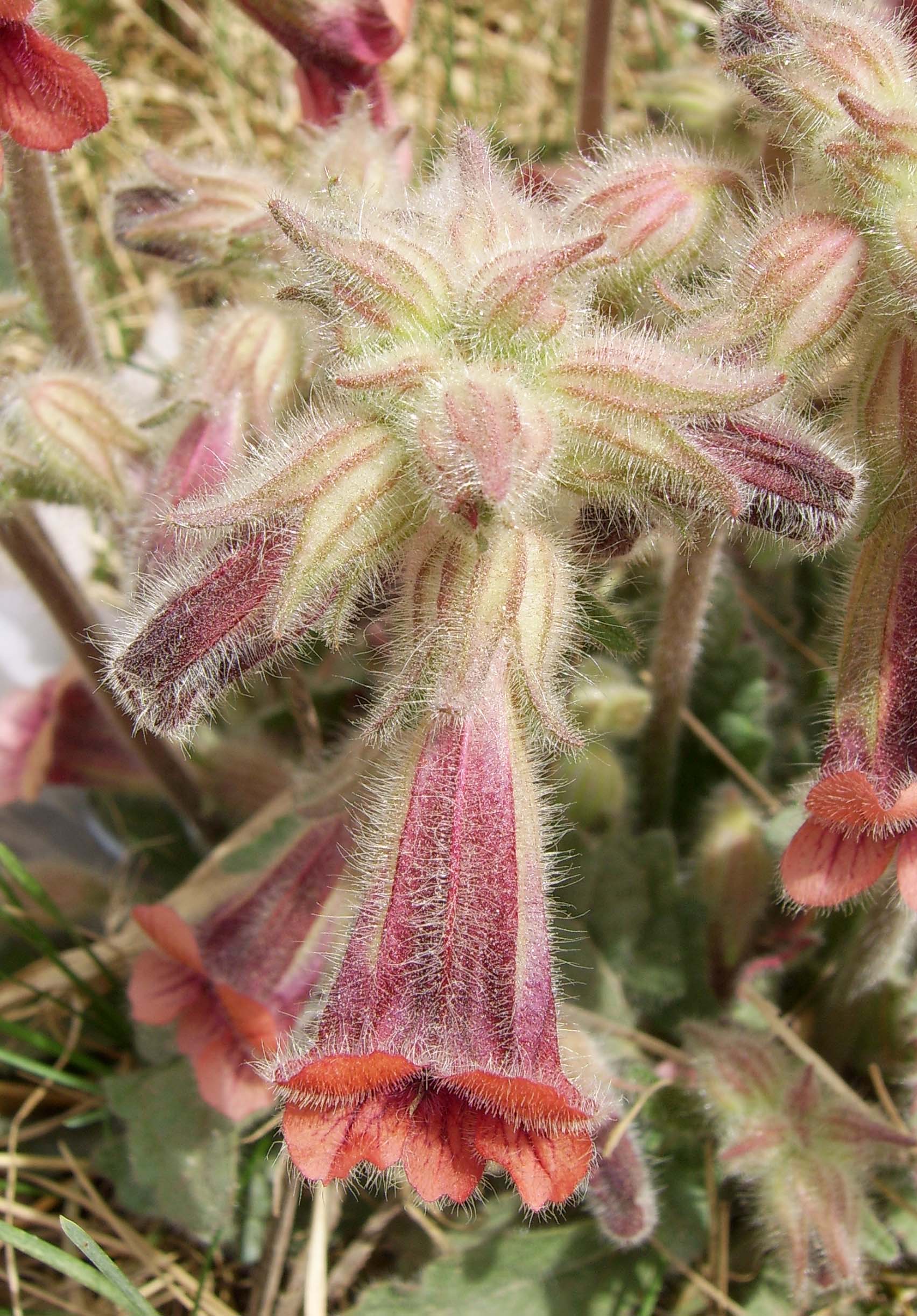
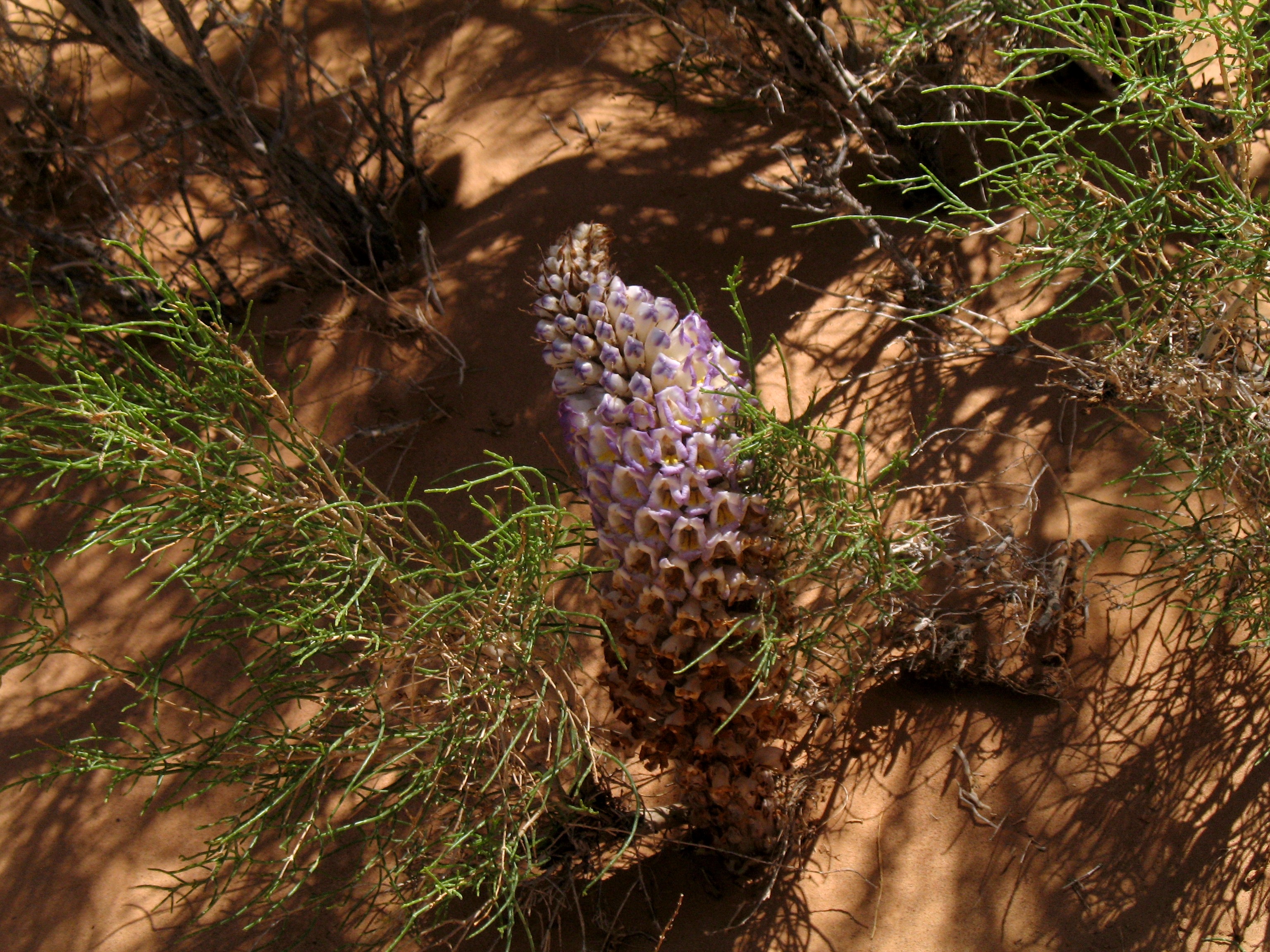
The deep-reserve action of this formula is anchored in two roots that work the body's stress-and-recovery axis at the molecular level. Rehmannia carries catalpol, acteoside (verbascoside), and aucubin — iridoid and phenylethanoid glycosides studied as nourishment for the blood, endocrine, and kidney systems. Acteoside engages protein kinase C, a central relay in how cells read and respond to signals, while aucubin shows measured interaction with the cyclooxygenase enzymes (COX-1 and COX-2) — part of the molecular vocabulary of the body's own resolution and balance pathways. Cistanche layers in echinacoside, acteoside, salidroside, and betaine: betaine is a confirmed substrate of betaine-homocysteine methyltransferase (BHMT), one of the body's core methylation enzymes, which is why this desert root is traditionally a longevity and deep-reserve tonic — it feeds the one-carbon machinery that maintains tissue over time. Salidroside's measured engagement of monoamine oxidase B (MAO-B) places it within the stress-resilience chemistry the formula is built around.
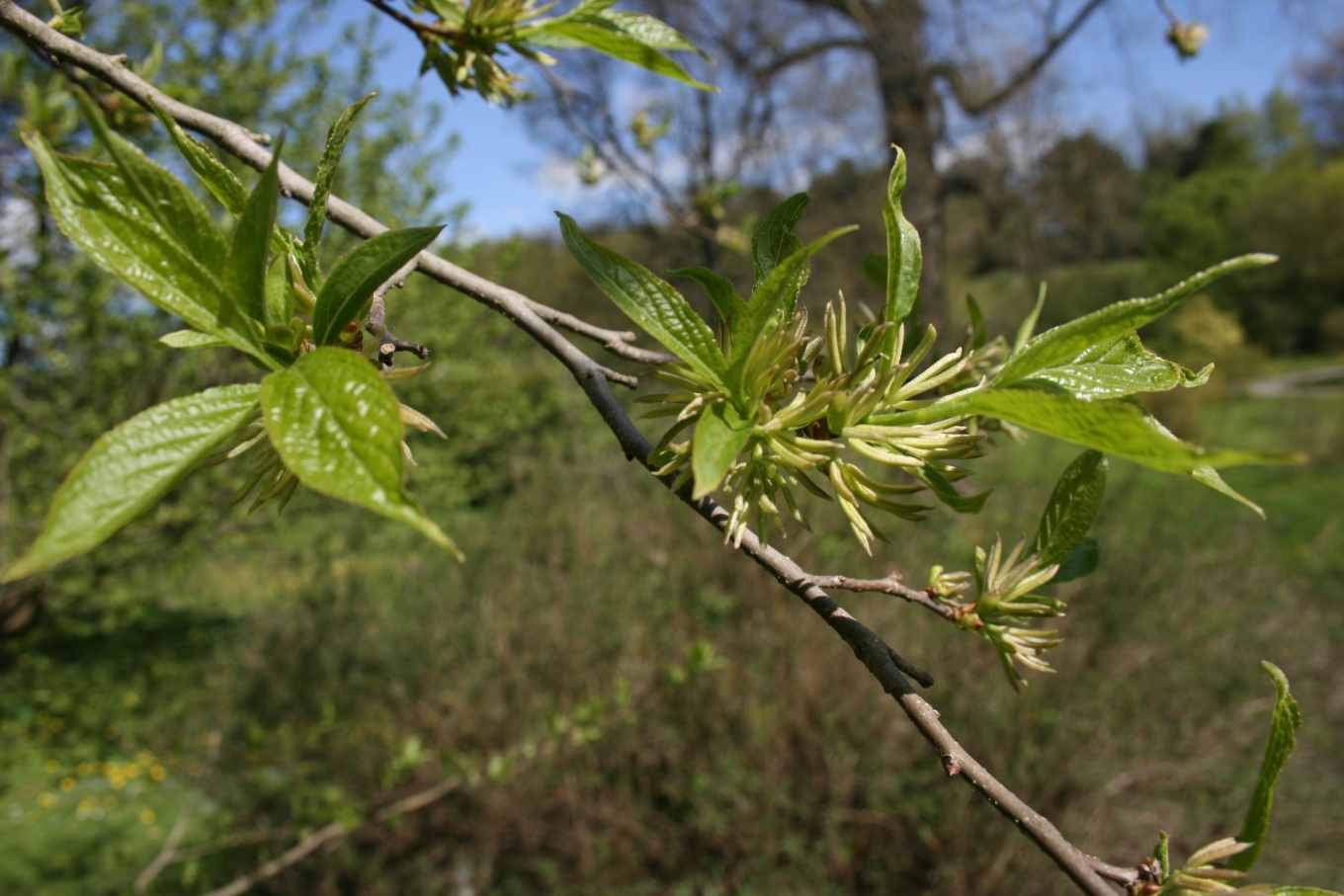
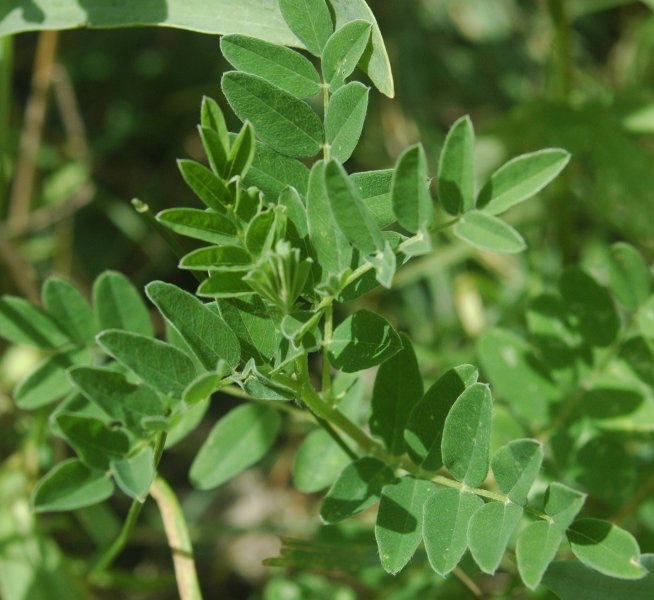
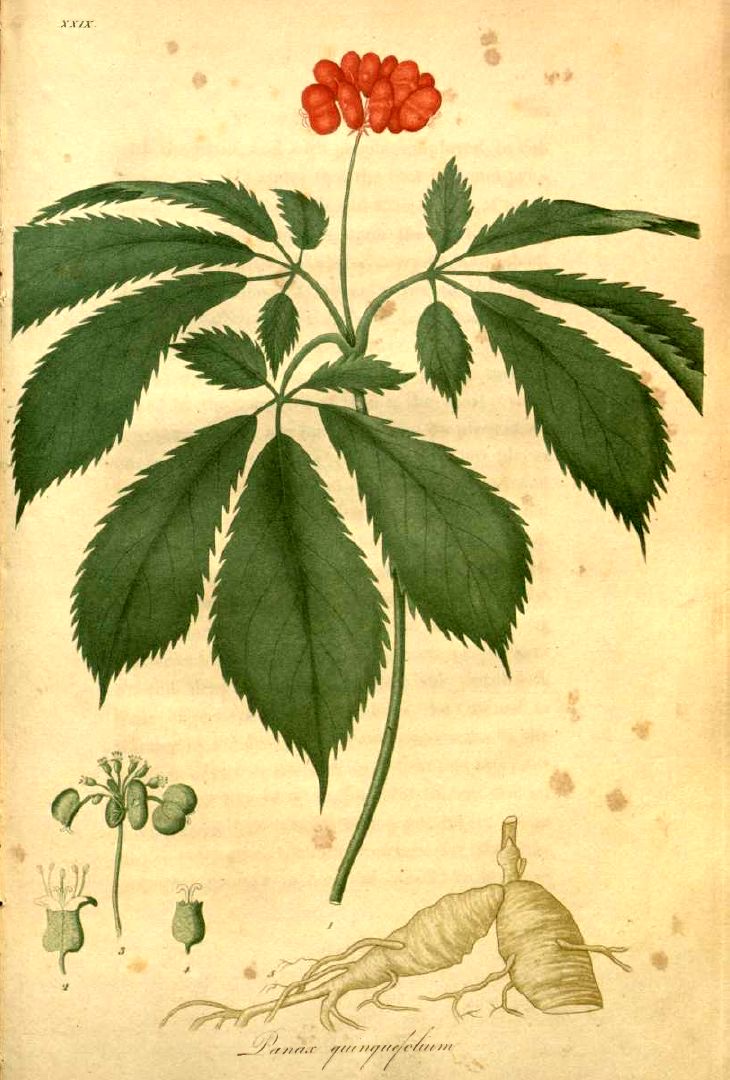
The structural backbone of the reserve is held by Eucommia bark, the classical root-and-bark tonic for bone, tendon, and lower-back vitality. Its chlorogenic acid shows measured activity against protein tyrosine phosphatase 1B (PTP1B), a brake on insulin signaling, and against aldose reductase — targets that sit at the crossroads of how the body manages metabolic load and structural maintenance. Its quercetin, rutin, and pinoresinol diglucoside add antioxidant and microvascular support that the connective tissue depends on. Running alongside, American Ginseng contributes a full spectrum of ginsenosides; ginsenoside Rb1 is a measured activator of AMP-activated protein kinase (AMPK), the master sensor of cellular energy balance — the molecular reason ginseng is the adaptogen of sustained, even output rather than spike-and-crash stimulation. Astragalus rounds the foundation with astragaloside IV, cycloastragenol, formononetin, and calycosin, supplying the immune-resilience layer that lets the body hold its ground while it rebuilds.
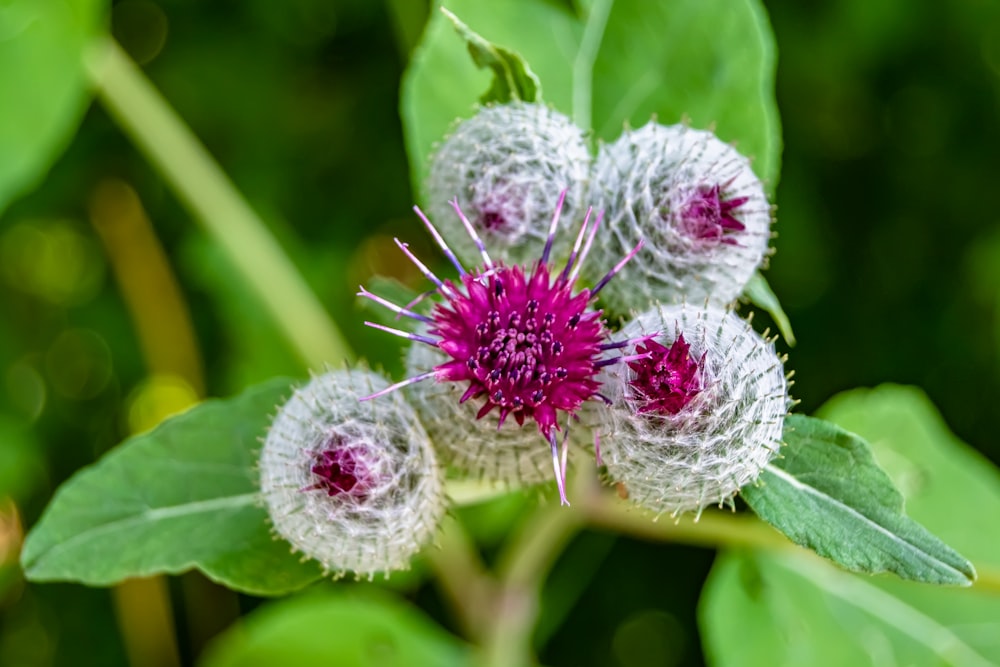
The clearing and harmonizing roots complete the architecture. Burdock — the archetypal alterative of both Culpeper's English herbal and the East Asian gobo tradition — carries arctigenin, which engages MEK1 and the nuclear receptor RORC, alongside chlorogenic and caffeic acids that touch PTP1B, the matrix metalloproteinases, and the catechol-handling enzyme COMT: the chemistry of supporting the blood, lymph, and skin as channels of renewal. Licorice, the sweet root every lineage from Greek-Galenic medicine to the East Asian pharmacopoeia reached for to make a blend whole, supplies glycyrrhetinic acid — whose measured interaction with the 11-beta-hydroxysteroid dehydrogenase enzymes (HSD11B1 and HSD11B2) is the textbook mechanism by which licorice supports the body's cortisol economy, directly relevant to an adrenal-supporting formula. As the classical harmonizer, licorice does not merely add its own action; it reconciles the others, so the roots read as one coherent signal to the body's deep reserves.
The molecules, measured
A formula is a community of compounds. Below are active molecules from the herbs in this blend and the proteins each is measured to engage — the precise points where the plants meet biology. So you see not just that it works, but how.
Rehmannia glutinosa
Acteoside (Verbascoside)
PubChem ↗Measured in the lab: binds very tightly to Beta-secretase 1 · IC50 6.3 nM
Measured to act on
A family of signaling enzymes that relay messages controlling cell growth and activity.
Aucubin
PubChem ↗Measured to act on
An enzyme that makes prostaglandins for everyday housekeeping like stomach lining and blood flow.
The enzyme that drives the body's inflammatory response by producing prostaglandins.
The receptor through which estrogen signals, governing many reproductive and tissue functions.
Eucommia ulmoides
Chlorogenic acid
PubChem ↗Measured in the lab: binds very tightly to Tyrosine-protein phosphatase non-receptor type 1 · IC50 100 nM
Measured to act on
A viral enzyme HIV uses to insert its genetic material into a host cell's DNA.
An enzyme that dials down insulin and growth signaling by removing phosphate tags.
An enzyme that converts glucose into sorbitol as part of cellular sugar handling.
Quercetin
PubChem ↗Measured in the lab: binds very tightly to Amine oxidase [flavin-containing] A · IC50 10 nM
Measured to act on
A structural protein that stabilizes the internal scaffolding of nerve cells.
An enzyme that converts excess glucose into sorbitol, part of how cells handle sugar.
A liver-type enzyme that processes hormones and environmental compounds.
Astragalus membranaceus
Formononetin
PubChem ↗Measured in the lab: binds very tightly to Apoptosis regulator Bcl-2 · Ki 10 nM
Measured to act on
A liver enzyme that breaks down many compounds the body takes in.
A protein that helps decide whether a cell continues living or undergoes natural turnover.
An enzyme that edits proteins to manage cellular cleanup and the cell internal scaffolding.
Calycosin
PubChem ↗Measured to act on
A protein that helps organize DNA and acts as an alarm signal during tissue stress.
Arctium lappa
Arctigenin
PubChem ↗Measured in the lab: binds very tightly to Dual specificity mitogen-activated protein kinase kinase 1 · IC50 1 nM
Measured to act on
A signaling enzyme that passes growth messages along a relay chain inside the cell.
A liver enzyme involved in processing a variety of compounds the body encounters.
A receptor that switches certain genes on, helping guide immune-cell development.
Chlorogenic acid
PubChem ↗Measured in the lab: binds very tightly to Tyrosine-protein phosphatase non-receptor type 1 · IC50 100 nM
Measured to act on
An enzyme that removes phosphate tags from proteins, helping regulate insulin and metabolic signaling.
An enzyme that converts excess glucose into sorbitol, part of normal sugar metabolism.
Cistanche deserticola
Echinacoside
PubChem ↗Measured to act on
The enzyme that makes melanin, the pigment that gives skin and hair their color.
Acteoside / Verbascoside
PubChem ↗Measured to act on
An enzyme in brain cells that cuts certain membrane proteins as part of normal cellular processing.
An enzyme that processes the amino acid arginine, governing nitrogen handling within cells.
A signaling enzyme that relays messages inside cells, influencing growth and communication.
Panax quinquefolius
Ginsenoside Rb1
PubChem ↗Measured to act on
The cell's energy sensor, switching on fuel-burning pathways when energy runs low.
Glycyrrhiza glabra
18beta-Glycyrrhetinic acid (enoxolone)
PubChem ↗Measured in the lab: binds very tightly to 11-beta-hydroxysteroid dehydrogenase type 2 · IC50 1.2 nM
Measured to act on
An enzyme in tissues like fat and liver that activates the stress hormone cortisol.
A kidney enzyme that switches off cortisol, helping the body manage salt and fluid balance.
A signaling enzyme involved in skin cell growth and how cells respond to their environment.
Liquiritigenin
PubChem ↗Measured in the lab: binds very tightly to Estrogen receptor beta · EC50 37 nM
Measured to act on
A receptor that reads the hormone estrogen, helping govern reproductive and other tissues.
The building-block protein of the internal scaffolding that gives cells shape and moves their parts.
Cited science · not claims
Everything we publish about these plants traces to a primary source — the compounds to PubChem, ChEMBL, and BindingDB, the traditional uses to named, dated herbals. We describe what a plant is and what it is understood to nourish — the body’s own systems, structure and function only. We do not claim it treats, cures, or prevents any disease, and nothing here is a substitute for professional care. See our method & sources →
These statements have not been evaluated by the Food and Drug Administration. Not intended to diagnose, treat, cure, or prevent any disease.
Why these herbs together
The shared mechanism
A formula is not a pile of herbs — it is herbs whose actions meet. Below are the molecular targets that more than one plant in this blend is measured to engage. Where they converge is the blend's reason to exist.
Eucommia · Astragalus · Burdock
Eucommia · Licorice
Astragalus · Burdock
Astragalus · Burdock
Burdock · Licorice
Each convergence is a gene whose protein two or more of this formula’s herbs are measured to engage (PubChem BioAssay & ChEMBL). It describes characterized molecular activity and the protein’s normal role — structure and function only, never a claim to treat, cure, or prevent any disease.
Whole plant vs. the isolated molecule
Pharma isolates one molecule; Cleanse is seven roots converging on your deep reserves
Pharmaceutical design isolates one molecule to block one target. Cleanse is the opposite philosophy: seven whole roots and bark, characterized down to the molecule, converging on the body's own deep-reserve chemistry. Rehmannia leads with catalpol and acteoside; Eucommia bark brings chlorogenic acid; Cistanche carries echinacoside and betaine; with Astragalus, Burdock, American Ginseng, and the great harmonizer, Licorice. Where they converge is the point. In our measured molecular data, American Ginseng and Licorice both engage AMPK — the cell's fuel-gauge that switches on energy production. Eucommia, Burdock, and Licorice all touch PTPN5, a relay that tunes the body's metabolic response. This is multi-target by nature, not a single chokepoint. Licorice and Rehmannia independently anchor the traditional kidney-and-blood axis named for this formula across every herbal lineage. Nourish the whole terrain — transparent and cited — rather than suppress one signal in a black box.
Every molecule and target named here is cited from our own genome data (PubChem BioAssay, BindingDB, ChEMBL). Structure and function only — a description of characterized chemistry and tradition, never a claim to treat, cure, or prevent any disease.
In practice
Who it’s for, and how to use it
Who it’s for
For anyone who feels run down at the foundation rather than just tired at the surface — those carrying sustained demand, recovering from a depleting stretch, or simply wanting to tend the deep reserves before they are spent. It is the foundational People formula: the one to build from when you want a stronger baseline beneath everything else, taken as steady daily support over weeks and months rather than for a single moment of need.
How to use it
1/4 tsp (up to 1 tsp) of extract powder in hot water, tea, coffee, a smoothie, or food, once daily. Begin with light doses — these are concentrated 10:1 extracts and very potent. Cleanse rewards consistency: it works by accumulation, so daily use over weeks is where the deep-reserve benefit is felt.
Measure · 1/4 tsp (up to 1 tsp) of extract powder in hot water, tea, coffee, a smoothie, or food, once daily. Begin with light doses — our extracts are very potent.
What’s inside
Inside: a precisely weighted blend led by Rehmannia and Eucommia, with Cistanche, Astragalus, Burdock, American Ginseng, and Licorice. Rehmannia and Cistanche build the deep kidney-adrenal reserve; Eucommia holds the structural backbone; American Ginseng and Astragalus carry the energy and immune-resilience layer; Burdock keeps the channels of renewal open; and Licorice — the great harmonizer of every herbal lineage on earth — binds these roots into one coherent formula. Each is a concentrated 10:1 root or bark extract, so a small measure carries the full weight of the whole.
These statements have not been evaluated by the Food and Drug Administration. This product is not intended to diagnose, treat, cure, or prevent any disease. Introduce one formula at a time and notice how the body responds; if you are pregnant, nursing, or on a prescription, know the interaction before you begin.
Pairs well with
Formulas that share Cleanse's botanicals
Built from overlapping herbs, these reinforce Cleanse along the same lines — the shared-botanical kinship our genome engine maps.