For People
Deep Immune
Vital Formula
Build defenses that hold — a deep, daily fortification for the body's own resilience.
Vital is the formula you reach for when you want to be hard to knock down. Not a quick boost taken once trouble has already arrived, but a steady, daily practice of building the body's own defenses from the inside out — so that resilience becomes your baseline rather than something you scramble for. This is fortification as a way of living, the kind of deep tonic work that herbal traditions across every culture reserved for the people who needed to stay strong through long winters, hard seasons, and constant demand.
What you feel over time is a different kind of steadiness: the sense of a body that recovers well, holds its ground, and meets daily stress without being drained by it. Vital supports the body's natural surveillance and defense systems — the quiet intelligence that recognizes what belongs and what doesn't, keeps watch, and restores balance — and it supports the deeper reserves of vitality and stamina those systems draw upon. Strong defenses are not built in a day; they are built in a thousand small, consistent days, and this is a formula designed for exactly that.
It is built on a dual strategy that no single herb could deliver alone. Two of the most studied tonic mushrooms on earth form the foundation, supplying the body with the familiar, naturally occurring structures its defenses are built to recognize and use. Around them sits a ring of warming, circulating, deeply nourishing roots and aromatics that carry that work outward and keep the whole system moving. The result is a formula that supports immune resilience, cellular defense, and the body's own protective architecture as one connected whole — terrain, not tactics.
Reach for Vital when you want to invest in the long game of being well: through changing seasons, through demanding stretches, through the ordinary wear of a full life. It is potency in service of endurance — the original medicine's answer to staying strong over the years, not just over the week.
What it supports in the body
The body systems the herbs in this formula are traditionally understood to nourish — resolved through our knowledge graph, where the classical record and modern biology are read together. Structure and function, never a claim of treatment.
Where measure & tradition agree
Systems this blend’s herbs are measured to engage in human binding data — and traditionally named for, independently. The number is how many herbs in the blend converge there. Two evidence systems arriving at the same place, separately, is our highest standard. See the research →
For People
Small-batch. Dual-extracted where it matters. Made by hand.
How to take it
1/4 tsp (up to 1 tsp) of extract powder in hot water, tea, coffee, a smoothie, or food, once daily. Begin with light doses — our extracts are very potent.
Whole plant, never isolated
Concentrated extracts of the whole botanical — the way the body recognizes it.
Cited to measured biology
Every action we describe traces to the compound and its measured target.
Structure & function
We describe what an herb nourishes — never a claim to treat disease.
Secure checkout
Encrypted payment and human verification on every order.
- Free shipping over $150USPS Priority, tracked. $15 standard; ships in 1–3 business days.
- 30-day returnsIn original packaging and resalable condition. Refunded to your original payment method.
What you get
What this formula gives you
Supports the body's own immune resilience and self-regulating defensive function
Nourishes cellular defense and the body's natural oxidative balance
Helps the body recover well and hold its ground through changing seasons and sustained demand
Supports deep reserves of vitality and stamina, not just surface energy
Backs the body's terrain — circulation, lymphatic flow, and the skin's clearing pathways
Builds steadily with daily use: fortification as a long-term practice, not a quick fix
How it works
The science of Vital
Not buzzwords — the actual biology of the plants in this formula: their compounds, the targets those compounds are measured to engage, and the systems they nourish.
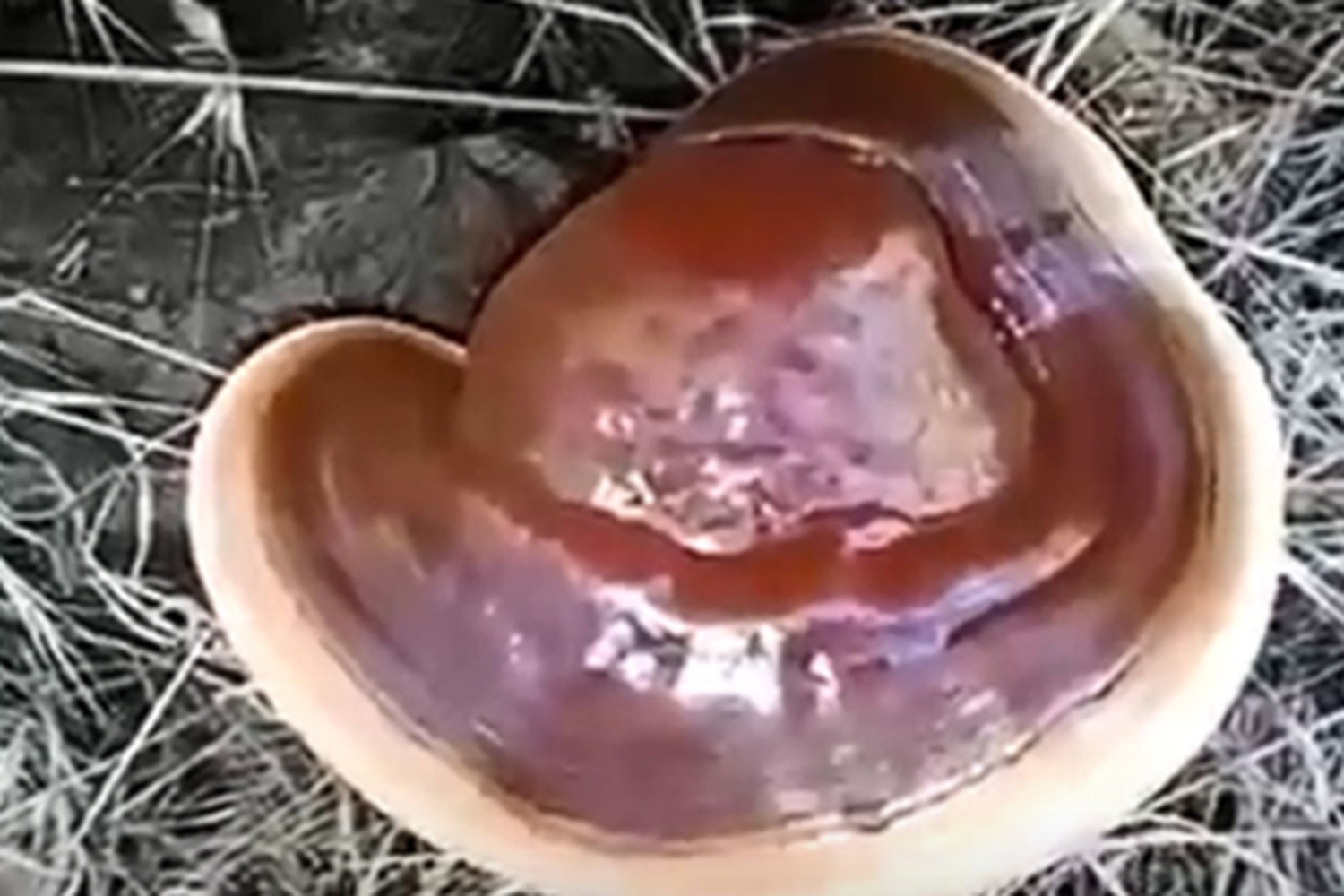
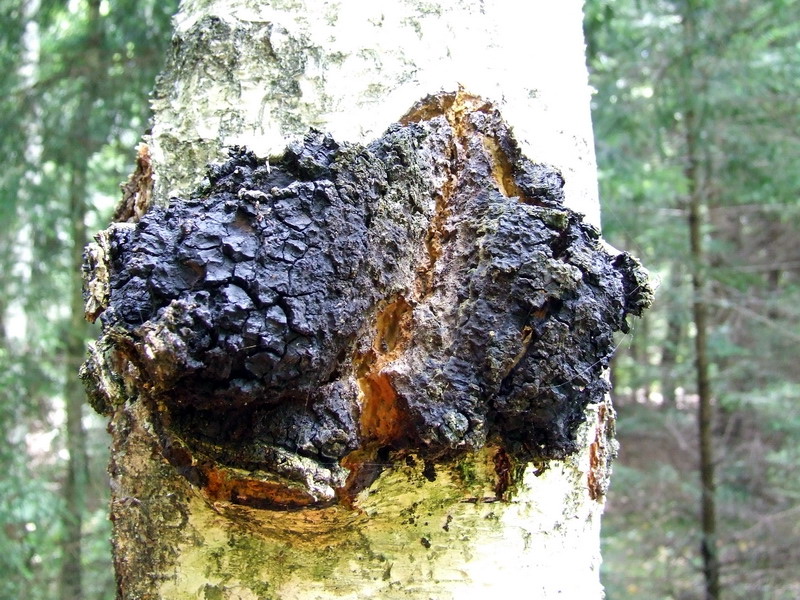
The foundation of Vital is a pair of tonic mushrooms — Reishi (Ganoderma lucidum) and Chaga (Inonotus obliquus) — whose primary affinity is the immune system, the body's own intelligence for recognition, defense, and balance. Both are exceptionally rich in beta-glucans and branched polysaccharides: large, naturally occurring sugar structures that the immune system's surveillance machinery reads as familiar patterns. In the herbal understanding these are nourishment the body recognizes as information, supporting steady, self-regulating immune function rather than driving it. Layered onto this are the mushrooms' triterpenes — Reishi's well-characterized ganoderic and lucidenic acids, and Chaga's birch-derived betulinic acid, betulin, inotodiol and a dense fraction of melanin and polyphenols (protocatechuic, gallic, syringic and vanillic acids). These compounds engage targets across the body's inflammatory and redox systems — including the STAT3 signaling node and inducible nitric oxide synthase — which is the molecular grammar of a calm, well-modulated defensive response and of the cellular antioxidant balance Chaga is renowned for.
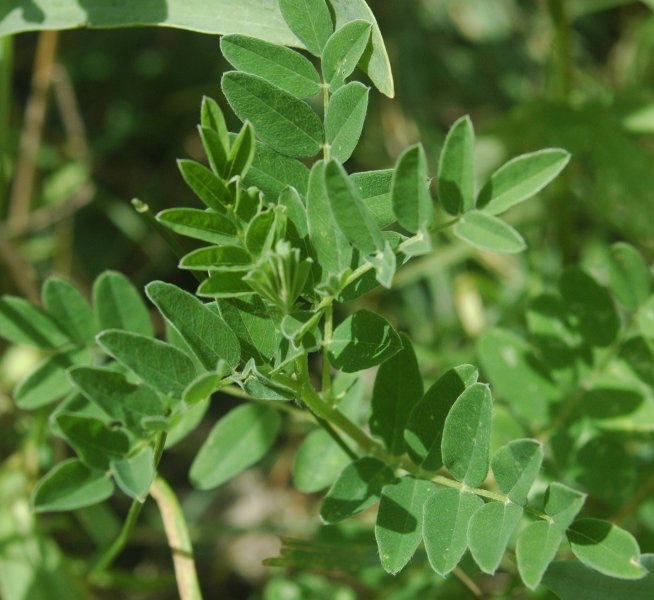
Astragalus (Astragalus membranaceus — huang qi, the 'yellow leader') completes the immune foundation while opening into the body's deeper reserves of stamina. Its signature astragaloside saponins and arabinogalactan polysaccharides speak the same recognized 'language' to immune surveillance as the mushroom glucans, while flavonoids like formononetin, calycosin, kaempferol and quercetin touch a broad set of regulatory targets — CYP enzymes, the aryl hydrocarbon receptor (AHR), aldose reductase (AKR1B1) and the HMGB1 alarm signal — supporting the steady, well-tempered function the tradition calls a qi tonic: the foundational energy from which protective resilience and daily endurance are drawn. Together, Reishi, Chaga and Astragalus give the formula three independent but convergent routes to the same outcome: a body whose defenses are nourished, recognized, and balanced.
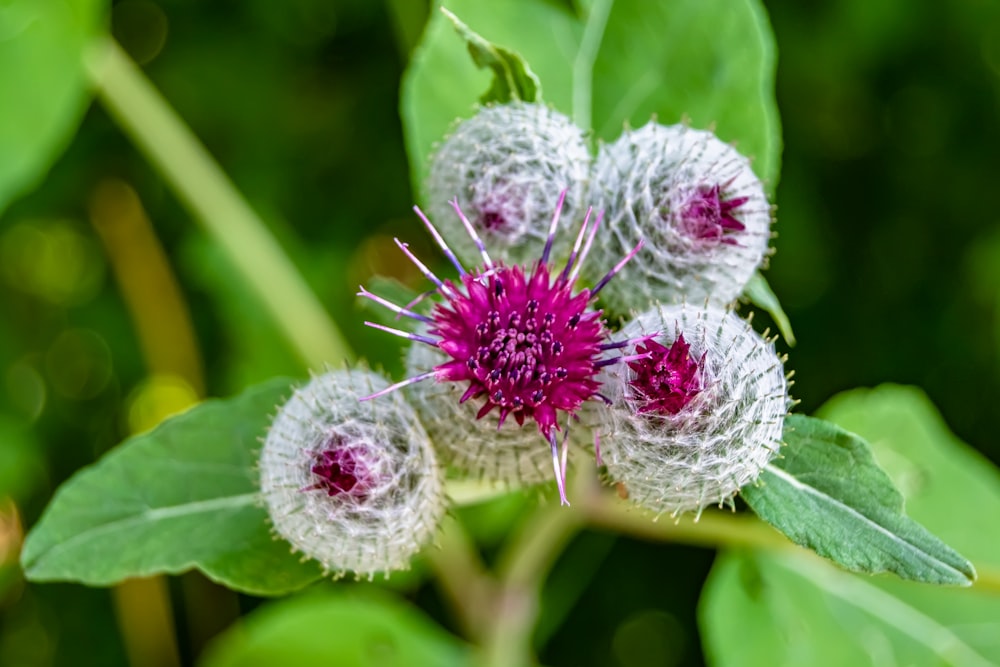
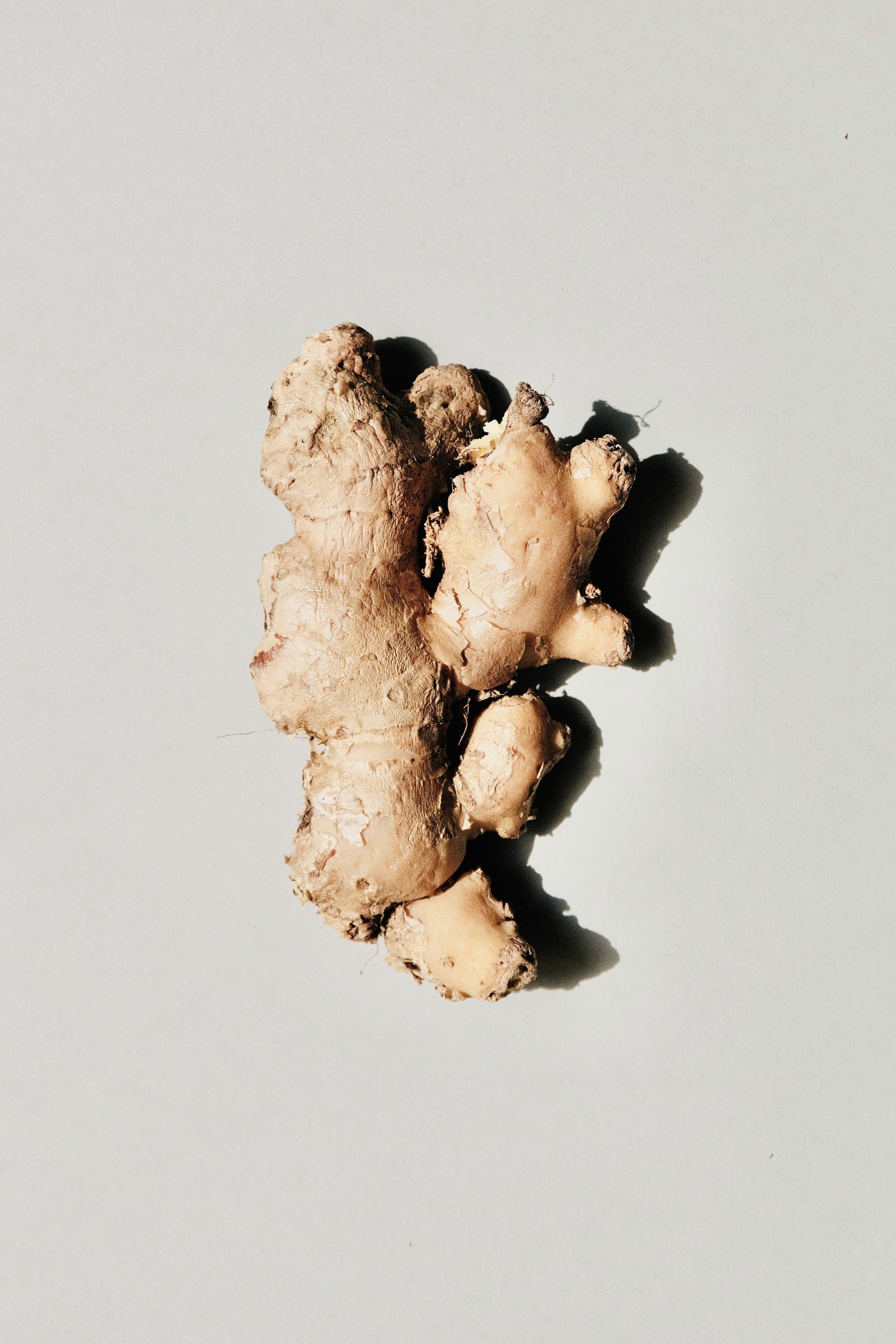
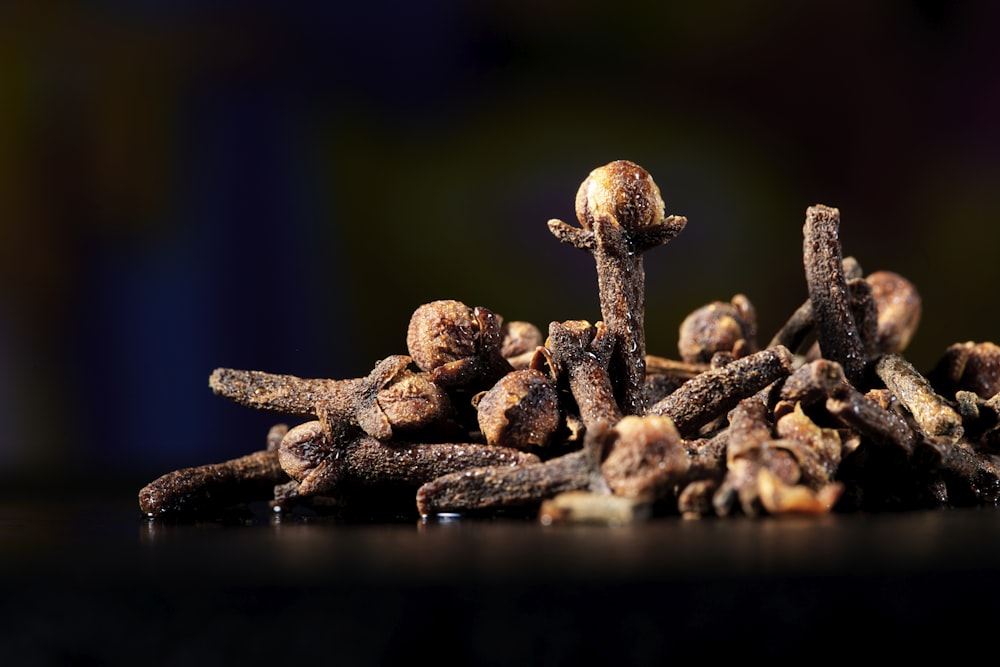
The remaining herbs carry that foundational work outward into the terrain. Burdock (Arctium lappa) engages the body's keeping-systems — blood and circulatory channels, the lymphatic network, and the skin — with inulin (a prebiotic fructan that nourishes the gut's own ecology, where renewal begins) and polyphenols like arctigenin, chlorogenic, caffeic and luteolin that touch NF-kappa-B, the matrix metalloproteinases and PTP1B. Ginger (Zingiber officinale) and Clove (Syzygium aromaticum) are the warming, circulating aromatics: ginger's gingerols and shogaols engage the gut's natural tone and motility (acting at COX, 5-LOX and the TRPV1/TRPA1 warmth channels) and stimulate circulation, while clove's eugenol — one of the densest phenolic loads of any spice, alongside beta-caryophyllene at the CB2 receptor — nourishes the body's oxidative-balance and inflammatory-response systems. Binding the whole is Licorice (Glycyrrhiza glabra), the great harmonizer: its glycyrrhetinic acid engages the 11-beta-HSD enzymes of the adrenal-renal axis that governs the body's response to daily demand, and its demulcent polysaccharides soothe and unify — the conductor that makes its distinct botanicals function as one formula. This is structure-and-function support of the body's own defensive and vitality architecture — nourishment the body recognizes and uses, never a drug acting upon it.
The molecules, measured
A formula is a community of compounds. Below are active molecules from the herbs in this blend and the proteins each is measured to engage — the precise points where the plants meet biology. So you see not just that it works, but how.
Ganoderma lucidum
Ganoderic acid A
PubChem ↗Measured to act on
An enzyme that locally regenerates active cortisol, shaping how tissues respond to the body's stress hormone.
An enzyme that quiets cortisol inside kidney and salt-handling tissues, helping govern fluid and mineral balance.
An enzyme that converts glucose into sorbitol, part of how cells handle sugar.
Ganoderic acid B
PubChem ↗Measured to act on
The enzyme that breaks down acetylcholine, resetting nerve and muscle signals between pulses.
A blood enzyme that breaks down acetylcholine and helps clear certain compounds from circulation.
An enzyme that converts glucose into sorbitol, part of how cells handle sugar.
Inonotus obliquus
Betulinic acid
PubChem ↗Measured in the lab: binds tightly to Albumin · Kd 593 nM
Measured to act on
A receptor inside cells that helps direct immune cell development and daily body rhythms.
An enzyme that recycles the building blocks of DNA and cellular energy molecules.
An enzyme that helps repair and copy DNA to keep the genetic code intact.
Protocatechuic acid
PubChem ↗Measured in the lab: binds tightly to Carbonic anhydrase 2 · Ki 470 nM
Measured to act on
An enzyme that balances carbon dioxide and acidity throughout the body's fluids.
An enzyme that helps manage carbon dioxide and acid-base balance in the blood.
A bacterial enzyme in a pathway plants and microbes use that humans lack entirely.
Astragalus membranaceus
Formononetin
PubChem ↗Measured in the lab: binds very tightly to Apoptosis regulator Bcl-2 · Ki 10 nM
Measured to act on
A liver enzyme that breaks down many compounds the body takes in.
A protein that helps decide whether a cell continues living or undergoes natural turnover.
An enzyme that edits proteins to manage cellular cleanup and the cell internal scaffolding.
Calycosin
PubChem ↗Measured to act on
A protein that helps organize DNA and acts as an alarm signal during tissue stress.
Arctium lappa
Arctigenin
PubChem ↗Measured in the lab: binds very tightly to Dual specificity mitogen-activated protein kinase kinase 1 · IC50 1 nM
Measured to act on
A signaling enzyme that passes growth messages along a relay chain inside the cell.
A liver enzyme involved in processing a variety of compounds the body encounters.
A receptor that switches certain genes on, helping guide immune-cell development.
Chlorogenic acid
PubChem ↗Measured in the lab: binds very tightly to Tyrosine-protein phosphatase non-receptor type 1 · IC50 100 nM
Measured to act on
An enzyme that removes phosphate tags from proteins, helping regulate insulin and metabolic signaling.
An enzyme that converts excess glucose into sorbitol, part of normal sugar metabolism.
Glycyrrhiza glabra
18beta-Glycyrrhetinic acid (enoxolone)
PubChem ↗Measured in the lab: binds very tightly to 11-beta-hydroxysteroid dehydrogenase type 2 · IC50 1.2 nM
Measured to act on
An enzyme in tissues like fat and liver that activates the stress hormone cortisol.
A kidney enzyme that switches off cortisol, helping the body manage salt and fluid balance.
A signaling enzyme involved in skin cell growth and how cells respond to their environment.
Liquiritigenin
PubChem ↗Measured in the lab: binds very tightly to Estrogen receptor beta · EC50 37 nM
Measured to act on
A receptor that reads the hormone estrogen, helping govern reproductive and other tissues.
The building-block protein of the internal scaffolding that gives cells shape and moves their parts.
Zingiber officinale
6-Gingerol
PubChem ↗Measured in the lab: binds to Transient receptor potential cation channel subfamily V member 1 · EC50 3.3 µM
Measured to act on
A major liver enzyme that processes a wide range of compounds the body takes in.
A repair enzyme that resolves certain DNA damage so the strand can be restored.
A liver enzyme that helps break down and process many compounds and natural substances.
6-Shogaol
PubChem ↗Measured in the lab: binds to Cytochrome P450 1A2 · IC50 2.5 µM
Measured to act on
A major liver enzyme that processes a wide range of compounds the body takes in.
A liver enzyme that processes many compounds, including some the body forms naturally.
A nerve-ending sensor that responds to heat and to the pungency of chili pepper compounds.
Syzygium aromaticum
Eugenol
PubChem ↗Measured to act on
The enzyme that drives the body's inflammatory response.
An enzyme making prostaglandins that protect the stomach lining and support everyday tissue function.
An enzyme that turns fatty acids into signaling molecules involved in inflammation.
beta-Caryophyllene
PubChem ↗Measured to act on
A receptor of the endocannabinoid system, concentrated in immune tissue.
Cited science · not claims
Everything we publish about these plants traces to a primary source — the compounds to PubChem, ChEMBL, and BindingDB, the traditional uses to named, dated herbals. We describe what a plant is and what it is understood to nourish — the body’s own systems, structure and function only. We do not claim it treats, cures, or prevents any disease, and nothing here is a substitute for professional care. See our method & sources →
These statements have not been evaluated by the Food and Drug Administration. Not intended to diagnose, treat, cure, or prevent any disease.
Why these herbs together
The shared mechanism
A formula is not a pile of herbs — it is herbs whose actions meet. Below are the molecular targets that more than one plant in this blend is measured to engage. Where they converge is the blend's reason to exist.
Reishi · Astragalus · Burdock · Ginger
Chaga · Licorice · Clove
Reishi · Licorice
Reishi · Licorice
Reishi · Licorice
Reishi · Astragalus
Astragalus · Burdock
Each convergence is a gene whose protein two or more of this formula’s herbs are measured to engage (PubChem BioAssay & ChEMBL). It describes characterized molecular activity and the protein’s normal role — structure and function only, never a claim to treat, cure, or prevent any disease.
Whole plant vs. the isolated molecule
Seven plants converging where one molecule never could — characterized to the compound
Pharmacology isolates one molecule to press one target. Vital is the opposite instinct: seven whole plants, each characterized down to the compound, converging on shared mechanisms no single isolate could reach. Reishi (ganoderic and lucidenic acids, beta-glucans) and Chaga (betulinic acid, inotodiol, betulin) anchor a dual-mushroom core, joined by Astragalus (astragalosides, arabinogalactan) — three independent roots the immune system's surveillance reads as familiar structure. The measured convergence is real: Chaga and Licorice both engage the AMPK cluster (PRKAA1/PRKAA2), the cell's fuel-gauge that switches on energy production; Reishi and Licorice both touch HSD11B1, the enzyme that locally regenerates cortisol in tissue. Where the isolate suppresses one node, these plants nourish a whole system — multi-target by nature, food not pharmaceutical. Warming Ginger, Clove (eugenol), and harmonizing Licorice carry the work outward. Transparent, cited to the molecule and the tradition — the carbon-dioxide-balancing carbonic anhydrases shared by Astragalus and Clove included — never a black box.
Every molecule and target named here is cited from our own genome data (PubChem BioAssay, BindingDB, ChEMBL). Structure and function only — a description of characterized chemistry and tradition, never a claim to treat, cure, or prevent any disease.
In practice
Who it’s for, and how to use it
Who it’s for
For anyone who would rather build strong defenses ahead of time than chase them after the fact — people moving through changing seasons, demanding stretches of work or training, travel, or the ordinary wear of a full life. It suits those drawn to deep, daily tonic herbs and the long game of staying resilient over years. Best taken consistently. As with any rich tonic, those who are pregnant, nursing, or taking medication should bring their own judgment to a new daily herb.
How to use it
1/4 tsp (working up to 1 tsp) of extract powder stirred into hot water, tea, coffee, a smoothie, or food, once daily. Begin with light doses — our extracts are very potent — and build a steady, everyday rhythm, since fortification is the reward of consistency. 1 oz / 12 g.
Measure · 1/4 tsp (up to 1 tsp) of extract powder in hot water, tea, coffee, a smoothie, or food, once daily. Begin with light doses — our extracts are very potent.
What’s inside
Inside: a foundation of Reishi and Chaga — two of the most studied tonic mushrooms on earth — reinforced by Astragalus, the classic immune-and-vitality root, and grounding Burdock, then unified by a small warming ring of Ginger, Clove, and harmonizing Licorice. The dual mushroom-and-adaptogen pairing is deliberate: the mushrooms and Astragalus supply the recognized structures the body's defenses are built to read, while the warming aromatics and harmonizer carry that work through the whole system and bind it into one balanced formula.
These statements have not been evaluated by the Food and Drug Administration. This product is not intended to diagnose, treat, cure, or prevent any disease. Introduce one formula at a time and notice how the body responds; if you are pregnant, nursing, or on a prescription, know the interaction before you begin.
Pairs well with
Formulas that share Vital's botanicals
Built from overlapping herbs, these reinforce Vital along the same lines — the shared-botanical kinship our genome engine maps.