
For People
Breath
Lungs & Breath
For breathing that is clear, open, and easy — a moistening, soothing blend for the channels of air.
Breath is built for one outcome: air that moves freely. When the throat feels dry, the chest feels tight, or each breath seems to catch on something, the body is telling you the channels of air have lost some of their ease. This formula was composed to bring that ease back — to moisten what has gone dry, soothe what has gone rough, and open what has gone narrow, so the simple act of breathing returns to what it should be: unnoticed, effortless, full.
Reach for it when the air is dry and the season is changing, when you talk or sing or teach all day and your voice and chest pay for it, or when smoke, dust, and city air leave the passages feeling raw. It is also a daily companion for anyone who simply wants their breathing to stay supple and open — the people who walk far, breathe deep, and want the body's first and most constant rhythm kept in good repair.
The herbs here are not a scattering of remedies thrown at the chest. They are a single, convergent gesture. One moistens the deep tissue of the airways; one opens and freshens the upper passages; one gathers and steadies the breath so it doesn't scatter; one coats, sweetens, and binds the whole blend into a soothing draught. Together they ask the respiratory system to do what it already knows how to do — only with more moisture, more room, and less friction.
This is structure and function, plainly: Breath nourishes the tissues and rhythms of respiration. It is food for the breathing body. This product is not intended to diagnose, treat, cure, or prevent any disease. We bring the system back toward ease; the body does the rest.
What it supports in the body
The body systems the herbs in this formula are traditionally understood to nourish — resolved through our knowledge graph, where the classical record and modern biology are read together. Structure and function, never a claim of treatment.
Where measure & tradition agree
Systems this blend’s herbs are measured to engage in human binding data — and traditionally named for, independently. The number is how many herbs in the blend converge there. Two evidence systems arriving at the same place, separately, is our highest standard. See the research →
For People
Small-batch. Dual-extracted where it matters. Made by hand.
How to take it
1/4 tsp (up to 1 tsp) of extract powder in hot water, tea, coffee, a smoothie, or food, once daily. Begin with light doses — our extracts are very potent.
Whole plant, never isolated
Concentrated extracts of the whole botanical — the way the body recognizes it.
Cited to measured biology
Every action we describe traces to the compound and its measured target.
Structure & function
We describe what an herb nourishes — never a claim to treat disease.
Secure checkout
Encrypted payment and human verification on every order.
- Free shipping over $150USPS Priority, tracked. $15 standard; ships in 1–3 business days.
- 30-day returnsIn original packaging and resalable condition. Refunded to your original payment method.
What you get
What this formula gives you
Supports clear, open, easy breathing as the everyday baseline
Moistens and soothes a dry, rough, or tickling throat and airway
Helps the upper passages feel fresh and uncongested through dry seasons and changing weather
A steadying daily companion for big talkers, singers, teachers, and deep breathers
Comforting support when smoke, dust, or city air leave the chest feeling raw
Convergent botanicals working as one — moisten, open, gather, soothe
How it works
The science of Breath
Not buzzwords — the actual biology of the plants in this formula: their compounds, the targets those compounds are measured to engage, and the systems they nourish.
The keystone of Breath is asparagus root — Tian Men Dong in the East Asian materia medica, the great moistening tonic of the lung. Its tissue is rich in steroidal saponins; in our own molecular library we hold its measured fingerprint compounds, diosgenin and sarsasapogenin, confirmed by their PubChem identity. In the classical reading, these saponin-bearing roots are profoundly yin-moistening — they restore the slick, fluid quality that a dry airway loses. Galenic physicians would have called this exact action 'humectant and pectoral'; Culpeper grouped such moist, sweet roots among the plants that 'open the breast' and ease a dry, tickling throat. Different centuries, one observation: this root carries water back into the channels of air.
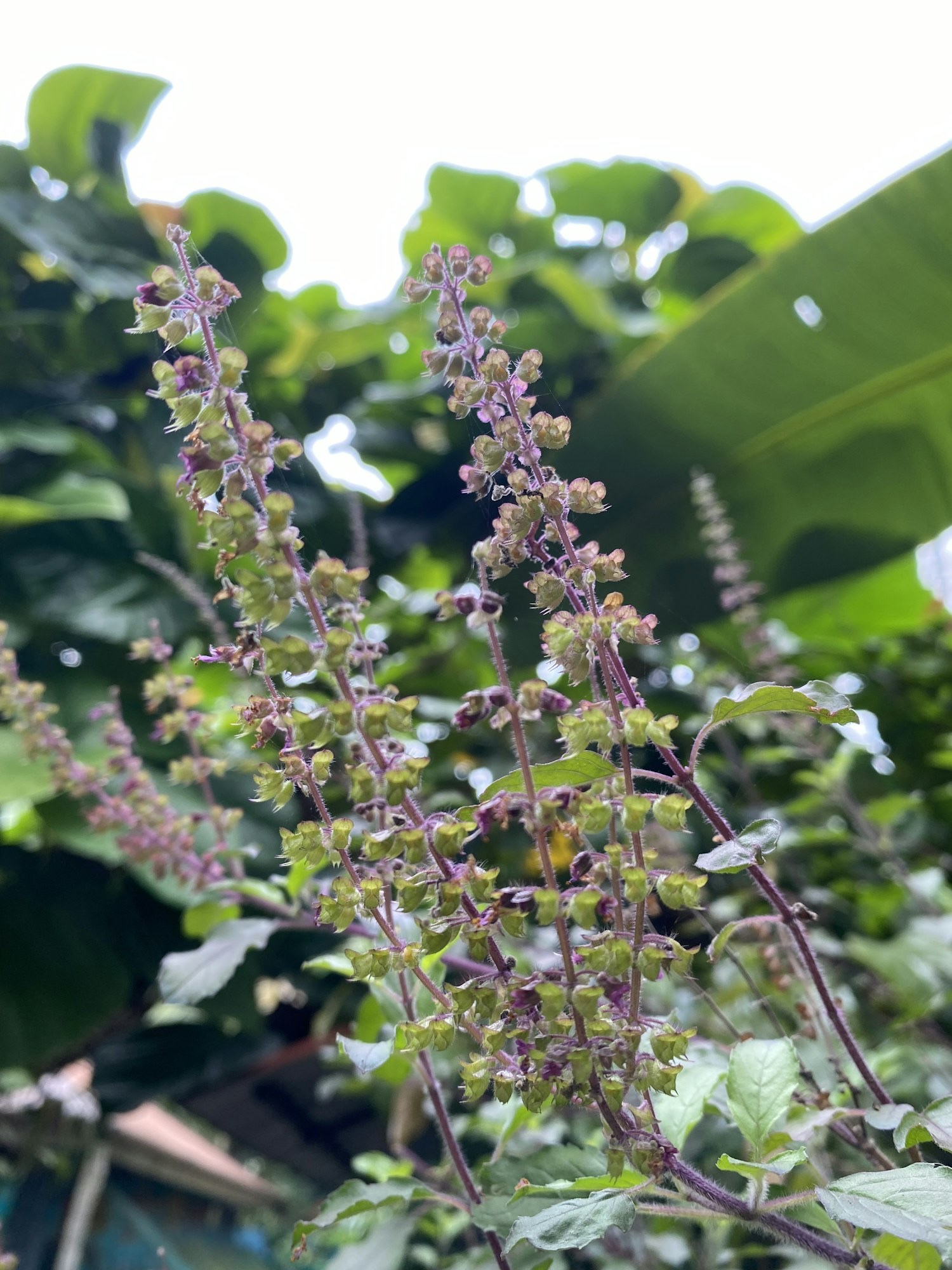
Tulsi — holy basil, sacred across the Ayurvedic tradition as the queen of herbs — supplies the opening, aromatic current. Its character lives in its volatile oils, chiefly eugenol, alongside the flavone apigenin, which in measured ChEMBL data binds a defined set of human enzyme targets including cytochrome P450 isoforms and casein kinase II. You do not need the laboratory to feel what tulsi does: it is warm, fragrant, and clearing, the aromatic that lifts heaviness off the chest and freshens the upper passages. Ayurveda placed it at the center of respiratory and breath-work practice for exactly this reason, and the African and Mediterranean traditions reached for the same family of aromatic, camphoraceous herbs to keep the breath moving.
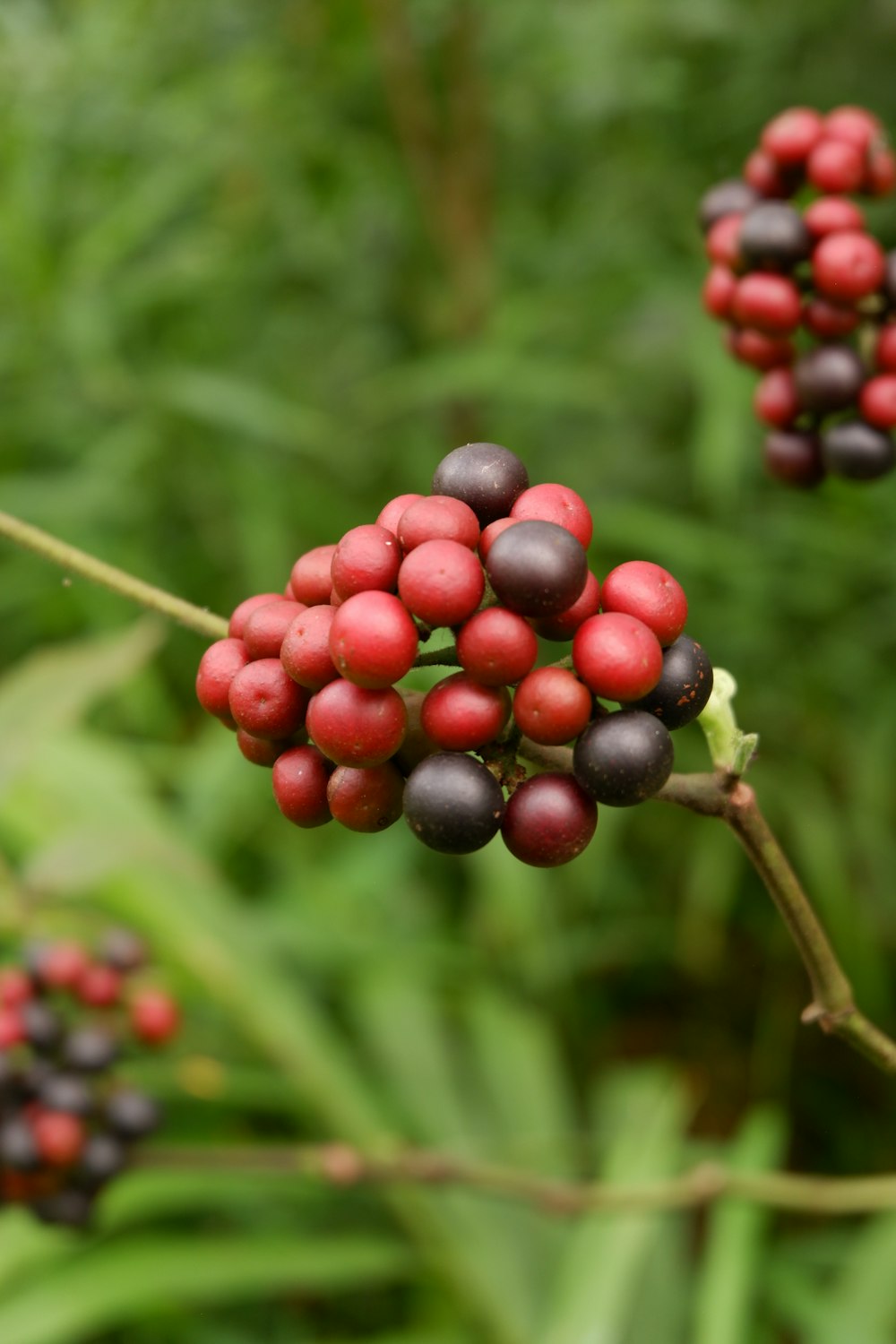
Schizandra and licorice complete and govern the blend. Schizandra — the wu-wei-zi, the 'five-flavor berry' — is astringent and gathering; its signature lignans are why the classics use it to keep the breath from scattering and to steady the lung's qi rather than let it leak away. Licorice — Gan Cao, the great harmonizer of East Asian formulas and the soothing demulcent root of Western herbalism — is built on glycyrrhizin and 18β-glycyrrhetinic acid, compounds with documented binding at the 11-beta-hydroxysteroid dehydrogenase enzymes. In the tradition its role is simpler and older: it is sweet, moistening, and coating, the throat-soothing root that calms a raw passage and binds the herbs into one gentle, agreeable draught. One root moistens, one herb opens, one berry gathers, one root soothes and harmonizes — a complete respiratory gesture across the blend.
The molecules, measured
A formula is a community of compounds. Below are active molecules from the herbs in this blend and the proteins each is measured to engage — the precise points where the plants meet biology. So you see not just that it works, but how.
Cordyceps militaris
Cordycepin (3'-deoxyadenosine)
PubChem ↗Measured in the lab: binds to Adenosine receptor A1 · Ki 7.12 µM
Measured to act on
A receptor for adenosine that helps calm cellular activity and signaling.
A repair enzyme that clears certain damage points so DNA can be mended.
Pentostatin (2'-deoxycoformycin)
PubChem ↗Measured in the lab: binds very tightly to Adenosine deaminase · Ki 1 nM
Measured to act on
An enzyme that breaks down adenosine, part of how cells recycle their building blocks.
Asparagus cochinchinensis
Diosgenin (steroidal sapogenin aglycone of A. cochinchinensis saponins)
PubChem ↗Measured to act on
A protein that shuttles cholesterol and lipids between compartments inside the cell.
Sarsasapogenin (steroidal sapogenin)
PubChem ↗Measured in the lab: binds tightly to Solute carrier organic anion transporter family member 1B3 · IC50 105 nM
Measured to act on
A liver transporter that draws compounds from the blood into liver cells.
A liver transporter that helps usher substances into the liver for processing.
A membrane protein in brain cells whose fragments play a role in neural signaling and structure.
Ganoderma lucidum
Ganoderic acid A
PubChem ↗Measured to act on
An enzyme that locally regenerates active cortisol, shaping how tissues respond to the body's stress hormone.
An enzyme that quiets cortisol inside kidney and salt-handling tissues, helping govern fluid and mineral balance.
An enzyme that converts glucose into sorbitol, part of how cells handle sugar.
Ganoderic acid B
PubChem ↗Measured to act on
The enzyme that breaks down acetylcholine, resetting nerve and muscle signals between pulses.
A blood enzyme that breaks down acetylcholine and helps clear certain compounds from circulation.
An enzyme that converts glucose into sorbitol, part of how cells handle sugar.
Astragalus membranaceus
Formononetin
PubChem ↗Measured in the lab: binds very tightly to Apoptosis regulator Bcl-2 · Ki 10 nM
Measured to act on
A liver enzyme that breaks down many compounds the body takes in.
An enzyme that edits proteins to manage cellular cleanup and the cell internal scaffolding.
Calycosin
PubChem ↗Measured to act on
A protein that helps organize DNA and acts as an alarm signal during tissue stress.
Ocimum sanctum
apigenin
PubChem ↗Measured in the lab: binds very tightly to Acetylcholinesterase · IC50 12 nM
Measured to act on
A liver-family enzyme that processes hormones and foreign compounds the body needs to clear.
A carrier protein that ferries thyroid hormone and vitamin A through the bloodstream.
A detoxifying enzyme that breaks down environmental compounds the body absorbs.
luteolin
PubChem ↗Measured in the lab: binds very tightly to Tyrosinase · IC50 0.613 nM
Measured to act on
A liver-family enzyme that processes hormones and foreign compounds the body needs to clear.
An enzyme immune cells use to remodel and break down connective tissue.
A receptor on blood-forming cells that signals them to grow and divide.
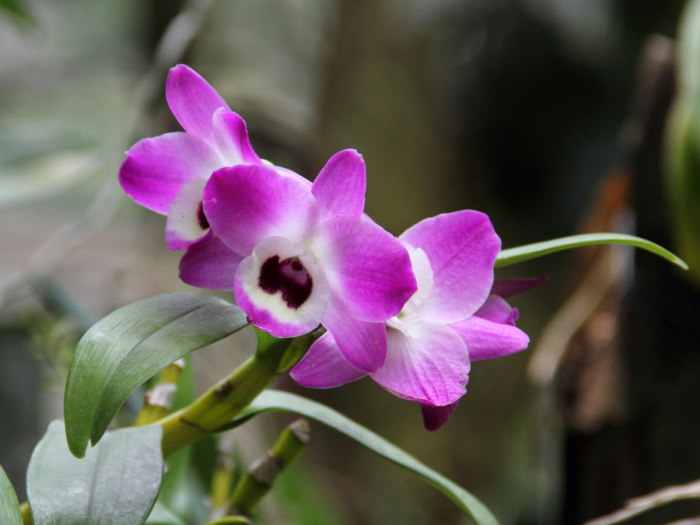
Dendrobium nobile
Moscatilin
PubChem ↗Measured to act on
A versatile signaling enzyme involved in energy storage, cell structure, and growth.
A versatile signaling enzyme involved in energy storage, cell structure, and growth.
A signaling enzyme that helps cells respond to stress and coordinate their activity.
Gigantol
PubChem ↗Measured to act on
A small calcium-sensing protein that relays calcium signals throughout the cell.
A small calcium-sensing protein that relays calcium signals throughout the cell.
A central signaling enzyme governing cell growth, survival, and metabolism.
Schisandra chinensis
Schisandrin B (Wuweizisu B)
PubChem ↗Measured in the lab: binds very tightly to Multidrug resistance-associated protein 1 · IC50 1.25 nM
Measured to act on
A guardian enzyme that senses DNA stress and helps coordinate repair.
A sentinel enzyme that detects DNA breaks and signals the cell to mend them.
An enzyme that helps stitch broken DNA strands back together.
Schisandrin C (= Wuweizisu C)
PubChem ↗Measured to act on
The enzyme that drives the body's inflammatory response.
The liver's busiest enzyme for breaking down compounds the body takes in.
A liver enzyme that helps metabolize and clear many compounds from the body.
Polygala tenuifolia
3,4,5-Trimethoxycinnamic acid
PubChem ↗Measured in the lab: binds to 5-hydroxytryptamine receptor 2C · IC50 2.5 µM
Measured to act on
A serotonin receptor involved in mood, calm, and nervous-system signaling.
A serotonin receptor in the brain involved in mood, perception, and signaling.
A serotonin receptor that helps govern appetite, mood, and emotional balance.
Glycyrrhiza glabra
18beta-Glycyrrhetinic acid (enoxolone)
PubChem ↗Measured in the lab: binds very tightly to 11-beta-hydroxysteroid dehydrogenase type 2 · IC50 1.2 nM
Measured to act on
A kidney enzyme that switches off cortisol, helping the body manage salt and fluid balance.
A signaling enzyme involved in skin cell growth and how cells respond to their environment.
A structural protein that forms the scaffold giving each cell nucleus its shape and stability.
Liquiritigenin
PubChem ↗Measured in the lab: binds very tightly to Estrogen receptor beta · EC50 37 nM
Measured to act on
A receptor that reads the hormone estrogen, helping govern reproductive and other tissues.
The building-block protein of the internal scaffolding that gives cells shape and moves their parts.
Cited science · not claims
Everything we publish about these plants traces to a primary source — the compounds to PubChem, ChEMBL, and BindingDB, the traditional uses to named, dated herbals. We describe what a plant is and what it is understood to nourish — the body’s own systems, structure and function only. We do not claim it treats, cures, or prevents any disease, and nothing here is a substitute for professional care. See our method & sources →
These statements have not been evaluated by the Food and Drug Administration. Not intended to diagnose, treat, cure, or prevent any disease.
Why these herbs together
The shared mechanism
A formula is not a pile of herbs — it is herbs whose actions meet. Below are the molecular targets that more than one plant in this blend is measured to engage. Where they converge is the blend's reason to exist.
Asparagus Root · Reishi · Astragalus · Tulsi (Holy Basil) · Dendrobium
Asparagus Root · Reishi · Tulsi (Holy Basil) · Licorice
Asparagus Root · Tulsi (Holy Basil) · Dendrobium · Licorice
Asparagus Root · Reishi · Polygala · Licorice
Asparagus Root · Reishi · Polygala · Licorice
Asparagus Root · Tulsi (Holy Basil) · Schizandra
Asparagus Root · Astragalus
Each convergence is a gene whose protein two or more of this formula’s herbs are measured to engage (PubChem BioAssay & ChEMBL). It describes characterized molecular activity and the protein’s normal role — structure and function only, never a claim to treat, cure, or prevent any disease.
Whole plant vs. the isolated molecule
One drug blocks one target; Breath is four plants converging on the same biology
Pharma isolates one molecule to throttle one receptor. Breath is the whole-plant answer — four botanicals characterized down to the molecule, then proven to converge. Asparagus root moistens, tulsi opens with its eugenol and apigenin, schizandra's lignans gather, and licorice's glycyrrhizin and 18β-glycyrrhetinic acid soothe. Where they meet is the point. Tulsi and licorice both engage AMPK (PRKAA1/PRKAA2), the cell's fuel-gauge that switches on energy production, and the HSD11B1/HSD11B2 enzymes that locally regulate cortisol in tissue — the measured glycyrrhetinic-acid mechanism. Asparagus and tulsi both touch RELA, the partner that activates the NF-κB signaling switch. That is multi-target by nature, not single-point. Drawn from the Ayurvedic and East Asian materia medica — wu-wei-zi, Gan Cao, the queen of herbs — it nourishes the breathing body rather than suppressing a signal. Food, transparent and cited, not a black box.
Every molecule and target named here is cited from our own genome data (PubChem BioAssay, BindingDB, ChEMBL). Structure and function only — a description of characterized chemistry and tradition, never a claim to treat, cure, or prevent any disease.
In practice
Who it’s for, and how to use it
Who it’s for
For anyone who wants their breathing kept clear, open, and supple — especially through dry seasons and changing weather, after long days of talking, singing, or teaching, or when smoky and dusty air leaves the chest feeling raw. A gentle daily companion for deep breathers and active people who want the body's first rhythm well cared for. As with all our formulas, if you are pregnant, nursing, or taking prescribed medication, speak with someone who knows your full picture before beginning.
How to use it
Stir 1/4 tsp of the extract powder (working up to 1 tsp) into hot water, tea, coffee, a smoothie, or food, once daily. A warm cup is the most traditional and the most pleasant way to take Breath — the steam itself opens the passages while you drink. Begin with light doses: these are true extracts and they are very potent. Take it consistently through dry stretches and demanding seasons; the moistening, opening work of these roots and berries rewards steady, gentle use over time.
Measure · 1/4 tsp (up to 1 tsp) of extract powder in hot water, tea, coffee, a smoothie, or food, once daily. Begin with light doses — our extracts are very potent.
What’s inside
Inside: asparagus root (Tian Men Dong), tulsi (holy basil), schizandra berry, and licorice root (Gan Cao) — whole botanicals. Each is a concentrated full-spectrum extract of the pristine herb, blended so no single voice overwhelms the chord. We name every plant openly because you deserve to know exactly what you are inviting into your body. The most pristine herbs on earth.
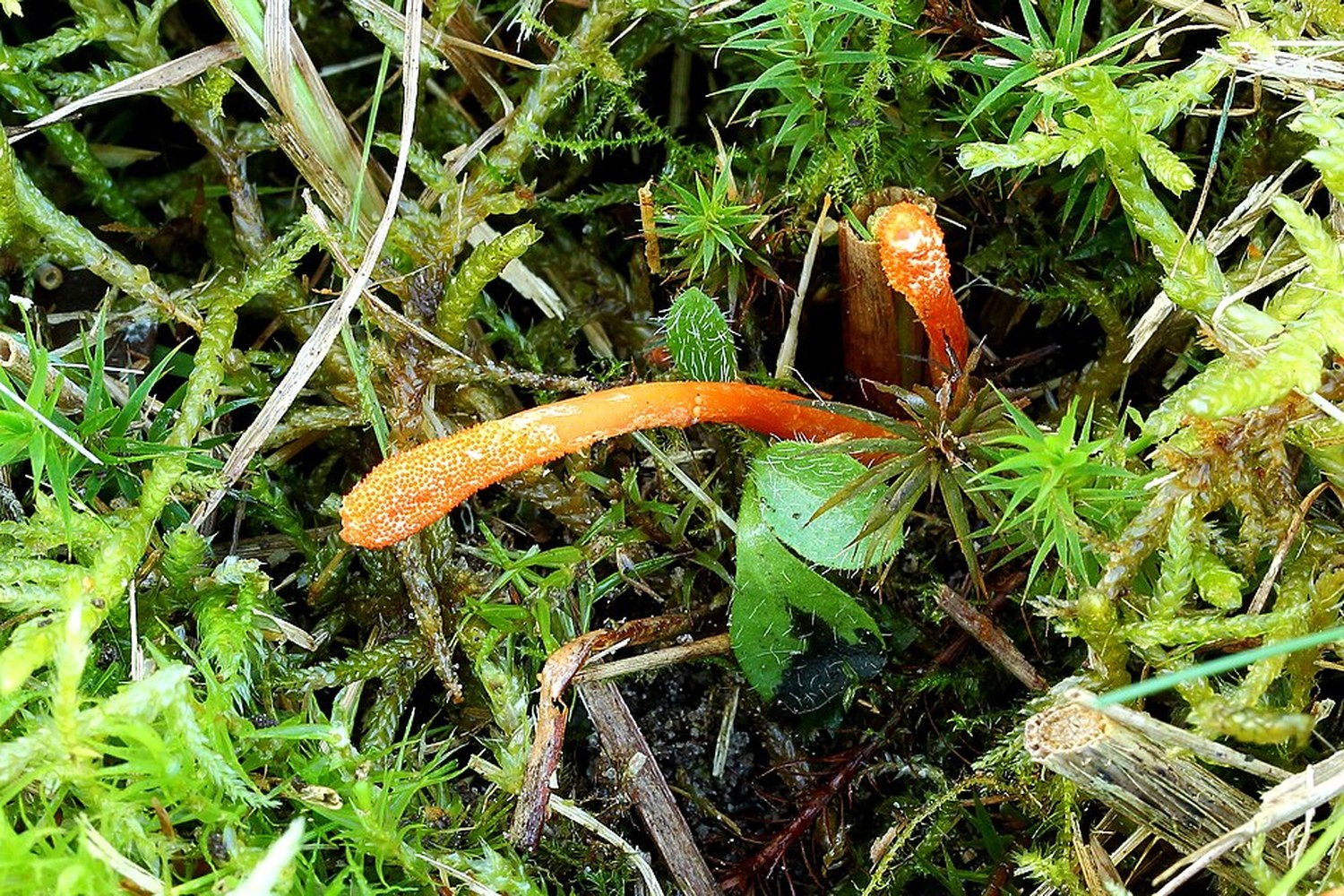
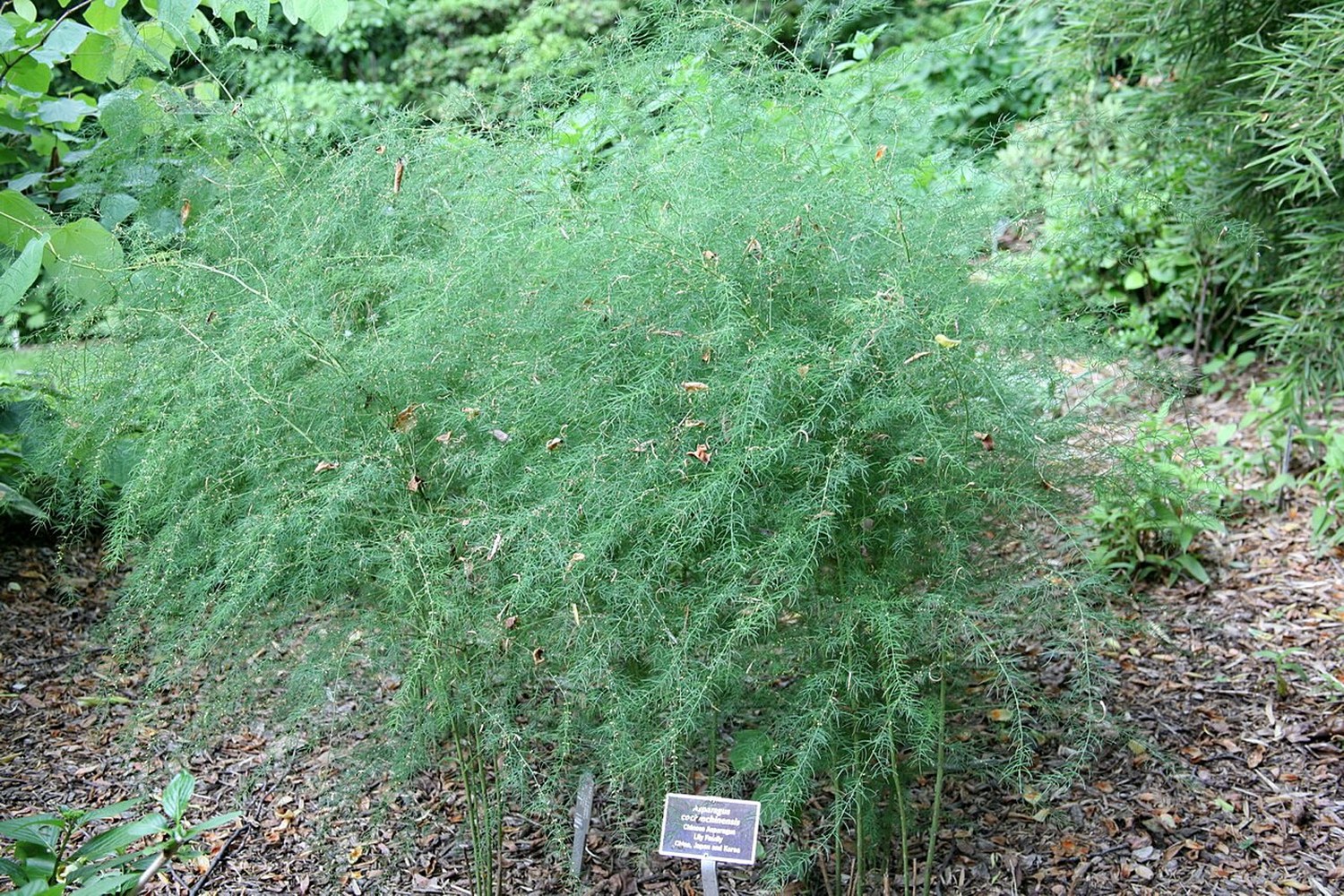
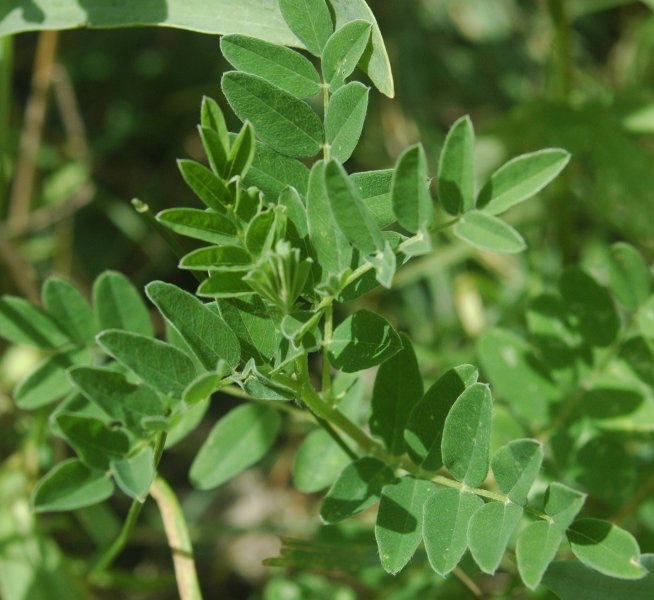
- Cordyceps·
- Asparagus Root·
- Reishi·
- Astragalus·
- Tulsi (Holy Basil)·
- Dendrobium·
- Schizandra·
- Polygala·
- Licorice
These statements have not been evaluated by the Food and Drug Administration. This product is not intended to diagnose, treat, cure, or prevent any disease. Introduce one formula at a time and notice how the body responds; if you are pregnant, nursing, or on a prescription, know the interaction before you begin.
Pairs well with
Formulas that share Breath's botanicals
Built from overlapping herbs, these reinforce Breath along the same lines — the shared-botanical kinship our genome engine maps.