For People
Stress Balance
Balance Formula
Deep-rooted botanicals that help your body hold its own center — steady, grounded, the same under pressure as at rest.
Balance is the formula you reach for when you want to feel like yourself — consistently. Not lifted, not sedated, not pushed in any one direction. Held. It is built for the person whose days don't give them the courtesy of being even: the long stretch of demand, the short night, the week that asks more of you than it gives back. Where a stimulant borrows tomorrow's energy to spend today, and a sedative trades sharpness for calm, Balance does something quieter and more durable. It feeds the systems your body already uses to regulate itself — so that the ground you stand on stops shifting underfoot.
What you actually notice is steadiness. Energy that arrives without a spike and leaves without a crash. A stress response that meets the moment and then, just as importantly, lets go of it — the return to baseline that exhaustion erodes first. A sense of reserve, of having something in the tank, rather than running on the fumes of willpower. This is the felt experience of a body whose set-point is being nourished rather than overridden: the equilibrium the old herbalists across every tradition called constitution, tone, the deep ground of vitality.
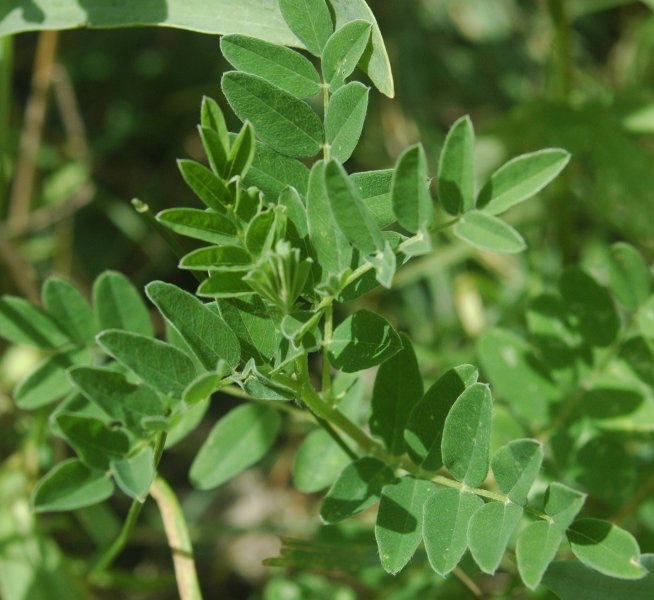
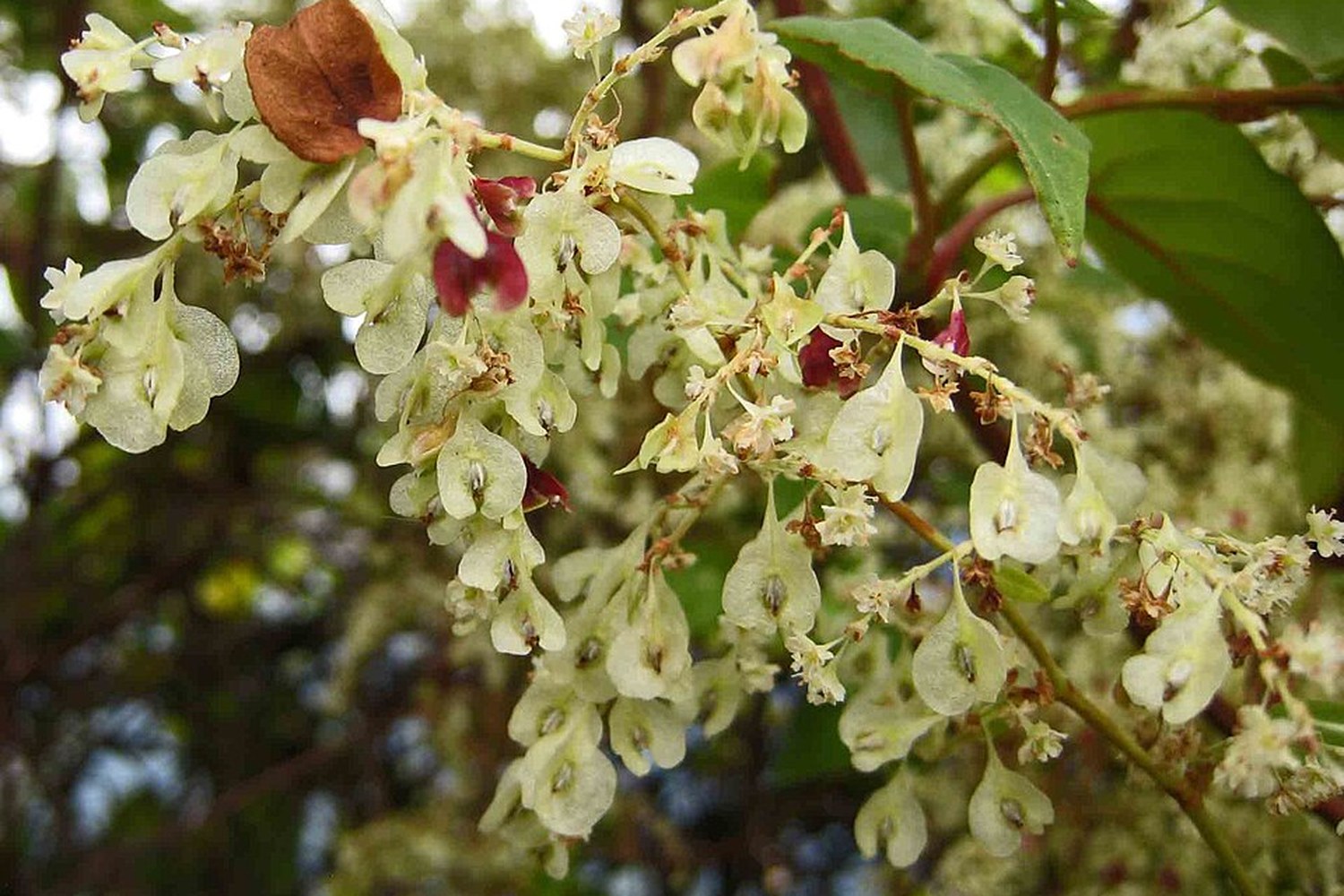
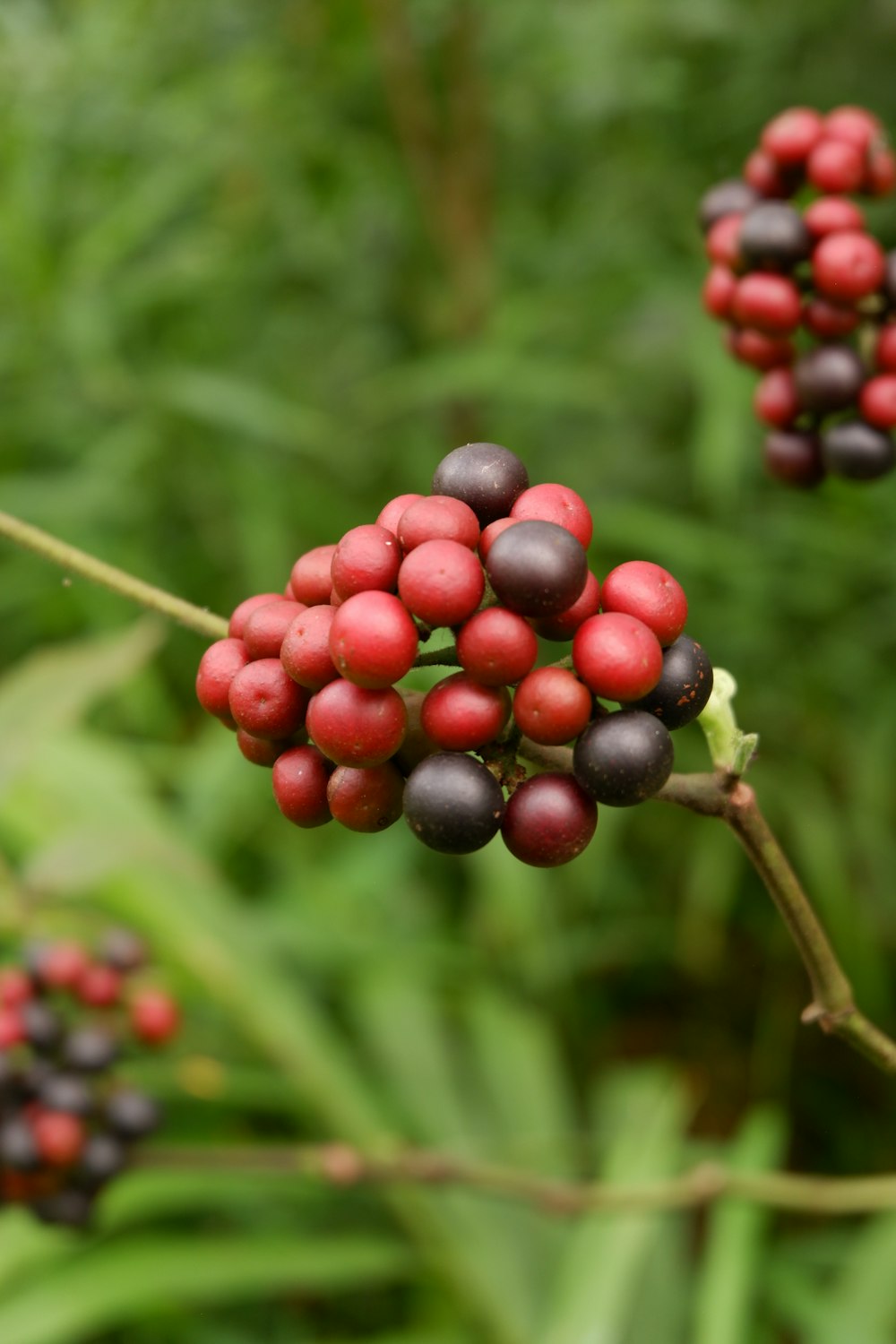
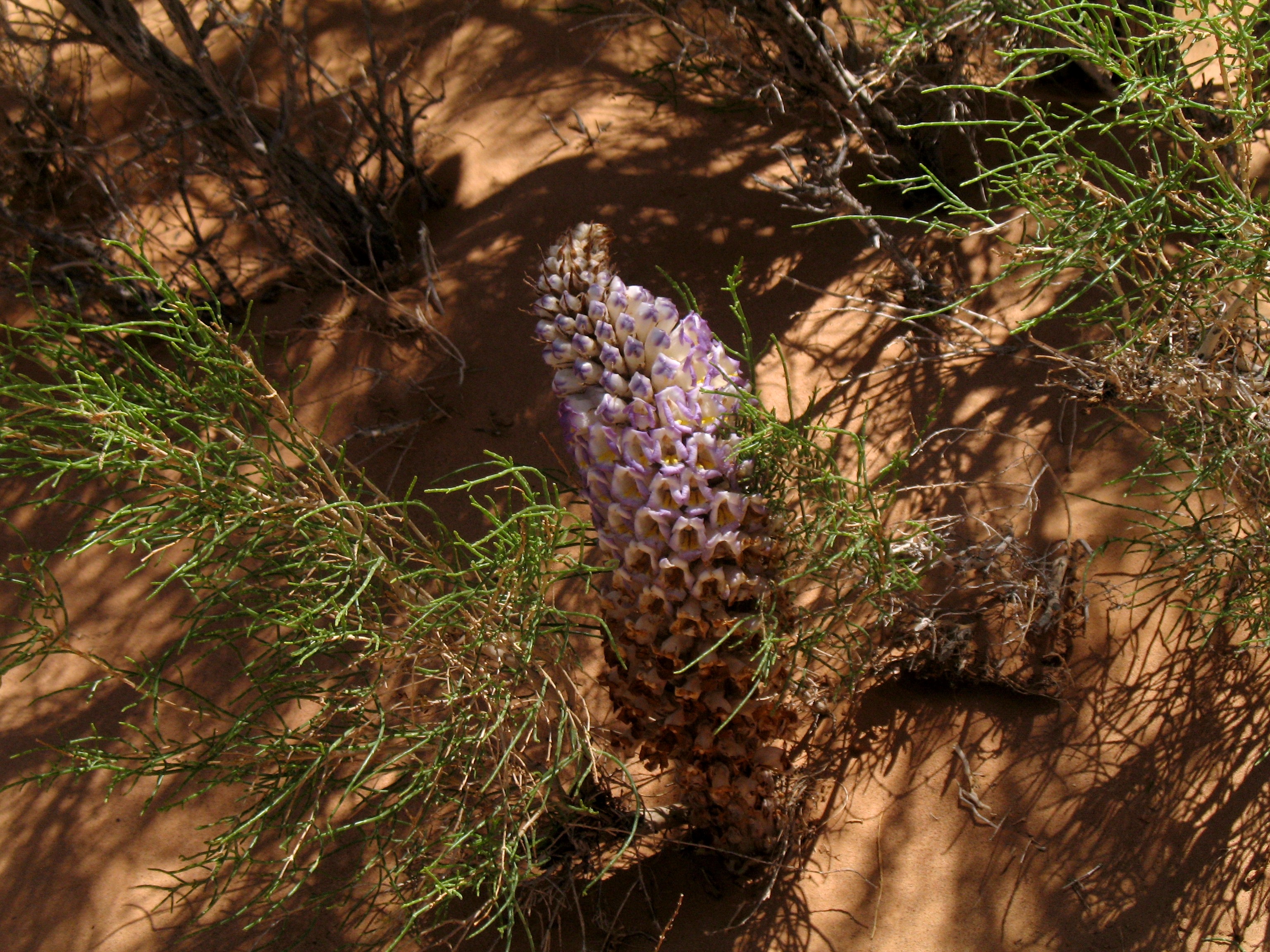
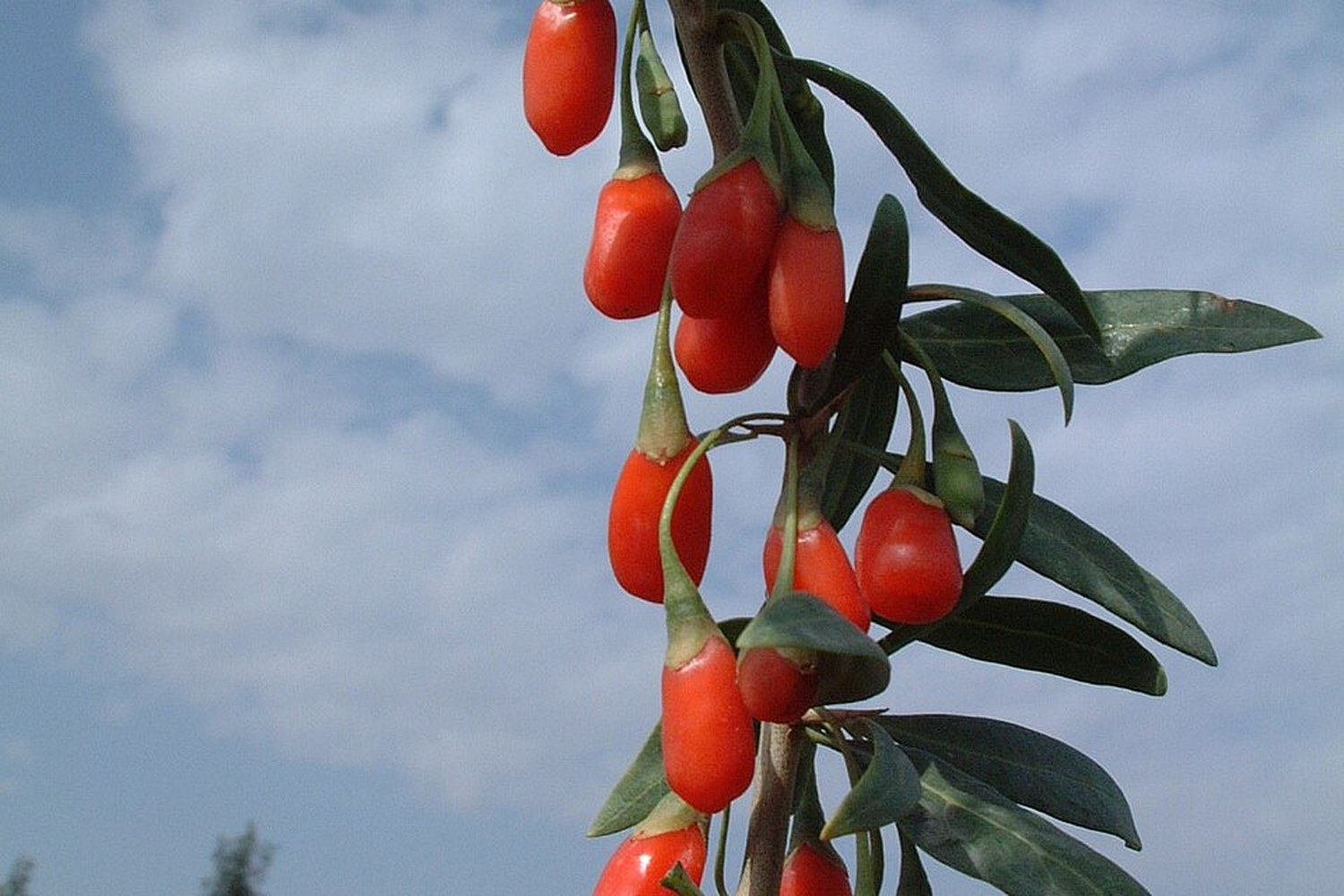
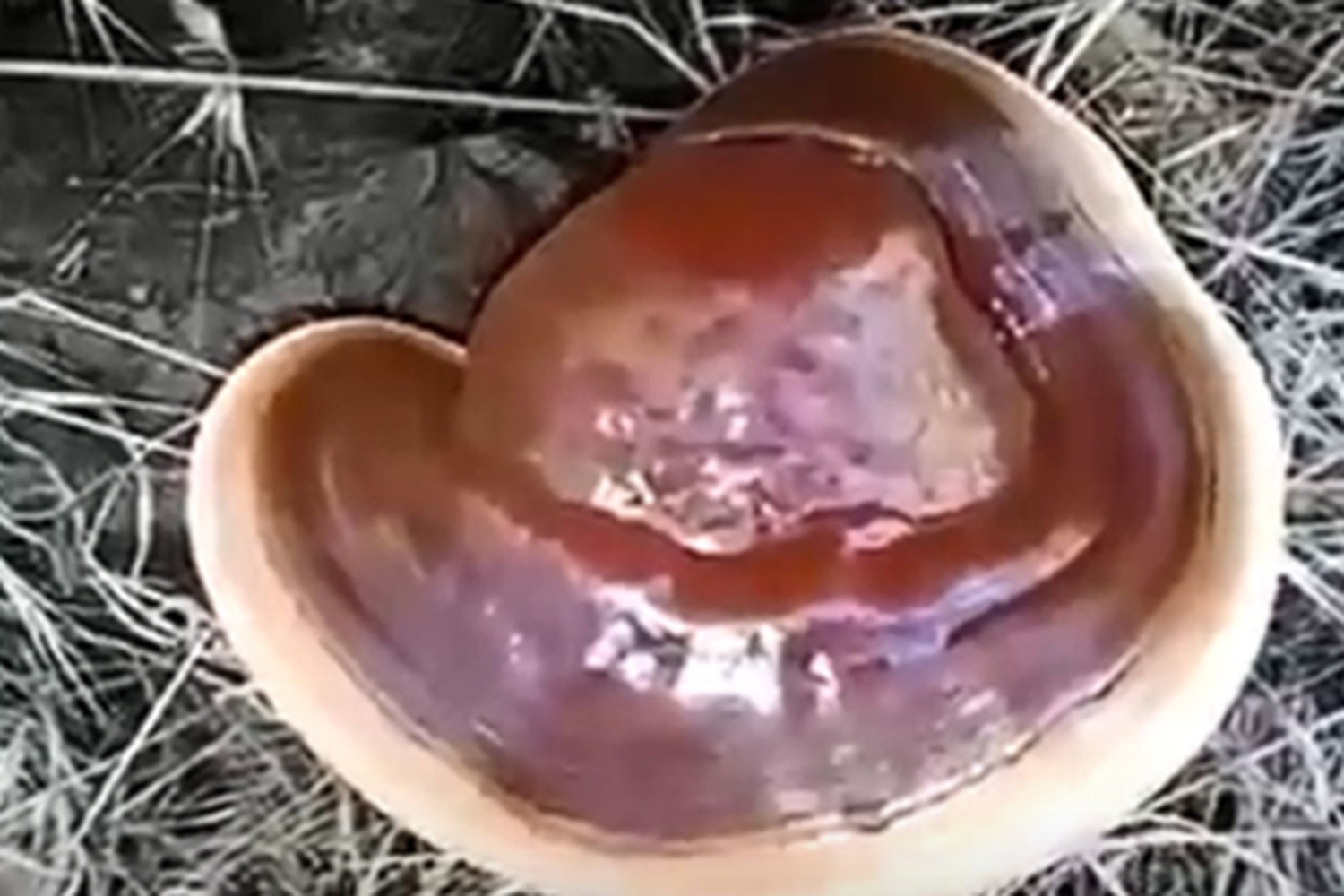
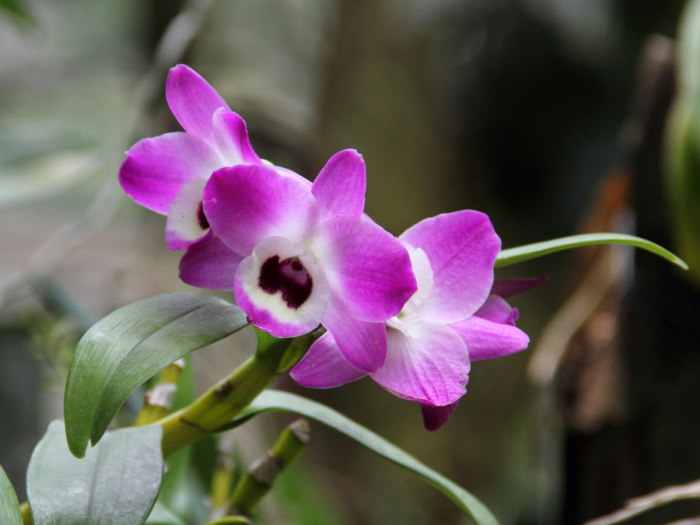
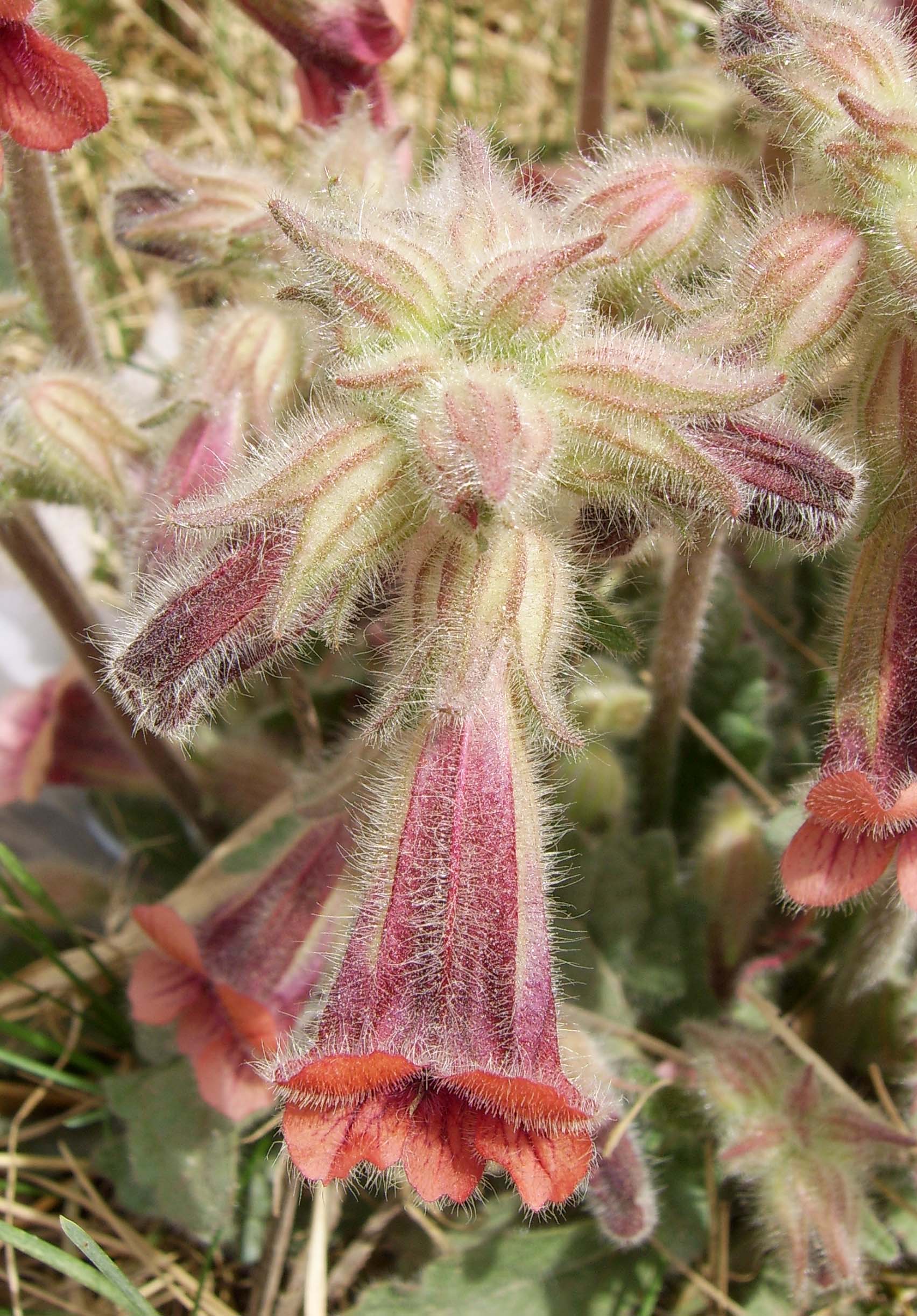
It works at that depth because it is made of deep things. These are not bright, fast herbs. They are the tonic roots, berries, and fungi that the world's longevity traditions — East Asian, yes, but the same instinct runs through the Greek-Galenic idea of restoring the body's balance of humors and the Ayurvedic rasayana of rejuvenation — reserved for daily, year-over-year use: the plants you take not for a moment of need but to build a foundation that holds. Astragalus and Reishi tone the immune and stress systems. Cistanche, He Shou Wu, and Rehmannia replenish the body's deep reserves. Goji and Dendrobium nourish the fluids, the eyes, the clear and settled mind. Schizandra keeps the body's great filtering organ supple. Together they cover the whole arc of what 'equilibrium' actually means in a living body.
Reach for it as a daily anchor — the one steady thing in a life that is otherwise anything but. It asks nothing dramatic of you and gives back something rare: the experience of a body that recovers, holds, and stays itself.
What it supports in the body
The body systems the herbs in this formula are traditionally understood to nourish — resolved through our knowledge graph, where the classical record and modern biology are read together. Structure and function, never a claim of treatment.
Where measure & tradition agree
Systems this blend’s herbs are measured to engage in human binding data — and traditionally named for, independently. The number is how many herbs in the blend converge there. Two evidence systems arriving at the same place, separately, is our highest standard. See the research →
For People
Small-batch. Dual-extracted where it matters. Made by hand.
How to take it
1/4 tsp (up to 1 tsp) of extract powder in hot water, tea, coffee, a smoothie, or food, once daily. Begin with light doses — our extracts are very potent.
Whole plant, never isolated
Concentrated extracts of the whole botanical — the way the body recognizes it.
Cited to measured biology
Every action we describe traces to the compound and its measured target.
Structure & function
We describe what an herb nourishes — never a claim to treat disease.
Secure checkout
Encrypted payment and human verification on every order.
- Free shipping over $150USPS Priority, tracked. $15 standard; ships in 1–3 business days.
- 30-day returnsIn original packaging and resalable condition. Refunded to your original payment method.
What you get
What this formula gives you
Supports the body's own capacity to hold a steady center under daily load — equilibrium, not a spike
Nourishes a healthy stress response and the return to calm afterward — the recovery that fatigue erodes first
Tones the immune system's natural, self-regulating function through recognized polysaccharides and triterpenes
Replenishes the body's deep constitutional reserves — the foundation stamina and resilience are drawn from
Supports the liver's natural filtering and renewal work, and the body's everyday antioxidant defenses
Builds quietly with daily use — a foundation, not a one-time lift
How it works
The science of Balance
Not buzzwords — the actual biology of the plants in this formula: their compounds, the targets those compounds are measured to engage, and the systems they nourish.
Balance is an adaptogenic formula in the original sense of that word: it supports the body's own regulatory systems rather than acting on any single one. Its botanicals were chosen so that their best-characterized constituents converge on the architecture of homeostasis — the immune surveillance system, the stress-and-cortisol axis, the deep constitutional reserves the tradition calls jing, the liver's clearing work, and the body's fluid and antioxidant economy. The intelligence of the blend is in that breadth: no one organ is pushed, the whole regulatory web is fed.
Three of the herbs carry large, branching polysaccharides — Reishi's and Astragalus's beta-glucans, and the distinctive Lycium barbarum polysaccharides of Goji. These are precisely the molecular class the body's immune architecture evolved to recognize as familiar, naturally occurring patterns; in the herbal understanding they are nourishment the immune system reads as information, supporting its healthy, self-regulating tone rather than driving it in any one direction. Layered over the sugars are the triterpenes — Reishi's ganoderic acids and Astragalus's astragalosides (saponins named for the very plant). The stress-response story has a real molecular anchor here: measured bioactivity data place Reishi's ganoderic acids at 11-beta-hydroxysteroid dehydrogenase (HSD11B1), one of the enzymes that governs the local regeneration of the body's primary stress hormone — a concrete point of contact between this bitter mushroom and the cortisol architecture that 'a steady stress response' actually describes.
The reserve-building herbs work through a second chemistry. He Shou Wu's signature is its stilbene glycoside (THSG) alongside resveratrol and anthraquinones; Cistanche's is the phenylethanoid glycosides echinacoside and acteoside; Rehmannia's prepared root — shu di huang, darkened by a thousand-year ritual of repeated steaming — is rich in the iridoid glycosides catalpol and acteoside. These are the deep, replenishing constituents the longevity tradition reaches for to nourish constitutional strength and healthy aging. Schizandra contributes its structurally singular dibenzocyclooctadiene lignans (the schisandrins and gomisins), which the tradition reaches for to support the liver's own filtering and renewal rhythm — supporting the housekeeping work the organ already knows how to do. Dendrobium and Goji round the formula toward the body's fluids and antioxidant defenses: Dendrobium's moistening polysaccharides and Goji's zeaxanthin — the same carotenoid the eye concentrates in its own macula — supplying the body abundant raw material for clarity, hydration, and resilience against everyday oxidative wear. Across all eight, this is structure and function in the truest sense: the formula does not act against the body, it feeds the systems by which the body governs itself.
The molecules, measured
A formula is a community of compounds. Below are active molecules from the herbs in this blend and the proteins each is measured to engage — the precise points where the plants meet biology. So you see not just that it works, but how.
Astragalus membranaceus
Formononetin
PubChem ↗Measured in the lab: binds very tightly to Apoptosis regulator Bcl-2 · Ki 10 nM
Measured to act on
A liver enzyme that breaks down many compounds the body takes in.
A protein that helps decide whether a cell continues living or undergoes natural turnover.
An enzyme that edits proteins to manage cellular cleanup and the cell internal scaffolding.
Calycosin
PubChem ↗Measured to act on
A protein that helps organize DNA and acts as an alarm signal during tissue stress.
Polygonum multiflorum
Emodin
PubChem ↗Measured in the lab: binds tightly to Proteasome subunit beta type-1 · IC50 240 nM
Measured to act on
A constantly active signaling enzyme involved in cell growth and stress responses.
A regulatory enzyme that removes phosphate tags involved in cell signaling and movement.
An enzyme that converts glucose into sorbitol as part of cellular sugar handling.
Physcion (Parietin)
PubChem ↗Measured in the lab: binds to Neutrophil elastase · IC50 6.2 µM
Measured to act on
An enzyme released by immune cells that helps break down debris during the inflammatory response.
An enzyme that helps keep cells in antioxidant balance against oxidative stress.
An antioxidant enzyme that protects the cell's energy factories from oxidative stress.
Schisandra chinensis
Schisandrin B (Wuweizisu B)
PubChem ↗Measured in the lab: binds very tightly to Multidrug resistance-associated protein 1 · IC50 1.25 nM
Measured to act on
A guardian enzyme that senses DNA stress and helps coordinate repair.
A sentinel enzyme that detects DNA breaks and signals the cell to mend them.
An enzyme that helps stitch broken DNA strands back together.
Schisandrin C (= Wuweizisu C)
PubChem ↗Measured to act on
The enzyme that drives the body's inflammatory response.
The liver's busiest enzyme for breaking down compounds the body takes in.
A liver enzyme that helps metabolize and clear many compounds from the body.
Cistanche deserticola
Echinacoside
PubChem ↗Measured to act on
The enzyme that makes melanin, the pigment that gives skin and hair their color.
Acteoside / Verbascoside
PubChem ↗Measured to act on
An enzyme in brain cells that cuts certain membrane proteins as part of normal cellular processing.
An enzyme that processes the amino acid arginine, governing nitrogen handling within cells.
A signaling enzyme that relays messages inside cells, influencing growth and communication.
Lycium barbarum
Betaine
PubChem ↗Measured to act on
An enzyme that recycles the amino acid homocysteine back into methionine using betaine.
Scopoletin
PubChem ↗Measured in the lab: binds tightly to Carbonic anhydrase 9 · Ki 960 nM
Measured to act on
An enzyme that helps cells balance acidity by managing carbon dioxide.
Ganoderma lucidum
Ganoderic acid A
PubChem ↗Measured to act on
An enzyme that locally regenerates active cortisol, shaping how tissues respond to the body's stress hormone.
An enzyme that quiets cortisol inside kidney and salt-handling tissues, helping govern fluid and mineral balance.
An enzyme that converts glucose into sorbitol, part of how cells handle sugar.
Ganoderic acid B
PubChem ↗Measured to act on
The enzyme that breaks down acetylcholine, resetting nerve and muscle signals between pulses.
A blood enzyme that breaks down acetylcholine and helps clear certain compounds from circulation.
An enzyme that converts glucose into sorbitol, part of how cells handle sugar.
Dendrobium nobile
Moscatilin
PubChem ↗Measured to act on
A versatile signaling enzyme involved in energy storage, cell structure, and growth.
A versatile signaling enzyme involved in energy storage, cell structure, and growth.
A signaling enzyme that helps cells respond to stress and coordinate their activity.
Gigantol
PubChem ↗Measured to act on
A small calcium-sensing protein that relays calcium signals throughout the cell.
A small calcium-sensing protein that relays calcium signals throughout the cell.
A central signaling enzyme governing cell growth, survival, and metabolism.
Rehmannia glutinosa
Acteoside (Verbascoside)
PubChem ↗Measured in the lab: binds very tightly to Beta-secretase 1 · IC50 6.3 nM
Measured to act on
A family of signaling enzymes that relay messages controlling cell growth and activity.
Aucubin
PubChem ↗Measured to act on
An enzyme that makes prostaglandins for everyday housekeeping like stomach lining and blood flow.
The enzyme that drives the body's inflammatory response by producing prostaglandins.
The receptor through which estrogen signals, governing many reproductive and tissue functions.
Cited science · not claims
Everything we publish about these plants traces to a primary source — the compounds to PubChem, ChEMBL, and BindingDB, the traditional uses to named, dated herbals. We describe what a plant is and what it is understood to nourish — the body’s own systems, structure and function only. We do not claim it treats, cures, or prevents any disease, and nothing here is a substitute for professional care. See our method & sources →
These statements have not been evaluated by the Food and Drug Administration. Not intended to diagnose, treat, cure, or prevent any disease.
Why these herbs together
The shared mechanism
A formula is not a pile of herbs — it is herbs whose actions meet. Below are the molecular targets that more than one plant in this blend is measured to engage. Where they converge is the blend's reason to exist.
Astragalus · Goji Berry · Reishi
He Shou Wu (Fo-Ti) · Goji Berry · Reishi
Astragalus · He Shou Wu (Fo-Ti)
Astragalus · Goji Berry
Astragalus · Reishi
He Shou Wu (Fo-Ti) · Dendrobium
Each convergence is a gene whose protein two or more of this formula’s herbs are measured to engage (PubChem BioAssay & ChEMBL). It describes characterized molecular activity and the protein’s normal role — structure and function only, never a claim to treat, cure, or prevent any disease.
Whole plant vs. the isolated molecule
Eight tonic roots, characterized to the molecule — convergence, not a single isolate
Pharmaceuticals isolate one molecule to block one target. Balance is the whole plant, characterized to the molecule. Astragalus and Reishi carry beta-glucans and triterpenes; He Shou Wu its stilbene glycoside; Cistanche and Rehmannia their phenylethanoid and iridoid glycosides — echinacoside, acteoside, catalpol; Goji its zeaxanthin; Schizandra its dibenzocyclooctadiene lignans. Where a single isolate hits one point, these eight independent roots, berries, and fungi are measured to converge on shared machinery — four of them meeting at acetylcholinesterase (ACHE), the enzyme that resets the acetylcholine signal between nerves. Their recorded traditions span immune tone, the blood, the liver, the eyes, and digestion at once: multi-target by nature, not single-point. This is food — nourishing the systems by which the body governs itself rather than overriding any one of them. Transparent and cited, every molecule named, the way the longevity traditions always intended.
Every molecule and target named here is cited from our own genome data (PubChem BioAssay, BindingDB, ChEMBL). Structure and function only — a description of characterized chemistry and tradition, never a claim to treat, cure, or prevent any disease.
In practice
Who it’s for, and how to use it
Who it’s for
For anyone whose days run uneven — sustained demand, broken sleep, weeks that take more than they give — and who wants steadiness and reserve rather than stimulation. It is a daily, foundational tonic for the long arc: most at home as the one consistent anchor in an inconsistent life, taken year over year the way the longevity traditions intended.
How to use it
Begin with 1/4 tsp of the extract powder in hot water, tea, coffee, a smoothie, or food, once daily — our extracts are 10:1 concentrates and very potent, so start light and build up to as much as 1 tsp as it suits you. Steady daily use is where this formula does its work; it rewards consistency over intensity.
Measure · 1/4 tsp (up to 1 tsp) of extract powder in hot water, tea, coffee, a smoothie, or food, once daily. Begin with light doses — our extracts are very potent.
What’s inside
Inside, the world's great tonic botanicals, balanced as a whole: Astragalus and Reishi for immune and stress tone; Cistanche, He Shou Wu, and the slow-steamed Rehmannia for the body's deep reserves; Goji and Dendrobium for the fluids, the eyes, and a clear, settled mind; and Schizandra, the five-flavor berry, for the liver. They are combined because equilibrium is not the work of any single herb — it is what they hold between them.
These statements have not been evaluated by the Food and Drug Administration. This product is not intended to diagnose, treat, cure, or prevent any disease. Introduce one formula at a time and notice how the body responds; if you are pregnant, nursing, or on a prescription, know the interaction before you begin.
Pairs well with
Formulas that share Balance's botanicals
Built from overlapping herbs, these reinforce Balance along the same lines — the shared-botanical kinship our genome engine maps.