
For People
Blood
Blood & Warmth
Inner warmth and a well-stocked reserve — for the body that runs hot, gives much, and asks to be replenished.
Ember is built around one of the oldest aims in the herbal tradition: keeping the body's deep reserves full and its inner warmth steady. Across every lineage — the Greek-Galenic idea of innate heat, Culpeper's warming, blood-friendly roots, the African and Ayurvedic emphasis on rasa and rakta (the nourishing fluids and the blood that carries them), and the East Asian view of blood as the body's stored richness — the same insight recurs: a body that gives heat, effort, and color from a full reserve feels different than one running on empty. Ember speaks to that reserve.
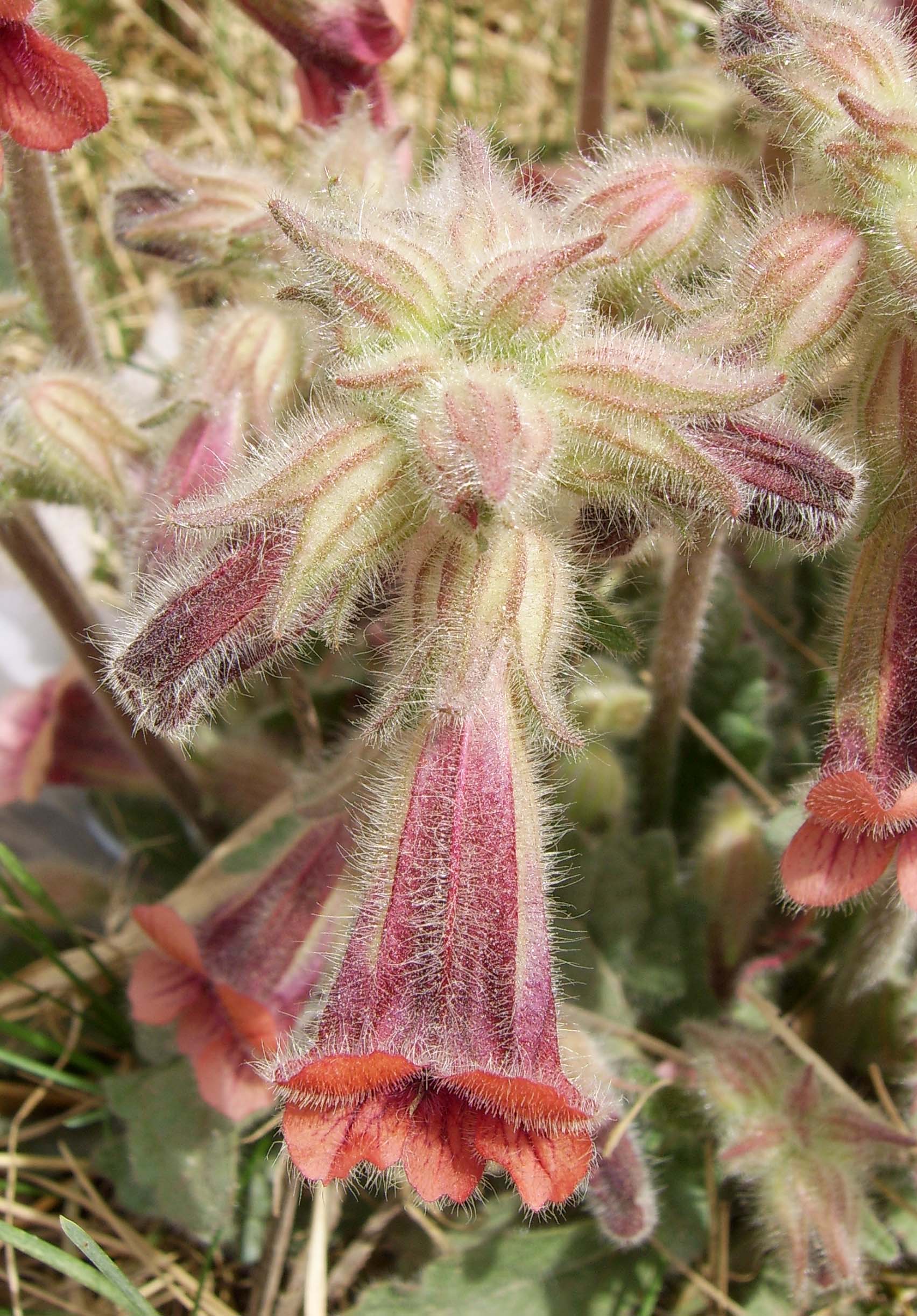
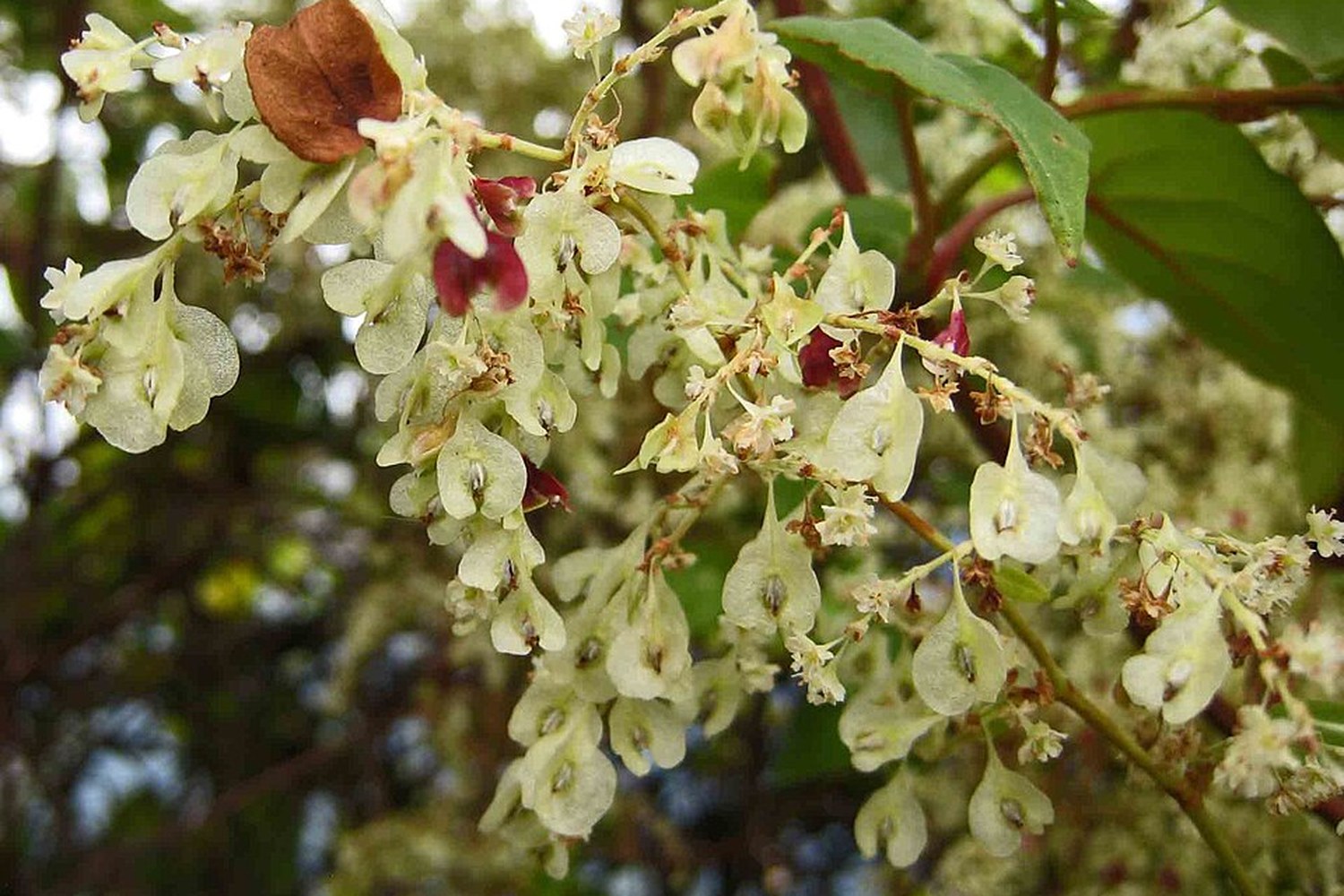
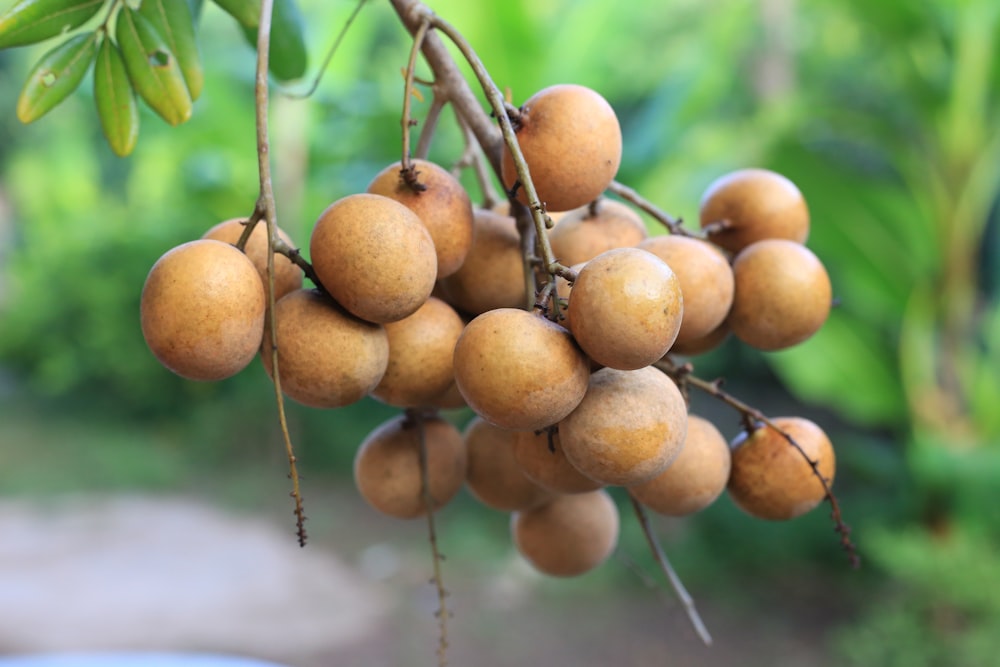
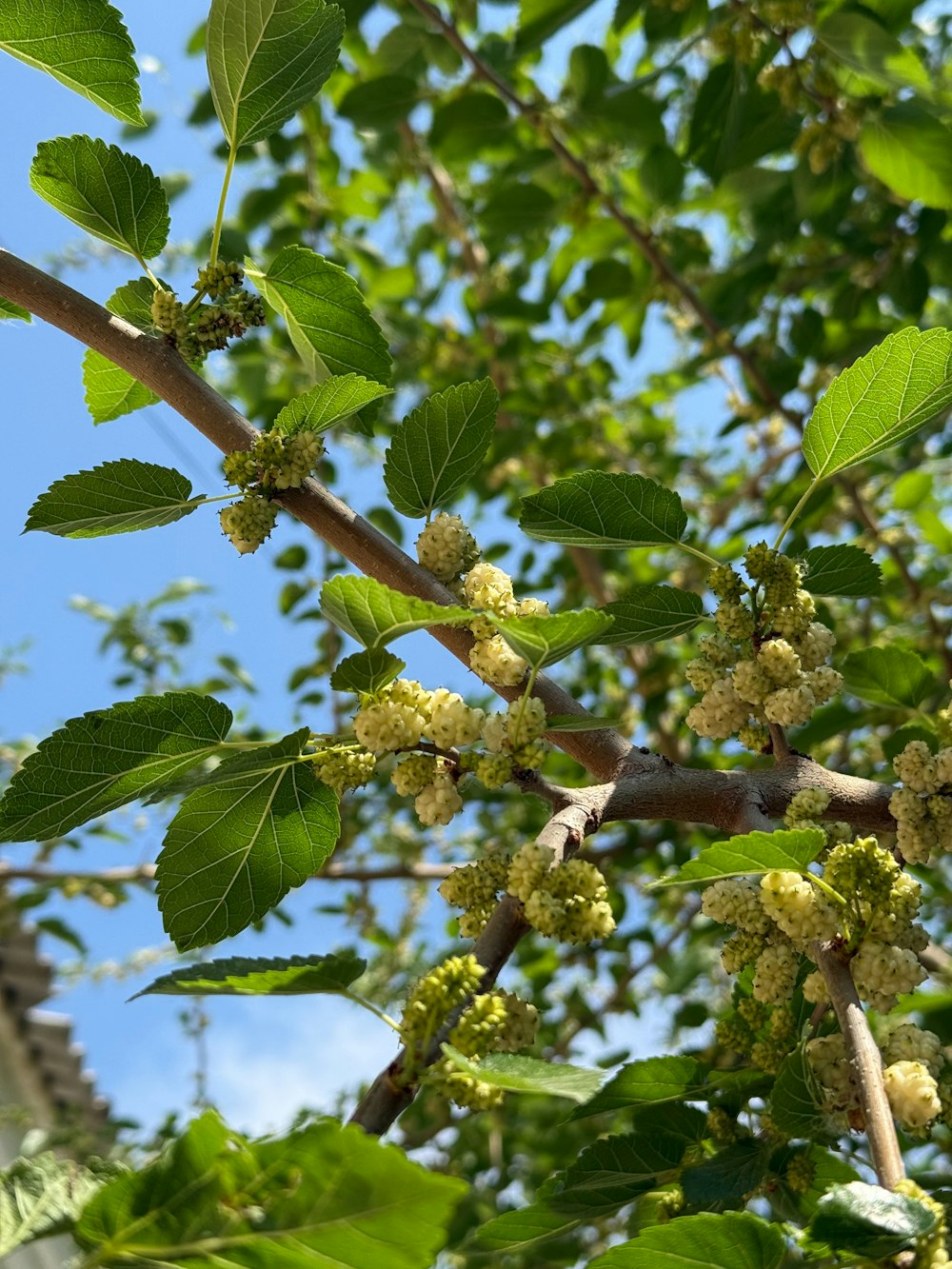
Convergent botanicals — rehmannia root, mulberry, longan berry, and he shou wu (fo-ti) — were chosen because the tradition uses each one to nourish blood, support warmth, and replenish after exertion. They are not stimulants. Ember does not push the body faster; it restocks the pantry the body draws from, so that warmth and stamina come from fullness rather than from being driven.
Reach for Ember when you feel run-down after a hard stretch — long work, hard training, cold seasons, recovery, or the kind of depletion that follows giving a lot of yourself. It is a grounding, building formula: the herbal answer not to 'do more' but to 'have more in reserve.' Where a tonic for the nerves calms and a tonic for the lungs opens, Ember belongs to the family of deep-nourishing, blood-and-warmth formulas that classical herbalists kept for restoring what daily life draws down.
It pairs naturally into a quiet daily ritual — stirred warm into tea, coffee, a smoothie, or food — as a steady, structure-and-function support for the body's own reserves of warmth and vitality.
What it supports in the body
The body systems the herbs in this formula are traditionally understood to nourish — resolved through our knowledge graph, where the classical record and modern biology are read together. Structure and function, never a claim of treatment.
Where measure & tradition agree
Systems this blend’s herbs are measured to engage in human binding data — and traditionally named for, independently. The number is how many herbs in the blend converge there. Two evidence systems arriving at the same place, separately, is our highest standard. See the research →
For People
Small-batch. Dual-extracted where it matters. Made by hand.
How to take it
1/4 tsp (up to 1 tsp) of extract powder in hot water, tea, coffee, a smoothie, or food, once daily. Begin with light doses — our extracts are very potent.
Whole plant, never isolated
Concentrated extracts of the whole botanical — the way the body recognizes it.
Cited to measured biology
Every action we describe traces to the compound and its measured target.
Structure & function
We describe what an herb nourishes — never a claim to treat disease.
Secure checkout
Encrypted payment and human verification on every order.
- Free shipping over $150USPS Priority, tracked. $15 standard; ships in 1–3 business days.
- 30-day returnsIn original packaging and resalable condition. Refunded to your original payment method.
What you get
What this formula gives you
Supports the body's own blood reserves and the warmth they carry
Helps the body feel replenished after hard work, training, cold, or recovery
Encourages steady inner warmth rather than the jolt of a stimulant
Nourishes the deep, building systems the body draws on day to day
A grounding daily ritual for those who run hot, give much, and need to refill
Traditional blood-and-warmth botanicals working on one shared territory
How it works
The science of Blood
Not buzzwords — the actual biology of the plants in this formula: their compounds, the targets those compounds are measured to engage, and the systems they nourish.
The grounding for Ember sits in the measured chemistry of its roots and fruits. Rehmannia root carries catalpol, acteoside (verbascoside), and aucubin — iridoid and phenylpropanoid compounds the tradition associates with its dark, blood-nourishing, warming character. Mulberry contributes 1-deoxynojirimycin and oxyresveratrol, a stilbene polyphenol; he shou wu (fo-ti) is defined by tetrahydroxystilbene glucoside (THSG) and the anthraquinone emodin — the constituents behind its long use as a deep restorative root.
Longan berry rounds the blend with the polyphenols gallic acid and ellagic acid, a sweet, warming fruit the East Asian lineage paired for centuries with blood- and heart-nourishing work. Reading these herbs by organ affinity, the convergence is striking: rehmannia maps to blood, kidney, and the endocrine system; mulberry and he shou wu to the blood and circulatory system; longan to the cardiovascular system. One shared territory — the body's blood, its warmth, and its capacity to replenish.
This is structure-and-function nourishment. Ember is offered to support the body's own blood reserves, inner warmth, and post-exertion recovery — the systems the herbs feed — as food-grade botanical support, not a remedy for any condition. The point is to let the body do what it already knows how to do, from a fuller starting point.
The molecules, measured
A formula is a community of compounds. Below are active molecules from the herbs in this blend and the proteins each is measured to engage — the precise points where the plants meet biology. So you see not just that it works, but how.
Rehmannia glutinosa
Acteoside (Verbascoside)
PubChem ↗Measured in the lab: binds very tightly to Beta-secretase 1 · IC50 6.3 nM
Measured to act on
A family of signaling enzymes that relay messages controlling cell growth and activity.
Aucubin
PubChem ↗Measured to act on
An enzyme that makes prostaglandins for everyday housekeeping like stomach lining and blood flow.
The enzyme that drives the body's inflammatory response by producing prostaglandins.
The receptor through which estrogen signals, governing many reproductive and tissue functions.
Polygonum multiflorum
Emodin
PubChem ↗Measured in the lab: binds tightly to Proteasome subunit beta type-1 · IC50 240 nM
Measured to act on
A constantly active signaling enzyme involved in cell growth and stress responses.
A regulatory enzyme that removes phosphate tags involved in cell signaling and movement.
An enzyme that converts glucose into sorbitol as part of cellular sugar handling.
Physcion (Parietin)
PubChem ↗Measured in the lab: binds to Neutrophil elastase · IC50 6.2 µM
Measured to act on
An enzyme released by immune cells that helps break down debris during the inflammatory response.
An enzyme that helps keep cells in antioxidant balance against oxidative stress.
An antioxidant enzyme that protects the cell's energy factories from oxidative stress.
Dimocarpus longan
Gallic acid
PubChem ↗Measured in the lab: binds very tightly to Amyloid-beta precursor protein · EC50 1.7 nM
Measured to act on
A mitochondrial enzyme involved in breaking down fatty acids and balancing steroid hormones.
An enzyme that adds sugar tags to cells, helping immune cells find their way through tissue.
An enzyme that edits chemical tags on DNA-packaging proteins to regulate genes.
Ellagic acid
PubChem ↗Measured in the lab: binds very tightly to Amyloid-beta precursor protein · EC50 1.7 nM
Measured to act on
A protein that repairs damaged DNA and helps balance the cell's oxidative state.
A constantly active signaling enzyme involved in cell growth and stress responses.
An enzyme in the liver and red blood cells that helps turn sugar into usable energy.
Morus alba
1-Deoxynojirimycin (DNJ)
PubChem ↗Measured to act on
An enzyme inside cells that breaks down stored glycogen into usable glucose.
An enzyme that trims sugar chains as proteins are properly folded and finished.
A gut enzyme that finishes digesting starch into glucose for absorption.
Oxyresveratrol
PubChem ↗Measured in the lab: binds very tightly to Tyrosinase · IC50 90 nM
Measured to act on
The enzyme that produces melanin, the pigment that colors skin and hair.
A carrier protein that transports thyroid hormone and vitamin A through the blood.
A liver-type enzyme that processes hormones and foreign compounds for clearance.
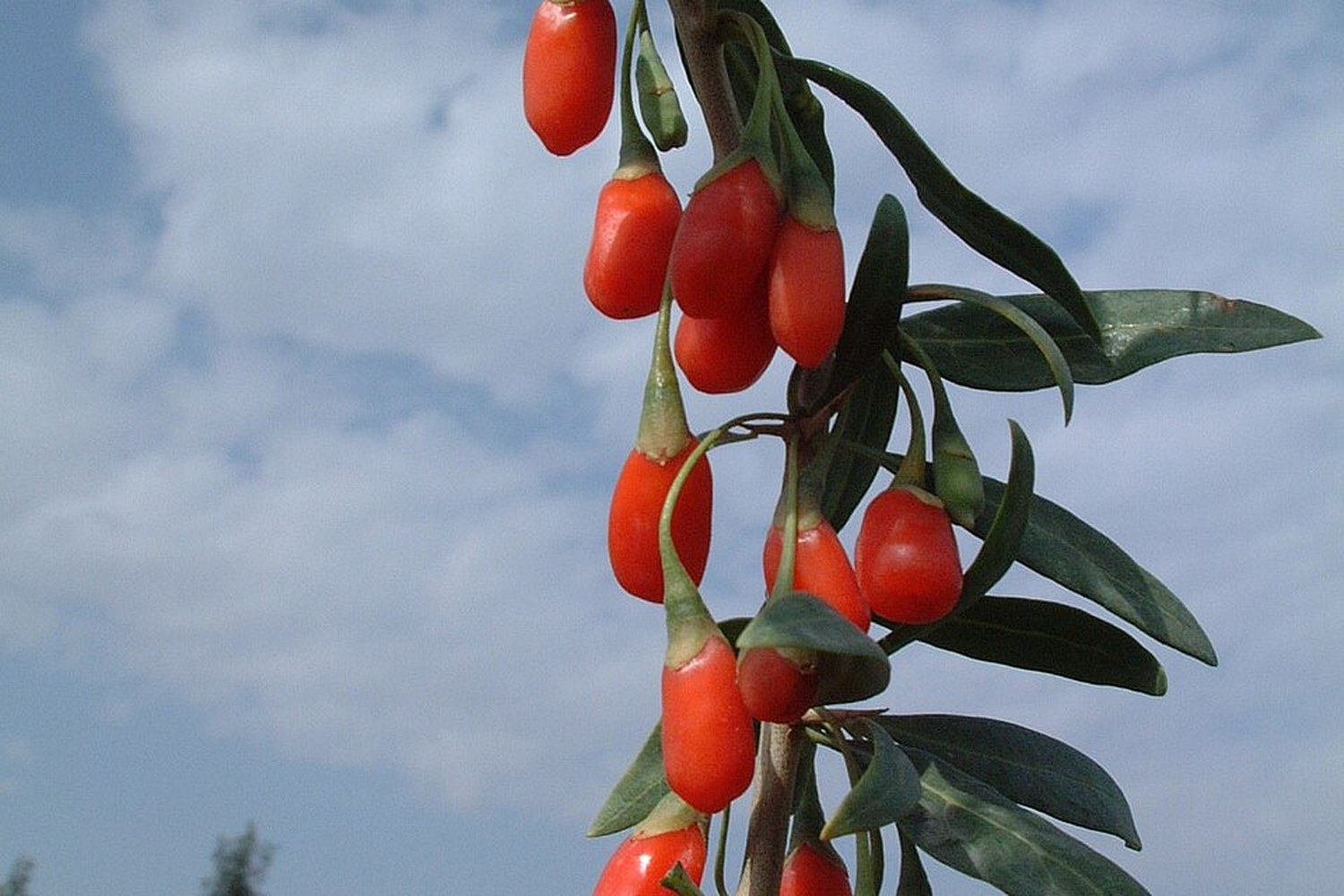
Lycium barbarum
Betaine
PubChem ↗Measured to act on
An enzyme that recycles the amino acid homocysteine back into methionine using betaine.
Scopoletin
PubChem ↗Measured in the lab: binds tightly to Carbonic anhydrase 9 · Ki 960 nM
Measured to act on
An enzyme that helps cells balance acidity by managing carbon dioxide.
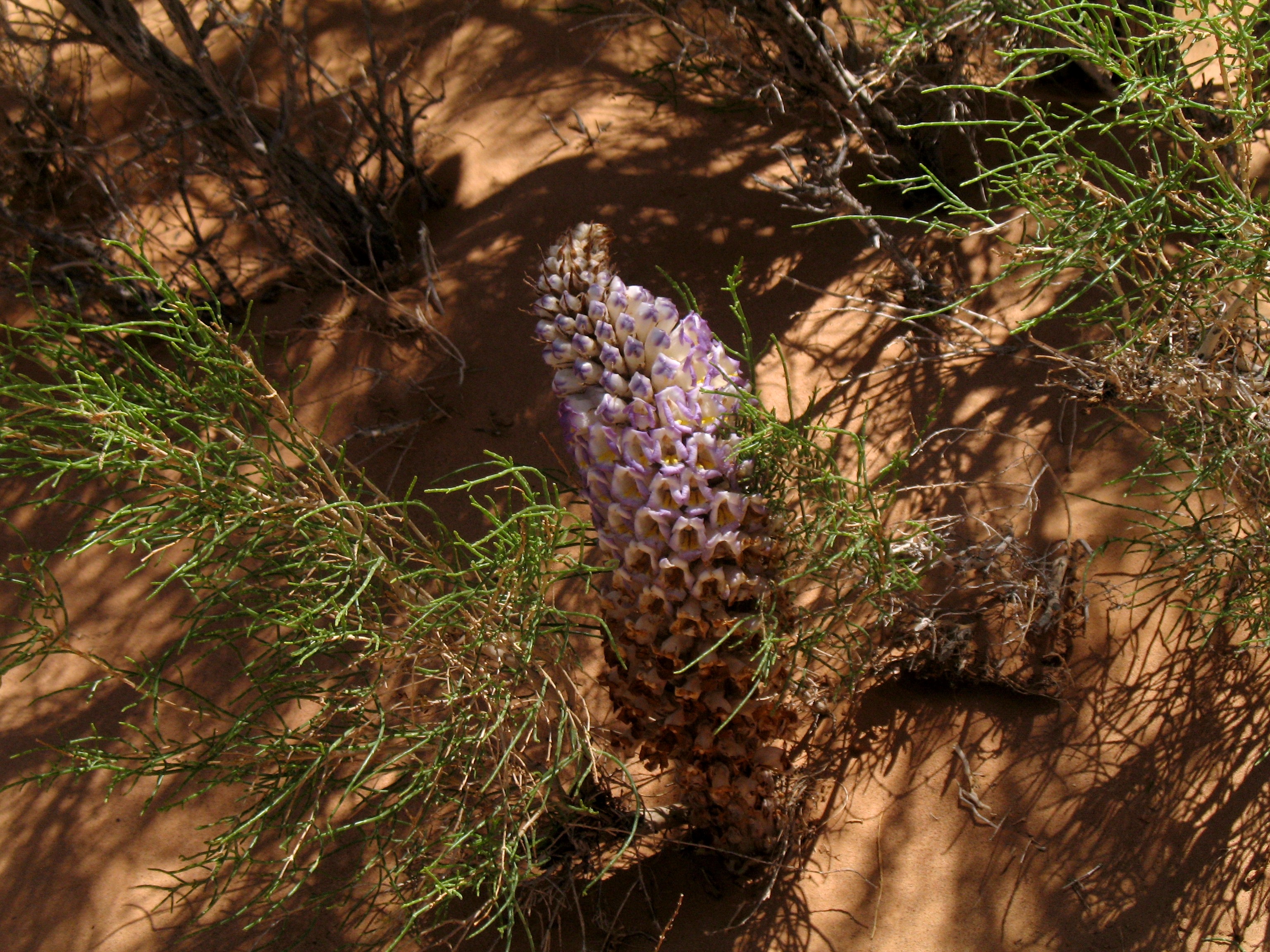
Cistanche deserticola
Echinacoside
PubChem ↗Measured to act on
The enzyme that makes melanin, the pigment that gives skin and hair their color.
Acteoside / Verbascoside
PubChem ↗Measured to act on
An enzyme in brain cells that cuts certain membrane proteins as part of normal cellular processing.
An enzyme that processes the amino acid arginine, governing nitrogen handling within cells.
A signaling enzyme that relays messages inside cells, influencing growth and communication.
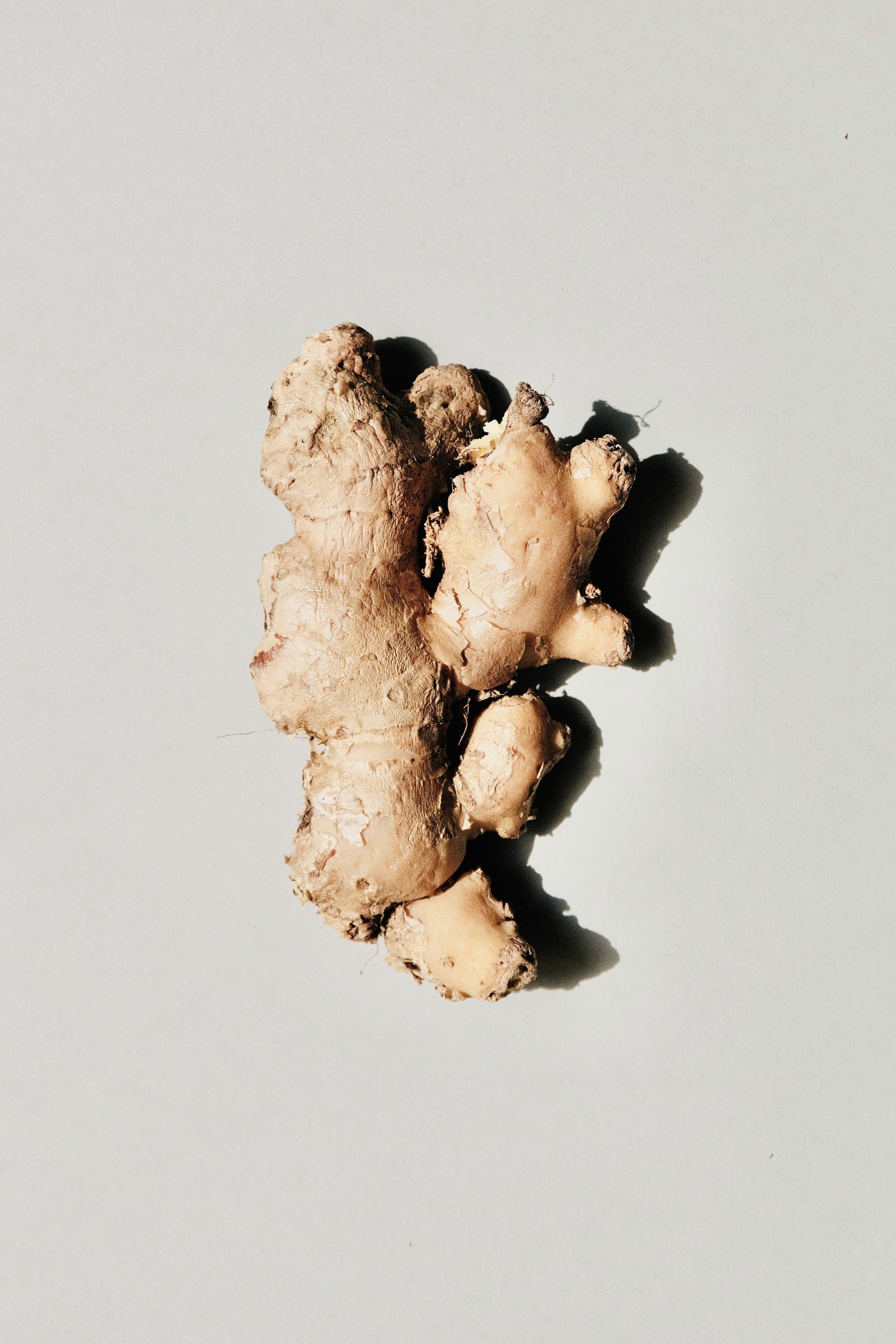
Zingiber officinale
6-Gingerol
PubChem ↗Measured in the lab: binds to Transient receptor potential cation channel subfamily V member 1 · EC50 3.3 µM
Measured to act on
A major liver enzyme that processes a wide range of compounds the body takes in.
A repair enzyme that resolves certain DNA damage so the strand can be restored.
A liver enzyme that helps break down and process many compounds and natural substances.
6-Shogaol
PubChem ↗Measured in the lab: binds to Cytochrome P450 1A2 · IC50 2.5 µM
Measured to act on
A major liver enzyme that processes a wide range of compounds the body takes in.
A liver enzyme that processes many compounds, including some the body forms naturally.
A nerve-ending sensor that responds to heat and to the pungency of chili pepper compounds.
Cited science · not claims
Everything we publish about these plants traces to a primary source — the compounds to PubChem, ChEMBL, and BindingDB, the traditional uses to named, dated herbals. We describe what a plant is and what it is understood to nourish — the body’s own systems, structure and function only. We do not claim it treats, cures, or prevents any disease, and nothing here is a substitute for professional care. See our method & sources →
These statements have not been evaluated by the Food and Drug Administration. Not intended to diagnose, treat, cure, or prevent any disease.
Why these herbs together
The shared mechanism
A formula is not a pile of herbs — it is herbs whose actions meet. Below are the molecular targets that more than one plant in this blend is measured to engage. Where they converge is the blend's reason to exist.
Rehmannia · Mulberry · Goji Berry · Cistanche
Longan Berry · Mulberry · Goji Berry · Ginger
He Shou Wu (Fo-Ti) · Mulberry · Goji Berry
He Shou Wu (Fo-Ti) · Mulberry · Goji Berry
Longan Berry · Mulberry · Goji Berry
Mulberry · Goji Berry · Ginger
Rehmannia · Cistanche
Each convergence is a gene whose protein two or more of this formula’s herbs are measured to engage (PubChem BioAssay & ChEMBL). It describes characterized molecular activity and the protein’s normal role — structure and function only, never a claim to treat, cure, or prevent any disease.
In practice
Who it’s for, and how to use it
Who it’s for
For the person who gives a great deal of themselves — through demanding work, hard training, long winters, or the slow climb back after a depleting stretch — and wants to support warmth and stamina by refilling the reserve rather than driving an already-tired body. A grounding, building daily companion for anyone drawn to the deep-nourishing side of the herbal tradition.
How to use it
Stir 1/4 teaspoon (up to 1 teaspoon) of the extract powder into hot water, tea, coffee, a smoothie, or food, once daily. Begin with light doses — these extracts are very potent — and let it become a steady part of a warming daily ritual rather than something you reach for only when emptied. Net 1 oz / 12 g.
Measure · 1/4 tsp (up to 1 tsp) of extract powder in hot water, tea, coffee, a smoothie, or food, once daily. Begin with light doses — our extracts are very potent.
What’s inside
Ember is a small jar of deeply concentrated roots and fruit — rehmannia, mulberry, longan, and he shou wu, botanicals the herbal lineage has long kept for warmth and replenishment. Treat it the way the old herbalists treated their tonics: gently, daily, and with patience. Reserves are built slowly, and that is the whole point.
These statements have not been evaluated by the Food and Drug Administration. This product is not intended to diagnose, treat, cure, or prevent any disease. Introduce one formula at a time and notice how the body responds; if you are pregnant, nursing, or on a prescription, know the interaction before you begin.
Pairs well with
Formulas that share Blood's botanicals
Built from overlapping herbs, these reinforce Blood along the same lines — the shared-botanical kinship our genome engine maps.