
For People
Circulation
Warmth & Flow
Warm, steady circulation, carried from the heart outward.
Pulse is for the body that runs cool at the edges — hands and feet that take a long time to warm, a circulation that feels sluggish or faint, a heartbeat you wish felt more grounded and sure. It is built to do one thing well: encourage warm, even blood flow from the center of the body out to its furthest corners, and to nourish the blood itself so there is something rich to carry.
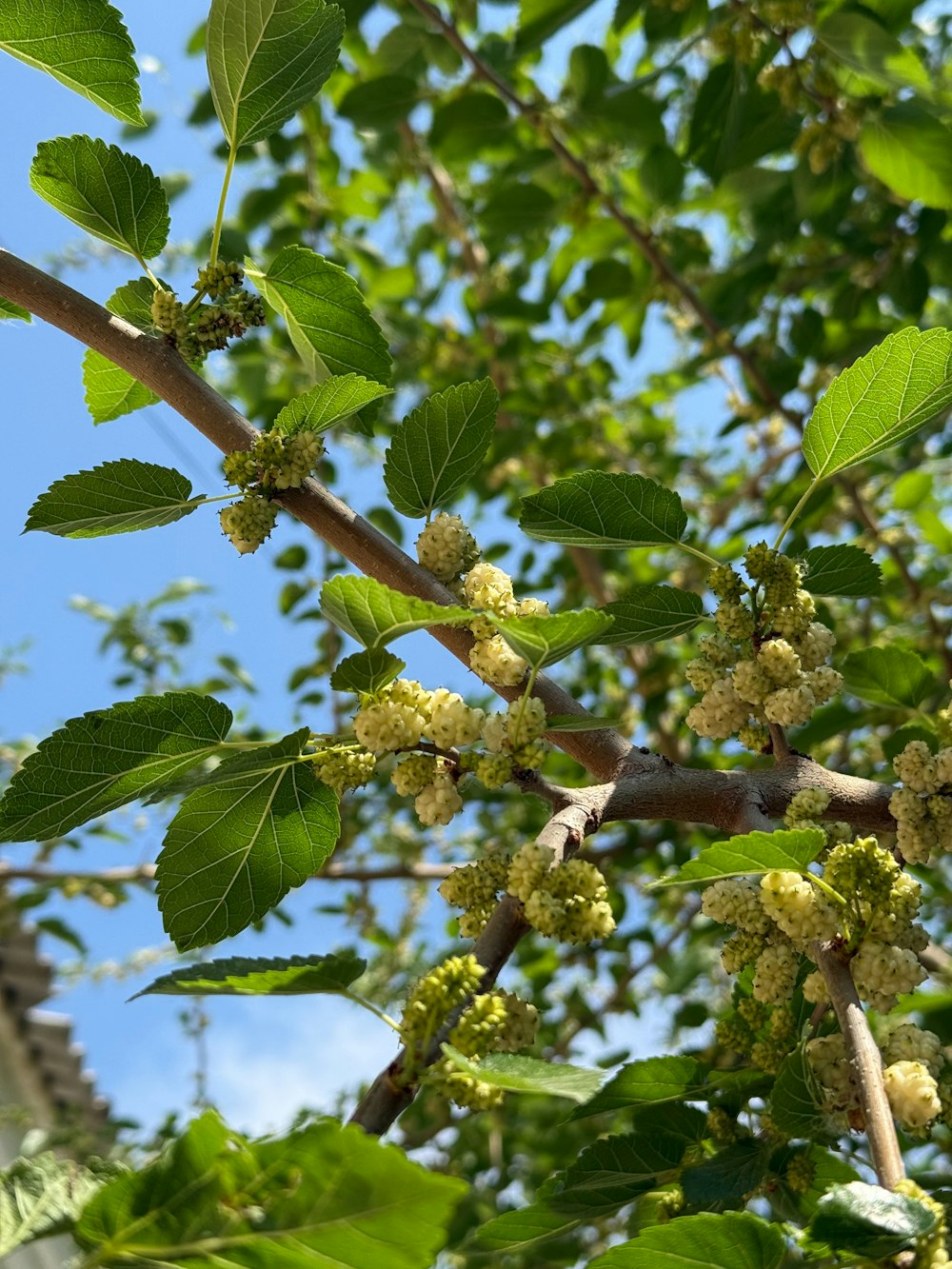
Where many circulation ideas lean on stimulation alone — a brief push, then a crash — Pulse works in three deliberate moves: it warms the center first, then opens the channels, then feeds the blood. Ginger and clove bring the warmth and the movement. Longan and the two mulberries bring the nourishment, the sweetness and depth that botanical traditions across cultures associate with a full, calm, well-supplied heart. The result is meant to be felt as steadiness rather than a jolt — a quiet sense of being warm and well-circulated from the inside.
Reach for Pulse when cold extremities, low vitality, or a heart that feels unsettled is the pattern you live with day to day. It is a daily nourishing formula taken steadily over time, the way you'd build a fire and keep feeding it, so the warmth becomes the baseline rather than the exception.
This is a structure-and-function formula. It nourishes the body's own circulatory and cardiovascular systems so they can do their work. This product is not intended to diagnose, treat, cure, or prevent any disease.
What it supports in the body
The body systems the herbs in this formula are traditionally understood to nourish — resolved through our knowledge graph, where the classical record and modern biology are read together. Structure and function, never a claim of treatment.
Where measure & tradition agree
Systems this blend’s herbs are measured to engage in human binding data — and traditionally named for, independently. The number is how many herbs in the blend converge there. Two evidence systems arriving at the same place, separately, is our highest standard. See the research →
For People
Small-batch. Dual-extracted where it matters. Made by hand.
How to take it
1/4 tsp (up to 1 tsp) of extract powder in hot water, tea, coffee, a smoothie, or food, once daily. Begin with light doses — our extracts are very potent.
Whole plant, never isolated
Concentrated extracts of the whole botanical — the way the body recognizes it.
Cited to measured biology
Every action we describe traces to the compound and its measured target.
Structure & function
We describe what an herb nourishes — never a claim to treat disease.
Secure checkout
Encrypted payment and human verification on every order.
- Free shipping over $150USPS Priority, tracked. $15 standard; ships in 1–3 business days.
- 30-day returnsIn original packaging and resalable condition. Refunded to your original payment method.
What you get
What this formula gives you
Supports warm, steady circulation from the heart outward to the hands and feet
Nourishes the blood itself — a rich reserve for the body to carry and move
Helps the body maintain a grounded, even sense of vitality rather than spikes and crashes
Brings warming spices (ginger, clove) together with blood-nourishing fruits (longan, mulberry) in one convergent blend
Built for the body that runs cool at the edges and wants steadiness, not stimulation
A daily nourishing ritual — the kind of warmth you build and keep
How it works
The science of Circulation
Not buzzwords — the actual biology of the plants in this formula: their compounds, the targets those compounds are measured to engage, and the systems they nourish.
Every herb in Pulse converges on the same territory — the heart, the blood, and the vessels that carry it. In our genome engine, longan, ginger, and clove all carry a cardiovascular organ-affinity, and both mulberries map to the blood and circulatory system. That is the logic of the blend: botanicals pointing at one current. The lineages that named these herbs — classical East Asian practice, the Greek-Galenic 'warming' tradition that Culpeper inherited, and the warm-spice circulatory wisdom found across African and Ayurvedic kitchens alike — arrived at the same conclusion centuries before anyone could name a molecule. Modern phytochemistry now shows why.
Ginger's signature compound, 6-gingerol, is a measured, identified molecule with documented activity at the prostaglandin and lipoxygenase enzymes (COX-1, COX-2, 5-LOX) the body uses to regulate the tone and openness of blood vessels — the measurable face of ginger's warming, circulatory character. Clove's eugenol touches related prostaglandin pathways. The mulberries contribute a family of vascular flavonoids — quercetin, rutin, chlorogenic acid, oxyresveratrol — the compounds long associated with the integrity and resilience of small vessels, plus the rare iminosugar 1-deoxynojirimycin that mulberry leaf is distinctively known for.
Longan rounds it out as the nourisher: it carries gallic and ellagic acids, well-characterized plant polyphenols, and in the botanical lineage longan flesh is the quintessential 'blood-building, heart-calming' fruit — the sweetness that gives the warming spices something rich to move. So Pulse is not a pile of random herbs; it is a warming engine (ginger, clove) married to a nourishing reserve (longan, mulberry, purple-mulberry), each part measured and traceable, each chosen because the molecule and the centuries agree.
The molecules, measured
A formula is a community of compounds. Below are active molecules from the herbs in this blend and the proteins each is measured to engage — the precise points where the plants meet biology. So you see not just that it works, but how.
Dimocarpus longan
Gallic acid
PubChem ↗Measured in the lab: binds very tightly to Amyloid-beta precursor protein · EC50 1.7 nM
Measured to act on
A mitochondrial enzyme involved in breaking down fatty acids and balancing steroid hormones.
An enzyme that adds sugar tags to cells, helping immune cells find their way through tissue.
An enzyme that edits chemical tags on DNA-packaging proteins to regulate genes.
Ellagic acid
PubChem ↗Measured in the lab: binds very tightly to Amyloid-beta precursor protein · EC50 1.7 nM
Measured to act on
A protein that repairs damaged DNA and helps balance the cell's oxidative state.
A constantly active signaling enzyme involved in cell growth and stress responses.
An enzyme in the liver and red blood cells that helps turn sugar into usable energy.
Zingiber officinale
6-Gingerol
PubChem ↗Measured in the lab: binds to Transient receptor potential cation channel subfamily V member 1 · EC50 3.3 µM
Measured to act on
A major liver enzyme that processes a wide range of compounds the body takes in.
A repair enzyme that resolves certain DNA damage so the strand can be restored.
A liver enzyme that helps break down and process many compounds and natural substances.
6-Shogaol
PubChem ↗Measured in the lab: binds to Cytochrome P450 1A2 · IC50 2.5 µM
Measured to act on
A major liver enzyme that processes a wide range of compounds the body takes in.
A liver enzyme that processes many compounds, including some the body forms naturally.
A nerve-ending sensor that responds to heat and to the pungency of chili pepper compounds.
Syzygium aromaticum
Eugenol
PubChem ↗Measured to act on
The enzyme that drives the body's inflammatory response.
An enzyme making prostaglandins that protect the stomach lining and support everyday tissue function.
An enzyme that turns fatty acids into signaling molecules involved in inflammation.
beta-Caryophyllene
PubChem ↗Measured to act on
A receptor of the endocannabinoid system, concentrated in immune tissue.
Morus nigra
Quercetin
PubChem ↗Measured in the lab: binds very tightly to Amine oxidase [flavin-containing] A · IC50 10 nM
Measured to act on
An enzyme that converts excess glucose into sorbitol as part of sugar metabolism.
An enzyme that converts fatty acids into messengers of the inflammatory response.
Rutin (quercetin-3-O-rutinoside)
PubChem ↗Measured to act on
The enzyme that produces uric acid as the body breaks down spent genetic building blocks.
Morus alba
1-Deoxynojirimycin (DNJ)
PubChem ↗Measured to act on
An enzyme inside cells that breaks down stored glycogen into usable glucose.
An enzyme that trims sugar chains as proteins are properly folded and finished.
A gut enzyme that finishes digesting starch into glucose for absorption.
Oxyresveratrol
PubChem ↗Measured in the lab: binds very tightly to Tyrosinase · IC50 90 nM
Measured to act on
The enzyme that produces melanin, the pigment that colors skin and hair.
A carrier protein that transports thyroid hormone and vitamin A through the blood.
A liver-type enzyme that processes hormones and foreign compounds for clearance.
Cited science · not claims
Everything we publish about these plants traces to a primary source — the compounds to PubChem, ChEMBL, and BindingDB, the traditional uses to named, dated herbals. We describe what a plant is and what it is understood to nourish — the body’s own systems, structure and function only. We do not claim it treats, cures, or prevents any disease, and nothing here is a substitute for professional care. See our method & sources →
These statements have not been evaluated by the Food and Drug Administration. Not intended to diagnose, treat, cure, or prevent any disease.
Why these herbs together
The shared mechanism
A formula is not a pile of herbs — it is herbs whose actions meet. Below are the molecular targets that more than one plant in this blend is measured to engage. Where they converge is the blend's reason to exist.
Longan Berry · Ginger · Clove · Mulberry
Ginger · Clove · Purple Mulberry · Mulberry
Clove · Purple Mulberry · Mulberry
Longan Berry · Purple Mulberry
Longan Berry · Mulberry
Ginger · Clove
Purple Mulberry · Mulberry
Each convergence is a gene whose protein two or more of this formula’s herbs are measured to engage (PubChem BioAssay & ChEMBL). It describes characterized molecular activity and the protein’s normal role — structure and function only, never a claim to treat, cure, or prevent any disease.
Whole plant vs. the isolated molecule
One drug blocks one target. Pulse is the whole plant, down to the molecule.
Pharmacology isolates one molecule to block one receptor. Pulse is the whole plant, characterized down to the molecule. Ginger and clove carry the warming move — 6-gingerol and eugenol, identified compounds with measured activity at the prostaglandin and lipoxygenase enzymes (COX-1, COX-2, 5-LOX) the body uses to set the tone and openness of its vessels. Longan and clove then converge on NOS2, the enzyme that produces nitric oxide — the body's own signal for relaxed, open circulation. Not a single point of contact, but two independent plants meeting on one mechanism, the way a living system is meant to be nourished rather than overridden. In our genome engine, longan and clove both carry a measured cardiovascular affinity, and the mulberries map to the blood itself — gallic and ellagic acids, vascular flavonoids like rutin and oxyresveratrol. Classical East Asian, Galenic, and Ayurvedic kitchens named these warming, blood-building botanicals centuries before anyone could name a molecule. Whole food, transparent and cited — never a black box.
Every molecule and target named here is cited from our own genome data (PubChem BioAssay, BindingDB, ChEMBL). Structure and function only — a description of characterized chemistry and tradition, never a claim to treat, cure, or prevent any disease.
In practice
Who it’s for, and how to use it
Who it’s for
For anyone who runs cool at the edges — slow-to-warm hands and feet, a circulation that feels faint or sluggish, or a heartbeat they wish felt more grounded and sure. It suits people who want warmth and steadiness as a daily baseline rather than a quick stimulant lift, and who prefer to nourish the body's own circulatory systems the patient way. As with any warming, blood-moving formula, those who are pregnant, nursing, or taking blood-thinning or heart medications should speak with their own practitioner before beginning.
How to use it
Begin lightly — our extracts are very potent. Stir 1/4 teaspoon (working up to as much as 1 teaspoon) of the extract powder into hot water, tea, coffee, a smoothie, or food, once daily. Taken warm is most in keeping with the formula's nature: the heat carries the warming spices and makes a small daily ritual of it. Pulse is meant to be taken steadily over time, the way you keep a fire fed, so the warmth and steady circulation become your everyday baseline rather than an occasional event.
Measure · 1/4 tsp (up to 1 tsp) of extract powder in hot water, tea, coffee, a smoothie, or food, once daily. Begin with light doses — our extracts are very potent.
What’s inside
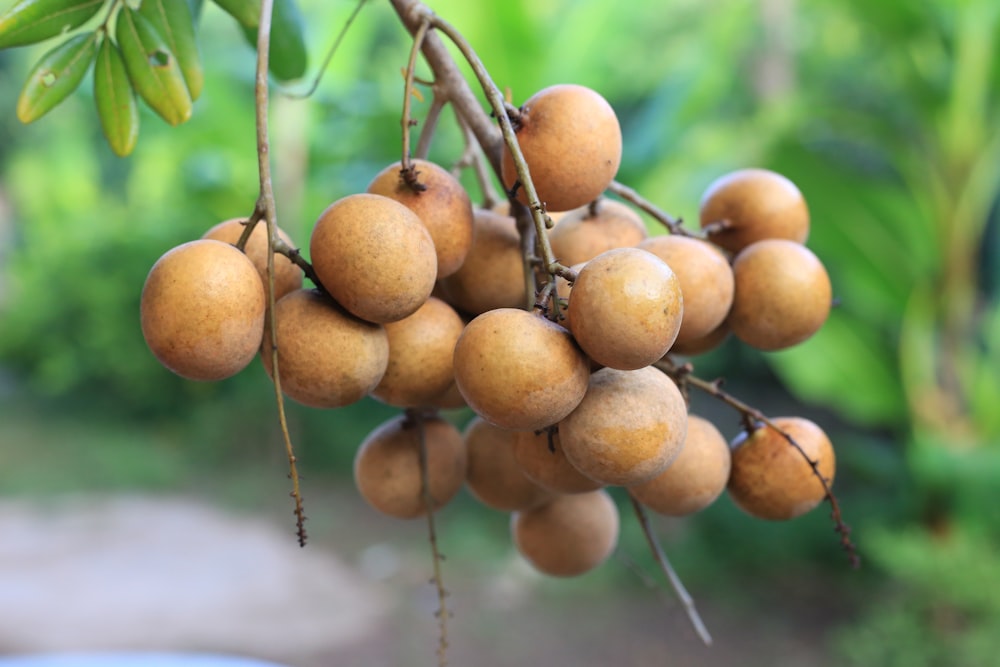
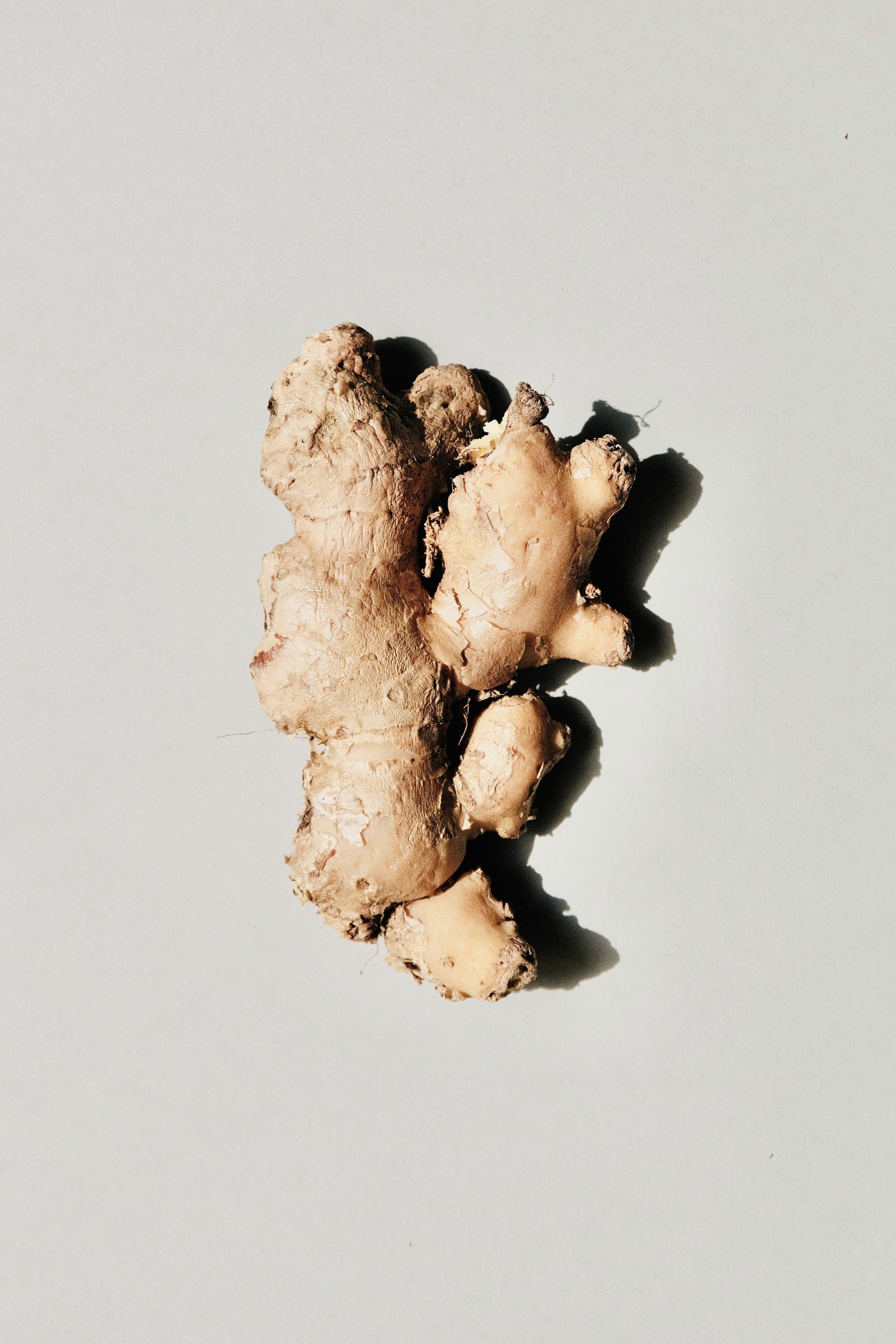
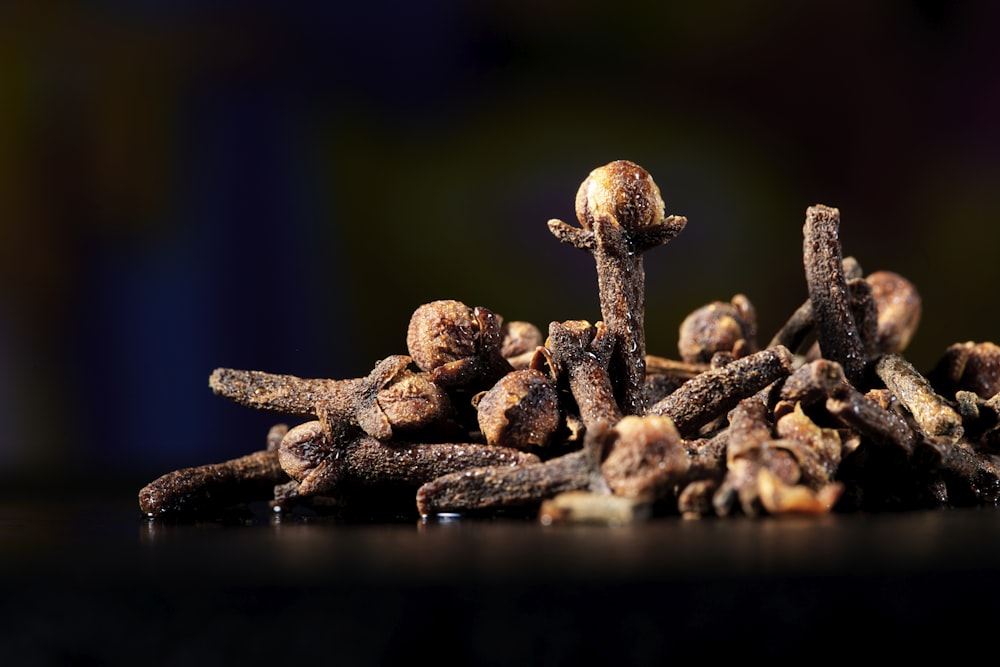
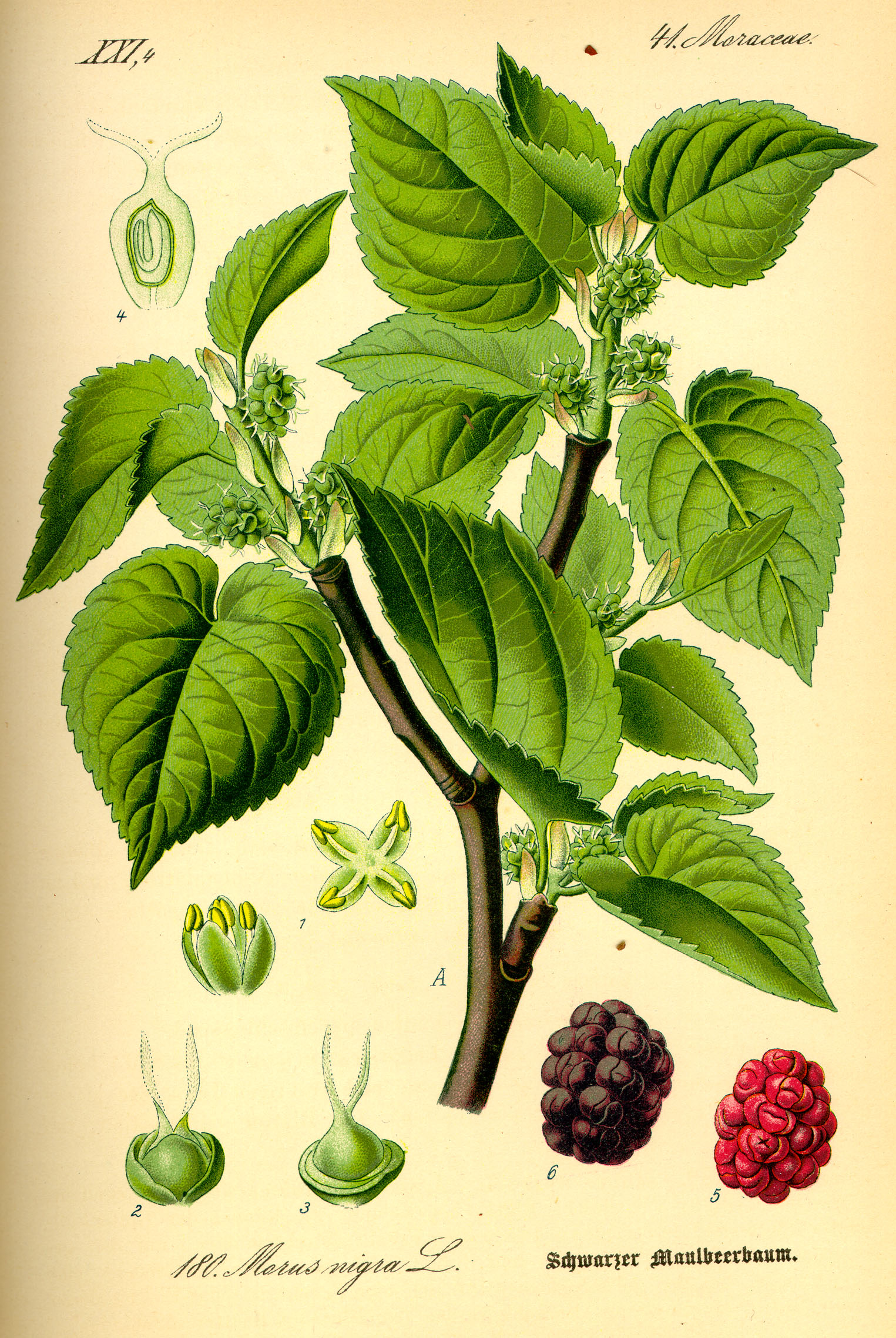
Inside Pulse: longan, ginger, clove, purple mulberry, and mulberry — botanicals that bring warmth and movement, and nourish the blood they carry. Every herb is a concentrated full-spectrum extract of the most pristine material we can source, prepared so that a small amount goes a long way. The most pristine herbs on earth.
These statements have not been evaluated by the Food and Drug Administration. This product is not intended to diagnose, treat, cure, or prevent any disease. Introduce one formula at a time and notice how the body responds; if you are pregnant, nursing, or on a prescription, know the interaction before you begin.
Pairs well with
Formulas that share Circulation's botanicals
Built from overlapping herbs, these reinforce Circulation along the same lines — the shared-botanical kinship our genome engine maps.