For People
Hair & Scalp
Crown Formula
Hair strength and scalp vitality, nourished from the root within — and restored at the scalp from without.
Hair is not an accessory the body grows when everything else is taken care of — it is a readout. In the older traditions, the luster, thickness, and staying power of the hair were read as a window onto the body's deeper reserves: how well-nourished the constitution is, how steadily it holds its strength as the years accumulate. Crown is built on exactly that understanding. It is not a coating you apply and hope sticks. It is a tonic for the foundation the hair grows out of — the deep vitality, the circulation that feeds the scalp, the steady internal balance that lets the body keep its own renewal going. You reach for it when you want to support strong, resilient hair the honest way: by feeding the systems that produce it.
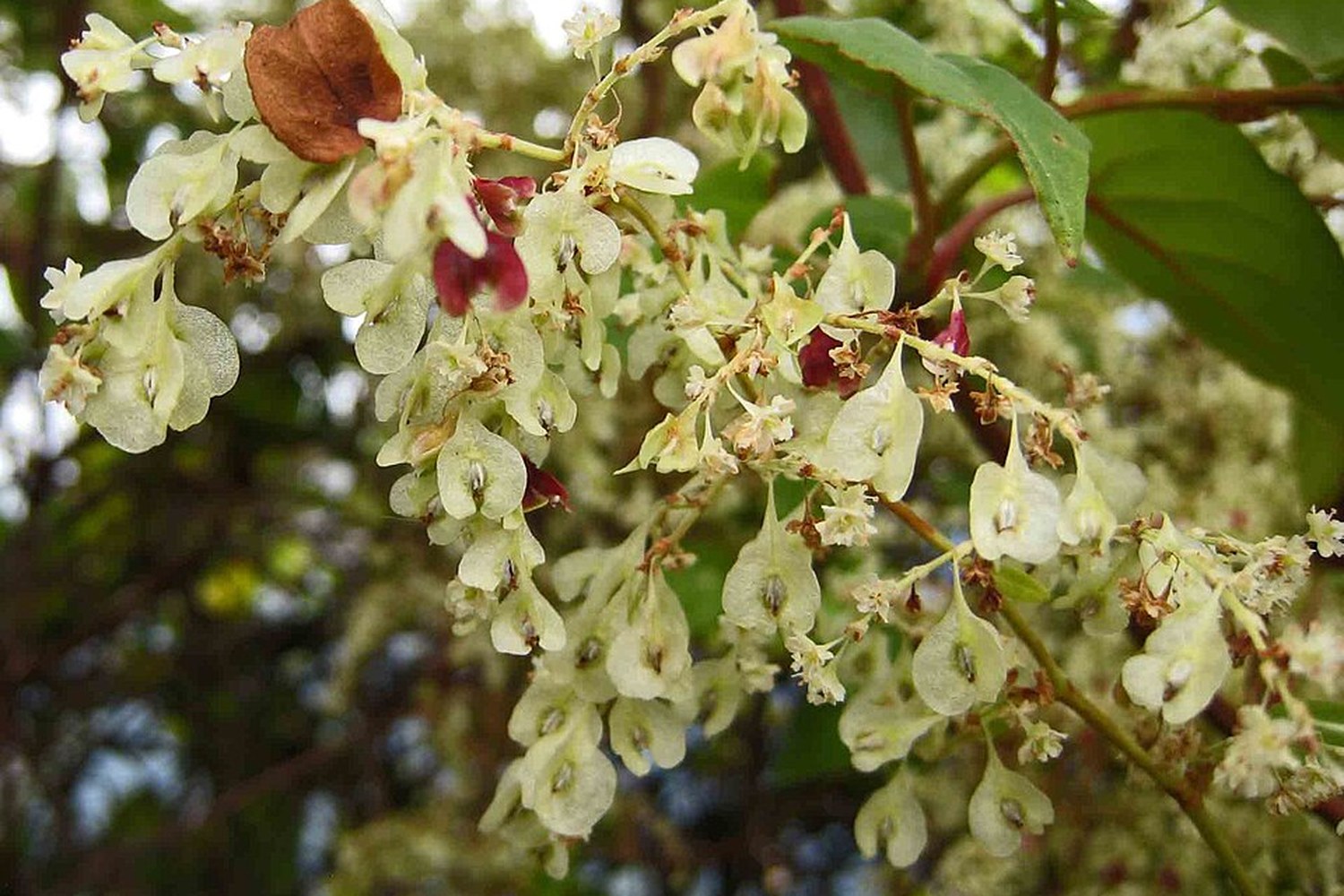
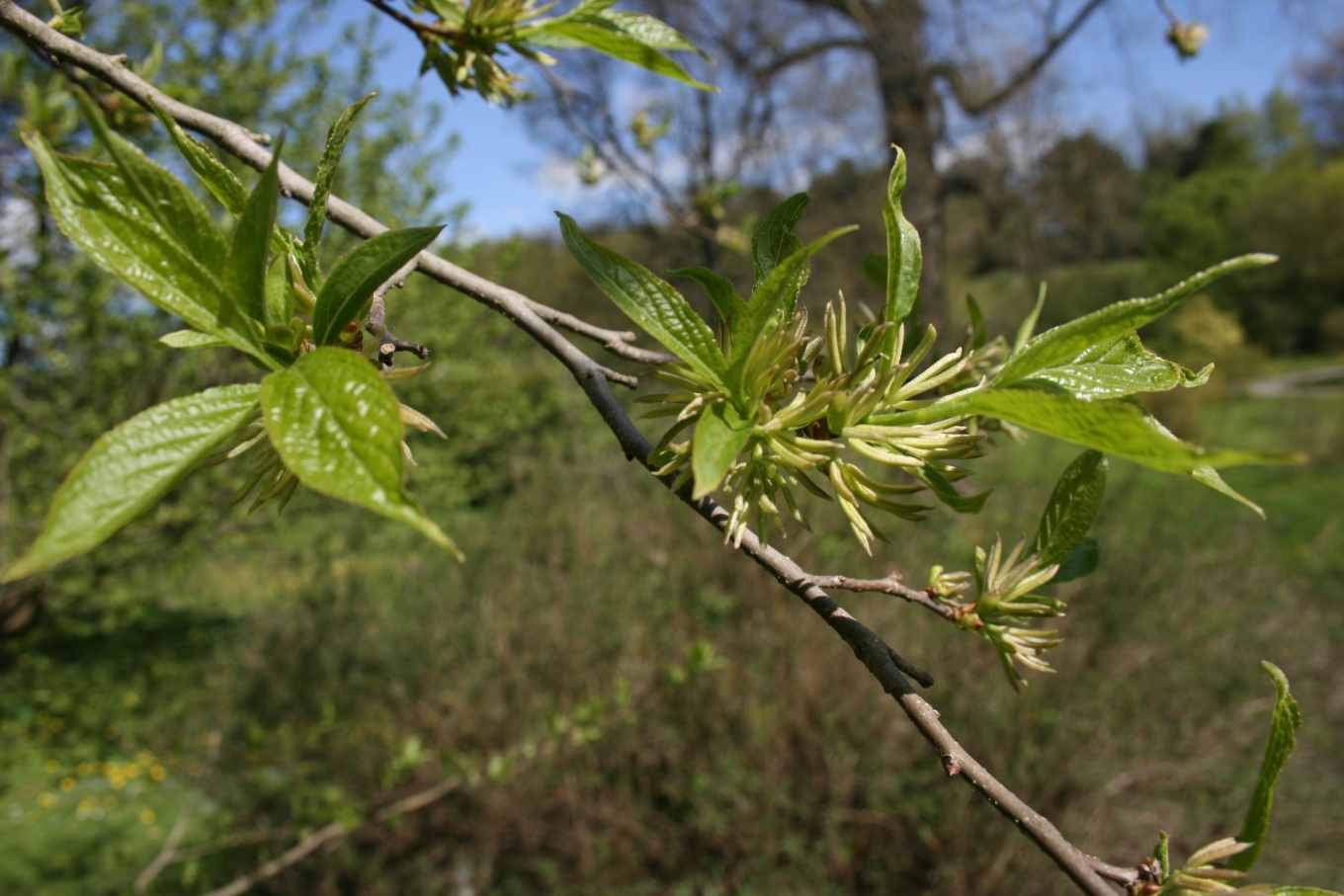
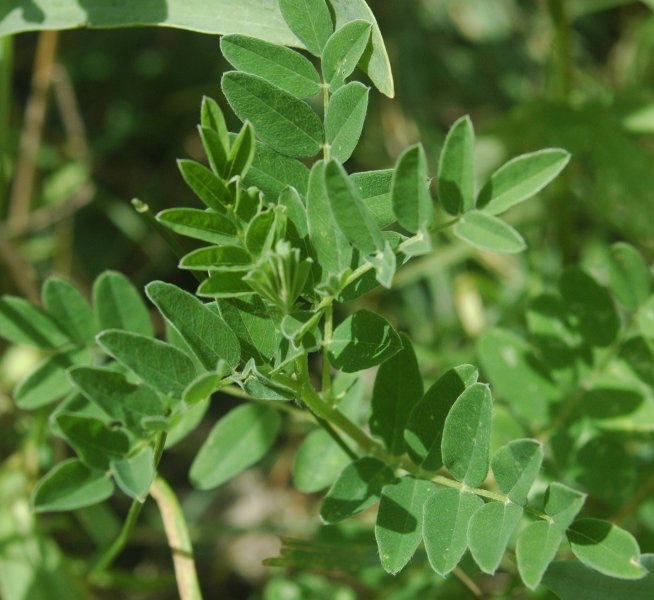
The formula is led, by a wide margin, by He Shou Wu — the single root most associated with hair vitality anywhere in the herbal world, carried for over a thousand years for precisely this. Around it sits a working circle of roots and a mushroom chosen not as filler but as a working foundation: Eucommia to support the circulation and structural tone that carry nourishment to the scalp, Astragalus to support the body's deep stamina and resilience, Reishi to steady the whole system, and a measured amount of Licorice to harmonize the blend and tie it together. Together they make a tonic aimed at the root of the matter — the body's own capacity to grow and hold strong hair over time.
Crown is deliberately dual-purpose, and that is part of its design. Taken within — a half-teaspoon in warm water, tea, a smoothie, or honey — it nourishes from the foundation, supporting the internal vitality that hair draws on. Used without — mixed into warm water or aloe and worked into the scalp as a restorative rinse — it brings the same roots into direct contact with the scalp itself, where their constituents can support the local tissue and the supple, well-fed environment that healthy hair grows from. You can do either. Many do both: the inside work and the outside work, the same roots, supporting the crown from both directions.
This is slow, accumulating, foundational support — not an overnight gesture and not a stimulant. It works the way the tradition always intended a tonic to work: quietly, with daily use, building the ground rather than forcing the result. That patience is the point. Hair grown out of a well-nourished foundation is hair that holds.
What it supports in the body
The body systems the herbs in this formula are traditionally understood to nourish — resolved through our knowledge graph, where the classical record and modern biology are read together. Structure and function, never a claim of treatment.
Where measure & tradition agree
Systems this blend’s herbs are measured to engage in human binding data — and traditionally named for, independently. The number is how many herbs in the blend converge there. Two evidence systems arriving at the same place, separately, is our highest standard. See the research →
For People
Small-batch. Dual-extracted where it matters. Made by hand.
How to take it
Internal: 1/2 tsp once daily in warm water, tea, smoothie, or honey. External (optional): 1 tsp mixed with warm water or aloe; apply to scalp 10-20 minutes, then rinse.
Whole plant, never isolated
Concentrated extracts of the whole botanical — the way the body recognizes it.
Cited to measured biology
Every action we describe traces to the compound and its measured target.
Structure & function
We describe what an herb nourishes — never a claim to treat disease.
Secure checkout
Encrypted payment and human verification on every order.
- Free shipping over $150USPS Priority, tracked. $15 standard; ships in 1–3 business days.
- 30-day returnsIn original packaging and resalable condition. Refunded to your original payment method.
What you get
What this formula gives you
Supports hair strength and resilience from the inside, by nourishing the deep vitality the hair grows from
Supports a well-nourished, supple scalp — the environment healthy hair depends on — whether taken within or applied as a rinse
Supports the circulation and connective-tissue tone that carry nourishment to the scalp (Eucommia's structural work)
Supports the body's antioxidant balance against the everyday oxidative wear that tissues face (He Shou Wu's stilbenes)
Supports deep, sustained stamina and immune resilience — the steady constitution behind ongoing renewal (Astragalus + Reishi)
Built for slow, accumulating, foundational support with daily use — the way a true tonic is meant to work
How it works
The science of Crown
Not buzzwords — the actual biology of the plants in this formula: their compounds, the targets those compounds are measured to engage, and the systems they nourish.
Begin with the lead root, because everything turns on it. He Shou Wu — the prepared, cured root of Polygonum multiflorum — is distinguished above all by its stilbene glycosides, principally 2,3,5,4'-tetrahydroxystilbene-2-O-beta-D-glucoside (THSG). Stilbenes are the same broad polyphenol family that includes resveratrol (which the root also carries), and their work is redox work: they engage the body's own antioxidant balance, helping it manage the everyday oxidative wear that tissues — including the scalp and the follicle environment — are subject to. Alongside the stilbenes the prepared root carries a complement of anthraquinones (emodin, physcion, chrysophanol, rhein) and phospholipids. In the language of the tradition, He Shou Wu nourishes jing — the deep constitutional essence held in the Kidney system — and the visible expression of that essence has always been the radiance and staying power of the hair. The molecular reading and the traditional reading point the same way: this is a root that feeds the deep reserves the hair grows from rather than acting on the strand itself. (Used at the modest, prepared-root proportion in this blend; He Shou Wu carries documented liver cautions, which is why it is held to a measured share.)
The supporting roots build the delivery and the resilience around that lead. A scalp can only grow strong hair if it is well-fed, and feeding it is a matter of circulation and structural tone — which is Eucommia's territory. Eucommia bark is built on two principal compound classes that map cleanly onto this work: its lignans, antioxidant polyphenols that lend the connective and vascular tissues a steadying tone, and its iridoid glycosides (aucubin, geniposide, geniposidic acid, asperuloside), the class associated in the structural tonics with support for connective tissue and healthy circulatory function. Its chlorogenic acid adds further water-soluble antioxidant support to the vascular tissues. A well-toned circulation and supple connective fabric are precisely the conditions a scalp needs to carry nourishment to the follicle. Licorice rounds the local picture: its glabridin and the broad flavonoid family it carries are antioxidant constituents that support a balanced, healthy inflammatory tone across the tissues they touch — and as the classic harmonizer (gan cao, the root added to unify a formula), Licorice ties the blend into one accord and softens its character.
The remaining two work on the constitution behind the hair — the systemic resilience and the steadiness that let the body sustain its own renewal. Astragalus is defined by its astragalosides (triterpene saponins named for the plant) and its long-chain polysaccharides — beta-glucan and arabinogalactan-type sugars that are exactly the molecular class the body's immune and regulatory architecture is built to recognize, which is why it supports deep stamina and the immune system's natural tone rather than forcing it. Reishi, through its own beta-glucans and its bitter ganoderic-acid triterpenes, sits at the intersection of immune resilience and a steady stress response — it steadies the whole system, and a steady, well-resourced body is one that keeps its non-essential renewal projects, hair among them, running. None of these roots act upon a condition. Each one nourishes a system — redox balance, circulation and connective tone, immune resilience, the steady stress response — and together they feed the foundation from which strong hair is grown and held.
The molecules, measured
A formula is a community of compounds. Below are active molecules from the herbs in this blend and the proteins each is measured to engage — the precise points where the plants meet biology. So you see not just that it works, but how.
Polygonum multiflorum
Emodin
PubChem ↗Measured in the lab: binds tightly to Proteasome subunit beta type-1 · IC50 240 nM
Measured to act on
A constantly active signaling enzyme involved in cell growth and stress responses.
A regulatory enzyme that removes phosphate tags involved in cell signaling and movement.
An enzyme that converts glucose into sorbitol as part of cellular sugar handling.
Physcion (Parietin)
PubChem ↗Measured in the lab: binds to Neutrophil elastase · IC50 6.2 µM
Measured to act on
An enzyme released by immune cells that helps break down debris during the inflammatory response.
An enzyme that helps keep cells in antioxidant balance against oxidative stress.
An antioxidant enzyme that protects the cell's energy factories from oxidative stress.
Eucommia ulmoides
Chlorogenic acid
PubChem ↗Measured in the lab: binds very tightly to Tyrosine-protein phosphatase non-receptor type 1 · IC50 100 nM
Measured to act on
A viral enzyme HIV uses to insert its genetic material into a host cell's DNA.
An enzyme that dials down insulin and growth signaling by removing phosphate tags.
An enzyme that converts glucose into sorbitol as part of cellular sugar handling.
Quercetin
PubChem ↗Measured in the lab: binds very tightly to Amine oxidase [flavin-containing] A · IC50 10 nM
Measured to act on
A structural protein that stabilizes the internal scaffolding of nerve cells.
An enzyme that converts excess glucose into sorbitol, part of how cells handle sugar.
A liver-type enzyme that processes hormones and environmental compounds.
Astragalus membranaceus
Formononetin
PubChem ↗Measured in the lab: binds very tightly to Apoptosis regulator Bcl-2 · Ki 10 nM
Measured to act on
A liver enzyme that breaks down many compounds the body takes in.
A protein that helps decide whether a cell continues living or undergoes natural turnover.
An enzyme that edits proteins to manage cellular cleanup and the cell internal scaffolding.
Calycosin
PubChem ↗Measured to act on
A protein that helps organize DNA and acts as an alarm signal during tissue stress.
Ganoderma lucidum
Ganoderic acid A
PubChem ↗Measured to act on
An enzyme that locally regenerates active cortisol, shaping how tissues respond to the body's stress hormone.
An enzyme that quiets cortisol inside kidney and salt-handling tissues, helping govern fluid and mineral balance.
An enzyme that converts glucose into sorbitol, part of how cells handle sugar.
Ganoderic acid B
PubChem ↗Measured to act on
The enzyme that breaks down acetylcholine, resetting nerve and muscle signals between pulses.
A blood enzyme that breaks down acetylcholine and helps clear certain compounds from circulation.
An enzyme that converts glucose into sorbitol, part of how cells handle sugar.
Glycyrrhiza glabra
18beta-Glycyrrhetinic acid (enoxolone)
PubChem ↗Measured in the lab: binds very tightly to 11-beta-hydroxysteroid dehydrogenase type 2 · IC50 1.2 nM
Measured to act on
An enzyme in tissues like fat and liver that activates the stress hormone cortisol.
A kidney enzyme that switches off cortisol, helping the body manage salt and fluid balance.
A signaling enzyme involved in skin cell growth and how cells respond to their environment.
Liquiritigenin
PubChem ↗Measured in the lab: binds very tightly to Estrogen receptor beta · EC50 37 nM
Measured to act on
A receptor that reads the hormone estrogen, helping govern reproductive and other tissues.
The building-block protein of the internal scaffolding that gives cells shape and moves their parts.
Cited science · not claims
Everything we publish about these plants traces to a primary source — the compounds to PubChem, ChEMBL, and BindingDB, the traditional uses to named, dated herbals. We describe what a plant is and what it is understood to nourish — the body’s own systems, structure and function only. We do not claim it treats, cures, or prevents any disease, and nothing here is a substitute for professional care. See our method & sources →
These statements have not been evaluated by the Food and Drug Administration. Not intended to diagnose, treat, cure, or prevent any disease.
Why these herbs together
The shared mechanism
A formula is not a pile of herbs — it is herbs whose actions meet. Below are the molecular targets that more than one plant in this blend is measured to engage. Where they converge is the blend's reason to exist.
He Shou Wu (Fo-Ti) · Reishi · Licorice
He Shou Wu (Fo-Ti) · Eucommia · Licorice
He Shou Wu (Fo-Ti) · Astragalus
He Shou Wu (Fo-Ti) · Licorice
Eucommia · Astragalus
Astragalus · Reishi
Astragalus · Reishi
Each convergence is a gene whose protein two or more of this formula’s herbs are measured to engage (PubChem BioAssay & ChEMBL). It describes characterized molecular activity and the protein’s normal role — structure and function only, never a claim to treat, cure, or prevent any disease.
Whole plant vs. the isolated molecule
One molecule, one receptor is the drug's whole story. Crown is the whole root.
Pharmaceutical hair science isolates one molecule to act on one receptor and stops there. Crown takes the opposite path: the whole prepared root, characterized to the compound. He Shou Wu leads with its stilbene glucoside THSG and resveratrol; Eucommia brings lignans and iridoids; Astragalus its astragalosides and beta-glucans; Reishi its ganoderic acids; Licorice its glabridin. Where they converge is the point. He Shou Wu, Eucommia and Reishi all engage AKR1B1, the enzyme of cellular sugar handling. Reishi and Licorice both touch HSD11B1 and HSD11B2, the enzymes that locally tune cortisol — the steady stress-balance renewal draws on. He Shou Wu and Licorice meet at NR3C1, the cortisol receptor carrying stress signals to the genes. That is multi-target by nature, not a single point. Astragalus and Reishi converge on the immune system tradition named them for. Whole-plant food that nourishes the foundation, transparent and cited — not an isolate aimed at one signal. He Shou Wu has tended the crown for a thousand years; we simply read it to the molecule.
Every molecule and target named here is cited from our own genome data (PubChem BioAssay, BindingDB, ChEMBL). Structure and function only — a description of characterized chemistry and tradition, never a claim to treat, cure, or prevent any disease.
In practice
Who it’s for, and how to use it
Who it’s for
For anyone who wants to support strong, resilient hair and a well-nourished scalp the foundational way — by feeding the body's own vitality rather than coating the strand. It suits those who think in terms of long-term constitutional strength and are willing to use a tonic steadily over time rather than reach for a quick fix. Because it is dual-purpose, it fits both the person who wants to work from within and the person who wants a restorative scalp rinse — or, most fully, both at once. As a potent tonic blend led by a deep constitutional root, it is meant for measured daily use; begin with light doses, and because He Shou Wu carries documented liver cautions, those who are pregnant, nursing, on medication, or managing a liver concern should check with their own practitioner first.
How to use it
Internal: 1/2 tsp once daily in warm water, tea, a smoothie, or honey. External (optional): 1 tsp mixed with warm water or aloe; work into the scalp, leave 10-20 minutes, then rinse. Begin with light doses — our extracts are concentrated 10:1, and this is a potent tonic blend. Best used steadily over time; the benefit is cumulative.
Measure · Internal: 1/2 tsp once daily in warm water, tea, smoothie, or honey. External (optional): 1 tsp mixed with warm water or aloe; apply to scalp 10-20 minutes, then rinse.
What’s inside
Inside: He Shou Wu leading (the classic hair-vitality root, held to a measured prepared-root share), with Eucommia and Astragalus as the structural and stamina foundation, Reishi to steady the whole, and a measured touch of Licorice to harmonize the blend. Roots and a mushroom, each chosen to support a different system the crown depends on — deep essence, circulation, resilience, and balance — and so the whole works as one. The lineage is human, not regional: a East Asian hair-tonic tradition carried over a thousand years, joined to the same understanding of structural and harmonizing roots that herbalists everywhere have relied on.
These statements have not been evaluated by the Food and Drug Administration. This product is not intended to diagnose, treat, cure, or prevent any disease. Introduce one formula at a time and notice how the body responds; if you are pregnant, nursing, or on a prescription, know the interaction before you begin.
Pairs well with
Formulas that share Crown's botanicals
Built from overlapping herbs, these reinforce Crown along the same lines — the shared-botanical kinship our genome engine maps.