For People
Immunity
Functional mushrooms, dual-extracted — the daily foundation for a self-regulating immune system and steady, resilient vitality.
This is the formula you reach for when you want to build, not patch — to give the body's own defenses something to stand on, day after day, season over season. It is not a stimulant and not a fix for a single moment. It is a foundation: a deep, daily tonic that nourishes the system the body already uses to recognize, balance, and protect itself. You take it the way the great herbal cultures took the tonic mushrooms — steadily, quietly, year over year — so that resilience is something you cultivate rather than something you scramble for.
What you feel over time is a kind of steadiness. Not the lift of a stimulant or the heaviness of a sedative, but a settled, well-supplied vigor — the body running on a fuller reserve. People reach for it across the changing seasons, through stretches of hard work and travel and short sleep, and through the long grind where the body's resources get drawn down. It is built for the person who would rather tend the terrain than treat the symptom: support the immune system's own intelligence, keep the inflammatory balance toned, and let vitality follow from a body that is well-resourced rather than over-driven.
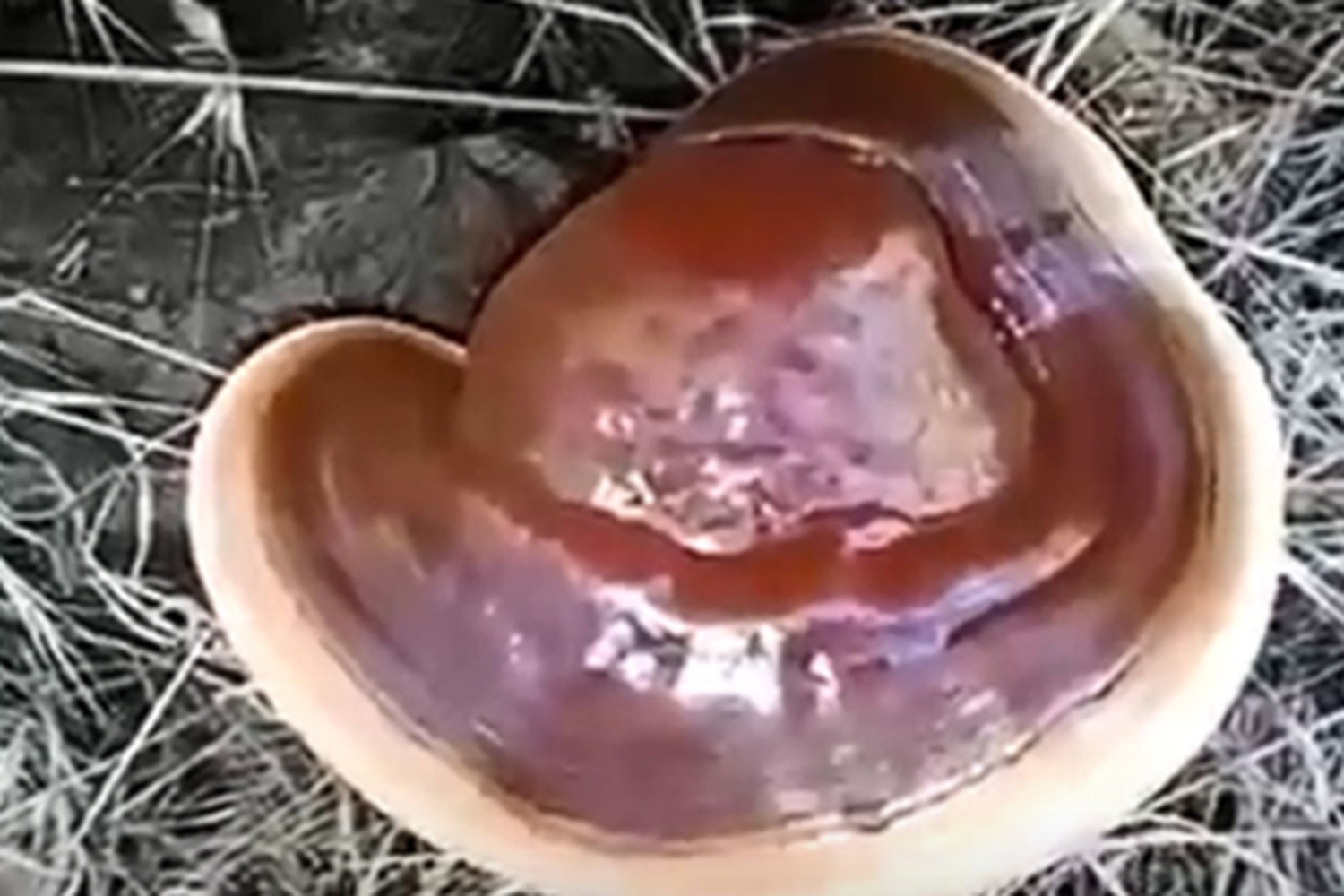
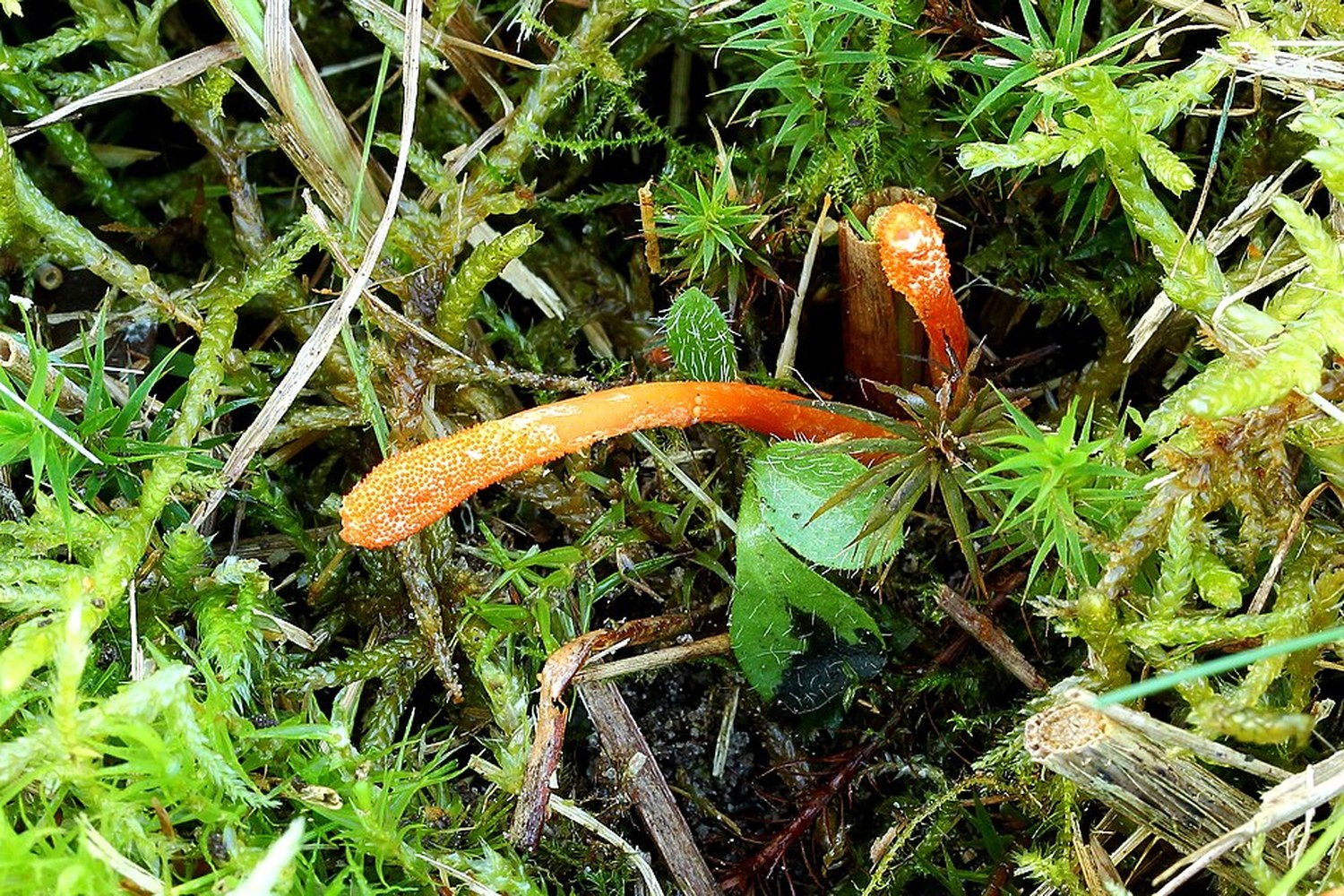
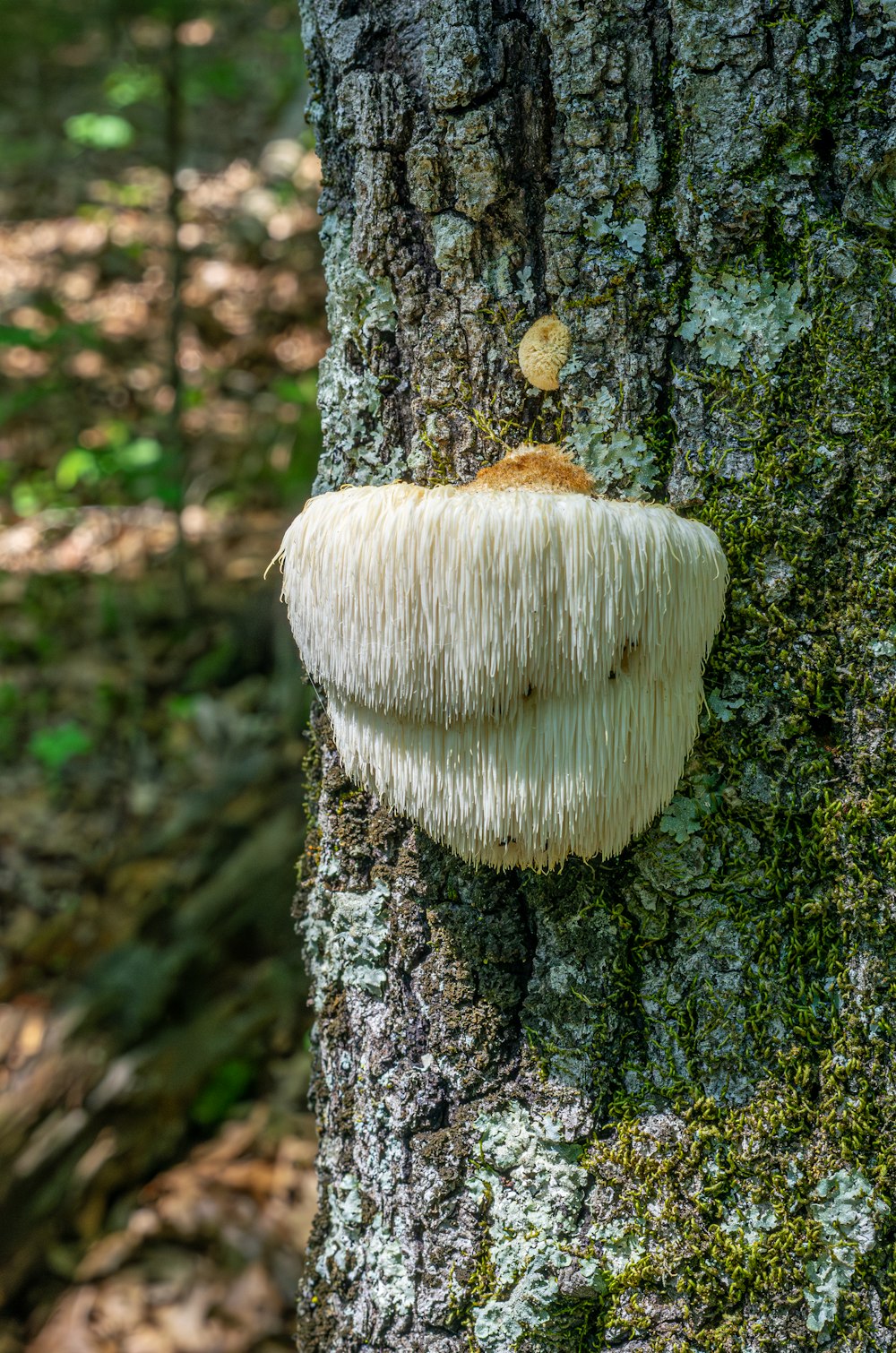
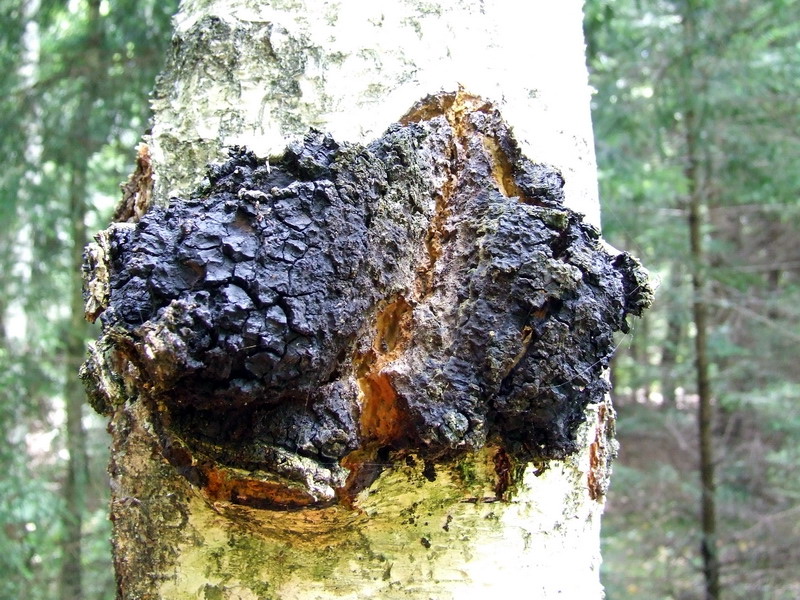
The reason it gathers a range of mushrooms rather than one is completeness. Each functional mushroom carries the same foundational immune language — the beta-glucans — but each also brings something the others do not: the bitter, grounding triterpenes of reishi; the energetic, breath-supporting nucleosides of cordyceps; the nerve-nourishing compounds of lion's mane; the dense antioxidant reserve of chaga; the exhaustively documented protein-bound polysaccharides of turkey tail; and the warm-climate beta-glucan richness of agaricus. Taken together, they cover the immune terrain from more angles than any single mushroom can, while reaching beyond it into energy, clarity, and antioxidant defense.
And it is the extraction that makes the difference between a true tonic and a tin of ground mushroom. Each species is taken through both a hot-water and an alcohol extraction — because the two compound classes that matter most live in two different solvents. The water-soluble beta-glucans (the immune-active sugars) and the alcohol-soluble triterpenoids (the bitter, grounding molecules) are most products' blind spot: capture one and you lose the other. This formula captures both, in every scoop. That is what full-spectrum potency actually means.
What it supports in the body
The body systems the herbs in this formula are traditionally understood to nourish — resolved through our knowledge graph, where the classical record and modern biology are read together. Structure and function, never a claim of treatment.
Where measure & tradition agree
Systems this blend’s herbs are measured to engage in human binding data — and traditionally named for, independently. The number is how many herbs in the blend converge there. Two evidence systems arriving at the same place, separately, is our highest standard. See the research →
For People
Small-batch. Dual-extracted where it matters. Made by hand.
How to take it
One powder, three kingdoms. PEOPLE — 1/4 tsp (up to 1 tsp) in hot water, tea, coffee, a smoothie, or food, once daily. ANIMALS — by body weight, stirred into food: ~1/16 tsp at 5 lbs, ~1/8 tsp at 10 lbs, ~1/4 tsp at 20–30 lbs, ~1/2 tsp at 40–50 lbs, daily. PLANTS — 1 teaspoon per gallon of water, applied biweekly as a drench. Begin with light doses — our extracts are very potent.
Whole plant, never isolated
Concentrated extracts of the whole botanical — the way the body recognizes it.
Cited to measured biology
Every action we describe traces to the compound and its measured target.
Structure & function
We describe what an herb nourishes — never a claim to treat disease.
Secure checkout
Encrypted payment and human verification on every order.
- Free shipping over $150USPS Priority, tracked. $15 standard; ships in 1–3 business days.
- 30-day returnsIn original packaging and resalable condition. Refunded to your original payment method.
What you get
What this formula gives you
Supports the immune system's own healthy, self-regulating function — toned toward balance, not driven in one direction
Helps maintain the body's normal inflammatory balance through well-documented mushroom triterpenes and polysaccharides
Supplies a dense antioxidant reserve (melanin, polyphenols, triterpenes) that supports the body against everyday oxidative load
Nourishes the body's own cellular energy and oxygen-use machinery for steady stamina and recovery (cordyceps nucleosides)
Supports the nervous system and mental clarity through lion's mane compounds studied for their relationship with the body's NGF signaling
Full-spectrum potency: dual extraction captures both the water-soluble beta-glucans and the alcohol-soluble triterpenoids most products leave behind
How it works
The science of Immunity
Not buzzwords — the actual biology of the plants in this formula: their compounds, the targets those compounds are measured to engage, and the systems they nourish.
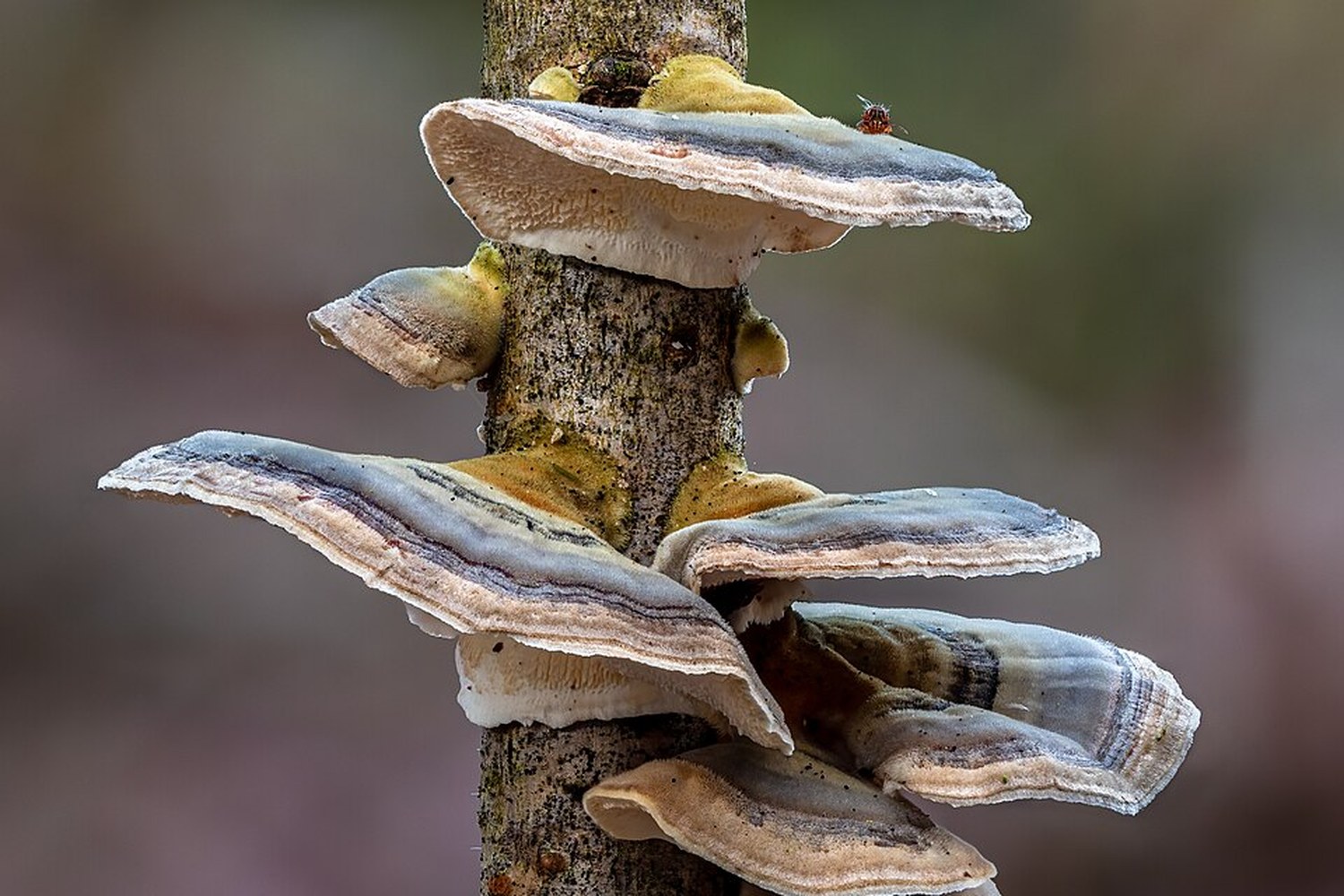
Begin with the structure that unites all six: the beta-glucans. These are large, branched chains of glucose woven into the fungal cell wall — and the reason they matter is that the body has been reading exactly this molecular pattern for as long as it has lived among fungi. The innate immune system's sentinel cells carry receptors shaped to recognize these beta-glucan architectures. When they meet them, the immune system's own machinery of recognition and self-regulation is engaged and toned — not driven in one direction, but supported toward its own balance. This is what immunomodulation means in the structure/function sense: the mushrooms present a familiar pattern the body already knows how to use. Reishi, chaga, turkey tail, and agaricus are all exceptionally rich in these polysaccharides; turkey tail (Trametes versicolor) is renowned specifically for its protein-bound polysaccharides, the compound class that has made it one of the most documented functional mushrooms on earth.
On top of that shared foundation, each mushroom carries its own measured molecular signature. Reishi's bitterness is the taste of its triterpenes — the ganoderic and lucidenic acids. These are real, characterized compounds (ganoderic acid A, B, D among them) whose documented activity touches targets across the body's stress, inflammatory, and metabolic machinery: the inflammatory-signaling node STAT3, the 11-beta-hydroxysteroid dehydrogenase enzymes of the cortisol-and-stress axis, and aldose reductase in glucose handling — the molecular basis of reishi's traditional reputation as a grounding, composing tonic. Chaga adds a dense antioxidant and triterpene reserve drawn in part from its birch host (betulinic acid, betulin, inotodiol, lanosterol) alongside a broad fraction of polyphenols — protocatechuic, gallic, syringic, and vanillic acids — and its characteristic melanin: the structural basis of its standing as one of the most antioxidant-dense botanicals known, supporting the body's normal balance against oxidative load.
Cordyceps brings the energy and breath axis: it is cultivated for its nucleosides — cordycepin and adenosine — and adenosine is the same nucleoside the body builds into ATP, the molecule every cell spends as energy, and uses to signal through its own adenosine receptors. The established interest in cordyceps centers on how this nucleoside profile supports the body's own healthy production and utilization of cellular energy and its natural use of oxygen during exertion — the molecular reason it is the endurance tonic, feeding the energetic and respiratory systems rather than doing their work for them. Lion's mane (Hericium erinaceus) reaches into the nervous system through compounds found almost nowhere else in the botanical world — the hericenones and erinacines — small lipid-soluble molecules long studied for their relationship with nerve growth factor (NGF), one of the body's own neurotrophic signals through which the nervous system maintains and renews its architecture. Across all six, the recurring shared molecules — ergosterol and ergosterol peroxide — engage well-documented targets in the body's inflammatory and metabolic regulation (inducible nitric oxide synthase among them). The picture is consistent: these are nutritional patterns and characterized compounds that nourish the immune, energetic, nervous, and antioxidant systems the body already runs — structure speaking to structure, not a drug acting against a disease.
The molecules, measured
A formula is a community of compounds. Below are active molecules from the herbs in this blend and the proteins each is measured to engage — the precise points where the plants meet biology. So you see not just that it works, but how.
Ganoderma lucidum
Ganoderic acid A
PubChem ↗Measured to act on
An enzyme that locally regenerates active cortisol, shaping how tissues respond to the body's stress hormone.
An enzyme that quiets cortisol inside kidney and salt-handling tissues, helping govern fluid and mineral balance.
An enzyme that converts glucose into sorbitol, part of how cells handle sugar.
Ganoderic acid B
PubChem ↗Measured to act on
The enzyme that breaks down acetylcholine, resetting nerve and muscle signals between pulses.
A blood enzyme that breaks down acetylcholine and helps clear certain compounds from circulation.
An enzyme that converts glucose into sorbitol, part of how cells handle sugar.
Cordyceps militaris
Cordycepin (3'-deoxyadenosine)
PubChem ↗Measured in the lab: binds to Adenosine receptor A1 · Ki 7.12 µM
Measured to act on
A receptor for adenosine that helps calm cellular activity and signaling.
A repair enzyme that clears certain damage points so DNA can be mended.
Pentostatin (2'-deoxycoformycin)
PubChem ↗Measured in the lab: binds very tightly to Adenosine deaminase · Ki 1 nM
Measured to act on
An enzyme that breaks down adenosine, part of how cells recycle their building blocks.
Hericium erinaceus
Ergosterol
PubChem ↗Measured to act on
An enzyme that adjusts protein activity and helps the cell clear damaged material.
A cellular pump that escorts foreign compounds out of cells.
An enzyme immune cells switch on to make nitric oxide, a signaling molecule of the inflammatory response.
Inonotus obliquus
Betulinic acid
PubChem ↗Measured in the lab: binds tightly to Albumin · Kd 593 nM
Measured to act on
A receptor inside cells that helps direct immune cell development and daily body rhythms.
An enzyme that recycles the building blocks of DNA and cellular energy molecules.
An enzyme that helps repair and copy DNA to keep the genetic code intact.
Protocatechuic acid
PubChem ↗Measured in the lab: binds tightly to Carbonic anhydrase 2 · Ki 470 nM
Measured to act on
An enzyme that balances carbon dioxide and acidity throughout the body's fluids.
An enzyme that helps manage carbon dioxide and acid-base balance in the blood.
A bacterial enzyme in a pathway plants and microbes use that humans lack entirely.
Trametes versicolor
Ergosterol
PubChem ↗Measured to act on
An enzyme that produces nitric oxide as part of the immune and inflammatory response.
A liver enzyme that attaches sugar groups to compounds so the body can clear them.
Ergosterol peroxide
PubChem ↗Measured in the lab: binds to Nitric oxide synthase, inducible · IC50 6.3 µM
Measured to act on
An enzyme that converts glucose into sorbitol, part of how cells handle sugar.
An enzyme that produces nitric oxide as part of the immune and inflammatory response.
A receptor that senses bile acids and helps govern fat, cholesterol, and bile balance.
Agaricus blazei Murill
Ergosterol
PubChem ↗Measured to act on
An enzyme immune cells switch on to make nitric oxide, a signaling molecule of the inflammatory response.
A liver enzyme that tags compounds with sugar so the body can clear them.
A liver transporter that pulls compounds from the blood into liver cells for processing.
Ergosterol peroxide (5,8-epidioxy-ergosta-6,22-dien-3-ol)
PubChem ↗Measured to act on
An enzyme immune cells switch on to make nitric oxide, a signaling molecule of the inflammatory response.
An enzyme that converts excess glucose into sorbitol, part of how cells handle sugar.
A sensor that reads bile acid levels and helps govern fat and cholesterol balance.
Cited science · not claims
Everything we publish about these plants traces to a primary source — the compounds to PubChem, ChEMBL, and BindingDB, the traditional uses to named, dated herbals. We describe what a plant is and what it is understood to nourish — the body’s own systems, structure and function only. We do not claim it treats, cures, or prevents any disease, and nothing here is a substitute for professional care. See our method & sources →
These statements have not been evaluated by the Food and Drug Administration. Not intended to diagnose, treat, cure, or prevent any disease.
Whole plant vs. the isolated molecule
Where a drug blocks one target, six mushrooms converge on the immune system's own signals
Pharma's instinct is to isolate one molecule and block one target. Immunity is the opposite philosophy: six functional mushrooms — Reishi, Cordyceps, Lion's Mane, Chaga, Turkey Tail, and Agaricus blazei — dual-extracted so both the water-soluble beta-glucans and the alcohol-soluble triterpenoids (Reishi's ganoderic acids, Chaga's betulinic acid and melanin) arrive intact. Where a single isolate touches one node, these herbs converge by measure: three of them — Lion's Mane, Turkey Tail, and Agaricus — independently engage NOS2, the enzyme that produces nitric oxide in immune and inflammatory signaling. Turkey Tail and Agaricus also meet at the HSPA heat-shock chaperones that refold proteins under stress. This is multi-target by nature, characterized to the molecule, cited from our own binding database — not a black box. Honored across the East Asian, Siberian, boreal, and Brazilian traditions, it nourishes the whole system rather than overriding one signal. Whole plant, characterized to the molecule.
Every molecule and target named here is cited from our own genome data (PubChem BioAssay, BindingDB, ChEMBL). Structure and function only — a description of characterized chemistry and tradition, never a claim to treat, cure, or prevent any disease.
In practice
Who it’s for, and how to use it
Who it’s for
For anyone building daily resilience rather than chasing it — the person who works hard, travels, sleeps short, and moves through changing seasons and wants the immune system well-supplied at the foundation. It suits those who prefer to tend the terrain over time rather than react in the moment, and who want one steady tonic that covers immune tone, antioxidant defense, energy, and clarity at once. A daily-companion formula, taken continually the way the tonic-mushroom lineages intended.
How to use it
FOR PEOPLE — Stir 1/4 tsp (up to 1 tsp) of the extract powder into hot water, tea, coffee, a smoothie, or food, once daily. Begin with light doses — these are 10:1 dual-extracted mushrooms and they are very potent. Best taken steadily, day over day, the way a tonic is meant to be used; consistency over time is where its character shows. FOR ANIMALS — A wellness dose scaled to body weight, stirred into food once daily — begin with the minimum and adjust as needed: about 1/16 tsp at 5 lbs, 1/8 tsp at 10 lbs, 1/4 tsp at 20-30 lbs, 1/2 tsp at 40-50 lbs. Start low, build gradually over days, and give with a meal. The extract is genuinely potent, so a little goes a long way. FOR PLANTS — Dilute 1 teaspoon per gallon of water and apply every other week (biweekly) through the growing season — as a soil drench to the root zone, or as a foliar feed at a lighter rate. Used the whole way through, from vegetative growth into bloom. Always dilute and start light; the extracts are concentrated.
Measure · One powder, three kingdoms. PEOPLE — 1/4 tsp (up to 1 tsp) in hot water, tea, coffee, a smoothie, or food, once daily. ANIMALS — by body weight, stirred into food: ~1/16 tsp at 5 lbs, ~1/8 tsp at 10 lbs, ~1/4 tsp at 20–30 lbs, ~1/2 tsp at 40–50 lbs, daily. PLANTS — 1 teaspoon per gallon of water, applied biweekly as a drench. Begin with light doses — our extracts are very potent.
What’s inside
Inside: functional mushrooms — Reishi (Ganoderma lucidum), Cordyceps militaris, Lion's Mane (Hericium erinaceus), Chaga (Inonotus obliquus), Turkey Tail (Trametes versicolor), and Agaricus blazei. Each is a 10:1 fruiting-body extract, dual-extracted in hot water and alcohol so both the immune-active beta-glucans and the grounding triterpenoids arrive intact. They were chosen as a set because they share one foundational immune language while each contributing something distinct — grounding, energy, clarity, antioxidant depth — drawn from a fungal lineage honored across the East Asian, Siberian, boreal-European, and Brazilian herbal traditions alike: one human inheritance of the tonic mushrooms.
These statements have not been evaluated by the Food and Drug Administration. This product is not intended to diagnose, treat, cure, or prevent any disease. Introduce one formula at a time and notice how the body responds; if you are pregnant, nursing, or on a prescription, know the interaction before you begin.
Pairs well with
Formulas that share Immunity's botanicals
Built from overlapping herbs, these reinforce Immunity along the same lines — the shared-botanical kinship our genome engine maps.