For People
Stamina & Output
Athletic Formula
Train harder, fade slower, recover faster — endurance and oxygen built from the inside out.
There is a moment in every hard effort where the body asks a question: do we have more? The Athletic formula is built to answer yes. It is an endurance-and-recovery tonic for the person who works the body on purpose — the runner, the lifter, the climber, the long-shift laborer, the athlete who measures the day in output and the night in how fast they come back. It supports the parts of you that decide whether the last mile feels like the first: how efficiently your cells turn fuel into usable energy, how well your blood carries oxygen to working muscle, and how steadily your stress chemistry holds up when the work gets heavy.
Most pre-workout shortcuts borrow energy from tomorrow — a spike of stimulant, a crash on the back end, and a nervous system that never quite settles. This formula does the opposite. It is a tonic, not a trigger. It works underneath the surge, nourishing the systems that produce sustained output rather than whipping a tired body into one more sprint. The felt experience is not a jolt; it is a longer, flatter, more even line — energy that shows up when you call on it and does not abandon you halfway through.
And it does not stop when you do. The same roots and mushrooms that support output during the work support the turnaround after it. Recovery is where training actually becomes fitness — the repair, the replenishment, the return of the deep reserves a hard session draws down. This blend is composed to support that whole arc: the push, the hold, and the rebuild. Reach for it before activity to support stamina and oxygen use, or once daily to support the body's day-over-day capacity to do hard things and bounce back.
Underneath all of it is the adaptogen principle — the body's own stress-response machinery, the adrenal and constitutional reserves that endurance constantly taxes. Hard training IS controlled stress. The formula is built to support how gracefully your body meets that stress, adapts to it, and grows stronger from it, rather than grinding itself down.
What it supports in the body
The body systems the herbs in this formula are traditionally understood to nourish — resolved through our knowledge graph, where the classical record and modern biology are read together. Structure and function, never a claim of treatment.
Where measure & tradition agree
Systems this blend’s herbs are measured to engage in human binding data — and traditionally named for, independently. The number is how many herbs in the blend converge there. Two evidence systems arriving at the same place, separately, is our highest standard. See the research →
For People
Small-batch. Dual-extracted where it matters. Made by hand.
How to take it
1/4 tsp (up to 1 tsp) of extract powder in water, 30 minutes before activity or once daily. Begin with light doses — our extracts are very potent.
Whole plant, never isolated
Concentrated extracts of the whole botanical — the way the body recognizes it.
Cited to measured biology
Every action we describe traces to the compound and its measured target.
Structure & function
We describe what an herb nourishes — never a claim to treat disease.
Secure checkout
Encrypted payment and human verification on every order.
- Free shipping over $150USPS Priority, tracked. $15 standard; ships in 1–3 business days.
- 30-day returnsIn original packaging and resalable condition. Refunded to your original payment method.
What you get
What this formula gives you
Supports sustained endurance and stamina, so output holds through the hard part of the effort instead of fading
Supports the body's oxygen utilization and aerobic capacity — energy delivered to working muscle
Supports faster, fuller post-exercise recovery so you come back ready for the next session
Supports a steady, even stress response under the load of hard training — adaptogenic, not stimulant
Supports the adrenal and deep constitutional reserves that demanding effort draws down
Supports clear, sustained energy and focus without the spike-and-crash of a stimulant
How it works
The science of Athletic
Not buzzwords — the actual biology of the plants in this formula: their compounds, the targets those compounds are measured to engage, and the systems they nourish.
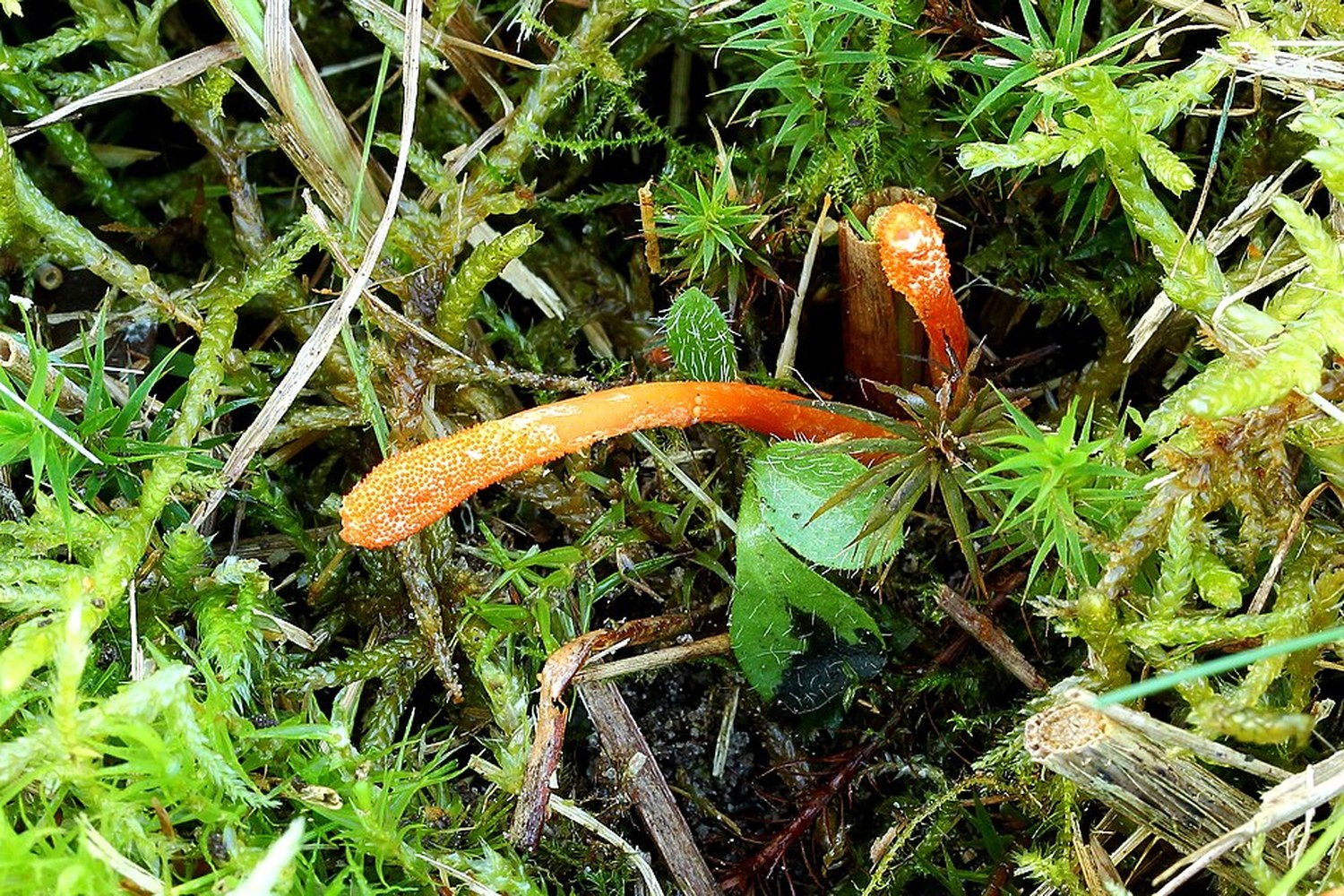
Endurance is, at the cellular level, a question of energy currency and oxygen logistics — and this formula is built around the two herbs that speak that language most directly. Cordyceps militaris carries cordycepin (3'-deoxyadenosine) and free adenosine, molecules that are near-structural cousins of the body's own ATP and its adenosine signaling system. In our molecular data their measured partners are the adenosine receptors and adenosine-handling enzymes — the same family of switches the body uses to govern blood flow, oxygen demand, and the cellular sense of energy availability. This is the biochemical reason Cordyceps has long been favored by people training for stamina and aerobic capacity: it engages the machinery of how cells make and spend energy and how tissue manages its oxygen, supporting endurance and oxygen utilization at the source rather than masking fatigue with a stimulant.
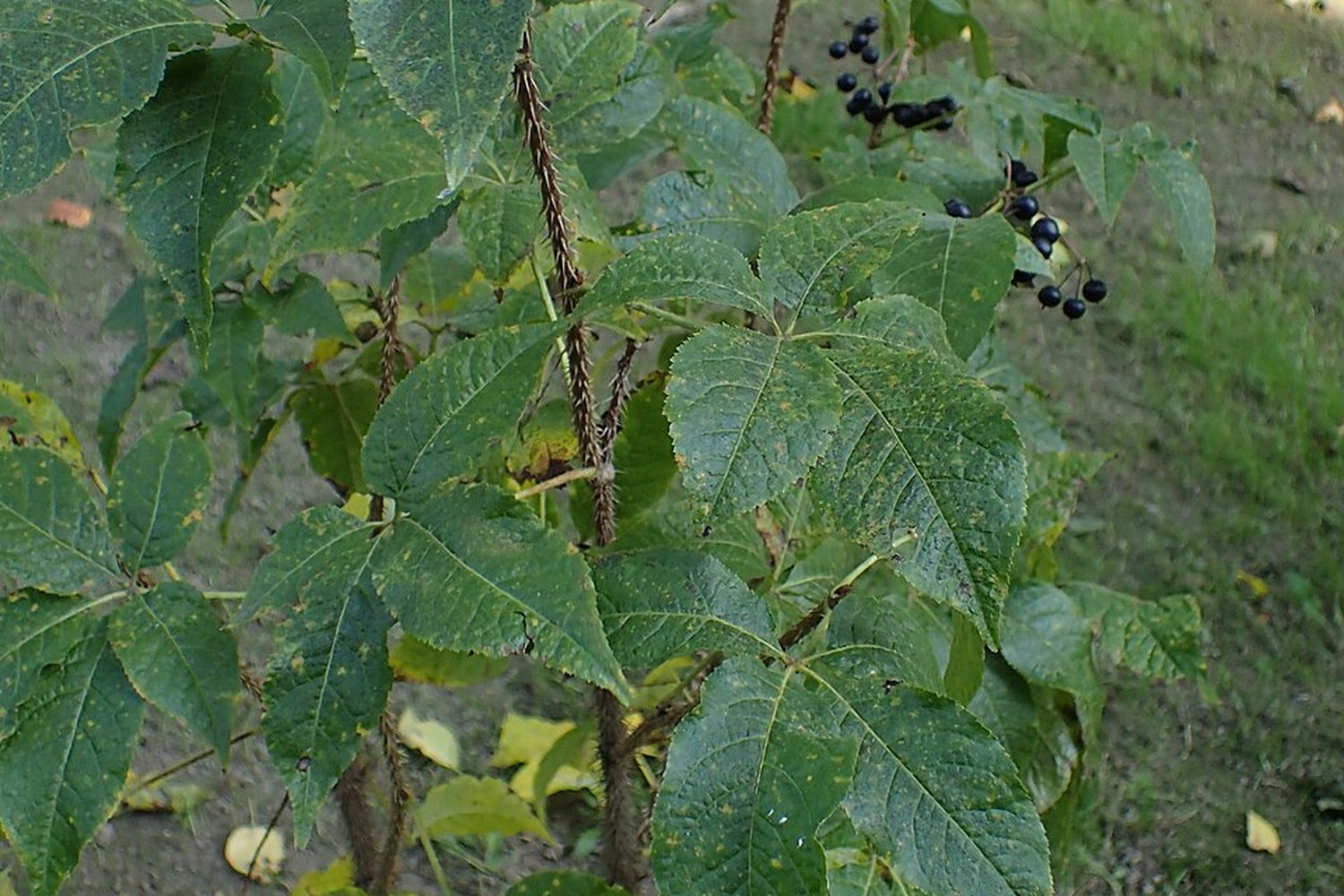
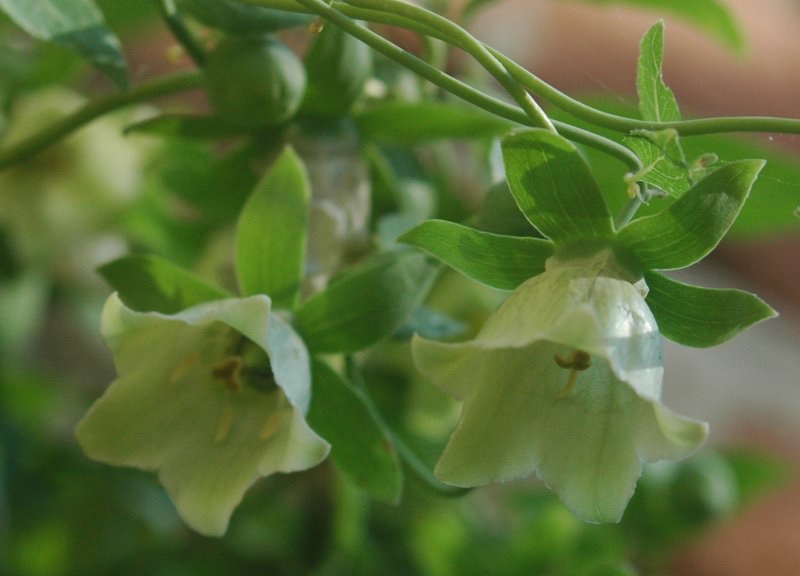
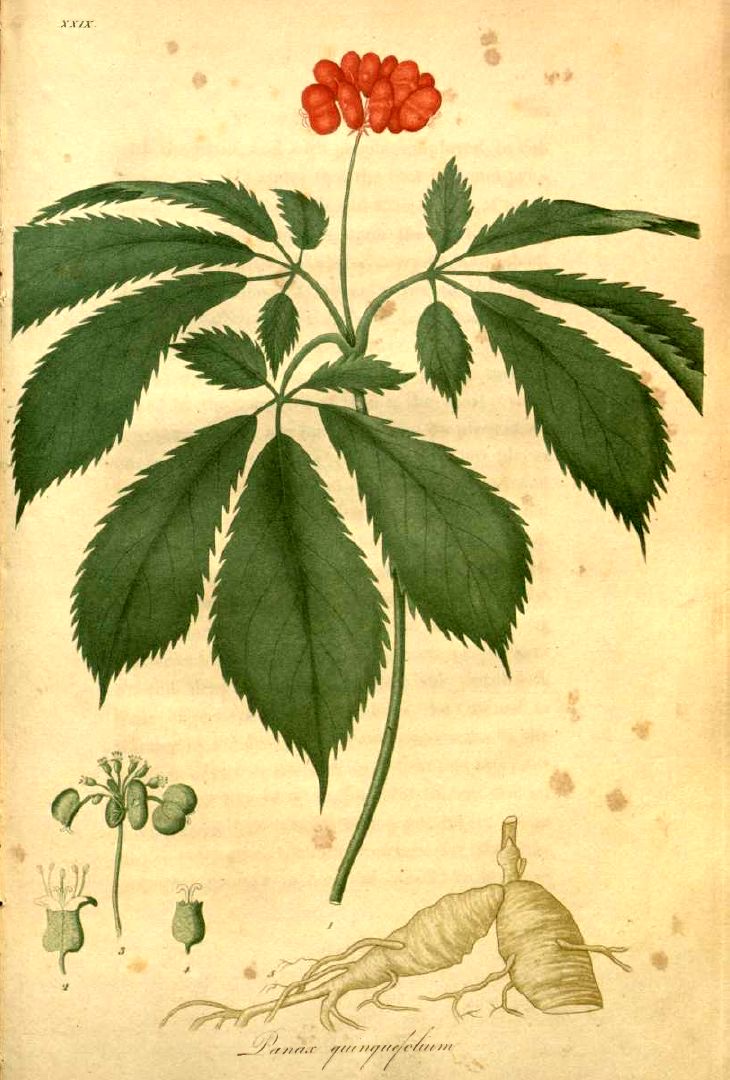
The adaptogens form the second pillar, and they work on the body's stress-and-energy economy. Eleuthero — the root that literally defined the word adaptogen — carries eleutherosides B and E, syringin, isofraxidin and sesamin, and in our organ mapping its home is the Kidney/Adrenal axis: the reserve tank that hard effort draws down and that determines whether you have a second and third gear. American ginseng (Panax quinquefolius) brings the ginsenoside family — Rb1, Rg1, Re and their kin — and Rb1's measured target in our data is AMPK, the cell's master fuel-sensing kinase, the very gauge that reads low energy and flips tissue toward producing more. Where many stimulants run the engine hot, American ginseng is the cooling adaptogen: it supports steady stamina without the overstimulation and heat that burn a body out. Codonopsis (dang shen), with its lobetyolin and atractylenolides, is the gentle Qi tonic mapped in our data to the Digestive system — and digestion is where every calorie of training fuel is actually claimed; supporting that gateway supports the whole supply chain of energy.
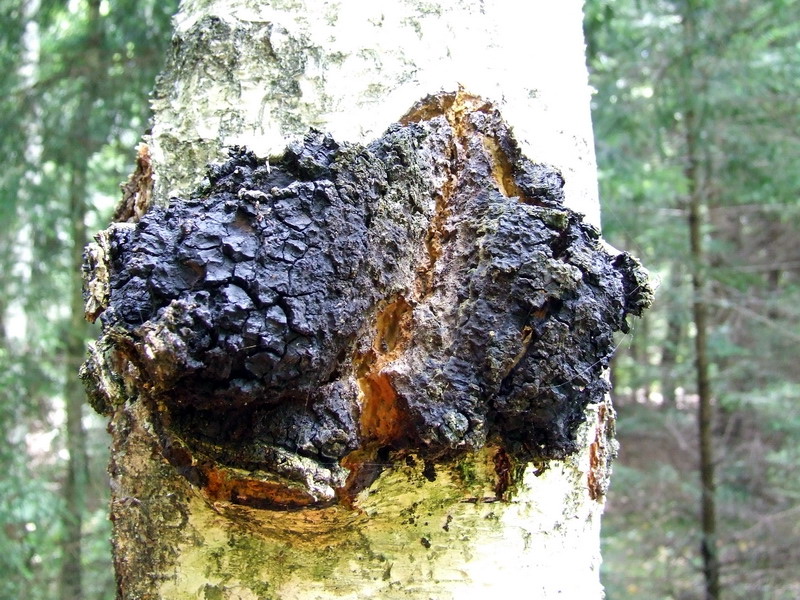
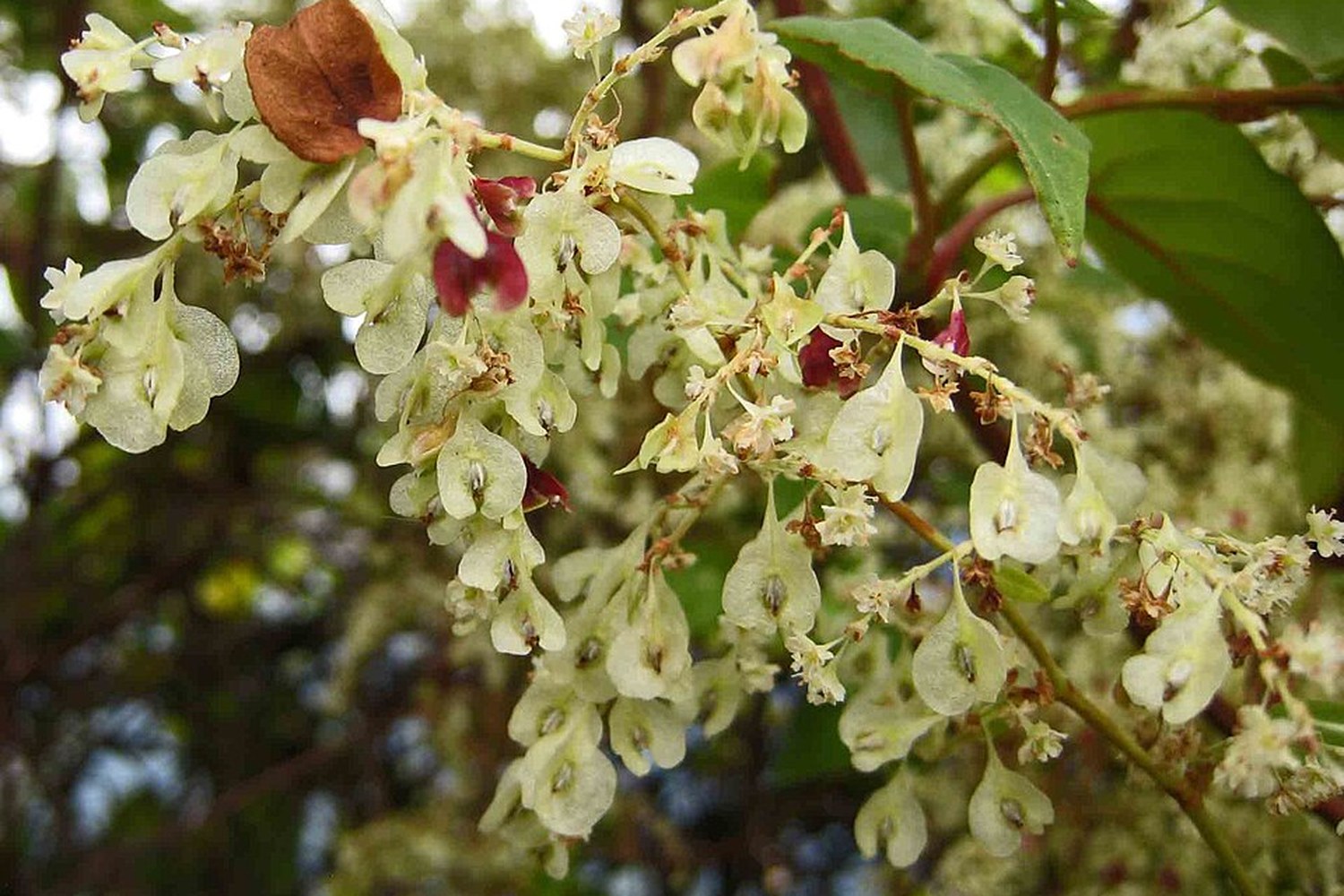
The recovery and resilience layer is carried by the mushroom, the longevity root, and the berry. Chaga (Inonotus obliquus) contributes betulinic acid, inotodiol and a dense antioxidant fraction of melanin and polyphenols, mapped in our data to the Immune system — the front line that intense training stresses and that recovery depends on. He shou wu (Polygonum multiflorum) brings its signature stilbene glycoside (THSG) and is the classic tonic for deep constitutional reserves, the slow-replenishing foundation that sustained hard work quietly spends. And Schisandra chinensis, the five-flavor berry, carries the schisandrin lignans and is mapped to the Liver — the body's recovery and clearing organ — while traditionally supporting mental performance and stress resilience, the focus that holds a session together. Together these seven move along one logic: support the production of energy, the delivery of oxygen, the steadiness of the stress response during the work, and the replenishment of reserves after it — structure and function, the body doing what it already knows how to do, supported.
The molecules, measured
A formula is a community of compounds. Below are active molecules from the herbs in this blend and the proteins each is measured to engage — the precise points where the plants meet biology. So you see not just that it works, but how.
Eleutherococcus senticosus
Eleutheroside B (Syringin)
PubChem ↗Measured to act on
An enzyme that makes prostaglandins for everyday upkeep like protecting the stomach lining.
An enzyme that breaks down fatty-acid signals involved in blood vessel tone and inflammation.
Sesamin
PubChem ↗Measured to act on
The sensory channel that detects cold and the cooling feel of menthol.
The receptor through which vitamin D guides calcium balance and gene activity.
A signaling enzyme that helps coordinate cell division.
Inonotus obliquus
Betulinic acid
PubChem ↗Measured in the lab: binds tightly to Albumin · Kd 593 nM
Measured to act on
A receptor inside cells that helps direct immune cell development and daily body rhythms.
An enzyme that recycles the building blocks of DNA and cellular energy molecules.
An enzyme that helps repair and copy DNA to keep the genetic code intact.
Protocatechuic acid
PubChem ↗Measured in the lab: binds tightly to Carbonic anhydrase 2 · Ki 470 nM
Measured to act on
An enzyme that balances carbon dioxide and acidity throughout the body's fluids.
An enzyme that helps manage carbon dioxide and acid-base balance in the blood.
A bacterial enzyme in a pathway plants and microbes use that humans lack entirely.
Polygonum multiflorum
Emodin
PubChem ↗Measured in the lab: binds tightly to Proteasome subunit beta type-1 · IC50 240 nM
Measured to act on
A constantly active signaling enzyme involved in cell growth and stress responses.
A regulatory enzyme that removes phosphate tags involved in cell signaling and movement.
An enzyme that converts glucose into sorbitol as part of cellular sugar handling.
Physcion (Parietin)
PubChem ↗Measured in the lab: binds to Neutrophil elastase · IC50 6.2 µM
Measured to act on
An enzyme released by immune cells that helps break down debris during the inflammatory response.
An enzyme that helps keep cells in antioxidant balance against oxidative stress.
An antioxidant enzyme that protects the cell's energy factories from oxidative stress.
Cordyceps militaris
Cordycepin (3'-deoxyadenosine)
PubChem ↗Measured in the lab: binds to Adenosine receptor A1 · Ki 7.12 µM
Measured to act on
A receptor for adenosine that helps calm cellular activity and signaling.
A repair enzyme that clears certain damage points so DNA can be mended.
Pentostatin (2'-deoxycoformycin)
PubChem ↗Measured in the lab: binds very tightly to Adenosine deaminase · Ki 1 nM
Measured to act on
An enzyme that breaks down adenosine, part of how cells recycle their building blocks.
Codonopsis pilosula
Syringin
PubChem ↗Measured to act on
An enzyme that makes prostaglandins for everyday housekeeping like stomach lining and blood flow.
An enzyme that breaks down fatty-acid signals involved in blood vessel and inflammation balance.
Atractylenolide I
PubChem ↗Measured to act on
An enzyme that converts fatty acids into messengers of the inflammatory response.
An enzyme that makes prostaglandins for everyday housekeeping like stomach lining and blood flow.
A guardian protein that watches over DNA and helps cells decide when to repair or stop dividing.
Panax quinquefolius
Ginsenoside Rb1
PubChem ↗Measured to act on
The cell's energy sensor, switching on fuel-burning pathways when energy runs low.
Schisandra chinensis
Schisandrin B (Wuweizisu B)
PubChem ↗Measured in the lab: binds very tightly to Multidrug resistance-associated protein 1 · IC50 1.25 nM
Measured to act on
A guardian enzyme that senses DNA stress and helps coordinate repair.
A sentinel enzyme that detects DNA breaks and signals the cell to mend them.
An enzyme that helps stitch broken DNA strands back together.
Schisandrin C (= Wuweizisu C)
PubChem ↗Measured to act on
The enzyme that drives the body's inflammatory response.
The liver's busiest enzyme for breaking down compounds the body takes in.
A liver enzyme that helps metabolize and clear many compounds from the body.
Cited science · not claims
Everything we publish about these plants traces to a primary source — the compounds to PubChem, ChEMBL, and BindingDB, the traditional uses to named, dated herbals. We describe what a plant is and what it is understood to nourish — the body’s own systems, structure and function only. We do not claim it treats, cures, or prevents any disease, and nothing here is a substitute for professional care. See our method & sources →
These statements have not been evaluated by the Food and Drug Administration. Not intended to diagnose, treat, cure, or prevent any disease.
Why these herbs together
The shared mechanism
A formula is not a pile of herbs — it is herbs whose actions meet. Below are the molecular targets that more than one plant in this blend is measured to engage. Where they converge is the blend's reason to exist.
Chaga · He Shou Wu (Fo-Ti)
Each convergence is a gene whose protein two or more of this formula’s herbs are measured to engage (PubChem BioAssay & ChEMBL). It describes characterized molecular activity and the protein’s normal role — structure and function only, never a claim to treat, cure, or prevent any disease.
Whole plant vs. the isolated molecule
Two herbs, one fuel-gauge: endurance built at the source, not borrowed from tomorrow
Pharma isolates one stimulant to whip one receptor; the crash is the bill. Athletic is the whole-plant alternative, characterized to the molecule. Cordyceps militaris carries cordycepin (3'-deoxyadenosine) and free adenosine — structural cousins of the body's own ATP and adenosine signaling — and in our measured data Cordyceps and Codonopsis converge on ADORA1, an adenosine receptor that relays the cellular sense of energy availability and oxygen demand. Deeper still, American Ginseng (ginsenoside Rb1) and Chaga both bind AMPK — the subunits PRKAA2, PRKAB1, PRKAG1, the cell's fuel-gauge that switches on energy production. Two herbs, one master energy sensor: multi-target by nature, not single-point. Eleuthero (eleutherosides B and E) anchors the Kidney/Adrenal reserve; He Shou Wu and Schisandra lignans support the rebuild. This is endurance nourished at the source — food the body recognizes, transparent and cited, not a black-box molecule borrowing energy from tomorrow.
Every molecule and target named here is cited from our own genome data (PubChem BioAssay, BindingDB, ChEMBL). Structure and function only — a description of characterized chemistry and tradition, never a claim to treat, cure, or prevent any disease.
In practice
Who it’s for, and how to use it
Who it’s for
For anyone who trains, competes, or works the body hard and wants the engine — not just the spark. Runners, lifters, cyclists, climbers, field-sport athletes, and anyone on their feet through long demanding days. Reach for it when you want endurance that lasts the whole effort, recovery that turns work into fitness, and energy that comes from supporting your body's own systems rather than overriding them. Begin with light doses — our extracts are very potent.
How to use it
Stir 1/4 tsp (up to 1 tsp) of the extract powder into water about 30 minutes before activity, or take once daily to build day-over-day capacity. Begin with light doses and increase as it suits you — our extracts are very concentrated. It blends cleanly into water, tea, coffee, or a smoothie.
Measure · 1/4 tsp (up to 1 tsp) of extract powder in water, 30 minutes before activity or once daily. Begin with light doses — our extracts are very potent.
What’s inside
Inside: Cordyceps and Eleuthero lead, with American Ginseng, Codonopsis, Chaga, He Shou Wu, and Schisandra. This is a deliberate pairing of the great endurance mushroom with the original adaptogen, then rounded out by a cooling ginseng for steadiness, a Qi tonic for the energy that comes through digestion, and three reserve-and-recovery botanicals — mushroom, longevity root, and the five-flavor berry — that support the rebuild once the work is done. Drawn from one human lineage of tonic herbalism spanning Western, Ayurvedic, African, and East Asian traditions alike.
These statements have not been evaluated by the Food and Drug Administration. This product is not intended to diagnose, treat, cure, or prevent any disease. Introduce one formula at a time and notice how the body responds; if you are pregnant, nursing, or on a prescription, know the interaction before you begin.
Pairs well with
Formulas that share Athletic's botanicals
Built from overlapping herbs, these reinforce Athletic along the same lines — the shared-botanical kinship our genome engine maps.