
For People
Drive
Drive & Stamina
The yang current — warming drive, deep stamina, and a steady inner fire, for any body that wants to cultivate it.
Sun is built for the body that wants to feel lit from within — warm hands, a strong back, stamina that lasts through a long day, and drive that doesn't crash by mid-afternoon. It gathers the most revered warming root and fungal tonics in the botanical world and pours their fire into a single daily full-spectrum extract. This is not stimulation. Stimulants borrow energy from tomorrow; Sun feeds the deep reserves at the body's root, so the warmth it builds is the body's own.
In the East Asian lineage these herbs are the classic tonics of the yang current — the warming, outward-moving, kindling force the body draws on for stamina, structural strength, and the will to move. The Greek-Galenic physicians spoke of the same thing as the warm and dry temperament that drives action; Ayurveda calls the kindling principle agni, the metabolic fire that turns food into vitality; and African and Western root traditions alike have always reached for deep, warming roots to fortify a tired, cold, depleted constitution. Sun is that one lineage, gathered into one tin.
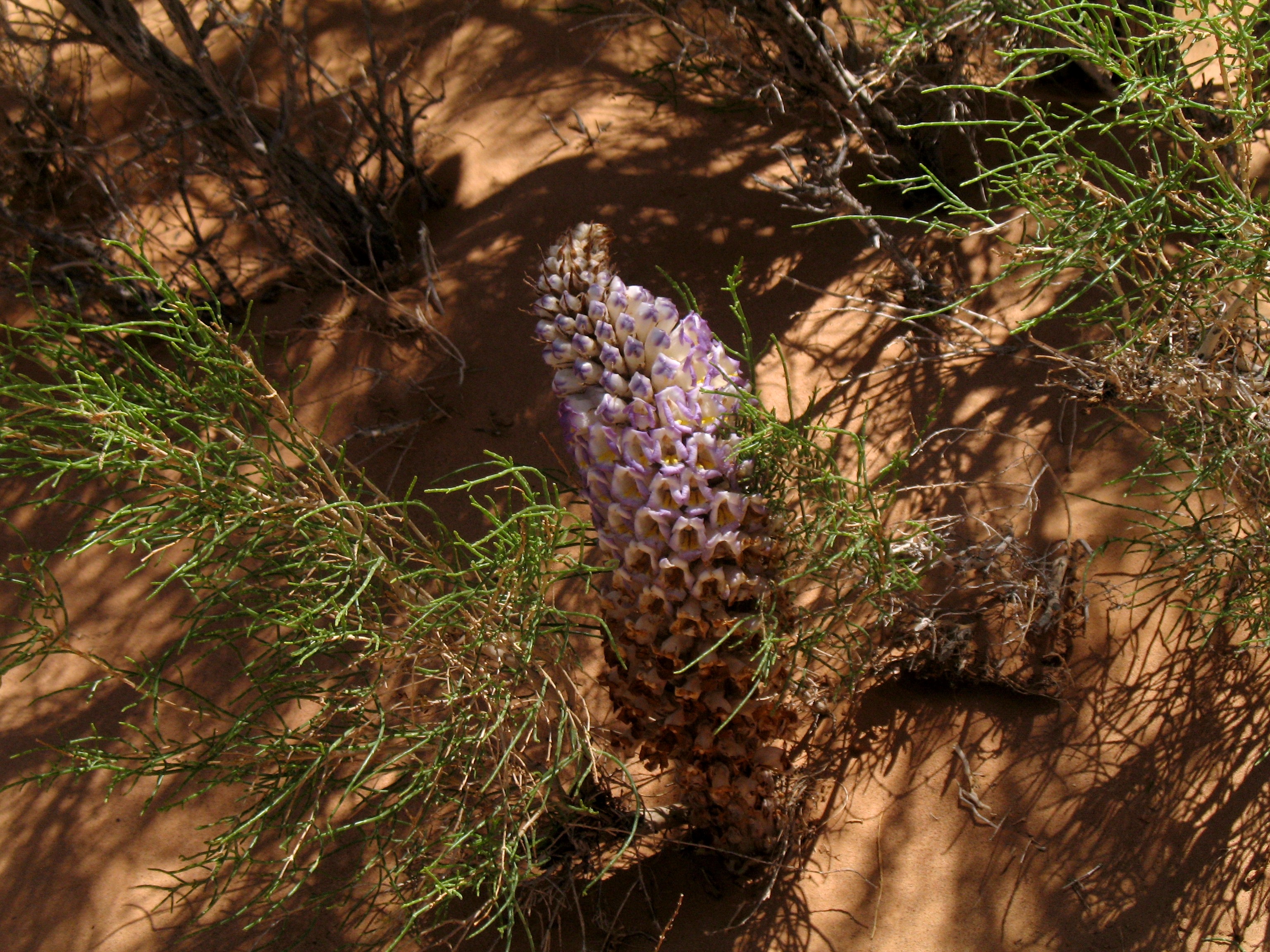
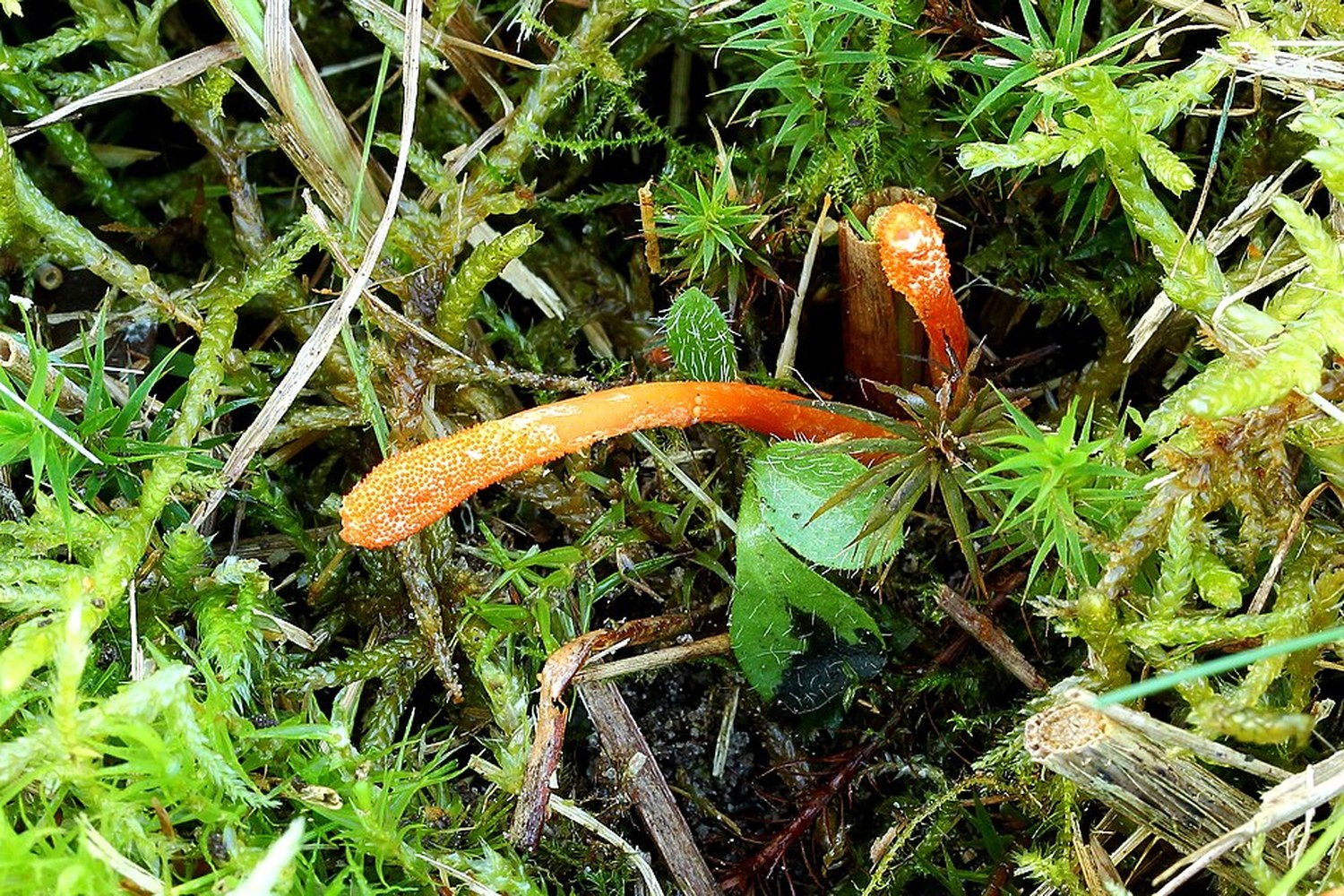
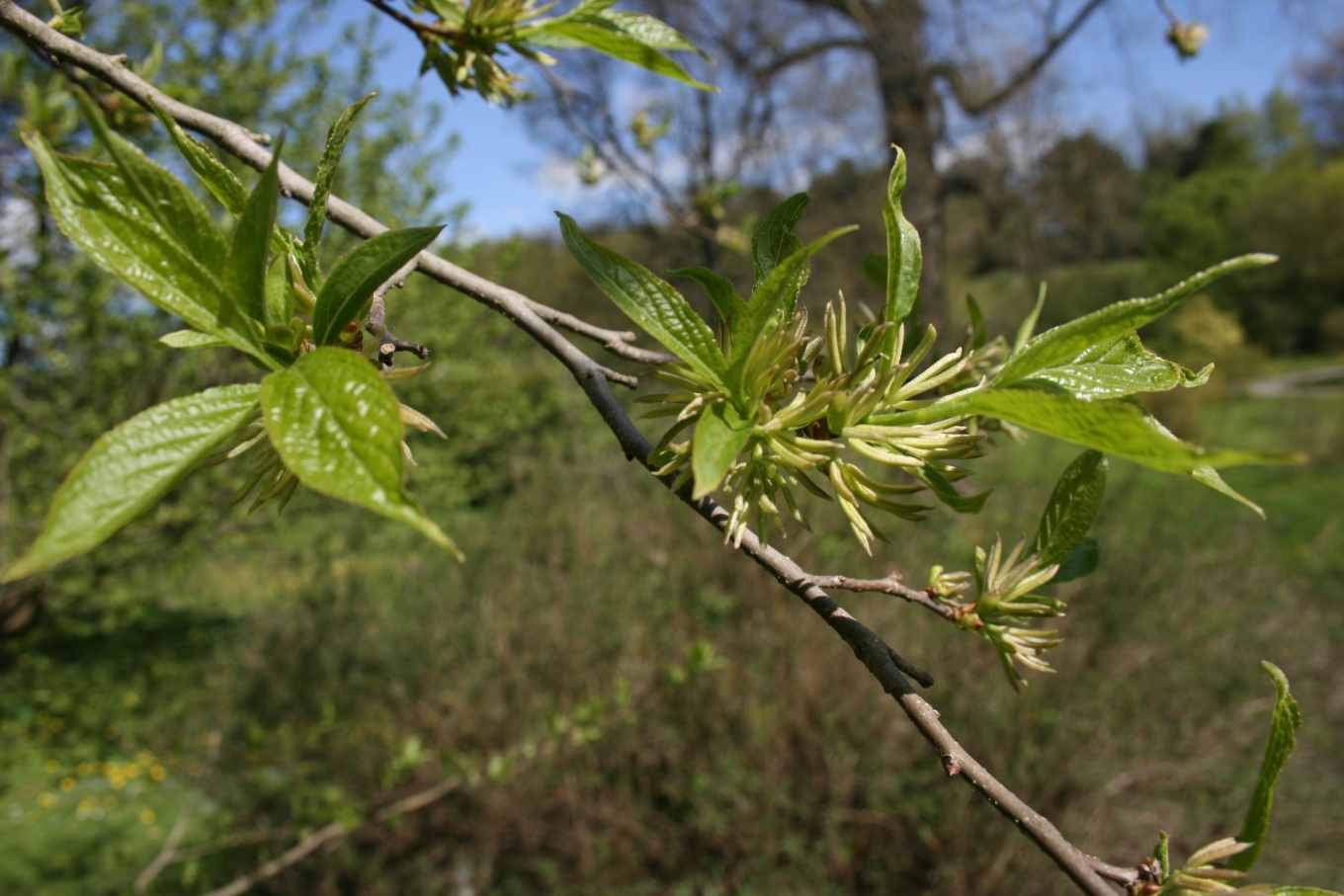
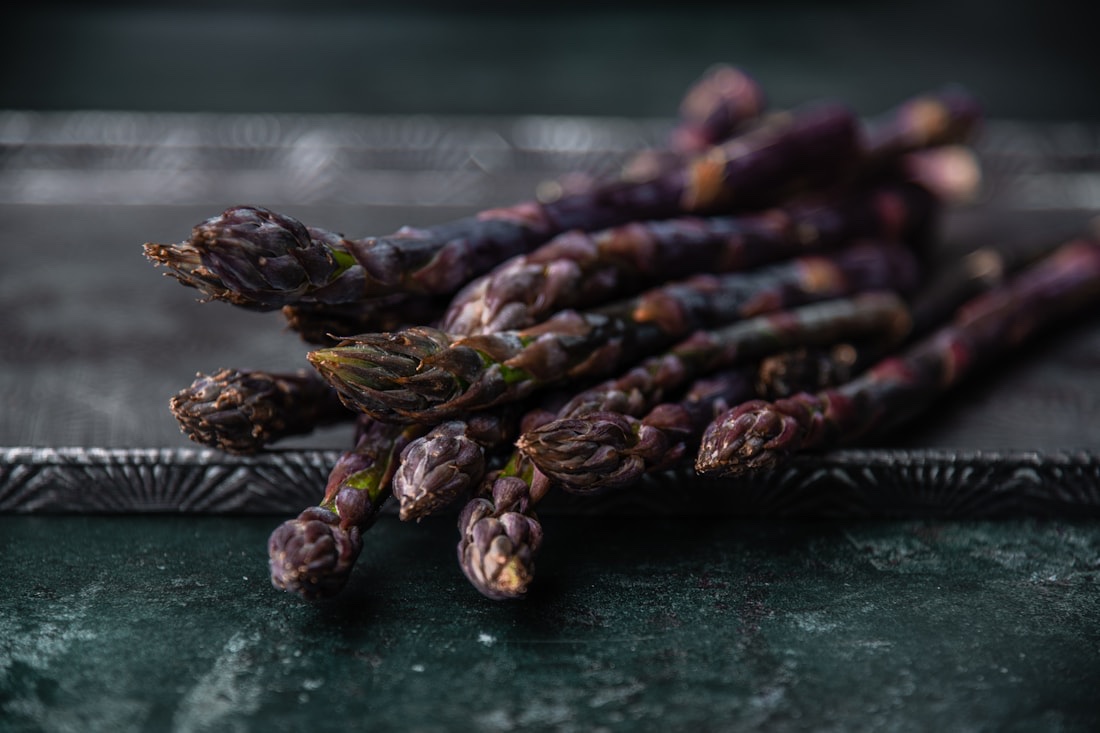
Reach for it when you feel run-down at the root — when the legs and lower back feel weak, when stamina has thinned out, when the inner furnace has gone quiet and you want it back. Cistanche and he-shou-wu are among the most prized warming-root tonics ever used; cordyceps is the high-mountain fungus that strong-lunged endurance has long been built on; eucommia is the bark reached for to support a strong frame and steady back; and red asparagus root anchors the blend at the body's deep core. Together they don't whip you up — they bank the fire so it burns long and even.
We frame Sun honestly: it nourishes the body's own systems and supports the structure and function of your natural vitality. It is food for your fire. This product is not intended to diagnose, treat, cure, or prevent any disease.
What it supports in the body
The body systems the herbs in this formula are traditionally understood to nourish — resolved through our knowledge graph, where the classical record and modern biology are read together. Structure and function, never a claim of treatment.
Where measure & tradition agree
Systems this blend’s herbs are measured to engage in human binding data — and traditionally named for, independently. The number is how many herbs in the blend converge there. Two evidence systems arriving at the same place, separately, is our highest standard. See the research →
For People
Small-batch. Dual-extracted where it matters. Made by hand.
How to take it
1/4 tsp (up to 1 tsp) of extract powder in hot water, tea, coffee, a smoothie, or food, once daily. Begin with light doses — our extracts are very potent.
Whole plant, never isolated
Concentrated extracts of the whole botanical — the way the body recognizes it.
Cited to measured biology
Every action we describe traces to the compound and its measured target.
Structure & function
We describe what an herb nourishes — never a claim to treat disease.
Secure checkout
Encrypted payment and human verification on every order.
- Free shipping over $150USPS Priority, tracked. $15 standard; ships in 1–3 business days.
- 30-day returnsIn original packaging and resalable condition. Refunded to your original payment method.
What you get
What this formula gives you
Supports warming drive and a steady inner fire — the yang current, for any body that wants to cultivate it
Nourishes deep stamina and endurance reserves, so energy lasts rather than spikes and crashes
Supports the body's structural strength — a strong back, sturdy legs, a steady frame
Fortifies the body's deep root and core vitality, the reserves the lineage calls jing
A grounded, convergent blend of revered warming tonics that all point at the same current
Structure-and-function nourishment for your own systems — never a stimulant
How it works
The science of Drive
Not buzzwords — the actual biology of the plants in this formula: their compounds, the targets those compounds are measured to engage, and the systems they nourish.
Sun's botanicals converge, by both tradition and measured biology, on the same body systems — the Kidney-yang axis of the classical texts: deep reserve, structural strength, and warming drive. In our herbal genome we map cistanche, red asparagus root, and he-shou-wu to the Kidney and core-vitality system, eucommia to the skeletal and structural frame, and cordyceps to the stamina-and-breath reserve. Herbs all pointing at one current is what makes a formula coherent rather than a pile of ingredients.
At the molecular level these are some of the most studied warming roots in the world. Cistanche carries echinacoside and acteoside (verbascoside) — phenylethanoid glycosides confirmed by chemical identity in public compound databases and long associated with deep tonification. He-shou-wu is defined by its signature stilbene-glucoside (THSG) and by emodin, a compound measured to interact with real cellular kinases and phosphatases. Eucommia is rich in chlorogenic acid, an extensively characterized polyphenol; cordyceps contributes cordycepin, a nucleoside measured to engage adenosine-receptor and DNA-repair enzyme targets; and red asparagus root brings quercetin, one of the best-mapped plant flavonoids in existence. We name these because the chemistry is real and traceable — not to assert a drug effect.
What this means in plain terms: Sun is a structure-and-function formula. It supplies the body with botanical building blocks — phenylethanoids, stilbenes, polyphenols, nucleosides, flavonoids — that the body's own systems recognize and put to use in support of warmth, stamina, and structural strength. The intelligence lives in the plant; our work is to deliver it potently and let the body do what it already knows how to do. We describe what these herbs support, never what they treat.
The molecules, measured
A formula is a community of compounds. Below are active molecules from the herbs in this blend and the proteins each is measured to engage — the precise points where the plants meet biology. So you see not just that it works, but how.
Cistanche deserticola
Echinacoside
PubChem ↗Measured to act on
The enzyme that makes melanin, the pigment that gives skin and hair their color.
Acteoside / Verbascoside
PubChem ↗Measured to act on
An enzyme in brain cells that cuts certain membrane proteins as part of normal cellular processing.
An enzyme that processes the amino acid arginine, governing nitrogen handling within cells.
A signaling enzyme that relays messages inside cells, influencing growth and communication.
Cordyceps militaris
Cordycepin (3'-deoxyadenosine)
PubChem ↗Measured in the lab: binds to Adenosine receptor A1 · Ki 7.12 µM
Measured to act on
A receptor for adenosine that helps calm cellular activity and signaling.
A repair enzyme that clears certain damage points so DNA can be mended.
Pentostatin (2'-deoxycoformycin)
PubChem ↗Measured in the lab: binds very tightly to Adenosine deaminase · Ki 1 nM
Measured to act on
An enzyme that breaks down adenosine, part of how cells recycle their building blocks.
Eucommia ulmoides
Chlorogenic acid
PubChem ↗Measured in the lab: binds very tightly to Tyrosine-protein phosphatase non-receptor type 1 · IC50 100 nM
Measured to act on
An enzyme that dials down insulin and growth signaling by removing phosphate tags.
An enzyme that converts glucose into sorbitol as part of cellular sugar handling.
Quercetin
PubChem ↗Measured in the lab: binds very tightly to Amine oxidase [flavin-containing] A · IC50 10 nM
Measured to act on
A structural protein that stabilizes the internal scaffolding of nerve cells.
A liver-type enzyme that processes hormones and environmental compounds.
An enzyme that breaks down messenger chemicals like serotonin in the nervous system.
Asparagus officinalis (red variety)
Quercetin
PubChem ↗Measured in the lab: binds very tightly to Amine oxidase [flavin-containing] A · IC50 10 nM
Measured to act on
A liver-family enzyme that helps the body break down compounds, including hormones and environmental substances.
An enzyme involved in breaking down fatty acids for energy inside the cell's mitochondria.
A signaling enzyme involved in cell survival and growth.
Kaempferol
PubChem ↗Measured in the lab: binds very tightly to Carbonic anhydrase 7 · Ki 25 nM
Measured to act on
An enzyme that helps convert and balance active sex-hormone levels in tissues.
A liver enzyme that processes caffeine and many other compounds the body takes in.
A liver and lung enzyme that helps the body process and clear certain compounds.
Polygonum multiflorum
Emodin
PubChem ↗Measured in the lab: binds tightly to Proteasome subunit beta type-1 · IC50 240 nM
Measured to act on
A constantly active signaling enzyme involved in cell growth and stress responses.
A regulatory enzyme that removes phosphate tags involved in cell signaling and movement.
An enzyme that converts glucose into sorbitol as part of cellular sugar handling.
Physcion (Parietin)
PubChem ↗Measured in the lab: binds to Neutrophil elastase · IC50 6.2 µM
Measured to act on
An enzyme released by immune cells that helps break down debris during the inflammatory response.
An enzyme that helps keep cells in antioxidant balance against oxidative stress.
An antioxidant enzyme that protects the cell's energy factories from oxidative stress.
Cited science · not claims
Everything we publish about these plants traces to a primary source — the compounds to PubChem, ChEMBL, and BindingDB, the traditional uses to named, dated herbals. We describe what a plant is and what it is understood to nourish — the body’s own systems, structure and function only. We do not claim it treats, cures, or prevents any disease, and nothing here is a substitute for professional care. See our method & sources →
These statements have not been evaluated by the Food and Drug Administration. Not intended to diagnose, treat, cure, or prevent any disease.
Why these herbs together
The shared mechanism
A formula is not a pile of herbs — it is herbs whose actions meet. Below are the molecular targets that more than one plant in this blend is measured to engage. Where they converge is the blend's reason to exist.
Cistanche · Red Asparagus
Eucommia · He Shou Wu (Fo-Ti)
Red Asparagus · He Shou Wu (Fo-Ti)
Each convergence is a gene whose protein two or more of this formula’s herbs are measured to engage (PubChem BioAssay & ChEMBL). It describes characterized molecular activity and the protein’s normal role — structure and function only, never a claim to treat, cure, or prevent any disease.
Whole plant vs. the isolated molecule
Pharma isolates one molecule. Sun is the whole fire, characterized to the molecule.
Pharma isolates one molecule to hit one receptor. Sun is the opposite instinct: five revered warming roots and a fungal tonic — cistanche, cordyceps, eucommia, red asparagus root, and he-shou-wu — delivered whole, then characterized down to the molecule. Their phenylethanoids, stilbenes, polyphenols, and nucleosides are not a single key for a single lock. In our herbal genome, eucommia and he-shou-wu both engage AKR1B1, an enzyme that converts glucose into sorbitol in normal sugar handling, while cordyceps and he-shou-wu both touch TP53, the genome's guardian overseeing cellular repair and quality control — convergence by nature, not by design. In the East Asian lineage these are the classic tonics of the yang current; the Galenic warm-and-dry temperament and Ayurvedic agni name the same kindling fire. This is food for that fire — the whole plant, transparent and cited, built to nourish the body's own structure and function rather than suppress a single point.
Every molecule and target named here is cited from our own genome data (PubChem BioAssay, BindingDB, ChEMBL). Structure and function only — a description of characterized chemistry and tradition, never a claim to treat, cure, or prevent any disease.
In practice
Who it’s for, and how to use it
Who it’s for
For any body that wants to cultivate the yang current — warmth, drive, stamina, and structural strength. Reach for Sun when you feel depleted at the root, when the lower back and legs feel weak, when stamina has thinned and the inner furnace has gone quiet, or when you simply want to build warming vitality you can rely on. It is a tonic to grow into daily, not a quick lift. (This is a yang/warming current available to anyone — it is not for one sex, and it is not a medical or hormonal claim.)
How to use it
Take 1/4 tsp (up to 1 tsp) of the extract powder once daily, stirred into hot water, tea, coffee, a smoothie, or food. Our extracts are very potent, so begin with a light dose and let your body set the pace — these are warming, building tonics meant to be taken steadily over time, where the benefit compounds with consistency rather than intensity. Many find the morning or early afternoon the most natural time to take Sun, when its warming current matches the rhythm of the day.
Measure · 1/4 tsp (up to 1 tsp) of extract powder in hot water, tea, coffee, a smoothie, or food, once daily. Begin with light doses — our extracts are very potent.
What’s inside
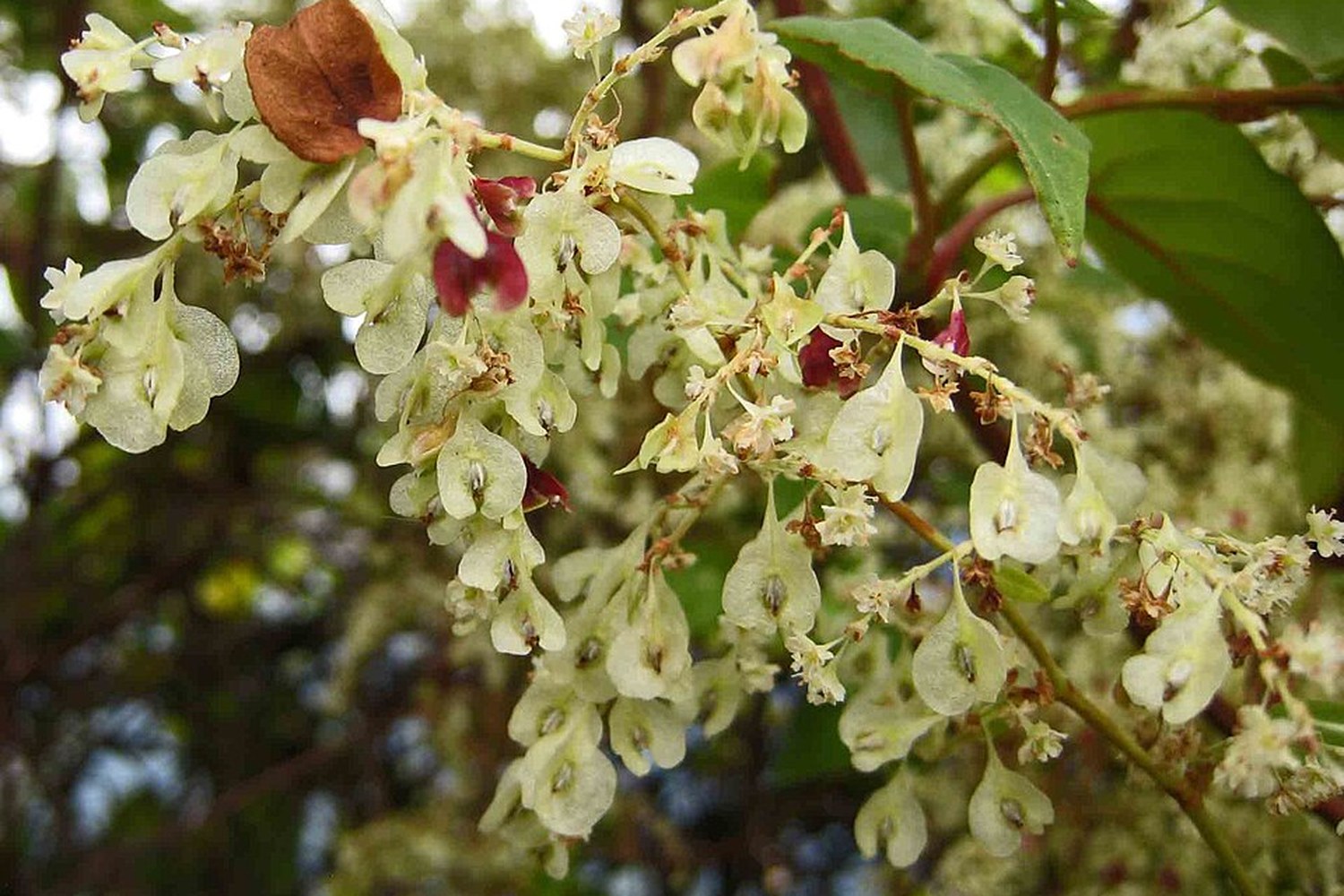
Inside: cistanche, cordyceps, eucommia, red asparagus root, and he-shou-wu — the most honored warming tonics in the botanical world, as a concentrated full-spectrum extract powder. 1 oz / 12 g. The most pristine herbs on earth.
These statements have not been evaluated by the Food and Drug Administration. This product is not intended to diagnose, treat, cure, or prevent any disease. Introduce one formula at a time and notice how the body responds; if you are pregnant, nursing, or on a prescription, know the interaction before you begin.
Pairs well with
Formulas that share Drive's botanicals
Built from overlapping herbs, these reinforce Drive along the same lines — the shared-botanical kinship our genome engine maps.