For People
Flexibility
Mobility and range — warm, supple tendons and an easy range of motion.
Flexibility is not the same problem as joint health, and treating it as one is why so much stretching accomplishes so little. Range of motion is governed as much by whether tissue is warm and willing as by whether it is long. A cold, guarded body will not lengthen no matter how patiently you pull on it.
This blend works on the willing part. It is warming and it is calming at the same time — an unusual pairing, and the reason Albizia is here. The nervous system decides how much range it is prepared to permit, and a system that is braced will hold tissue short as a protective measure regardless of how much mobility work you do.
Take it daily, or ahead of mobility work. It pairs naturally with Joints, which addresses the structural side of the same territory from the other direction.
What it supports in the body
The body systems the herbs in this formula are traditionally understood to nourish — resolved through our knowledge graph, where the classical record and modern biology are read together. Structure and function, never a claim of treatment.
Where measure & tradition agree
Systems this blend’s herbs are measured to engage in human binding data — and traditionally named for, independently. The number is how many herbs in the blend converge there. Two evidence systems arriving at the same place, separately, is our highest standard. See the research →
For People
Small-batch. Dual-extracted where it matters. Made by hand.
How to take it
1/4 tsp (up to 1 tsp) of extract powder in hot water, tea, coffee, a smoothie, or food, once daily. Begin with light doses — our extracts are very potent.
Whole plant, never isolated
Concentrated extracts of the whole botanical — the way the body recognizes it.
Cited to measured biology
Every action we describe traces to the compound and its measured target.
Structure & function
We describe what an herb nourishes — never a claim to treat disease.
Secure checkout
Encrypted payment and human verification on every order.
- Free shipping over $150USPS Priority, tracked. $15 standard; ships in 1–3 business days.
- 30-day returnsIn original packaging and resalable condition. Refunded to your original payment method.
What you get
What this formula gives you
Supports warmth and willingness in tissue, not merely length
Bridges the nervous and musculoskeletal systems — range is permitted, not forced
Supports the inflammatory balance around mobility work
Pairs with Joints, which addresses the same territory structurally
How it works
The science of Flexibility
Not buzzwords — the actual biology of the plants in this formula: their compounds, the targets those compounds are measured to engage, and the systems they nourish.
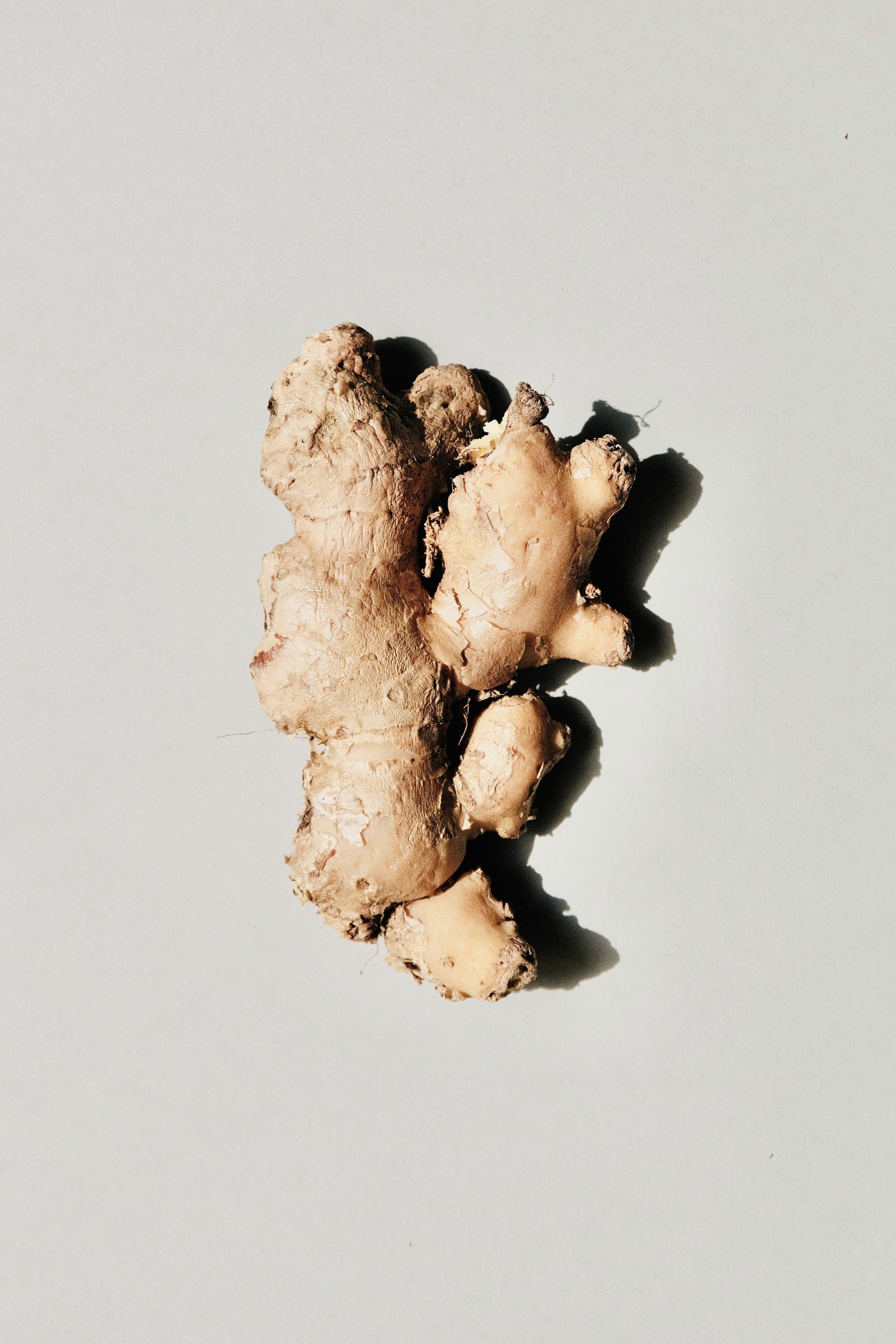
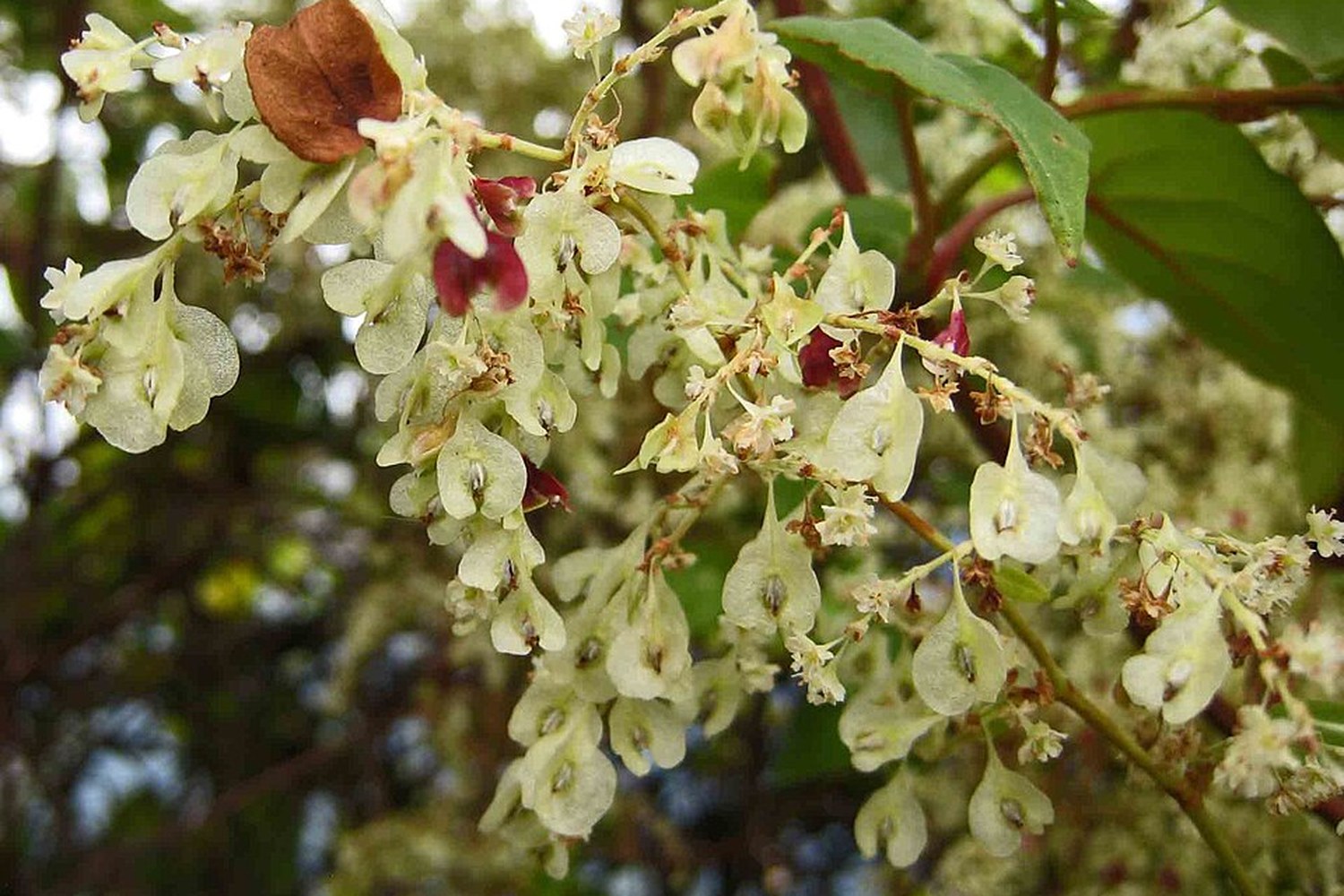
Zingiber officinale supplies the warmth: 6-gingerol, 6-shogaol and zingerone, the pungent principles long used to move blood into cold, guarded tissue. Eucommia ulmoides brings the elastic sinew-and-bone bark with chlorogenic acid, quercetin and rutin, and Polygonum multiflorum the deep-reserve stilbene THSG.
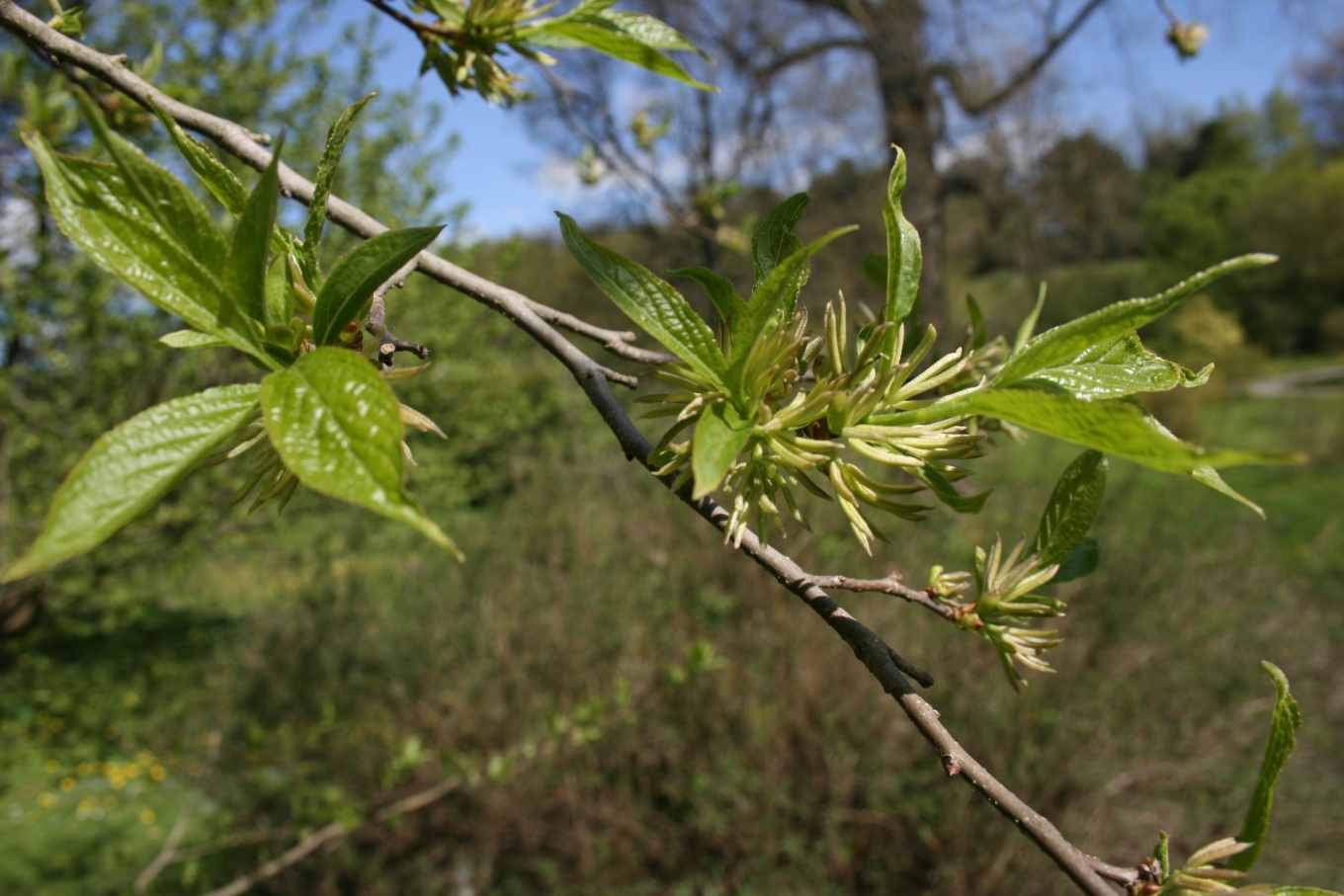
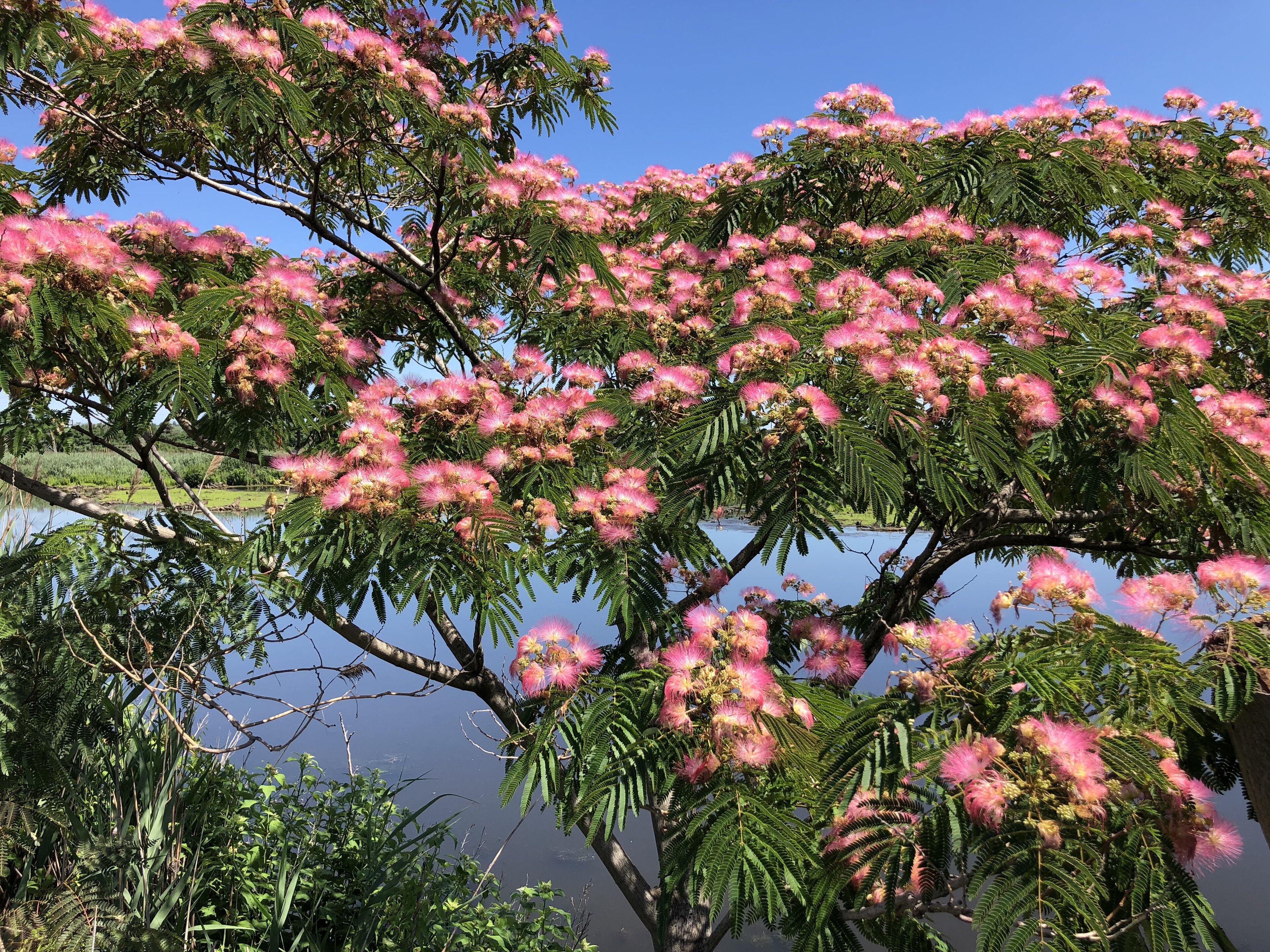
Albizia julibrissin is the distinguishing plant and the reason this blend is not simply a subset of Joints. Known in the classical tradition as the tree of collective happiness, its bark and flower carry quercetin, kaempferol and myricetin, and in our organ mapping its recorded systems span both Nervous and Musculoskeletal — which is precisely the bridge this formula is built on. The four converge on fourteen shared measured targets, the widest overlap in the line: both cholinesterases ACHE and BCHE, the prostaglandin synthases PTGS1 and PTGS2, the lipoxygenase ALOX5, the serotonin receptor HTR1A, and the microtubule protein MAPT among them — a footprint that crosses the inflammatory and the neurological, which is what a formula about permitted range should look like.
The molecules, measured
A formula is a community of compounds. Below are active molecules from the herbs in this blend and the proteins each is measured to engage — the precise points where the plants meet biology. So you see not just that it works, but how.
Eucommia ulmoides
Chlorogenic acid
PubChem ↗Measured in the lab: binds very tightly to Tyrosine-protein phosphatase non-receptor type 1 · IC50 100 nM
Measured to act on
An enzyme that dials down insulin and growth signaling by removing phosphate tags.
An enzyme that converts glucose into sorbitol as part of cellular sugar handling.
Quercetin
PubChem ↗Measured in the lab: binds very tightly to Amine oxidase [flavin-containing] A · IC50 10 nM
Measured to act on
A structural protein that stabilizes the internal scaffolding of nerve cells.
A liver-type enzyme that processes hormones and environmental compounds.
An enzyme that breaks down messenger chemicals like serotonin in the nervous system.
Zingiber officinale
6-Gingerol
PubChem ↗Measured in the lab: binds to Transient receptor potential cation channel subfamily V member 1 · EC50 3.3 µM
Measured to act on
A major liver enzyme that processes a wide range of compounds the body takes in.
A repair enzyme that resolves certain DNA damage so the strand can be restored.
A liver enzyme that helps break down and process many compounds and natural substances.
6-Shogaol
PubChem ↗Measured in the lab: binds to Cytochrome P450 1A2 · IC50 2.5 µM
Measured to act on
A major liver enzyme that processes a wide range of compounds the body takes in.
A liver enzyme that processes many compounds, including some the body forms naturally.
A nerve-ending sensor that responds to heat and to the pungency of chili pepper compounds.
Polygonum multiflorum
Emodin
PubChem ↗Measured in the lab: binds tightly to Proteasome subunit beta type-1 · IC50 240 nM
Measured to act on
A constantly active signaling enzyme involved in cell growth and stress responses.
A regulatory enzyme that removes phosphate tags involved in cell signaling and movement.
An enzyme that converts glucose into sorbitol as part of cellular sugar handling.
Physcion (Parietin)
PubChem ↗Measured in the lab: binds to Neutrophil elastase · IC50 6.2 µM
Measured to act on
An enzyme released by immune cells that helps break down debris during the inflammatory response.
An enzyme that helps keep cells in antioxidant balance against oxidative stress.
An antioxidant enzyme that protects the cell's energy factories from oxidative stress.
Albizia julibrissin
Quercetin
PubChem ↗Measured in the lab: binds very tightly to Amine oxidase [flavin-containing] A · IC50 10 nM
Measured to act on
A protein that stabilizes the internal tracks neurons use to transport materials along their length.
An enzyme that converts excess glucose into sorbitol, part of normal sugar metabolism.
A liver-family enzyme that helps the body break down compounds, including hormones and environmental substances.
Kaempferol
PubChem ↗Measured in the lab: binds very tightly to Carbonic anhydrase 7 · Ki 25 nM
Measured to act on
A major liver enzyme that processes a wide range of compounds the body takes in.
A liver enzyme that helps break down and process many compounds and natural substances.
An enzyme that trims small signaling peptides, part of how the body regulates blood-sugar hormones.
Cited science · not claims
Everything we publish about these plants traces to a primary source — the compounds to PubChem, ChEMBL, and BindingDB, the traditional uses to named, dated herbals. We describe what a plant is and what it is understood to nourish — the body’s own systems, structure and function only. We do not claim it treats, cures, or prevents any disease, and nothing here is a substitute for professional care. See our method & sources →
These statements have not been evaluated by the Food and Drug Administration. Not intended to diagnose, treat, cure, or prevent any disease.
Why these herbs together
The shared mechanism
A formula is not a pile of herbs — it is herbs whose actions meet. Below are the molecular targets that more than one plant in this blend is measured to engage. Where they converge is the blend's reason to exist.
Eucommia · Albizia
Eucommia · He Shou Wu (Fo-Ti)
Eucommia · Albizia
Ginger · Albizia
Ginger · Albizia
He Shou Wu (Fo-Ti) · Albizia
He Shou Wu (Fo-Ti) · Albizia
Each convergence is a gene whose protein two or more of this formula’s herbs are measured to engage (PubChem BioAssay & ChEMBL). It describes characterized molecular activity and the protein’s normal role — structure and function only, never a claim to treat, cure, or prevent any disease.
In practice
Who it’s for, and how to use it
Who it’s for
For anyone whose range is limited by guarding rather than by structure — people who stretch diligently and gain little, athletes who move well warm and badly cold, and anyone whose body braces before it lengthens.
How to use it
1/4 tsp (up to 1 tsp) in hot water, tea, coffee, a smoothie, or food, once daily or ahead of mobility work. Begin with light doses — our extracts are very potent.
Measure · 1/4 tsp (up to 1 tsp) of extract powder in hot water, tea, coffee, a smoothie, or food, once daily. Begin with light doses — our extracts are very potent.
What’s inside
Eucommia, Ginger, He Shou Wu and Albizia — whole-plant extracts in equal parts.
These statements have not been evaluated by the Food and Drug Administration. This product is not intended to diagnose, treat, cure, or prevent any disease. Introduce one formula at a time and notice how the body responds; if you are pregnant, nursing, or on a prescription, know the interaction before you begin.
Pairs well with
Formulas that share Flexibility's botanicals
Built from overlapping herbs, these reinforce Flexibility along the same lines — the shared-botanical kinship our genome engine maps.