
For People
Joints
Tendon, ligament and bone — for the joints that take the impact.
Muscle adapts quickly. Connective tissue does not. That mismatch is the single most common reason a training block ends badly: the engine gets stronger faster than the chassis, and something in the chassis gives. Joints is the formula for the slower tissue.
Tendon, ligament and bone are poorly vascularized by design — they are built for tension, not for traffic — which is why they remodel on a timescale of months rather than days, and why supporting them is a daily practice rather than a pre-session one. This blend is built around the classical tendon-and-bone roots, the plants the old framework assigns to the kidney system, which in that framework governs bone, marrow and the deep structural reserve.
Take it daily, especially through the phases when load is climbing. The tissue you are supporting will not tell you it is working. That is the nature of it — the absence of a problem is the result.
What it supports in the body
The body systems the herbs in this formula are traditionally understood to nourish — resolved through our knowledge graph, where the classical record and modern biology are read together. Structure and function, never a claim of treatment.
Where measure & tradition agree
Systems this blend’s herbs are measured to engage in human binding data — and traditionally named for, independently. The number is how many herbs in the blend converge there. Two evidence systems arriving at the same place, separately, is our highest standard. See the research →
For People
Small-batch. Dual-extracted where it matters. Made by hand.
How to take it
1/4 tsp (up to 1 tsp) of extract powder in hot water, tea, coffee, a smoothie, or food, once daily. Begin with light doses — our extracts are very potent.
Whole plant, never isolated
Concentrated extracts of the whole botanical — the way the body recognizes it.
Cited to measured biology
Every action we describe traces to the compound and its measured target.
Structure & function
We describe what an herb nourishes — never a claim to treat disease.
Secure checkout
Encrypted payment and human verification on every order.
- Free shipping over $150USPS Priority, tracked. $15 standard; ships in 1–3 business days.
- 30-day returnsIn original packaging and resalable condition. Refunded to your original payment method.
What you get
What this formula gives you
Supports the tendon, ligament and bone that adapt more slowly than muscle
Nourishes the classical kidney-system foundation governing bone and marrow
Supports circulation into tissue that is poorly vascularized by design
A daily practice — connective tissue remodels on a timescale of months
How it works
The science of Joints
Not buzzwords — the actual biology of the plants in this formula: their compounds, the targets those compounds are measured to engage, and the systems they nourish.
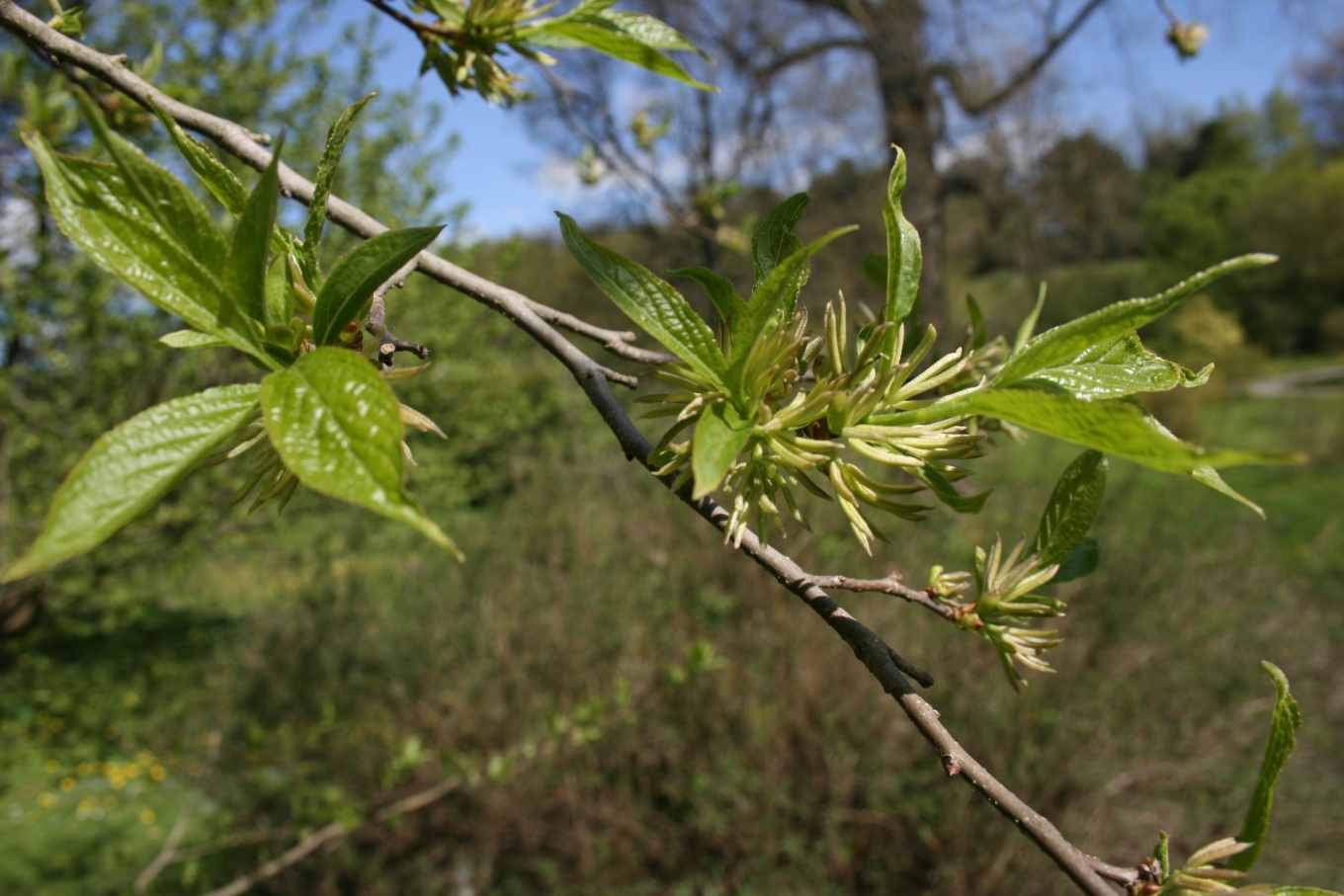
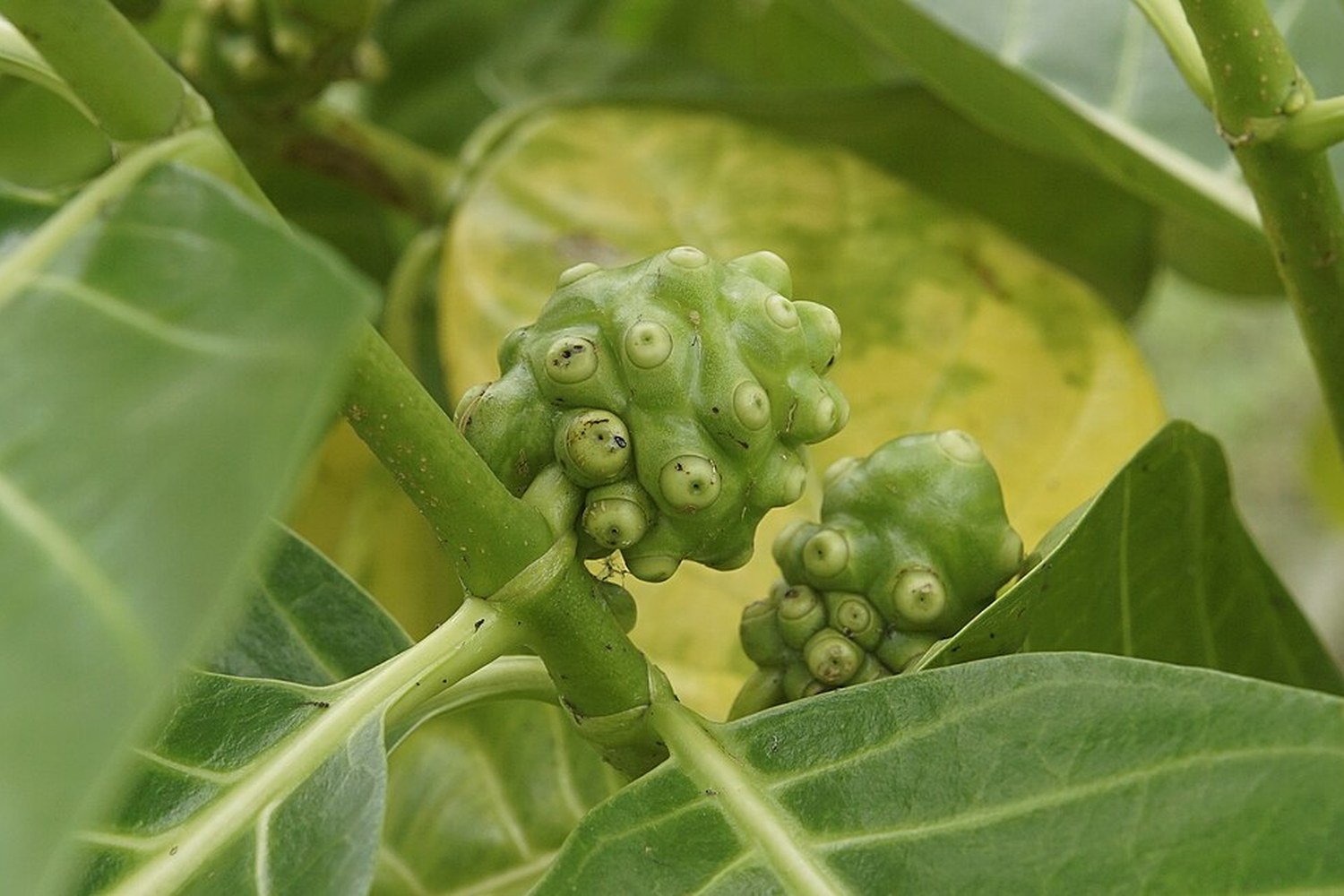
Eucommia ulmoides is the anchor and the reason this blend exists. It is the classical tendon-and-bone root, and its chlorogenic acid, quercetin and rutin sit alongside the gutta-percha latex that gives its bark the characteristic elastic threads. Morinda citrifolia adds scopoletin with quercetin and rutin; in our organ mapping its recorded systems include Musculoskeletal, and in the classical materia medica it belongs to the same kidney-yang, sinew-and-bone family.
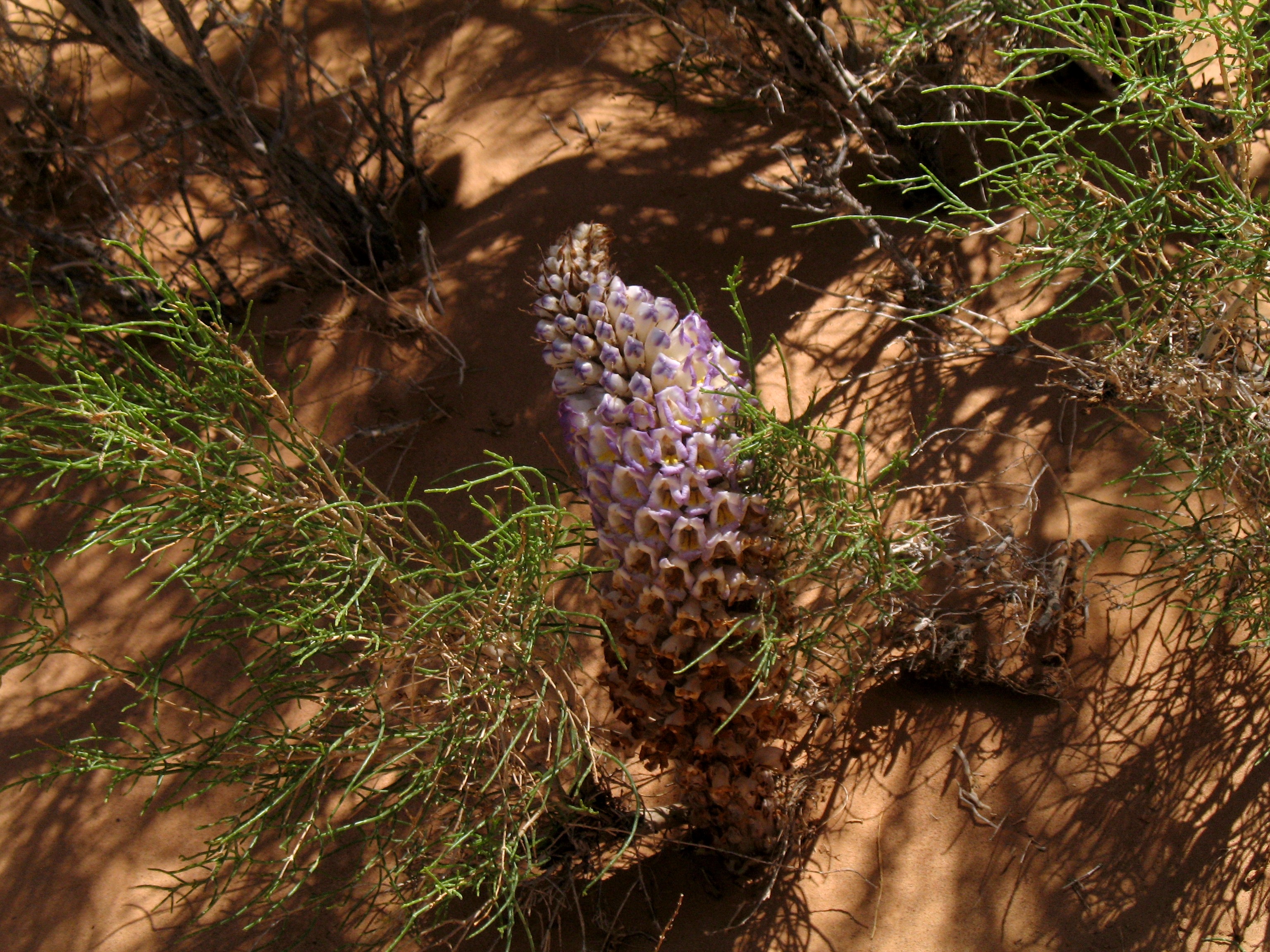
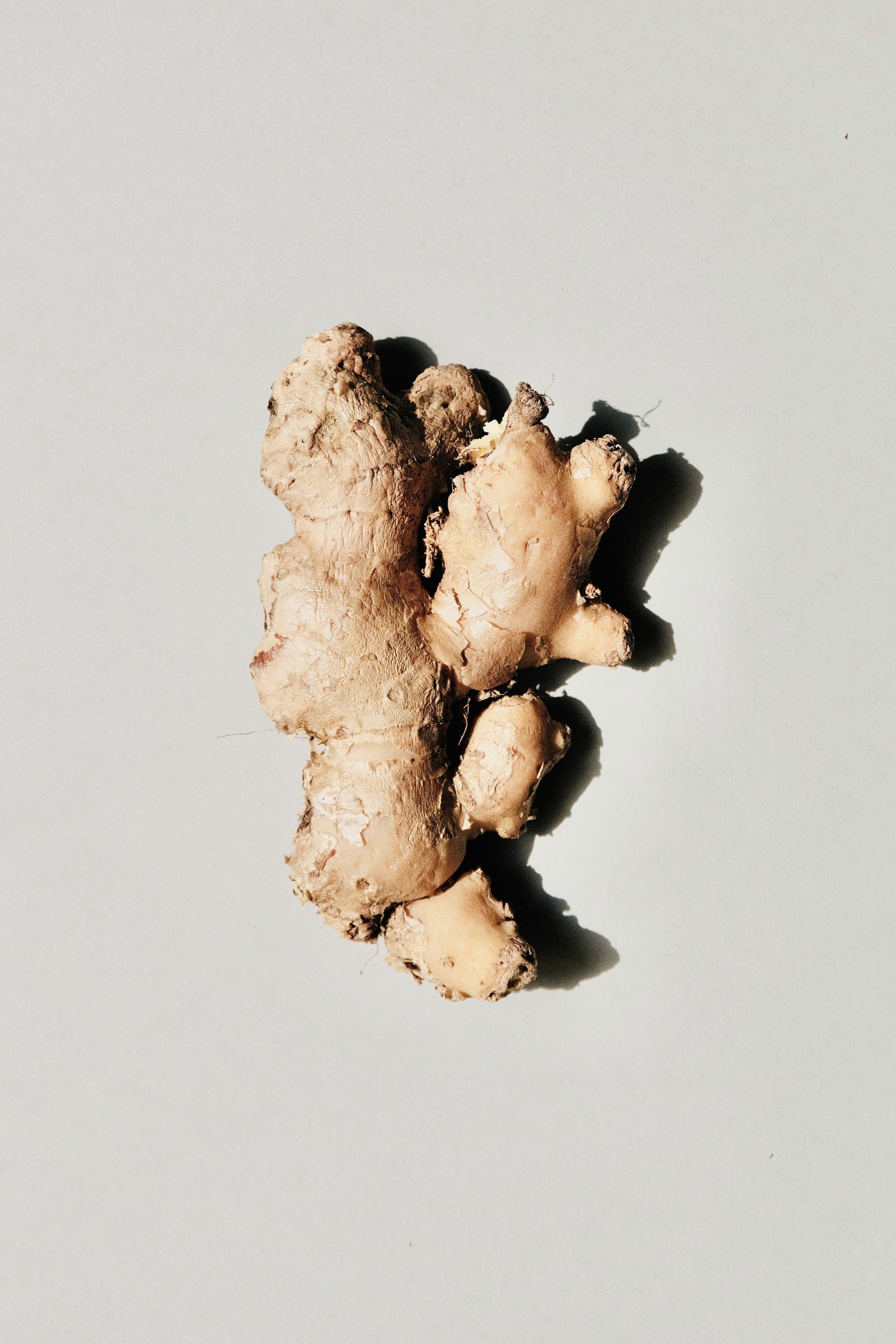
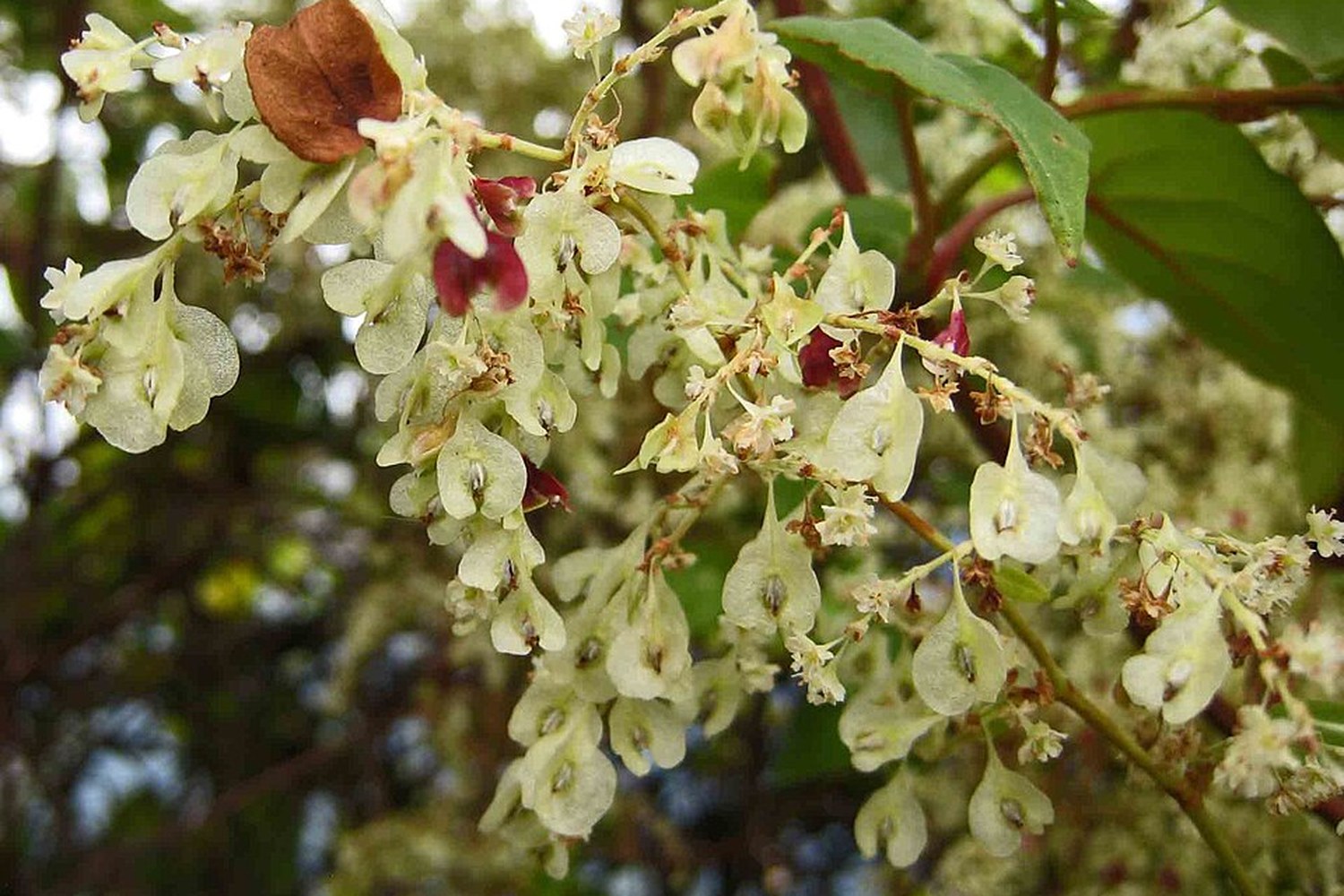
Cistanche deserticola contributes echinacoside and acteoside, the phenylethanoid glycosides of the desert yang tonic, and Polygonum multiflorum brings THSG, the stilbene glycoside of the deep-reserve root. Zingiber officinale is the circulatory warmth — 6-gingerol and 6-shogaol — because poorly vascularized tissue benefits from anything that helps blood reach it. The measured convergence across these five is the widest in the performance line: nine shared targets, including both cholinesterases ACHE and BCHE, the aldo-keto reductase AKR1B1, the phosphatase PTPN1, the aromatase CYP19A1, and xanthine dehydrogenase XDH — a broad footprint across the enzymes governing tissue metabolism and oxidative handling.
The molecules, measured
A formula is a community of compounds. Below are active molecules from the herbs in this blend and the proteins each is measured to engage — the precise points where the plants meet biology. So you see not just that it works, but how.
Eucommia ulmoides
Chlorogenic acid
PubChem ↗Measured in the lab: binds very tightly to Tyrosine-protein phosphatase non-receptor type 1 · IC50 100 nM
Measured to act on
An enzyme that dials down insulin and growth signaling by removing phosphate tags.
An enzyme that converts glucose into sorbitol as part of cellular sugar handling.
Quercetin
PubChem ↗Measured in the lab: binds very tightly to Amine oxidase [flavin-containing] A · IC50 10 nM
Measured to act on
A structural protein that stabilizes the internal scaffolding of nerve cells.
A liver-type enzyme that processes hormones and environmental compounds.
An enzyme that breaks down messenger chemicals like serotonin in the nervous system.
Cistanche deserticola
Echinacoside
PubChem ↗Measured to act on
The enzyme that makes melanin, the pigment that gives skin and hair their color.
Acteoside / Verbascoside
PubChem ↗Measured to act on
An enzyme in brain cells that cuts certain membrane proteins as part of normal cellular processing.
An enzyme that processes the amino acid arginine, governing nitrogen handling within cells.
A signaling enzyme that relays messages inside cells, influencing growth and communication.
Zingiber officinale
6-Gingerol
PubChem ↗Measured in the lab: binds to Transient receptor potential cation channel subfamily V member 1 · EC50 3.3 µM
Measured to act on
A major liver enzyme that processes a wide range of compounds the body takes in.
A repair enzyme that resolves certain DNA damage so the strand can be restored.
A liver enzyme that helps break down and process many compounds and natural substances.
6-Shogaol
PubChem ↗Measured in the lab: binds to Cytochrome P450 1A2 · IC50 2.5 µM
Measured to act on
A major liver enzyme that processes a wide range of compounds the body takes in.
A liver enzyme that processes many compounds, including some the body forms naturally.
A nerve-ending sensor that responds to heat and to the pungency of chili pepper compounds.
Polygonum multiflorum
Emodin
PubChem ↗Measured in the lab: binds tightly to Proteasome subunit beta type-1 · IC50 240 nM
Measured to act on
A constantly active signaling enzyme involved in cell growth and stress responses.
A regulatory enzyme that removes phosphate tags involved in cell signaling and movement.
An enzyme that converts glucose into sorbitol as part of cellular sugar handling.
Physcion (Parietin)
PubChem ↗Measured in the lab: binds to Neutrophil elastase · IC50 6.2 µM
Measured to act on
An enzyme released by immune cells that helps break down debris during the inflammatory response.
An enzyme that helps keep cells in antioxidant balance against oxidative stress.
An antioxidant enzyme that protects the cell's energy factories from oxidative stress.
Morinda citrifolia
Scopoletin
PubChem ↗Measured in the lab: binds tightly to Carbonic anhydrase 9 · Ki 960 nM
Measured to act on
An enzyme that helps cells balance acidity by managing carbon dioxide.
Quercetin
PubChem ↗Measured in the lab: binds very tightly to Amine oxidase [flavin-containing] A · IC50 10 nM
Measured to act on
An enzyme that breaks down messenger chemicals like serotonin in the nervous system.
The enzyme that converts androgens into estrogen, the body main estrogen source.
An enzyme that converts glucose into sorbitol as part of cellular sugar handling.
Cited science · not claims
Everything we publish about these plants traces to a primary source — the compounds to PubChem, ChEMBL, and BindingDB, the traditional uses to named, dated herbals. We describe what a plant is and what it is understood to nourish — the body’s own systems, structure and function only. We do not claim it treats, cures, or prevents any disease, and nothing here is a substitute for professional care. See our method & sources →
These statements have not been evaluated by the Food and Drug Administration. Not intended to diagnose, treat, cure, or prevent any disease.
Why these herbs together
The shared mechanism
A formula is not a pile of herbs — it is herbs whose actions meet. Below are the molecular targets that more than one plant in this blend is measured to engage. Where they converge is the blend's reason to exist.
Eucommia · Morinda
Eucommia · He Shou Wu (Fo-Ti)
Eucommia · Morinda
Ginger · Morinda
Ginger · Morinda
He Shou Wu (Fo-Ti) · Morinda
He Shou Wu (Fo-Ti) · Morinda
Each convergence is a gene whose protein two or more of this formula’s herbs are measured to engage (PubChem BioAssay & ChEMBL). It describes characterized molecular activity and the protein’s normal role — structure and function only, never a claim to treat, cure, or prevent any disease.
In practice
Who it’s for, and how to use it
Who it’s for
For anyone whose load is climbing faster than their joints are adapting — lifters adding weight, runners adding mileage, athletes returning to volume, and anyone who has learned that the chassis fails before the engine.
How to use it
1/4 tsp (up to 1 tsp) in hot water, tea, coffee, a smoothie, or food, once daily. Begin with light doses — our extracts are very potent.
Measure · 1/4 tsp (up to 1 tsp) of extract powder in hot water, tea, coffee, a smoothie, or food, once daily. Begin with light doses — our extracts are very potent.
What’s inside
Eucommia, Cistanche, Ginger, He Shou Wu and Morinda — whole-plant extracts in equal parts.
These statements have not been evaluated by the Food and Drug Administration. This product is not intended to diagnose, treat, cure, or prevent any disease. Introduce one formula at a time and notice how the body responds; if you are pregnant, nursing, or on a prescription, know the interaction before you begin.
Pairs well with
Formulas that share Joints's botanicals
Built from overlapping herbs, these reinforce Joints along the same lines — the shared-botanical kinship our genome engine maps.