
For Plants
Stem Strength
Standing strength from the ground up — silica and mineral structure for stems that hold their shape and a frame that carries the load.
Temper is a structural feed for the plants you tend. Where a plant has the energy to grow but not the rigidity to hold itself up — soft stems, drooping branches, a frame that bends under its own canopy or leans in the wind — Temper builds the standing strength that lets the plant stand tall and carry its own weight. It works on the architecture of the plant: the cell walls, the stem, the frame that everything else hangs on.
Reach for it when you want a sturdier, more self-supporting plant. A frame strengthened with silica and minerals holds its posture through heavy fruit, fast growth, wind, and handling. Stems thicken and stiffen, leaves sit more erect, and the whole plant carries itself with the kind of upright vigor that stands tall through a long, demanding season. This is the difference between a plant that flops and one that stands.
Temper is a mineral formula, not a feeding one — it brings structure, not nitrogen. It pairs naturally with your regular nutrition: feed the plant for growth, and let Temper give that growth a frame worth building on. Used as a light foliar mist or a monthly soil drench, it becomes part of the rhythm of a season, laying down strength feeding by feeding rather than all at once.
It belongs to the GGG Plants line — the same lineage of plant-tending wisdom we carry across people, plants, and pets. A grounded, three-part mineral blend, kept simple on purpose: silica-rich clays and a mineral-dense sea plant, working toward the single outcome of a plant that holds.
The botanical chemistry inside
The characterized plant compounds in this blend, documented in phytochemical research. Offered as botanical nutrition for the plant's own vigor and resilience — chemistry and tradition, nothing beyond the plant's own conditioning.
For Plants
Small-batch. Dual-extracted where it matters. Made by hand.
How to apply
Foliar feed at the lighter rate, or soil drench at the fuller rate, about once a month or every other feeding.
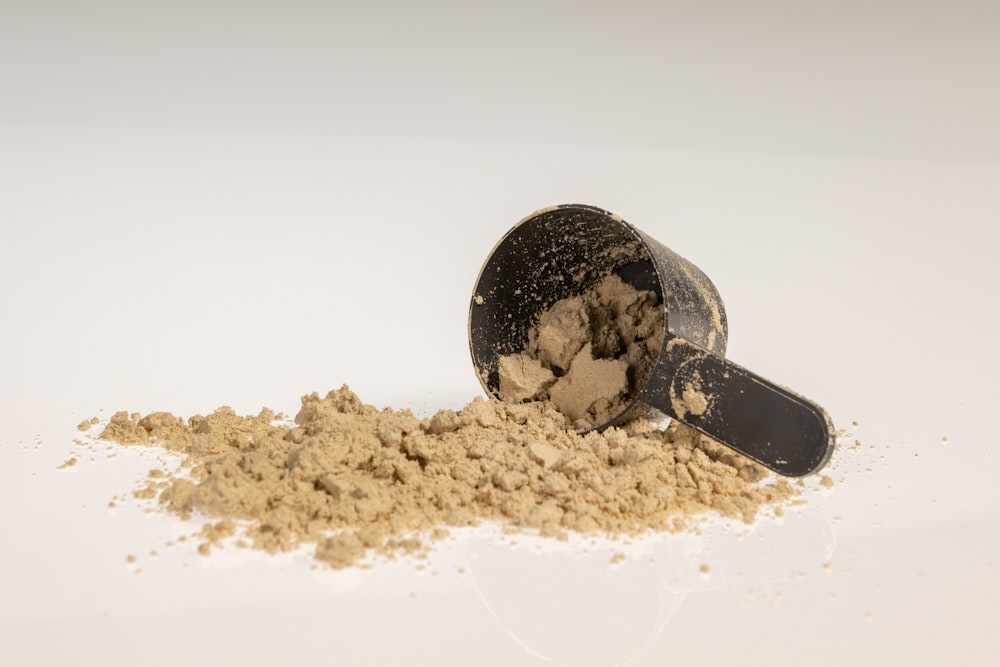
Raw powders are for soil drenching only — they do not fully dissolve, so they are not suitable for foliar spraying.
For growers who want sturdier, self-supporting plants — anyone tending crops, fruiting plants, or fast growers that tend toward soft, leaning, or floppy stems. Best for the gardener who already feeds for growth and now wants to give that growth a frame that holds. A structural mineral feed for the plant kingdom only.
Whole plant, never isolated
Concentrated extracts of the whole botanical — the way the body recognizes it.
Cited to measured biology
Every action we describe traces to the compound and its measured target.
Structure & function
We describe what an herb nourishes — never a claim to treat disease.
Secure checkout
Encrypted payment and human verification on every order.
- Free shipping over $150USPS Priority, tracked. $15 standard; ships in 1–3 business days.
- 30-day returnsIn original packaging and resalable condition. Refunded to your original payment method.
What you get
What this formula gives you
Sturdier, thicker stems that hold their shape and resist bending under load
Stronger structural architecture — silica reinforcing cell walls and the plant's standing frame
Greater standing strength and upright posture through heavy growth, fruit, and wind
A steadier mineral supply in the root zone, with clay holding nutrients available to the plant
Marine trace minerals supplying the raw building blocks for vigorous tissue
A simple, grounded monthly addition that builds frame strength across a whole season
How it works
The science of Stem Strength
Not buzzwords — the actual chemistry of the plants in this formula: their characterized compounds and the proteins those compounds are measured to engage, every one cited.
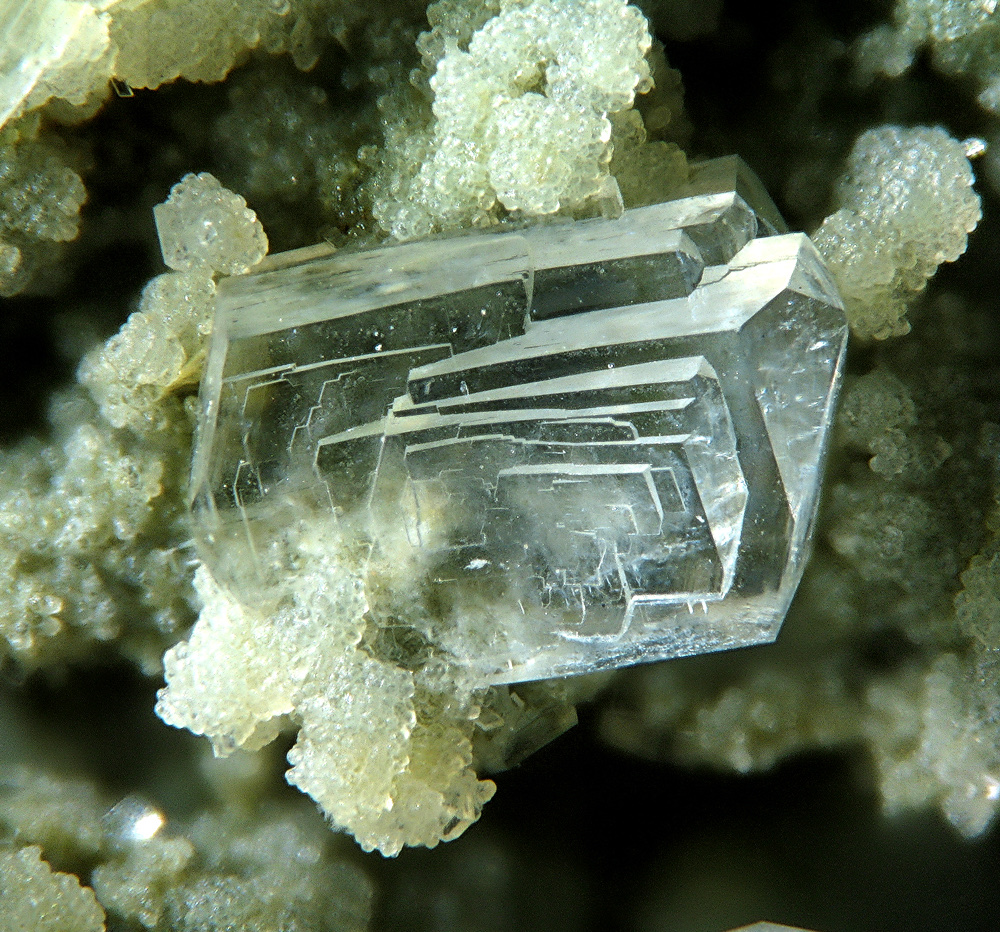
Temper is built on plant-available silica. Both clay minerals in the blend — zeolite and bentonite — are aluminosilicates, mineral lattices whose backbone is silicon dioxide (silica). Silica is the element plants draw on to stiffen and reinforce their tissue: it deposits in and around the cell walls, lending the structural rigidity that translates into thicker, more upright stems and a sturdier standing frame. This is a structural contribution to the plant's architecture, the mineral scaffolding growth is laid upon.
The clays do a second job: cation exchange. Zeolite and bentonite (montmorillonite) carry a high cation-exchange capacity — a charged mineral surface that holds and trades positively charged nutrients in the root zone, buffering the soil so minerals stay available to the plant rather than washing past. It is the same surface chemistry that has made these clays trusted soil amendments across traditions: a mineral sponge that steadies the ground a plant grows in.
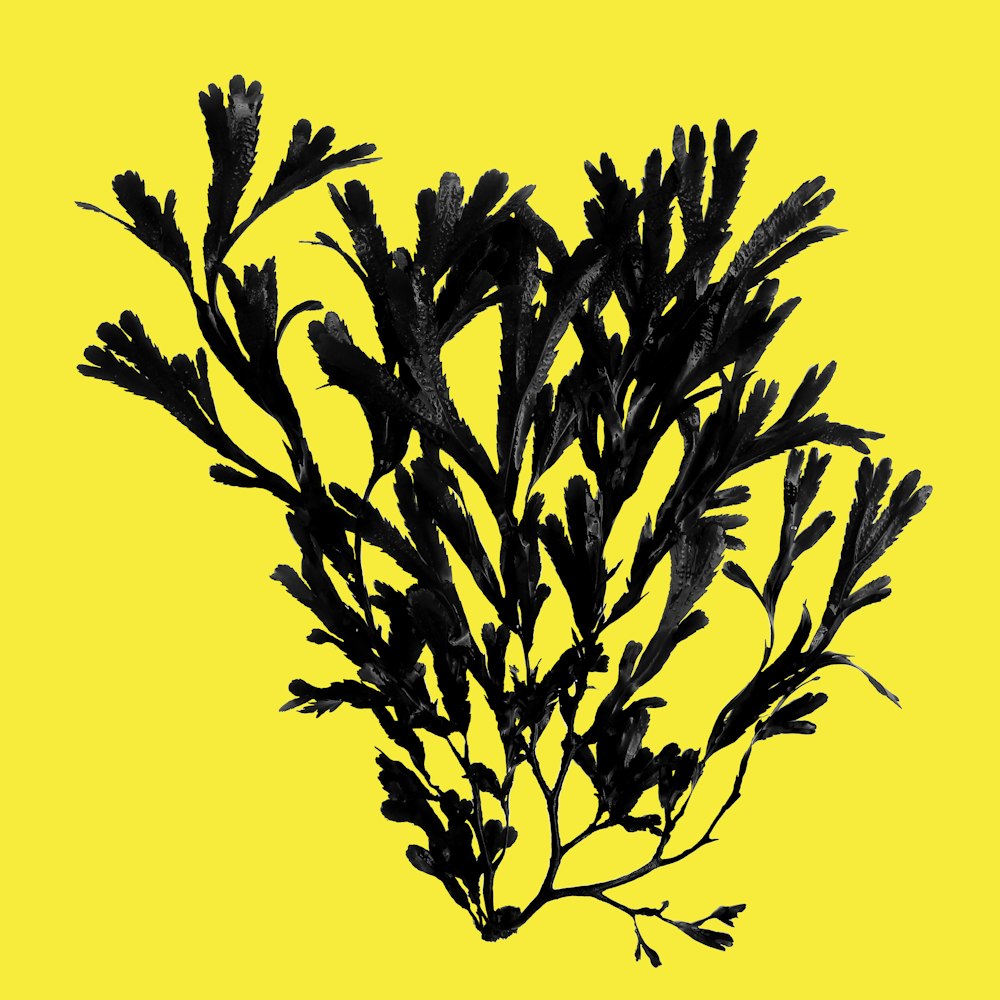
Bladderwrack — the brown sea plant — rounds the formula with marine minerals and structural polysaccharides. It carries alginate and mannitol alongside trace minerals drawn from seawater, the building-block elements a plant uses as it constructs and reinforces tissue. Together these botanicals converge on one structure/function outcome: silica for rigidity, exchange-active clay for a steady mineral supply, and sea minerals for the raw material — a plant fed toward standing strength.
The molecules, measured
A formula is a community of compounds. Below are active molecules from the herbs in this blend and the proteins each is measured to engage — the precise points where the plants meet biology. So you see not just that it works, but how.
Fucus vesiculosus
Phloroglucinol
PubChem ↗Measured to act on
A gateway in the cell membrane that lets calcium in to trigger nerve and muscle activity.
An enzyme that cuts proteins at the cell surface, part of normal protein turnover.
Cited science · not claims
Everything we publish about these plants traces to a primary source — the compounds to PubChem, ChEMBL, and BindingDB, the traditional uses to named, dated herbals. We describe what a plant is and what it is understood to nourish — the body’s own systems, structure and function only. We do not claim it treats, cures, or prevents any disease, and nothing here is a substitute for professional care. See our method & sources →
These statements have not been evaluated by the Food and Drug Administration. Not intended to diagnose, treat, cure, or prevent any disease.
In practice
Who it’s for, and how to use it
Who it’s for
For growers who want sturdier, self-supporting plants — anyone tending crops, fruiting plants, or fast growers that tend toward soft, leaning, or floppy stems. Best for the gardener who already feeds for growth and now wants to give that growth a frame that holds. A structural mineral feed for the plant kingdom only.
How to use it
Dilute 1/8 to 1/4 teaspoon per gallon of water. For a foliar feed, mist leaves and stems at the lighter rate; for a soil drench, water it in at the fuller rate. Apply about once a month or every other feeding, as a steady structural addition alongside your regular nutrition rather than a replacement for it. Start at the lighter rate and build as the plant responds. For plants only.
Measure · Dilute 1/8 to 1/4 teaspoon per gallon of water. Foliar feed at the lighter rate, or soil drench at the fuller rate, about once a month or every other feeding.
What’s inside
Thank you for tending your plants with this much care — for thinking about the frame, not just the growth. A plant that can stand on its own is a plant given the room to thrive, and that begins with the minerals beneath it. We're grateful to be part of your garden.
For agricultural and horticultural use. Supports plant growth, vigor, and resilience — not a claim of any effect on human or animal health.
Pairs well with
Formulas that share Stem Strength's botanicals
Built from overlapping herbs, these reinforce Stem Strength along the same lines — the shared-botanical kinship our genome engine maps.