
For Plants
Root
Strong, anchored roots from the very first week — so seedlings, cuttings, and transplants establish with vigor and never look back.
Root is for the moment a plant is most vulnerable: the first days after it goes into the ground. A seedling, a fresh cutting, a transplant pulled from its old home — none of them have a working root system yet, and until they build one, every leaf is running on borrowed reserves. Root is formulated to shorten that anxious window. It supports fast, clean establishment, so the plant stops sulking and starts pushing roots down into the soil, where its whole future is decided.
Think of it as the difference between a transplant that sits still for two weeks and one that takes hold by the weekend. When the root zone fills out early, everything above ground follows — steadier growth, better footing against wind and watering swings, and a plant that draws its own water and minerals instead of waiting to be rescued. Gardeners know the saying: the first year a perennial sleeps, the second it creeps, the third it leaps. Root is about making that first season count.
It is a dilute foliar feed and soil drench, not a fertilizer and not a stimulant. You are not forcing the plant with synthetic salts; you are feeding the terrain and the tissue with a mineral-dense, polysaccharide-rich botanical brew the plant recognizes and uses. Convergent botanicals — mineral seaweeds and the great root-and-structure tonics of the herbal traditions — work the same direction at once: get the roots down, get them anchored, get the plant standing on its own.
The botanical chemistry inside
The characterized plant compounds in this blend, documented in phytochemical research. Offered as botanical nutrition for the plant's own vigor and resilience — chemistry and tradition, nothing beyond the plant's own conditioning.
For Plants
Small-batch. Dual-extracted where it matters. Made by hand.
How to apply
Foliar feed at the lighter rate, or soil drench at the fuller rate, about once a month or every other feeding.
Raw powders are for soil drenching only — they do not fully dissolve, so they are not suitable for foliar spraying.
For anyone starting plants from the beginning — gardeners setting out seedlings, propagators rooting cuttings, growers moving transplants into beds, pots, or the field. Reach for Root whenever a plant is young, freshly cut, or newly moved and needs to build a root system before anything else can go right. It is the first formula in the GGG Plants line for a reason: roots come first.
Whole plant, never isolated
Concentrated extracts of the whole botanical — the way the body recognizes it.
Cited to measured biology
Every action we describe traces to the compound and its measured target.
Structure & function
We describe what an herb nourishes — never a claim to treat disease.
Secure checkout
Encrypted payment and human verification on every order.
- Free shipping over $150USPS Priority, tracked. $15 standard; ships in 1–3 business days.
- 30-day returnsIn original packaging and resalable condition. Refunded to your original payment method.
What you get
What this formula gives you
Supports vigorous, fast rooting in seedlings, cuttings, and transplants — a shorter, calmer establishment window
Helps young plants anchor and stand on their own, drawing their own water and minerals sooner
Delivers a broad spectrum of seaweed trace minerals and water-holding polysaccharides to the root zone
Eases transplant shock so plants move into new ground without stalling
Builds the early root architecture that steadier top-growth depends on
Works as a clean, dilute foliar feed or soil drench — no synthetic salts, no forcing
How it works
The science of Root
Not buzzwords — the actual chemistry of the plants in this formula: their characterized compounds and the proteins those compounds are measured to engage, every one cited.
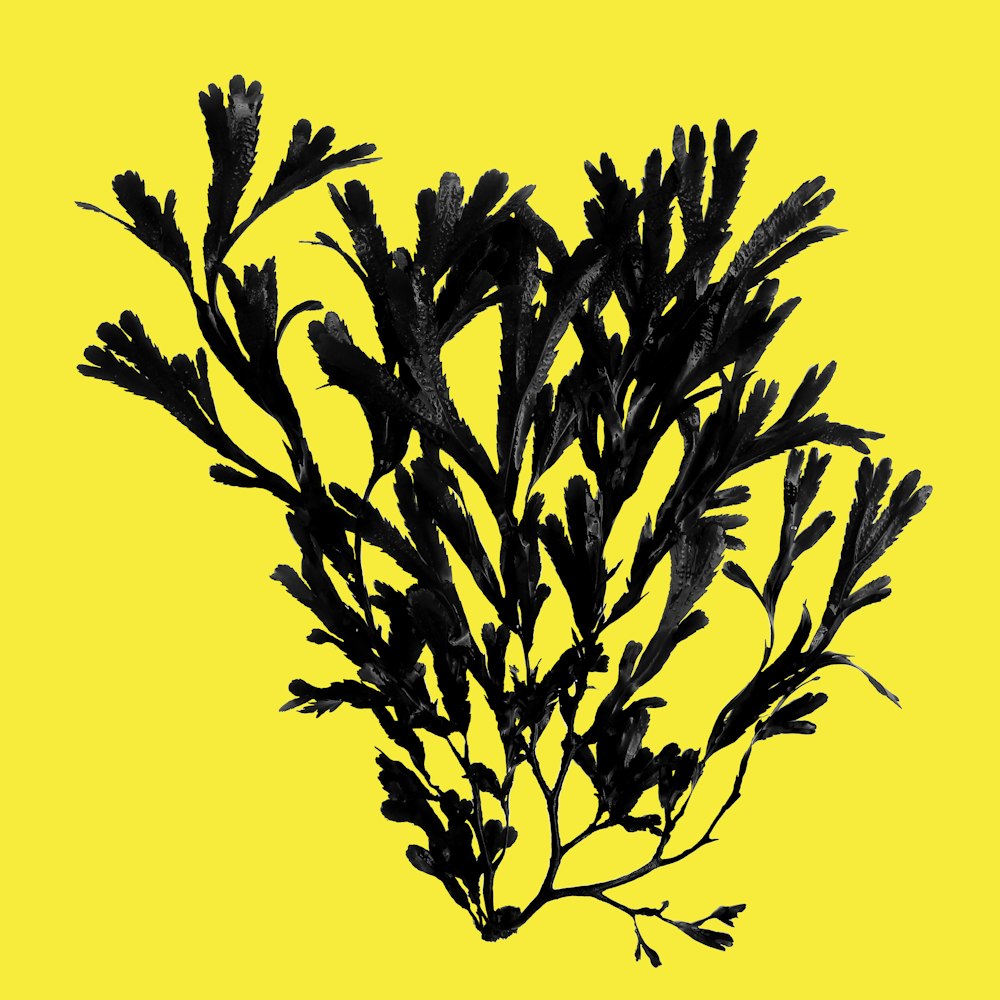
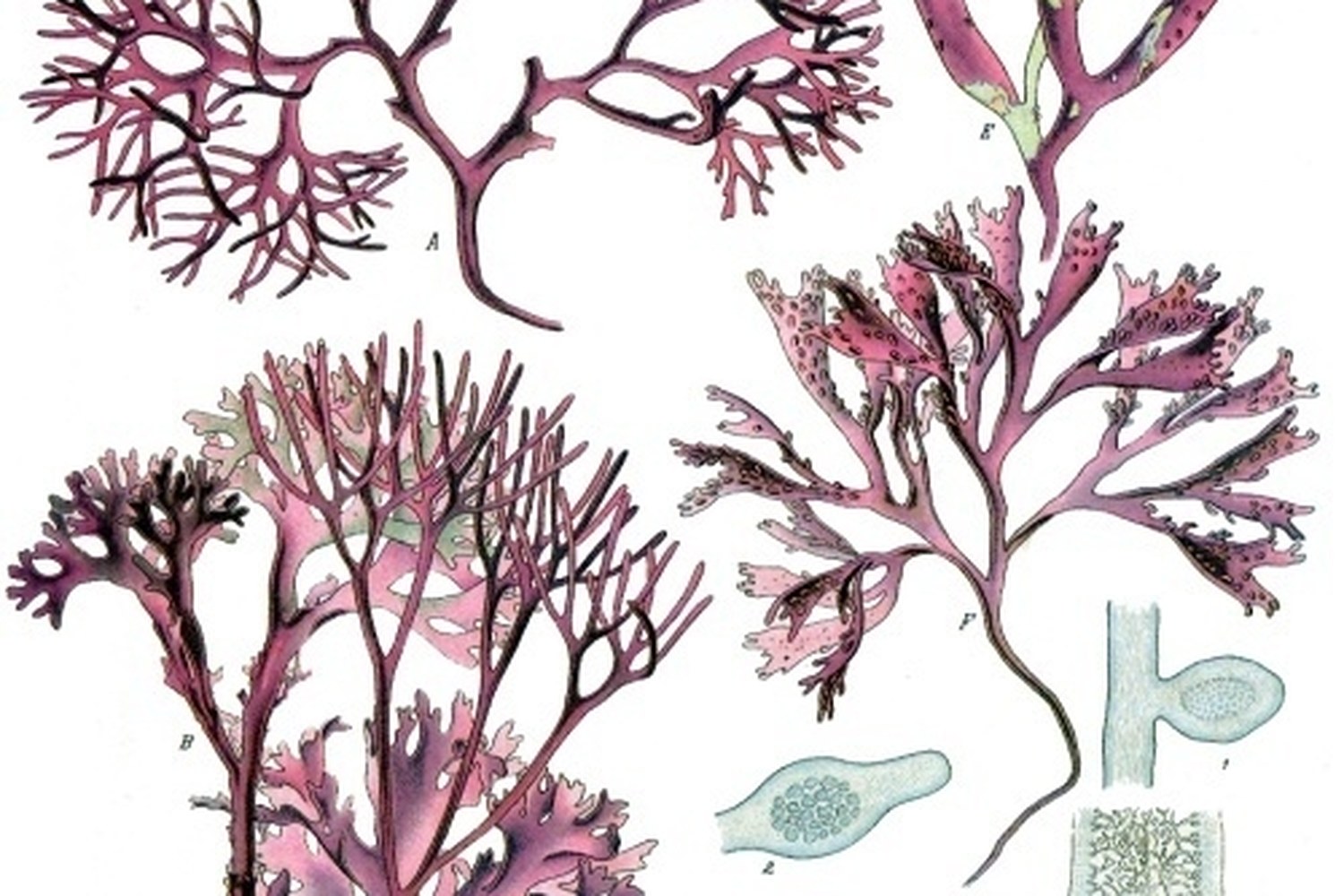
Atlantic Irish sea moss and bladderwrack are the seaweeds, and seaweed is the oldest soil amendment in agronomy for one honest reason: it is a concentrated source of trace minerals and natural polysaccharides. Both carry alginates and gel-forming carbohydrates (carrageenan in sea moss) that hold water and structure around the root zone, plus a broad spectrum of ocean-borne micronutrients. In the language of natural farming, this is feeding the terrain — improving how the young root surface holds moisture and minerals during the days when the plant cannot yet fend for itself.
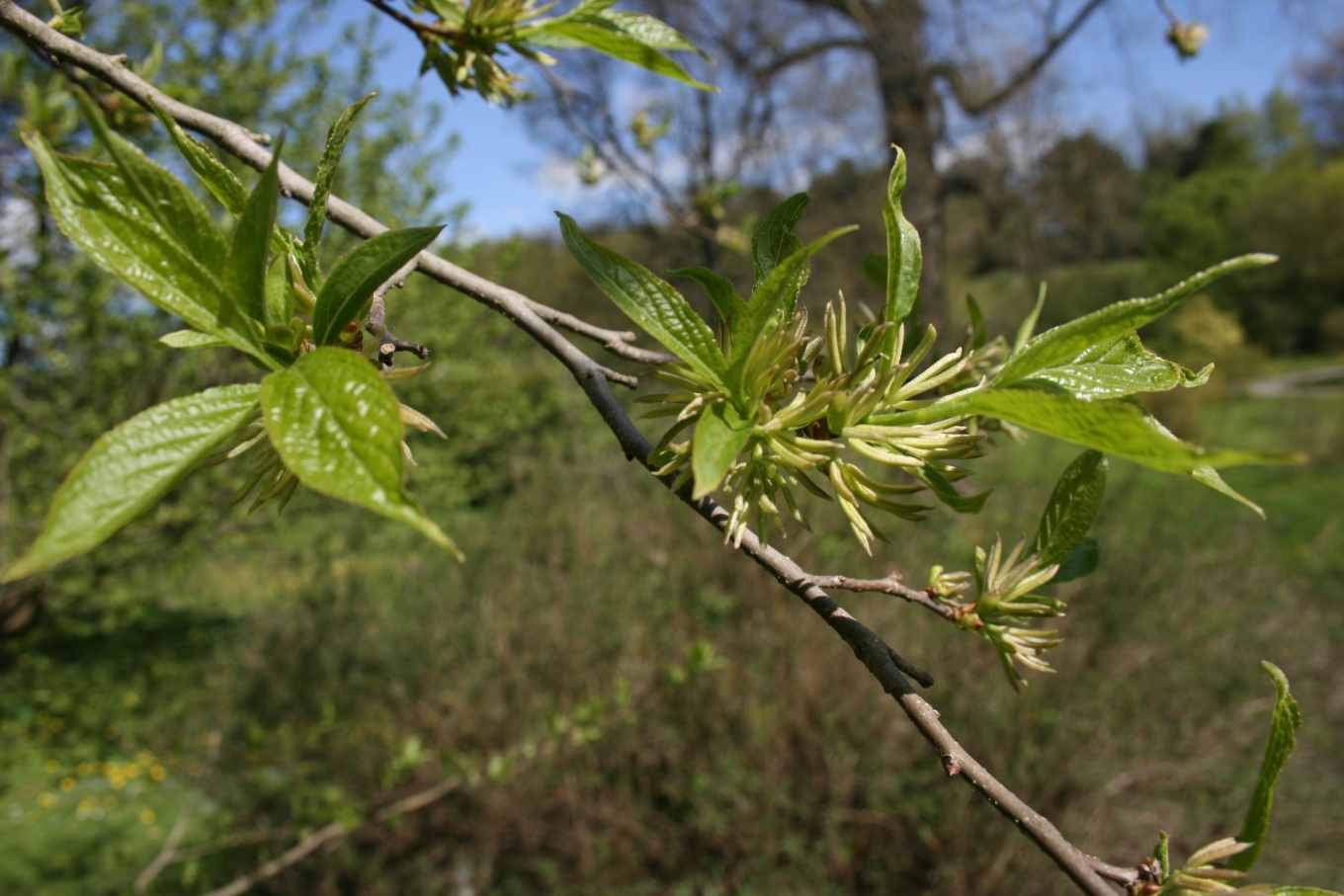
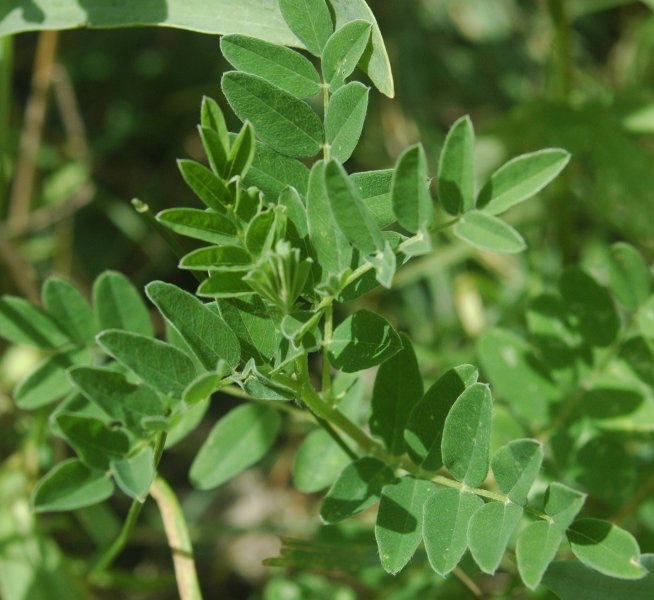
The root botanicals are drawn straight from the structural-tonic tradition. Astragalus is rich in astragalosides, the isoflavone formononetin, and characteristic polysaccharides; eucommia (the classic bone-and-sinew bark of East Asian herbalism) carries chlorogenic acid and the resins that gave it its reputation for strength and elasticity; and he shou wu (fo-ti) contributes the stilbene glucoside THSG and anthraquinones like emodin. We model these the honest way — compound to measured molecular identity, in our own genome engine — rather than inflating folklore into chemistry. What the tradition prized in them all was the same theme: roots, anchoring, the part of the organism that holds everything else up.
Applied as a dilute drench or foliar feed, the formula works structure-and-function on the plant: supporting the early architecture of the root system and the establishment of new tissue. Plants are not people, and we keep the claim where the biology actually sits — a mineral- and polysaccharide-rich input that supports vigorous rooting and clean establishment. The convergence is the point: every botanical here pushes the same outcome, which is why the blend behaves like one coherent feed rather than separate ones.
The molecules, measured
A formula is a community of compounds. Below are active molecules from the herbs in this blend and the proteins each is measured to engage — the precise points where the plants meet biology. So you see not just that it works, but how.
Fucus vesiculosus
Phloroglucinol
PubChem ↗Measured to act on
A gateway in the cell membrane that lets calcium in to trigger nerve and muscle activity.
An enzyme that cuts proteins at the cell surface, part of normal protein turnover.
Chondrus crispus
Taurine
PubChem ↗Measured to act on
A transporter that carries amino acids into cells alongside acidity-balancing protons.
Eucommia ulmoides
Chlorogenic acid
PubChem ↗Measured in the lab: binds very tightly to Tyrosine-protein phosphatase non-receptor type 1 · IC50 100 nM
Measured to act on
An enzyme that dials down insulin and growth signaling by removing phosphate tags.
An enzyme that converts glucose into sorbitol as part of cellular sugar handling.
Quercetin
PubChem ↗Measured in the lab: binds very tightly to Amine oxidase [flavin-containing] A · IC50 10 nM
Measured to act on
A structural protein that stabilizes the internal scaffolding of nerve cells.
A liver-type enzyme that processes hormones and environmental compounds.
An enzyme that breaks down messenger chemicals like serotonin in the nervous system.
Astragalus membranaceus
Formononetin
PubChem ↗Measured in the lab: binds very tightly to Apoptosis regulator Bcl-2 · Ki 10 nM
Measured to act on
A liver enzyme that breaks down many compounds the body takes in.
An enzyme that edits proteins to manage cellular cleanup and the cell internal scaffolding.
Calycosin
PubChem ↗Measured to act on
A protein that helps organize DNA and acts as an alarm signal during tissue stress.
Polygonum multiflorum
Emodin
PubChem ↗Measured in the lab: binds tightly to Proteasome subunit beta type-1 · IC50 240 nM
Measured to act on
A constantly active signaling enzyme involved in cell growth and stress responses.
A regulatory enzyme that removes phosphate tags involved in cell signaling and movement.
An enzyme that converts glucose into sorbitol as part of cellular sugar handling.
Physcion (Parietin)
PubChem ↗Measured in the lab: binds to Neutrophil elastase · IC50 6.2 µM
Measured to act on
An enzyme released by immune cells that helps break down debris during the inflammatory response.
An enzyme that helps keep cells in antioxidant balance against oxidative stress.
An antioxidant enzyme that protects the cell's energy factories from oxidative stress.
Cited science · not claims
Everything we publish about these plants traces to a primary source — the compounds to PubChem, ChEMBL, and BindingDB, the traditional uses to named, dated herbals. We describe what a plant is and what it is understood to nourish — the body’s own systems, structure and function only. We do not claim it treats, cures, or prevents any disease, and nothing here is a substitute for professional care. See our method & sources →
These statements have not been evaluated by the Food and Drug Administration. Not intended to diagnose, treat, cure, or prevent any disease.
Why these herbs together
The shared mechanism
More than one botanical in this blend is measured to engage the same molecular targets. We share the convergent chemistry — characterized and cited, never a claim.
Bladderwrack · Eucommia
Eucommia · Astragalus
Eucommia · He Shou Wu (Fo-Ti)
Astragalus · He Shou Wu (Fo-Ti)
Astragalus · He Shou Wu (Fo-Ti)
Each convergence is a gene whose protein two or more of this formula’s herbs are measured to engage (PubChem BioAssay & ChEMBL). It describes characterized molecular activity and the protein’s normal role — structure and function only, never a claim to treat, cure, or prevent any disease.
In practice
Who it’s for, and how to use it
Who it’s for
For anyone starting plants from the beginning — gardeners setting out seedlings, propagators rooting cuttings, growers moving transplants into beds, pots, or the field. Reach for Root whenever a plant is young, freshly cut, or newly moved and needs to build a root system before anything else can go right. It is the first formula in the GGG Plants line for a reason: roots come first.
How to use it
Dilute 1/8 to 1/4 teaspoon per gallon of water. Foliar feed at the lighter rate, or soil drench at the fuller rate, about once a month or every other feeding. For new transplants and fresh cuttings, water it in at planting and again as they settle. Start light — this is a feed for the terrain and the tissue, not a forcing agent, and a little goes a long way.
Measure · Dilute 1/8 to 1/4 teaspoon per gallon of water. Foliar feed at the lighter rate, or soil drench at the fuller rate, about once a month or every other feeding.
What’s inside
Inside: a blend of Atlantic Irish sea moss, bladderwrack, astragalus, eucommia, and he shou wu (fo-ti) — mineral-rich seaweeds and the classic root-and-structure tonics, chosen because they all pull in the same direction. 1 oz / 12 g. The most pristine herbs on earth.
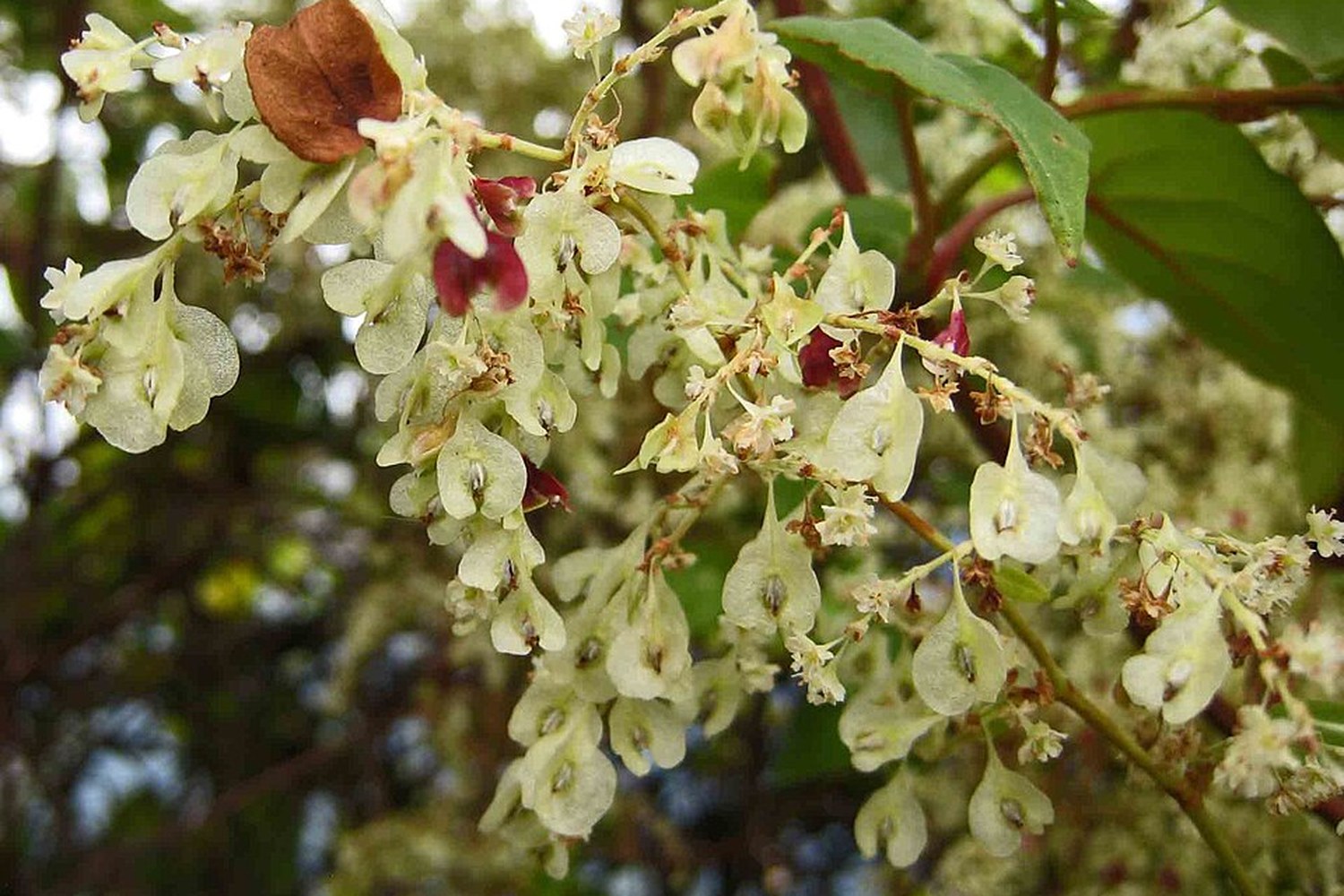
For agricultural and horticultural use. Supports plant growth, vigor, and resilience — not a claim of any effect on human or animal health.
Pairs well with
Formulas that share Root's botanicals
Built from overlapping herbs, these reinforce Root along the same lines — the shared-botanical kinship our genome engine maps.