
For Plants
Cuttings
Roots that take hold, clones that settle in.
The moment a cutting is taken, it has no roots and no margin for error. Strike is built for exactly that window: it supports the formation of new roots and helps a clone move from cut stem to established plant with less stall and less shock.
Applied as a dilute mist or drench, it conditions the root zone so emerging roots have minerals, signals, and a vigorous foundation to grow into. Tissue that is building roots is tissue under demand, and the blend leans into that demand with structure-building and vigor botanicals.
The result growers look for is faster, fuller take on cuttings and clones, and young plants that establish in their medium ready to grow on.
The botanical chemistry inside
The characterized plant compounds in this blend, documented in phytochemical research. Offered as botanical nutrition for the plant's own vigor and resilience — chemistry and tradition, nothing beyond the plant's own conditioning.
For Plants
Small-batch. Dual-extracted where it matters. Made by hand.
How to apply
Apply as a light foliar mist or soil drench to cuttings and newly potted clones.
Raw powders are for soil drenching only — they do not fully dissolve, so they are not suitable for foliar spraying.
For growers taking cuttings, rooting clones, or potting up fresh starts who want stronger, faster establishment. Use through the propagation and early-transplant phase, then move plants onto your normal grow feed.
Whole plant, never isolated
Concentrated extracts of the whole botanical — the way the body recognizes it.
Cited to measured biology
Every action we describe traces to the compound and its measured target.
Structure & function
We describe what an herb nourishes — never a claim to treat disease.
Secure checkout
Encrypted payment and human verification on every order.
- Free shipping over $150USPS Priority, tracked. $15 standard; ships in 1–3 business days.
- 30-day returnsIn original packaging and resalable condition. Refunded to your original payment method.
What you get
What this formula gives you
Supports new root formation on cuttings and clones
Helps young plants establish in their first medium
Eases transplant and propagation stress
Feeds the early root zone with sea-vegetable trace minerals
Encourages vigor through the cut-to-rooted window
How it works
The science of Cuttings
Not buzzwords — the actual chemistry of the plants in this formula: their characterized compounds and the proteins those compounds are measured to engage, every one cited.
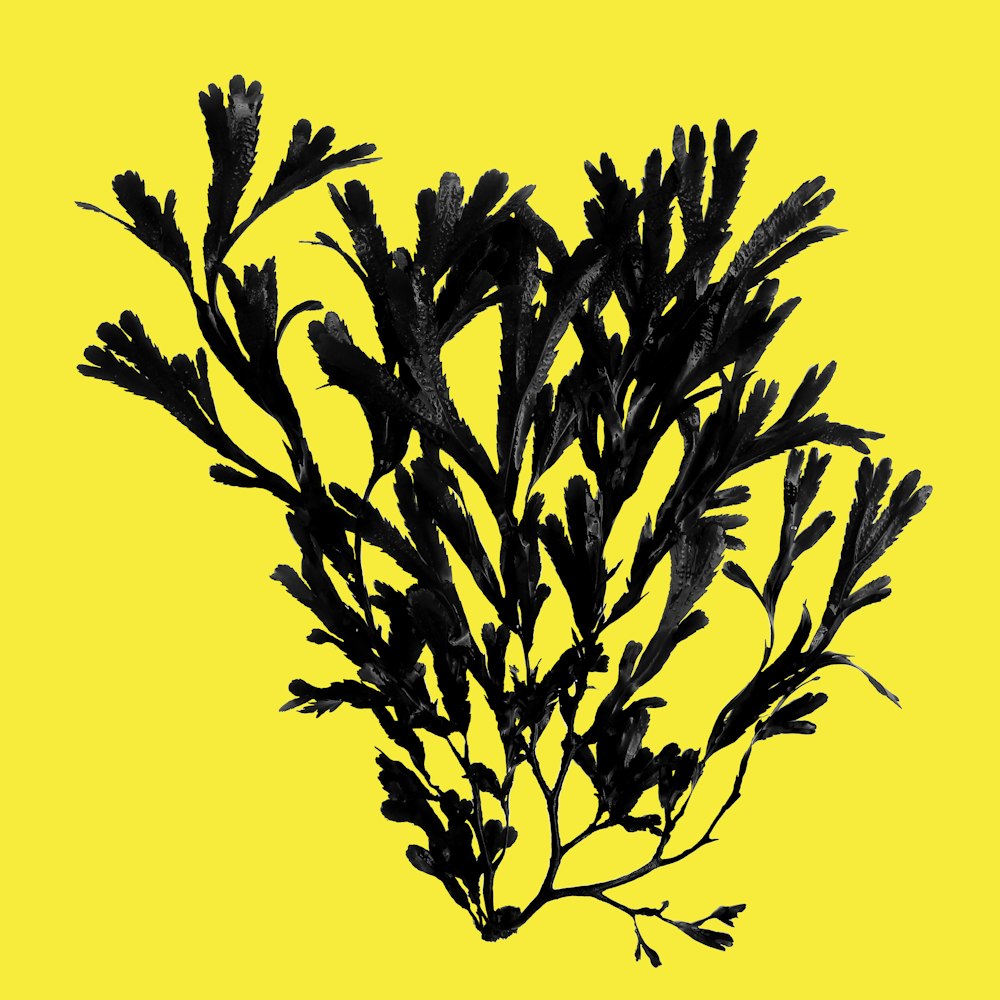
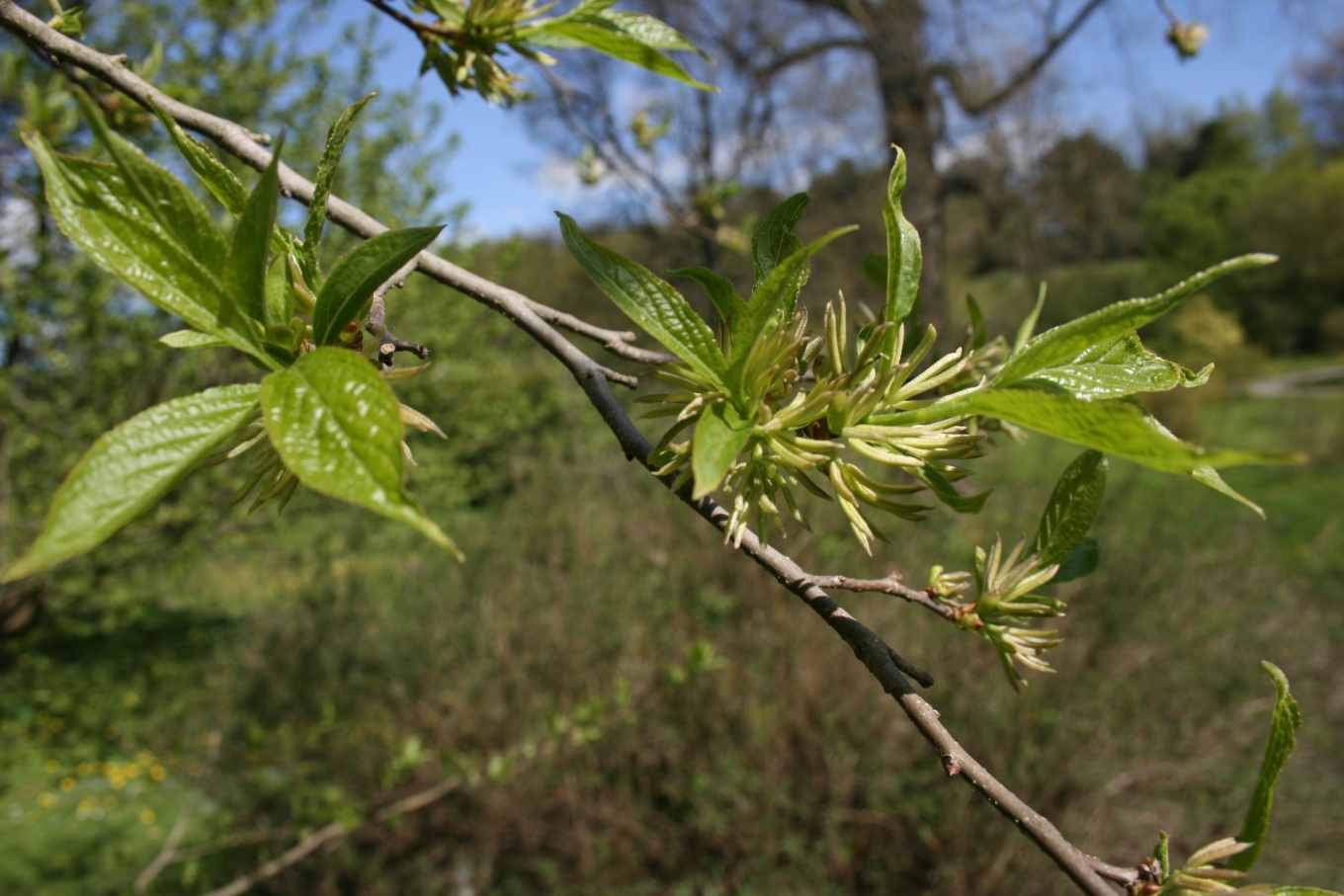
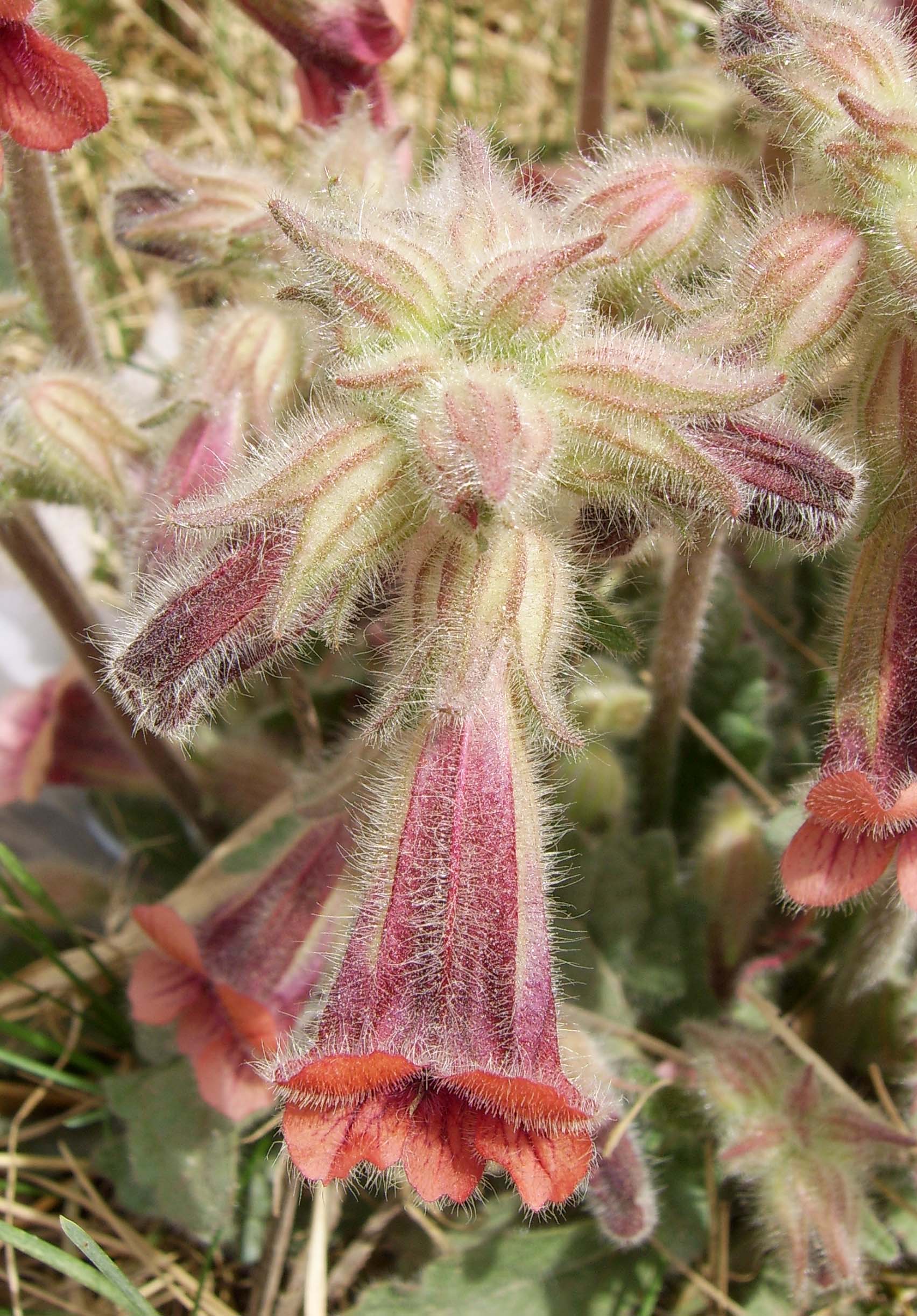
Bladderwrack is a brown sea vegetable in the kelp tradition, the same family of seaweeds growers have reached for as a rooting and transplant aid; it carries trace minerals and natural plant-signaling compounds that support root initiation and early vigor. Eucommia bark and rehmannia root contribute a structure-and-foundation character drawn from East Asian herbal tradition, fitting for tissue that is laying down its first framework of roots.
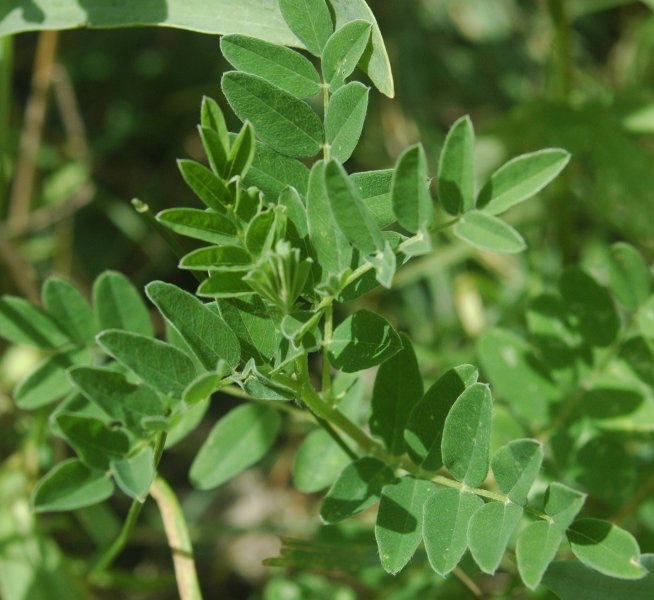
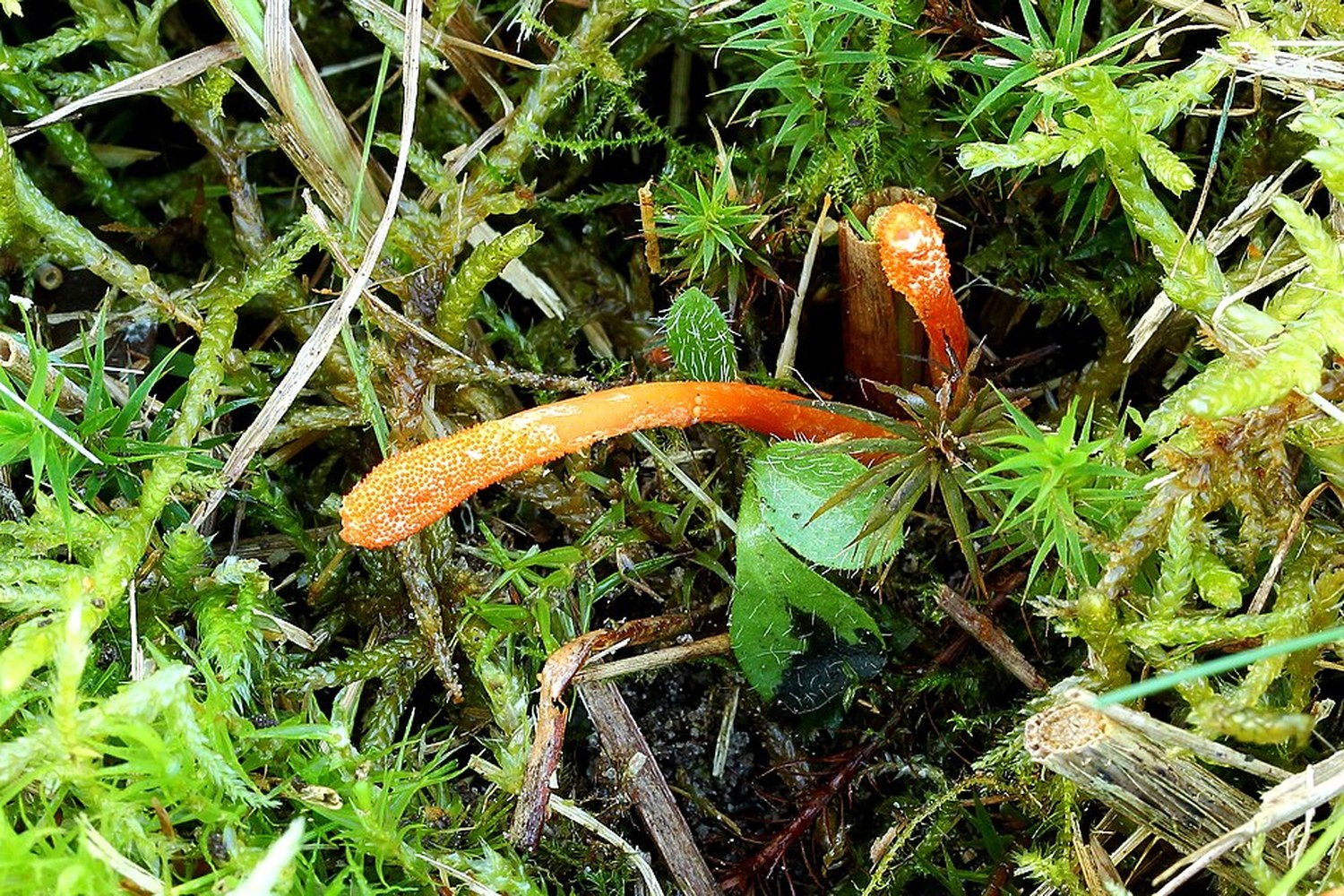
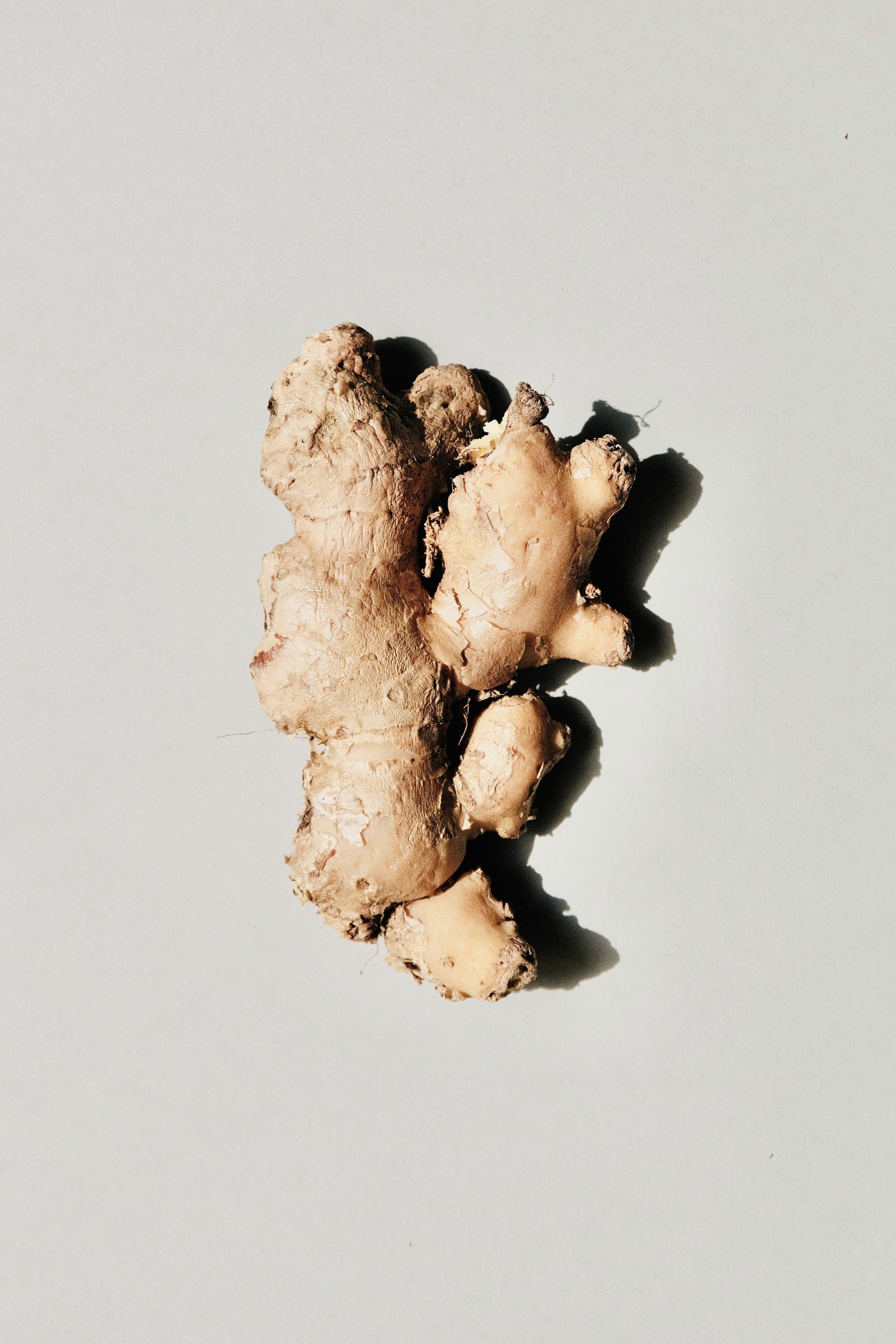
Astragalus and cordyceps add vigor and root-zone vitality, while ginger root brings warming circulation to the medium. Together the blend is formulated to condition the propagation environment and support the plant's own root-forming process — a biostimulant for the establish phase, not a fertilizer dump.
The molecules, measured
A formula is a community of compounds. Below are active molecules from the herbs in this blend and the proteins each is measured to engage — the precise points where the plants meet biology. So you see not just that it works, but how.
Fucus vesiculosus
Phloroglucinol
PubChem ↗Measured to act on
A gateway in the cell membrane that lets calcium in to trigger nerve and muscle activity.
An enzyme that cuts proteins at the cell surface, part of normal protein turnover.
Eucommia ulmoides
Chlorogenic acid
PubChem ↗Measured in the lab: binds very tightly to Tyrosine-protein phosphatase non-receptor type 1 · IC50 100 nM
Measured to act on
An enzyme that dials down insulin and growth signaling by removing phosphate tags.
An enzyme that converts glucose into sorbitol as part of cellular sugar handling.
Quercetin
PubChem ↗Measured in the lab: binds very tightly to Amine oxidase [flavin-containing] A · IC50 10 nM
Measured to act on
A structural protein that stabilizes the internal scaffolding of nerve cells.
A liver-type enzyme that processes hormones and environmental compounds.
An enzyme that breaks down messenger chemicals like serotonin in the nervous system.
Rehmannia glutinosa
Acteoside (Verbascoside)
PubChem ↗Measured in the lab: binds very tightly to Beta-secretase 1 · IC50 6.3 nM
Measured to act on
A family of signaling enzymes that relay messages controlling cell growth and activity.
Aucubin
PubChem ↗Measured to act on
An enzyme that makes prostaglandins for everyday housekeeping like stomach lining and blood flow.
The enzyme that drives the body's inflammatory response by producing prostaglandins.
The receptor through which estrogen signals, governing many reproductive and tissue functions.
Astragalus membranaceus
Formononetin
PubChem ↗Measured in the lab: binds very tightly to Apoptosis regulator Bcl-2 · Ki 10 nM
Measured to act on
A liver enzyme that breaks down many compounds the body takes in.
An enzyme that edits proteins to manage cellular cleanup and the cell internal scaffolding.
Calycosin
PubChem ↗Measured to act on
A protein that helps organize DNA and acts as an alarm signal during tissue stress.
Cordyceps militaris
Cordycepin (3'-deoxyadenosine)
PubChem ↗Measured in the lab: binds to Adenosine receptor A1 · Ki 7.12 µM
Measured to act on
A receptor for adenosine that helps calm cellular activity and signaling.
A repair enzyme that clears certain damage points so DNA can be mended.
Pentostatin (2'-deoxycoformycin)
PubChem ↗Measured in the lab: binds very tightly to Adenosine deaminase · Ki 1 nM
Measured to act on
An enzyme that breaks down adenosine, part of how cells recycle their building blocks.
Zingiber officinale
6-Gingerol
PubChem ↗Measured in the lab: binds to Transient receptor potential cation channel subfamily V member 1 · EC50 3.3 µM
Measured to act on
A major liver enzyme that processes a wide range of compounds the body takes in.
A repair enzyme that resolves certain DNA damage so the strand can be restored.
A liver enzyme that helps break down and process many compounds and natural substances.
6-Shogaol
PubChem ↗Measured in the lab: binds to Cytochrome P450 1A2 · IC50 2.5 µM
Measured to act on
A major liver enzyme that processes a wide range of compounds the body takes in.
A liver enzyme that processes many compounds, including some the body forms naturally.
A nerve-ending sensor that responds to heat and to the pungency of chili pepper compounds.
Cited science · not claims
Everything we publish about these plants traces to a primary source — the compounds to PubChem, ChEMBL, and BindingDB, the traditional uses to named, dated herbals. We describe what a plant is and what it is understood to nourish — the body’s own systems, structure and function only. We do not claim it treats, cures, or prevents any disease, and nothing here is a substitute for professional care. See our method & sources →
These statements have not been evaluated by the Food and Drug Administration. Not intended to diagnose, treat, cure, or prevent any disease.
Why these herbs together
The shared mechanism
More than one botanical in this blend is measured to engage the same molecular targets. We share the convergent chemistry — characterized and cited, never a claim.
Bladderwrack · Rehmannia
Bladderwrack · Eucommia
Eucommia · Astragalus
Astragalus · Ginger
Astragalus · Ginger
Astragalus · Ginger
Each convergence is a gene whose protein two or more of this formula’s herbs are measured to engage (PubChem BioAssay & ChEMBL). It describes characterized molecular activity and the protein’s normal role — structure and function only, never a claim to treat, cure, or prevent any disease.
In practice
Who it’s for, and how to use it
Who it’s for
For growers taking cuttings, rooting clones, or potting up fresh starts who want stronger, faster establishment. Use through the propagation and early-transplant phase, then move plants onto your normal grow feed.
How to use it
Dilute 1/8 to 1/4 tsp per gallon and apply as a light foliar mist over cuttings or a gentle soil drench around newly potted clones, repeating through the rooting window.
Measure · Dilute 1/8 to 1/4 tsp per gallon of water; apply as a light foliar mist or soil drench to cuttings and newly potted clones.
What’s inside
Inside you'll find sea-vegetable bladderwrack alongside eucommia bark, rehmannia, astragalus, cordyceps, and ginger root — botanicals chosen for the establish phase, when a cutting is learning to be a plant.
For agricultural and horticultural use. Supports plant growth, vigor, and resilience — not a claim of any effect on human or animal health.
Pairs well with
Formulas that share Cuttings's botanicals
Built from overlapping herbs, these reinforce Cuttings along the same lines — the shared-botanical kinship our genome engine maps.