
For Plants
Growth
Vigorous roots, strong vegetative growth, and plants that shrug off stress — adaptogenic resilience, applied to the garden.
Growth is what you reach for when you want a plant to build itself from the roots up — to put down a deep, dense, exploratory root system, push hard, even vegetative growth above ground, and carry that vigor through heat, transplant shock, a missed watering, or a swing in the weather without checking. It is a vegetative-phase tonic for the whole plant, fed through the water you already give it. You are not forcing growth with a salt spike; you are nourishing the plant's own machinery for growing well.
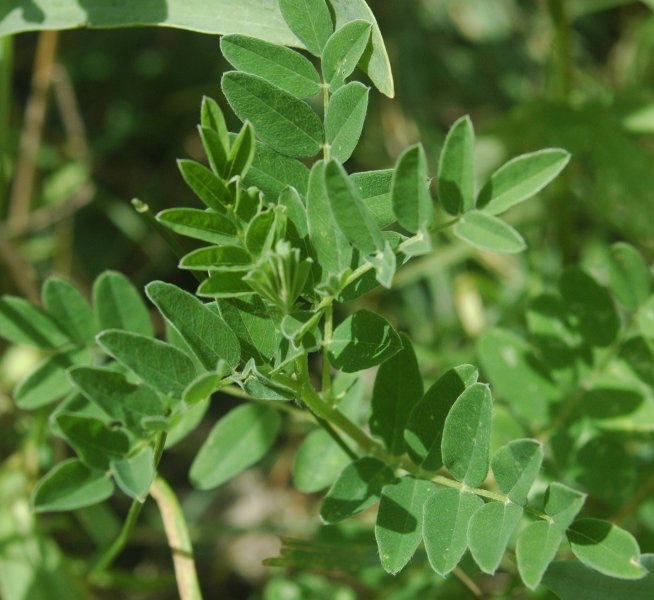
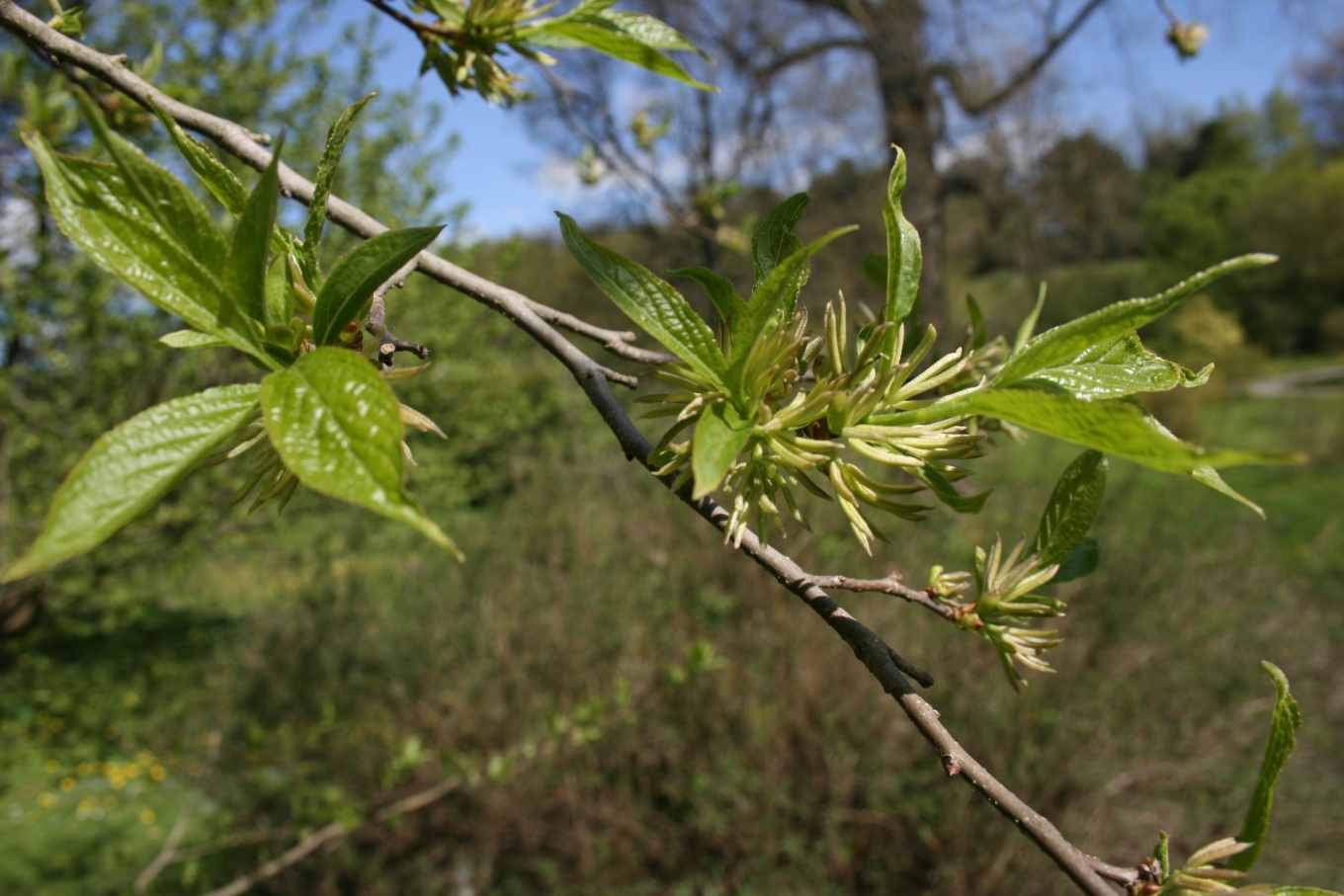
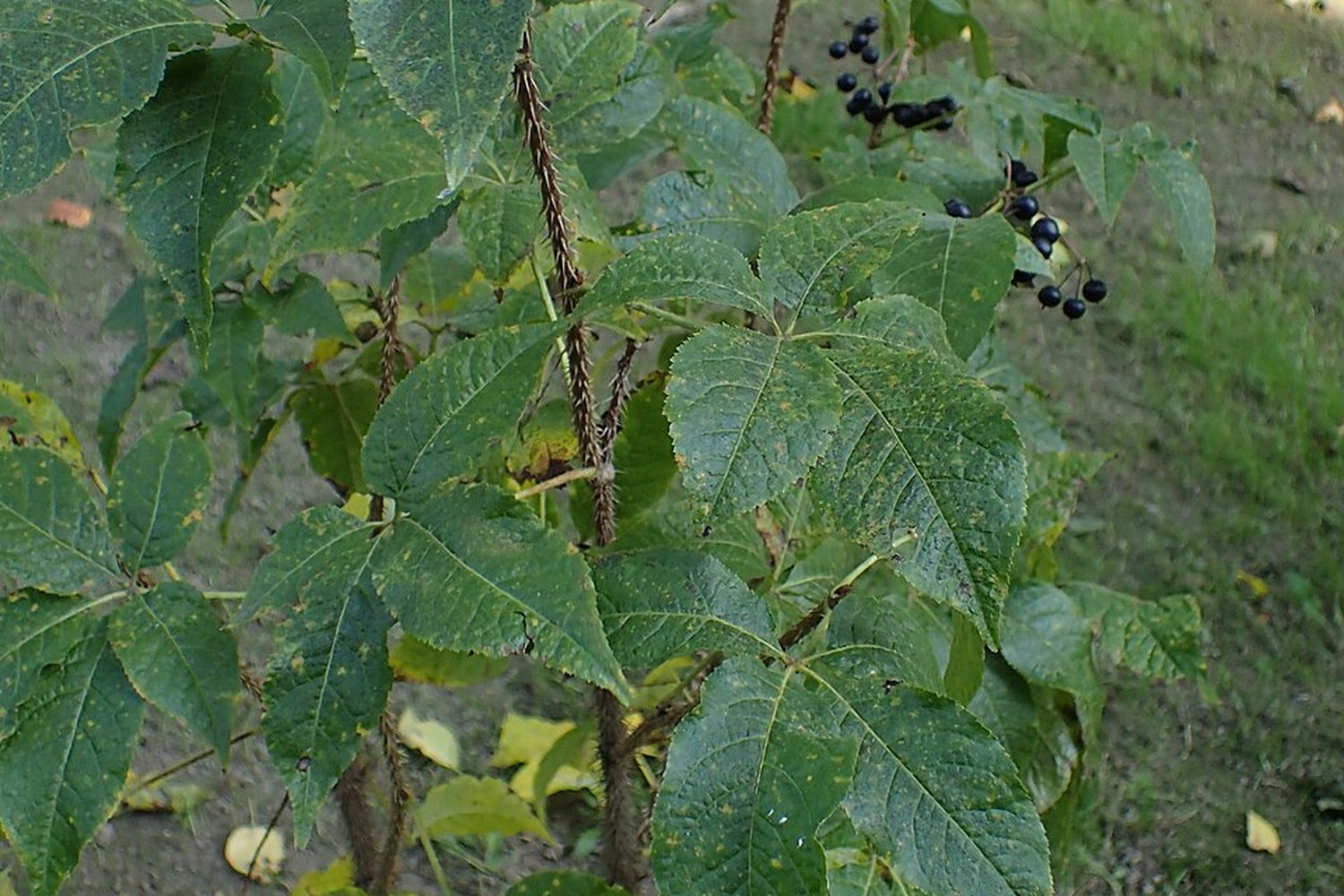
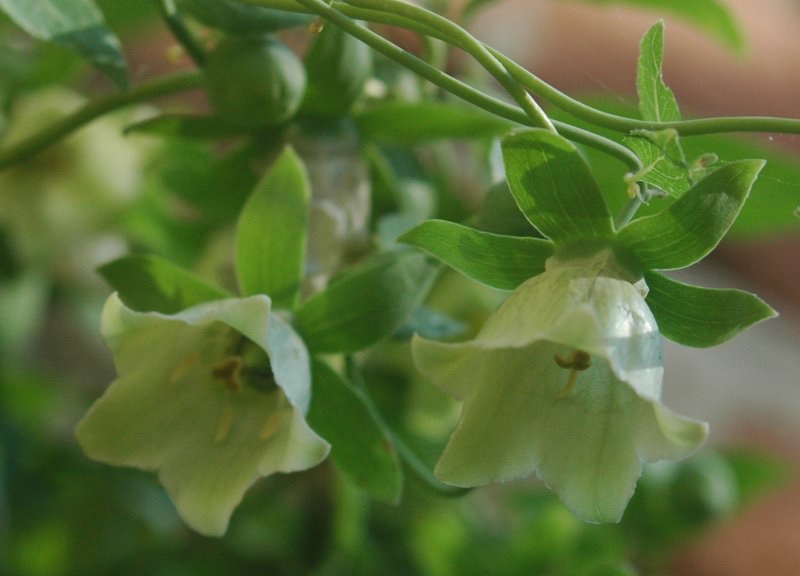
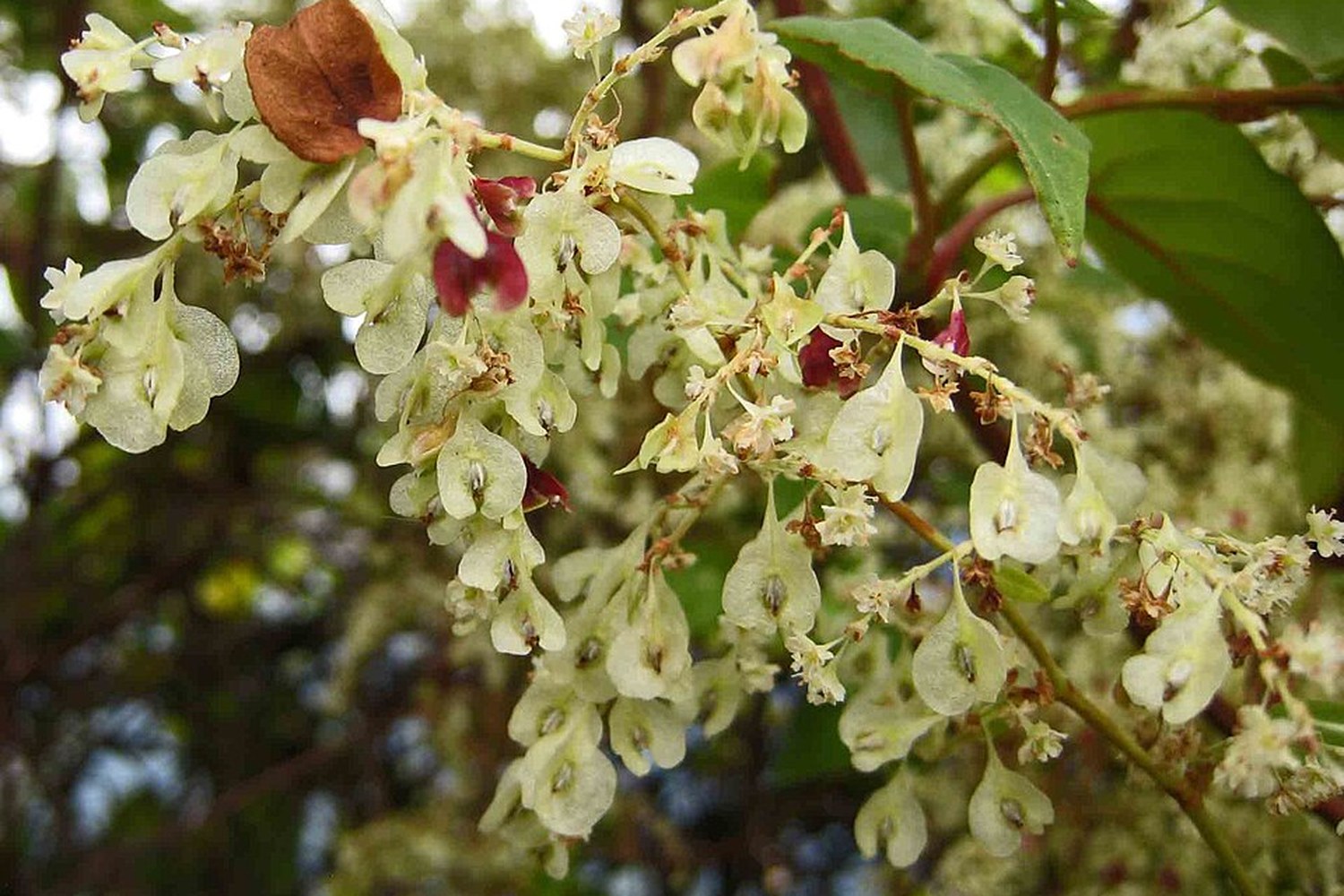
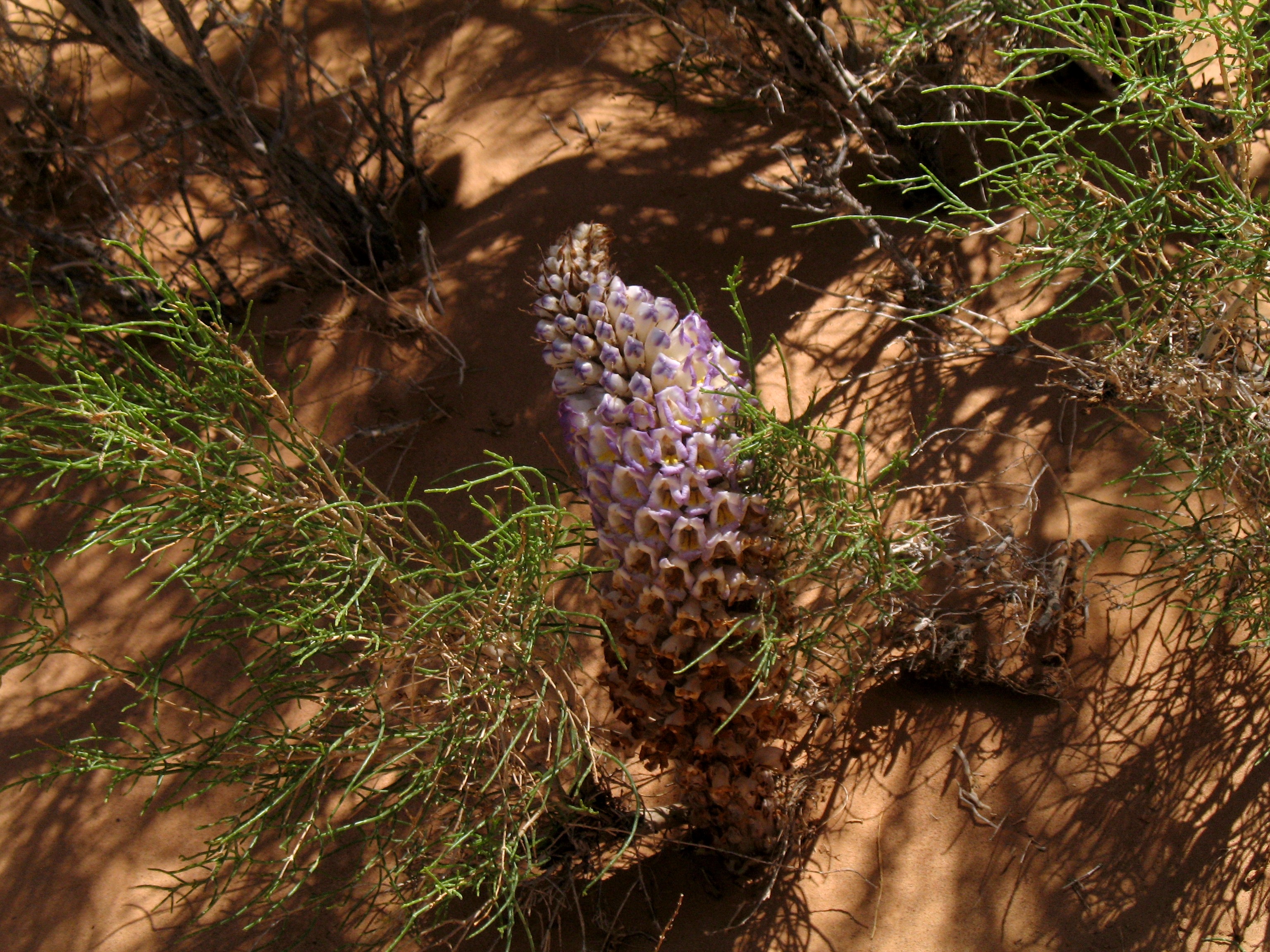
The idea behind it is simple and, once you see it, obvious. The same family of botanicals the herbal tradition has used for thousands of years to build deep reserve, stamina, and stress resilience in the body — the great adaptogenic root tonics — are themselves plants that learned to thrive in punishing ground: astragalus and rhodiola on cold mountain uplands, cistanche buried in shifting desert sand, eleuthero in the Siberian taiga, eucommia clinging to bare mountain rock. The chemistry that lets them endure is the chemistry we extract. Delivered as a soil-and-foliar drench, that same stress-protective intelligence works in your plant's favor: steadier growth under load, better recovery, a root system that wants to explore.
In practice this is the formula for the building phase — the weeks when a plant is establishing its frame and root mass before it ever thinks about flowering. It supports the part of the plant you cannot see, the roots, where vigor is actually decided, and it helps the canopy above grow into that foundation evenly rather than in stressed fits and starts. The reward shows up as plants that establish faster after transplant, hold their color and turgor through a hot afternoon, and arrive at the flowering phase already strong.
It is a complement to your feeding program, not a replacement for it. Growth does not substitute for nitrogen, phosphorus, and potassium — it helps the plant make better use of the food it is given and stay resilient while it does. Twelve botanicals in balanced ratios, a single teaspoon per gallon, applied weekly through vegetative growth. One ounce compounds roughly twenty gallons.
The botanical chemistry inside
The characterized plant compounds in this blend, documented in phytochemical research. Offered as botanical nutrition for the plant's own vigor and resilience — chemistry and tradition, nothing beyond the plant's own conditioning.
For Plants
Small-batch. Dual-extracted where it matters. Made by hand.
How to take it
1 teaspoon per gallon of water, applied weekly during vegetative phase
Whole plant, never isolated
Concentrated extracts of the whole botanical — the way the body recognizes it.
Cited to measured biology
Every action we describe traces to the compound and its measured target.
Structure & function
We describe what an herb nourishes — never a claim to treat disease.
Secure checkout
Encrypted payment and human verification on every order.
- Free shipping over $150USPS Priority, tracked. $15 standard; ships in 1–3 business days.
- 30-day returnsIn original packaging and resalable condition. Refunded to your original payment method.
What you get
What this formula gives you
Vigorous, exploratory root development — vigor begins below the soil line
Strong, even vegetative growth through the building phase
Better stress tolerance through heat, transplant shock, and weather swings
Faster establishment and recovery after transplanting
Support for nutrient uptake, so the plant makes more of the food you give it
Twelve adaptogenic botanicals in balanced ratios — roughly twenty gallons per ounce
How it works
The science of Growth
Not buzzwords — the actual chemistry of the plants in this formula: their characterized compounds and the proteins those compounds are measured to engage, every one cited.
Begin with the roots, because that is where this formula does its quiet work. The base of the blend — astragalus, eucommia, and eleuthero in the heaviest ratios — is built around classes of compounds that are, in the source plants, stress-protectant chemistry. Astragalus carries triterpene saponins (the astragalosides, named for this very plant) together with a rich complement of polysaccharides; eleuthero contributes its signature lignan and coumarin glycosides (the eleutherosides, isofraxidin, sesamin); and both, like he-shou-wu's stilbene glycoside (THSG) and the chlorogenic acid common across eucommia, eleuthero, and rehmannia, are polyphenol- and saponin-rich extracts. Polyphenols and triterpene saponins are surface-active, antioxidant molecules; in the root zone they support a hospitable interface between root and soil and help the plant hold oxidative balance under the stress of establishment. This is the agronomic translation of what these same constituents do in the body — buffering the system so it can build rather than merely survive.
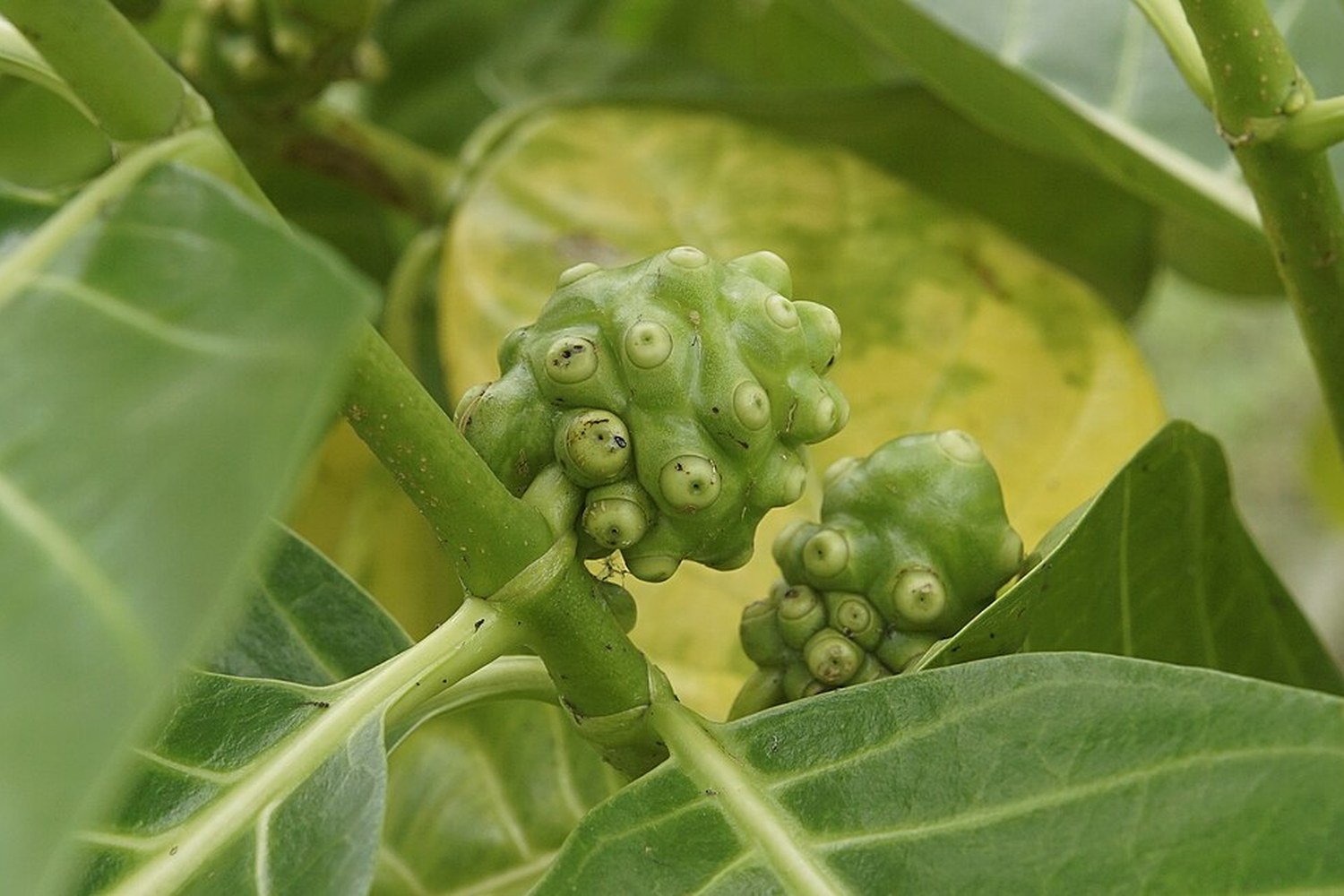
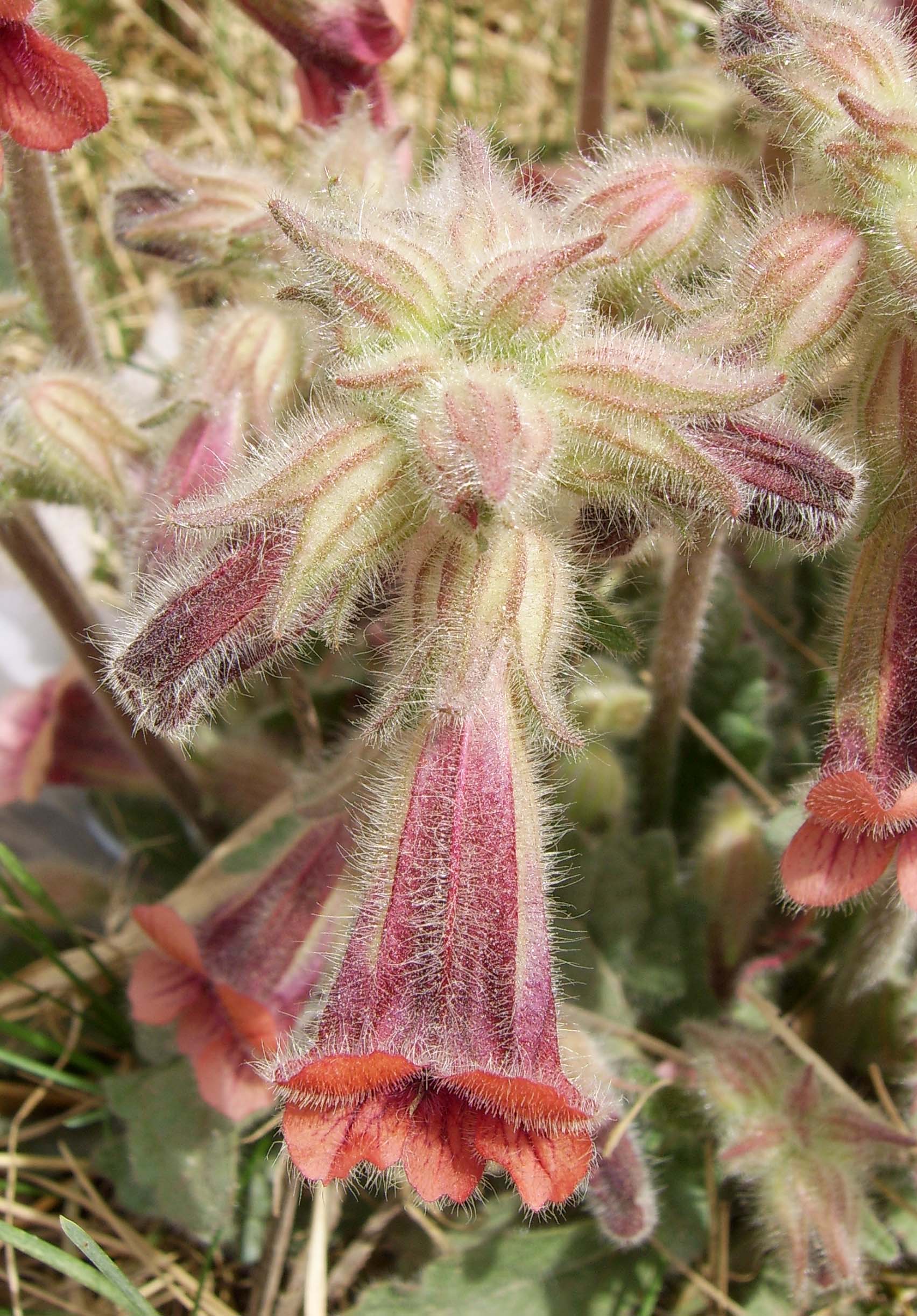
The second mechanism is the iridoid and phenylethanoid layer, and it is unusually well represented here. Eucommia bark is dense with iridoid glycosides — aucubin, geniposide, geniposidic acid, asperuloside — and rehmannia adds catalpol and acteoside, while morinda (noni) brings asperuloside and its kin and cistanche contributes one of the richest phenylethanoid profiles in botany: echinacoside and acteoside (verbascoside). Iridoids and phenylethanoid glycosides are, in the plants that make them, defense and signaling metabolites — part of how a plant marshals its own protective response and regulates growth under stress. Rhodiola and cistanche both carry salidroside, the same phenylethanoid that defines rhodiola's celebrated capacity to hold function under extreme cold and altitude. Fed to the root zone, this layer brings a concentrated dose of the exact molecules plants use to coordinate resilient, steady growth.
The third layer is the ginsenoside-and-lignan tonic core — American ginseng's full ginsenoside spectrum (Rb1, Rg1, Re and the rest), schizandra's dibenzocyclooctadiene lignans (the schisandrins and gomisins), and codonopsis and morinda rounding out the polysaccharide and saponin content — all bound together by licorice. Licorice earns its place by function: across the entire herbal lineage it is the harmonizer, a demulcent root whose mucilaginous polysaccharides and glycyrrhizin give a blend cohesion and a soothing, wetting character that helps the whole formula move into and adhere across plant and soil surfaces. The net effect of the twelve together is not one dramatic lever but a broad, balanced delivery of saponins, polyphenols, iridoids, phenylethanoids, and polysaccharides — building-block and stress-protectant chemistry — that nourishes root development, supports nutrient uptake, and tones the plant's own capacity to tolerate stress. Structure and function, soil to canopy.
The molecules, measured
A formula is a community of compounds. Below are active molecules from the herbs in this blend and the proteins each is measured to engage — the precise points where the plants meet biology. So you see not just that it works, but how.
Astragalus membranaceus
Formononetin
PubChem ↗Measured in the lab: binds very tightly to Apoptosis regulator Bcl-2 · Ki 10 nM
Measured to act on
A liver enzyme that breaks down many compounds the body takes in.
A protein that helps decide whether a cell continues living or undergoes natural turnover.
An enzyme that edits proteins to manage cellular cleanup and the cell internal scaffolding.
Calycosin
PubChem ↗Measured to act on
A protein that helps organize DNA and acts as an alarm signal during tissue stress.
Eucommia ulmoides
Chlorogenic acid
PubChem ↗Measured in the lab: binds very tightly to Tyrosine-protein phosphatase non-receptor type 1 · IC50 100 nM
Measured to act on
A viral enzyme HIV uses to insert its genetic material into a host cell's DNA.
An enzyme that dials down insulin and growth signaling by removing phosphate tags.
An enzyme that converts glucose into sorbitol as part of cellular sugar handling.
Quercetin
PubChem ↗Measured in the lab: binds very tightly to Amine oxidase [flavin-containing] A · IC50 10 nM
Measured to act on
A structural protein that stabilizes the internal scaffolding of nerve cells.
An enzyme that converts excess glucose into sorbitol, part of how cells handle sugar.
A liver-type enzyme that processes hormones and environmental compounds.
Eleutherococcus senticosus
Eleutheroside B (Syringin)
PubChem ↗Measured to act on
An enzyme that makes prostaglandins for everyday upkeep like protecting the stomach lining.
An enzyme that breaks down fatty-acid signals involved in blood vessel tone and inflammation.
Sesamin
PubChem ↗Measured to act on
The sensory channel that detects cold and the cooling feel of menthol.
The receptor through which vitamin D guides calcium balance and gene activity.
A signaling enzyme that helps coordinate cell division.
Codonopsis pilosula
Syringin
PubChem ↗Measured to act on
An enzyme that makes prostaglandins for everyday housekeeping like stomach lining and blood flow.
An enzyme that breaks down fatty-acid signals involved in blood vessel and inflammation balance.
Atractylenolide I
PubChem ↗Measured to act on
An enzyme that converts fatty acids into messengers of the inflammatory response.
An enzyme that makes prostaglandins for everyday housekeeping like stomach lining and blood flow.
A guardian protein that watches over DNA and helps cells decide when to repair or stop dividing.
Polygonum multiflorum
Emodin
PubChem ↗Measured in the lab: binds tightly to Proteasome subunit beta type-1 · IC50 240 nM
Measured to act on
A constantly active signaling enzyme involved in cell growth and stress responses.
A regulatory enzyme that removes phosphate tags involved in cell signaling and movement.
An enzyme that converts glucose into sorbitol as part of cellular sugar handling.
Physcion (Parietin)
PubChem ↗Measured in the lab: binds to Neutrophil elastase · IC50 6.2 µM
Measured to act on
An enzyme released by immune cells that helps break down debris during the inflammatory response.
An enzyme that helps keep cells in antioxidant balance against oxidative stress.
An antioxidant enzyme that protects the cell's energy factories from oxidative stress.
Morinda citrifolia
Scopoletin
PubChem ↗Measured in the lab: binds tightly to Carbonic anhydrase 9 · Ki 960 nM
Measured to act on
An enzyme that helps cells balance acidity by managing carbon dioxide.
Quercetin
PubChem ↗Measured in the lab: binds very tightly to Amine oxidase [flavin-containing] A · IC50 10 nM
Measured to act on
An enzyme that breaks down messenger chemicals like serotonin in the nervous system.
The enzyme that converts androgens into estrogen, the body main estrogen source.
An enzyme that converts glucose into sorbitol as part of cellular sugar handling.
Rehmannia glutinosa
Acteoside (Verbascoside)
PubChem ↗Measured in the lab: binds very tightly to Beta-secretase 1 · IC50 6.3 nM
Measured to act on
A family of signaling enzymes that relay messages controlling cell growth and activity.
Aucubin
PubChem ↗Measured to act on
An enzyme that makes prostaglandins for everyday housekeeping like stomach lining and blood flow.
The enzyme that drives the body's inflammatory response by producing prostaglandins.
The receptor through which estrogen signals, governing many reproductive and tissue functions.
Cistanche deserticola
Echinacoside
PubChem ↗Measured to act on
The enzyme that makes melanin, the pigment that gives skin and hair their color.
Acteoside / Verbascoside
PubChem ↗Measured to act on
An enzyme in brain cells that cuts certain membrane proteins as part of normal cellular processing.
An enzyme that processes the amino acid arginine, governing nitrogen handling within cells.
A signaling enzyme that relays messages inside cells, influencing growth and communication.
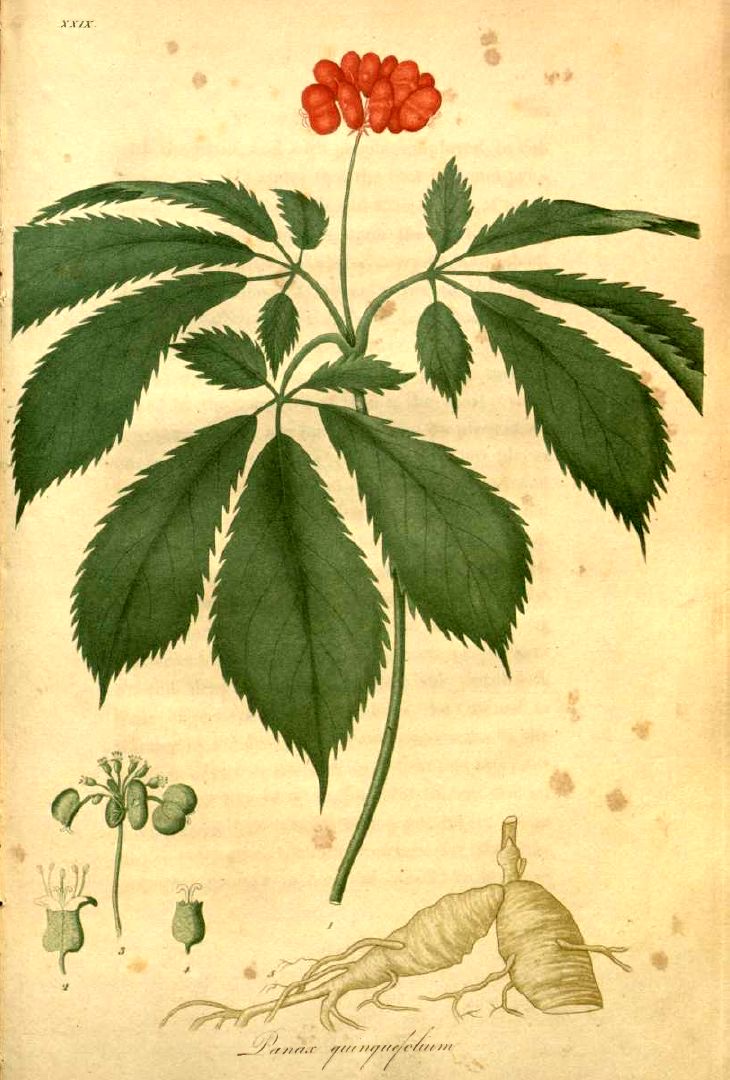
Panax quinquefolius
Ginsenoside Rb1
PubChem ↗Measured to act on
The cell's energy sensor, switching on fuel-burning pathways when energy runs low.
Schisandra chinensis
Schisandrin B (Wuweizisu B)
PubChem ↗Measured in the lab: binds very tightly to Multidrug resistance-associated protein 1 · IC50 1.25 nM
Measured to act on
A guardian enzyme that senses DNA stress and helps coordinate repair.
A sentinel enzyme that detects DNA breaks and signals the cell to mend them.
An enzyme that helps stitch broken DNA strands back together.
Schisandrin C (= Wuweizisu C)
PubChem ↗Measured to act on
The enzyme that drives the body's inflammatory response.
The liver's busiest enzyme for breaking down compounds the body takes in.
A liver enzyme that helps metabolize and clear many compounds from the body.
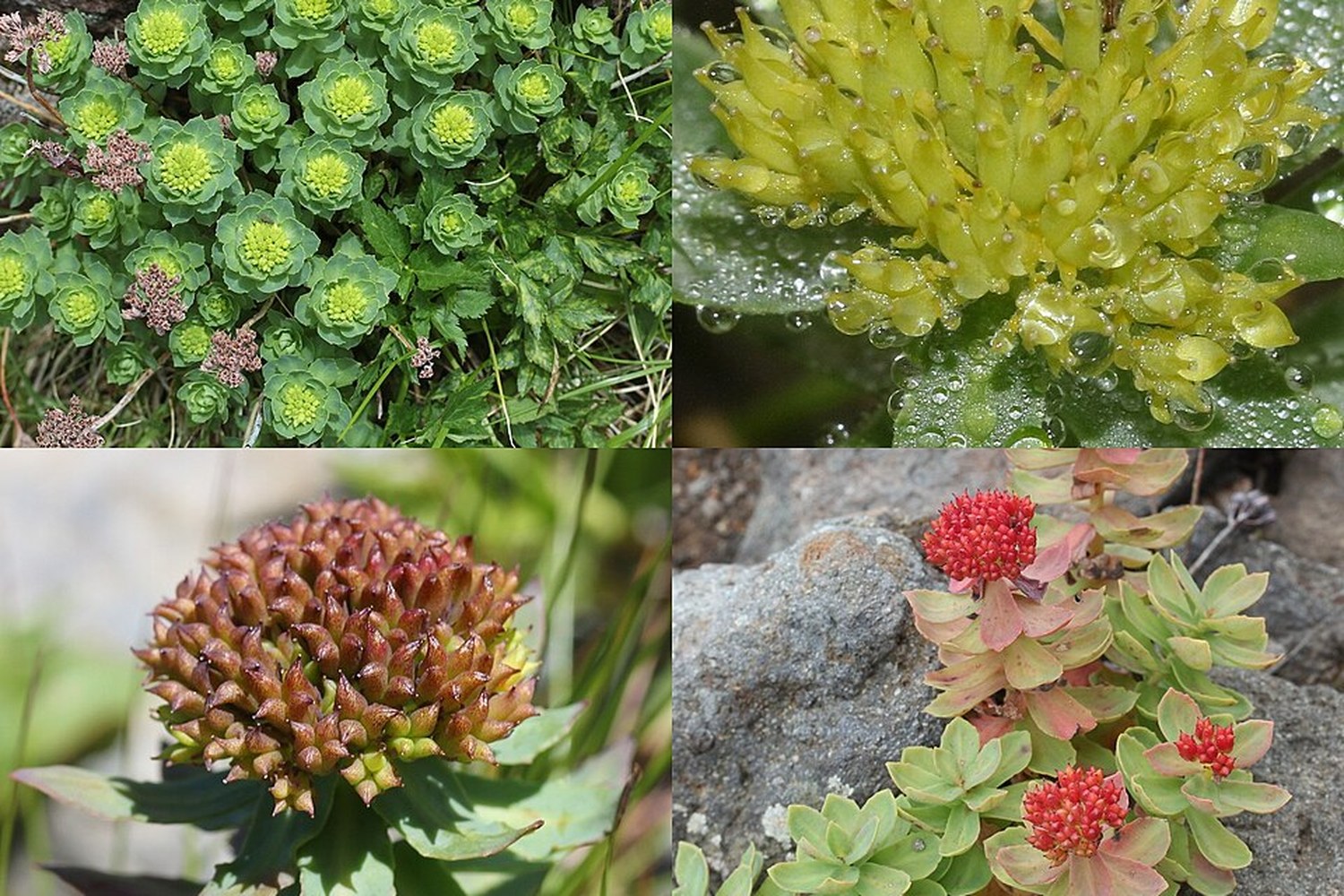
Rhodiola rosea
Salidroside
PubChem ↗Measured in the lab: binds tightly to Amine oxidase [flavin-containing] B · IC50 810 nM
Measured to act on
An enzyme that breaks down messenger chemicals like dopamine in the nervous system.
An enzyme that makes prostaglandins for everyday upkeep like protecting the stomach lining.
An enzyme that cuts RNA when it is paired with DNA, part of normal genetic housekeeping.
Tyrosol (p-Tyrosol)
PubChem ↗Measured in the lab: binds tightly to Beta-carbonic anhydrase 1 · Ki 850 nM
Measured to act on
An enzyme that balances carbon dioxide and acidity, abundant in red blood cells.
A fast enzyme that balances carbon dioxide and acidity throughout the body.
A receptor that receives growth signals guiding cell movement, repair, and renewal.
Glycyrrhiza glabra
18beta-Glycyrrhetinic acid (enoxolone)
PubChem ↗Measured in the lab: binds very tightly to 11-beta-hydroxysteroid dehydrogenase type 2 · IC50 1.2 nM
Measured to act on
An enzyme in tissues like fat and liver that activates the stress hormone cortisol.
A kidney enzyme that switches off cortisol, helping the body manage salt and fluid balance.
A signaling enzyme involved in skin cell growth and how cells respond to their environment.
Liquiritigenin
PubChem ↗Measured in the lab: binds very tightly to Estrogen receptor beta · EC50 37 nM
Measured to act on
A receptor that reads the hormone estrogen, helping govern reproductive and other tissues.
The building-block protein of the internal scaffolding that gives cells shape and moves their parts.
Cited science · not claims
Everything we publish about these plants traces to a primary source — the compounds to PubChem, ChEMBL, and BindingDB, the traditional uses to named, dated herbals. We describe what a plant is and what it is understood to nourish — the body’s own systems, structure and function only. We do not claim it treats, cures, or prevents any disease, and nothing here is a substitute for professional care. See our method & sources →
These statements have not been evaluated by the Food and Drug Administration. Not intended to diagnose, treat, cure, or prevent any disease.
Why these herbs together
The shared mechanism
More than one botanical in this blend is measured to engage the same molecular targets. We share the convergent chemistry — characterized and cited, never a claim.
Eleuthero · Codonopsis · Rehmannia · Rhodiola
Astragalus · Eleuthero · Morinda
Astragalus · He Shou Wu (Fo-Ti) · Morinda
Astragalus · Eucommia · Morinda
Eucommia · He Shou Wu (Fo-Ti) · Licorice
Eucommia · Morinda · Rhodiola
Each convergence is a gene whose protein two or more of this formula’s herbs are measured to engage (PubChem BioAssay & ChEMBL). It describes characterized molecular activity and the protein’s normal role — structure and function only, never a claim to treat, cure, or prevent any disease.
In practice
Who it’s for, and how to use it
Who it’s for
For the grower who wants a plant to build a deep frame and root mass before it flowers — anyone in the vegetative phase establishing transplants, pushing strong early growth, or carrying plants through heat and stress. A complement to your regular feeding program (it does not replace N-P-K), best applied weekly through vegetative growth and especially valuable around transplanting and weather extremes.
How to use it
Dissolve 1 teaspoon per gallon of water and apply weekly during the vegetative phase, as a soil drench at the root zone (it can also be used as a foliar feed). One ounce compounds roughly twenty gallons. Begin at transplant and continue through vegetative growth; transition to a bloom-phase formula as plants enter flowering.
Measure · 1 teaspoon per gallon of water, applied weekly during vegetative phase
What’s inside
Inside are twelve of the herbal tradition's great resilience-building root tonics — astragalus, eucommia, and eleuthero at the foundation, with codonopsis, he-shou-wu, morinda, rehmannia, cistanche, American ginseng, schizandra, rhodiola, and licorice in balanced support. These are the same adaptogens used across cultures for thousands of years to build deep reserve and stamina; each one is itself a plant that learned to thrive in hard ground, and that hard-won chemistry is exactly what your garden draws on.
- Astragalus·
- Eucommia·
- Eleuthero·
- Codonopsis·
- He Shou Wu (Fo-Ti)·
- Morinda·
- Rehmannia·
- Cistanche·
- American Ginseng·
- Schizandra·
- Rhodiola·
- Licorice
For agricultural and horticultural use. Supports plant growth, vigor, and resilience — not a claim of any effect on human or animal health.
Pairs well with
Formulas that share Growth's botanicals
Built from overlapping herbs, these reinforce Growth along the same lines — the shared-botanical kinship our genome engine maps.