
For Plants
Transplant
For the tender first weeks in new ground — root out fast, stand up strong, and move through transplant shock without stalling.
Anchor is for the most fragile moment in a plant's life: the first days after it is sown or moved, when the root ball is small, the soil is unfamiliar, and the whole plant is deciding whether to push forward or sulk. It is built to support that decision in the plant's favor — to feed the systems a young or freshly transplanted plant leans on to find its footing, grow new roots into the new ground, and recover its rhythm instead of stalling out.
What it supports, agronomically, is establishment: new root growth reaching down and out, sturdy early stem and structure as the plant stands itself up, and the kind of steadiness that lets a transplant shrug off the shock of being moved. Applied as a dilute foliar mist or a soil drench at transplant and through the weeks that follow, it works alongside the plant's own vigor rather than forcing it — supporting resilient growth through a stressful stretch.
Reach for it at sowing, at potting-up, at transplant into the bed, and any time a plant has been disturbed at the root and needs to settle back in. It is a steadying tonic for the establishment window, meant to be diluted and applied gently and consistently while the young plant takes hold.
The botanical chemistry inside
The characterized plant compounds in this blend, documented in phytochemical research. Offered as botanical nutrition for the plant's own vigor and resilience — chemistry and tradition, nothing beyond the plant's own conditioning.
For Plants
Small-batch. Dual-extracted where it matters. Made by hand.
How to apply
Apply as a light foliar feed or soil drench at transplant and through the first weeks of establishment.
Raw powders are for soil drenching only — they do not fully dissolve, so they are not suitable for foliar spraying.
For gardeners and growers working through the establishment window — starting seedlings, potting-up, hardening off, and transplanting into beds or larger containers — and for any plant that has been disturbed at the root and needs to take hold. It is for the grower who would rather support a clean, vigorous start than nurse a sulking transplant back from the brink.
Whole plant, never isolated
Concentrated extracts of the whole botanical — the way the body recognizes it.
Cited to measured biology
Every action we describe traces to the compound and its measured target.
Structure & function
We describe what an herb nourishes — never a claim to treat disease.
Secure checkout
Encrypted payment and human verification on every order.
- Free shipping over $150USPS Priority, tracked. $15 standard; ships in 1–3 business days.
- 30-day returnsIn original packaging and resalable condition. Refunded to your original payment method.
What you get
What this formula gives you
Supports vigorous new root development as seedlings and transplants reach into fresh ground
Backs sturdy early stem and structure during the standing-up phase of establishment
Helps young plants move through transplant shock and settle in rather than stall
Buffers the stress of sowing, potting-up, and being moved at the root with adaptogenic tonics
Supports steady, resilient growth across the tender first weeks
How it works
The science of Transplant
Not buzzwords — the actual chemistry of the plants in this formula: their characterized compounds and the proteins those compounds are measured to engage, every one cited.
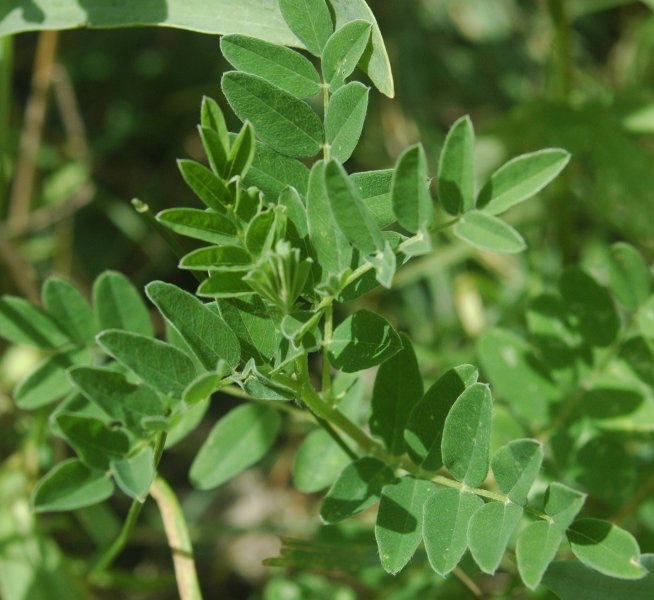
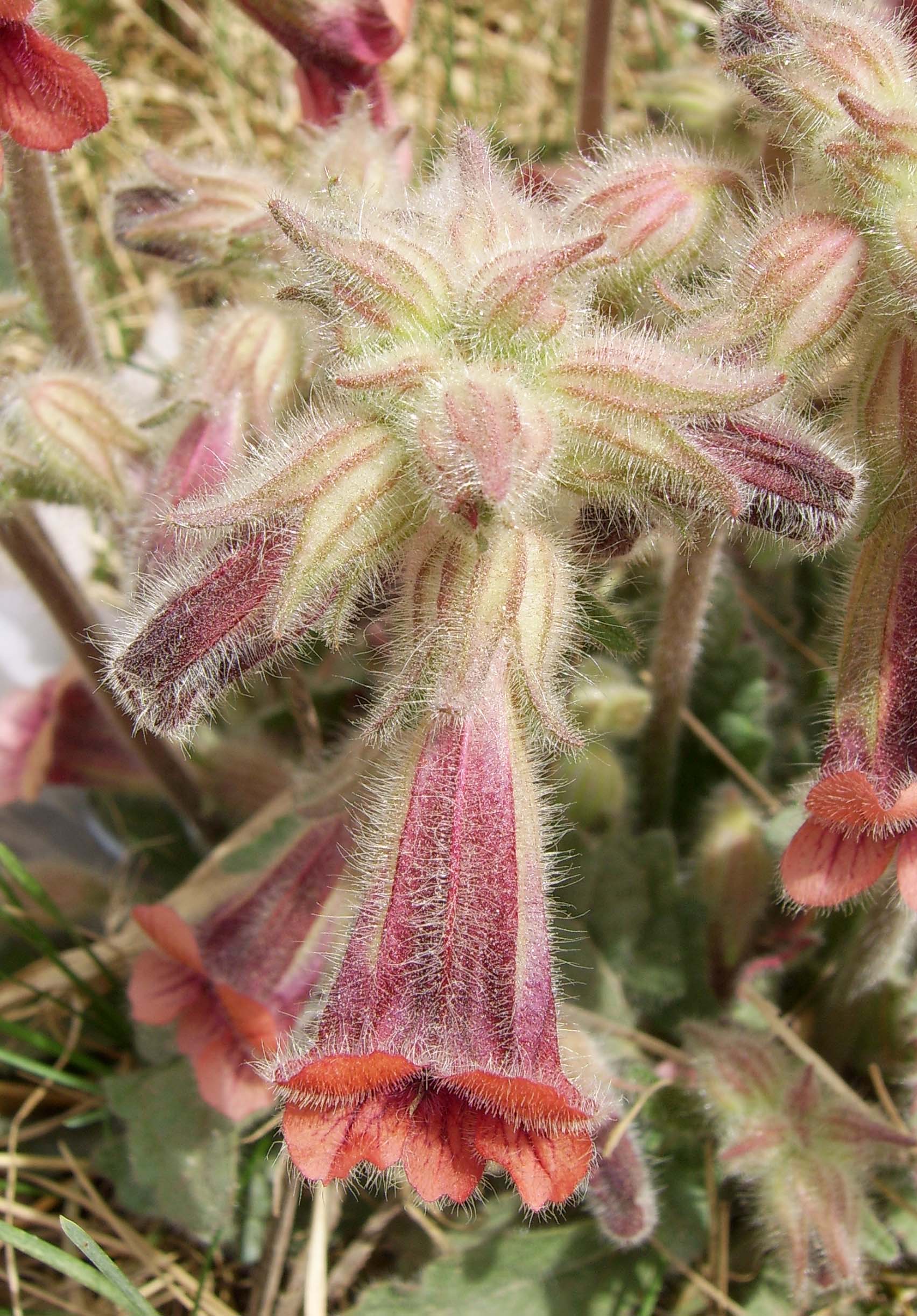
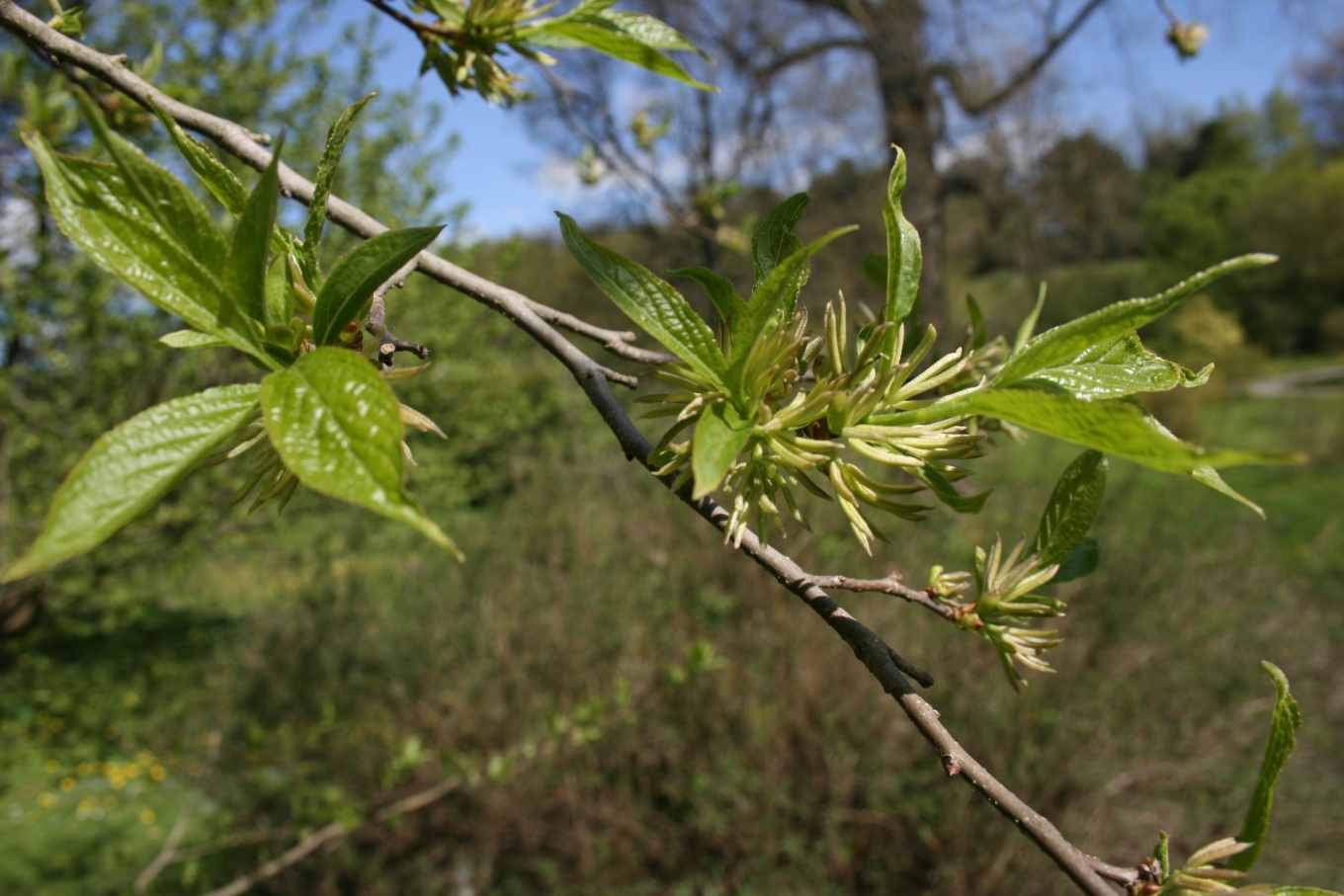
Anchor is led by the deep root tonics the East Asian materia medica reached for to build reserves and vigor — astragalus, rehmannia, and eucommia. Astragalus root carries the polysaccharides and saponins (the astragalosides) long associated with vigorous vegetative drive and resilient growth; in a biostimulant register it anchors the formula's support for strong new root and shoot development as a seedling establishes. Rehmannia is a dense, nourishing root tonic rich in iridoid glycosides and a sugar-rich matrix characteristic of restorative roots — fitting for replenishing the reserves a disturbed transplant draws down as it rebuilds. Eucommia bark, prized in tradition as the tonic for sturdy structure and frame, lends the blend its emphasis on firm early stem and root architecture during the standing-up phase of establishment.
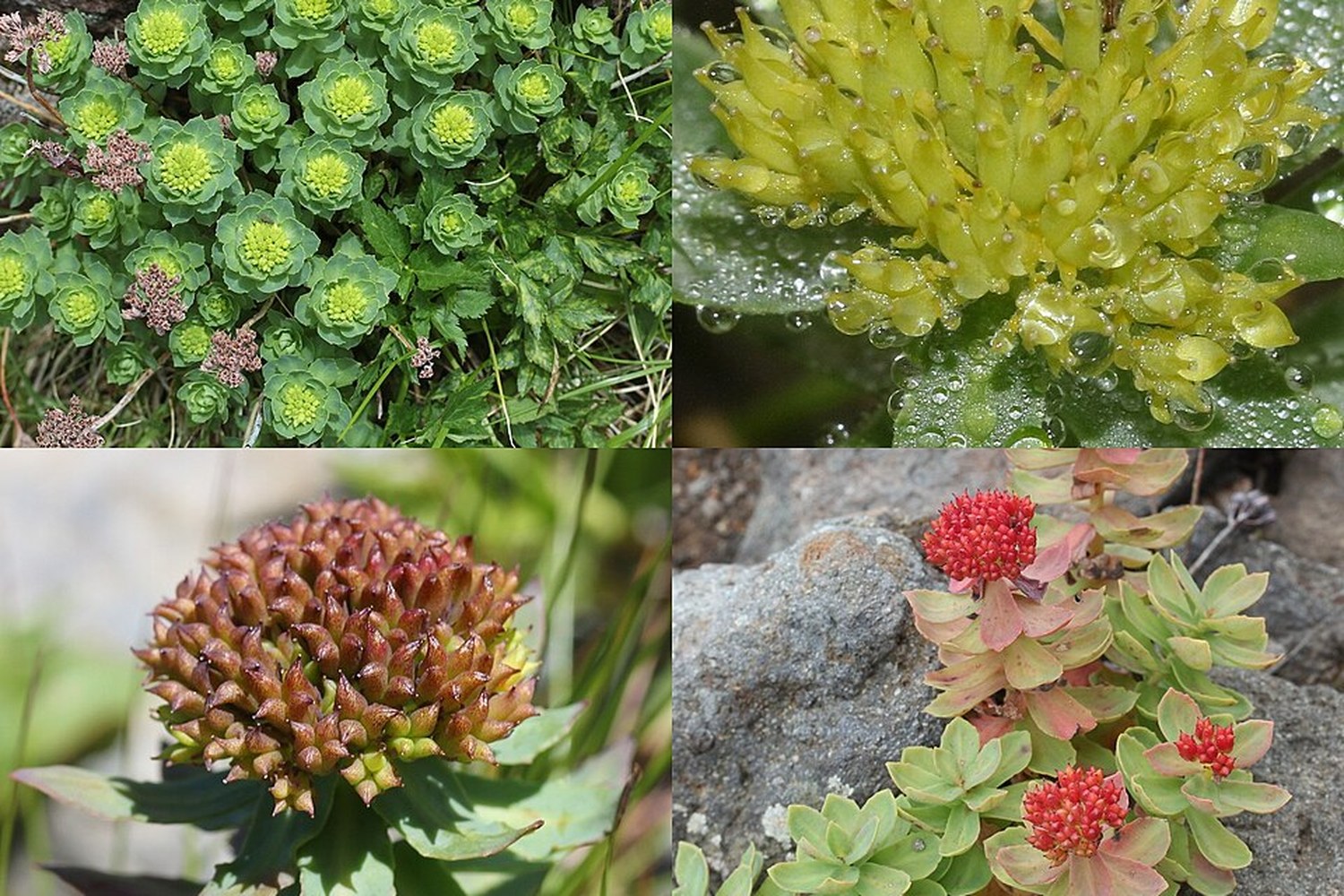
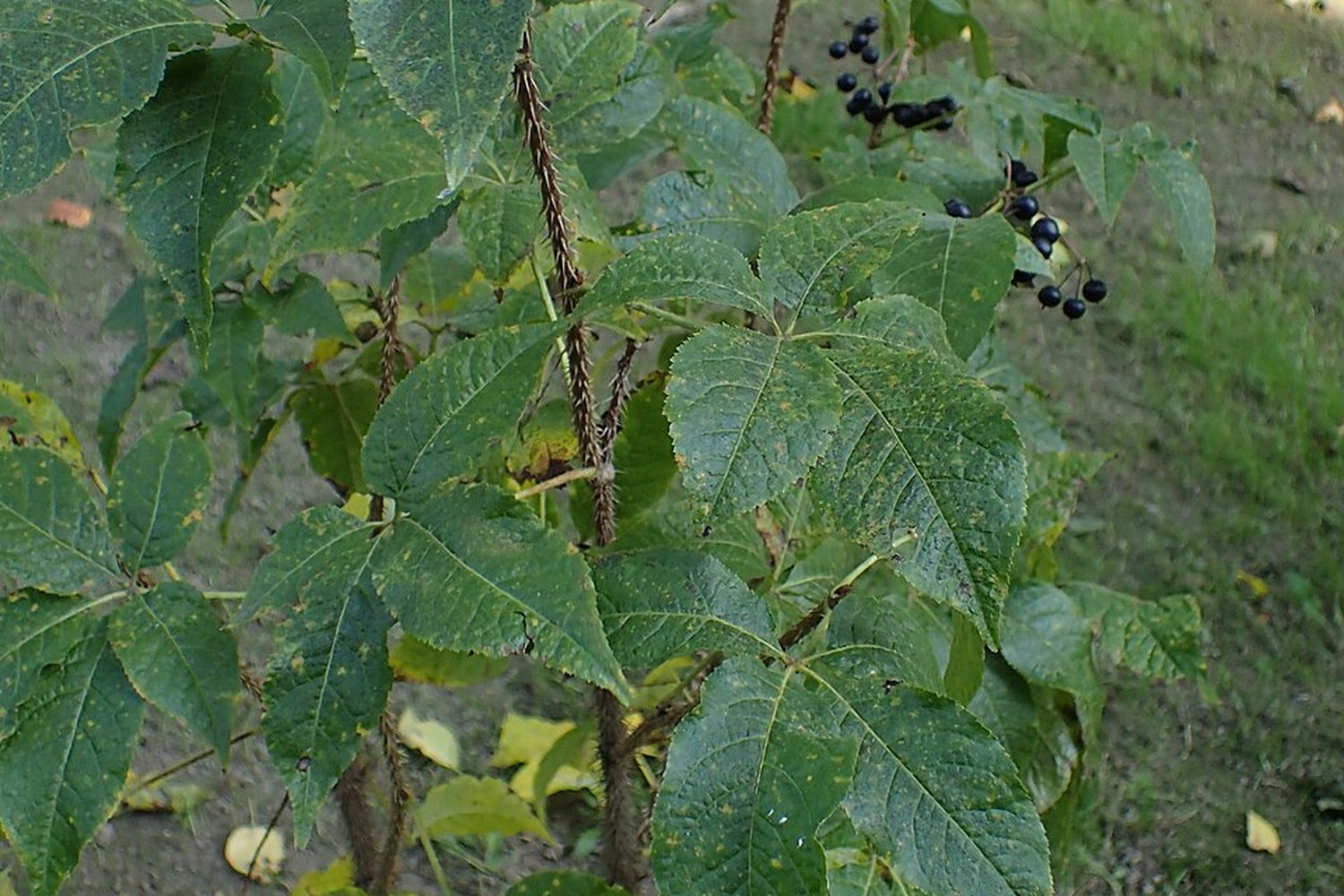
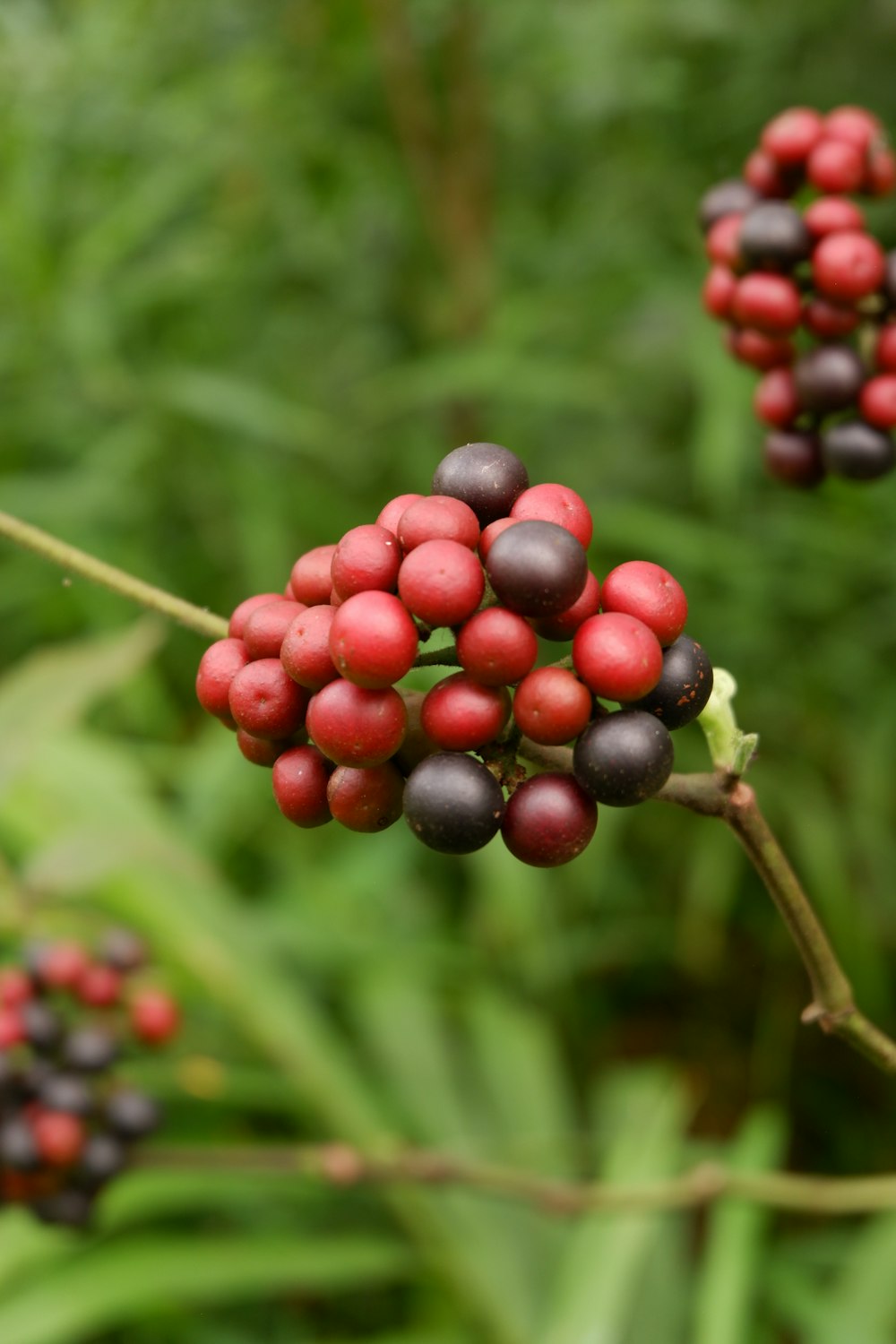
The adaptogenic botanicals address transplant shock directly. Rhodiola brings its signature rosavins and salidroside — the compounds behind its standing as one of the classic stress-resilience botanicals — and eleuthero contributes its eleutherosides, the constituents that made it the archetypal adaptogenic root for endurance through hardship. Schizandra berry adds its protective lignans (schisandrin among them) and a balancing, astringent character that suits a system trying to hold steady, while licorice — built on glycyrrhizin and a broad flavonoid spread — rounds the blend in its traditional harmonizing role. Together these are nutritional and phytochemical patterns that support a young plant's own vigor, structure, and resilience through the establishment window — a biostimulant tonic, never a substitute for sound soil and water.
The molecules, measured
A formula is a community of compounds. Below are active molecules from the herbs in this blend and the proteins each is measured to engage — the precise points where the plants meet biology. So you see not just that it works, but how.
Astragalus membranaceus
Formononetin
PubChem ↗Measured in the lab: binds very tightly to Apoptosis regulator Bcl-2 · Ki 10 nM
Measured to act on
A liver enzyme that breaks down many compounds the body takes in.
An enzyme that edits proteins to manage cellular cleanup and the cell internal scaffolding.
Calycosin
PubChem ↗Measured to act on
A protein that helps organize DNA and acts as an alarm signal during tissue stress.
Rehmannia glutinosa
Acteoside (Verbascoside)
PubChem ↗Measured in the lab: binds very tightly to Beta-secretase 1 · IC50 6.3 nM
Measured to act on
A family of signaling enzymes that relay messages controlling cell growth and activity.
Aucubin
PubChem ↗Measured to act on
An enzyme that makes prostaglandins for everyday housekeeping like stomach lining and blood flow.
The enzyme that drives the body's inflammatory response by producing prostaglandins.
The receptor through which estrogen signals, governing many reproductive and tissue functions.
Eucommia ulmoides
Chlorogenic acid
PubChem ↗Measured in the lab: binds very tightly to Tyrosine-protein phosphatase non-receptor type 1 · IC50 100 nM
Measured to act on
An enzyme that dials down insulin and growth signaling by removing phosphate tags.
An enzyme that converts glucose into sorbitol as part of cellular sugar handling.
Quercetin
PubChem ↗Measured in the lab: binds very tightly to Amine oxidase [flavin-containing] A · IC50 10 nM
Measured to act on
A structural protein that stabilizes the internal scaffolding of nerve cells.
A liver-type enzyme that processes hormones and environmental compounds.
An enzyme that breaks down messenger chemicals like serotonin in the nervous system.
Rhodiola rosea
Salidroside
PubChem ↗Measured in the lab: binds tightly to Amine oxidase [flavin-containing] B · IC50 810 nM
Measured to act on
An enzyme that breaks down messenger chemicals like dopamine in the nervous system.
An enzyme that makes prostaglandins for everyday upkeep like protecting the stomach lining.
An enzyme that cuts RNA when it is paired with DNA, part of normal genetic housekeeping.
Tyrosol (p-Tyrosol)
PubChem ↗Measured in the lab: binds tightly to Beta-carbonic anhydrase 1 · Ki 850 nM
Measured to act on
An enzyme that balances carbon dioxide and acidity, abundant in red blood cells.
A fast enzyme that balances carbon dioxide and acidity throughout the body.
A receptor that receives growth signals guiding cell movement, repair, and renewal.
Eleutherococcus senticosus
Eleutheroside B (Syringin)
PubChem ↗Measured to act on
An enzyme that makes prostaglandins, messengers that protect the stomach lining and aid clotting.
An enzyme that breaks down fatty-acid signals involved in blood vessel tone and inflammation.
Sesamin
PubChem ↗Measured to act on
The sensory channel that detects cold and the cooling feel of menthol.
The receptor through which vitamin D guides calcium balance and gene activity.
A signaling enzyme that helps coordinate cell division.
Schisandra chinensis
Schisandrin B (Wuweizisu B)
PubChem ↗Measured in the lab: binds very tightly to Multidrug resistance-associated protein 1 · IC50 1.25 nM
Measured to act on
A guardian enzyme that senses DNA stress and helps coordinate repair.
A sentinel enzyme that detects DNA breaks and signals the cell to mend them.
An enzyme that helps stitch broken DNA strands back together.
Schisandrin C (= Wuweizisu C)
PubChem ↗Measured to act on
The enzyme that drives the body's inflammatory response.
The liver's busiest enzyme for breaking down compounds the body takes in.
A liver enzyme that helps metabolize and clear many compounds from the body.
Glycyrrhiza glabra
18beta-Glycyrrhetinic acid (enoxolone)
PubChem ↗Measured in the lab: binds very tightly to 11-beta-hydroxysteroid dehydrogenase type 2 · IC50 1.2 nM
Measured to act on
A kidney enzyme that switches off cortisol, helping the body manage salt and fluid balance.
A signaling enzyme involved in skin cell growth and how cells respond to their environment.
A structural protein that forms the scaffold giving each cell nucleus its shape and stability.
Liquiritigenin
PubChem ↗Measured in the lab: binds very tightly to Estrogen receptor beta · EC50 37 nM
Measured to act on
A receptor that reads the hormone estrogen, helping govern reproductive and other tissues.
The building-block protein of the internal scaffolding that gives cells shape and moves their parts.
Cited science · not claims
Everything we publish about these plants traces to a primary source — the compounds to PubChem, ChEMBL, and BindingDB, the traditional uses to named, dated herbals. We describe what a plant is and what it is understood to nourish — the body’s own systems, structure and function only. We do not claim it treats, cures, or prevents any disease, and nothing here is a substitute for professional care. See our method & sources →
These statements have not been evaluated by the Food and Drug Administration. Not intended to diagnose, treat, cure, or prevent any disease.
Why these herbs together
The shared mechanism
More than one botanical in this blend is measured to engage the same molecular targets. We share the convergent chemistry — characterized and cited, never a claim.
Rehmannia · Rhodiola · Eleuthero · Schizandra
Eucommia · Eleuthero · Licorice
Rehmannia · Eleuthero · Schizandra
Astragalus · Eleuthero
Astragalus · Eleuthero
Astragalus · Eucommia
Each convergence is a gene whose protein two or more of this formula’s herbs are measured to engage (PubChem BioAssay & ChEMBL). It describes characterized molecular activity and the protein’s normal role — structure and function only, never a claim to treat, cure, or prevent any disease.
In practice
Who it’s for, and how to use it
Who it’s for
For gardeners and growers working through the establishment window — starting seedlings, potting-up, hardening off, and transplanting into beds or larger containers — and for any plant that has been disturbed at the root and needs to take hold. It is for the grower who would rather support a clean, vigorous start than nurse a sulking transplant back from the brink.
How to use it
Dilute 1/8 to 1/4 tsp per gallon of water and apply as a light foliar feed or soil drench at the time of sowing or transplant, then repeat through the first weeks while the plant establishes. Keep doses light and consistent — this is a gentle biostimulant tonic, not a heavy feed.
Measure · Dilute 1/8 to 1/4 tsp per gallon of water; apply as a light foliar feed or soil drench at transplant and through the first weeks of establishment.
What’s inside
Inside is a rooting-and-resilience garden gathered for the establishment window: the deep root tonics astragalus, rehmannia, and eucommia to nourish new roots and firm early structure, with rhodiola, eleuthero, and schizandra — adaptogens long honored from the East Asian and Siberian herbal lineages for endurance through hardship — to steady a plant through the shock of being moved, drawn together by harmonizing licorice. Chosen so a young or freshly transplanted plant can find its footing and take hold. With gratitude to the plants that make it.
For agricultural and horticultural use. Supports plant growth, vigor, and resilience — not a claim of any effect on human or animal health.
Pairs well with
Formulas that share Transplant's botanicals
Built from overlapping herbs, these reinforce Transplant along the same lines — the shared-botanical kinship our genome engine maps.