For Plants
Resilience
The adaptogenic backbone for plants that have to hold steady through heat, drought, cold, and the shock of being moved.
Resilience is for the plant that keeps getting tested. A heat wave that won't break. A pot that dries out before you get back to it. A cold snap on the shoulder of the season. A transplant that has to find its feet in new ground. This formula is built to help a plant meet those stresses standing up — to bend through them instead of stalling, and to come back to its rhythm faster once the pressure lifts.
It is an adaptogenic feed, in the truest sense of that word: it doesn't push the plant in one direction, it helps the plant hold its own balance against whatever the environment is doing. The botanicals inside — rhodiola, eleuthero, schizandra, tulsi, and astragalus — are the same lineage of stress-hardy, high-altitude and tough-climate plants herbalists across East Asian, Siberian, Greek, and Ayurvedic traditions reached for when a body needed to endure. Here that intelligence is offered to your garden as a dilute foliar feed or soil drench.
Use it as steady-state support, not rescue. Worked in once a month or every other feeding through a demanding stretch — a hot summer, a dry run, a season-end chill, a round of repotting or bed-to-bed moves — it helps your plants carry the load without giving up vigor. The aim is a plant that stays composed under conditions that would otherwise check its growth.
The botanical chemistry inside
The characterized plant compounds in this blend, documented in phytochemical research. Offered as botanical nutrition for the plant's own vigor and resilience — chemistry and tradition, nothing beyond the plant's own conditioning.
For Plants
Small-batch. Dual-extracted where it matters. Made by hand.
How to take it
Dilute 1/8 to 1/4 teaspoon per gallon of water. Foliar feed at the lighter rate, or soil drench at the fuller rate, about once a month or every other feeding.
Whole plant, never isolated
Concentrated extracts of the whole botanical — the way the body recognizes it.
Cited to measured biology
Every action we describe traces to the compound and its measured target.
Structure & function
We describe what an herb nourishes — never a claim to treat disease.
Secure checkout
Encrypted payment and human verification on every order.
- Free shipping over $150USPS Priority, tracked. $15 standard; ships in 1–3 business days.
- 30-day returnsIn original packaging and resalable condition. Refunded to your original payment method.
What you get
What this formula gives you
Supports stress tolerance through heat and intense sun, so plants hold their composure when temperatures spike
Supports steadiness through drought and irregular watering, helping plants ride out dry stretches without stalling out
Supports cold-snap and season-shoulder resilience, so a chill is less likely to check momentum
Supports recovery from transplant shock — repotting, bed-to-bed moves, and root disturbance
Supports sustained vigor under prolonged pressure, so a plant doesn't trade growth away just to survive
Convergent adaptogens working as one backbone — broader stress coverage than any single botanical
How it works
The science of Resilience
Not buzzwords — the actual chemistry of the plants in this formula: their characterized compounds and the proteins those compounds are measured to engage, every one cited.
Every plant in this blend earned its place by thriving where life is hard — the rocky high country of rhodiola, the cold taiga of eleuthero, the harsh continental swings schizandra and astragalus evolved under, the relentless sun tulsi grows in. That shared origin is the whole point: these are plants that already solved the problem of enduring stress, and the compounds they built to do it are what we feed forward. In the botanical tradition this is called the adaptogenic class — plants that support an organism's own capacity to stay in balance rather than forcing a single response.
We can name the actual chemistry. Rhodiola carries salidroside and the rosavins; eleuthero carries the eleutherosides (syringin and syringaresinol glycosides); schizandra is defined by its lignans, schisandrin and schisandrin B; astragalus brings its astragalosides and polysaccharides; tulsi contributes its aromatic eugenol-and-apigenin fraction. These are the molecules these plants make to manage oxidative and environmental load on themselves — measured, catalogued compounds, not folklore. Offered as a dilute feed, they support a plant's own stress-tolerance machinery: the antioxidant and membrane-protective housekeeping that lets tissue hold together through heat, cold, and drought.
This is structure-and-function support for a plant's terrain — we are nourishing the systems a plant uses to regulate itself, not promising to override weather or fix a sick plant. A resilient plant is one whose internal balance holds when the outside world swings. That is what these convergent botanicals are assembled to support, working as one because no single adaptogen covers the full range of stress a season throws at a garden.
The molecules, measured
A formula is a community of compounds. Below are active molecules from the herbs in this blend and the proteins each is measured to engage — the precise points where the plants meet biology. So you see not just that it works, but how.
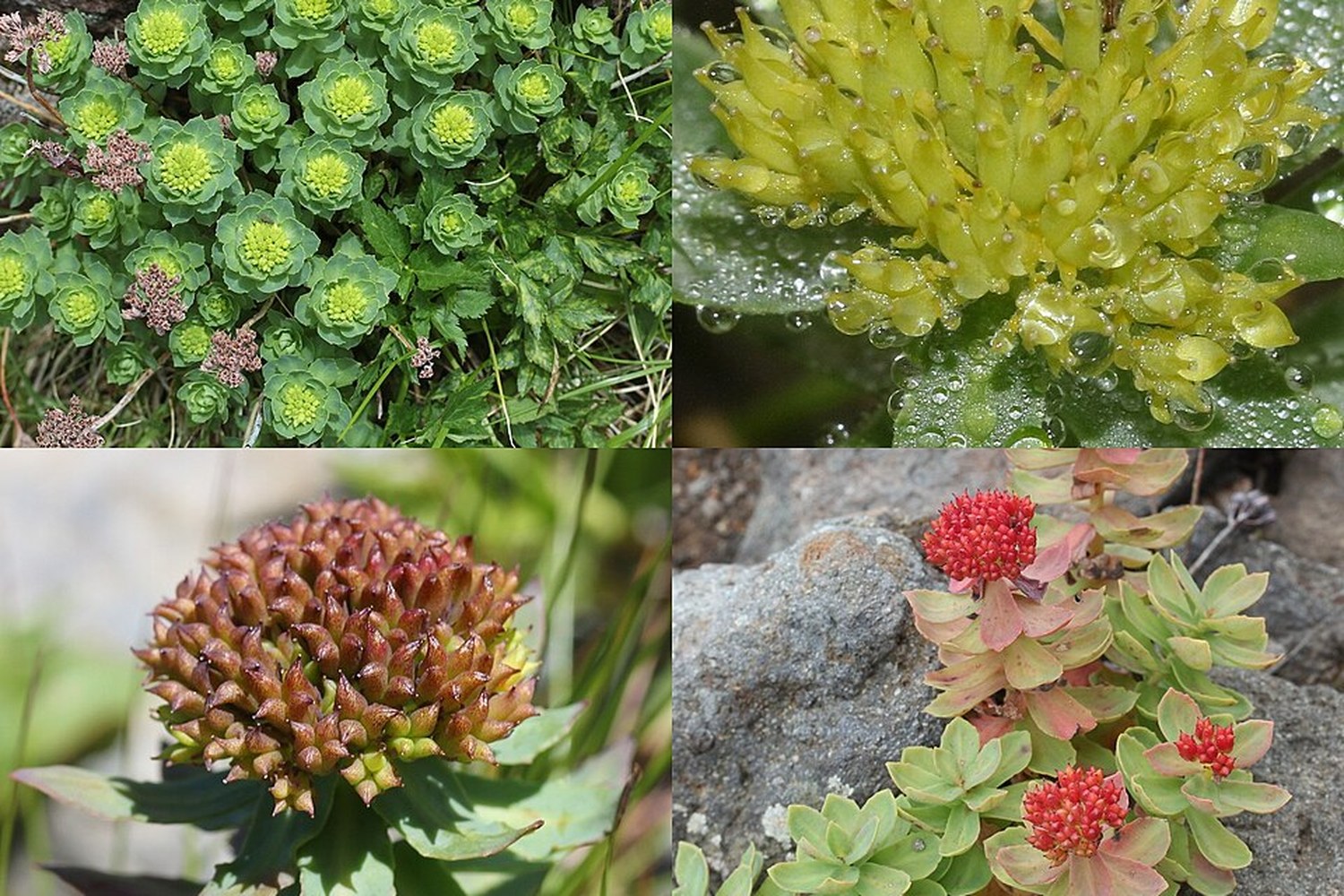
Rhodiola rosea
Salidroside
PubChem ↗Measured in the lab: binds tightly to Amine oxidase [flavin-containing] B · IC50 810 nM
Measured to act on
An enzyme that breaks down messenger chemicals like dopamine in the nervous system.
An enzyme that makes prostaglandins for everyday upkeep like protecting the stomach lining.
An enzyme that cuts RNA when it is paired with DNA, part of normal genetic housekeeping.
Tyrosol (p-Tyrosol)
PubChem ↗Measured in the lab: binds tightly to Beta-carbonic anhydrase 1 · Ki 850 nM
Measured to act on
An enzyme that balances carbon dioxide and acidity, abundant in red blood cells.
A fast enzyme that balances carbon dioxide and acidity throughout the body.
A receptor that receives growth signals guiding cell movement, repair, and renewal.
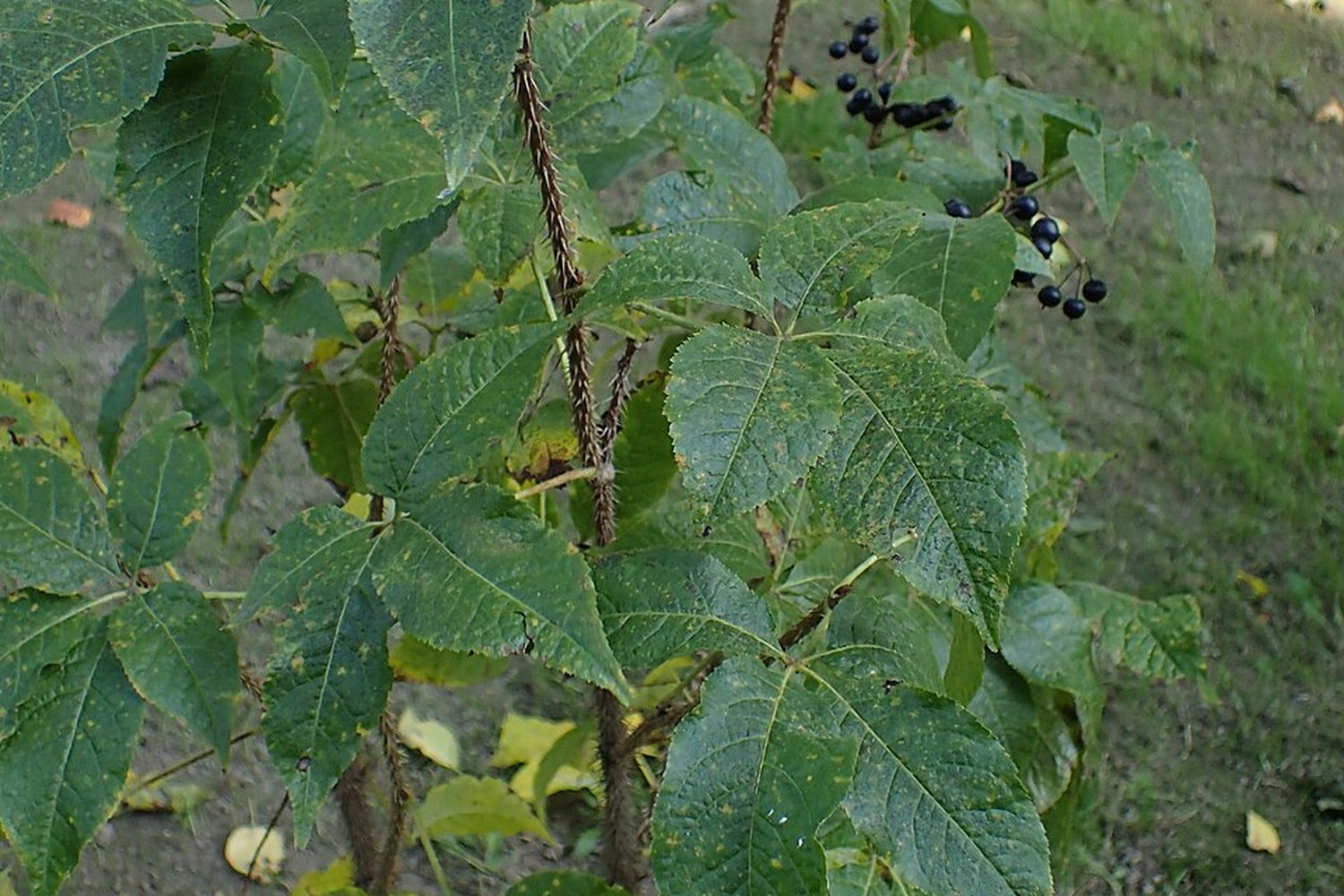
Eleutherococcus senticosus
Eleutheroside B (Syringin)
PubChem ↗Measured to act on
An enzyme that makes prostaglandins for everyday upkeep like protecting the stomach lining.
An enzyme that breaks down fatty-acid signals involved in blood vessel tone and inflammation.
Sesamin
PubChem ↗Measured to act on
The sensory channel that detects cold and the cooling feel of menthol.
The receptor through which vitamin D guides calcium balance and gene activity.
A signaling enzyme that helps coordinate cell division.
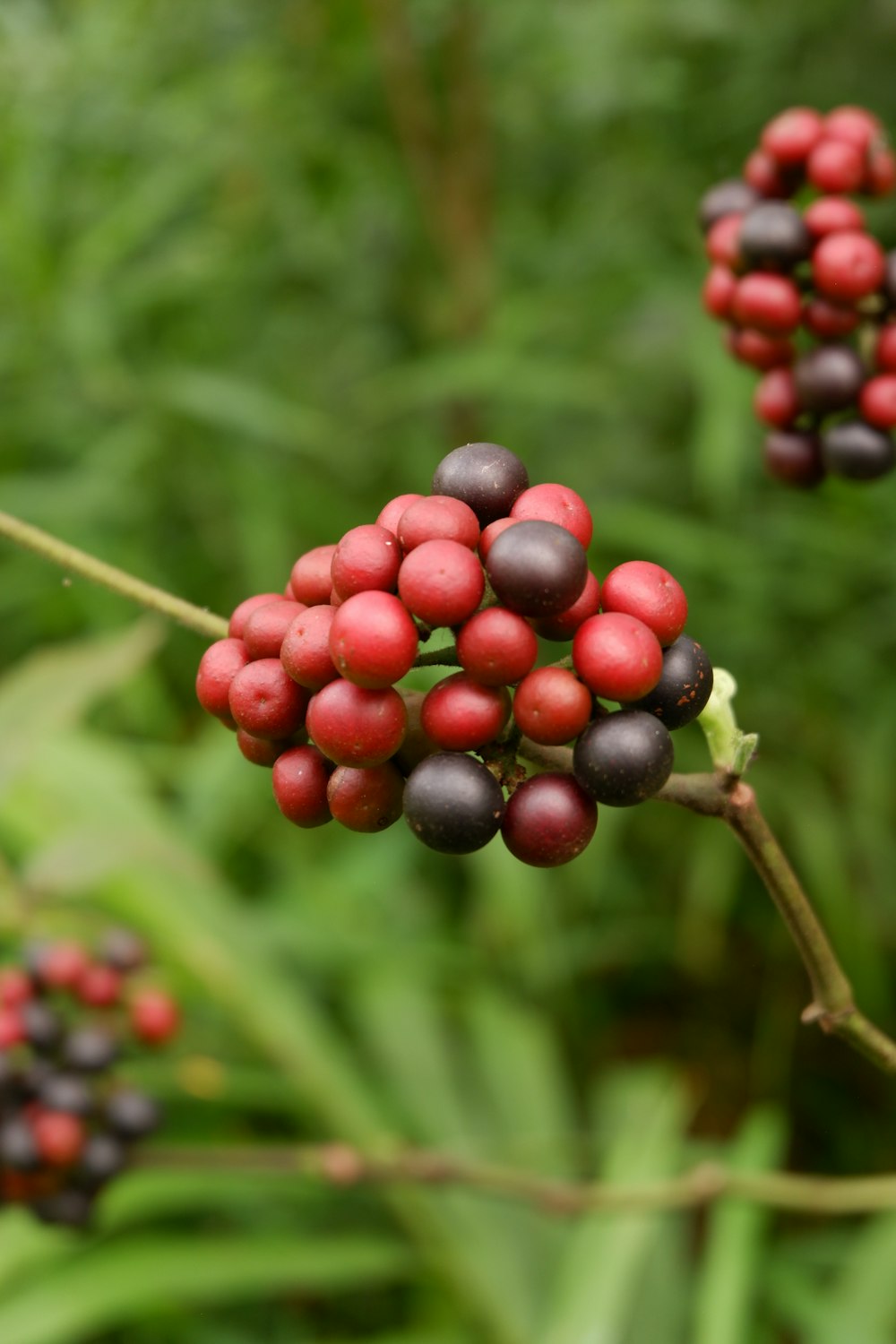
Schisandra chinensis
Schisandrin B (Wuweizisu B)
PubChem ↗Measured in the lab: binds very tightly to Multidrug resistance-associated protein 1 · IC50 1.25 nM
Measured to act on
A guardian enzyme that senses DNA stress and helps coordinate repair.
A sentinel enzyme that detects DNA breaks and signals the cell to mend them.
An enzyme that helps stitch broken DNA strands back together.
Schisandrin C (= Wuweizisu C)
PubChem ↗Measured to act on
The enzyme that drives the body's inflammatory response.
The liver's busiest enzyme for breaking down compounds the body takes in.
A liver enzyme that helps metabolize and clear many compounds from the body.
Ocimum sanctum
apigenin
PubChem ↗Measured in the lab: binds very tightly to Acetylcholinesterase · IC50 12 nM
Measured to act on
A liver-family enzyme that processes hormones and foreign compounds the body needs to clear.
A carrier protein that ferries thyroid hormone and vitamin A through the bloodstream.
A detoxifying enzyme that breaks down environmental compounds the body absorbs.
luteolin
PubChem ↗Measured in the lab: binds very tightly to Tyrosinase · IC50 0.613 nM
Measured to act on
A liver-family enzyme that processes hormones and foreign compounds the body needs to clear.
An enzyme immune cells use to remodel and break down connective tissue.
A receptor on blood-forming cells that signals them to grow and divide.
Astragalus membranaceus
Formononetin
PubChem ↗Measured in the lab: binds very tightly to Apoptosis regulator Bcl-2 · Ki 10 nM
Measured to act on
A liver enzyme that breaks down many compounds the body takes in.
A protein that helps decide whether a cell continues living or undergoes natural turnover.
An enzyme that edits proteins to manage cellular cleanup and the cell internal scaffolding.
Calycosin
PubChem ↗Measured to act on
A protein that helps organize DNA and acts as an alarm signal during tissue stress.
Cited science · not claims
Everything we publish about these plants traces to a primary source — the compounds to PubChem, ChEMBL, and BindingDB, the traditional uses to named, dated herbals. We describe what a plant is and what it is understood to nourish — the body’s own systems, structure and function only. We do not claim it treats, cures, or prevents any disease, and nothing here is a substitute for professional care. See our method & sources →
These statements have not been evaluated by the Food and Drug Administration. Not intended to diagnose, treat, cure, or prevent any disease.
Why these herbs together
The shared mechanism
More than one botanical in this blend is measured to engage the same molecular targets. We share the convergent chemistry — characterized and cited, never a claim.
Eleuthero · Tulsi (Holy Basil) · Astragalus
Rhodiola · Eleuthero · Tulsi (Holy Basil)
Each convergence is a gene whose protein two or more of this formula’s herbs are measured to engage (PubChem BioAssay & ChEMBL). It describes characterized molecular activity and the protein’s normal role — structure and function only, never a claim to treat, cure, or prevent any disease.
In practice
Who it’s for, and how to use it
Who it’s for
For the grower whose plants get genuinely tested — a hot or unpredictable climate, a watering schedule that can't always be perfect, a cold-edge season, or any round of transplanting and moving. It is for vegetables, herbs, ornamentals, and starts you want to carry through a demanding stretch with their vigor intact. Reach for Resilience when the challenge is environmental and ongoing; pair it with the Soil formula when you also want to build the living ground underneath, and with Recovery when a plant needs help bouncing back from an acute setback.
How to use it
Dilute 1/8 to 1/4 teaspoon per gallon of water. Use the lighter rate as a foliar feed (mist the leaves, ideally in the cooler part of the day) or the fuller rate as a soil drench around the root zone. Apply about once a month, or every other feeding, through any demanding stretch — a heat wave, a dry run, a cold shoulder of the season, or a round of transplanting. Steady, rhythmic support serves a plant better than a single heavy dose; think of it as conditioning, not rescue. One ounce (12 g) goes a long way at these dilutions.
Measure · Dilute 1/8 to 1/4 teaspoon per gallon of water. Foliar feed at the lighter rate, or soil drench at the fuller rate, about once a month or every other feeding.
What’s inside
Inside: rhodiola, eleuthero, schizandra, tulsi (holy basil), and astragalus — adaptogenic botanicals, chosen because each one made its life in a hard climate and learned to endure it. We blend them whole and balanced and offer them to your garden as a dilute feed. The most pristine herbs on earth, in service of plants that have to hold steady.
For agricultural and horticultural use. Supports plant growth, vigor, and resilience — not a claim of any effect on human or animal health.
Pairs well with
Formulas that share Resilience's botanicals
Built from overlapping herbs, these reinforce Resilience along the same lines — the shared-botanical kinship our genome engine maps.