
For Plants
Cold Season
Help your plants hold their ground when the cold comes in.
Solstice is built for the turn of the season — the weeks when daylight shortens, the first frosts arrive, and a plant's task shifts from pushing growth to holding what it has. It supports the natural process of hardening off, helping tissues firm and prepare rather than stay soft and vulnerable to cold.
Through deep cold and dormancy, it acts as a steadying presence in the root zone and on the leaf. The adaptogenic roots at its heart — eleuthero and rhodiola among them — come from plants that thrive where winters are brutal, lending the kind of stress-tempered character a garden needs when conditions get extreme.
As warmth returns, plants carried through dormancy with their reserves protected are better positioned to wake with vigor. Solstice is the companion for the resting season — quiet support for the part of the year when survival is the work.
The botanical chemistry inside
The characterized plant compounds in this blend, documented in phytochemical research. Offered as botanical nutrition for the plant's own vigor and resilience — chemistry and tradition, nothing beyond the plant's own conditioning.
For Plants
Small-batch. Dual-extracted where it matters. Made by hand.
How to apply
Apply as a foliar feed or soil drench as temperatures begin to drop and through the dormant season.
Raw powders are for soil drenching only — they do not fully dissolve, so they are not suitable for foliar spraying.
For gardeners and growers preparing perennials, shrubs, and overwintering crops for the cold season. Ideal for anyone in a frost-prone climate who wants to give plants steadying support through dormancy.
Whole plant, never isolated
Concentrated extracts of the whole botanical — the way the body recognizes it.
Cited to measured biology
Every action we describe traces to the compound and its measured target.
Structure & function
We describe what an herb nourishes — never a claim to treat disease.
Secure checkout
Encrypted payment and human verification on every order.
- Free shipping over $150USPS Priority, tracked. $15 standard; ships in 1–3 business days.
- 30-day returnsIn original packaging and resalable condition. Refunded to your original payment method.
What you get
What this formula gives you
Supports natural hardening-off ahead of frost
Helps plants stay steady through cold snaps
Encourages reserve-building going into dormancy
Draws on botanicals proven hardy in the harshest winters
Positions plants to wake with vigor in spring
How it works
The science of Cold Season
Not buzzwords — the actual chemistry of the plants in this formula: their characterized compounds and the proteins those compounds are measured to engage, every one cited.
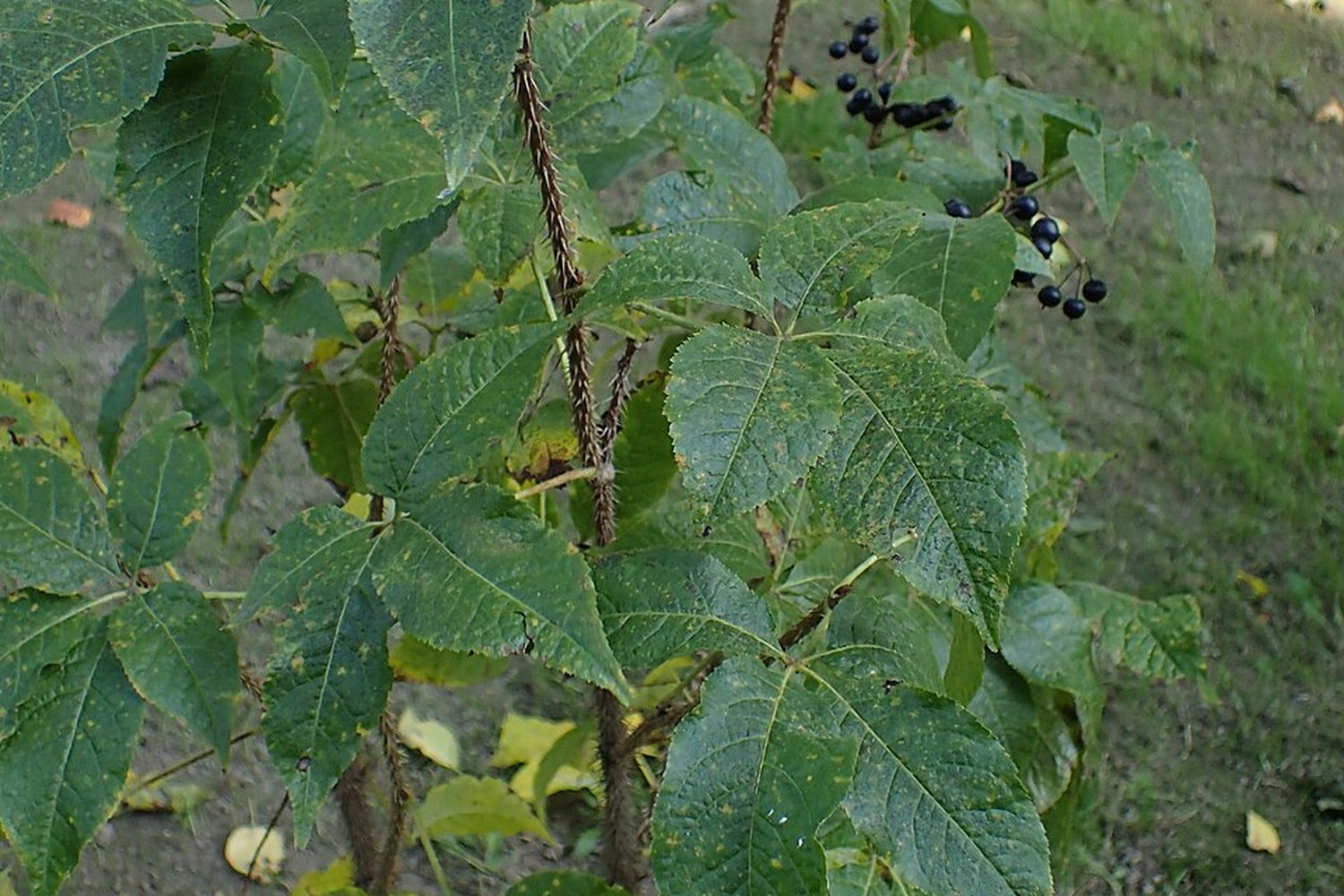
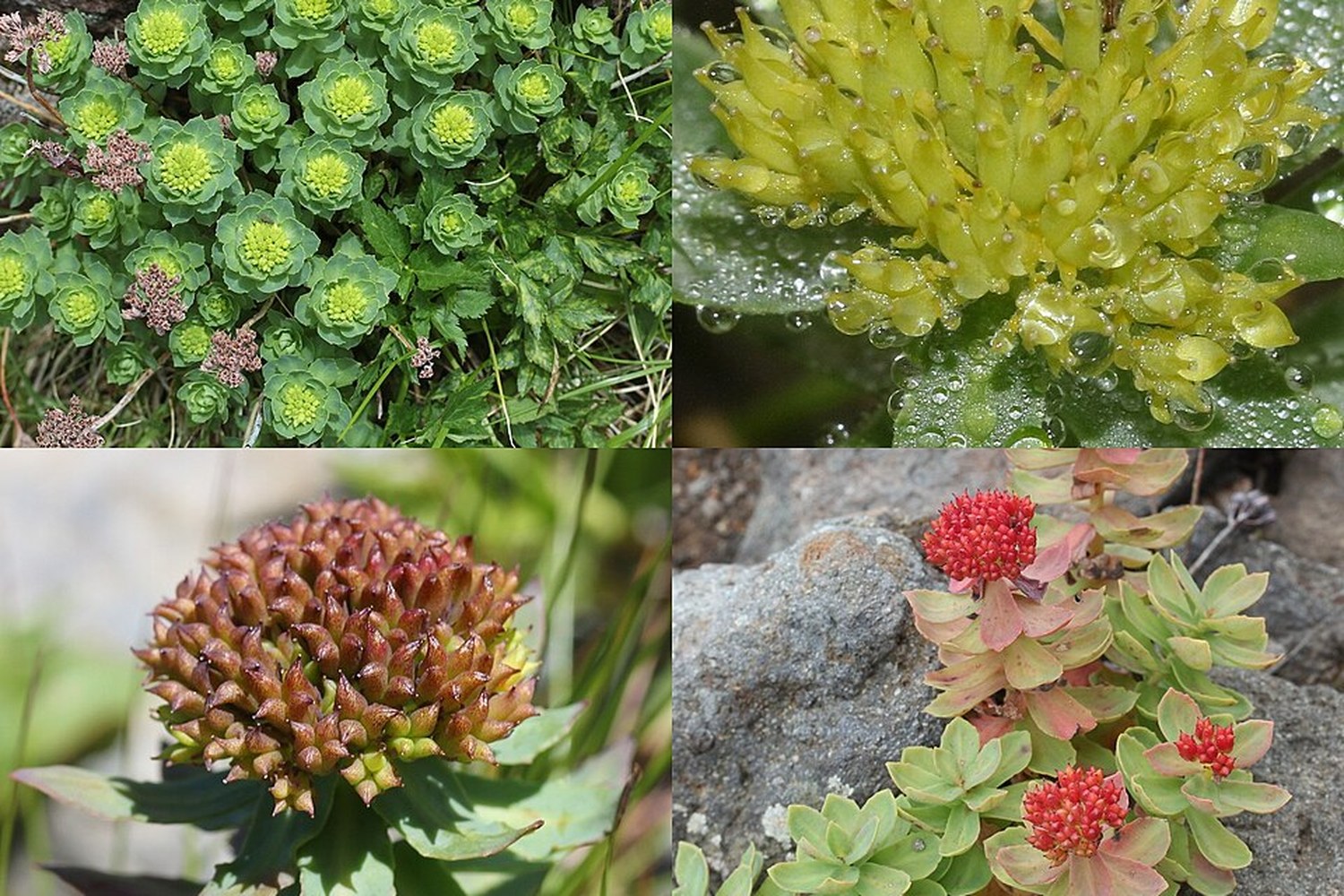
The botanicals in Solstice are defined by where they come from. Eleuthero (Siberian ginseng) and rhodiola are cold-climate, high-stress adaptogens — rhodiola grows on exposed arctic and alpine ground, eleuthero across the Siberian taiga. In their own physiology these plants are masters of surviving cold and scarcity, and that hardy, stress-tempered character is what makes them a fitting biostimulant base for a plant facing the same conditions.
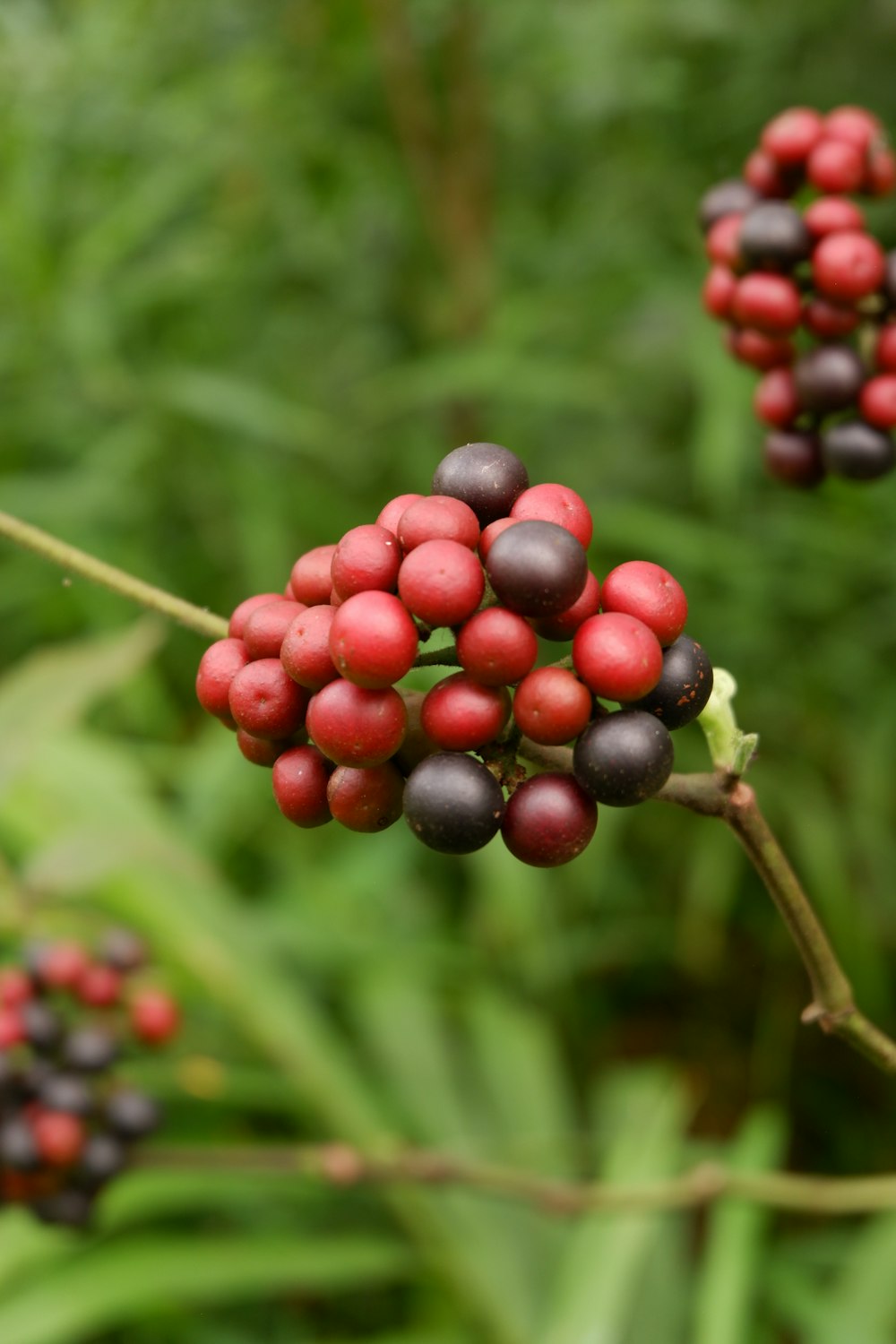
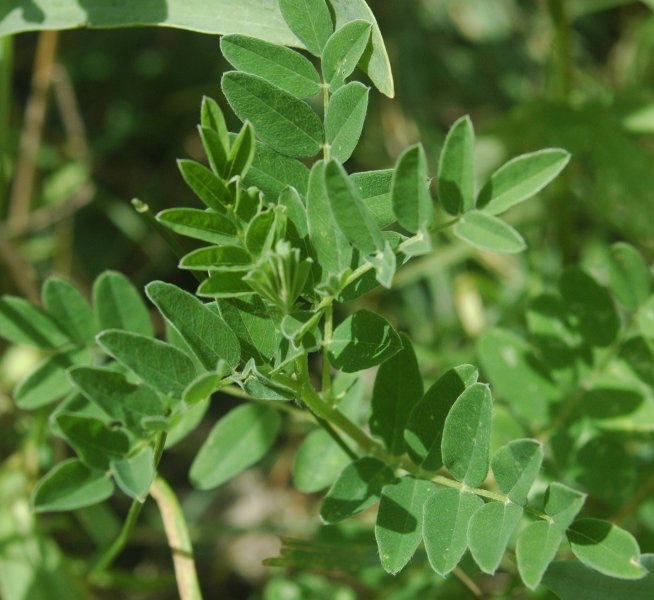
Schizandra, a hardy Manchurian vine, and northern astragalus add astringent, root-strengthening character associated in East Asian agronomic tradition with consolidation and reserve-building, while eucommia — a cold-tolerant hardy tree bark — speaks to woody structure and resilience. Warming ginger rounds the blend. Together they support a plant's own hardening and dormancy processes; this is structure-and-function support for resilience, not a cure or a guarantee against frost.
The molecules, measured
A formula is a community of compounds. Below are active molecules from the herbs in this blend and the proteins each is measured to engage — the precise points where the plants meet biology. So you see not just that it works, but how.
Eleutherococcus senticosus
Eleutheroside B (Syringin)
PubChem ↗Measured to act on
An enzyme that makes prostaglandins, messengers that protect the stomach lining and aid clotting.
An enzyme that breaks down fatty-acid signals involved in blood vessel tone and inflammation.
Sesamin
PubChem ↗Measured to act on
The sensory channel that detects cold and the cooling feel of menthol.
The receptor through which vitamin D guides calcium balance and gene activity.
A signaling enzyme that helps coordinate cell division.
Rhodiola rosea
Salidroside
PubChem ↗Measured in the lab: binds tightly to Amine oxidase [flavin-containing] B · IC50 810 nM
Measured to act on
An enzyme that breaks down messenger chemicals like dopamine in the nervous system.
An enzyme that makes prostaglandins for everyday upkeep like protecting the stomach lining.
An enzyme that cuts RNA when it is paired with DNA, part of normal genetic housekeeping.
Tyrosol (p-Tyrosol)
PubChem ↗Measured in the lab: binds tightly to Beta-carbonic anhydrase 1 · Ki 850 nM
Measured to act on
An enzyme that balances carbon dioxide and acidity, abundant in red blood cells.
A fast enzyme that balances carbon dioxide and acidity throughout the body.
A receptor that receives growth signals guiding cell movement, repair, and renewal.
Schisandra chinensis
Schisandrin B (Wuweizisu B)
PubChem ↗Measured in the lab: binds very tightly to Multidrug resistance-associated protein 1 · IC50 1.25 nM
Measured to act on
A guardian enzyme that senses DNA stress and helps coordinate repair.
A sentinel enzyme that detects DNA breaks and signals the cell to mend them.
An enzyme that helps stitch broken DNA strands back together.
Schisandrin C (= Wuweizisu C)
PubChem ↗Measured to act on
The enzyme that drives the body's inflammatory response.
The liver's busiest enzyme for breaking down compounds the body takes in.
A liver enzyme that helps metabolize and clear many compounds from the body.
Astragalus membranaceus
Formononetin
PubChem ↗Measured in the lab: binds very tightly to Apoptosis regulator Bcl-2 · Ki 10 nM
Measured to act on
A liver enzyme that breaks down many compounds the body takes in.
An enzyme that edits proteins to manage cellular cleanup and the cell internal scaffolding.
Calycosin
PubChem ↗Measured to act on
A protein that helps organize DNA and acts as an alarm signal during tissue stress.
Eucommia ulmoides
Chlorogenic acid
PubChem ↗Measured in the lab: binds very tightly to Tyrosine-protein phosphatase non-receptor type 1 · IC50 100 nM
Measured to act on
An enzyme that dials down insulin and growth signaling by removing phosphate tags.
An enzyme that converts glucose into sorbitol as part of cellular sugar handling.
Quercetin
PubChem ↗Measured in the lab: binds very tightly to Amine oxidase [flavin-containing] A · IC50 10 nM
Measured to act on
A structural protein that stabilizes the internal scaffolding of nerve cells.
A liver-type enzyme that processes hormones and environmental compounds.
An enzyme that breaks down messenger chemicals like serotonin in the nervous system.
Zingiber officinale
6-Gingerol
PubChem ↗Measured in the lab: binds to Transient receptor potential cation channel subfamily V member 1 · EC50 3.3 µM
Measured to act on
A major liver enzyme that processes a wide range of compounds the body takes in.
A repair enzyme that resolves certain DNA damage so the strand can be restored.
A liver enzyme that helps break down and process many compounds and natural substances.
6-Shogaol
PubChem ↗Measured in the lab: binds to Cytochrome P450 1A2 · IC50 2.5 µM
Measured to act on
A major liver enzyme that processes a wide range of compounds the body takes in.
A liver enzyme that processes many compounds, including some the body forms naturally.
A nerve-ending sensor that responds to heat and to the pungency of chili pepper compounds.
Cited science · not claims
Everything we publish about these plants traces to a primary source — the compounds to PubChem, ChEMBL, and BindingDB, the traditional uses to named, dated herbals. We describe what a plant is and what it is understood to nourish — the body’s own systems, structure and function only. We do not claim it treats, cures, or prevents any disease, and nothing here is a substitute for professional care. See our method & sources →
These statements have not been evaluated by the Food and Drug Administration. Not intended to diagnose, treat, cure, or prevent any disease.
Why these herbs together
The shared mechanism
More than one botanical in this blend is measured to engage the same molecular targets. We share the convergent chemistry — characterized and cited, never a claim.
Eleuthero · Rhodiola · Schizandra · Ginger
Eleuthero · Astragalus · Ginger
Eleuthero · Astragalus · Ginger
Eleuthero · Astragalus · Ginger
Eleuthero · Schizandra · Ginger
Eleuthero · Eucommia
Each convergence is a gene whose protein two or more of this formula’s herbs are measured to engage (PubChem BioAssay & ChEMBL). It describes characterized molecular activity and the protein’s normal role — structure and function only, never a claim to treat, cure, or prevent any disease.
In practice
Who it’s for, and how to use it
Who it’s for
For gardeners and growers preparing perennials, shrubs, and overwintering crops for the cold season. Ideal for anyone in a frost-prone climate who wants to give plants steadying support through dormancy.
How to use it
Dilute 1/8 to 1/4 tsp per gallon and apply as a foliar feed or soil drench as temperatures begin to fall, repeating through the dormant months to support plants as they rest.
Measure · Dilute 1/8 to 1/4 tsp per gallon of water. Apply as a foliar feed or soil drench as temperatures begin to drop and through the dormant season.
What’s inside
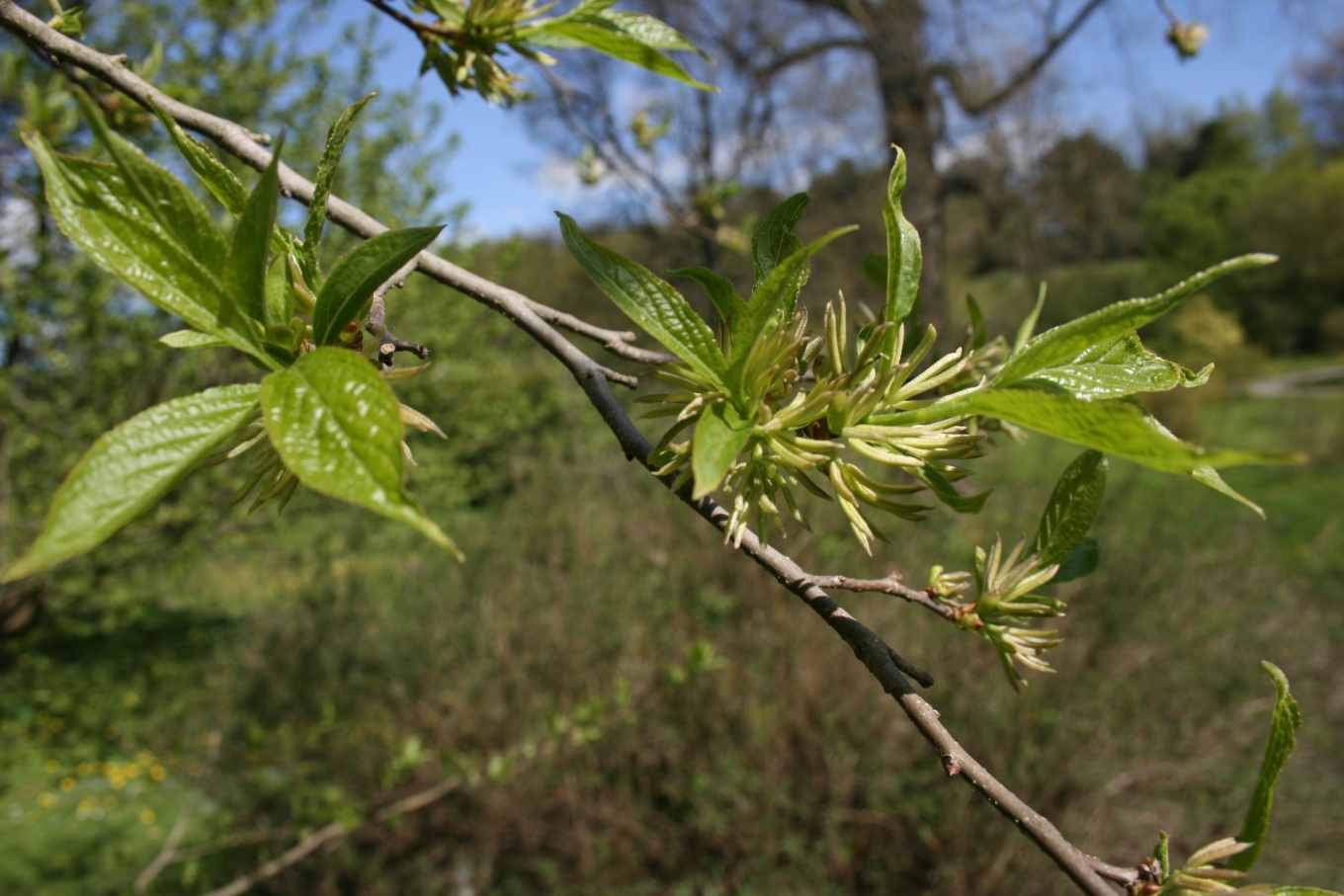
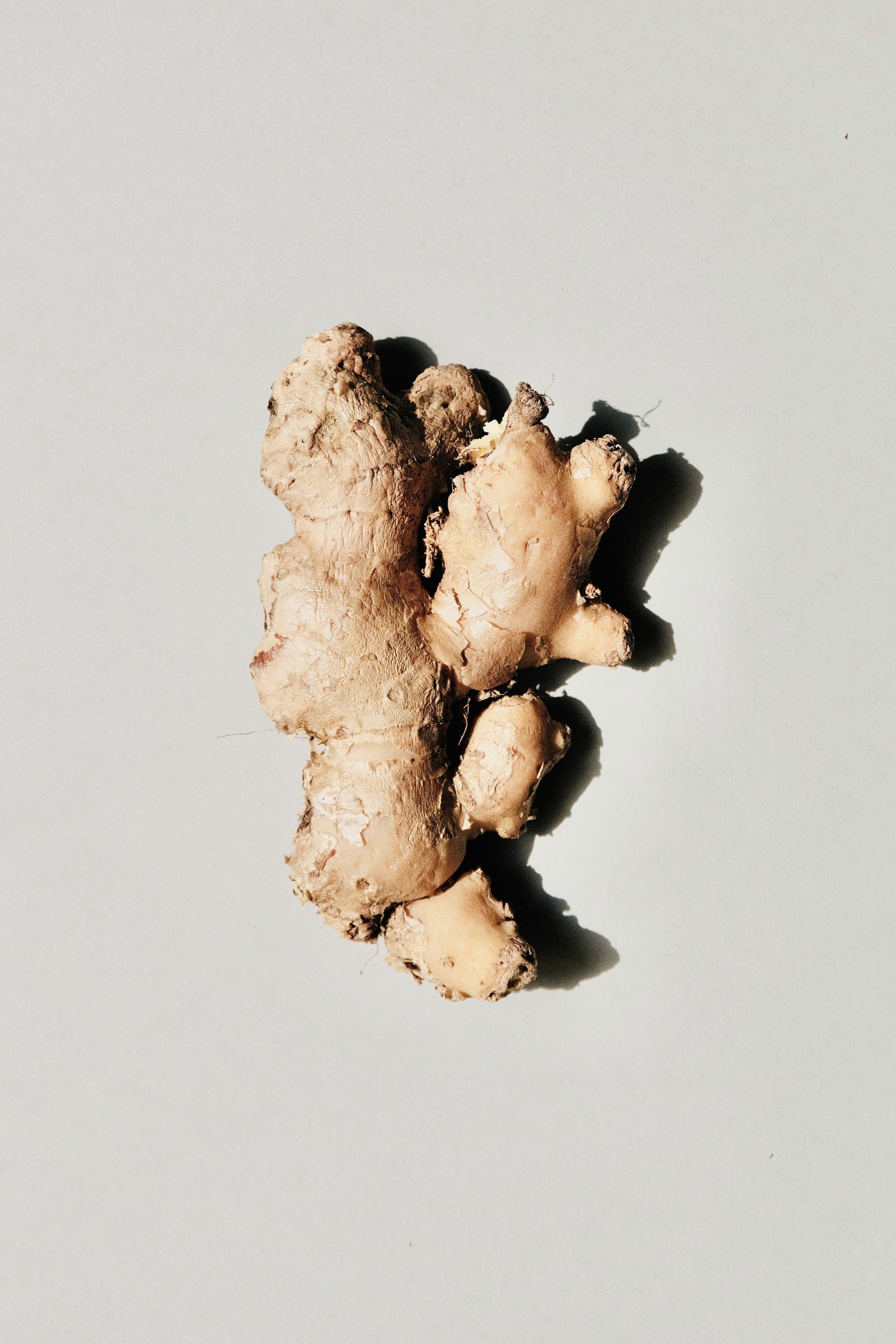
Inside you'll find cold-country botanicals chosen for their winter character: Siberian eleuthero and high-altitude rhodiola, hardy Manchurian schizandra, northern astragalus, resilient eucommia bark, and warming ginger — gathered from the places where plants have always known how to survive the cold.
For agricultural and horticultural use. Supports plant growth, vigor, and resilience — not a claim of any effect on human or animal health.
Pairs well with
Formulas that share Cold Season's botanicals
Built from overlapping herbs, these reinforce Cold Season along the same lines — the shared-botanical kinship our genome engine maps.