
For Plants
Revive
For the plant that's been knocked back — a reviving drench that helps it find its feet and push vigorous, composed new growth.
Rally is for the moment a plant has taken a hit. Maybe you cut it back hard and it's sulking. Maybe pests pressed it, the heat scorched it, a transplant rattled its roots, or it simply went too long between waterings while your back was turned. Whatever set it back, the plant is now in that vulnerable in-between — alive, but stalled, deciding whether to recover or decline. Rally is what you reach for there. Applied as a dilute drench at the root or a light foliar feed, it meets the plant in the recovery window and helps tip it toward the push of new growth rather than the slow slide of a plant that never quite came back.
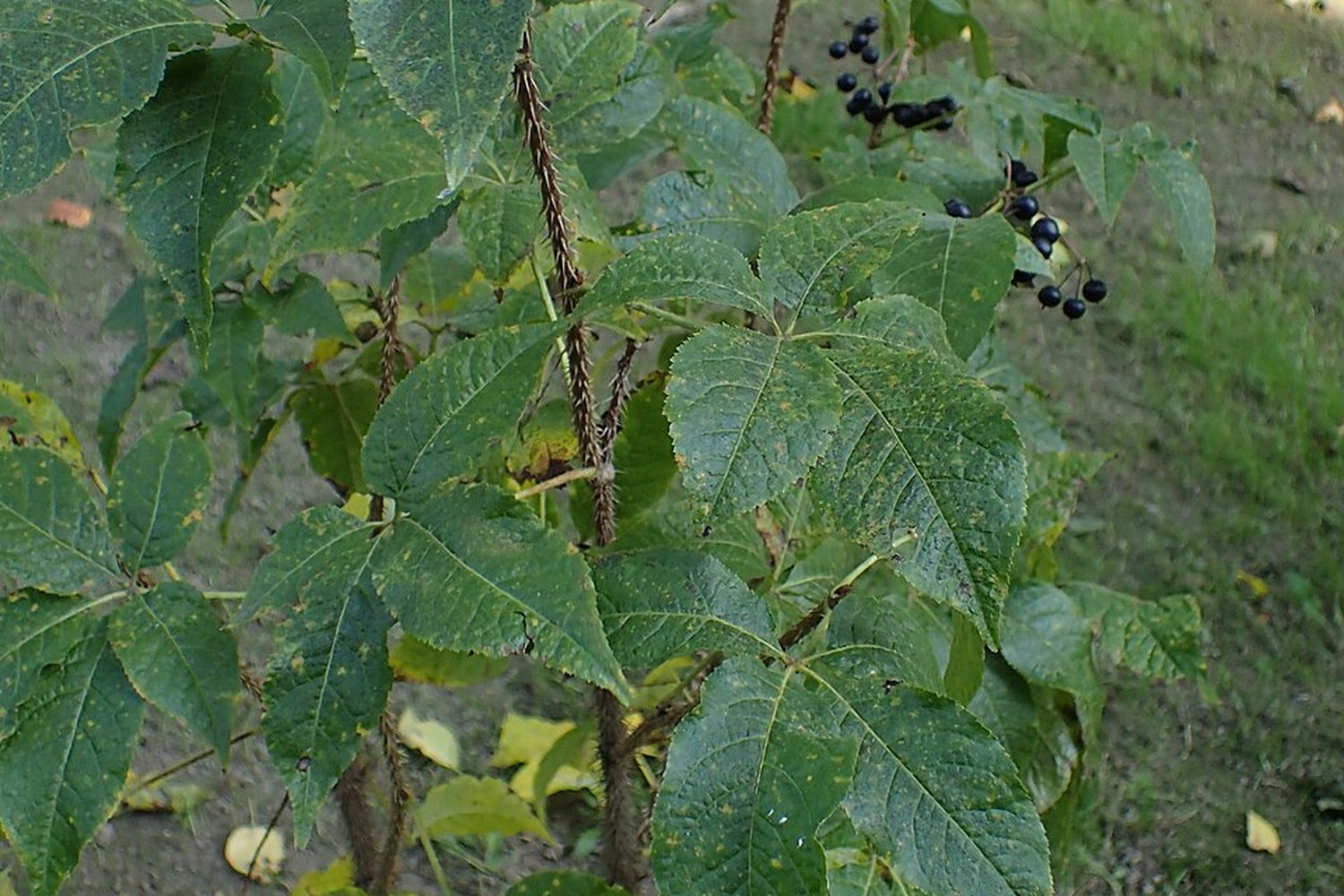
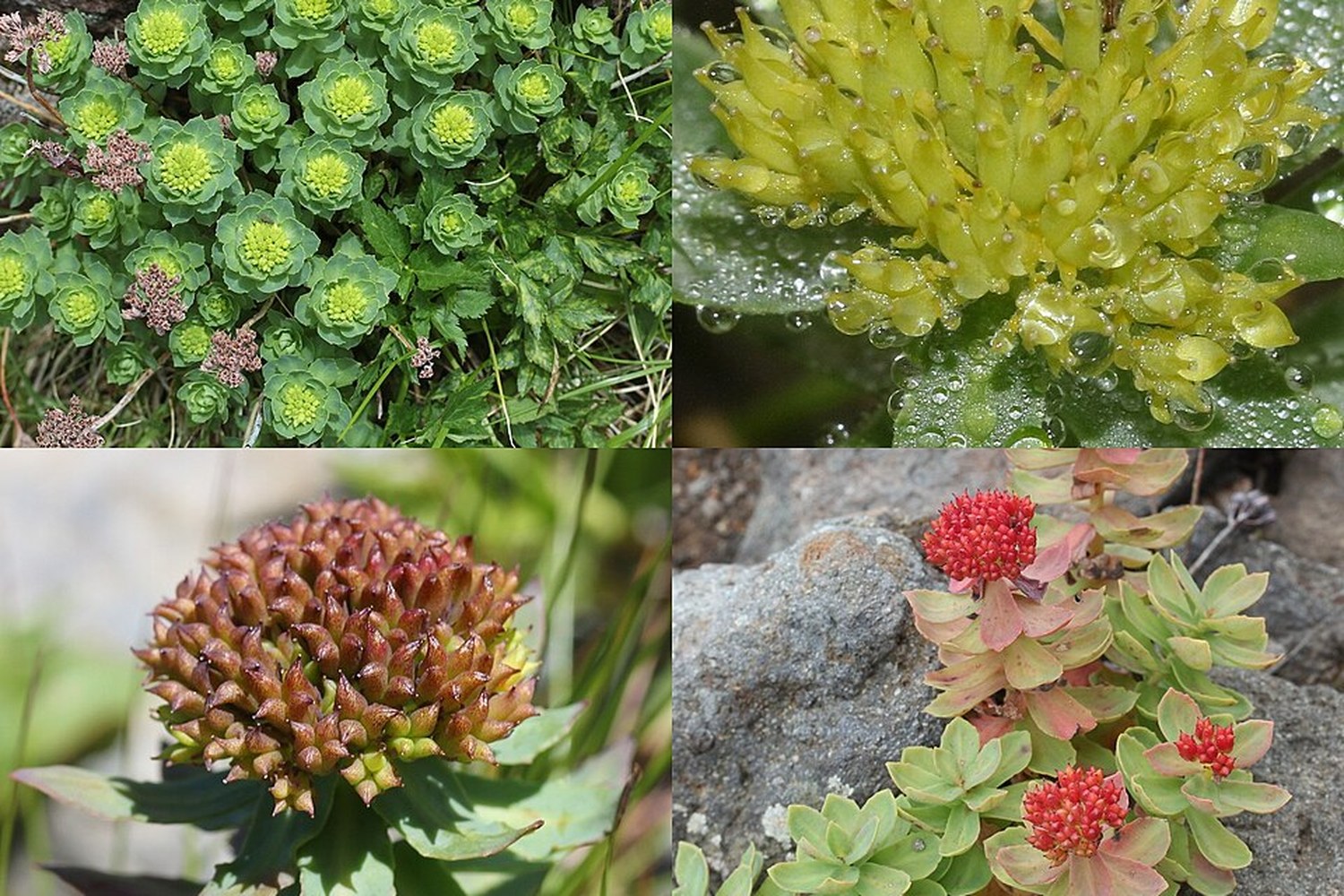
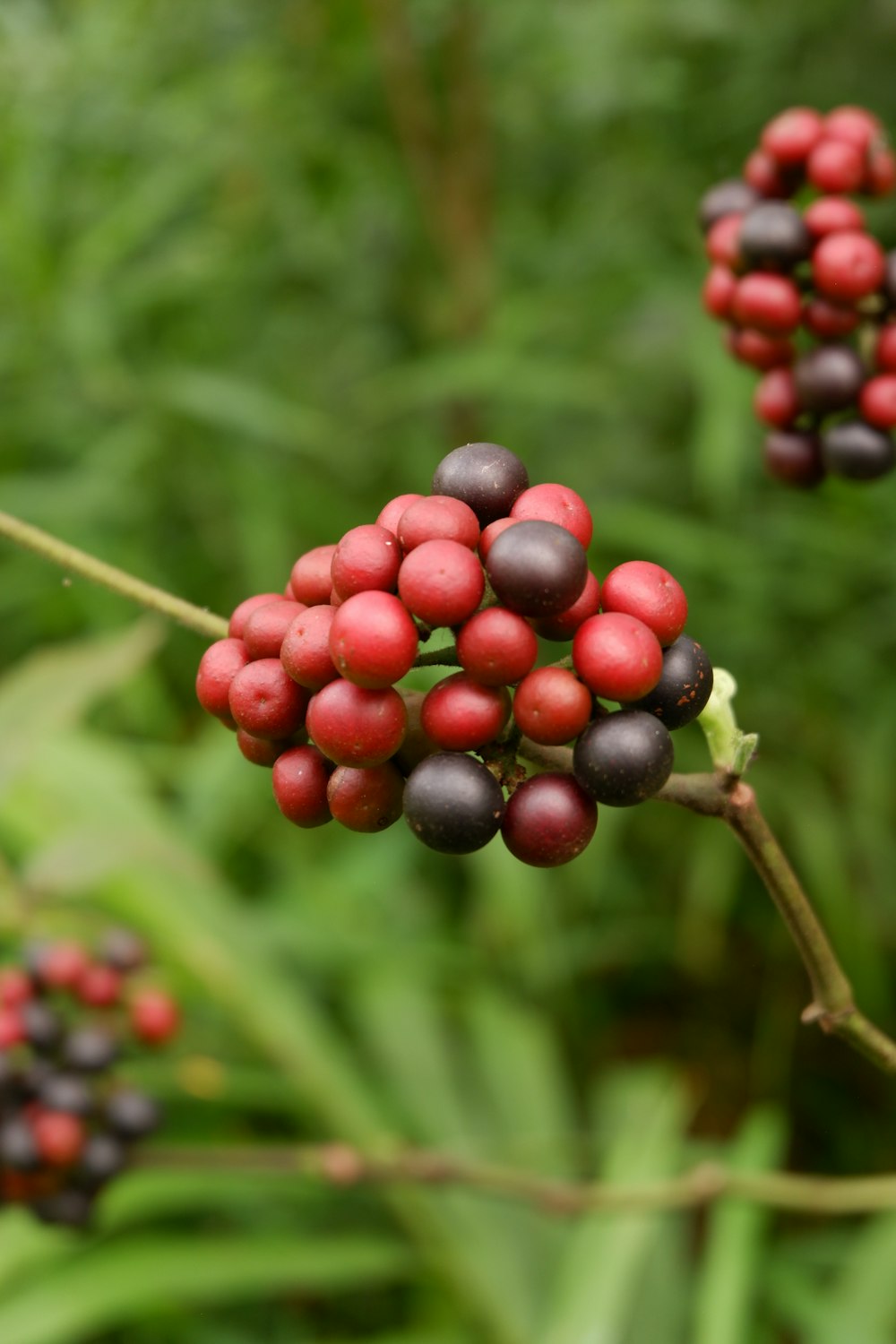
The work is twofold. First, it wakes the root zone and feeds the living soil the plant leans on hardest when it's rebuilding — so the recovering root has an active, populated environment to draw from rather than dead dirt. Second, it leans on roots that tradition has long turned to precisely for thriving under hardship: eleuthero and rhodiola, the cold-climate adaptogens of Siberia and the high north, prized for vigor and composure when conditions turn harsh, and schizandra, the East Asian fruiting vine valued for holding a system steady under strain. These are the botanicals you want around a plant that's being asked to do a hard thing.
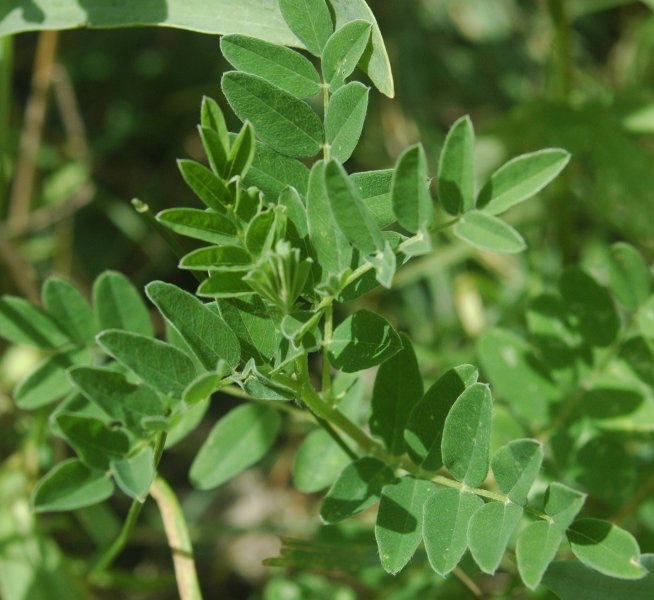
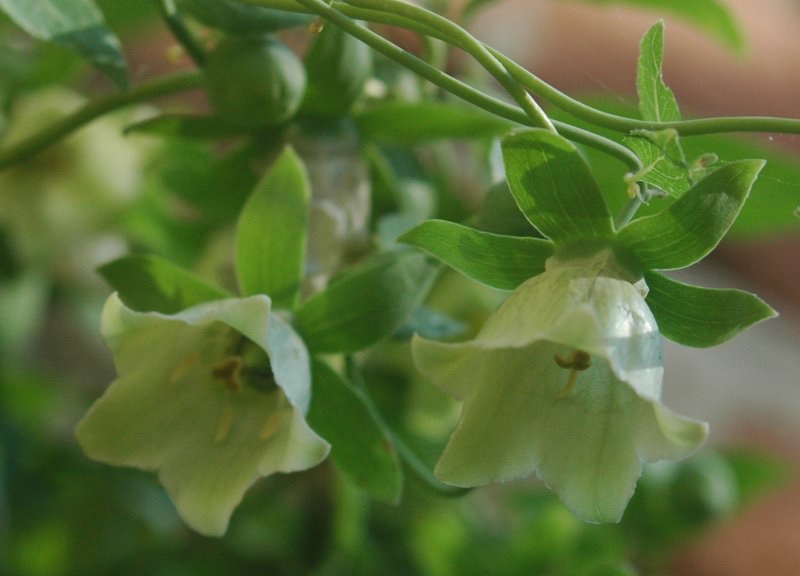
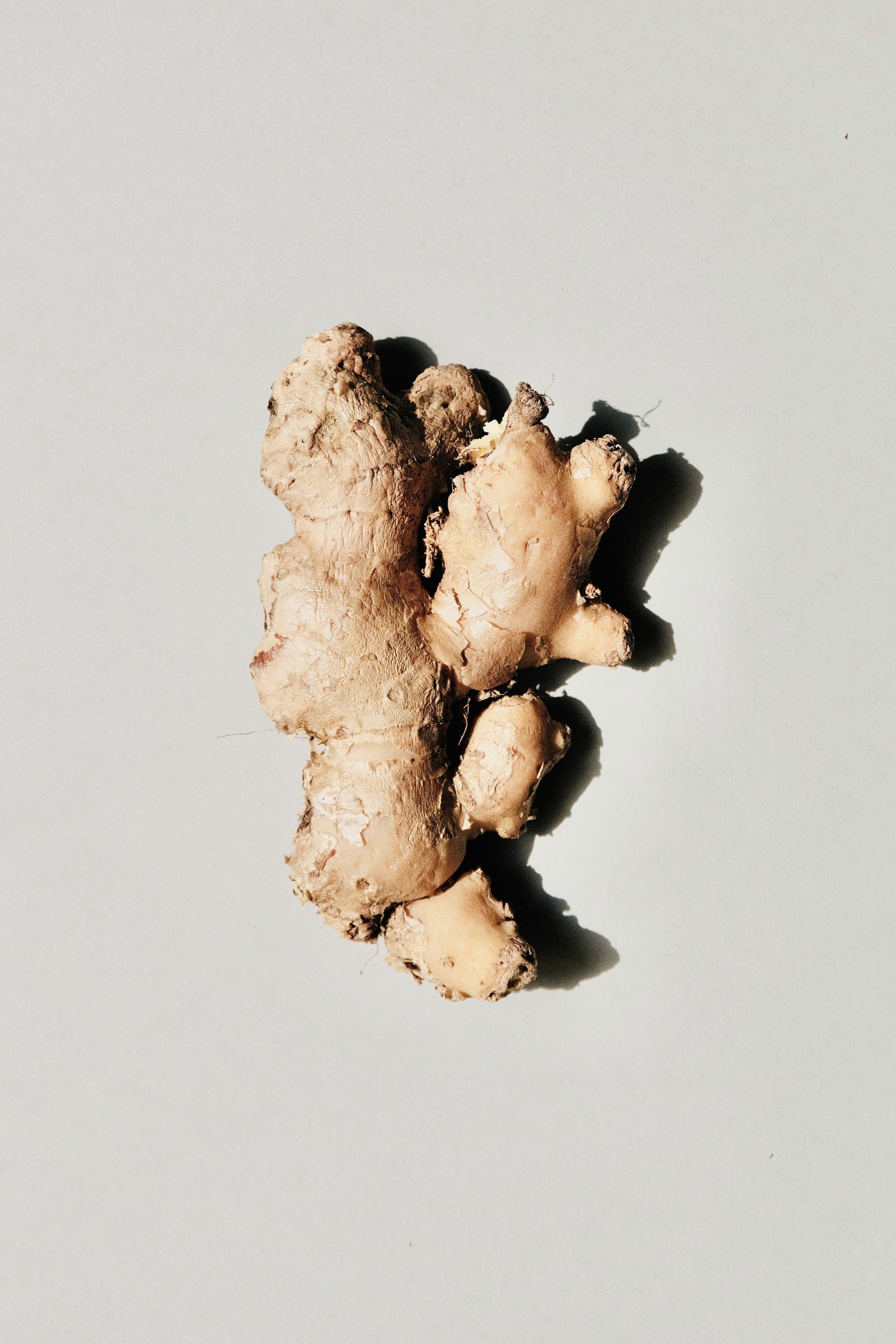
Rounding it out, astragalus and codonopsis bring the gentle, building root character of the East Asian tonic tradition, and a touch of ginger adds warmth that gets a sluggish, cold-stunned root zone moving again. The result is a drench that doesn't whip a stressed plant or force it — it supports the plant's own recovery machinery so the rebound, when it comes, is vigorous and composed: fresh growth, firmer footing, and a plant that looks like it decided to come back.
The botanical chemistry inside
The characterized plant compounds in this blend, documented in phytochemical research. Offered as botanical nutrition for the plant's own vigor and resilience — chemistry and tradition, nothing beyond the plant's own conditioning.
For Plants
Small-batch. Dual-extracted where it matters. Made by hand.
How to apply
Apply as a soil drench to the root zone, or as a lighter foliar feed. Start light; the extracts are concentrated.
Raw powders are for soil drenching only — they do not fully dissolve, so they are not suitable for foliar spraying.
For the grower who has a plant that's been knocked back and wants to tip it toward recovery — after a heavy trim, a rough transplant, a rough season, a heat spell, or a stretch of neglect. It's a reach-for-it drench in the recovery window, and it pairs naturally with a steady all-season feeding program once the plant is back on its feet.
Whole plant, never isolated
Concentrated extracts of the whole botanical — the way the body recognizes it.
Cited to measured biology
Every action we describe traces to the compound and its measured target.
Structure & function
We describe what an herb nourishes — never a claim to treat disease.
Secure checkout
Encrypted payment and human verification on every order.
- Free shipping over $150USPS Priority, tracked. $15 standard; ships in 1–3 business days.
- 30-day returnsIn original packaging and resalable condition. Refunded to your original payment method.
What you get
What this formula gives you
Supports a strong, vigorous rebound after hard pruning, transplant, a rough season, scorch, or neglect
Adaptogenic roots favored for composure and vigor under heat, drought, and stress
Wakes a stalled root zone and feeds the beneficial soil life a recovering plant leans on
Warmth from ginger to help stir a cold, sluggish rhizosphere back into motion
A clean, water-soluble drench that supports the plant's own recovery rather than forcing it
How it works
The science of Revive
Not buzzwords — the actual chemistry of the plants in this formula: their characterized compounds and the proteins those compounds are measured to engage, every one cited.
The backbone of Rally is the adaptogenic root — botanicals that earned their reputation across the Siberian, high-mountain, and East Asian herbal traditions for one quality: helping a living system hold together and stay vigorous under stress. Eleuthero and rhodiola grow where conditions are brutally hard, and the constituents that armor them there — eleutherosides, rosavins, and salidroside — are the same reserves that make them the roots herbalists turn to for resilience and steady vigor. Schizandra, the East Asian five-flavor berry-vine, carries its own protective lignans and is classically prized for steadying a system under strain. Brought to a recovering plant as a dilute feed, this is structure-and-signal support for the rebound, not a forced response.
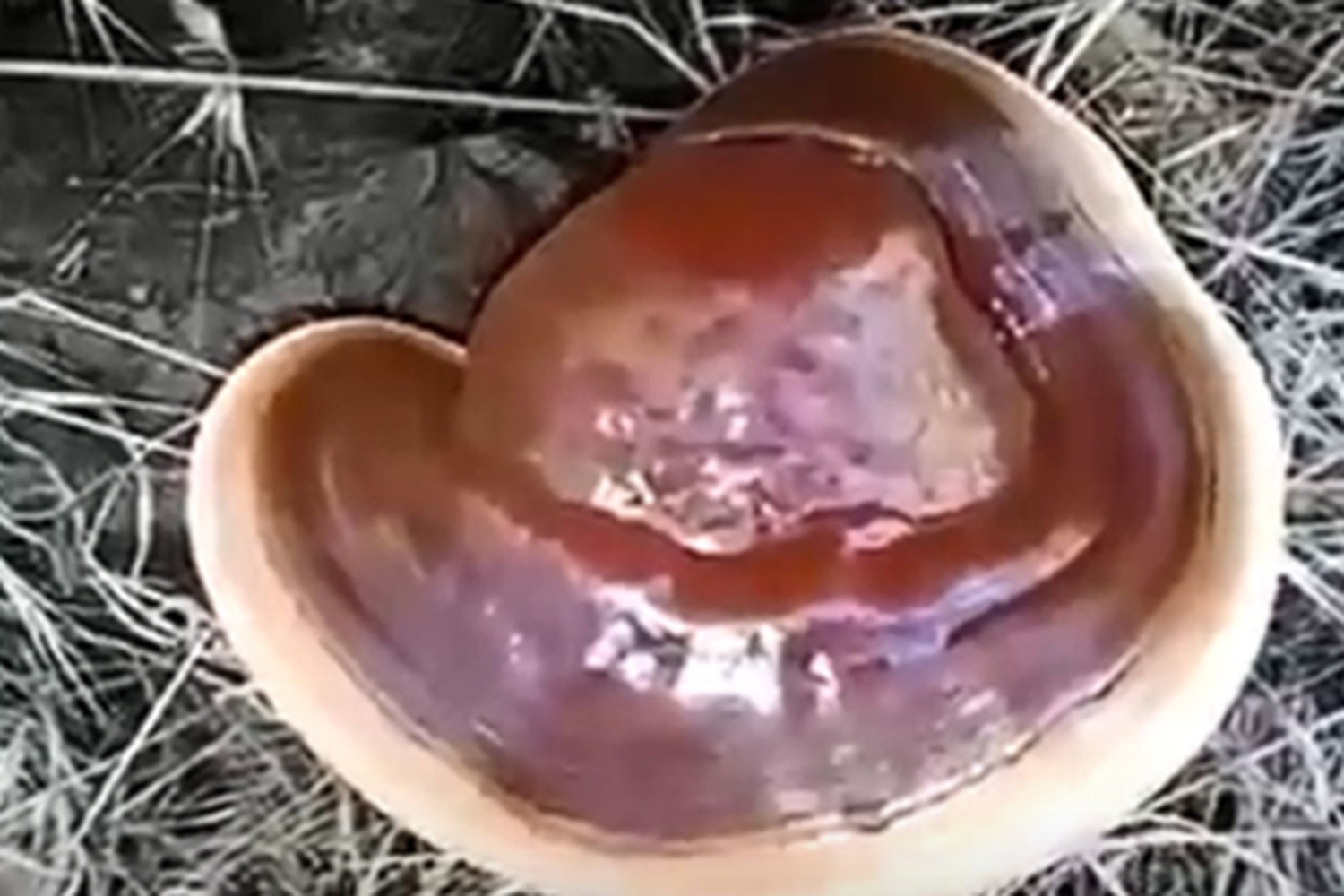
Around that core, the formula feeds the terrain the plant rebuilds from. Reishi contributes the fungal beta-glucans and polysaccharides that the beneficial microbial life of the root zone recognizes and feeds on — carbon and structural sugars that help bring a stalled rhizosphere back to active life, and patterns a plant's own surveillance is built to read. Astragalus and codonopsis add the building, tonic root character of East Asian tradition, and ginger lends warmth that helps stir a cold, sluggish root zone into motion. Taken together at dilute rates, Rally works the way good amendments work — feeding the living system beneath the plant and supplying the cues the plant uses to govern its own vigor while it finds its feet.
The molecules, measured
A formula is a community of compounds. Below are active molecules from the herbs in this blend and the proteins each is measured to engage — the precise points where the plants meet biology. So you see not just that it works, but how.
Eleutherococcus senticosus
Eleutheroside B (Syringin)
PubChem ↗Measured to act on
An enzyme that makes prostaglandins, messengers that protect the stomach lining and aid clotting.
An enzyme that breaks down fatty-acid signals involved in blood vessel tone and inflammation.
Sesamin
PubChem ↗Measured to act on
The sensory channel that detects cold and the cooling feel of menthol.
The receptor through which vitamin D guides calcium balance and gene activity.
A signaling enzyme that helps coordinate cell division.
Rhodiola rosea
Salidroside
PubChem ↗Measured in the lab: binds tightly to Amine oxidase [flavin-containing] B · IC50 810 nM
Measured to act on
An enzyme that breaks down messenger chemicals like dopamine in the nervous system.
An enzyme that makes prostaglandins for everyday upkeep like protecting the stomach lining.
An enzyme that cuts RNA when it is paired with DNA, part of normal genetic housekeeping.
Tyrosol (p-Tyrosol)
PubChem ↗Measured in the lab: binds tightly to Beta-carbonic anhydrase 1 · Ki 850 nM
Measured to act on
An enzyme that balances carbon dioxide and acidity, abundant in red blood cells.
A fast enzyme that balances carbon dioxide and acidity throughout the body.
A receptor that receives growth signals guiding cell movement, repair, and renewal.
Schisandra chinensis
Schisandrin B (Wuweizisu B)
PubChem ↗Measured in the lab: binds very tightly to Multidrug resistance-associated protein 1 · IC50 1.25 nM
Measured to act on
A guardian enzyme that senses DNA stress and helps coordinate repair.
A sentinel enzyme that detects DNA breaks and signals the cell to mend them.
An enzyme that helps stitch broken DNA strands back together.
Schisandrin C (= Wuweizisu C)
PubChem ↗Measured to act on
The enzyme that drives the body's inflammatory response.
The liver's busiest enzyme for breaking down compounds the body takes in.
A liver enzyme that helps metabolize and clear many compounds from the body.
Astragalus membranaceus
Formononetin
PubChem ↗Measured in the lab: binds very tightly to Apoptosis regulator Bcl-2 · Ki 10 nM
Measured to act on
A liver enzyme that breaks down many compounds the body takes in.
An enzyme that edits proteins to manage cellular cleanup and the cell internal scaffolding.
Calycosin
PubChem ↗Measured to act on
A protein that helps organize DNA and acts as an alarm signal during tissue stress.
Ganoderma lucidum
Ganoderic acid A
PubChem ↗Measured to act on
An enzyme that locally regenerates active cortisol, shaping how tissues respond to the body's stress hormone.
An enzyme that quiets cortisol inside kidney and salt-handling tissues, helping govern fluid and mineral balance.
An enzyme that converts glucose into sorbitol, part of how cells handle sugar.
Ganoderic acid B
PubChem ↗Measured to act on
The enzyme that breaks down acetylcholine, resetting nerve and muscle signals between pulses.
A blood enzyme that breaks down acetylcholine and helps clear certain compounds from circulation.
An enzyme that converts glucose into sorbitol, part of how cells handle sugar.
Codonopsis pilosula
Syringin
PubChem ↗Measured to act on
An enzyme that makes prostaglandins for everyday housekeeping like stomach lining and blood flow.
An enzyme that breaks down fatty-acid signals involved in blood vessel and inflammation balance.
Atractylenolide I
PubChem ↗Measured to act on
An enzyme that converts fatty acids into messengers of the inflammatory response.
An enzyme that makes prostaglandins for everyday housekeeping like stomach lining and blood flow.
Zingiber officinale
6-Gingerol
PubChem ↗Measured in the lab: binds to Transient receptor potential cation channel subfamily V member 1 · EC50 3.3 µM
Measured to act on
A major liver enzyme that processes a wide range of compounds the body takes in.
A repair enzyme that resolves certain DNA damage so the strand can be restored.
A liver enzyme that helps break down and process many compounds and natural substances.
6-Shogaol
PubChem ↗Measured in the lab: binds to Cytochrome P450 1A2 · IC50 2.5 µM
Measured to act on
A major liver enzyme that processes a wide range of compounds the body takes in.
A liver enzyme that processes many compounds, including some the body forms naturally.
A nerve-ending sensor that responds to heat and to the pungency of chili pepper compounds.
Cited science · not claims
Everything we publish about these plants traces to a primary source — the compounds to PubChem, ChEMBL, and BindingDB, the traditional uses to named, dated herbals. We describe what a plant is and what it is understood to nourish — the body’s own systems, structure and function only. We do not claim it treats, cures, or prevents any disease, and nothing here is a substitute for professional care. See our method & sources →
These statements have not been evaluated by the Food and Drug Administration. Not intended to diagnose, treat, cure, or prevent any disease.
Why these herbs together
The shared mechanism
More than one botanical in this blend is measured to engage the same molecular targets. We share the convergent chemistry — characterized and cited, never a claim.
Eleuthero · Astragalus · Reishi · Codonopsis · Ginger
Eleuthero · Rhodiola · Schizandra · Codonopsis · Ginger
Eleuthero · Astragalus · Ginger
Eleuthero · Astragalus · Ginger
Schizandra · Codonopsis · Ginger
Eleuthero · Astragalus · Codonopsis
Each convergence is a gene whose protein two or more of this formula’s herbs are measured to engage (PubChem BioAssay & ChEMBL). It describes characterized molecular activity and the protein’s normal role — structure and function only, never a claim to treat, cure, or prevent any disease.
In practice
Who it’s for, and how to use it
Who it’s for
For the grower who has a plant that's been knocked back and wants to tip it toward recovery — after a heavy trim, a rough transplant, a rough season, a heat spell, or a stretch of neglect. It's a reach-for-it drench in the recovery window, and it pairs naturally with a steady all-season feeding program once the plant is back on its feet.
How to use it
Dilute 1/8 to 1/4 teaspoon per gallon and apply as a soil drench to the root zone, or as a lighter foliar feed, through the recovery period after a setback. Always dilute and start light; the extracts are concentrated.
Measure · Dilute 1/8 to 1/4 teaspoon per gallon of water. Apply as a soil drench to the root zone, or as a lighter foliar feed. Start light; the extracts are concentrated.
What’s inside
Inside is a recovery-minded gathering of roots and allies: eleuthero and rhodiola, the cold-climate adaptogens of Siberia and the high north prized for thriving under hardship; schizandra, the East Asian five-flavor vine valued for steadiness under strain; astragalus and codonopsis for their building, tonic root character; reishi for the fungal beta-glucans and polysaccharides that feed the living soil a recovering plant draws from; and a measure of ginger for warmth at the root. They were chosen as the botanicals you want around a plant being asked to bounce back — rendered as a dilute drench for the garden.
For agricultural and horticultural use. Supports plant growth, vigor, and resilience — not a claim of any effect on human or animal health.
Pairs well with
Formulas that share Revive's botanicals
Built from overlapping herbs, these reinforce Revive along the same lines — the shared-botanical kinship our genome engine maps.